
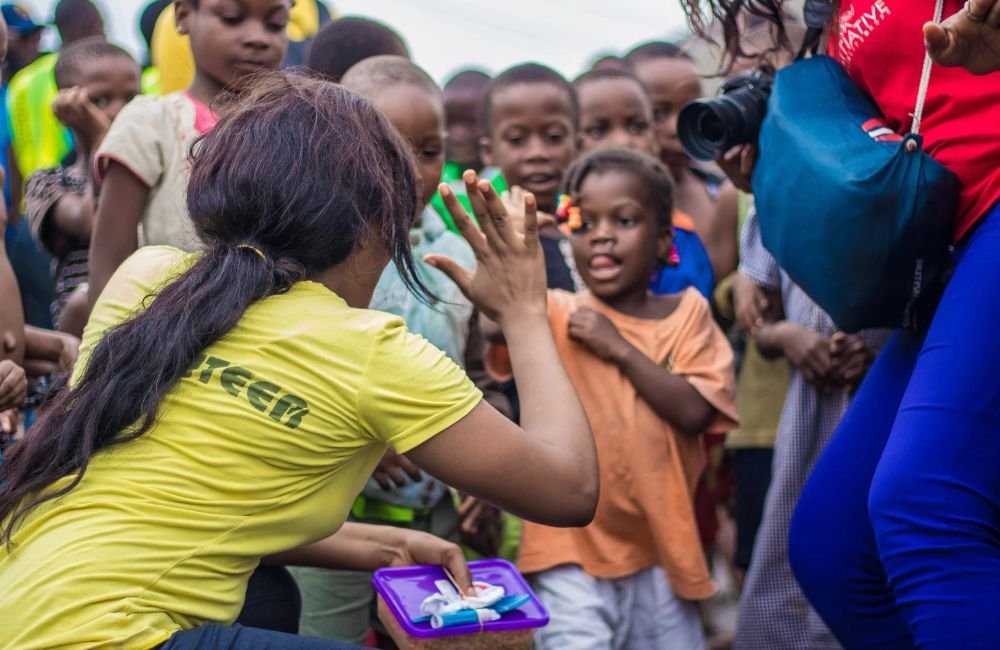
Environmental volunteering provides opportunities to support locally managed conservation projects in South Africa.
Volunteer in South Africa: Ethical Projects, Visas and Travel Tips
South Africa is known for its extraordinary wildlife, dramatic coastlines, vibrant cities and diverse cultural traditions. Beyond its popular tourist attractions, the country also offers opportunities for travellers who want to contribute their time and skills to community and conservation initiatives.
Choosing to volunteer in South Africa can provide a different perspective on the destination. Instead of spending your entire trip sightseeing, you may work alongside local organisations involved in education, environmental restoration, wildlife rehabilitation or youth development.
However, meaningful volunteering requires more than enthusiasm.
A worthwhile project should address a genuine local need, protect the people or wildlife involved and provide clear responsibilities for visiting volunteers. It should also respect the knowledge and leadership of the communities it serves.
This guide explores different types of volunteer projects in South Africa, where to find opportunities, how to evaluate organisations and what to consider before travelling.
Why Volunteer in South Africa?
Volunteering abroad offers an opportunity to experience another country while contributing to an established project.
For some travellers, the attraction lies in environmental conservation. Others want to share professional skills, support educational initiatives or learn more about community development.
South Africa has organisations working across these fields, although opportunities vary by location, project requirements and available placements.
Responsible volunteering can offer several benefits:
- Practical contribution: Support work identified as useful by the host organisation.
- Cultural understanding: Learn from local colleagues and communities.
- Skill development: Gain experience in appropriate, supervised roles.
- Conservation awareness: Understand how environmental organisations protect ecosystems and wildlife.
- Meaningful travel: Spend time learning about a destination beyond conventional sightseeing.
However, volunteering should never be presented as an automatic benefit to a community.
An inexperienced visitor may contribute less than a trained local professional. Short placements can also create additional work for host organisations.
The most effective approach is to choose a project where your contribution is genuinely needed and where experienced local staff remain responsible for the work.

Community volunteering can provide opportunities to support locally led education and social development initiatives.
1. Education and Teaching Support
Education-related volunteering is one option for travellers with relevant knowledge, teaching experience or specialist skills.
Possible activities include supporting literacy programmes, assisting with educational resources and helping with supervised extracurricular activities.
Some community organisations also provide tutoring, homework support and educational enrichment outside normal school hours.
What Can Education Volunteers Do?
Depending on the host organisation and your qualifications, suitable tasks may include:
- Assisting qualified teachers with classroom materials.
- Supporting supervised reading activities.
- Helping prepare educational resources.
- Providing subject-specific tutoring where appropriate.
- Assisting with library organisation.
- Supporting established after-school programmes.
Volunteers should not assume that speaking English automatically qualifies them to teach children.
Formal classroom teaching may require recognised qualifications, institutional approval and appropriate legal authorisation.
Any placement involving children should also require suitable safeguarding checks, supervision and clear professional boundaries.
Check School Terms Before Booking
South African public schools follow an official annual calendar published by the Department of Basic Education.
The dates of school terms and holidays vary from year to year.
If your placement involves classroom activities, confirm that the school will be operating during your proposed dates.
Some educational projects may offer holiday programmes, but these should not be assumed to be available without confirmation.
Best suited to: Qualified teachers, experienced tutors and volunteers with relevant educational skills.
2. Digital Skills and Computer Training
Digital literacy is another area where appropriately qualified volunteers may be able to contribute.
Community organisations sometimes support people who want to improve their ability to use computers, navigate online services or develop workplace skills.
However, the value of these projects depends on the equipment, connectivity, language requirements and existing training programmes.
A visiting volunteer should work within an established curriculum rather than arrive with an untested teaching plan.
Possible Digital Volunteering Activities
Projects may seek assistance with:
- Basic computer skills.
- Word processing and spreadsheets.
- Email and online communication.
- Internet safety and digital privacy.
- Website maintenance.
- Digital administration.
- Training materials and documentation.
- Technical support for nonprofit organisations.
People with professional experience in web development, IT support or digital communications may also be able to assist organisations with internal systems.
For example, improving an organisation’s website or preparing reusable training materials can provide benefits that continue after a volunteer leaves.
Why Skills Transfer Matters
An effective digital project should help local staff and participants continue using the knowledge independently.
This means providing suitable documentation, training local colleagues and avoiding systems that require the visiting volunteer to remain available indefinitely.
Before accepting a placement, ask how the organisation measures progress and whether it has the resources needed to maintain the project.
Best suited to: IT professionals, digital trainers, website developers and people with relevant technical experience.
3. Youth Sports and Community Development
Sport can provide opportunities for teamwork, physical activity and social connection.
Community organisations in South Africa use sporting activities as part of wider youth development programmes.
Depending on the organisation, activities may include football, netball, basketball, volleyball and other recreational sports.
What Does a Sports Volunteer Do?
A suitable placement might involve assisting a qualified coach, organising equipment, preparing activities or supporting supervised events.
The aim should be to strengthen an existing programme rather than replace local coaches.
Responsible organisations establish clear procedures for working with young participants, including safeguarding policies, supervision and appropriate emergency arrangements.
Volunteers with coaching qualifications, first-aid training or experience working with young people may be particularly useful.
Choose Community-Led Programmes
Be cautious of organisations that describe children or communities primarily as problems to be solved by visiting tourists.
Effective projects should recognise local strengths and involve community members in decisions about activities.
Ask whether local coaches lead the sessions and what responsibilities volunteers are expected to undertake.
Best suited to: Qualified coaches, physical education professionals and experienced youth workers.
4. Surf Outreach and Youth Development
South Africa’s coastline supports surfing communities and programmes that use the sport as part of youth development.
These initiatives can combine physical activity, social connection and structured learning.
For example, Waves for Change is a South African nonprofit organisation that delivers surf therapy programmes for adolescents in the Western Cape and Eastern Cape.
Its activities combine surfing with approaches designed to support emotional regulation and social well-being.
What Makes Surf Outreach Different?
Surf outreach is not simply about taking children to the beach.
Structured programmes may involve trained coaches, water-safety procedures, safeguarding policies and activities developed around specific participant needs.
Visitors should not assume they can join a programme as surf instructors without relevant qualifications.
Qualified instructors, lifeguards and professionals with appropriate experience may have more suitable skills for particular roles.
Other travellers may be able to support fundraising, administration or organised activities when the host organisation specifically requests assistance.
Where Are Surf Projects Located?
Surf-related programmes are naturally concentrated in coastal communities.
Cape Town and other coastal areas of the Western and Eastern Cape are relevant places to research.
Johannesburg, although an important commercial centre, is inland and should not be confused with South Africa’s coastal surf destinations.
Contact organisations directly to establish whether they currently accept visiting volunteers and what qualifications or checks are required.
Best suited to: Experienced surfers, qualified coaches, water-safety professionals and volunteers with relevant youth-development skills.
5. Wildlife Conservation and Rehabilitation
South Africa’s wildlife is one of its major attractions, and conservation volunteering is often especially appealing to international visitors.
However, wildlife projects require careful research.
Not every programme advertising close encounters with wild animals contributes to conservation.
Responsible projects generally operate under professional supervision and have clearly defined conservation, research or rehabilitation objectives.
Wildlife Monitoring and Research
Some organisations involve volunteers in field-based conservation work.
Activities may include:
- Assisting with wildlife monitoring.
- Recording observations and field data.
- Supporting authorised conservation research.
- Maintaining equipment.
- Helping with habitat-management activities.
- Assisting qualified conservation personnel.
Wildlife ACT, for example, operates conservation programmes associated with protected areas in Zululand and other parts of South Africa.
Its volunteer opportunities focus on conservation-related work under experienced teams.
Individual activities depend on the programme and should be confirmed directly with the organisation.
Seabird Rehabilitation
Wildlife conservation is not limited to safari animals.
The Southern African Foundation for the Conservation of Coastal Birds, known as SANCCOB, operates seabird rehabilitation centres in Cape Town and Gqeberha.
Its work includes the rescue, rehabilitation and release of African penguins and other seabirds.
SANCCOB offers structured volunteer opportunities, including programmes for international participants.
Its published international volunteer programme generally requires a minimum commitment of six weeks, and accommodation is not included.
Tasks can involve cleaning, food preparation, facility maintenance and animal-care duties under supervision.
Wildlife handling should take place only where specifically authorised and supervised by the organisation.
Avoid Exploitative Wildlife Attractions
Be particularly cautious of programmes advertising activities such as:
- Bottle-feeding lion cubs.
- Walking with captive lions.
- Cuddling wild predators.
- Taking selfies while handling wild animals.
- Breeding animals for tourist interaction.
Animal welfare organisations have warned that some facilities use misleading conservation claims to attract paying volunteers.
A genuine conservation project should be able to explain its objectives, animal welfare practices, professional oversight and measurable outcomes.
Best suited to: Conservation enthusiasts, environmental science students, qualified wildlife professionals and travellers prepared for structured fieldwork.
6. Environmental Restoration and Biodiversity Projects
For travellers interested in conservation without direct animal handling, habitat restoration can be an appealing alternative.
Environmental projects may involve planting indigenous vegetation, removing invasive plants, improving urban green spaces or supporting biodiversity monitoring.
The work is often physical and may take place outdoors in varying weather conditions.
Volunteer With Environmental Organisations
Greenpop, a South African environmental organisation, runs urban greening and restoration initiatives.
Its Cape Town activities have included nursery work, indigenous plant care and volunteer events.
The City of Cape Town also provides information about opportunities to assist at nature reserves and with biodiversity programmes.
These initiatives offer examples of organised conservation activities, although eligibility, available positions and immigration requirements must be checked before applying.
Why Environmental Volunteering Can Be Valuable
Habitat restoration often requires ongoing maintenance rather than a single planting event.
A responsible organisation should have plans for caring for newly planted vegetation and monitoring longer-term results.
Ask how your work fits into these plans.
Best suited to: Environmental enthusiasts, students, outdoor volunteers and people interested in biodiversity conservation.
Where Can You Volunteer in South Africa?
The type of project you choose will influence where you stay.
South Africa is geographically large, so it is sensible to select a placement first and arrange your travel around that location.
| Region | Projects Worth Researching |
|---|---|
| Cape Town and Western Cape | Seabird rehabilitation, environmental restoration, community projects and surf-related initiatives |
| Gqeberha and Eastern Cape | Seabird rehabilitation, coastal conservation and community initiatives |
| KwaZulu-Natal | Wildlife monitoring, conservation and community-based projects |
| Johannesburg and Gauteng | Digital skills, education support and urban nonprofit initiatives |
These are broad areas of activity, not guarantees of available placements.
Before choosing accommodation, confirm the project’s exact address, reporting location and daily transport arrangements.
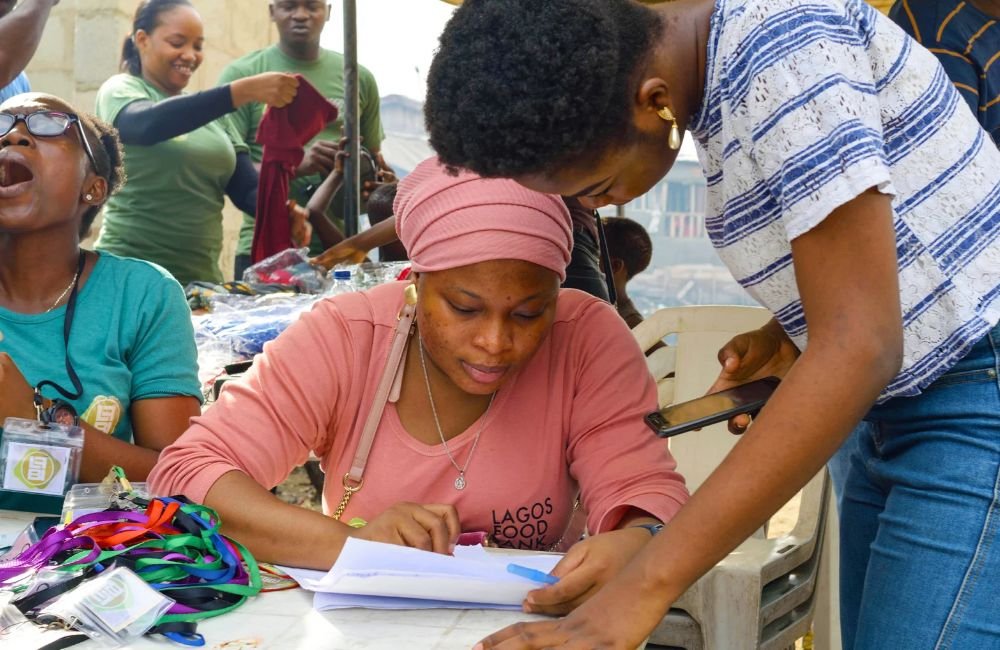
Volunteers help organise registration and administrative activities during a community outreach event.
How to Choose an Ethical Volunteer Organisation
Finding a programme is relatively easy. Establishing whether it is responsible and suitable requires more care.
South African Tourism encourages prospective volunteers to research operators, understand where their money goes and consider the long-term value of their contribution.
Check the Organisation’s Background
Look for clear information about its legal identity, management, activities and local partnerships.
Where an organisation claims registered nonprofit status, ask for its registration details.
South Africa’s Department of Social Development maintains a framework for registering nonprofit organisations.
However, registration alone does not prove that every programme is ethical or effective.
Understand the Project’s Purpose
Ask why volunteers are needed and what work they will perform.
A reliable organisation should explain how the project supports existing local priorities.
It should also describe the qualifications required and the limits of volunteer responsibilities.
Verify Safeguarding Procedures
Projects involving children or vulnerable adults require particularly careful examination.
Ask about background checks, supervision, reporting procedures, photography policies and child protection training.
Avoid organisations that permit unqualified visitors to provide unsupervised care or short-term emotional support to children living in residential institutions.
Frequent changes in caregivers can be harmful, especially for vulnerable children.
Ask About Fees and Financial Transparency
Some volunteering programmes charge participation fees.
These may cover training, coordination, accommodation, meals, transport or project operating costs.
A fee is not automatically evidence of exploitation, but the organisation should explain what it covers.
Ask whether any of the money directly supports local staff and activities.
Speak to Previous Volunteers
Independent feedback may help you understand the realities of a placement.
Ask about the actual duties, supervision, living conditions and differences between advertised experiences and daily work.
Avoid making a decision solely from promotional photographs or testimonials published by a booking intermediary.
Questions to Ask Before Paying for a Placement
Use this checklist when contacting an organisation:
- Who manages the project, and who identified the need for volunteers?
- What duties will I perform each day?
- What qualifications, background checks or experience are required?
- Who supervises volunteers?
- What is the minimum commitment?
- What visa or immigration authorisation is required?
- What does the programme fee include?
- Is accommodation provided?
- How will I travel between accommodation and the project?
- What insurance, safety training and emergency support are available?
- How does the organisation measure its outcomes?
- What happens if the placement is cancelled?
Get important information in writing before making non-refundable travel bookings.
Do You Need a Visa to Volunteer in South Africa?
International volunteers must confirm their immigration requirements before travelling.
South Africa has visa arrangements that may permit certain voluntary or charitable activities, subject to the applicant’s nationality, length of stay and intended work.
The South African High Commission publishes information about visitor visas for non-remunerative volunteering with qualifying organisations.
However, the fact that a placement is unpaid does not automatically mean that a tourist entry permission is sufficient.
What Should International Volunteers Check?
Before accepting a placement:
- Confirm your visa requirements with South Africa’s Department of Home Affairs or the appropriate diplomatic mission.
- Explain the exact nature of your volunteer activities.
- Ask whether you need documentation from the host organisation.
- Check the permitted duration and conditions of your stay.
- Establish whether the activity requires separate work authorisation.
- Ensure that your passport and supporting documents meet the applicable requirements.
Visa-exempt tourism arrangements should not be assumed to authorise every form of volunteering.
Apply early enough to allow for the necessary processing and documentation.
How Much Does Volunteering in South Africa Cost?
Not all volunteering opportunities are free.
Even unpaid placements may involve programme fees and substantial travel expenses.
Your total budget should consider:
| Expense | What to Check |
|---|---|
| Programme fees | Training, administration and project contributions |
| Flights | International travel and baggage requirements |
| Accommodation | Shared rooms, private lodging or host-arranged housing |
| Meals | Whether food is included or purchased separately |
| Local transport | Transfers and daily travel to the project |
| Immigration | Visa applications and related documentation |
| Insurance | Medical expenses and coverage for volunteer activities |
| Personal expenses | Laundry, communications and leisure activities |
Do not assume that a rural placement will provide free accommodation or that a city-based programme will arrange housing.
Each organisation operates differently.
Compare the complete cost before choosing between programmes.
How Long Should You Volunteer?
The most suitable duration depends on the project.
Some environmental organisations offer supervised activities that can be completed within a short period.
By contrast, education support, youth programmes and wildlife rehabilitation may require several weeks or longer.
Training and supervision take time. Arriving for only a few days may not provide sufficient opportunity to make a useful contribution.
South African Tourism notes that longer commitments can be more valuable, particularly where volunteers need time to learn procedures and understand local circumstances.
If you have limited time, consider a structured environmental activity, a clearly defined professional task or an alternative way to support an established organisation.
Always check the minimum commitment specified by the host.
When Is the Best Time to Volunteer in South Africa?
South Africa’s seasons are opposite to those in much of the Northern Hemisphere, with summer generally occurring from December to February and winter from June to August.
However, conditions vary considerably between regions.
Cape Town experiences a Mediterranean-type climate, with wetter winters and generally drier summers.
Other parts of the country have different rainfall patterns.
The right time to volunteer depends on the project’s location and activities.
Consider These Factors
School-based programmes: Check the Department of Basic Education’s official school calendar.
Wildlife projects: Ask whether activities change according to animal breeding cycles, environmental conditions or research schedules.
Environmental restoration: Planting and habitat-management activities may depend on rainfall and seasonal conditions.
Coastal projects: Weather, sea conditions and water temperatures can affect outdoor work.
Choose dates that match the organisation’s operational needs rather than simply selecting the most convenient tourism season.
Health and Safety Advice for Volunteer Travellers
Travelling for volunteer work may expose you to different environments and risks from a conventional holiday.
Preparation is especially important for fieldwork, animal rehabilitation and projects in unfamiliar locations.
Arrange Suitable Travel Insurance
Ordinary travel insurance may not cover every volunteer activity.
Ask the insurer whether the policy covers your specific placement, including any manual work, animal-related activities or remote fieldwork.
Check medical, emergency transport and evacuation coverage.
Keep the insurer’s emergency contact information accessible.
Get Destination-Specific Health Advice
Consult a qualified travel health professional well before departure.
Your healthcare needs depend on your destination, activities, medical history and planned duration.
Malaria risk exists in particular parts of South Africa, including certain northeastern areas, but not uniformly throughout the country.
Prevention recommendations depend on the exact location and season.
Check official travel health guidance rather than assuming that every South African destination has the same risks.
Take Personal Security Seriously
South Africa has areas where violent crime and theft pose significant risks.
Check your government’s current travel advice, use reliable transport and follow local guidance.
Avoid travelling alone after dark in unfamiliar places and do not display valuables unnecessarily.
For remote conservation placements, confirm transport arrangements, communication methods and emergency procedures.
Respect Health and Safety Procedures
Wildlife facilities may impose hygiene rules, protective clothing requirements and restrictions on animal handling.
Follow all instructions from trained staff.
Never approach, feed or attempt to rescue wild animals without authorisation.
Can You Combine Volunteering With a South African Holiday?
Yes, provided your volunteering activities are correctly authorised and your schedule allows for leisure travel.
South Africa offers numerous opportunities to explore natural landscapes, cultural attractions and historic destinations.
For example, travellers based near Cape Town may want to visit Table Mountain, explore the Cape Peninsula or discover the city’s museums and restaurants.
Those volunteering in wildlife-related areas may consider professionally guided nature experiences.
However, volunteering should remain a commitment rather than an activity that is repeatedly interrupted for sightseeing.
A practical approach is to complete your agreed placement first and reserve separate days for leisure travel.
Check the conditions of your visa and insurance before combining different activities.
Frequently Asked Questions About Volunteering in South Africa
Can foreigners volunteer in South Africa?
Yes, foreign nationals may be eligible for volunteer placements, subject to the requirements of the host organisation and South African immigration law.
The correct visa or authorisation depends on the proposed activities and individual circumstances.
Do volunteers get paid in South Africa?
Many volunteer placements are unpaid, and some charge participation fees.
Paid positions may fall under different employment and immigration requirements.
Always clarify whether the role involves wages, allowances or other forms of compensation.
Can you volunteer without previous experience?
Some projects accept suitable applicants without specialist experience.
Others require teaching qualifications, professional training, coaching credentials or conservation-related skills.
Look for supervised responsibilities that match your abilities.
Is wildlife volunteering in South Africa ethical?
It can be, but the organisation’s practices are crucial.
Seek projects with recognised conservation objectives, qualified supervision and transparent animal welfare policies.
Avoid programmes promoting inappropriate hands-on interactions with wild animals.
Can you volunteer in South Africa for two weeks?
Some organisations offer short placements, particularly for structured conservation or environmental activities.
Other projects require a substantially longer commitment.
Check the minimum duration before booking flights or accommodation.
Is it safe to volunteer in South Africa?
Safety depends on the location, activity, accommodation and organisation.
Use a reputable host, confirm transport and emergency arrangements, check official travel advisories and obtain appropriate insurance.
Are volunteer accommodation and meals included?
Not always.
Some placements provide meals and accommodation, while others require volunteers to arrange and pay for both.
Ask for written details of what is included before paying programme fees.
Final Thoughts
Volunteering in South Africa can provide an opportunity to learn from local communities, support conservation work and experience the country from a different perspective.
However, the quality of the experience depends on choosing the right project.
Look for organisations with genuine local partnerships, clear responsibilities, proper supervision and transparent operating practices.
The most valuable contribution is not necessarily the most exciting activity or the one that produces the best travel photographs.
It is the work that meets a real need, respects the people or wildlife involved and remains useful after the volunteer returns home.
