
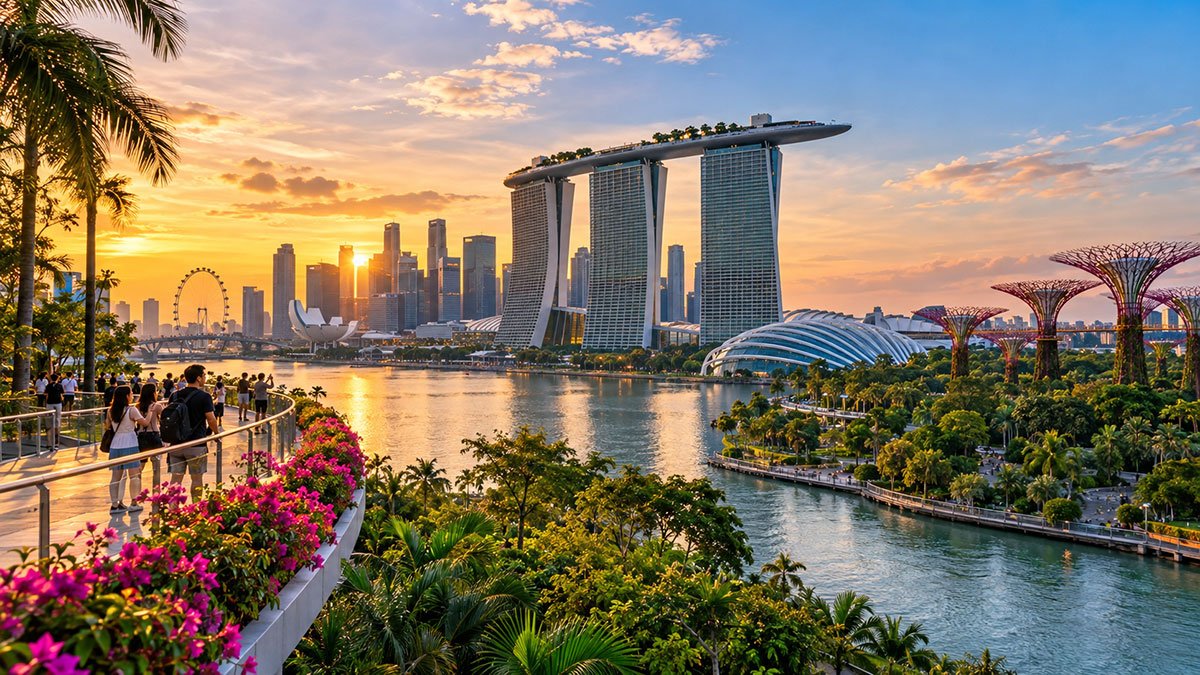
Singapore’s iconic Marina Bay skyline, Marina Bay Sands and the Supertrees of Gardens by the Bay glow in the warm light of sunset.
Singapore Travel Guide for Australian Tourists: Attractions, Tips and Itinerary
Singapore is a convenient destination for Australian travellers looking for a short international holiday with excellent food, modern attractions, cultural neighbourhoods and easy public transport. You can spend the morning exploring historic streets, the afternoon in a tropical garden and the evening enjoying the waterfront skyline, all within one compact city-state.
For Australians planning their first visit, the main decisions are how long to stay, which attractions deserve priority, where to book accommodation and what to prepare before flying.
A trip of four days gives most first-time visitors a useful balance of major landmarks, local food, neighbourhood exploration and time to relax. Travellers who want to include Sentosa’s attractions or Singapore’s wildlife parks may prefer five days or longer.
This Singapore travel guide for Australian tourists explains how to prepare for the journey, navigate the city, choose suitable experiences and build a practical itinerary.
1. Singapore Entry Requirements for Australian Tourists
Before booking activities, confirm that your passport and travel documents meet Singapore’s current entry requirements. Immigration rules depend on the passport you hold, your purpose of travel and your individual circumstances.
Passport and visa requirements
Australian citizens travelling on an ordinary Australian passport for a short tourist visit generally do not need to obtain a visa in advance. However, different requirements may apply to other passport holders, longer stays or non-tourism purposes.
Check the official Singapore Immigration and Checkpoints Authority (ICA) visa requirements before departure.
Prepare the following before flying:
- Passport: Singapore generally requires foreign visitors to have at least six months of passport validity.
- SG Arrival Card: Submit the electronic declaration within three days before arrival, including your arrival date. The SG Arrival Card is free through the official ICA service.
- Return or onward travel: Keep your return or onward booking accessible and be prepared to provide relevant travel details.
- Accommodation information: Save your accommodation address and booking confirmation.
- Travel insurance: Consider a policy covering overseas medical expenses, cancellations, delays and your planned activities.
The SG Arrival Card is not a visa, and submitting it does not guarantee admission. Immigration officers make the final entry decision.
Use the official SG Arrival Card service rather than an unofficial website charging a submission fee.
Check Australian travel advice
Before departure, review the Australian Government’s Smartraveller Singapore travel advice. It provides information about local laws, safety, health guidance and consular assistance for Australian travellers.
2. How Many Days Should You Spend in Singapore?
The right length of stay depends on whether you prefer city sightseeing, food, shopping, family attractions or nature.
| Trip length | What you can cover |
|---|---|
| 2–3 days | Marina Bay, Gardens by the Bay, Chinatown and selected food experiences |
| 4 days | Major landmarks, cultural neighbourhoods, shopping and a more relaxed pace |
| 5–6 days | The four-day sightseeing plan plus Sentosa, wildlife parks or additional neighbourhoods |
| 7 days or more | A slower visit with more attractions, museums, nature walks and local experiences |
For a first visit from Australia, four days is a practical starting point. It allows time for major attractions without filling every hour with scheduled activities.
If your flight arrives late or departs early, avoid treating those partial days as full sightseeing days. Airport transfers, immigration and hotel check-in all take time.
3. Best Time to Visit Singapore from Australia
Singapore has a tropical climate with warm temperatures, high humidity and rainfall throughout the year. There is no reliably rain-free season, so your preferred travel dates should depend on school holidays, flight costs, events and the activities you want to enjoy.
Weather throughout the year
- December to early March: The northeast monsoon period can bring prolonged rainfall, particularly during its wetter phase.
- March to May: Hot afternoons and thunderstorms are possible. Plan outdoor sightseeing with shade and indoor alternatives.
- June to September: The southwest monsoon period has a different rainfall pattern, but showers and thunderstorms remain possible.
- October and November: Inter-monsoon conditions can produce afternoon or evening thunderstorms, sometimes with heavy rain.
These are broad seasonal patterns, not forecasts for a specific holiday. Check the Meteorological Service Singapore for current forecasts before planning outdoor activities.
What should Australians pack?
Bring lightweight, breathable clothing, comfortable walking shoes, sunscreen, a compact umbrella and a reusable water bottle. A light layer is useful for heavily air-conditioned shopping centres, restaurants and indoor attractions.
Plan outdoor walks for earlier in the day when practical. Keep flexible indoor options available for wet afternoons.
Should you visit during Australian school holidays?
School holidays can be convenient for family travel, but popular attractions, family rooms and flights may be in greater demand during busy periods.
Compare your preferred dates with Australian school calendars, airline fares and Singapore’s event calendar before booking. Do not assume that a particular month will automatically offer the cheapest flights or the quietest attractions.
4. Best Places to Visit in Singapore
Singapore’s appeal comes from the variety of experiences within a relatively small area. The following places are useful priorities for a first-time visitor.
Marina Bay and Merlion Park
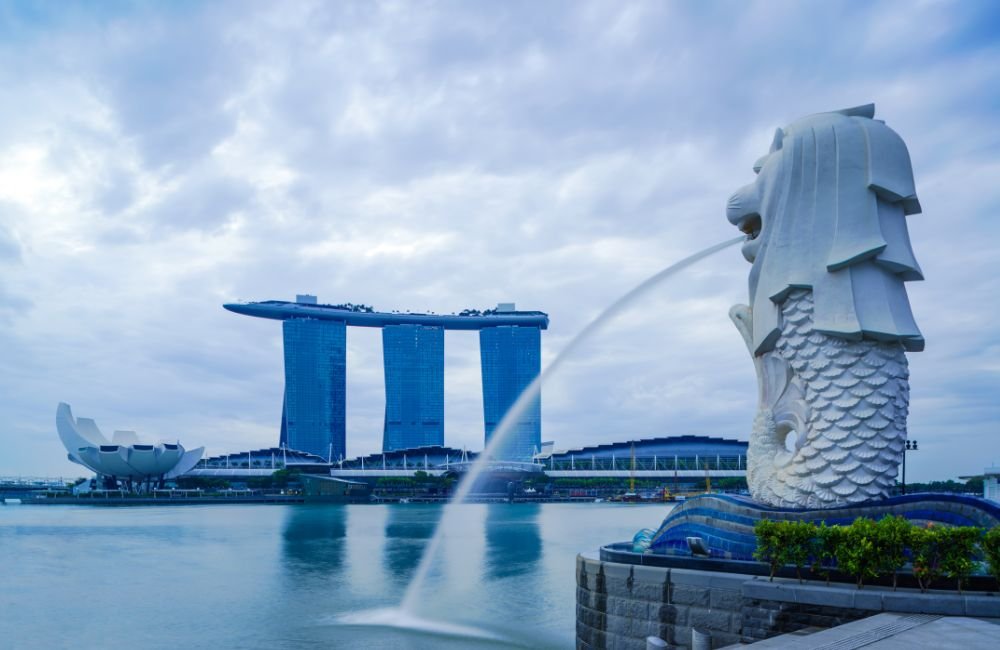
Marina Bay is an excellent starting point for experiencing Singapore’s modern skyline. The waterfront combines architectural landmarks, public promenades, gardens and views across the bay.
Start at Merlion Park, where visitors can photograph the Merlion with the surrounding skyline. Continue along the waterfront towards the Esplanade or other accessible parts of Marina Bay.
Allow around two to three hours for a relaxed waterfront walk and photographs, depending on your pace and stops.
For an evening visit, check the current arrangements for light shows or special events rather than assuming that a show will operate at a particular time.
Gardens by the Bay

Gardens by the Bay is one of Singapore’s signature attractions. Its outdoor gardens and towering Supertrees create a distinctive setting close to Marina Bay.
A visit can include:
- Walking through the Supertree Grove.
- Exploring the outdoor gardens and landscaped spaces.
- Visiting the conservatories if they interest you.
- Enjoying the evening atmosphere and photographing the illuminated structures.
Allow at least a few hours if you want to explore more than the outdoor areas. Conservatories and other ticketed attractions may have separate admission arrangements, maintenance closures and operating schedules.
Check the official Gardens by the Bay website before purchasing tickets.
Gardens by the Bay and Marina Bay work well together on the same day. This reduces unnecessary travel between attractions and leaves time for an evening meal nearby.
Jewel Changi Airport
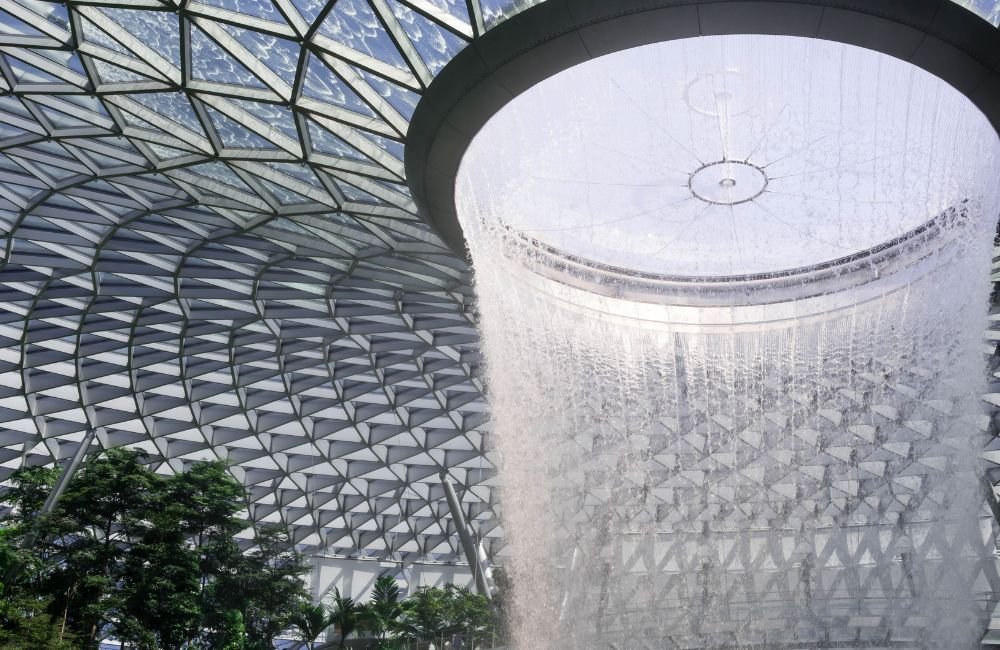
Jewel Changi Airport is worth considering at the beginning or end of your holiday. Its Rain Vortex waterfall and Forest Valley combine indoor greenery with distinctive airport architecture.
It is particularly useful if you have time between your flight and another activity, but do not underestimate the time needed for check-in, baggage arrangements and immigration.
The Rain Vortex has published operating hours and a light-and-music schedule that may change. Check the official Jewel Changi Airport website before planning a visit around a specific show.
Chinatown

Chinatown offers a different perspective on Singapore, with heritage streets, traditional shops, temples, food venues and contemporary businesses.
Spend time exploring on foot rather than visiting only one landmark. You can combine the neighbourhood with a local meal and a visit to a cultural site, checking opening arrangements before you go.
Dress respectfully when entering religious spaces, follow posted rules and ask before photographing worshippers or private ceremonies.
Little India
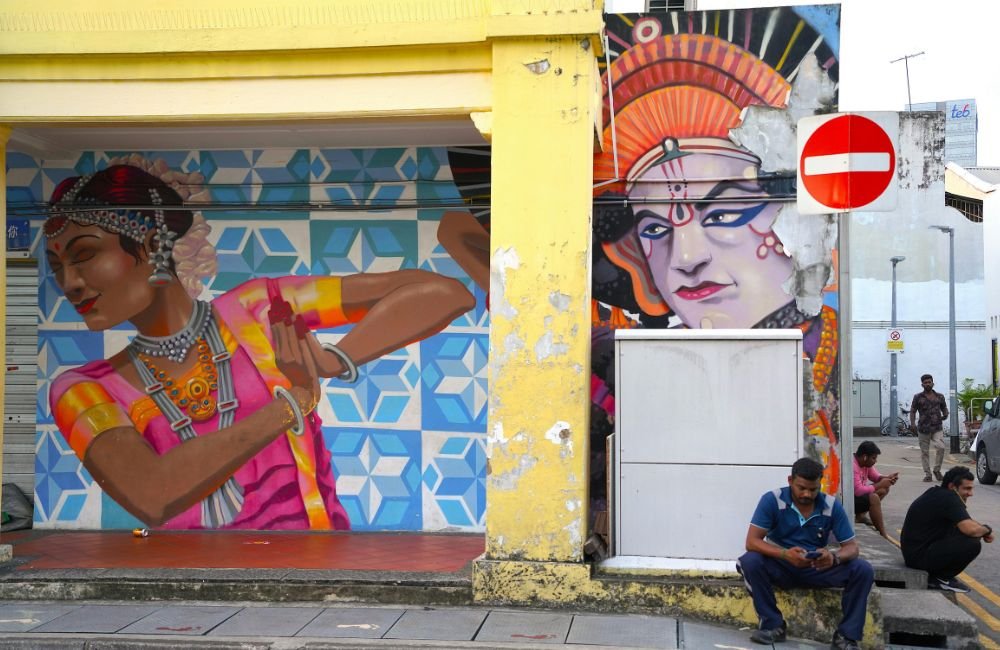
Little India is known for its colourful streets, Indian food, shops, religious landmarks and lively commercial areas. It is a rewarding stop for travellers who enjoy discovering the local character of a destination.
Allow time for a meal, browsing shops and walking through the surrounding streets. If visiting a temple, observe its dress requirements and photography restrictions.
Kampong Gelam and Haji Lane
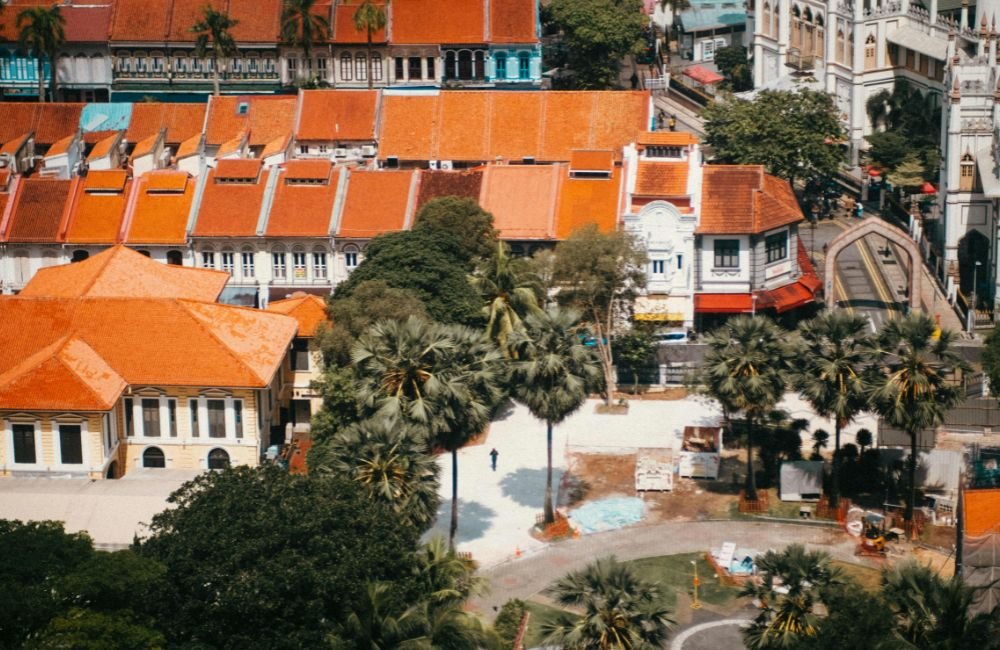
Kampong Gelam combines Malay and Muslim heritage with independent shops, cafés, street art and historic architecture.
The Sultan Mosque is a prominent landmark, while Haji Lane attracts visitors interested in boutiques and creative street scenes.
Visit with enough time to explore nearby streets instead of treating the area as a quick photo stop. Be considerate around religious buildings, particularly during prayers and community gatherings.
Sentosa Island
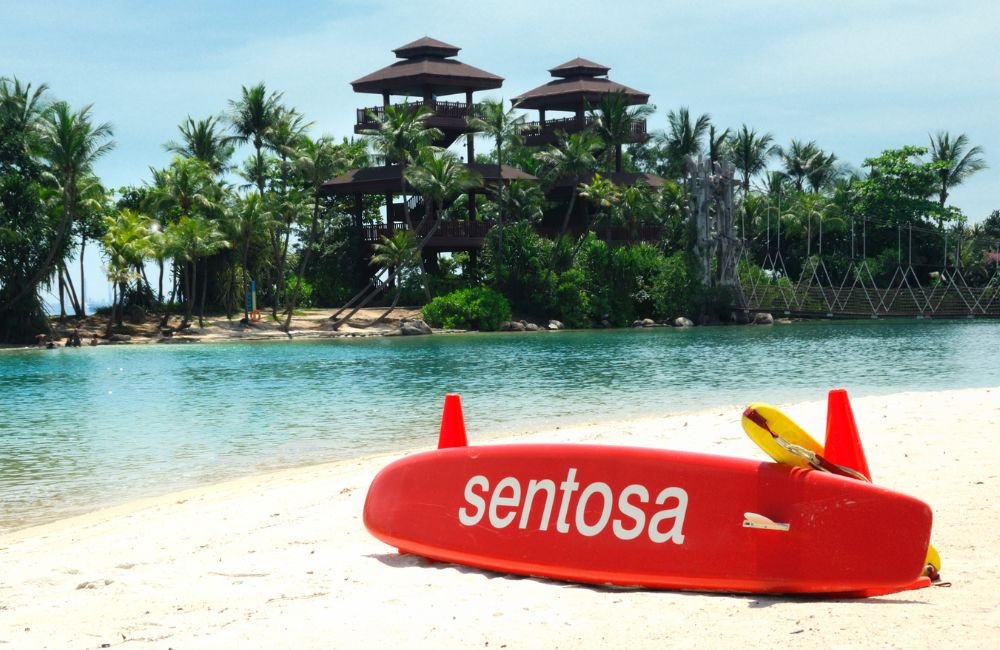
Sentosa suits travellers who want beaches, family activities, resort experiences and major ticketed attractions. It can easily take up most of a day, particularly if you have booked specific activities.
Choose your priorities in advance. A beach visit, a theme park and several other paid attractions may require more time and money than a short island excursion.
Review individual attraction websites for current admission prices, opening times, age or height restrictions and booking availability.
Mandai Wildlife Reserve
For families and wildlife enthusiasts, Singapore’s Mandai wildlife parks can be a strong alternative to spending every day in the city centre.
Select the park that matches your interests and check how much time you will need for the visit. Travellers hoping to see multiple parks should allocate additional time rather than trying to fit everything into one afternoon.
Explore the official Mandai Wildlife Reserve website for park information, tickets, animal experiences and current visitor arrangements.
5. Where to Stay in Singapore
Choosing accommodation near convenient transport can make a short holiday easier. The best area depends on your budget, preferred atmosphere and sightseeing plans.
| Area | Best suited to | Considerations |
|---|---|---|
| Marina Bay | First-time visitors who prioritise the waterfront and major landmarks | Compare room rates carefully and check access to planned attractions |
| Bugis and Kampong Gelam | Travellers interested in food, shopping and heritage streets | Choose accommodation with convenient MRT access |
| Chinatown | Food-focused visitors and neighbourhood explorers | Check walking distances, room size and evening noise levels |
| Orchard Road | Shopping-focused trips | Consider whether you will use the shopping district enough to justify the location |
| HarbourFront | Visitors prioritising Sentosa access | Check connections to the rest of the city if you plan extensive sightseeing |
How should Australians choose a hotel?
Before booking, compare the total cost rather than the advertised nightly rate alone.
Check:
- Whether taxes and other charges are included.
- The room configuration and actual bed sizes.
- Cancellation terms and check-in times.
- Walking distance to the nearest MRT station.
- Whether breakfast, laundry or family facilities are included.
- Recent guest reviews and the precise property address.
For families, a slightly larger room near public transport may be more useful than a smaller room in a more expensive landmark district. For a short stay, convenience often matters more than choosing the most famous address.
6. Getting Around Singapore: MRT, Buses and Taxis
Singapore’s public transport network makes it practical to explore without hiring a car. The MRT (Mass Rapid Transit) and public buses connect many major attractions, shopping districts and neighbourhoods.
Using the MRT and buses
The MRT is a useful option for travelling between major parts of the city. Buses can help with journeys that do not line up conveniently with train stations.
For route planning:
- Check the nearest station to your accommodation.
- Search your destination using a mapping or public transport app.
- Compare the full journey, including walking and transfers.
- Check the last service if you plan to stay out late.
The Land Transport Authority’s journey-planning information and SimplyGo provide official transport guidance.
Can Australians use contactless bank cards?
SimplyGo supports eligible contactless bank cards, including Visa, Mastercard and American Express, for public transport fare payments. However, overseas-issued cards may incur foreign transaction or administrative fees depending on the card and payment arrangement.
Before relying on a bank card, confirm its eligibility and any applicable fees. Using the same eligible payment card consistently can also make it easier to track your transport expenses.
Is the Singapore Tourist Pass worth buying?
The Singapore Tourist Pass offers unlimited travel on eligible basic bus and train services for its validity period. It excludes certain premium services, so it does not cover every possible journey.
Compare the pass cost with your likely travel pattern. Travellers who make several public transport journeys each day may value the convenience, while those staying centrally and walking frequently may prefer paying for individual trips.
Check the official SimplyGo website for current tourist pass prices, conditions and sales locations before purchasing.
Taxis and ride-hailing
Taxis and app-based ride-hailing services can be useful when travelling with children, carrying luggage or returning to your accommodation after an evening out.
Check the fare estimate, pickup location and any applicable surcharges before confirming a ride. At busy attractions, follow designated pickup instructions rather than assuming a car can stop directly outside the entrance.
Should you rent a car?
Most first-time visitors do not need a rental car for a city-focused itinerary. Public transport and taxis are generally more convenient for reaching the attractions covered in this guide.
A car may be worth considering for a specialised trip, but factor in local driving requirements, parking arrangements and the conditions of your rental agreement before making a decision.
7. Singapore Food Guide: What Australian Tourists Should Try
Food can be one of the most rewarding parts of a Singapore holiday. The city brings together Chinese, Malay, Indian and other culinary influences, with options ranging from casual hawker centres to restaurants serving contemporary cuisine.
Local dishes worth trying
- Hainanese chicken rice: Chicken served with seasoned rice, sauces and accompaniments.
- Laksa: Noodles in a richly flavoured broth, with regional and restaurant variations.
- Chilli crab: A seafood dish served with a spicy, savoury sauce. Check the menu price and portion size before ordering.
- Satay: Grilled skewers typically served with a peanut-based sauce and accompaniments.
- Kaya toast: Toast served with kaya, a coconut-and-egg spread, often accompanied by eggs and local coffee or tea.
- Roti prata: A flaky flatbread commonly eaten with curry.
- Hokkien mee: A noodle dish whose preparation and style can vary between vendors.
These dishes are starting points, not a checklist you must complete. Ask vendors about ingredients if you have allergies or dietary restrictions.
What is a hawker centre?
Hawker centres are communal food venues with multiple independent stalls. They are useful for trying different dishes without committing to a full restaurant meal each time.
For a good first experience:
- Look at several stalls before choosing.
- Check displayed prices and portion sizes.
- Ask about ingredients, spice levels and dietary suitability.
- Follow the venue’s tray-return and waste-disposal instructions.
- Carry a payment option accepted by the vendor, as payment methods can vary.
Hawker centres can become busy at peak meal times. Visit slightly outside the busiest period if you prefer a quieter meal.
Vegetarian, halal and other dietary needs
Singapore has a variety of vegetarian, halal and other dietary options, but a dish’s appearance alone does not establish that it meets your requirements.
Ask about cooking methods, stock, sauces and cross-contact if these matter to you. If you require halal food, look for reliable certification or ask the establishment directly.
For travellers with serious food allergies, communicate the allergy clearly and confirm whether the kitchen can accommodate it safely.
8. Budgeting for a Singapore Holiday
Singapore can be visited at different budget levels. Your total spending will depend heavily on accommodation, dining choices, attraction tickets, shopping and travel dates.
Rather than relying on a single estimated daily budget, prepare a trip-specific cost plan using current prices.
| Expense | What to account for |
|---|---|
| Flights | Return fares, baggage, seat selection and departure dates |
| Accommodation | Nightly rate, taxes, room type and cancellation conditions |
| Food | Hawker meals, cafés, restaurants, drinks and snacks |
| Transport | MRT and bus fares, airport transfers, taxis and ride-hailing |
| Attractions | Admission tickets, timed entry and optional experiences |
| Shopping | Clothing, souvenirs and other planned purchases |
| Travel insurance | Cover suitable for your trip and activities |
| Contingency | Unexpected expenses, changes in plans or additional transfers |
How to manage costs
Book around your priorities. Compare total flight and hotel costs across several dates, not just airfare.
Mix dining options. Alternate between hawker centres, casual cafés and restaurants rather than budgeting for restaurant meals at every sitting.
Group nearby attractions. Combining Marina Bay with Gardens by the Bay can reduce unnecessary journeys.
Choose paid attractions selectively. Some outdoor spaces and neighbourhood walks can be enjoyed without purchasing an attraction ticket. Confirm access conditions before visiting.
Check currency and card fees. Singapore uses the Singapore dollar (SGD). Compare the exchange rate and overseas transaction fees offered by your bank or card provider before travelling.
Reserve high-demand experiences in advance. If an attraction has timed entry or limited availability, book through its official website once your dates are confirmed.
A realistic budget should reflect the holiday you want, not an arbitrary daily figure that overlooks accommodation or ticketed activities.
9. A Practical Four-Day Singapore Itinerary
This four-day plan groups attractions by area to reduce backtracking. It is designed for first-time visitors who want a mix of major sights, food and neighbourhood experiences without rushing through the entire city.
Day 1: Marina Bay and the Singapore Skyline
Focus: Iconic landmarks and waterfront views
- Morning: Arrive, settle into your accommodation and explore the nearby area if time permits.
- Afternoon: Visit Merlion Park and walk along the Marina Bay waterfront.
- Late afternoon: Explore Gardens by the Bay, selecting the outdoor gardens or ticketed attractions that interest you.
- Evening: Enjoy dinner nearby and photograph the skyline after dark.
Day 2: Chinatown, Little India and Kampong Gelam
Focus: Heritage, local food and neighbourhood culture
- Morning: Explore Chinatown and visit a cultural landmark.
- Lunch: Try chicken rice, noodles or another local dish.
- Afternoon: Choose Little India or Kampong Gelam for a slower walk, shopping and cultural exploration.
- Evening: Enjoy dinner in the neighbourhood that interests you most.
Day 3: Sentosa Island
Focus: Leisure, beaches and attractions
- Morning: Travel to Sentosa and begin with your chosen main attraction.
- Afternoon: Explore a beach or book another activity if time allows.
- Evening: Return to the city for dinner or stay on the island if that better suits your plans.
Day 4: Flexible Sightseeing and Departure
Focus: A relaxed finish and airport planning
- Morning: Choose a museum, shopping area or wildlife park if your flight time allows.
- Afternoon: Have a final meal, collect luggage and travel towards the airport.
- Before departure: Visit Jewel Changi Airport if you have sufficient time and your airport arrangements permit it.
How to adapt the itinerary
- For families: Replace some neighbourhood walking with a wildlife park or a child-friendly ticketed attraction.
- For food lovers: Spend longer in Chinatown, Little India and hawker centres, and reduce the number of paid attractions.
- For shopping: Allocate more time to Orchard Road or other shopping districts.
- For a three-day visit: Combine the first two days selectively and choose either Sentosa or another major attraction.
- For five or more days: Add a dedicated wildlife-park day, a museum visit or additional time for nature and less-visited neighbourhoods.
Treat the itinerary as a framework. Check opening hours, admission requirements, transport routes and weather forecasts for your actual travel dates.
10. Practical Travel Tips for Australians Visiting Singapore
A few small preparations can make a noticeable difference to your trip.
Time zone and connectivity
Singapore uses Singapore Standard Time (UTC+8). Australia has several time zones, and daylight saving changes the difference for some states and territories during part of the year. Check the time difference for your departure city before booking calls, transfers or connecting flights.
Consider an international roaming plan, travel eSIM or local SIM if you need mobile data. Confirm your phone’s compatibility, coverage and plan terms before purchase.
Electricity and charging
Singapore generally uses Type G electrical sockets, the same three rectangular-pin style commonly used in the United Kingdom. Australian plugs are different, so pack a suitable travel adaptor.
Check the voltage and input specifications of any device that is not designed for a broad input-voltage range.
Cash and payments
Cards and contactless payments are useful in many places, but acceptance can vary by vendor. Carry a practical backup payment option and a modest amount of local currency for situations where cash is preferred.
Tell your bank about travel if it recommends doing so, and check whether overseas transactions trigger additional fees.
Local laws and public behaviour
Singapore has specific laws covering prohibited substances, smoking and vaping, public behaviour and other activities. Do not assume that rules are identical to those in Australia.
Read current official travel advice, follow signs and instructions, and check the rules for anything you plan to bring into the country. If you take prescription medication, verify its import requirements before packing it.
Health and personal safety
Singapore is a busy urban destination. Use ordinary precautions with valuables, keep an eye on your belongings in crowded places and take care when crossing roads.
The tropical climate also calls for regular hydration, sun protection and breaks from the heat. Check official health guidance before travelling, especially if you have specific medical needs.
Australian travellers should keep their travel insurance details and emergency contacts accessible. For current advice on local laws, health and safety, consult Smartraveller’s Singapore page.
Travelling with children
If you are travelling with children, consider these additional preparations:
- Book suitable room configurations rather than assuming extra beds are available.
- Check height, age and supervision restrictions at attractions.
- Carry water, sun protection and spare clothing for younger children.
- Plan a break between major activities instead of filling the day with back-to-back bookings.
- Keep the address of your accommodation available on your phone.
For families, a flexible schedule is often more useful than trying to visit every attraction on a list.
11. Common Mistakes to Avoid
First-time visitors can lose time or money through avoidable planning mistakes.
Leaving immigration preparation until the last minute. Submit the SG Arrival Card through the official service within the permitted window and confirm your passport meets entry requirements.
Trying to see everything in three days. Singapore offers enough attractions to fill a longer trip. Prioritise a few experiences that match your interests.
Ignoring the weather. Heavy rain can disrupt outdoor plans. Keep indoor alternatives and avoid scheduling every activity too tightly.
Booking a hotel without checking transport access. Look at the walking route to the station, not just the distance shown on a map.
Assuming every attraction is included in a general sightseeing pass. Check exactly what your ticket or pass covers and whether reservations are needed.
Underestimating the airport. Leave enough time for check-in, security, immigration and any separate airport activities. Do not plan a last-minute Jewel visit if it risks your flight.
Relying on outdated prices or opening times. Verify details on official attraction and transport websites before committing to your itinerary.
12. Frequently Asked Questions
Do Australians need a visa to visit Singapore?
Australian citizens travelling on an ordinary Australian passport for a short tourist visit generally do not need a visa in advance. Entry remains subject to Singapore’s immigration requirements. Check the official ICA visa information before travelling.
Is the SG Arrival Card compulsory?
Most foreign visitors must submit the SG Arrival Card within three days before arrival, including the arrival date. It is free and is not a visa. Confirm the exemptions and latest instructions on the official ICA website.
How many days are enough for Singapore?
Four days is a useful starting point for first-time visitors who want to see the main landmarks, explore cultural neighbourhoods and spend time on Sentosa. Three days can work for a shorter city break, while five to seven days allow a more relaxed pace or additional wildlife and family attractions.
Is Singapore expensive for Australian tourists?
Costs vary according to travel dates, accommodation, dining and paid activities. You can manage spending by comparing accommodation rates, eating at hawker centres, using public transport and choosing paid attractions selectively. Build a budget using current prices rather than assuming the entire trip will fit a fixed daily amount.
What currency is used in Singapore?
Singapore uses the Singapore dollar (SGD). Check the exchange rate and your bank’s overseas transaction fees before departure.
What is the best way to get around Singapore?
The MRT and public buses are practical for most sightseeing journeys. Contactless bank cards may also be used through eligible SimplyGo arrangements, subject to card eligibility and applicable fees. Taxis and ride-hailing are useful for luggage, late journeys and destinations less convenient by train.
When is the best time to visit Singapore?
Singapore is a year-round destination, with warm temperatures and humidity throughout the year. Rainfall patterns vary by season, but showers are possible at any time. Choose travel dates based on your schedule, budget and interests, then check the forecast closer to departure.
Is Singapore suitable for a family holiday?
Yes. Families can combine gardens, waterfront walks, wildlife parks, shopping areas and ticketed attractions. Choose activities according to children’s ages and interests, and allow enough time for breaks and travel between locations.
Can I visit Jewel Changi Airport during a layover?
It may be possible, depending on your layover duration, baggage arrangements, terminal access and immigration eligibility. Jewel is connected to the airport complex, but it is not a substitute for allowing sufficient time for your onward flight. Confirm current access arrangements and attraction hours before planning a visit.
What should I pack for Singapore?
Pack lightweight clothing, comfortable walking shoes, sun protection, a compact umbrella, any necessary medication, a travel adaptor and appropriate travel documents. A light layer is helpful for air-conditioned indoor venues.
Conclusion: Plan a Singapore Trip That Fits Your Travel Style
Singapore is well suited to Australian travellers who want a short international holiday with a mix of city sightseeing, food, culture and leisure. Four days is a useful starting point for a first visit, provided you focus on a manageable selection of attractions rather than trying to cover the entire destination.
Start by confirming entry requirements, comparing flights and accommodation, and deciding which experiences matter most to you. Group nearby attractions, use public transport where practical and keep some flexibility in your schedule for tropical rain or an unexpected discovery.
With a little preparation, you can make better use of your time in Singapore and build a holiday around your interests, budget and preferred pace.
