
Tourist Attractions in Nigeria: 6 Natural Wonders to Explore
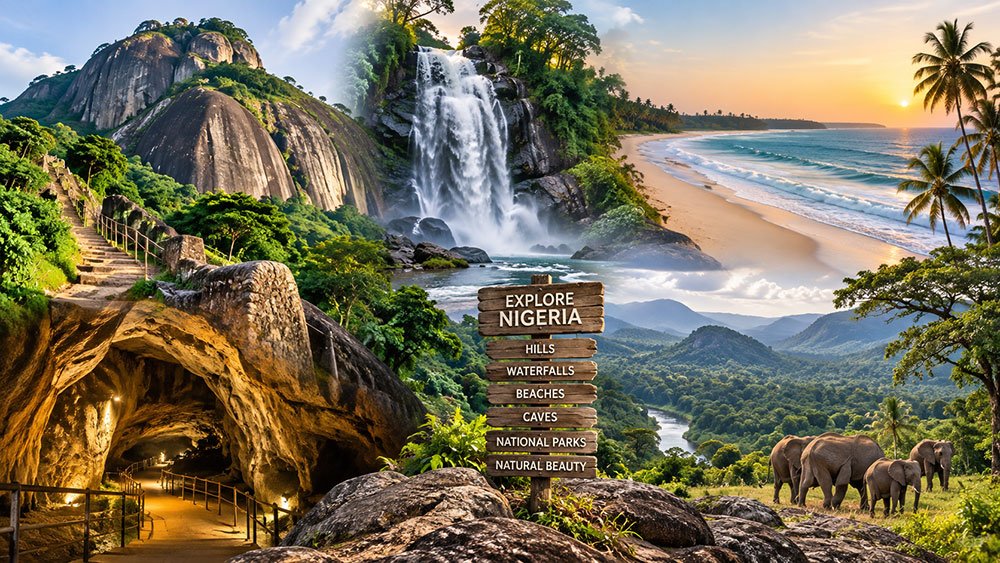
Nigeria is a diverse travel destination with spectacular landscapes, rich cultural heritage and fascinating wildlife. For nature lovers, the tourist attractions in Nigeria range from Atlantic beaches and dramatic hills to caves, waterfalls, forests and protected national parks.
From the scenic Idanre Hills in Ondo State and Ibeno Beach in Akwa Ibom to the underground chambers of Ogbunike Caves and the biodiversity of Gashaka Gumti National Park, Nigeria offers nature experiences across different regions of the country.
If you are planning a holiday focused on outdoor adventure, photography, wildlife or natural scenery, these destinations provide an excellent starting point for exploring Nigeria.
-
Idanre Hills, Ondo State
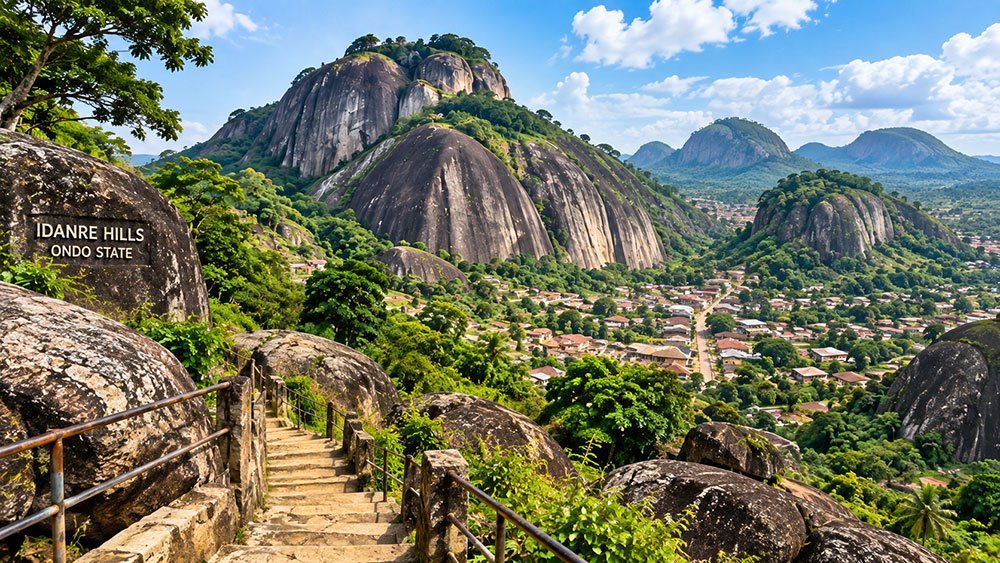
Idanre Hills, also known as Oke Idanre, is one of the most distinctive natural and cultural landscapes in southwestern Nigeria. The hills are located in Idanre, in Ondo State, and combine dramatic rock formations, valleys, forests and historic cultural features.
According to UNESCO, Oke Idanre is a cultural landscape featuring spectacular valleys and inselbergs rising to about 3,000 feet above sea level. The site also contains several historic features, including Owa’s Palace, shrines, an old court, a belfry, burial grounds and the famous Agbooogun footprint.
The combination of natural scenery and cultural heritage makes Idanre Hills an interesting destination for travelers who enjoy hiking, photography and history.
Is Idanre Hills a UNESCO World Heritage Site?
Idanre Hills is not currently a UNESCO World Heritage Site. Oke Idanre has been included on Nigeria’s UNESCO Tentative List since 2007, which means it has been identified as a property that could potentially be considered for World Heritage status in the future.
Visitors should therefore distinguish between being on the Tentative List and being officially inscribed on the World Heritage List.

-
Ibeno Beach, Akwa Ibom State
For travelers who enjoy the sea, Ibeno Beach is one of the natural attractions to explore in Akwa Ibom State.
Located along Nigeria’s Atlantic coastline, Ibeno is known for its long sandy shoreline and coastal scenery. The Akwa Ibom State Government lists Ibeno Beach among the state’s tourist attractions.
The beach provides a setting for relaxing walks, enjoying coastal views and experiencing the atmosphere of one of Nigeria’s coastal communities.
Ibeno Beach has also featured in state tourism development plans. Akwa Ibom’s 2025 approved budget included an allocation for the development of Ibeno Beach, reflecting continued public investment in tourism infrastructure.
When visiting a coastal destination, travelers should check current local conditions, access arrangements and available facilities before beginning their journey.
-
Ogbunike Caves, Anambra State
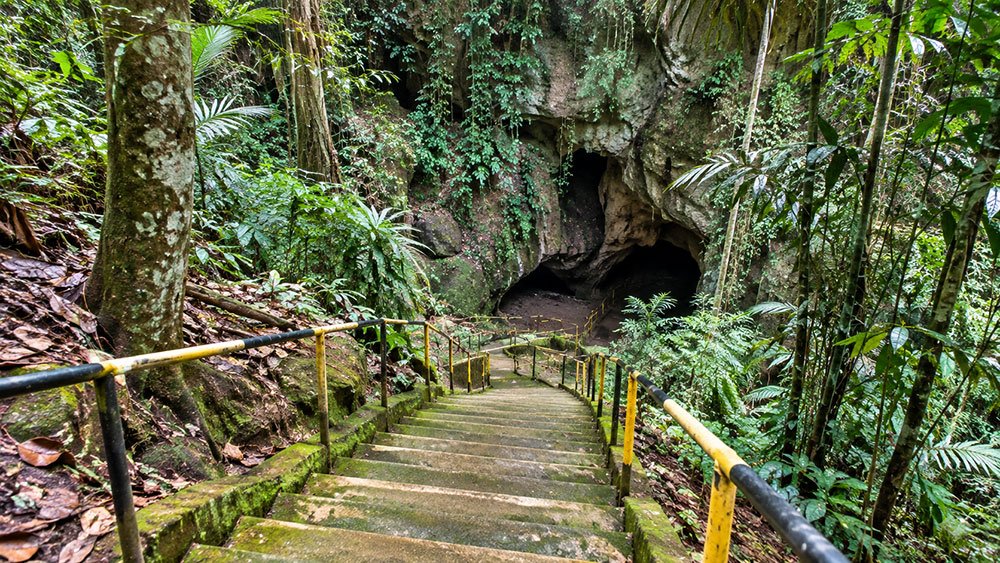
Ogbunike Caves is a remarkable natural attraction in Anambra State and an interesting destination for travelers who enjoy caves, forests and cultural heritage.
The cave system is surrounded by tropical rainforest. UNESCO’s description notes that visitors reach the cave area through a long staircase of approximately 317 steps. The main cave contains a large entrance chamber and several tunnels leading to additional chambers.
The natural environment around Ogbunike Caves adds to the experience, while local traditions have also contributed to the site’s cultural importance.
UNESCO Status of Ogbunike Caves
Ogbunike Caves is not currently an inscribed UNESCO World Heritage Site. It has been included on Nigeria’s UNESCO Tentative List since 2007 because of its natural and cultural significance.
Visitors exploring the caves should follow local instructions and conservation guidelines and, where appropriate, use experienced local guides.
-
Awhum Waterfall, Enugu State
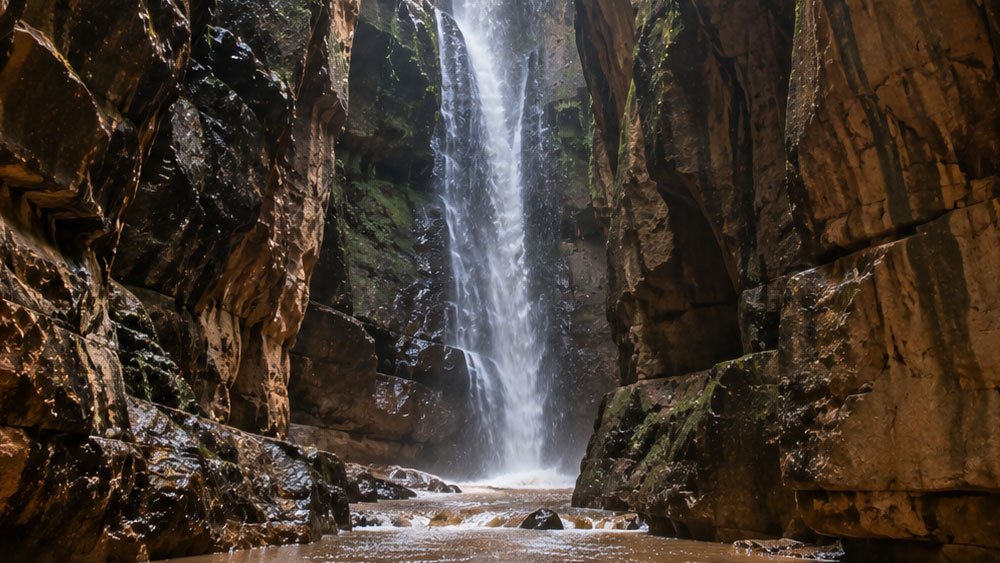
Awhum Waterfall is another beautiful natural attraction in southeastern Nigeria. Located in Enugu State, the waterfall is surrounded by greenery and rocky terrain, creating a scenic environment for nature lovers and photographers.
The waterfall has also become part of broader tourism development plans in Enugu State. In 2025, the state government announced proposed tourism infrastructure around Awhum Waterfall, including a canopy walkway and boardwalk intended to improve visitor access and the tourism experience.
Awhum is also associated with local beliefs concerning the properties of its water. Such claims form part of local tradition and should not be interpreted as scientifically established medical benefits.
For travelers, the main appeal of Awhum is its natural setting, waterfall scenery and surrounding landscape.
-
Benue Hills, Benue State
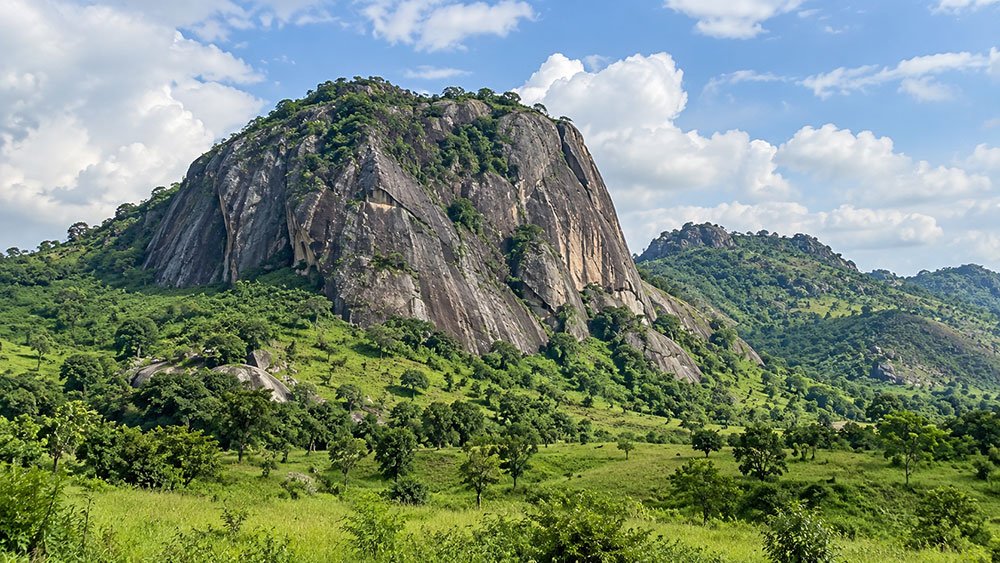
The diverse landscapes of Benue State provide another option for travelers interested in exploring less familiar parts of Nigeria.
Located in Nigeria’s Middle Belt, Benue has a mixture of agricultural landscapes, rivers, valleys and elevated terrain. The region’s natural scenery can provide opportunities for photography, road trips and outdoor exploration.
The wider Benue region is also known for its cultural diversity and agricultural importance. Travelers exploring the state’s rural and natural areas should check local access conditions and obtain current information before visiting remote locations.
Rather than being a single defined attraction like a national park or waterfall, the Benue Hills can be considered part of the wider scenic landscape that makes the region interesting for nature-focused travel.
-
Gashaka Gumti National Park, Taraba and Adamawa States
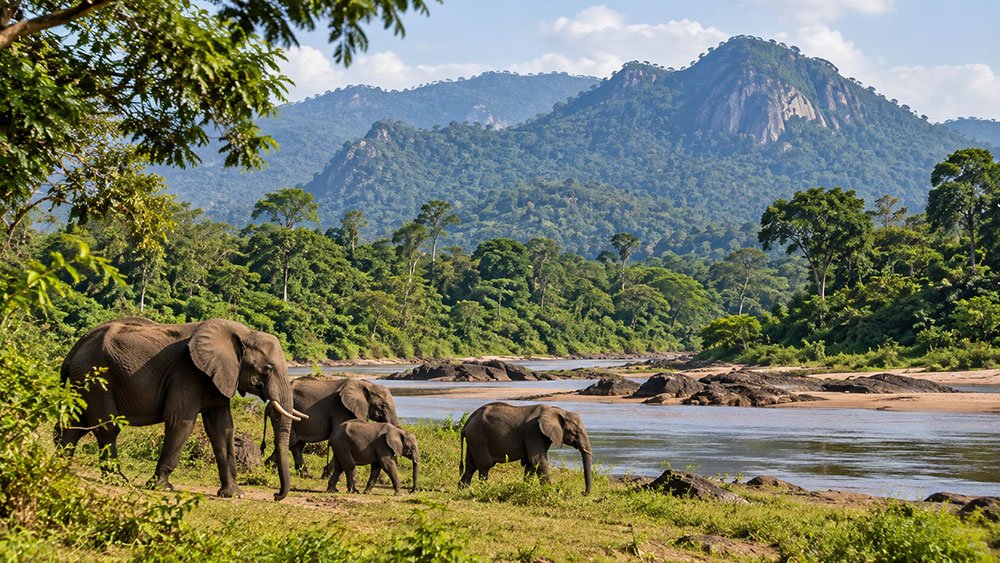
For wildlife enthusiasts, birdwatchers and adventure travelers, Gashaka Gumti National Park is one of Nigeria’s most important protected landscapes.
The park extends across parts of Taraba and Adamawa states and reaches toward the international border with Cameroon. Its landscape includes savannah, rainforest, montane grasslands and montane cloud forests. UNESCO describes Gashaka Gumti as Nigeria’s largest national park and highlights its exceptional biodiversity.
The park supports a wide range of wildlife and bird species. UNESCO’s documentation identifies species and habitats of significant conservation importance, including the Nigeria-Cameroon chimpanzee and other threatened wildlife.
The National Park Service also identifies Gashaka-Gumti as one of Nigeria’s major national parks and an important destination for conservation and ecotourism.
Gashaka Gumti’s Latest UNESCO Development
There is an important update since the original 2013 article was published.
On 25 September 2025, Nigeria submitted Gashaka Gumti National Park to UNESCO’s Tentative List. UNESCO’s documentation highlights the park’s exceptional biodiversity, varied ecosystems and importance as a watershed.
This does not mean that Gashaka Gumti has already become a UNESCO World Heritage Site. It means that the property has entered the Tentative List process and could potentially be considered for a future World Heritage nomination.
Why Visit Nigeria for a Nature Holiday?
Nigeria offers a surprisingly diverse range of natural landscapes. Travelers can find beaches along the Atlantic coast, dramatic hills in the southwest, caves and waterfalls in the southeast, and extensive protected ecosystems in the country’s northern and central regions.
The country’s national parks play an important role in conserving wildlife and natural habitats. The Nigeria National Park Service manages protected areas designed to conserve important ecosystems and biodiversity.
Nigeria’s natural destinations are also receiving continued attention through tourism development and conservation initiatives. Recent developments involving Gashaka Gumti, Awhum Waterfall and Ibeno Beach demonstrate ongoing interest in improving the country’s tourism infrastructure and promoting natural attractions.
Travel Tips for Exploring Nigeria’s Natural Attractions
Before visiting a natural attraction in Nigeria, keep the following travel tips in mind:
- Check current conditions: Weather, road conditions and accessibility can change.
- Plan transportation: Some natural attractions are located far from major cities.
- Check visitor arrangements: Confirm opening hours, entry requirements and available facilities before traveling.
- Use local guides when appropriate: Guides can be particularly useful for caves, forests, hiking routes and remote destinations.
- Follow conservation rules: Do not disturb wildlife or damage plants, rocks or natural formations.
- Respect local traditions: Some natural attractions also have important cultural or spiritual significance.
- Carry essential supplies: Remote destinations may have limited shops, food outlets and other facilities.
- Protect the environment: Avoid littering and take waste with you when appropriate.
- Check local travel advice: Travelers should obtain current information about conditions in their intended destination before departure.
Experience the Natural Beauty of Nigeria
From the dramatic landscapes of Idanre Hills to the Atlantic coastline of Ibeno Beach, the underground chambers of Ogbunike Caves, the scenic setting of Awhum Waterfall and the biodiversity of Gashaka Gumti National Park, Nigeria offers a wide variety of experiences for nature lovers.
The country’s natural heritage also continues to receive international attention. Idanre Hills and Ogbunike Caves remain on Nigeria’s UNESCO Tentative List, while Gashaka Gumti was added to the Tentative List in 2025.
Whether you enjoy hiking, wildlife photography, birdwatching, beach walks, waterfalls or exploring unusual geological formations, Nigeria provides many opportunities to discover its natural landscapes.
Frequently Asked Questions About Tourist Attractions in Nigeria
What are the best tourist attractions in Nigeria?
Nigeria has a wide variety of natural, cultural and historical attractions. Nature-focused destinations include Idanre Hills, Ibeno Beach, Ogbunike Caves, Awhum Waterfall and Gashaka Gumti National Park.
What is the best place in Nigeria for nature lovers?
Nigeria has several destinations for nature lovers. Gashaka Gumti National Park is particularly notable for its diverse ecosystems, mountains, forests and wildlife. UNESCO describes it as Nigeria’s largest national park.
Is Idanre Hills a UNESCO World Heritage Site?
No. Idanre Hills, or Oke Idanre, is currently on Nigeria’s UNESCO Tentative List rather than the official World Heritage List. Nigeria submitted the property to the Tentative List in 2007.
Are Ogbunike Caves a UNESCO World Heritage Site?
No. Ogbunike Caves are currently included on Nigeria’s UNESCO Tentative List. The site was submitted in 2007 and is recognized for its natural and cultural significance.
What is special about Gashaka Gumti National Park?
Gashaka Gumti National Park contains diverse ecosystems ranging from savannah and rainforest to montane grasslands and cloud forests. The park is also important for biodiversity conservation and watershed protection. UNESCO added it to Nigeria’s Tentative List in September 2025.
Which Nigerian attraction is suitable for cave exploration?
Ogbunike Caves in Anambra State is one of Nigeria’s notable cave destinations. The cave system includes multiple tunnels and chambers and is surrounded by tropical rainforest.
Can tourists visit Nigerian national parks?
Yes. Nigeria’s National Park Service manages the country’s national parks and provides information concerning protected areas and conservation. However, visitor facilities and access can vary between individual parks, so travelers should check current information before visiting.
Final Thoughts
Nigeria’s natural attractions offer travelers the opportunity to experience landscapes that range from mountains and caves to waterfalls, beaches, forests and wildlife habitats.
With careful planning and respect for local communities and conservation requirements, exploring these destinations can provide a memorable way to experience Nigeria’s natural and cultural diversity.
