
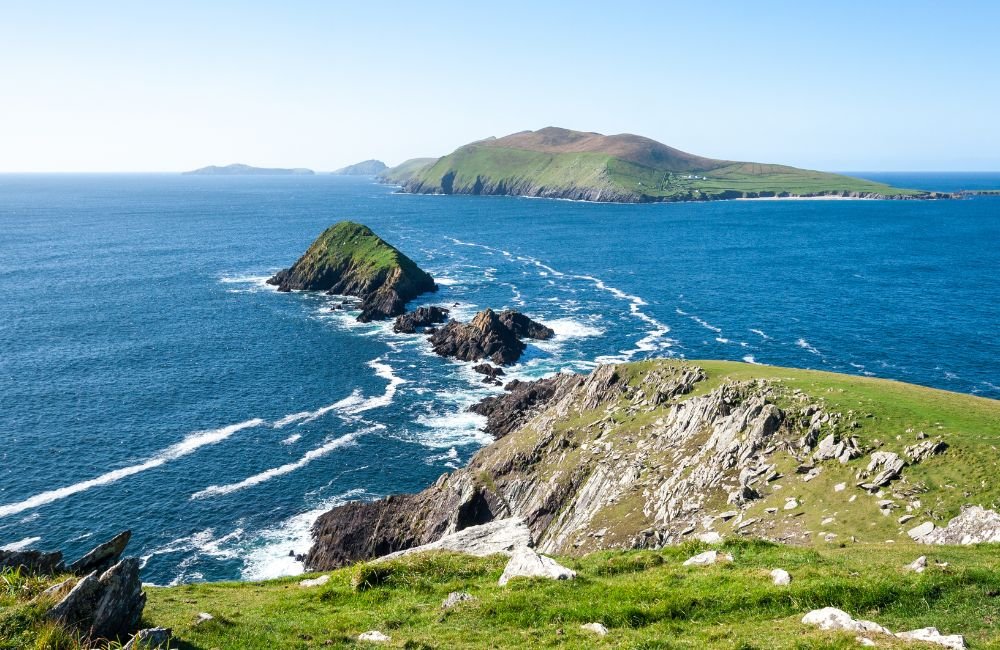
Explore Ireland’s breathtaking Atlantic coastline, with dramatic green cliffs, rolling ocean waves and scenic coastal landscapes.
Travelling to Ireland: Entry Requirements, Flights, Ferries and Travel Tips
Travelling to Ireland offers a rewarding mix of history, culture, dramatic coastal scenery and welcoming towns. From the historic streets of Dublin to the rugged cliffs along the Atlantic coast, Ireland has something for travelers interested in heritage, nature, food and outdoor adventures.
Visitors can explore medieval castles, discover traditional music in local pubs, walk through green countryside or follow scenic roads past fishing villages and mountain landscapes. The island also offers convenient travel connections by air and ferry, making it possible to plan anything from a short city break to a longer road trip.
Before you leave, however, it is important to understand the entry requirements, choose the right transport and allow enough time to explore the places that interest you most.
This guide focuses mainly on the Republic of Ireland. Northern Ireland, which includes Belfast and the Giant’s Causeway, is part of the United Kingdom and has separate entry requirements.
Why Visit Ireland?
Ireland combines a rich historical landscape with modern cities, coastal communities and outdoor experiences. Its appeal extends well beyond famous landmarks and traditional Irish pubs.
Visitors can explore historic buildings, browse independent shops, listen to live music, discover regional food and enjoy long walks along the coast. Rural areas offer another perspective, with quiet villages, green fields, ancient ruins and winding country roads.
Ireland also suits different travel styles. You can spend several days exploring Dublin without hiring a car, join guided excursions to major attractions or rent a vehicle for a more independent journey around the countryside.
Some of the experiences worth considering include:
- Exploring Dublin’s historic streets, museums and cultural attractions.
- Visiting Blarney Castle and the surrounding gardens in County Cork.
- Walking along the coastal viewpoints at the Cliffs of Moher in County Clare.
- Discovering Galway’s historic streets, restaurants and traditional music scene.
- Exploring the lakes and landscapes around Killarney.
- Following parts of the Wild Atlantic Way along Ireland’s western coastline.
A successful trip does not require visiting every attraction. Choosing a few destinations and allowing time to enjoy them usually creates a more rewarding experience.
How to Travel to Ireland
Most international visitors arrive by air, while travelers coming from Britain or continental Europe may also consider a ferry. Your best option depends on where you are starting, whether you plan to bring a vehicle and which parts of Ireland you intend to explore.
Travelling to Ireland by Plane
Flying is usually the most practical choice for visitors travelling from destinations outside Britain and continental Europe.
Dublin Airport is a major international gateway and a convenient starting point for exploring the capital before heading elsewhere. Cork Airport provides access to the south, while Shannon Airport is useful for trips focused on western Ireland. Ireland West Airport Knock is another option for some regional itineraries.
Not every airport offers the same international connections. Check available routes from your departure city and compare the total journey, including transfers and airport transport, before booking.
When choosing an arrival airport, consider your itinerary as well as the ticket price. A flight that arrives closer to your first destination may save considerable travel time.
Book flights early when travelling during popular holiday periods. Before departure, verify baggage allowances, airport transfer arrangements and any transit requirements associated with your route.
Useful tip for US-bound travellers: Dublin and Shannon airports have US preclearance facilities for eligible flights to the United States. This allows passengers to complete applicable US entry checks before departure from Ireland. Check your airline’s arrangements before relying on this facility.
Travelling to Ireland by Ferry
Ferry travel is worth considering if you are travelling from Britain, bringing your own car or planning a wider European road trip.
Several routes connect Irish ports with Britain. Depending on the operator and sailing date, these include Dublin–Holyhead, Rosslare–Pembroke and Rosslare–Fishguard. Irish Ferries also operates a Dublin–Cherbourg connection between Ireland and France.
Routes, sailing frequencies and journey times vary. Some services also operate on seasonal schedules, so check the operator’s booking system for your intended travel dates.
Taking a ferry can be particularly convenient if you want to bring your own vehicle. However, you should compare the total cost with flying and renting a car, including fuel, tolls, parking, overnight accommodation and ferry fares.
Before booking, check:
- Whether the sailing accepts foot passengers, vehicles or both.
- Check-in deadlines and boarding arrangements.
- Passport and identification requirements.
- Vehicle dimensions, baggage rules and any additional charges.
- Cancellation conditions and procedures for delayed or changed sailings.
Do not rely on an old timetable or assume that every route operates daily.
At the time of checking, Stena Line requires passengers checking in on its relevant Dublin–Holyhead and Rosslare–Fishguard services to present a valid passport under its policy that took effect on 28 September 2026. Requirements may differ between operators, so confirm the rules for your particular sailing before travelling.
Ireland Entry Requirements and Visas
Checking your travel documents is one of the most important parts of planning a trip to Ireland. Requirements depend on your nationality, passport, travel purpose and circumstances.
Do You Need a Passport to Visit Ireland?
Non-EU visitors generally need a valid passport to enter Ireland. EU citizens can enter using a valid passport or national identity card.
Ireland is an EU member but is not part of the Schengen Area. As a result, travellers should not assume that a Schengen visa or the entry rules of another European country automatically give them permission to visit Ireland.
Airlines and ferry operators may also impose their own identification requirements. Check both the official Irish immigration guidance and the transport company’s rules before departure.
Do You Need an Irish Visa?
Some nationalities can visit Ireland without a visa for qualifying short stays, while others must obtain a visa before travelling.
If a visa is required for your visit, you will generally need to apply for the appropriate Short Stay ‘C’ tourist visa and follow the official application process. A visa allows you to travel to Ireland, but final permission to enter remains subject to immigration control.
Certain limited arrangements may allow eligible travellers to visit Ireland using a qualifying UK visa. These include the Short-Stay Visa Waiver Programme and the British-Irish Visa Scheme for eligible Indian and Chinese nationals in specified circumstances.
These arrangements have conditions, and not every UK visa or electronic travel authorisation qualifies. Do not assume that a UK visa or ETA automatically permits entry into Ireland.
Before booking non-refundable travel, check the Irish Immigration Service’s official guidance to establish whether you need a visa and which documents you must provide.
What If You Want to Visit Northern Ireland?
Northern Ireland is part of the United Kingdom, not the Republic of Ireland. Belfast, the Giant’s Causeway and the Causeway Coastal Route are popular additions to an Ireland itinerary, but they fall under UK entry rules.
British and Irish citizens have special travel rights under the Common Travel Area. Those arrangements do not automatically extend to visitors of every other nationality.
If your itinerary crosses into Northern Ireland, check whether you need UK immigration permission or an electronic travel authorisation, based on your nationality and circumstances. Confirm the rules before travelling, even when your itinerary involves crossing the land border rather than taking a flight or ferry.
Best Places to Visit in Ireland
Ireland’s compact geography makes it possible to combine cities, historic sites and natural scenery in one holiday. However, travel between regions can take longer than expected, especially on rural roads.
1. Dublin: History, Culture and City Life
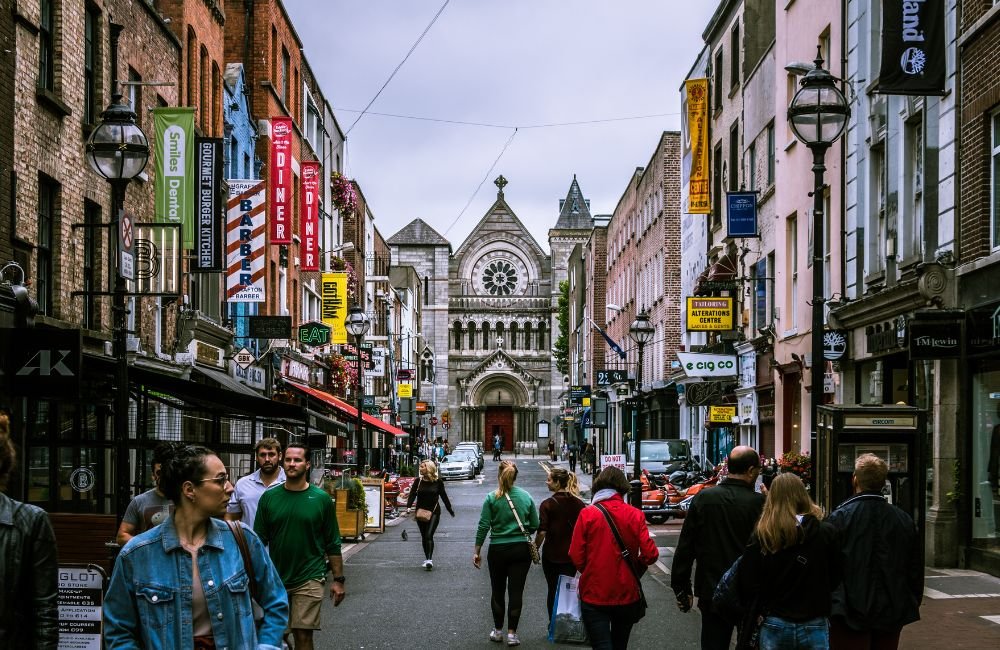
Dublin is a natural starting point for many visitors. The capital combines historic architecture and cultural institutions with restaurants, markets, shopping streets and a lively evening scene.
Walk along the River Liffey, explore historic neighbourhoods and spend time in the city’s museums and galleries. Trinity College and its historic collections are popular cultural attractions, while the Guinness Storehouse offers an introduction to the story of one of Ireland’s best-known beers.
Dublin is also a good base for visitors who prefer to travel without a rental car. Public transport, walking and guided day trips can help you explore the city and reach selected attractions beyond it.
If you are planning to visit popular paid attractions, check current admission arrangements and consider booking in advance.
Best for: First-time visitors, city breaks, cultural sightseeing, shopping and food.
2. Blarney Castle: Irish History and the Famous Stone
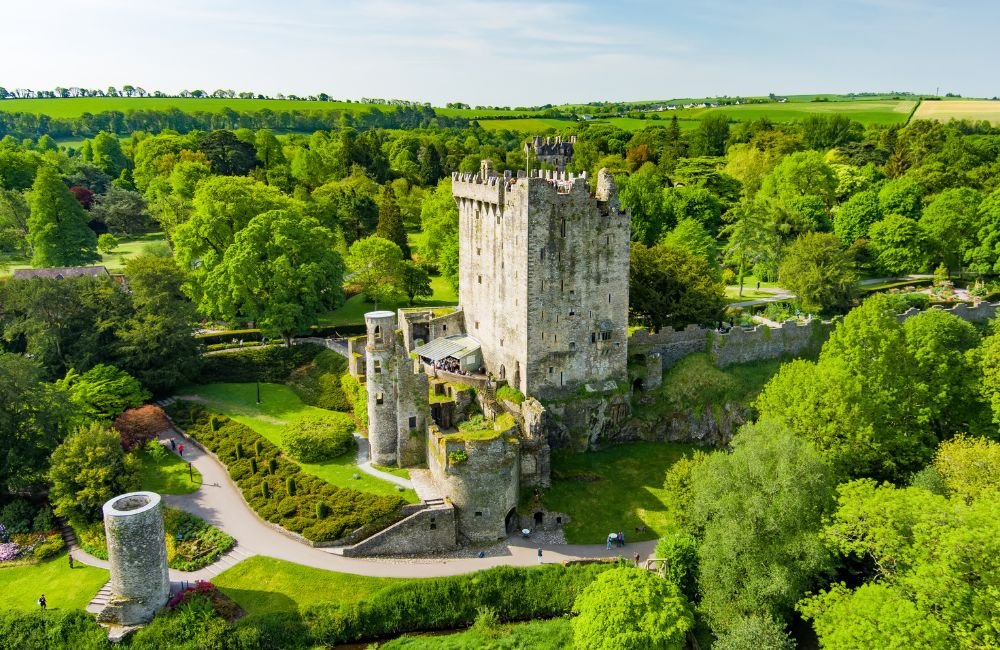
Blarney Castle, near Cork, is one of Ireland’s well-known historic attractions. Visitors come to explore the castle grounds, enjoy the gardens and learn about the traditions associated with the famous Blarney Stone.
According to local legend, kissing the stone grants the gift of eloquence. Whether or not you take part in the tradition, the site offers an opportunity to experience Irish heritage in a landscape of historic structures and landscaped grounds.
Allow enough time for the castle and gardens rather than treating the visit as a brief stop on a long driving day. Check the official website for opening arrangements, admission details, accessibility information and any visitor restrictions.
Best for: History enthusiasts, gardens, heritage attractions and cultural experiences.
3. The Cliffs of Moher: Dramatic Atlantic Scenery
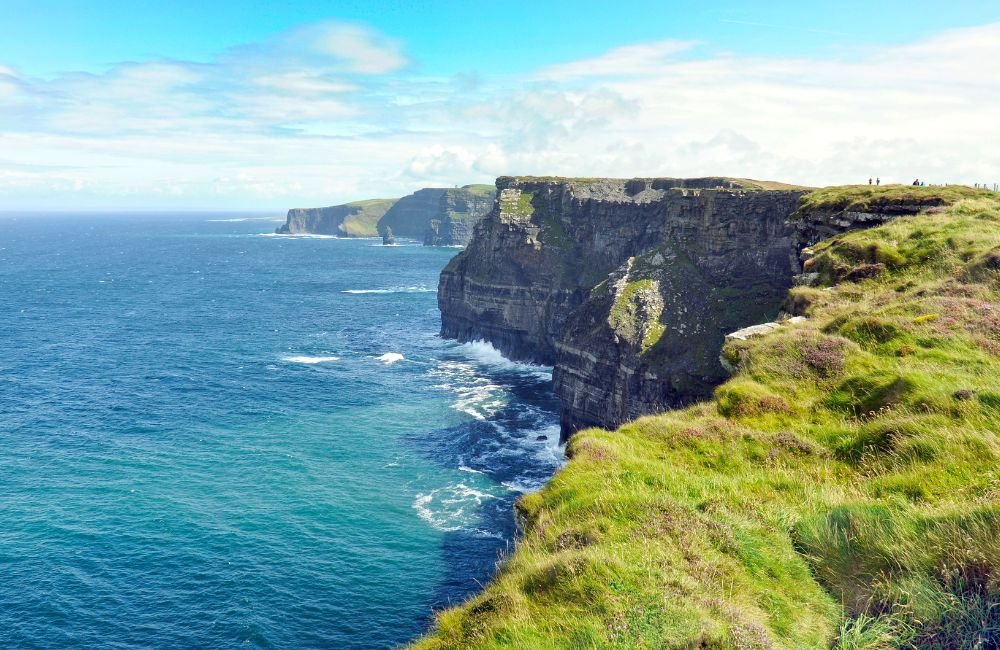
The Cliffs of Moher in County Clare are among Ireland’s best-known natural landmarks. Their steep faces rise above the Atlantic Ocean, creating expansive coastal views that change with the weather and light.
The cliffs form part of the wider Burren and Cliffs of Moher region, which also offers distinctive limestone landscapes, walking routes and heritage sites.
Visitors can explore designated viewpoints and walking areas, but coastal weather should not be underestimated. Strong winds, rain and temporary access restrictions can affect conditions, so follow safety signs and remain within designated areas.
Pre-booking is advisable when planning a visit to this popular attraction. Check official visitor information for current admission arrangements, tour options and access conditions.
Best for: Coastal photography, nature lovers, walking and scenic sightseeing.
4. Galway: Traditional Music and Western Ireland
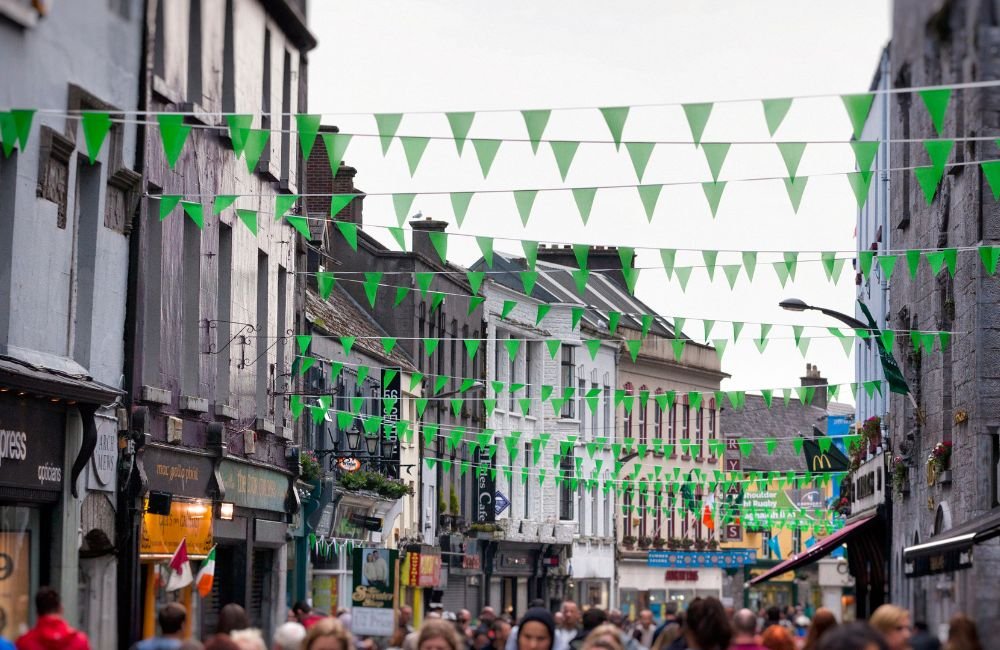
Galway is a useful base for exploring the west of Ireland. Its city centre offers shops, cafés, restaurants, historic streets and opportunities to experience traditional Irish music.
The city also provides access to wider western destinations, including coastal villages and parts of Connemara. Visitors can use it as a stopping point on a longer journey along the Atlantic coast.
Allow some unplanned time to enjoy the city at a slower pace. A short walk through its streets or an evening in a traditional music venue can complement a day spent exploring the countryside.
Best for: Food, live music, city walks and exploring western Ireland.
5. Killarney and the Lakes of County Kerry
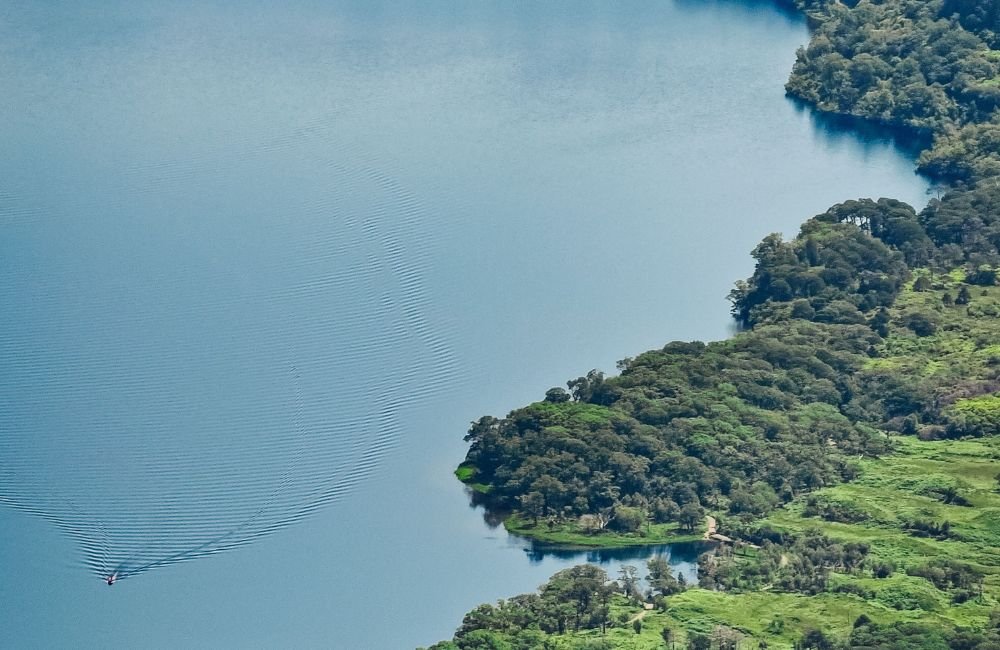
Killarney is a convenient base for discovering the scenery of County Kerry. The surrounding area features lakes, wooded landscapes, historic sites and opportunities for walking and cycling.
It is also a starting point for exploring the Ring of Kerry, a scenic touring route that passes through coastal and rural landscapes. Depending on your interests, you can combine a drive with short walks, local stops and visits to nearby attractions.
Road conditions, traffic and the time needed for sightseeing should influence your itinerary. Allow more time than a basic map estimate suggests, particularly if you want to stop at viewpoints along the way.
Best for: Scenic drives, nature, walking, cycling and countryside stays.
6. The Wild Atlantic Way: A Coastal Journey
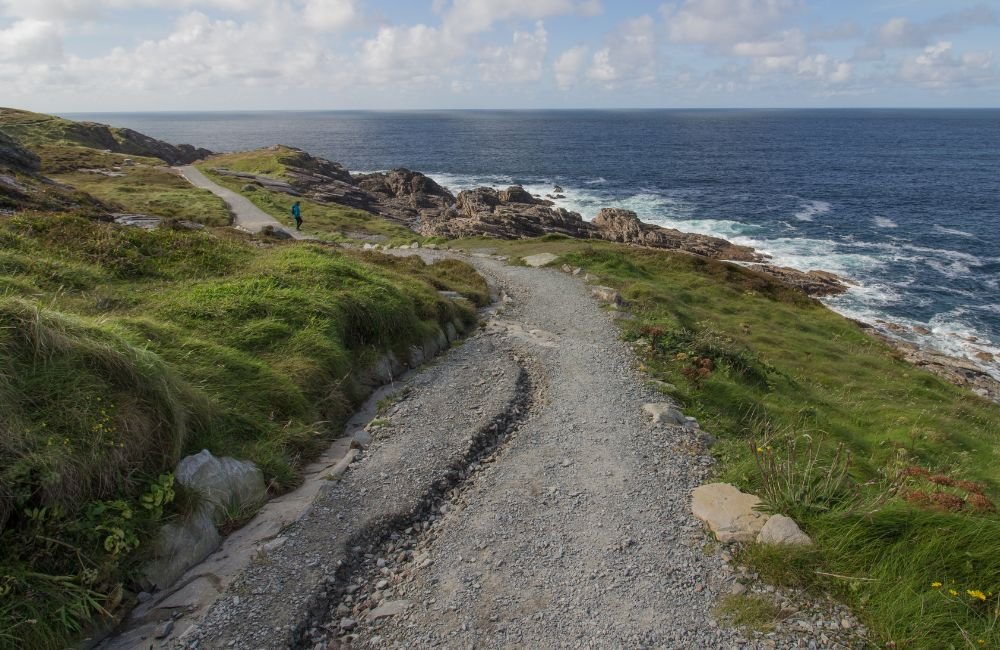
The Wild Atlantic Way follows Ireland’s western coast through a varied landscape of rugged headlands, beaches, small towns and dramatic ocean viewpoints.
Rather than trying to complete the whole route in a short holiday, choose a section that fits your available time. You might focus on County Clare and Galway, explore County Kerry further south or travel north towards County Donegal.
This approach lets you enjoy the journey without spending most of your holiday behind the wheel. It also leaves room for local food, short walks and cultural experiences along the way.
Best for: Road trips, photography, coastal scenery and outdoor adventures.
The Best Time to Visit Ireland
Ireland can be visited throughout the year, but the most suitable season depends on the experiences you have in mind.
Spring and Summer
Spring brings longer days as the season progresses, while summer generally offers the longest daylight hours for sightseeing and outdoor activities.
These seasons can be convenient for road trips, walking and visiting coastal attractions. They are also popular travel periods, so accommodation and major attractions can be busier.
Even in summer, rain, strong winds and cooler conditions are possible. Pack layers and waterproof clothing rather than planning around sunshine alone.
Autumn
Autumn can be a good choice for travellers who prefer seasonal landscapes and a more relaxed pace. Parks, woodlands and countryside routes take on changing colours, while cities remain worthwhile destinations.
Daylight becomes shorter as the season progresses, so plan outdoor activities accordingly and check opening arrangements for attractions that operate seasonally.
Winter
Winter offers a different experience, with shorter days, cooler weather and the possibility of storms affecting coastal and rural travel.
City sightseeing, museums, historic attractions and traditional pubs can still make for an enjoyable trip. However, allow flexibility in your plans and check weather forecasts before setting out on long drives or exposed coastal walks.
Practical advice: Ireland’s weather can change quickly at any time of year. Carry a waterproof jacket, comfortable walking shoes and an extra layer, even when the forecast looks favourable.
Getting Around Ireland
Your choice of transport will influence which parts of Ireland you can comfortably explore.
By Train
Train travel is useful for connecting major towns and cities in the Republic of Ireland. It can be a convenient option for travellers who prefer not to drive.
Check Irish Rail’s journey planner for current routes, schedules, fares and planned engineering works. Rail services do not reach every rural attraction, so you may need to connect by bus, taxi or an organised tour.
By Bus
Bus services provide access to many towns and some rural destinations that are not served by rail. Services are operated by public and private companies, so routes and booking arrangements vary.
Check the timetable for your specific journey, especially if you are travelling to a small town, an island ferry terminal or a coastal attraction. Do not assume that a return bus will be available late in the evening.
By Rental Car
A rental car offers flexibility for exploring remote beaches, scenic routes and small villages. It can be particularly useful for trips around County Kerry, Connemara and other rural regions.
Ireland drives on the left. Speed limits in the Republic of Ireland are shown in kilometres per hour, while Northern Ireland uses miles per hour.
Country roads can be narrow and winding, and some routes take longer than they appear on a map. Choose a vehicle you are comfortable driving, check the rental company’s licence and insurance requirements, and avoid planning an overly ambitious daily schedule.
You do not necessarily need a car for an entire trip. Many visitors find it easier to explore Dublin using public transport before renting a vehicle for a few days in the countryside.
Money, Accommodation and Practical Travel Tips
Currency and Payments
The Republic of Ireland uses the euro. Northern Ireland uses pound sterling.
Check which currency applies to each part of your itinerary, particularly if you are travelling across the island. Review foreign transaction charges with your bank before departure and carry a backup payment method.
Booking Accommodation
Dublin, popular coastal destinations and well-known tourist areas can be busy during peak travel periods. Book accommodation ahead when your travel dates are fixed, particularly if you are visiting during holidays or attending a major event.
When choosing where to stay, consider parking, public transport, access to restaurants and the distance to your planned activities. An inexpensive room far from your main destinations may add considerable transport time or expense.
For a road trip, consider staying in a small number of convenient bases rather than changing accommodation every night.
Packing for the Weather
Pack clothing that can be layered. A waterproof jacket, comfortable walking shoes, suitable socks and a small day bag are useful for a trip that combines cities, countryside and coastal walks.
Check the local forecast before outdoor activities. If strong winds or severe weather affect a coastal area, follow local guidance and avoid exposed cliff edges.
Travel Insurance and Important Documents
Consider travel insurance that suits your itinerary and planned activities. Keep copies of your bookings, travel insurance details, emergency contacts and important travel documents accessible.
If your trip includes Northern Ireland or another country, check the relevant entry requirements before departure. Do not rely solely on information from older articles or online discussions.
Food, Pubs and Local Culture
Ireland’s food scene includes traditional dishes, seafood, local produce, cafés and contemporary restaurants. In Dublin and other cities, you will find a wide range of dining options. Smaller towns and coastal communities often provide opportunities to try regional specialities.
Traditional pubs can be a good place to experience Irish music and social life. When visiting, respect local customs and remember that not every pub hosts live music every evening.
Making time for local food and cultural experiences can add depth to a holiday beyond simply visiting famous landmarks.
How Much Time Should You Spend in Ireland?
The right length of stay depends on whether you prefer city sightseeing, rural exploration or a combination of both.
Three days: Concentrate on Dublin and its main attractions. A shorter visit is better spent exploring one area properly than attempting to cross the country.
Five to seven days: Combine Dublin with one other region, such as Galway and County Clare or Cork and County Kerry. Plan the journey around your arrival airport and available transport.
Ten to fourteen days: Consider a more extensive road trip with time for several regions. Depending on your interests, you could explore Dublin, the southern coast and the west, leaving room for scenic detours and local experiences.
These are planning suggestions rather than fixed itineraries. Before finalising your route, check realistic travel times, accommodation locations, opening arrangements and seasonal transport options.
If you also want to visit Northern Ireland, allow additional time and confirm that you meet the relevant UK entry requirements.
Is Ireland Worth Visiting?
Ireland offers a memorable combination of heritage, landscape and contemporary culture. Its historic cities, traditional communities, castles, coastal scenery and outdoor attractions give travellers many ways to experience the country.
The best trip is not necessarily the one that includes the most places. Choose destinations that reflect your interests, plan your transport carefully and allow enough time to explore each area.
Whether you want to discover Dublin’s cultural attractions, visit Blarney Castle, admire the Cliffs of Moher or follow a section of the Wild Atlantic Way, a well-planned journey can reveal a different side of Ireland at every stop.
