
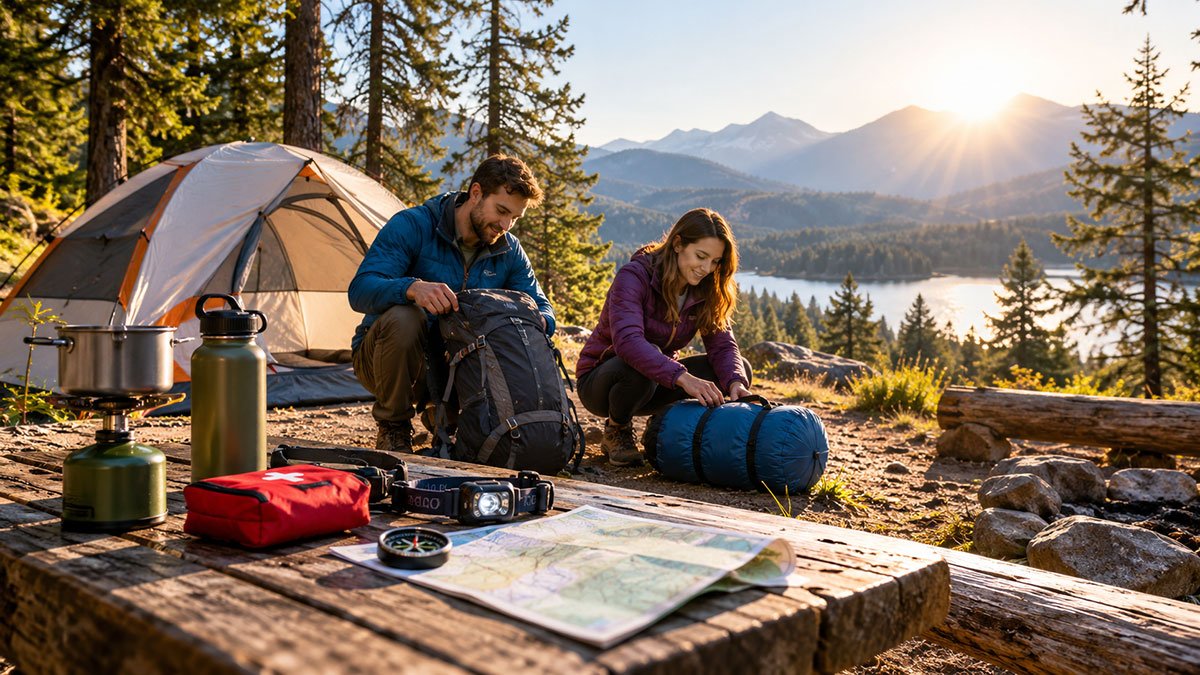
Prepare for your next outdoor adventure with the right camping gear, food, shelter and safety essentials.
The Ultimate Camping Checklist for Your Next Outdoor Adventure
A successful camping trip starts long before you reach the campsite. Whether you’re planning a weekend in a developed campground or a multi-day backpacking adventure, the right preparation helps you stay comfortable, safe and ready for unexpected conditions.
This camping checklist covers the essential gear, clothing, food, navigation tools and emergency supplies to pack before leaving home. It also explains how to prepare your campsite, protect local wildlife and adjust your packing list to suit your destination.
Use it as a starting point, then tailor your supplies to the season, trip length, group size and activities you have planned.
1. Plan Your Camping Trip Before You Leave
Good preparation can prevent many common camping problems. Start by confirming the arrangements for your destination.
Before departure, check:
- Campsite reservations: Confirm your booking and check whether the site permits tents, campervans or other accommodation.
- Permits and access: Check whether you need a camping permit, entry pass, fishing licence or other authorization.
- Weather forecasts: Review expected temperatures, rainfall, wind and severe weather alerts for your travel dates.
- Trail and road conditions: Check closures, access restrictions, seasonal hazards and the difficulty of planned routes.
- Local regulations: Confirm rules for campfires, cooking equipment, pets, waste disposal and wildlife encounters.
- Emergency contacts: Save the campsite’s contact details and the relevant local emergency number.
Choose activities that match your group’s experience and physical ability. Beginners may prefer an established campground with toilets, drinking water and clearly marked trails. Remote camping requires additional navigation skills, supplies and contingency planning.
Share your itinerary with someone who isn’t joining the trip. Include your route, campsite, expected return time and instructions for raising the alarm if you fail to return as planned.
2. Pack Navigation Tools
A phone with GPS can be useful outdoors, but relying on it alone is risky. Battery failure, poor reception, damaged equipment or a lack of offline maps can leave you without directions.
Add these items to your camping checklist:
- A map covering your campsite and planned routes.
- A compass, with basic knowledge of how to use it.
- A GPS device or phone with maps downloaded for offline use.
- A fully charged phone and suitable charging equipment.
- A power bank, kept protected from moisture.
- A headlamp or flashlight with spare batteries or a reliable charging plan.
- A whistle for signalling if someone becomes lost or needs assistance.
Study your route before setting out. Identify trail junctions, landmarks, water sources and possible exit points. Stay on established trails and avoid taking shortcuts through unfamiliar terrain.
If you plan to explore beyond the campsite, tell someone where you’re going and when you expect to return. Avoid unfamiliar routes after dark.
3. Choose the Right Tent and Sleeping Gear
Your shelter should suit the expected weather, terrain and number of campers. A tent designed for warm summer conditions may not provide adequate protection in heavy rain, strong wind or cold temperatures.
Shelter essentials
Pack the following according to your camping style:
- A tent with enough sleeping space for your group.
- Tent poles, stakes and suitable guy lines.
- A footprint or groundsheet where appropriate.
- A rainfly or weather-resistant shelter.
- A repair kit for small tears, poles and damaged components.
- A tarp or emergency shelter for unexpected weather.
Practise pitching your tent at home before departure. Check that all components are present and that the tent fits comfortably within the space available at your campsite.
Choose an established, level campsite with suitable drainage. Avoid areas exposed to falling branches, flooding, unstable ground or other local hazards.
Sleeping essentials
A comfortable night’s sleep depends on more than the tent. Pack:
- A sleeping bag rated for the expected overnight temperatures.
- An insulated sleeping mat or mattress.
- A pillow or compact alternative.
- Sleepwear suited to the forecast.
- An extra blanket or suitable insulation for colder conditions.
Check the sleeping bag’s temperature rating and consider your own comfort needs. A sleeping mat also helps reduce heat loss to the ground.
For car camping, you can usually bring bulkier bedding. Backpackers should choose lighter equipment that still provides appropriate protection.
4. Prepare Clothing for Changing Weather
Outdoor conditions can change quickly. Pack layers that you can add or remove rather than relying on one heavy outfit.
Your clothing checklist may include:
- Moisture-managing base layers.
- Warm mid-layers, such as fleece or insulating jackets.
- A waterproof and wind-resistant outer layer.
- Comfortable hiking trousers or shorts.
- Spare socks and underwear.
- Sturdy footwear suitable for the terrain.
- Comfortable camp shoes, where practical.
- A hat, sunglasses and sun protection.
- Warm gloves and a hat for cold conditions.
- Quick-drying clothing and a bag for wet garments.
Adjust your packing list to the season and destination. Mountain areas can become cold even when daytime temperatures feel comfortable. Hot and humid environments may require lightweight clothing, frequent hydration and extra protection against insects.
Check the forecast shortly before departure. Pack additional insulation if temperatures may fall or rain is expected.
5. Pack a First-Aid Kit and Emergency Supplies
A first-aid kit is essential for camping, especially when medical assistance may be some distance away. Choose its contents based on the group, destination and activities.
Useful supplies include:
- Adhesive bandages and sterile dressings.
- Gauze, medical tape and suitable wound-cleaning supplies.
- Blister-care materials.
- Disposable gloves.
- Tweezers and small scissors, if appropriate.
- Personal medication and copies of important medical information.
- Any activity-specific first-aid supplies you know how to use.
- Emergency blanket or bivvy.
- Whistle and a suitable emergency light.
- Sunscreen and insect repellent.
- Hand sanitiser and basic hygiene supplies.
A tourniquet may be appropriate for some remote or higher-risk activities, but it should be used by someone trained in its application. Do not rely on equipment you have never learned to use.
For remote trips, consider an emergency communication device that works beyond ordinary mobile coverage. Check its coverage, battery requirements and operation before leaving.
Learn the local emergency procedures and understand when to seek professional assistance. Your emergency plan should account for injuries, severe weather, a lost group member and an unexpectedly delayed return.
6. Plan Meals, Snacks and Drinking Water
Do not depend on hunting, fishing or finding edible plants to provide your meals. These activities may be restricted, unsuccessful or unsuitable for your circumstances.
Plan enough food for every person and every day. Include a reasonable reserve for delays, unexpected weather or changes to your itinerary.
Camping food checklist
Depending on your trip, consider packing:
- Shelf-stable meals and easy-to-prepare foods.
- Rice, pasta, oats or other familiar staples.
- Nuts, dried fruit and trail snacks.
- Canned or packaged foods, where practical.
- Bread, wraps and other convenient meal ingredients.
- Tea, coffee or preferred drinks.
- Cooking oil, seasonings and condiments in secure containers.
- Reusable plates, bowls, cups and cutlery.
- Cooking pots, utensils and a food-safe preparation surface.
- Biodegradable or suitable washing supplies, used according to local rules.
- Sealable bags or containers for food and waste.
Choose foods according to the available cooking facilities. Backpackers should prioritise lightweight, energy-rich meals, while car campers can carry a broader selection.
Keep food safe
Perishable food needs reliable temperature control. Use an insulated cooler with sufficient ice or cold packs, and keep it closed and out of direct sunlight.
Keep raw meat separate from ready-to-eat food. Wash your hands before preparing meals, and use clean utensils and surfaces.
In warm conditions, perishable food can become unsafe quickly. Follow recognised food-safety guidance and discard food that has been held at unsafe temperatures.
Store all food, rubbish and scented products according to local wildlife regulations. Never feed wild animals or leave food unattended where animals can reach it.
Carry safe drinking water
Estimate your water needs for drinking, cooking and cleaning. The amount required depends on the temperature, activity level, duration and availability of reliable water supplies.
Carry sufficient drinking water for the planned route, plus an appropriate reserve. If you expect to refill from natural sources, bring a suitable water-treatment method and learn how to use it.
Clear water from a stream, river or lake is not necessarily safe to drink. Follow the treatment instructions for your chosen method, and check whether the equipment is effective against the microorganisms that may be present.
7. Bring the Right Cooking Equipment
Cooking arrangements vary between developed campgrounds and remote wilderness areas. Some campsites provide designated cooking facilities, while others require you to carry your own equipment.
A practical cooking checklist includes:
- A suitable portable camping stove.
- The correct fuel and compatible equipment.
- A lighter or waterproof matches, with safe storage.
- Cooking pots and utensils.
- Reusable eating equipment.
- Drinking-water and food-storage containers.
- A sponge or cleaning cloth.
- Washing supplies permitted at the destination.
- A bag for collecting food scraps and rubbish.
Check campsite rules before packing a stove or planning a campfire. Fire restrictions can change with weather, drought conditions and local risk. Some destinations prohibit open flames entirely.
If campfires are permitted, use designated fire facilities and follow local instructions. Never leave a fire unattended, and ensure it is completely extinguished before leaving or going to sleep.
8. Prepare for Insects, Sun and Other Outdoor Hazards
The natural environment brings risks that vary by destination and season. A few preventive measures can make a significant difference.
Pack:
- Broad-spectrum sunscreen appropriate for the conditions.
- Sunglasses and a protective hat.
- Insect repellent suitable for the destination.
- Long-sleeved clothing when useful.
- A lightweight rain cover for essential equipment.
- Protective gloves for suitable tasks.
- Extra insulation for sudden temperature changes.
Learn about local hazards before arrival. These might include ticks, mosquitoes, snakes, unstable ground, extreme heat, cold exposure or dangerous wildlife.
Follow local advice on avoiding encounters with animals. Keep a safe distance, never approach or feed wildlife, and use the food-storage systems required at your campsite.
Do not touch unfamiliar plants, fungi or wild berries. A field guide is not a substitute for reliable identification skills, and eating an unknown plant can be dangerous.
9. Leave No Trace at Your Campsite
Responsible camping protects the places that make outdoor travel worthwhile. Follow the destination’s rules and minimise your impact on the surrounding environment.
Use these practices:
- Camp in designated areas where required.
- Walk on established trails and durable surfaces.
- Take all rubbish and food waste with you when facilities are unavailable.
- Use toilets provided at the campsite whenever possible.
- Follow local guidance for human waste and hygiene products in remote areas.
- Keep food secured and never feed wildlife.
- Leave plants, rocks, historical objects and natural features undisturbed.
- Avoid damaging trees or vegetation to create a campsite.
- Respect quiet hours and other visitors.
- Use existing fire rings only where fires are allowed.
When washing dishes or yourself, follow local water-protection rules. Soap, food scraps and dirty water should never be allowed to contaminate streams or lakes.
Before leaving, inspect your sleeping area, cooking space and surrounding ground. Pick up litter, check for forgotten equipment and leave the site in the condition required by local regulations.
10. Pack Fishing or Hunting Equipment Only If Needed
Fishing and hunting require additional planning. Before packing specialist equipment, confirm that your destination permits the activity and that you have the required licences, permits and authorisations.
Fishing checklist
Depending on local regulations and your plans, bring:
- A suitable rod, reel and line.
- Permitted hooks, lures or bait.
- Appropriate tackle and basic repair supplies.
- Suitable footwear and protective clothing.
- A secure container for equipment and any legally retained catch.
- A plan for keeping any harvested fish at a safe temperature.
Check local restrictions on fishing seasons, permitted species, catch limits, equipment and access areas. Follow any rules governing the handling and disposal of fish remains.
Hunting checklist
Hunting requires careful attention to local laws, safety and wildlife management requirements. Confirm the applicable season, licence, permitted area, equipment restrictions and any required training.
If hunting is lawful and forms part of your trip, pack only the equipment appropriate to the activity and permitted at the destination. Store and transport firearms and ammunition in accordance with applicable law and official safety guidance.
Never assume that a camping permit also authorises hunting or fishing. These activities may require separate permissions, and some protected areas prohibit them entirely.
11. Adjust Your Camping Checklist to Your Trip
Not every camper needs the same equipment. Use the following guide to identify what deserves priority.
Car camping
When you can drive close to your campsite, you may have room for:
- A larger tent and comfortable bedding.
- A cooler and additional meal supplies.
- A camping table and chairs.
- Extra lighting and charging equipment.
- More substantial cooking equipment.
- Additional clothing and weather protection.
Even at a developed campground, check which facilities are actually available. Do not assume that drinking water, electricity, toilets or cooking facilities will be provided.
Backpacking and remote camping
When carrying your equipment over long distances, prioritise essential items that are compact, lightweight and reliable.
Focus on:
- A lightweight shelter and sleeping system.
- A navigation system and offline route information.
- Adequate food and a safe water-treatment method.
- Weather-appropriate layers.
- First-aid and emergency equipment.
- A headlamp and dependable communication plan.
- Waste-management supplies suitable for the destination.
Avoid unnecessary equipment, but do not remove essential safety items simply to reduce pack weight. Your route, weather and experience should determine what you carry.
Family camping
Families may need additional supplies for children and other group members.
Consider packing:
- Comfortable sleeping equipment for each person.
- Extra clothing and rain protection.
- Familiar snacks and meal options.
- Child-appropriate sun and insect protection.
- Personal medication and essential comfort items.
- Activities for poor weather.
- A clear meeting point and simple safety rules.
Make sure everyone understands how to stay with the group and what to do if they become separated.
12. Final Camping Checklist Before Departure
Use this quick checklist the day before your trip.
-
- Confirm the reservation, permits and access arrangements.
- Check the latest weather forecast and local alerts.
- Review the route, maps and emergency plan.
- Test the tent, sleeping gear and essential equipment.
- Pack clothing suitable for the expected conditions.
- Prepare first-aid supplies and personal medication.
- Plan meals, snacks and safe drinking water.
- Check the stove, fuel and cooking equipment.
- Charge your phone, power bank and communication devices.
- Pack lighting, navigation tools and spare batteries where needed.
- Confirm local fire, wildlife, waste and activity regulations.
- Share your itinerary and expected return time with a trusted contact.
- Tell everyone in the group about the plan and key safety rules.
Make Your Next Camping Trip a Success
The best camping checklist is one that reflects your destination, abilities and planned activities. A short stay at a managed campground may require relatively little equipment, while a remote expedition calls for more careful preparation.
Start with the essentials: reliable shelter, appropriate clothing, food, safe drinking water, navigation tools and emergency supplies. Then add the equipment needed for your specific trip.
Check local conditions before departure, respect campsite regulations and prepare for unexpected changes. With the right planning, you can spend less time solving avoidable problems and more time enjoying the outdoors.
