
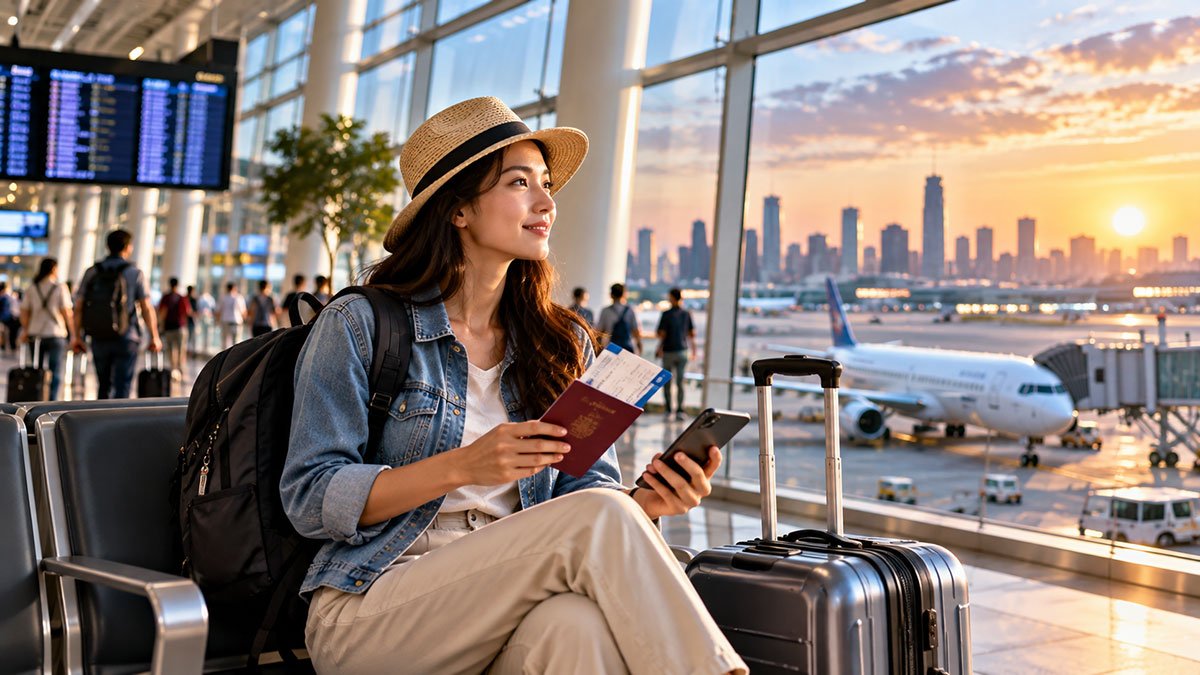
Thoughtful preparation can make a holiday smoother, leaving more time to enjoy the journey and destination.
Travel Tips for a Smooth and Stress-Free Holiday
Travel should be exciting, but poor planning can turn a good holiday into a stressful experience.
A missed connection, forgotten document, unsuitable accommodation or unrealistic itinerary can affect your entire trip. The good news is that most common travel problems are easy to reduce with a little preparation.
These travel tips cover the practical details that matter before you leave home and while you are away. They apply to weekend breaks, family holidays, road trips and international journeys.
The aim is not to plan every minute. It is to prepare well enough that you have time to enjoy the destination itself.
Start by Deciding What You Want From the Trip
Before searching for flights or hotels, decide what kind of holiday you want.
You might be looking for:
- A relaxing beach break
- A city sightseeing trip
- An outdoor adventure
- A family holiday
- A sports-focused trip
- A cultural experience
- A road trip
- A combination of several experiences
Your interests should influence both the destination and the itinerary.
There is little value in choosing a destination because it is fashionable if its main attractions do not interest you.
A good holiday begins with the right match between destination, budget, time and interests.
Create a Realistic Itinerary
One of the easiest ways to make a holiday stressful is to plan too much.
Trying to visit five cities in six days may look impressive on paper. In practice, you could spend most of your time packing, checking out, traveling and checking into another hotel.
Start with the number of days you actually have.
Then identify the experiences that matter most.
Before adding another activity, consider:
- How long will it take to reach the location?
- How long will you spend there?
- Does it require advance booking?
- What happens if your transport is delayed?
- Will you have enough time to rest?
- What alternative can you use if weather disrupts the plan?
A flexible itinerary often produces a better holiday than a completely packed schedule.
Research the Destination Before You Leave
Do not wait until you arrive to learn the basics.
Research your destination before departure and note important information about:
- Local customs
- Weather
- Public transport
- Currency
- Emergency services
- Major attractions
- Local laws
- Health considerations
- Entry requirements
- Areas where extra caution may be necessary
Official government and tourism sources are more reliable for important travel requirements than old social media posts or forum comments.
Travel conditions can change, so check important information again shortly before departure.
Check Your Passport and Entry Requirements
For international travel, your passport is one of the most important items you own.
Check its expiration date early.
Do not assume that every country follows the same passport-validity rule. Some destinations require additional validity beyond your travel dates, while others have different requirements.
Also check whether you need:
- A visa
- An electronic travel authorization
- A transit visa
- Proof of onward travel
- Vaccination documentation
- Other entry documents
The International Air Transport Association’s IATA Travel Centre provides current passport, visa and health requirement information based on information gathered from official sources worldwide. Travelers should still confirm requirements with the destination’s official immigration authority or embassy.
Keep Copies of Important Documents
Do not rely on a single physical document or one phone.
Keep secure copies of important travel information, including:
- Passport
- Visa
- Travel insurance
- Flight reservations
- Hotel reservations
- Emergency contacts
- Important medical information
Keep copies separately from the originals.
A secure digital backup can help if your documents are lost or damaged. However, a digital copy does not replace an original document when an authority requires the physical document.
The U.S. Department of State also recommends keeping multiple copies and storing them separately when traveling abroad.
Understand Your Travel Insurance
Travel insurance can help protect you from unexpected costs, but policies differ considerably.
Before buying a policy, check what it covers.
Depending on your trip, you may need protection for:
- Medical treatment
- Emergency evacuation
- Trip cancellation
- Trip interruption
- Lost or delayed baggage
- Travel delays
- Adventure activities
Do not assume that your normal health insurance automatically covers medical care abroad.
The CDC advises travelers to check their existing coverage and consider additional travel medical or evacuation insurance where appropriate.
Read exclusions carefully, particularly when you plan activities such as scuba diving, skiing, trekking or other higher-risk pursuits.
Choose Accommodation for Location, Not Just Price
The cheapest room is not always the cheapest option overall.
A hotel far from the places you want to visit can create extra costs for taxis, public transport and meals.
When comparing accommodation, consider:
- Distance from major attractions
- Public transport connections
- Airport access
- Walkability
- Neighborhood character
- Late-night transport
- Restaurants nearby
- Your personal safety needs
Sometimes paying slightly more for a convenient location saves both time and transportation costs.
Read Reviews With Context
Travel reviews can be extremely useful, but they need interpretation.
A reviewer’s expectations may be completely different from yours.
For example, a family may dislike a hotel because it lacks children’s facilities. A solo traveler might see the same hotel as peaceful and convenient.
When reading reviews, look for comments that match your situation.
Pay particular attention to recent reviews and recurring patterns.
One bad review does not necessarily indicate a bad hotel. Several recent reviews describing the same problem deserve more attention.
Do Not Assume Booking Early Always Means Paying Less
Planning early has advantages, but there is no universal rule that every flight or hotel becomes cheaper months in advance.
Prices depend on destination, demand, season, availability, cancellation conditions and many other factors.
Instead of following a fixed booking rule, compare several dates and booking conditions.
Book important reservations early when availability matters, especially during major events, school holidays or peak travel periods.
For flexible trips, continue comparing options until you find a combination that suits your budget and schedule.
Pack for the Actual Destination
Packing becomes easier when you start with the destination rather than your wardrobe.
Check:
- Weather
- Local customs
- Activities
- Accommodation facilities
- Baggage allowance
- Length of the trip
Create a basic packing list before you start filling your suitcase.
Essential items often include:
- Passport and documents
- Medicines
- Phone and charger
- Appropriate clothing
- Toiletries
- Comfortable footwear
- Travel adapters where needed
- Payment cards
- A small first-aid kit
Avoid packing large quantities of things that you can easily buy at your destination.
At the same time, do not leave behind items that are difficult to replace, such as essential medication or important documents.
Keep Your Carry-On Useful
Your cabin bag should contain the items you would need if your checked luggage arrived late.
Consider carrying:
- Passport
- Essential medication
- Important documents
- Phone and charger
- Basic toiletries
- A change of clothes
- Valuable items
Always check your airline’s current baggage allowance and restrictions before departure.
Airlines can change cabin and checked-baggage rules, and allowances can differ between fare types.
Prepare for Airport Security
Airport security procedures vary by country and airport.
Follow the instructions given by the airport and airline rather than relying on advice from an older travel article.
Keep liquids, electronics and other restricted items prepared according to the rules that apply to your departure airport.
If a particular airport has special security requirements, check its official website before you travel.
A few minutes of preparation can make the airport experience considerably easier.
Carry Water Wisely
Staying hydrated matters during long journeys, particularly when you spend several hours traveling.
A reusable bottle can be useful.
At airports, follow the current security rules for liquids. Where permitted, you can carry an empty reusable bottle through security and refill it afterward.
During the flight, drink water regularly and consider limiting excessive alcohol intake.
Make Your Phone Part of Your Travel Plan
Your phone can now handle much of the practical side of travel.
Use it for:
- Maps
- Boarding passes
- Hotel details
- Translation
- Weather
- Reservations
- Local transport
- Emergency contacts
Before departure, download anything you may need offline.
Offline maps are particularly useful when mobile service is unreliable.
Keep important booking information accessible even without an internet connection.
However, do not depend entirely on your phone. A dead battery or lost device can quickly become a problem.
Plan Your Money Before You Travel
Work out how you will pay for things before reaching your destination.
Consider carrying a combination of:
- Payment cards
- Some local currency
- A backup payment method
Check whether your cards work in your destination and understand any foreign transaction or ATM fees that may apply.
Avoid carrying all your money in one place.
For longer trips, a second card stored separately can provide useful backup.
Stay Alert Without Becoming Anxious
Travelers should remain aware of their surroundings, particularly in busy tourist areas.
Pickpocketing and scams often target crowded places and distracted visitors.
Simple habits can help:
- Keep valuable items secure.
- Avoid displaying large amounts of cash.
- Be cautious with unsolicited offers.
- Use reputable transportation.
- Keep important documents secure.
- Pay attention in crowded areas.
If you need to check a map, stop somewhere safe rather than trying to navigate while walking through a crowded street.
There is no need to be paranoid. Basic awareness is usually enough.
Learn a Few Local Customs
You do not need to become an expert in local culture before every trip.
A little preparation can make interactions much easier.
Learn basic information about:
- Appropriate clothing
- Greetings
- Dining etiquette
- Tipping
- Religious customs
- Photography
- Public behavior
Some destinations have strict local rules that visitors must respect.
Research these before arrival rather than assuming that the customs of your home country apply everywhere.
Think About Transportation Before Arrival
Do not leave your airport transfer completely to chance.
Research how you will reach your accommodation before landing.
Depending on the destination, options may include:
- Airport trains
- Public buses
- Official taxis
- Ride-hailing services
- Private transfers
- Rental cars
Know the approximate route and where you need to go before leaving the airport.
This is especially useful when arriving late at night or traveling with children.
Give Yourself Extra Time for Connections
Travel days rarely go exactly according to plan.
A delayed first flight can affect an entire itinerary when connections are too tight.
Leave reasonable time between separate bookings, particularly when you must collect luggage, change airports or pass through immigration.
Be cautious when booking unrelated flights on separate tickets.
If the first flight arrives late, the second airline may not have any responsibility for your missed connection.
If You Are Traveling With Children
Family travel requires extra preparation.
Check destination-specific requirements for:
- Passports
- Visas
- Consent documents
- Vaccinations
- Car seats
- Medication
- Accommodation
- Transportation
The U.S. Department of State notes that children traveling internationally without one or both parents may need additional documentation depending on the destination and circumstances.
For young children, plan realistic sightseeing days.
A child who is tired and hungry can quickly change the mood of the entire group.
Build in breaks and leave some unscheduled time.
Make Arrangements for Pets
If you are leaving pets at home, arrange their care well before departure.
Depending on the animal, options may include:
- A trusted family member
- A professional pet sitter
- A boarding facility
- A veterinary boarding service
Visit the provider beforehand when possible.
If you plan to take your pet with you, check the destination’s animal-entry requirements and the policies of your airline or transport provider.
Pet travel can involve documentation, vaccinations, microchipping, health certificates and other requirements.
Do not treat pet travel as a last-minute arrangement.
Match Your Trip to Your Interests
Travel becomes more rewarding when your itinerary reflects what you actually enjoy.
A sports fan may want to build a holiday around a major sporting event.
A food lover may prefer markets, cooking experiences and local restaurants.
An outdoor traveler may prioritize hiking and nature.
Someone interested in history may prefer museums, monuments and historic neighborhoods.
There is nothing wrong with visiting famous attractions.
Just make sure they are attractions you genuinely want to see.
Consider a Sports-Focused Holiday
Sports travel can combine a major event with a wider holiday.
You might travel for:
- Football
- Cricket
- Tennis
- Golf
- Formula 1
- Athletics
- Major international competitions
For high-demand events, ticket availability and accommodation can become important planning factors.
Use official ticketing channels where possible and check whether any travel package provider is authorized by the event organizer.
Leave time to explore the host city rather than spending the entire trip inside the venue.
Keep Your Itinerary Flexible
A good itinerary has structure, but it also leaves room for change.
Weather may affect an outdoor activity.
A museum may change its opening arrangements.
A train may be delayed.
You may simply discover something more interesting while exploring.
Leave some free time so these changes do not ruin your plans.
Flexibility is particularly useful during longer holidays.
Check the Weather Before Major Activities
Do not rely entirely on seasonal averages.
Check the forecast shortly before an important outdoor activity.
This matters for:
- Hiking
- Boat trips
- Road trips
- Beach days
- Skiing
- Cycling
- Wildlife excursions
Extreme weather can create safety risks as well as inconvenience.
Official weather services and local authorities should take priority when serious conditions develop.
Keep Emergency Information Accessible
Save the local emergency number for your destination before you need it.
Also keep your accommodation address available offline.
This can be useful when:
- Your phone has no signal
- A taxi driver needs the address
- You need to give your location to emergency services
- You are traveling in an unfamiliar area
For international trips, identify your country’s embassy or consulate before departure when appropriate.
Government travel guidance recommends checking local emergency and embassy information as part of destination preparation.
Do Not Let Your Phone Replace the Experience
Travel technology is incredibly useful.
Maps, translations, digital tickets, reservations and weather forecasts can make a complicated trip much easier.
But remember why you traveled.
Put the phone away during meals.
Look around while walking.
Talk to people.
Allow yourself to explore without photographing everything.
Some of the most memorable travel experiences happen when you stop following the itinerary for a few minutes.
Travel Responsibly
Being a good traveler means respecting the destination.
Follow local rules and treat communities with consideration.
You can travel more responsibly by:
- Respecting local customs
- Avoiding unnecessary waste
- Following environmental rules
- Supporting local businesses
- Respecting wildlife
- Asking permission before photographing people
- Avoiding damage to historic places
Responsible tourism improves the experience for both visitors and residents.
Create a Simple Pre-Departure Checklist
Before leaving home, run through your most important tasks.
Documents: Passport, visa, tickets and required permits.
Money: Cards, local currency and backup payment method.
Health: Medication, relevant vaccinations and insurance.
Accommodation: Confirmed booking and arrival instructions.
Transport: Airport transfer and major journey details.
Phone: Roaming, SIM or eSIM arrangements, offline maps and charging equipment.
Packing: Weather-appropriate clothing and essential items.
Home: Pets, deliveries, plants and basic security arrangements.
This simple check can prevent many avoidable problems.
Enjoy the Journey, Not Just the Destination
Good planning does not mean controlling every moment of a holiday.
It means removing unnecessary uncertainty so you can spend more time enjoying the experience.
Choose a destination that suits your interests. Build a realistic itinerary. Check your documents. Pack carefully. Understand the local conditions. Protect your money and important belongings. Make sensible arrangements for health, pets and family members.
Then leave some space for the unexpected.
The best holiday is rarely the one where everything happens exactly according to plan.
It is the one where you are prepared enough to handle the unexpected and relaxed enough to enjoy it.
