
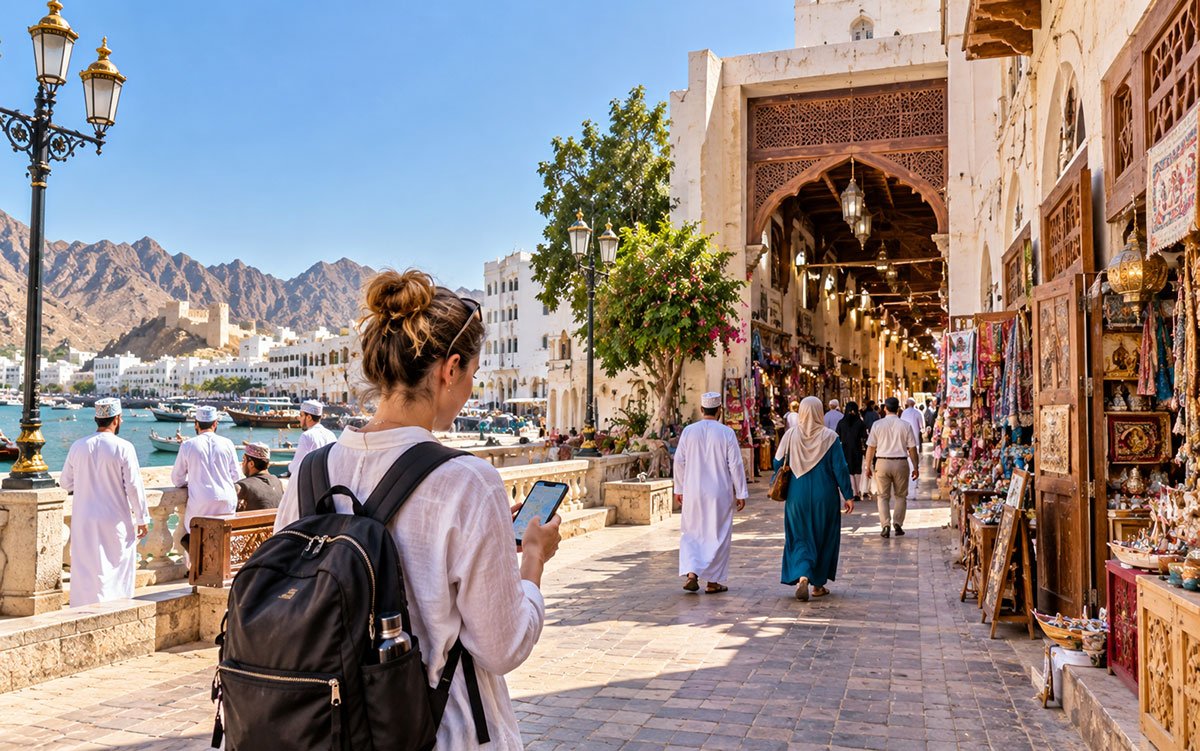
Prepare for a confident journey by researching local customs, planning transport and checking directions before exploring.
Travel Safety Tips for the Middle East: What Every Visitor Should Know
The Middle East offers a remarkable range of travel experiences, from historic cities and archaeological sites to desert landscapes, mountain villages and modern coastal destinations. However, planning a safe and comfortable trip requires more than booking flights and choosing attractions.
The region includes countries with very different laws, customs, infrastructure and security conditions. Some destinations welcome large numbers of international visitors, while other countries and areas face serious security risks or restrictions on travel.
The most useful travel safety tips for the Middle East begin with researching your exact destination. Check official travel advisories, understand local regulations, arrange reliable transport and prepare for possible changes to your itinerary. A little preparation can help you make better decisions before departure and respond more confidently while abroad.
1. Check Official Travel Advice Before Booking
Security conditions can change quickly, particularly in areas affected by armed conflict, political tension or border restrictions. A destination that appeared suitable for travel when you first researched it may present different risks by the time you plan to depart.
Before booking, consult the travel advice published by your government’s foreign ministry or equivalent authority. Check the official guidance for every country you plan to visit, including any country where you will change planes or cross a land border.
Pay attention to:
- Warnings against all or non-essential travel.
- Areas affected by conflict, demonstrations or military activity.
- Border closures and restrictions on movement.
- Terrorism risks and security incidents.
- Airport operations, airspace restrictions and possible flight disruption.
- Requirements for entry, exit and transit.
- Any additional precautions relevant to your nationality or personal circumstances.
Government advisories use different assessment systems. Read the detailed advice, not just the overall rating.
Regional security conditions remain an important consideration. Official advisories reviewed in October 2026 highlight elevated risks in parts of the Middle East, as well as the possibility of flight cancellations and airspace closures. Do not assume that a destination or transit hub will remain accessible simply because an airline is selling tickets.
If your government advises against travel to your intended destination, take that warning seriously and investigate the official guidance before proceeding.
2. Understand the Local Laws and Customs
Respecting local culture makes travel easier and helps you avoid behaviour that may cause offence or violate the law.
However, there is no single rulebook for the entire Middle East. Requirements vary by country, and expectations may also differ between religious sites, public spaces, hotels, beaches and private venues.
Dress appropriately for the destination
Modest clothing is a useful starting point when visiting religious buildings, historic neighbourhoods or conservative communities. Some destinations impose specific dress requirements in particular settings, while others allow a wider range of clothing.
For example, Dubai permits swimwear at beaches, waterparks and pools, but recommends more conservative clothing in historic neighbourhoods and places of worship. Oman and Saudi Arabia have their own public dress expectations and rules.
Before travelling, check the official guidance for your destination and pack clothing suitable for the places you intend to visit.
Useful items may include lightweight trousers, longer skirts, shirts that cover the shoulders and a scarf for sites where head covering is required. Choose breathable fabrics suitable for the climate.
Do not assume that rules at a hotel swimming pool also apply in a shopping district, traditional market or religious building.
Learn the rules on public behaviour
Local laws may cover public displays of affection, alcohol consumption, photography, offensive behaviour and the sharing of certain online content.
Research these requirements before departure instead of relying on what is acceptable in your home country.
When visiting religious or culturally significant places, follow posted instructions and guidance from staff. Ask permission before photographing people, especially in private or sensitive settings, and avoid photographing military installations, security facilities or other restricted sites.
If you are travelling with an unmarried partner, are LGBTQ+, or have circumstances that could intersect with local laws, investigate the legal position and relevant government advice before booking. Legal recognition and protections vary significantly across the region.
Be aware of Ramadan and religious holidays
During Ramadan, opening hours, dining arrangements and the atmosphere of public spaces may change. Practices differ between countries and establishments.
Check the local arrangements for restaurants, tourist attractions, public transport and religious sites during your planned travel dates. Follow any restrictions on eating, drinking, smoking or public behaviour that apply in your destination.
Approach religious customs with respect, and ask a trusted local source when you are unsure about an appropriate practice.
3. Choose Reputable Guides and Tour Operators
A local guide can add valuable context to a trip. They can explain historical sites, help with language barriers, clarify local customs and organise transport to places that may be difficult to reach independently.
However, you do not necessarily need a guide for every destination or activity. The right choice depends on the location, your experience and the type of excursion.
When arranging a tour, look for a recognised operator with clear contact details, transparent pricing and a documented itinerary.
Before paying, confirm:
- The guide’s credentials or licence, where required.
- What the fee includes and whether additional charges apply.
- The departure time, duration and return arrangements.
- The cancellation policy.
- Whether the provider has appropriate insurance and safety arrangements for the activity.
Your hotel or official tourism office may be able to recommend established providers. You can also check reviews from multiple sources, although reviews alone do not guarantee reliability.
Be cautious when an unfamiliar person offers a tour that involves unclear fees, pressure to pay immediately or transport to an unplanned location. Politely decline if you feel uncomfortable.
For hiking, desert trips, boat excursions and other activities with additional risks, use operators equipped for the specific conditions. Ask about emergency procedures and the equipment provided.
4. Arrange Safe and Reliable Transportation
Transport arrangements deserve attention, particularly when arriving at an unfamiliar airport or travelling beyond major tourist areas.
Before arrival, research the official airport transfer options and the transport services available at your destination. Depending on the country and city, these may include licensed taxis, public transport, hotel transfers and established ride-hailing services.
For a smoother journey:
- Confirm the expected fare or pricing method before starting a taxi journey.
- Use authorised taxi ranks or reputable booking services.
- Check the vehicle and driver details against your booking.
- Share your trip details with a trusted person when appropriate.
- Avoid accepting unsolicited lifts from strangers.
- Research local driving rules before renting a vehicle.
For remote destinations, do not assume that mobile coverage, fuel stations or emergency services will be readily available along the route.
If you plan to visit a desert, mountain region or isolated natural area, check the weather, road conditions and any access restrictions. Consider whether you need a guide or specialist transport rather than attempting the journey independently.
Keep enough flexibility in your schedule to handle delays. A tightly planned transfer can become stressful when traffic, weather or border procedures take longer than expected.
5. Plan for Flight Changes and Unexpected Disruptions
International travel through the Middle East often involves connecting flights, and regional tensions can affect aviation. Airlines may change schedules, cancel services or alter routes when security conditions or airspace restrictions change.
Build contingency planning into your itinerary.
Before departure, check your airline’s operational notices and confirm your booking directly with the carrier. If you have a connection, understand the arrangements for rebooking, missed connections and overnight accommodation.
Consider these precautions:
- Choose ticket conditions that suit your need for flexibility.
- Allow a sensible connection time rather than booking an unnecessarily tight transfer.
- Keep essential medication, documents and valuables in your hand luggage.
- Save airline contact details and your booking reference offline.
- Understand whether your accommodation and other bookings allow changes.
- Keep sufficient funds available to manage reasonable unexpected expenses.
If an official alert affects your destination, do not rely solely on social media reports or informal messages. Check information from your airline, airport, local authorities and government travel advisory.
Do not travel into a restricted area or attempt to cross a closed border simply because your original itinerary included it.
6. Buy Travel Insurance That Matches Your Plans
Travel insurance is an important part of international trip planning, but policies do not cover every circumstance.
Before purchasing a policy, read the terms carefully and verify the protection available for your destination and travel dates.
Consider whether it covers:
- Emergency medical treatment.
- Medical evacuation and repatriation, where applicable.
- Trip cancellation or interruption.
- Flight delays and missed connections.
- Lost or delayed baggage.
- Activities such as hiking, diving or other adventure sports.
- Existing medical conditions, if relevant.
Pay particular attention to exclusions for war, civil unrest, terrorism and government travel warnings.
Some policies exclude events linked to armed conflict, while travelling against official advice may invalidate cover or restrict particular benefits. Do not assume that a standard policy will protect you if a security situation deteriorates.
Ask the insurer to clarify any uncertainty in writing. Keep your policy number and emergency assistance contact details accessible during your trip.
Travel insurance does not replace checking travel advice or following local safety instructions. It is one part of a broader preparation plan.
7. Check Medication and Health Requirements
A medicine that is legal in your home country may be controlled or restricted in your destination. This can apply to some prescription painkillers, sedatives, stimulants and other medicines.
Before departure, check the destination’s official medication rules. Some countries require advance approval or specific supporting documents for certain medicines.
If you travel with prescription medication:
- Keep it in its original packaging where practical.
- Carry a valid prescription and a letter from your prescribing clinician when appropriate.
- Confirm whether you need an import permit or other documentation.
- Pack an adequate supply for your trip, within the country’s permitted limits.
- Keep essential medication in your hand luggage when airline and security rules permit.
Do not assume that a prescription alone guarantees permission to bring a medicine into another country.
You should also research destination-specific health advice, recommended vaccinations and medical facilities before travelling. If you have an existing health condition, discuss your itinerary and medication needs with a qualified healthcare professional.
In hot climates, plan for the weather. Carry drinking water where appropriate, use sun protection and avoid strenuous outdoor activities during the hottest part of the day when conditions warrant it.
8. Protect Your Belongings and Personal Information
Basic personal-security habits can reduce avoidable problems in busy public places.
Keep your passport, cash, payment cards and electronic devices secure. Carry only the documents and valuables you need for the day, and store spare documents separately.
Before leaving home, prepare secure copies of your:
- Passport identification page.
- Visa or travel authorisation.
- Travel insurance policy.
- Flight and accommodation bookings.
- Emergency and consular contact details.
Keep digital copies somewhere you can access securely if your phone or luggage goes missing. Protect your accounts with strong passwords and suitable device security.
Be alert to scams involving unofficial guides, accommodation offers, transport and requests for urgent payment. Use verified websites and established booking channels, and avoid transferring money because an unfamiliar person pressures you.
If a situation feels suspicious, take time to verify the information rather than making an immediate decision.
9. Stay Alert in Crowded Areas and During Demonstrations
Markets, transport hubs, shopping districts and major visitor attractions can become crowded. Keep track of your belongings and pay attention to your surroundings.
Avoid demonstrations, political gatherings and areas where security incidents are occurring. Even a peaceful gathering can cause traffic disruption or change rapidly.
If you notice rising tension, clashes, security cordons or instructions from local authorities, leave the area when it is safe to do so.
Follow local emergency instructions and know how to contact the police or emergency services at your destination.
For evening activities, plan your journey back to your accommodation in advance. Use reputable transport providers and avoid entering unfamiliar or isolated areas without a clear reason.
These precautions are useful across international travel. They do not mean that every public place or gathering presents the same level of risk; assess the actual conditions and follow local guidance.
10. Prepare for Solo Travel and Individual Needs
Personal circumstances can affect the precautions a traveller should take. Gender, nationality, health, disability, sexuality and other factors may influence legal requirements or practical arrangements.
If you are travelling alone, research transport options and accommodation access before arrival. Keep your phone charged, save your accommodation address offline and tell a trusted contact about significant changes to your plans when appropriate.
Travellers who need accessible accommodation, regular medical support or specialised assistance should confirm those arrangements directly with providers.
Women and LGBTQ+ travellers should review destination-specific government advice relevant to their circumstances rather than relying on general statements about the whole region.
The aim is to make decisions based on the actual destination and your needs, not on stereotypes or assumptions.
11. Keep Consular and Emergency Information Accessible
Before departure, find out how your country’s embassy or consulate can assist citizens in your destination. Consular services vary, and an embassy may not be able to provide every form of assistance.
Record the following information:
- Your embassy or consulate’s emergency contact details.
- Your travel insurer’s emergency assistance number.
- Local emergency service numbers.
- Your airline’s contact details.
- Contact information for a trusted person at home.
Check whether your government offers a traveller registration service or alerts for citizens abroad. If it does, consider registering when appropriate.
If local authorities issue emergency instructions, follow them and monitor official announcements. In a rapidly developing situation, embassy guidance, local authorities and your airline may provide different information about different aspects of the disruption, so check each source relevant to your circumstances.
A Practical Middle East Travel Safety Checklist
Before leaving, use this checklist to confirm that you have covered the essentials.
- Security: Read current government travel advice for the destination and all transit countries.
- Documents: Check passport validity, visas, entry rules and medication documentation.
- Transport: Confirm airport transfers, tour providers and routes to planned activities.
- Insurance: Review exclusions relating to conflict, unrest, medical emergencies and cancellation.
- Cultural awareness: Learn the local dress expectations, laws and rules for public behaviour.
- Health: Check health guidance, prescribed medication requirements and suitable medical cover.
- Communication: Save essential contacts and documents for offline access.
- Contingencies: Understand what to do if flights change or authorities restrict movement.
- Emergency planning: Know how to contact local emergency services and your country’s consular support.
Repeat the most important checks shortly before departure. Conditions can change between the day you book and the day you fly.
Travel with Preparation and Cultural Awareness
The Middle East encompasses many cultures, legal systems and travel environments. No single set of rules can adequately describe every destination, and general travel advice should never replace country-specific guidance.
Start by checking current security conditions, then prepare for the laws, customs and practical requirements of the places you intend to visit. Choose trustworthy transport and tour providers, arrange suitable insurance and keep essential information accessible.
Thoughtful preparation allows you to make more informed decisions, respond better to unexpected changes and approach the local culture with respect. The safest travel plan is one that reflects the real conditions of your destination rather than assumptions about an entire region.
