
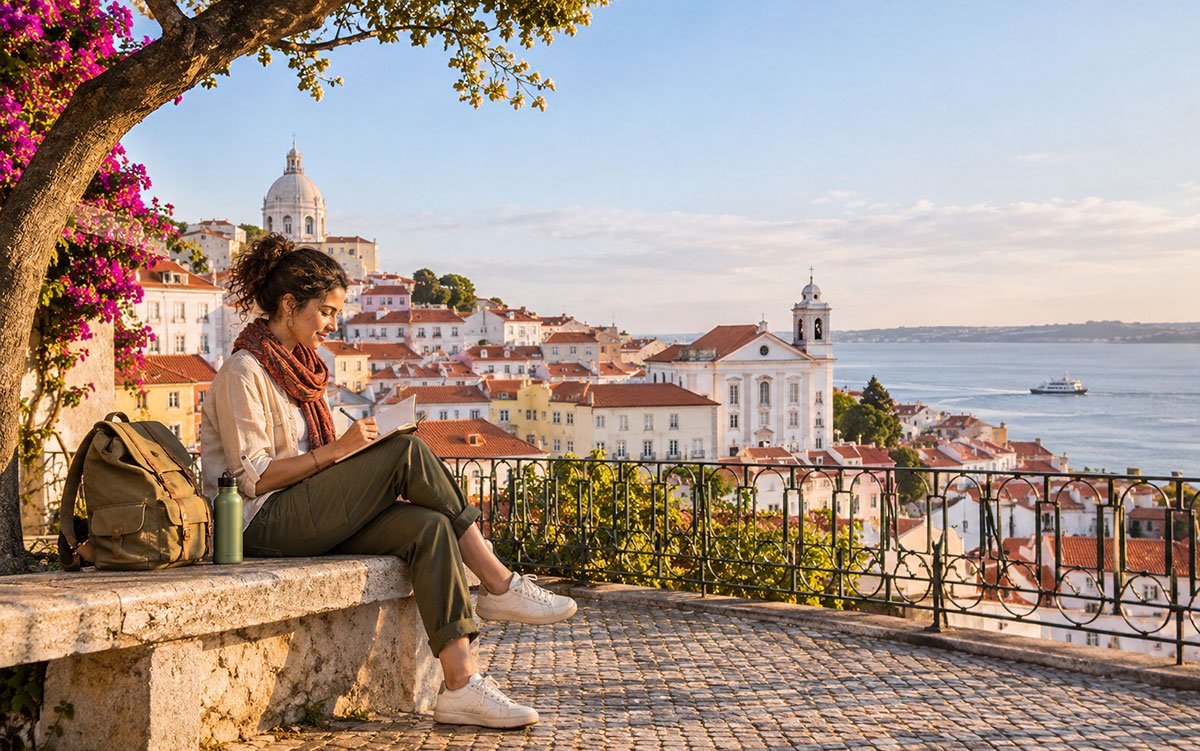
Exploring unfamiliar destinations can create opportunities for reflection, learning and personal growth.
Travel for Personal Growth: 8 Ways to Learn and Grow
Imagine arriving in a city where you do not speak the language, understand the transport system or recognise the food on the menu. At first, even simple decisions might feel unfamiliar.
Then, little by little, you begin to find your way. You learn a few useful phrases, navigate the streets and discover that unfamiliar situations are often more manageable than they first appear.
These ordinary experiences help explain why many people value travel for personal growth.
Travelling introduces us to different places, cultures and ways of life. It creates opportunities to make decisions, learn practical skills, meet people and reconsider familiar assumptions.
However, personal development does not happen automatically because someone boards a plane or visits another country.
The benefits depend on the experience, the traveller’s circumstances and the willingness to learn and reflect.
Whether you are planning your first solo trip, a cultural holiday or a short break closer to home, here are eight ways travel can become a meaningful part of your personal development journey.
1. Travel Encourages You to Step Outside Your Comfort Zone
Much of everyday life follows familiar routines.
We know how to get to work, where to buy groceries and which places we feel comfortable visiting. These routines are useful, but they do not always provide opportunities to practise unfamiliar skills.
Travelling introduces new situations that require us to pay attention and adapt.
You might need to find your way through a railway station, use public transport in another city or communicate with someone who speaks a different language.
None of these experiences needs to be particularly dramatic to become valuable.
Start With Manageable Challenges
Stepping outside your comfort zone does not mean ignoring your safety or taking unnecessary risks.
Instead, choose activities that feel slightly unfamiliar but remain appropriate for your abilities.
For example:
- Navigate a new city using public transport.
- Order a meal using a few local phrases.
- Join a guided activity you have never tried.
- Explore a museum without following a fixed itinerary.
- Take a short, well-planned solo day trip.
- Learn a traditional craft from a qualified local instructor.
Each experience provides an opportunity to practise dealing with uncertainty.
Personal growth tip: Choose one manageable challenge for each trip. Afterwards, reflect on what you learned rather than judging the experience by whether everything went perfectly.
2. Travelling Can Help Build Confidence and Independence
Confidence often develops through experience.
Completing an unfamiliar task can show you that you are capable of handling situations you previously found intimidating.
For instance, successfully organising a journey through a new transport system may make you more comfortable navigating unfamiliar environments.
Planning accommodation, managing money and solving ordinary travel problems can also provide opportunities to develop independence.
Learn to Make Decisions
Travel frequently involves choices.
Should you take a train or a bus? Is there enough time to visit another attraction? Should you continue sightseeing or return to your accommodation because the weather has changed?
Making these decisions encourages you to evaluate information and consider the consequences.
Of course, some decisions are more important than others.
Always follow official safety advice and avoid taking unnecessary risks simply to prove that you are independent.
Recognise Small Achievements
You do not need to complete an extreme adventure to feel a sense of accomplishment.
Sometimes the most meaningful moments are relatively simple.
Finding your accommodation independently, asking for assistance in another language or planning a successful day trip may provide a genuine sense of progress.
Over time, these experiences can contribute to greater confidence in similar situations.
3. Travel Can Broaden Your Cultural Perspective
One of the most valuable aspects of travelling is encountering people whose daily lives differ from your own.
Different communities may have distinct traditions, social expectations, cuisines, languages and approaches to everyday activities.
Experiencing these differences can encourage curiosity and challenge assumptions.
However, visiting another country does not automatically make someone more understanding or open-minded.
Meaningful cultural learning requires respect, listening and a willingness to reconsider your own ideas.
Learn About Everyday Life
Cultural understanding is not limited to visiting famous monuments.
It can also develop through ordinary experiences.
You might visit a local market, attend a cultural workshop, explore a museum or learn about the history of a neighbourhood from a knowledgeable guide.
These activities can reveal aspects of a destination that are easy to overlook during a hurried sightseeing trip.
Ask Questions Rather Than Making Assumptions
When something seems unfamiliar, try to understand the context before judging it.
Learn about local customs and recognise that no single conversation represents an entire community.
Approach cultural encounters with humility.
Residents are not obliged to answer personal questions, explain their traditions or provide entertainment for visitors.
Respectful curiosity creates better opportunities for genuine understanding.
Personal growth tip: After visiting somewhere new, identify one assumption that changed and one question you would like to explore further.
4. Travel Creates Opportunities to Improve Communication Skills
Communication becomes particularly important when you are away from familiar surroundings.
You may need to ask for directions, explain a dietary requirement, clarify a booking or understand instructions from a guide.
When people do not share the same first language, communication requires additional patience and attention.
Practise Listening and Observation
Effective communication involves more than speaking clearly.
It also requires listening, noticing context and checking whether you have understood someone correctly.
When travelling, useful habits include:
- Learning basic greetings in the local language.
- Speaking clearly without raising your voice unnecessarily.
- Allowing people enough time to respond.
- Asking for clarification when needed.
- Using translation tools appropriately.
- Respecting cultural differences in communication.
Translation applications can be helpful, but they are not always accurate.
For medical, legal or other important situations, seek reliable professional assistance when necessary.
Connect With People Through Shared Interests
A cooking class, guided walking tour or cultural workshop can provide opportunities to interact with people who share similar interests.
These settings often make conversation easier because everyone is participating in the same activity.
You do not have to be naturally outgoing to benefit.
Listening carefully and participating in a small-group experience can be just as worthwhile as meeting large numbers of people.
5. Unfamiliar Situations Can Strengthen Adaptability
Even a carefully planned holiday rarely unfolds exactly as expected.
Weather changes, attractions close and transport arrangements may be disrupted.
You might discover that a restaurant is fully booked or that a planned activity is unsuitable for the conditions.
These situations can be frustrating, but they also provide opportunities to practise flexibility.
Learn to Adjust Your Plans
Suppose heavy rain prevents a planned afternoon hike.
Instead of continuing in unsafe conditions, you might visit a museum, explore a covered market or spend time learning about local history.
The ability to identify alternatives is a useful practical skill.
Travelling gives you opportunities to develop that skill in situations where the consequences are often relatively manageable.
Balance Flexibility With Preparation
Adaptability does not mean travelling without a plan.
Important arrangements such as entry documents, accommodation, insurance and transport should be checked in advance.
Flexibility is more useful when essential arrangements are secure.
Leave some space in your itinerary, prepare alternatives and recognise when changing plans is the sensible decision.
6. Travel Can Encourage Self-Discovery
Everyday responsibilities can make it difficult to spend uninterrupted time considering your interests and priorities.
Travelling may provide a change of environment that encourages reflection.
Away from your usual schedule, you might discover that you enjoy slower mornings, outdoor activities, cultural experiences or spending time alone more than you expected.
You may also realise that certain types of travel do not suit you.
Both discoveries can be useful.
Find Out What You Genuinely Enjoy
Many travellers plan holidays around popular attractions or other people’s recommendations.
However, the experiences that matter most to you may be quite different.
You might enjoy:
- Exploring historical places.
- Spending time in nature.
- Learning new skills.
- Meeting people through shared activities.
- Enjoying quiet time without a demanding schedule.
- Trying unfamiliar food.
- Visiting smaller towns rather than major cities.
Notice which activities leave you interested, satisfied or curious to learn more.
These observations can help you make decisions about future hobbies, holidays and how you spend your free time.
Make Space for Reflection
A travel journal can help you remember experiences that might otherwise fade into a collection of photographs.
At the end of the day, consider writing brief answers to these questions:
- What surprised me today?
- What did I find enjoyable or difficult?
- What did I learn about another person or place?
- Did I discover something about my own preferences?
- Is there anything I would like to do differently?
You do not need to produce a lengthy diary.
A few thoughtful sentences can provide a useful record of how your perspective develops.
7. Meaningful Travel Can Inspire New Interests and Skills
Travel exposes us to activities that may not be part of our usual routines.
A cultural holiday might introduce you to traditional cooking. A countryside trip might encourage an interest in photography, birdwatching or hiking.
Visiting historic places may inspire you to read more about architecture or local history.
These interests can continue long after the trip ends.
Choose Experiences That Involve Learning
Instead of focusing entirely on sightseeing, consider activities where you participate.
Examples include:
Cooking workshops
Learn about regional ingredients, food traditions and cooking techniques from an experienced instructor.
Language lessons
A short introductory class can help you communicate more confidently and encourage further language study.
Photography walks
Practise composition, observation and working with changing natural light.
Cultural workshops
Explore traditional crafts or artistic techniques through appropriately organised local activities.
Guided nature experiences
Learn about ecosystems, wildlife and conservation from qualified guides.
The objective is not to become an expert in a few hours.
It is to discover something new and decide whether you want to continue learning.
Support Local Expertise
Choose legitimate providers who employ knowledgeable local instructors and respect cultural traditions.
Do not assume that every cultural practice is open for tourists to participate in or photograph.
A respectful learning experience should benefit both visitors and the people sharing their knowledge.
8. Travel Can Help You Reconsider Your Priorities
Sometimes, a change of scenery creates space to think about everyday life from a different perspective.
You may notice how much you value unhurried conversations, spending time outdoors or having fewer commitments in your daily schedule.
Alternatively, travelling might help you appreciate aspects of home that you previously took for granted.
Personal growth does not always mean making dramatic changes.
It may involve recognising what already works well and deciding to protect it.
Turn Travel Reflections Into Practical Goals
Consider what you enjoyed during your journey and whether a small part of that experience could become part of ordinary life.
For example:
- If you enjoyed walking every morning, explore a local walking route at home.
- If you appreciated trying unfamiliar food, learn to cook a new dish.
- If cultural history interested you, visit museums or heritage sites nearby.
- If you enjoyed meeting people through activities, consider joining a local class.
- If an unhurried schedule felt rewarding, protect some regular time for rest.
These changes do not require another international trip.
The most useful lesson from a holiday may be something you can apply close to home.
What Does Research Say About Travel and Personal Growth?
Research into tourism and personal development suggests that certain travel experiences can support learning, openness and self-reflection.
For example, a study of 120 Czech tourists participating in a two-week cultural experience in France found a measurable improvement in openness and flexibility towards cultural differences.
However, the researchers did not observe significant changes across every dimension of intercultural adaptability they examined.
Other research on educational trips suggests that structured experiences, active participation and reflection may help travellers develop aspects of intercultural competence.
These findings are encouraging, but they do not establish that every holiday produces lasting personality changes.
The type of experience matters, and different travellers may respond in different ways.
A useful approach is to treat travel as an opportunity for learning rather than expecting it to guarantee personal transformation.
Which Types of Travel Are Suitable for Personal Development?
There is no single travel style that works for everyone.
Different experiences provide different opportunities for learning.
| Travel Experience | Potential Learning Opportunity |
|---|---|
| Solo travel | Independent decision-making and self-reliance |
| Cultural city break | Historical understanding and cultural awareness |
| Language-learning holiday | Communication and language practice |
| Nature or walking holiday | Observation, patience and outdoor skills |
| Small-group travel | Cooperation and interaction with new people |
| Creative retreat or workshop | Developing practical skills and exploring interests |
| Domestic weekend trip | Practising flexibility and discovering unfamiliar places |
| Family or friends’ holiday | Shared decision-making and stronger personal connections |
Choose an experience that suits your interests, abilities and circumstances.
A short trip to a neighbouring town can be meaningful. There is no requirement to travel across continents or spend large amounts of money.
How to Plan a Trip Around Personal Growth
If learning is one of your travel goals, a little preparation can help you make better use of the experience.
Before Travelling: Decide What You Want to Learn
Choose one or two achievable goals.
You might want to practise speaking to new people, become more comfortable navigating unfamiliar places or develop an interest in local history.
Your goal should influence your itinerary.
For example, if you want to learn about food culture, leave time for a market visit or cooking workshop rather than filling every day with unrelated attractions.
During the Trip: Participate and Observe
Make time for activities that encourage genuine engagement.
Follow local guidance, ask appropriate questions and pay attention to your experiences.
Try not to fill every spare moment with your phone.
At the same time, use technology where it helps with navigation, translation, bookings and safety.
You can remain curious without abandoning practical precautions.
After Returning: Apply What You Learned
The end of a holiday is a useful moment to review your experiences.
Look through your notes and identify one skill, interest or habit you would like to develop.
Choose a manageable action and incorporate it into your routine.
For example, if your holiday inspired you to continue learning Italian, you might begin a regular language course or conversation practice.
The aim is to turn an enjoyable experience into something useful beyond the trip itself.
A Simple Personal Growth Travel Checklist
Use this checklist to make your next journey more purposeful.
| Stage | Action |
|---|---|
| Before booking | Identify one personal learning goal |
| Planning | Choose a suitable, affordable and safe destination |
| Before departure | Research local customs, entry requirements and health advice |
| During the trip | Try one manageable unfamiliar activity |
| Cultural experiences | Listen, observe and respect local communities |
| Each evening | Record one lesson or memorable observation |
| After returning | Identify one useful insight |
| Following weeks | Practise one skill or habit inspired by the trip |
These steps are suggestions rather than a rigid programme.
A holiday should still provide time for enjoyment, rest and spontaneous discoveries.
Can You Travel for Personal Growth on a Budget?
Meaningful travel does not require luxury accommodation, expensive tours or long-haul flights.
Some of the most accessible learning opportunities are close to home.
Explore Nearby Destinations
Visit a historic town, nature reserve, museum or cultural attraction within a comfortable travelling distance.
Plan the journey independently and learn something about the place before arriving.
A domestic day trip can help you practise navigation, planning and observation without the cost of international travel.
Travel Less Frequently but More Thoughtfully
Instead of rushing through several destinations, consider spending more time in one place.
This can provide opportunities to explore beyond the main attractions and learn about everyday local life.
However, longer stays are not automatically more meaningful. The important factor is how you use the time available.
Use Local Learning Opportunities
Community events, public museums, cultural workshops and guided walks may offer useful experiences at different price levels.
Check local tourism organisations and official attraction websites for legitimate opportunities.
Always compare costs before committing to paid activities.
Avoid Financial Pressure
A trip that leaves you struggling with debt or essential expenses may create more stress than satisfaction.
Set a realistic budget covering transport, accommodation, food, activities and appropriate insurance.
You can pursue personal development through local experiences when travelling farther is not practical.
Travel Responsibly While Learning From Other Cultures
Personal growth should not come at the expense of the people and places you visit.
Responsible travel requires respect for residents, local traditions, cultural heritage and the natural environment.
Before participating in cultural activities, consider whether the experience is welcomed by the host community and managed appropriately.
Practical steps include:
- Learning basic local customs.
- Asking permission before photographing people.
- Respecting religious and culturally important sites.
- Supporting legitimate local businesses.
- Following wildlife protection rules.
- Avoiding activities that exploit people or animals.
- Respecting residents’ privacy and daily routines.
- Following official safety and access restrictions.
Cultural understanding is a two-way process.
Approach people as individuals rather than expecting them to represent an entire country or community.
Travel Preparation Still Matters
Travelling outside your usual routine can be rewarding, but personal growth should never depend on unnecessary danger.
For international journeys, check the official entry requirements, health guidance and travel advisories for your destination.
Consider appropriate insurance, particularly when undertaking outdoor or specialist activities.
If you are travelling alone, make sure someone you trust knows your general itinerary and how to contact you.
Learn local emergency procedures and keep essential travel documents accessible.
Choose activities that match your abilities and avoid pressure to attempt something simply because it looks adventurous.
The purpose of travel for personal growth is to expand your experience, not to place yourself in avoidable danger.
Does Travel Always Lead to Personal Growth?
No. A holiday can be enjoyable without producing any major changes in how you think or live.
Some trips involve exhaustion, unfamiliar stress, disappointment or financial difficulties.
Other journeys may simply provide an opportunity to rest.
That does not make them unsuccessful.
Travel is also not a substitute for professional help with persistent mental health difficulties or serious personal problems.
Although a change of environment may feel refreshing, there is no guarantee that travelling will resolve concerns that require ongoing attention.
Personal development can happen through education, relationships, work, creative activities and experiences close to home.
Travel is one possible contributor, not a requirement.
Frequently Asked Questions About Travel for Personal Growth
How does travelling help personal development?
Travelling can provide opportunities to practise decision-making, communication, adaptability and independence.
Cultural experiences may also encourage reflection and a broader understanding of different perspectives.
The benefits depend on the individual and the nature of the journey.
Can travelling make you more confident?
It may help.
Successfully managing unfamiliar situations can contribute to a sense of competence and independence.
However, confidence develops differently for different people, and one trip does not guarantee a lasting change.
Why is travelling outside your comfort zone important?
Unfamiliar but manageable experiences can create opportunities to learn new skills and practise adapting.
The objective is not to seek danger, but to engage with situations that offer useful challenges.
Can solo travel help with self-discovery?
Solo travel can provide opportunities for independent decisions and reflection.
However, it is not necessary for personal growth, and it may not suit everyone.
Group travel, family holidays and short domestic trips can also offer meaningful experiences.
How can travel improve cultural understanding?
Learning about local history, listening to residents, participating in appropriate cultural activities and reflecting on different perspectives can encourage greater cultural awareness.
Respectful engagement matters more than simply visiting many countries.
Do you need to travel abroad for personal growth?
No.
Domestic trips, nearby cultural attractions, guided nature activities and local learning opportunities can also help you develop skills and discover new interests.
How can I make my next trip more meaningful?
Choose a clear but flexible learning goal, leave time for cultural experiences and avoid overloading your itinerary.
After returning, reflect on what you learned and consider one small change you can apply to everyday life.
Can travel improve mental wellbeing?
Some people find travel enjoyable, restorative or personally meaningful.
However, experiences vary, and research does not establish that holidays reliably treat mental health conditions.
Travel should complement, rather than replace, appropriate professional healthcare when needed.
Final Thoughts: Let Travel Become Part of Your Learning Journey
Travel can introduce you to unfamiliar places, different perspectives and situations that encourage you to learn.
A new conversation, a small achievement or an unexpected discovery may stay with you long after the holiday ends.
However, meaningful personal development is not measured by the number of countries you have visited or the distance you have travelled.
What matters is how you engage with your experiences and whether you take anything useful from them.
Choose journeys that suit your interests and circumstances. Remain curious, travel responsibly and give yourself time to reflect.
The most lasting benefit may not be a dramatic life change, but a new skill, a more thoughtful perspective or a small habit that makes everyday life more rewarding.
