
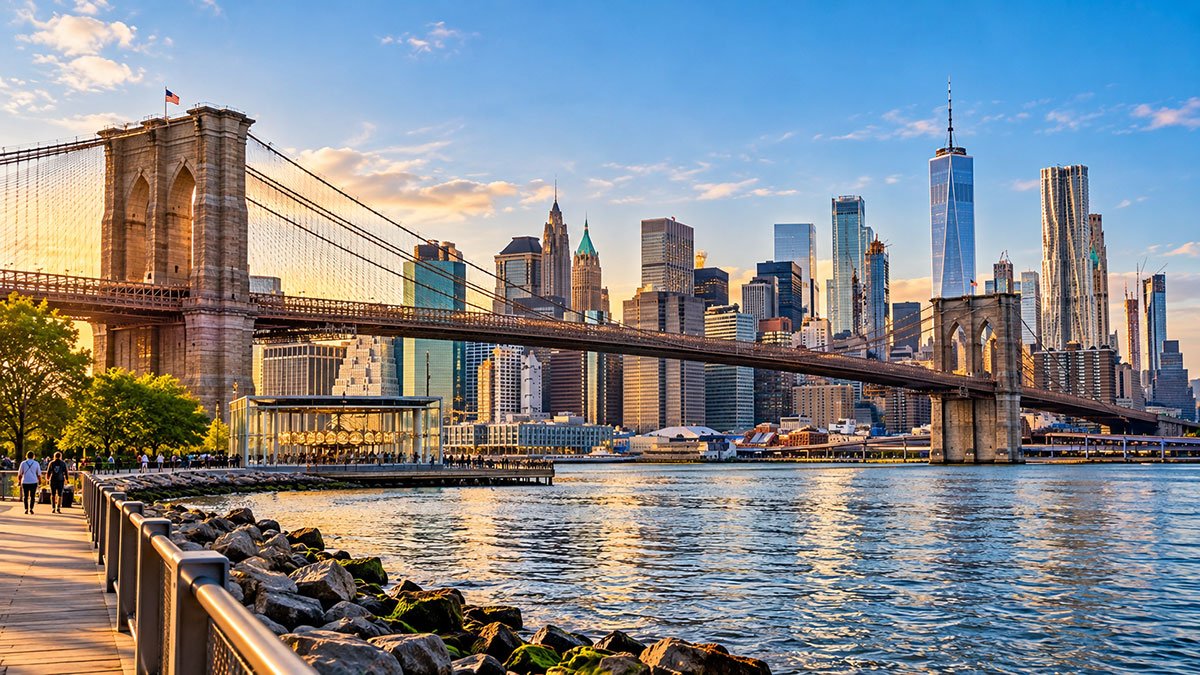
Discover New York City’s iconic skyline, historic Brooklyn Bridge and scenic waterfront while exploring the city’s most memorable attractions.
Things to Do in New York City: Top Sights and Neighborhoods
New York City offers an extraordinary mix of famous landmarks, Broadway theatre, world-class museums, diverse food and neighborhoods with distinct personalities. From the energy of Times Square to the peaceful paths of Central Park and the waterfront views of Brooklyn, there is no shortage of things to do in New York City.
The best way to explore the city is to combine its major attractions with time in the neighborhoods that interest you most. First-time visitors may want to see the Statue of Liberty, walk through Central Park, catch a Broadway show and discover Lower Manhattan. Returning travelers can venture further into Brooklyn, Queens, the Bronx and Staten Island for a broader view of the city’s culture, history and everyday life.
Whether you are visiting for a weekend or planning a longer stay, a little organization will help you see more without spending your entire trip traveling between attractions.
1. See New York City’s Most Famous Landmarks
New York’s skyline and historic landmarks are a major part of its appeal. Several iconic sights are within reach of one another in Manhattan, although some require separate bookings or a substantial amount of time.
Statue of Liberty and Ellis Island
The Statue of Liberty is one of New York City’s best-known landmarks. Located on Liberty Island, it is closely associated with freedom, immigration and the history of the United States.
A visit to Ellis Island adds another dimension to the experience. The island’s immigration museum explores the journeys of people who arrived in America through the historic immigration station.
Plan this excursion in advance. Access to Liberty Island and Ellis Island is by ferry, and Statue City Cruises is the National Park Service-authorized ferry operator. Book through the official provider and check current departure times, ticket options and access arrangements before traveling.
Allow enough time for the ferry journey, security screening and sightseeing on both islands. If you only have a short stay in New York, decide whether this excursion is a priority before filling the rest of your itinerary.
Empire State Building and the Manhattan skyline
The Empire State Building is a defining feature of the city’s skyline and offers observation decks with views across Manhattan and beyond.
Another option is Top of the Rock at Rockefeller Center. Each observation deck offers a different perspective, so consider visiting one rather than trying to fit several into a short trip.
Reserve tickets in advance when possible, particularly for popular dates and sunset visits. Check the official attraction website for current admission options, availability and weather-related information.
Times Square
Times Square is famous for its illuminated billboards, busy streets, entertainment venues and proximity to the Theatre District.
Visit in the evening to experience the lights, or stop during the day while exploring Midtown Manhattan. The area is generally busy, especially around major holidays and popular events, so allow extra time to move through the crowds.
Times Square is also a convenient starting point for exploring nearby attractions, restaurants and Broadway theatres.
The 9/11 Memorial and Museum
The National September 11 Memorial commemorates those killed in the September 11 attacks and the 1993 World Trade Center bombing. The adjoining museum presents historical evidence, personal stories and accounts of the attacks and their aftermath.
The memorial and museum offer different experiences. You can visit the outdoor memorial or reserve time for the museum, depending on your interests and schedule.
Check the official visitor information before going, as admission arrangements, opening hours and museum access may differ from those of the outdoor memorial.
2. Explore Central Park and New York’s Museum Scene
New York City combines an intensive urban environment with substantial green spaces and major cultural institutions. Central Park and the museums along its eastern and western sides deserve space in your itinerary.
Spend time in Central Park
Central Park provides a welcome break from Manhattan’s busy avenues. Visitors can walk along tree-lined paths, enjoy landscaped areas, see ponds and bridges, and take in views of the surrounding skyline.
You can spend a short time exploring a few well-known locations or devote several hours to a longer walk. The park is extensive, so choose an entrance and a route based on what you want to see.
Cycling, guided walks, seasonal activities and other recreational experiences can offer different ways to explore. Check the Central Park Conservancy’s visitor information for maps, activities and temporary closures.
The park is open daily from 6 a.m. to 1 a.m., although individual facilities and activities may have different operating hours.
Visit The Metropolitan Museum of Art
The Metropolitan Museum of Art, commonly known as The Met, is one of the city’s principal cultural attractions. Its collections span thousands of years and include works from many regions and artistic traditions.
The main museum is on Fifth Avenue beside Central Park. Because the collection is extensive, it is worth deciding which galleries or exhibitions interest you before arriving.
Check the museum’s official website for admission arrangements, current hours, exhibitions and gallery closures. Allow enough time to enjoy the visit without trying to see everything in a single session.
Discover other museums and galleries
New York offers a wide range of museums beyond The Met. Depending on your interests, you might explore modern art, photography, natural history, architecture or the city’s social and cultural heritage.
Museum visits can also provide a useful alternative during rainy weather or very hot days. Compare locations and opening arrangements before planning a museum-heavy itinerary.
3. Experience Broadway and New York’s Entertainment Scene
Live entertainment is one of the defining experiences of a New York City trip. The Theatre District in Midtown Manhattan is home to Broadway playhouses presenting musicals, plays and other productions.
Choose a Broadway show
Broadway’s programme changes as productions open, close and announce future performance dates. Rather than relying on a fixed list of famous shows, check the current listings before deciding what to see.
Consider the type of performance, running time, ticket availability and any age or content advisories. Book through Broadway.org, the show’s official website or its authorized ticketing provider to confirm the performance details.
If your preferred show is sold out or outside your budget, look into officially listed rush tickets, digital lotteries and other available ticket options. Availability and eligibility vary by production.
Explore beyond the theatre
New York’s entertainment scene extends beyond Broadway. The city has comedy clubs, live music venues, dance performances and smaller theatres throughout its neighborhoods.
You can also build an evening around dinner and a walk through Midtown, Greenwich Village or the Lower East Side. Check venue schedules and reservation requirements before setting out.
4. Discover Brooklyn’s Waterfront and Neighborhoods
Brooklyn offers a different perspective on the city, combining historic streets, creative communities, residential neighborhoods and waterfront views of Manhattan.
Walk across the Brooklyn Bridge
Walking across the Brooklyn Bridge is a memorable way to experience New York’s architecture and riverfront scenery. The bridge connects Manhattan and Brooklyn, with views of Lower Manhattan, the East River and the bridge’s distinctive stone towers.
Go early if you prefer a quieter experience, or choose a clear day for photography. Stay within the designated pedestrian area and remain aware of cyclists sharing the bridge.
After crossing, explore nearby parts of Brooklyn rather than immediately returning to Manhattan.
Visit DUMBO and the waterfront
DUMBO, short for Down Under the Manhattan Bridge Overpass, is a popular Brooklyn neighborhood known for its industrial-era buildings, waterfront setting and views of Manhattan and the bridges.
Walk through its streets, visit the surrounding shops and cafés, and spend time along the waterfront. The area is especially attractive to visitors who enjoy urban photography and scenic river views.
Brooklyn Bridge Park provides additional opportunities for walking, relaxing and enjoying the skyline.
Explore more of Brooklyn
Brooklyn is much larger than its best-known waterfront districts. Williamsburg offers independent businesses, restaurants and creative spaces, while Prospect Park provides another major green space.
Coney Island is worth considering for its beach and boardwalk atmosphere when its seasonal attractions and facilities are operating. Check local conditions and individual opening arrangements, particularly outside the main summer season.
Rather than attempting to cover all of Brooklyn in one afternoon, choose one or two neighborhoods and explore them at a comfortable pace.
5. Discover Queens Through Its Food and Culture
Queens offers a rich range of food, cultural experiences, parks and waterfront areas. It is a particularly rewarding borough for visitors who want to experience New York beyond its most familiar tourist landmarks.
Explore the food neighborhoods
Queens is known for its variety of international cuisines. Neighborhoods such as Flushing and Jackson Heights offer opportunities to discover restaurants, bakeries, markets and locally owned food businesses.
Research a few places before your visit, but leave room to explore side streets and local recommendations. Dining options, prices and opening hours vary, so check the details for individual establishments.
Food-focused walks are also a good way to experience the borough’s cultural diversity without planning a long list of formal attractions.
Visit parks, waterfront areas and cultural venues
Long Island City offers waterfront views of Manhattan and access to parks and art venues. Other parts of Queens provide beaches, recreational areas and opportunities to explore local communities.
Sports fans may also want to check the schedules for the U.S. Open at the USTA Billie Jean King National Tennis Center or New York Mets games at Citi Field. These experiences depend on event dates and ticket availability, so verify the current schedule before making plans.
Queens also contains John F. Kennedy International Airport and LaGuardia Airport. If you are arriving or departing through either airport, allow sufficient travel time and check the available transport connections.
6. Explore the Bronx’s Sports, Gardens and Local Food
The Bronx offers attractions that are quite different from Manhattan’s major sightseeing districts. It is a good choice for visitors interested in baseball, botanical collections and neighborhood food.
Visit Yankee Stadium
Yankee Stadium is a major destination for baseball fans. If a home game fits your travel dates, attending a match can be a distinctive New York experience.
Check the official team schedule and stadium visitor information before booking. Game dates, ticket availability, entry policies and transport arrangements vary.
If you are not attending a game, decide whether a scheduled tour or another nearby activity better fits your itinerary.
Explore gardens and outdoor attractions
The New York Botanical Garden offers extensive plant collections, landscaped grounds and seasonal exhibitions. The Bronx Zoo is another well-known attraction for families and wildlife enthusiasts.
Both can require several hours to explore, so avoid scheduling them alongside too many distant attractions on the same day. Check official websites for current hours, ticketing and seasonal programmes.
Try local food on Arthur Avenue
Arthur Avenue is widely known for its Italian-American food businesses, including restaurants, bakeries and specialty food shops. It offers a useful alternative to the more heavily visited dining districts of Manhattan.
Spend time exploring the area and choose a restaurant or bakery based on the kind of food you enjoy. Check individual business hours before traveling, particularly if you have a specific place in mind.
7. Take the Free Staten Island Ferry
The Staten Island Ferry is one of the city’s best-known free sightseeing experiences. It connects Whitehall Terminal in Lower Manhattan with St. George Terminal on Staten Island and operates throughout the year.
The journey takes approximately 25 minutes in each direction. From the ferry, passengers can see the harbor, the Statue of Liberty and views of Lower Manhattan.
The ferry is a practical option for travelers who want to experience New York Harbor without booking a paid sightseeing cruise.
There is one important distinction: the Staten Island Ferry does not stop at Liberty Island or Ellis Island. Passengers who want to visit either island must book the authorized Statue City Cruises service.
You can return to Manhattan after your ferry trip or spend additional time exploring Staten Island. Check the current schedule and service advisories before traveling, since departure times can change.
8. Enjoy New York’s Food, Shopping and Neighborhood Life
Some of the most memorable things to do in New York City involve the everyday experiences between major attractions.
Sample different cuisines
New York’s dining scene ranges from casual delis and food trucks to bakeries, neighborhood restaurants and fine dining establishments.
You might explore Chinatown and Little Italy in Lower Manhattan, seek out restaurants in Queens, or spend time discovering local cafés and markets in Brooklyn.
Choose food stops that fit your route rather than crossing the city for every meal. For popular restaurants, check menus, prices and reservation requirements before arriving.
Explore shopping districts
Different parts of the city offer different shopping experiences. Fifth Avenue is known for major retailers, SoHo for fashion and boutiques, and neighborhoods throughout the five boroughs for independent businesses and local specialties.
Set aside time for shopping if it matters to your trip, but avoid trying to cover multiple distant retail districts in a single outing.
Walk through neighborhoods at a slower pace
New York can be experienced through its small details as much as its famous sights. Street markets, neighborhood parks, local bakeries, historic buildings and independent shops can make a visit more personal.
Leave some unscheduled time in your itinerary. It creates room to explore places you encounter along the way instead of rushing directly from one attraction to the next.
9. How to Get Around New York City
New York’s public transportation network makes it possible to explore the city without relying on a rental car. The best way to travel depends on your route, the time of day and the distance between attractions.
Use the subway and buses
The subway is often the most practical way to travel between neighborhoods and boroughs. Buses can be useful for shorter journeys, cross-town routes and areas that are less convenient to reach by train.
The Metropolitan Transportation Authority supports contactless fare payment through a compatible credit or debit card, smartphone, smartwatch or OMNY card. Check the official MTA website for current fares, payment details, maps and service advisories.
Allow extra time when traveling to timed-entry attractions, train stations or theatre performances. Temporary service changes can affect journey times.
Walk where attractions are close together
Walking is one of the best ways to experience New York’s streets and neighborhoods. Plan your days around nearby attractions instead of repeatedly traveling between opposite ends of Manhattan or different boroughs.
Wear comfortable shoes and allow for traffic lights, crowds and distances between subway stations and entrances.
Plan airport transfers separately
New York’s airports have different locations and transport connections. Confirm your arrival airport, terminal and onward journey before traveling, and allow extra time for traffic or service disruptions.
For international visitors, check the current U.S. entry and visa requirements applicable to your passport and circumstances before booking a trip.
10. When Is the Best Time to Visit New York City?
New York is a year-round destination, but the season influences how you experience its parks, neighborhoods and outdoor attractions.
Spring is a good choice for walks, gardens and outdoor sightseeing as the weather becomes milder. Conditions can still change, so pack layers.
Summer offers outdoor events, waterfront activities and long daylight hours. It can also bring heat, humidity and heavy crowds at popular attractions.
Autumn is appealing for cooler walking weather, seasonal scenery and visits to the city’s parks. Popular sightseeing areas can remain busy, particularly around major events.
Winter brings festive displays, seasonal entertainment and opportunities to explore museums and indoor attractions. Temperatures can be cold, and snow, ice or wind may affect outdoor plans.
There is no single best season for every traveler. Choose dates according to your interests, available time, budget and tolerance for crowds or changing weather.
11. How to Plan a Short New York City Visit
If you have only a few days in New York, organize your itinerary by area and prioritize the experiences that matter most to you.
Day 1: Midtown Manhattan
Start with Times Square and nearby Midtown attractions. Visit an observation deck if it interests you, explore the surrounding streets and finish the day with a Broadway performance.
Day 2: Lower Manhattan and the Harbor
Plan a Statue of Liberty and Ellis Island excursion if visiting the islands is a priority. Allow substantial time for the ferry journey and island visits.
Alternatively, spend the day in Lower Manhattan, exploring the Financial District and the 9/11 Memorial. The free Staten Island Ferry is another option if you want harbor views without landing on Liberty Island.
Day 3: Central Park and Brooklyn
Spend part of the day in Central Park, with time for The Met if art and history appeal to you. Alternatively, cross the Brooklyn Bridge and explore DUMBO and the waterfront.
This is a flexible outline, not a list that must be completed in full. Choose attractions according to your interests and allow enough time to enjoy each experience.
Final Thoughts
New York City rewards travelers who combine its famous landmarks with time to explore its neighborhoods. Broadway, the Statue of Liberty, Central Park and the major museums provide memorable introductions, while Brooklyn, Queens, the Bronx and Staten Island reveal a wider range of the city’s culture and everyday life.
The key is to plan around your priorities, group nearby attractions together and confirm booking and transportation details before setting out. With a balanced itinerary, you can experience the highlights without losing the pleasure of discovering New York at your own pace.
