
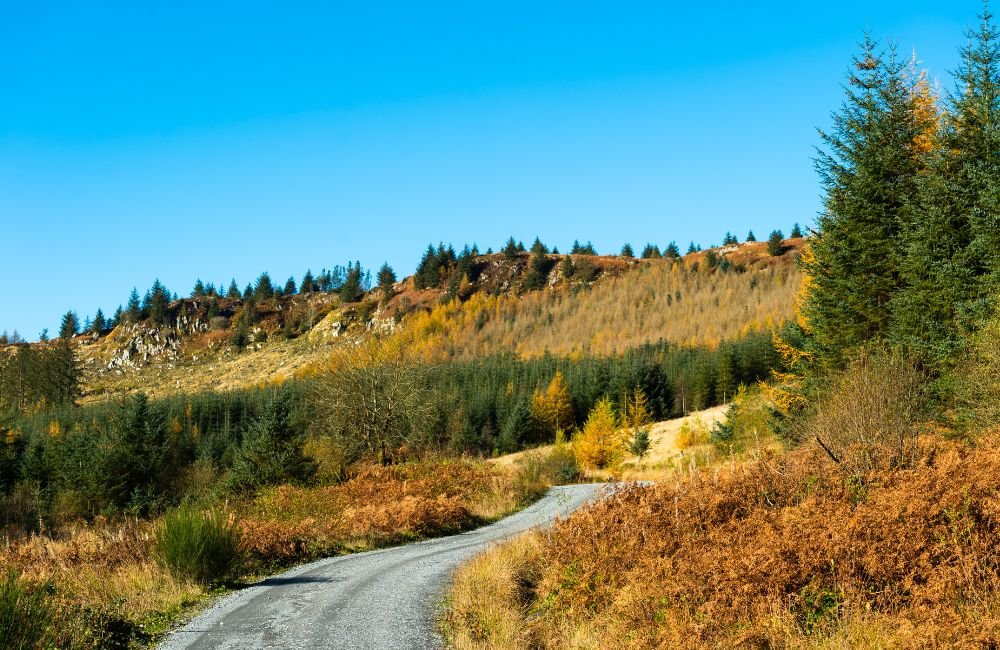
Explore southwest Scotland on a scenic road trip through historic towns, coastal landscapes and Galloway Forest Park.
Dumfries and Galloway Road Trip: Best Stops and Things to Do
A Dumfries and Galloway road trip is an excellent way to discover a quieter side of Scotland. In the country’s southwest, historic market towns, dramatic coastlines, wooded valleys and open countryside create a rewarding journey for travellers who enjoy exploring at their own pace.
The region offers more than scenic driving. You can discover the romantic history of Gretna Green, visit places associated with Scotland’s national poet Robert Burns, explore coastal heritage and spend time beneath the dark skies of Galloway Forest Park.
For a broader journey, consider the South West Coastal 300, a circular driving route through Dumfries and Galloway and south Ayrshire. You can use it as a starting point, adapting the route to suit your interests and available time.
1. Discover the Romantic History of Gretna Green
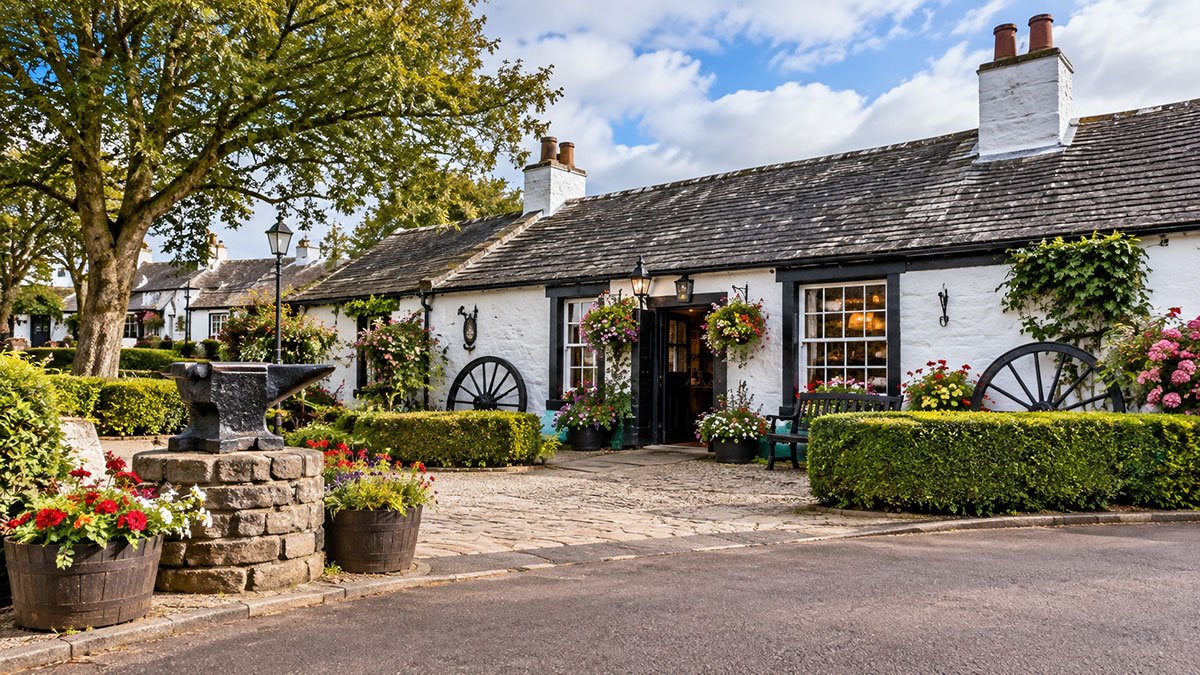
Discover the romantic heritage of Gretna Green, a famous Scottish destination known for its historic blacksmith’s shop and wedding traditions.
Gretna Green is one of Scotland’s best-known wedding destinations. Situated close to the English border, the village became famous for its association with couples who crossed into Scotland to marry under the more permissive marriage laws that applied there following the English Marriage Act of 1753.
The Famous Blacksmiths Shop is central to this history. Built in 1713, it became associated with runaway weddings from the 18th century onwards. The blacksmith’s anvil remains a recognisable symbol of Gretna Green’s marriage traditions.
Visitors can explore the village’s heritage, learn about its famous elopements and discover how a small border settlement developed into a destination for romantic celebrations.
Gretna Green is a natural first stop for travellers entering Scotland from England. Allow time to explore the attraction rather than treating the village merely as a place to stop for photographs.
Before visiting, check the official Gretna Green website for current visitor arrangements and opening information.
2. Explore Dumfries and Its Robert Burns Heritage
Dumfries combines historic streets, riverside scenery and an important literary heritage. The town is closely associated with Robert Burns, Scotland’s national poet, who spent his final years here.
Visit Robert Burns House

Robert Burns House provides an opportunity to learn about the poet’s life in Dumfries. It is a worthwhile stop for visitors interested in Scottish literature, history and cultural traditions.
You can also explore the Robert Burns Centre, which offers another way to discover the poet’s connection with the town.
Rather than rushing between attractions, leave time to walk around the historic centre and enjoy the atmosphere of this established Scottish town.
See the Camera Obscura
Dumfries Museum houses a historic camera obscura installed in 1836. This optical instrument projects a panoramic image of the surrounding landscape, offering a distinctive way to appreciate the town and countryside.
The experience depends on suitable weather conditions. Rain and strong winds can prevent demonstrations, and seasonal opening arrangements may affect availability. Check the museum’s official visitor information before building the experience into your itinerary.
3. Visit Caerlaverock Castle and the Solway Coast
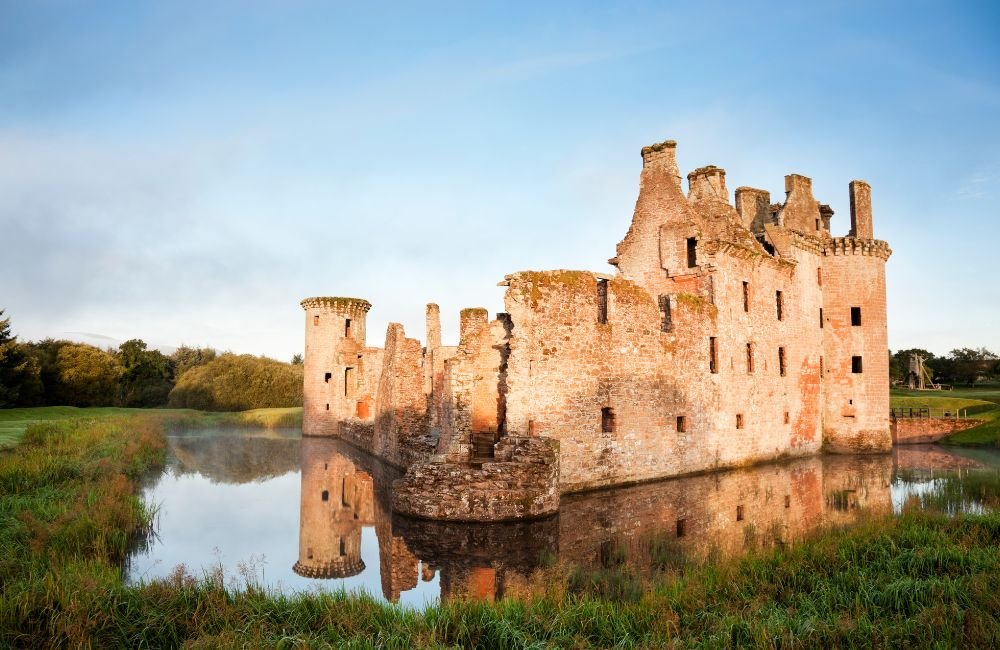
The Solway coast brings a different character to a southwest Scotland road trip. Instead of concentrating only on inland scenery, follow the coast to discover wide estuary views, beaches, wildlife habitats and historic sites.
One particularly striking stop is Caerlaverock Castle, a medieval fortress known for its unusual triangular design and surrounding moat. Its setting makes it an appealing destination for travellers interested in Scottish history and photography.
The nearby coastal landscape also provides opportunities to enjoy quieter walks and observe changing tidal scenery.
Plan coastal visits with care. Check access information, local weather and tide conditions where relevant. Stay on suitable paths, respect wildlife and avoid entering hazardous tidal areas.
Rather than trying to visit every coastal landmark in one day, choose a few stops that suit your interests and leave time to enjoy the landscape.
4. Spend Time in Kirkcudbright
Kirkcudbright is a characterful harbour town on the Galloway coast, with an established artistic and cultural identity. Its historic streets and waterfront make it a pleasant place to pause during a longer drive.
Art lovers can explore the town’s galleries and cultural attractions. Broughton House and Garden, a National Trust for Scotland property, was the home of artist E. A. Hornel and combines an historic house, art collections and a distinctive garden.
Kirkcudbright is also a useful place to slow the pace of your itinerary. Enjoy a walk through the town, explore its heritage and allow time for a meal or a break before continuing through the surrounding countryside.
Check the opening arrangements of individual museums, galleries and historic properties before travelling, as these can vary by season.
5. Explore Galloway Forest Park
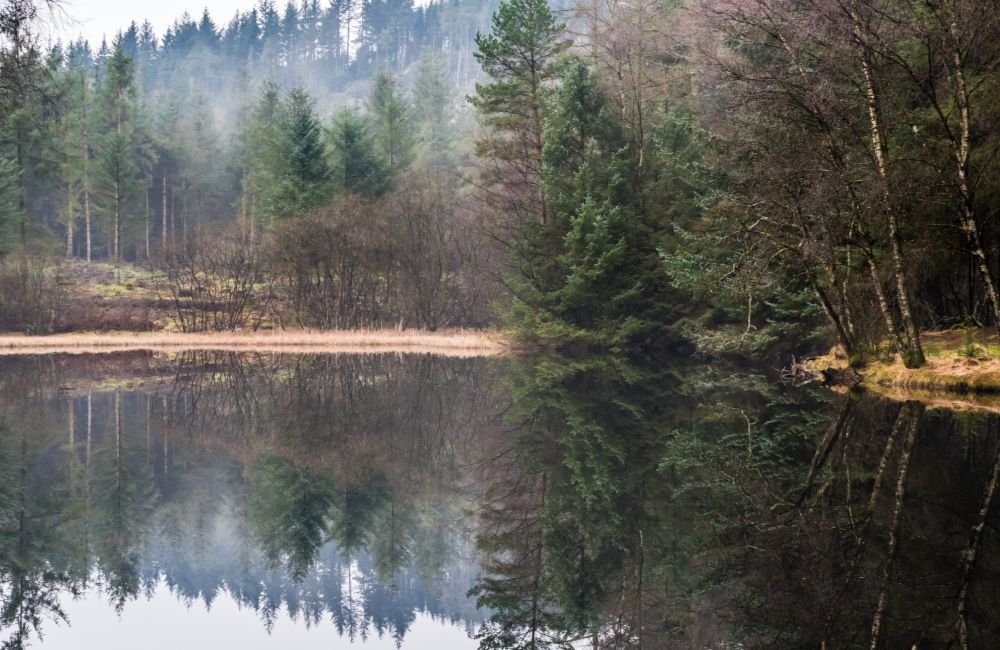
Galloway Forest Park is a highlight for travellers seeking outdoor experiences. Its extensive woodland, hills, lochs and forest roads offer a contrast to the coastal scenery of Dumfries and Galloway.
Enjoy Walking and Cycling
The park offers walking trails, mountain biking opportunities, wildlife viewing and scenic places to stop beside the water.
For a gentler outing, choose a suitable woodland or lochside walk. More experienced walkers can explore longer routes, provided they prepare for the terrain and changing Scottish weather.
Kirroughtree and Glentrool are useful starting points for discovering the park. Check Forestry and Land Scotland’s visitor information for current facilities, trails and any access restrictions.
Experience Scotland’s Dark Skies
Galloway Forest Park is internationally recognised for its dark skies. Its relatively remote setting makes it an appealing destination for stargazing when conditions are favourable.
For the best experience, check the weather forecast and cloud cover, and consider planning your visit around a darker night with limited moonlight. Bring suitable clothing, a torch and any equipment you need to move around safely after dark.
Remember that winter evenings can be cold, while summer twilight may delay the appearance of a truly dark sky.
Take a Forest Drive
If you would prefer to enjoy the scenery without a long walk, selected forest roads offer opportunities to explore the landscape by car.
Raiders’ Road is one option within Galloway Forest Park. Its vehicle access is seasonal, so check the official visitor page before setting out, especially if travelling in late autumn or winter.
6. Extend Your Journey Along the South West Coastal 300
If you have several days available, consider using the South West Coastal 300 to connect the region’s attractions into a wider circular journey.
This route extends beyond Dumfries and Galloway into south Ayrshire, offering a mix of coastal scenery, historic sites, villages and countryside.
Two possible extensions are:
- Mull of Galloway: Scotland’s most southerly point, known for its lighthouse, coastal views and opportunities to look for marine wildlife. Check seasonal visitor arrangements before travelling.
- Wanlockhead: Scotland’s highest village, associated with the historic lead-mining industry and the Museum of Lead Mining.
These stops offer a different perspective on southwest Scotland and work well for travellers who prefer a longer touring holiday rather than a short regional break.
VisitScotland provides route information and suggested itineraries ranging from three to seven days. Use its official map to plan the order of your stops, estimate driving time and identify suitable overnight stays.
How to Plan a Dumfries and Galloway Road Trip

A little preparation will help you enjoy the journey without losing the freedom to make spontaneous stops.
Allow enough time. Avoid filling every day with attractions. Rural roads, scenic viewpoints and unexpected discoveries can make a journey more enjoyable when you are not rushing.
Check road conditions. Review Traffic Scotland’s updates for roadworks, incidents and other disruptions before departure. Rural routes may be narrower and slower than expected.
Drive carefully. Scotland drives on the left. Reduce your speed on bends and narrow country roads, and use designated passing places correctly. Never park in a passing place.
Check seasonal opening arrangements. Some attractions, forest drives and visitor facilities operate seasonally or depend on weather conditions.
Book essential arrangements ahead. Check accommodation availability and reserve popular attractions where advance booking is recommended.
Respect the countryside. Follow local access guidance, take litter away with you, protect wildlife and use designated camping areas.
Frequently Asked Questions
How many days do you need for a Dumfries and Galloway road trip?
Several days allow you to explore the region without rushing. If you want to follow a wider section of the South West Coastal 300, VisitScotland provides itineraries ranging from three to seven days.
What are the main attractions in Dumfries and Galloway?
Popular options include Gretna Green, Robert Burns House in Dumfries, Caerlaverock Castle, Kirkcudbright and Galloway Forest Park. Your preferred stops will depend on whether you enjoy history, coastal scenery, art, walking or wildlife.
Is Galloway Forest Park worth visiting on a road trip?
Yes. The park offers forest walks, cycling, scenic drives, wildlife viewing and opportunities for stargazing. Check current trail and road access before setting off.
Can you follow the South West Coastal 300 on a road trip?
Yes. It is a circular driving route through Dumfries and Galloway and south Ayrshire. Consult the official route map and allow enough time for the attractions and overnight stops you want to include.
Make Time for the Journey, Not Just the Destinations
A road trip through Dumfries and Galloway offers a varied introduction to southwest Scotland, bringing together literary heritage, historic landmarks, coastal scenery and outdoor experiences.
Choose a few places that interest you most, leave room for unplanned stops and check local visitor information before travelling. Whether you follow part of the South West Coastal 300 or create your own route, the region rewards travellers who take their time and enjoy the journey.
