
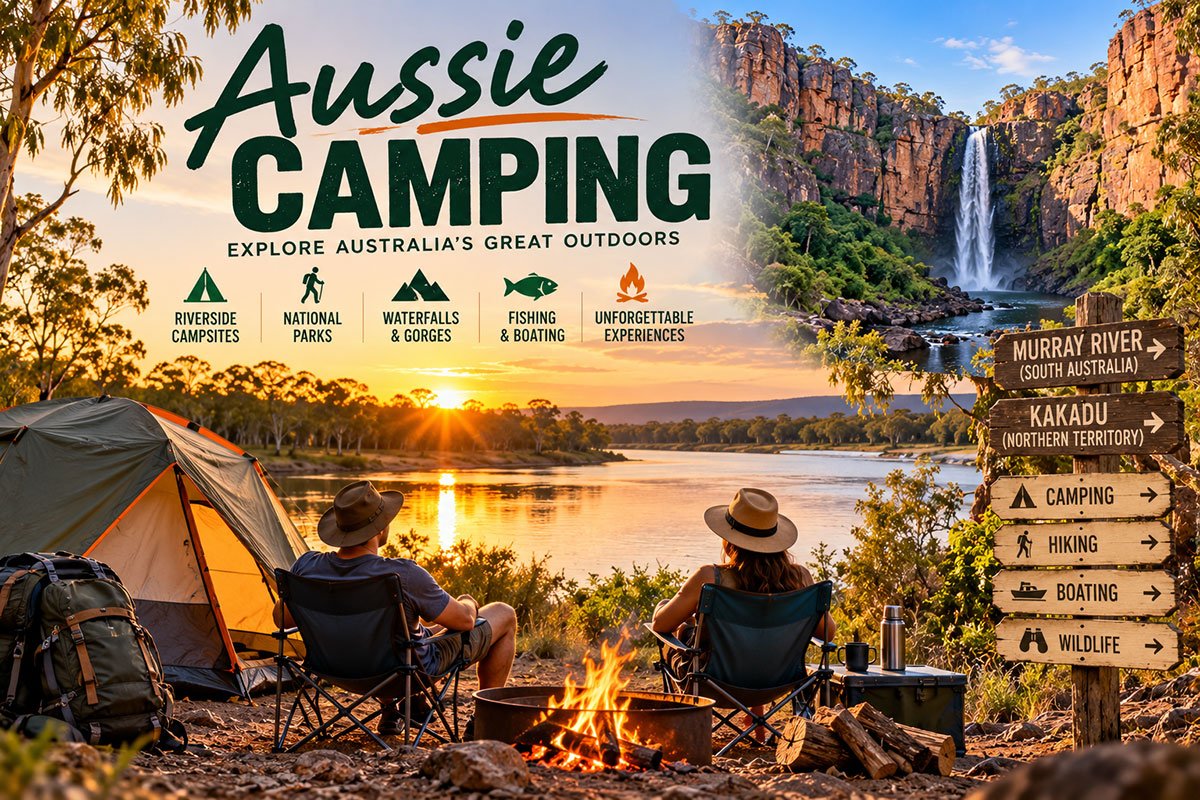
Aussie Camping: Great Camping Spots and Outdoor Adventures in Australia
Camping offers one of the best ways to experience Australia beyond its cities and famous tourist attractions.
From the Murray River in South Australia to the tropical landscapes of Kakadu National Park, Australia provides camping experiences for different types of travellers.
You can spend a weekend beside a river, launch a canoe from your campsite, explore walking trails or sleep beneath a spectacular night sky.
However, Australian camping requires careful preparation. Weather, bushfire conditions, flooding, wildlife and limited mobile coverage can all affect your trip.
The best approach is to choose an established campsite, check local conditions and carry enough supplies for your planned stay.
Here are several destinations that demonstrate the variety of Aussie camping.
Caurnamont North: Riverside Camping on the Murray River
The Caurnamont lies along the Murray River in South Australia’s Mid Murray region.
Caurnamont North Camping Area provides a simple riverside camping experience. The location offers access to the river, shaded areas, picnic facilities and opportunities for fishing, boating and swimming. Current campsite information also identifies toilets and a boat ramp among the facilities.
The setting makes this type of campsite particularly appealing to travellers who want a relaxed outdoor break rather than a heavily developed holiday park.
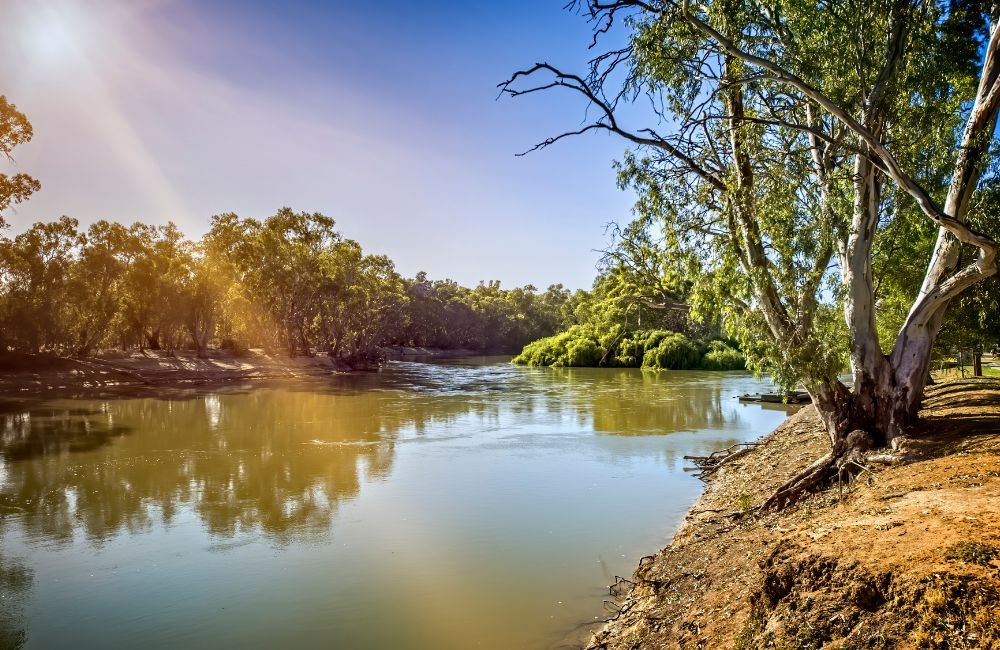
Things to Do at Caurnamont
The Murray River provides plenty of opportunities for outdoor recreation.
Depending on local conditions and regulations, visitors can enjoy:
- Fishing from the riverbank
- Boating and canoeing
- Birdwatching
- Riverside walks
- Picnics beneath the trees
- Relaxing beside the water
- Stargazing after dark
Always check local water conditions before swimming or launching a boat.
River levels, weather and access conditions can change. You should also avoid assuming that river water is suitable for drinking. Carry enough treated drinking water for your stay.
Martin Bend Reserve: A Relaxed Murray River Escape
Martin Bend Reserve sits on the Murray River near Berri in South Australia’s Riverland.
The reserve combines camping with easy access to outdoor activities. Berri Barmera Council describes Martin Bend as a popular riverside destination with swimming, fishing, walking trails, barbecue facilities and a boat ramp. The reserve also provides 40 camping sites.
Its location close to Berri adds another advantage.
Campers can enjoy a quieter riverside environment while remaining close to town for supplies and other services.
Current council information lists toilets, a dump point, barbecues and shaded areas at Martin Bend Reserve. Camping is available for a fee, with a stated 21-night limit. Dogs are permitted on leads.
Enjoy the Riverland
Martin Bend works well for travellers who want more than a campsite.
You can combine your stay with:
- Fishing
- Swimming
- Canoeing and boating
- Walking
- Birdwatching
- Riverside picnics
- Exploring Berri
- Visiting other Riverland attractions
The Berri Lions Club Walking Trail also connects Martin Bend Reserve with the Berri Marina and the town’s riverfront.
Camping Around the Murray River
The Murray River is one of Australia’s classic destinations for riverside camping.
South Australia’s Murray River National Park offers designated campsites, walking trails, canoeing, cycling, birdwatching and bush camping across its different sections.
However, conditions can change quickly.
Recent park alerts show that rainfall, flooding and environmental watering can temporarily affect roads and campsites. Some tracks become unsuitable for vehicles when the ground becomes saturated.
This makes checking official park alerts an essential part of planning a Murray River camping trip.
Campfire Rules Matter
Do not assume that campfires are permitted simply because a campsite has a fire ring.
South Australia’s National Parks and Wildlife Service advises campers to check local fire restrictions before travelling. Restrictions can change with fire danger, weather and local conditions.
Some areas prohibit campfires during the fire danger season, while total fire bans can impose stricter restrictions.
Always follow the rules for the specific campsite.
Jim Jim Falls: A Spectacular Kakadu Experience
Jim Jim Falls in Kakadu National Park offers a very different type of Australian outdoor adventure.
The falls sit within a remote part of Kakadu, surrounded by towering sandstone cliffs and monsoon forest. The area provides a spectacular example of the Top End’s rugged landscape.
The journey itself forms part of the adventure.
Under normal seasonal conditions, access to Jim Jim Falls requires a suitable four-wheel-drive vehicle. The official Kakadu visitor guide describes the final section of the track as including soft sand and recommends allowing significant travel time.
The area is also subject to seasonal changes.
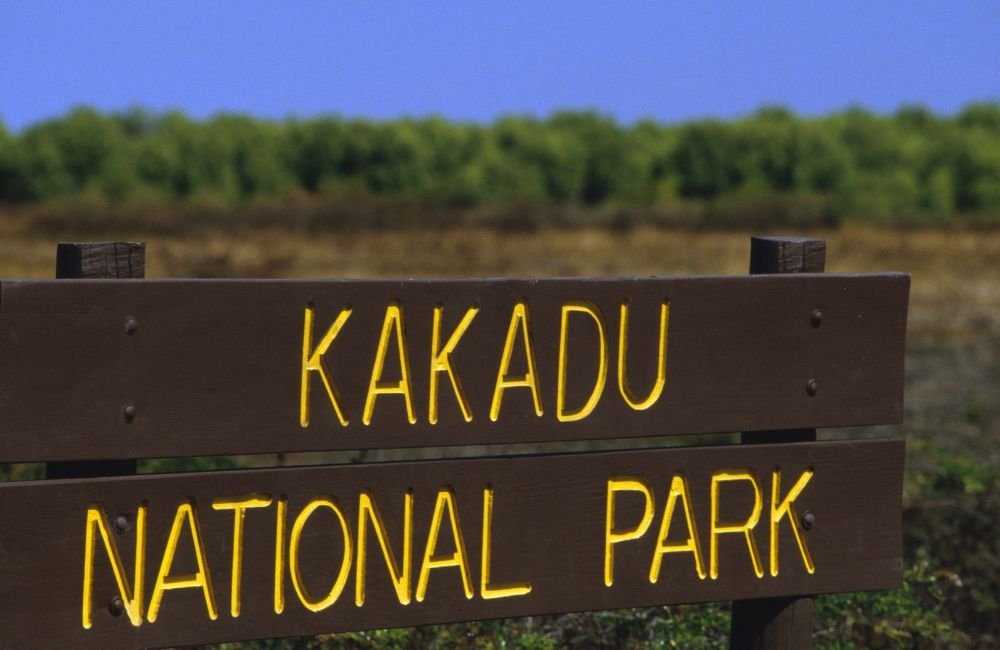
Important Jim Jim Falls Access Information
Travellers should check current access information before planning a trip to Jim Jim Falls.
As of 2026, Parks Australia has announced that the Jim Jim and Twin Falls area will remain closed throughout 2026 while major road and infrastructure upgrades take place. The closure includes Jim Jim Falls and Karnamarr Campground. Parks Australia expects the area to reopen ahead of the 2027 dry season, subject to the completion of the works and safety assessments.
This is particularly important for anyone using older travel guides, maps or camping articles.
The rest of Kakadu remains open, although individual sites can also experience seasonal or weather-related closures.
Kakadu Camping Requires Preparation
Kakadu National Park is not a conventional camping destination.
It is a large, remote environment where conditions can change quickly. Some areas require four-wheel-drive access, while other destinations have limited facilities.
Parks Australia advises visitors to camp only in designated campgrounds, follow warning signs and carry appropriate supplies. Waterways can also present serious hazards because crocodiles inhabit many parts of Kakadu.
Never assume that a beautiful swimming hole is automatically safe.
Kakadu’s official visitor guidance warns that waterways can contain crocodiles, strong currents, slippery rocks and submerged obstacles. Flash flooding can also occur after heavy rain.
Respect Kakadu’s Wildlife
Wildlife is one of Kakadu’s major attractions.
Visitors can encounter birds, wallabies, reptiles and many other native species. However, wildlife should always be observed from a safe distance.
Do not feed animals or attempt to approach them.
Most importantly, follow all crocodile warnings and ranger instructions. Parks Australia repeatedly reminds visitors that Kakadu is crocodile country.
The Best Time for Australian Camping
Australia has several climate zones, so there is no single best camping season for the entire country.
The ideal time depends on where you are travelling.
South Australia’s Riverland generally offers comfortable camping opportunities for much of the year, although summer can become very hot. Parks SA notes that autumn and spring are particularly favourable seasons for visiting Riverland parks.
Kakadu follows a very different seasonal pattern.
The Top End experiences a tropical wet season and a dry season. Heavy rainfall can affect roads, waterways and campgrounds, while extreme heat can lead to seasonal closures.
Jim Jim Falls and Karnamarr Campground, for example, closed seasonally in November 2025 because of extreme heat and forecast thunderstorms.
Always check current park conditions rather than relying only on a historical travel guide.
Essential Aussie Camping Tips
Australian camping can be incredibly rewarding, but preparation makes a major difference.
Carry Enough Drinking Water
Never assume that water at a campsite is suitable for drinking.
Remote camping areas may have no potable water. Parks SA specifically advises visitors to carry sufficient water and food to remain self-sufficient.
Check the Weather
Weather conditions can change quickly.
Check forecasts before leaving and continue monitoring conditions during your trip. Heavy rain can make unsealed roads difficult or impossible to navigate.
Check Fire Restrictions
Fire regulations vary between parks and regions.
Before lighting any fire, confirm that fires are permitted at your campsite and that no total fire ban applies.
Tell Someone Your Plans
Remote camping requires additional planning.
Tell someone where you are going and when you expect to return. This becomes particularly important when travelling beyond reliable mobile coverage.
Carry Recovery and Emergency Equipment
If you are travelling on remote four-wheel-drive tracks, carry appropriate recovery equipment and understand how to use it.
Do not rely entirely on mobile phone coverage.
Camp in Designated Areas
Use established campsites and follow park regulations.
This protects both visitors and the environment. Kakadu specifically requires camping in designated campgrounds.
Respect Wildlife
Keep food secured and never feed wild animals.
In crocodile country, stay away from water unless an area has been officially designated as safe for swimming.
What to Pack for an Australian Camping Trip
A well-planned camping kit should match your destination.
Consider taking:
- Tent and groundsheet
- Sleeping bag and sleeping mat
- Cooking equipment
- Sufficient drinking water
- Food and snacks
- First-aid kit
- Torch or headlamp
- Power bank and spare batteries
- Insect repellent
- Sunscreen and hat
- Weather-appropriate clothing
- Navigation equipment
- Rubbish bags
- Portable water treatment equipment
- Recovery equipment for remote 4WD travel
- Emergency communication equipment where appropriate
Your exact equipment should depend on the campsite, season and planned activities.
Leave No Trace
Australia’s natural areas are valuable and often fragile.
Take your rubbish with you and avoid damaging vegetation. Use designated campsites and walking tracks. Follow local rules regarding fires, pets, fishing and vehicles.
In national parks, never collect firewood unless the park authority specifically permits it. Parks SA warns that dead wood provides important habitat and nutrients for the ecosystem.
Responsible camping helps preserve these destinations for future generations.
Why Aussie Camping Is Worth the Adventure
Australia offers an extraordinary variety of camping experiences.
You can wake beside the Murray River, spend the day fishing or canoeing, and finish the evening beneath a clear country sky. You can also explore tropical landscapes, sandstone cliffs and ancient cultural sites in Kakadu.
Caurnamont and Martin Bend provide accessible riverside experiences in South Australia. Kakadu offers a much more remote adventure for travellers prepared for challenging conditions.
The key is preparation.
Check access information, understand local weather, carry enough supplies and follow park regulations. Most importantly, respect Australia’s wildlife and natural environment.
With the right planning, Aussie camping can turn an ordinary weekend or holiday into an unforgettable outdoor adventure.
