
2
Adventure Holiday vs Beach Holiday: Which Is Right for You?
When everyday life becomes repetitive, a holiday can provide a welcome change of scenery. But what kind of break should you choose? Would you rather spend two weeks beside the sea, enjoying sunshine and a slow pace, or head into the mountains, forests, rivers, or trails for an adventure-filled escape?
The choice between an adventure holiday vs beach holiday often comes down to what you want from your time away.
A beach holiday is ideal when your priority is relaxation, comfort, and unhurried days. An adventure holiday, by contrast, can provide physical activity, new challenges, and memorable experiences. You can also combine the two and create a holiday that includes both excitement and relaxation.
What Is a Beach Holiday?
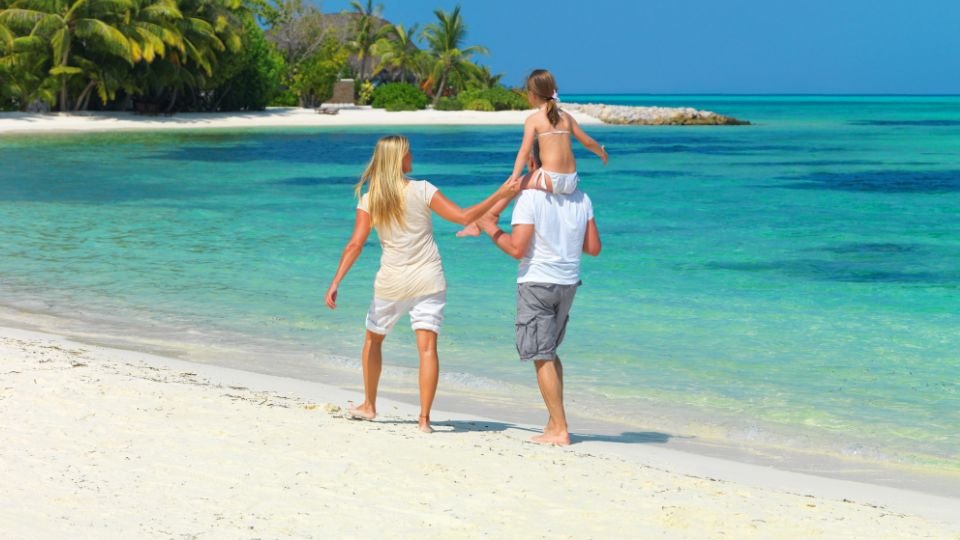
A beach holiday usually focuses on relaxation, warm weather, coastal scenery, swimming, good food, and time away from daily responsibilities.
You might spend the morning swimming, read a book in the afternoon, enjoy a leisurely lunch, and watch the sunset in the evening. Many beach destinations also offer spas, water sports, boat trips, restaurants, and family activities.
For travelers who spend most of the year working or managing busy schedules, this slower pace can be exactly what they need.
Benefits of a Beach Holiday
A beach holiday can offer:
- Plenty of time to rest and recharge.
- Easy access to swimming and other water activities.
- Flexible schedules with fewer physical demands.
- A wide choice of hotels and resorts.
- Family-friendly entertainment and facilities.
- Opportunities to enjoy local seafood and coastal cuisine.
You do not need to fill every hour with activities. Sometimes the biggest benefit of a holiday is simply having time to slow down.
What Is an Adventure Holiday?
An adventure holiday places experiences and activities at the center of the trip.
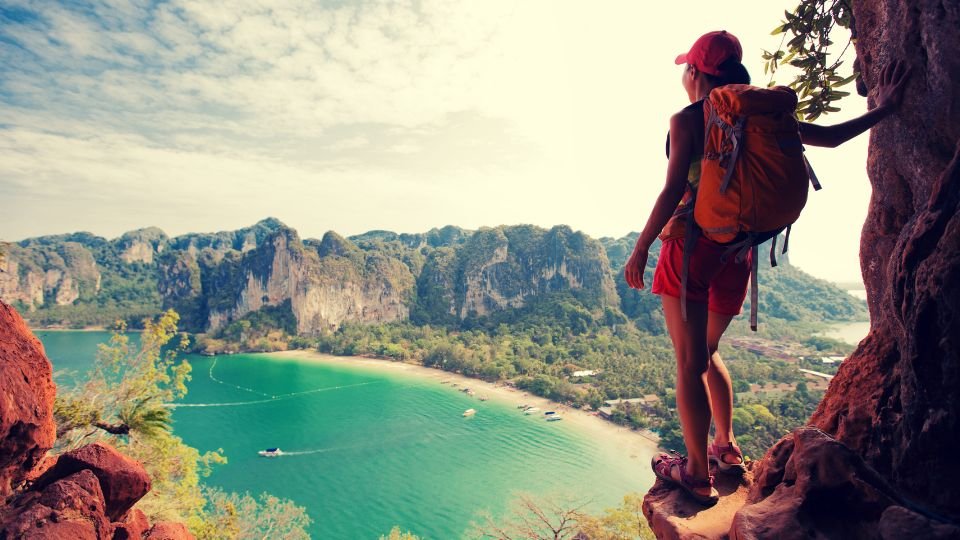
Depending on the destination, adventure travel might include hiking, skiing, mountain biking, rafting, kayaking, surfing, diving, climbing, wildlife excursions, or multi-day trekking.
Adventure travel can also mean something less extreme. A cycling trip through the countryside or a long hiking weekend can provide the same sense of discovery without requiring highly technical skills.
The Centers for Disease Control and Prevention notes that adventure travel can involve activities such as backpacking, diving, rafting, surfing, and zip lining. It also emphasizes the importance of preparation, appropriate equipment, knowing your limits, and checking whether travel insurance covers planned adventure activities.
Benefits of an Adventure Holiday
An adventure holiday can provide:
- More opportunities for physical activity.
- A chance to learn new skills.
- Memorable experiences in unusual locations.
- Greater exposure to nature and wildlife.
- Opportunities to explore places beyond traditional tourist areas.
- A stronger sense of achievement after completing a challenging activity.
Regular physical activity also has established physical and mental health benefits. The World Health Organization states that physical activity can improve overall well-being and reduce symptoms of anxiety and depression.
Adventure Holiday vs Beach Holiday: Which Is More Relaxing?
This depends on what relaxation means to you.
For one traveler, relaxation means lying beside a pool with a book and having no schedule. For another, it means hiking through a forest, kayaking on a lake, or skiing down a mountain and returning to a comfortable hotel afterward.
A beach holiday usually provides relaxation with very little planning once you arrive. An adventure holiday can require more preparation, but the activity itself may be an enjoyable escape from your normal routine.
If your main goal is to minimize effort, a beach holiday may suit you better. If you relax by staying active and exploring, an adventure trip may feel more satisfying.
Adventure Holiday vs Beach Holiday for Fitness
Adventure holidays naturally involve more physical activity.
Hiking, cycling, swimming, skiing, rafting, surfing, and similar activities can turn your holiday into an active break. However, the physical demands vary enormously from one trip to another.
You do not need to be an elite athlete to enjoy adventure travel. The important thing is to choose an activity appropriate to your fitness, experience, age, and comfort level.
The CDC recommends training and preparing before an adventure trip, carrying suitable clothing and safety equipment, understanding personal limits, and following the instructions of guides or safety instructors.
Which Holiday Is Better for Families?
Families can enjoy either type of vacation.
A beach holiday can be particularly convenient when traveling with young children because resorts often provide swimming pools, children’s activities, restaurants, and easy access to beaches.
Adventure holidays can also work well for families, especially when activities are designed for different ages and experience levels. Family-friendly hiking, cycling, wildlife viewing, snorkeling, and gentle kayaking can introduce children to nature without making the trip unnecessarily demanding.
Before booking an adventure activity, check age requirements, equipment requirements, weather conditions, and safety arrangements.
For families traveling with children, convenience can be just as important as the destination itself.
Which Holiday Gives You More Variety?
Adventure holidays generally provide a wider range of active experiences.
A mountain destination, for example, might offer hiking, cycling, climbing, rafting, wildlife watching, and scenic drives. A coastal adventure destination could combine surfing, diving, kayaking, sailing, and hiking.
Beach destinations can also offer plenty of variety. You may have access to water sports, boat excursions, cultural attractions, shopping, nightlife, nature reserves, and day trips.
The key difference is that a beach holiday often makes relaxation the central experience, while an adventure holiday makes exploration and activity the central experience.
What About the Cost?
Neither type of holiday is automatically cheaper.
A beach holiday can range from a budget guesthouse to an expensive all-inclusive resort. Likewise, an adventure trip can be a low-cost hiking vacation or a premium expedition with specialist guides and equipment.
When comparing costs, look beyond the accommodation price.
Consider:
- Flights or other transportation.
- Accommodation.
- Meals.
- Equipment rental.
- Activity fees.
- Guides and instructors.
- Transfers.
- Travel insurance.
- Entrance fees and permits.
For adventure trips, insurance deserves particular attention. The CDC specifically warns that some travel medical insurance policies may not cover certain adventure activities.
A Beach Holiday Can Still Be Active
Choosing a beach holiday does not mean spending the entire trip lying on a sun lounger.
Many coastal destinations offer plenty of activities. You could go snorkeling in the morning, take a coastal hike in the afternoon, and enjoy a relaxed dinner by the sea in the evening.
Swimming, paddleboarding, kayaking, surfing, cycling, and beach walks can all turn a traditional beach vacation into an active holiday.
This can be a particularly good choice for travelers who want some adventure without giving up the comfort of a resort.
An Adventure Holiday Can Still Be Comfortable
The reverse is also true.
An adventure holiday does not necessarily mean camping in difficult conditions or carrying everything you need on your back.
Many adventure destinations have comfortable hotels, lodges, boutique accommodation, spas, restaurants, and other amenities. You might spend the day hiking and return to a comfortable room in the evening.
This combination has become popular with travelers who want to explore during the day while still enjoying a comfortable place to relax afterward.
The Best Option May Be a Combination
You do not always have to choose between an adventure holiday and a beach holiday.
Many destinations offer both.
South Africa
A trip to South Africa can combine wildlife experiences, hiking, coastal scenery, wine regions, and comfortable resorts.
You could spend several days exploring wildlife areas before moving to a coastal destination for a slower few days.
Barcelona and Catalonia
Barcelona provides beaches, architecture, food, culture, and urban sightseeing, while the wider Catalonia region offers access to mountains, hiking routes, cycling, and other outdoor activities.
This makes it possible to mix city exploration with outdoor experiences.
Costa Rica
Costa Rica is another example of a destination that combines relaxation and adventure. Travelers can explore rainforests, volcanoes, and wildlife habitats before spending time on the Pacific or Caribbean coast.
New Zealand
New Zealand offers hiking, kayaking, scenic drives, mountains, lakes, and beaches, making it possible to build a varied itinerary around both activity and relaxation.
Adventure Holiday vs Beach Holiday for Couples
Couples can benefit from either style of travel.
A beach holiday may provide more opportunities to relax together, enjoy romantic dinners, watch sunsets, and spend uninterrupted time by the sea.
An adventure holiday can create shared experiences and challenges. Hiking to a viewpoint, learning to surf, taking a rafting trip, or exploring a new landscape together can become memorable parts of a relationship.
The best choice depends on whether you both prefer quiet time, shared activities, or a combination.
Adventure Holiday vs Beach Holiday for Solo Travelers
Solo travelers can also enjoy either option.
A beach destination can provide an easy environment for meeting other travelers, joining excursions, or simply enjoying personal downtime.
Adventure travel can be particularly social because guided hikes, group tours, diving excursions, rafting trips, and outdoor activities naturally bring travelers together.
For solo adventure trips, planning becomes even more important. The CDC recommends understanding the risks of remote travel, where weather can change unexpectedly, communications may be unreliable, and medical care can be limited.
Consider the Season Before You Book
Weather can have a major effect on both types of holidays.
A beach destination may be less enjoyable during heavy rain or storms, while mountain activities can be affected by snowfall, extreme cold, heat, or trail conditions.
Adventure activities can also depend heavily on seasonal conditions. Skiing requires suitable snow, whitewater rafting depends on river conditions, and some hiking routes may be inaccessible at certain times of year.
Before booking, research the destination’s climate and the best season for your chosen activities.
Plan for Sun and Heat
Beach holidays naturally involve more exposure to sunlight, but adventure travelers can also spend long hours outdoors.
The CDC advises travelers to protect themselves from ultraviolet radiation, particularly during periods of strong sunlight and in environments where UV exposure is intensified by reflections from sand, water, or snow. Sunscreen, appropriate clothing, sunglasses, and shade can reduce exposure.
Outdoor adventure travelers should also consider hydration, weather protection, and suitable clothing for the activity and destination.
How to Choose Your Ideal Holiday
Ask yourself a few simple questions before booking.
Do you want to return home feeling rested, or would you rather return with stories about the things you accomplished?
Would you rather spend the day beside a pool or on a hiking trail?
Do you want a structured activity schedule or the freedom to decide what to do each morning?
Are you traveling with young children, older relatives, or someone with mobility limitations?
How much physical activity do you realistically want during your vacation?
The answers can help you identify the holiday style that suits you best.
Try a Split Itinerary
A split itinerary is one of the easiest ways to combine both styles.
For example, a two-week trip could include:
- Days 1–5: Adventure activities, sightseeing, hiking, or wildlife experiences.
- Days 6–10: Cultural exploration and day trips.
- Days 11–14: Relaxation at a beach or resort.
This approach provides a change of pace during the trip. You can enjoy active experiences while still leaving enough time for rest.
How to Prepare for an Adventure Holiday
Adventure travel deserves more preparation than a conventional resort stay.
Start by researching the activity and its difficulty. If necessary, build your fitness gradually before departure.
The CDC recommends preparing properly, taking appropriate safety equipment, understanding personal limits, arranging access to healthcare, and considering travel insurance that specifically covers planned activities.
If you are using a guide or instructor, choose a reputable operator and follow their safety instructions.
Do not choose an activity simply because it looks impressive on social media. The right adventure is one that you can enjoy safely.
How to Make a Beach Holiday More Enjoyable
A relaxing holiday also benefits from a little planning.
Choose accommodation that matches your preferred atmosphere. A quiet resort may be better for relaxation, while a hotel near restaurants and attractions may suit travelers who want more variety.
Plan a few activities in advance but leave time for spontaneous experiences.
You can also save money by comparing accommodation, transportation, and meal options rather than assuming an all-inclusive package will always provide the best value.
What Travelers Often Get Wrong
A common mistake is choosing a holiday based on what appears exciting rather than what you actually enjoy.
You may love the idea of climbing mountains but discover that you would rather spend your vacation exploring local food and relaxing by the coast.
The opposite can also happen. A week at a resort may sound perfect until you realize you prefer hiking, cycling, or discovering new landscapes.
Your holiday should match your interests, not simply the latest travel trend.
Adventure Holiday vs Beach Holiday: A Simple Comparison
| Feature | Adventure Holiday | Beach Holiday |
| Main focus | Exploration and activities | Relaxation and leisure |
| Physical activity | Usually higher | Usually lower, but flexible |
| Planning | Often requires more preparation | Often simpler |
| Accommodation | Hotels, lodges, camps, resorts | Hotels, villas, resorts |
| Suitable activities | Hiking, rafting, skiing, surfing, cycling | Swimming, snorkeling, walking, boating |
| Best for | Active and curious travelers | Relaxation-focused travelers |
| Can be combined? | Yes | Yes |
Final Thoughts
The adventure holiday vs beach holiday debate does not have to produce one universal answer.
A beach holiday can give you the chance to slow down, enjoy the sunshine, spend time with loved ones, and return home feeling refreshed. An adventure holiday can introduce you to new places, physical challenges, outdoor environments, and experiences you may remember for years.
Neither style is better for everyone.
The best holiday is the one that fits your interests, energy level, budget, travel companions, and expectations. You can also combine the two and enjoy an active adventure followed by several peaceful days beside the sea.
Whether you choose mountain trails, tropical beaches, wildlife, water sports, or a mixture of everything, thoughtful planning will help you get more from your time away.
