
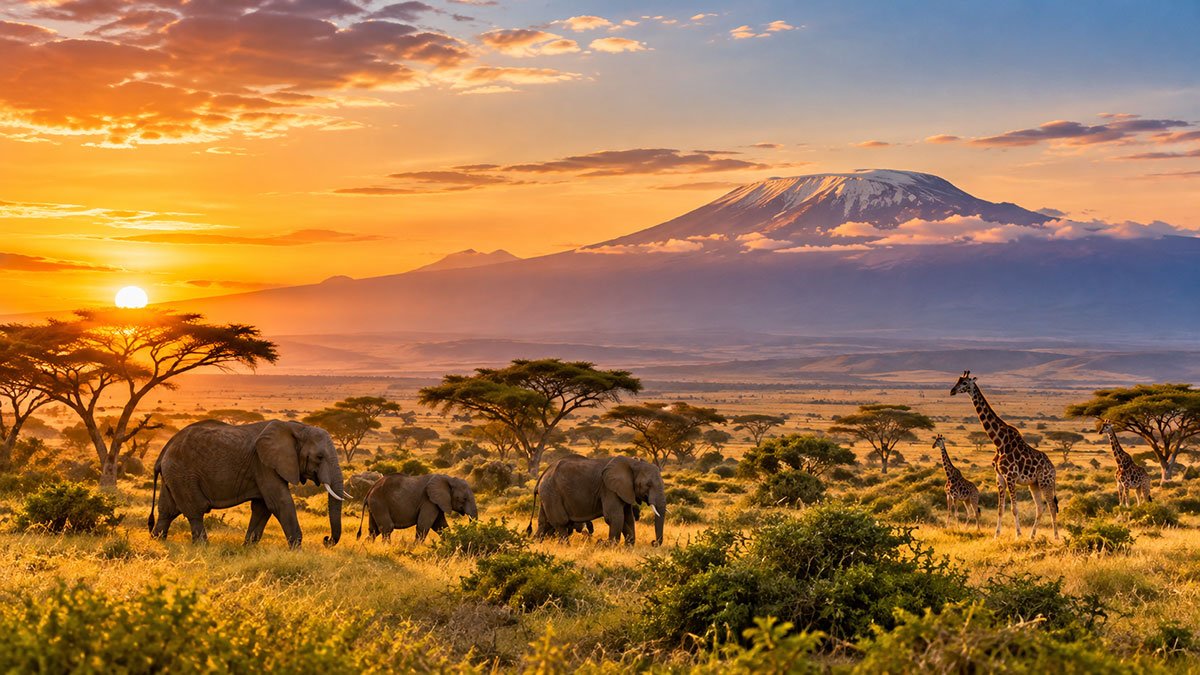
Africa offers an extraordinary mix of wildlife, landscapes, cultures, historic cities and coastal escapes.
Africa Travel Guide: Discover the Continent’s Best Experiences
Africa is one of the world’s most diverse travel destinations. A journey here can take you from ancient archaeological sites and historic cities to tropical islands, vast deserts, mountain landscapes and some of the world’s most remarkable wildlife areas.
The key to planning an African holiday is choosing the right destination for your interests. Africa is a continent of more than 50 countries, and travel experiences vary dramatically from one region to another.
You could cruise along the Nile in Egypt, explore Morocco’s historic medinas, walk through Ghana’s coastal heritage sites, experience wildlife in East Africa, relax on the beaches of Seychelles or Mauritius, or combine a city break with a safari in Southern Africa.
This Africa travel guide explains the major regions and experiences to consider before planning your trip.
Why Travel to Africa?
Africa appeals to travelers because few continents offer such a broad combination of experiences.
Depending on where you go, you can enjoy:
- Wildlife safaris and national parks
- Ancient archaeological sites
- Historic cities and traditional markets
- Mountain trekking
- Desert adventures
- Tropical beaches and islands
- Cultural and heritage experiences
- Food and local cuisine
- Birdwatching and nature travel
- Diving and snorkeling
- Road trips and scenic drives
- Luxury lodges and wilderness stays
The continent also offers opportunities for very different styles of travel. A trip can be carefully planned around major attractions, built around outdoor adventures, or designed as a slower cultural and beach holiday.
Explore North Africa
North Africa is an excellent choice for travelers interested in history, architecture, food, desert landscapes and Mediterranean culture.
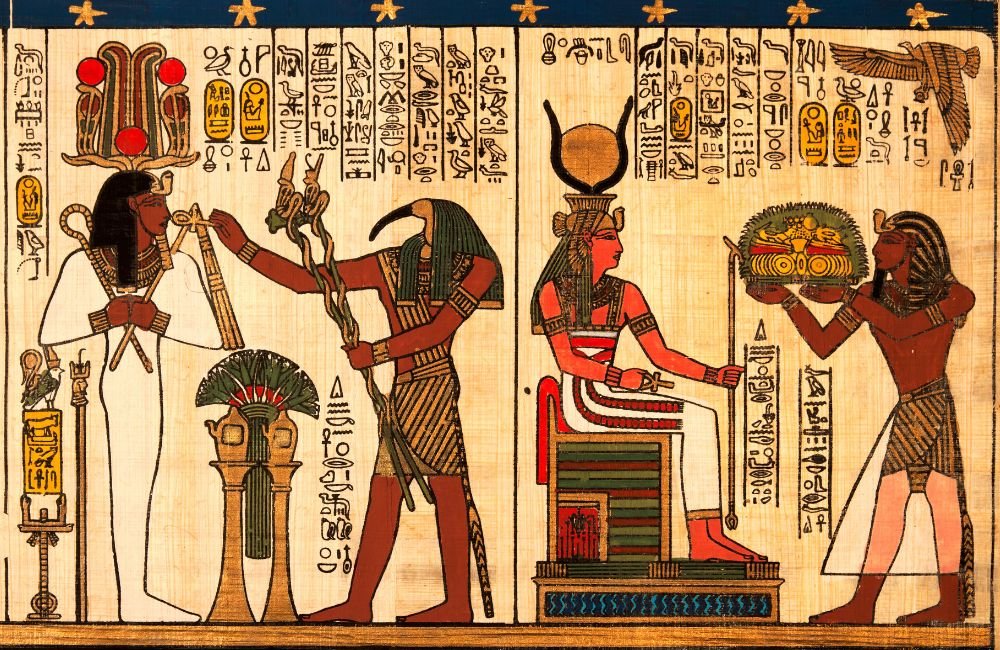
Egypt: Ancient History and the Nile
Egypt remains one of Africa’s most recognizable travel destinations.
Cairo and the Giza Plateau provide an introduction to ancient Egyptian civilization, while Luxor offers access to some of the country’s most important archaeological sites.
The Nile is another major part of the Egyptian travel experience. Nile cruises can connect destinations associated with ancient temples and monuments while providing a different perspective on the country.
Egypt also offers a very different side of Africa along the Red Sea. Destinations such as Hurghada and Sharm El-Sheikh are known for beach holidays, diving and snorkeling.
Egypt’s tourism authorities highlight archaeological sites, museums, Nile cruising, Red Sea activities, desert landscapes and nature experiences among the country’s major travel attractions.
Good for: History, archaeology, family holidays, diving, beaches and Nile cruises.
Morocco: Medinas, Mountains and the Sahara
Morocco combines historic cities with dramatic natural landscapes.
Marrakech is famous for its medina, markets, architecture and food. Fez and Meknes offer further opportunities to explore Morocco’s historic heritage, while Chefchaouen provides a very different experience in the Rif Mountains.
Travelers can also head toward the Atlas Mountains or plan a desert journey around destinations such as Merzouga.
Morocco’s official tourism authority promotes a wide range of experiences, including culture, nature, beaches, trekking, desert trips, gastronomy and historic cities.
Getting around is also relatively varied. Morocco has trains, high-speed rail, coaches, domestic flights, taxis and urban public transport.
Good for: Culture, food, architecture, desert trips, hiking, shopping and short breaks.
Discover West Africa
West Africa offers a different perspective on the continent, with strong cultural traditions, historic coastal sites, music, food, beaches and nature.
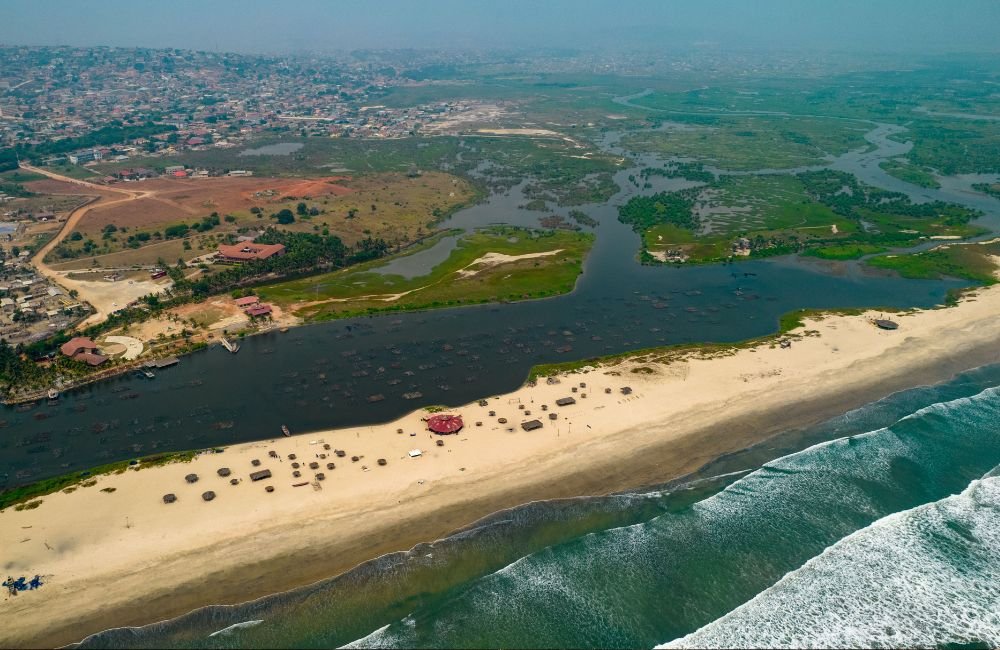
Ghana: Heritage, Culture and Beaches
Ghana is an especially interesting choice for travelers who want to combine cultural experiences with nature.
Accra provides an urban starting point, while the country’s coastal areas offer beaches and historic heritage sites.
Cape Coast and Elmina are particularly important for understanding the history of the Atlantic slave trade. Ghana’s tourism authority highlights forts and castles, museums, beaches, national parks, festivals, food and cultural experiences among the country’s major attractions.
Nature lovers can also consider destinations such as Kakum and Mole National Park.
Ghana is therefore well suited to travelers who want more than a conventional sightseeing holiday.
Good for: History, heritage, culture, food, beaches, festivals and wildlife.
Nigeria: Cities, Culture and Natural Landscapes
Nigeria offers a huge range of experiences, from major cities and cultural attractions to waterfalls, forests and other natural landscapes.
It is a destination best approached with careful itinerary planning because travel conditions and infrastructure can differ considerably between regions.
For first-time visitors, working with experienced local guides and checking current regional travel advice is particularly important.
Good for: Culture, food, cities, nature and more adventurous itineraries.
Experience East Africa
East Africa is one of the world’s most famous regions for wildlife travel.
Kenya and Tanzania are particularly well known for safari experiences, while Ethiopia and Rwanda offer distinctive cultural and nature-focused journeys.
Safari and the Indian Ocean: Kenya
Kenya combines wildlife viewing with beaches and coastal culture.
The Maasai Mara is one of the country’s best-known safari destinations. Visitors can also explore other wildlife areas and combine a safari with time along the Indian Ocean coast.
This makes Kenya attractive for travelers who do not want to choose between a wildlife adventure and a beach holiday.
Good for: Safari, wildlife photography, beaches, family holidays and adventure.
Travelers should check current regional travel advice before visiting specific areas, particularly near international borders.
Tanzania: Serengeti, Kilimanjaro and Zanzibar
Tanzania offers several of Africa’s best-known travel experiences in one country.
The Serengeti is a major wildlife destination, while the Ngorongoro area offers spectacular scenery and wildlife viewing. Mount Kilimanjaro attracts trekkers from around the world.
Then there is Zanzibar, where travelers can combine beaches with historic Stone Town and the culture of the Indian Ocean.
A Tanzania itinerary can therefore combine safari, trekking and a beach stay.
Travel conditions should be checked before departure because official guidance can change for particular regions, border areas or outdoor activities.
Good for: Safari, trekking, beaches, wildlife photography and honeymoon trips.
Ethiopia: History, Highlands and Unique Landscapes
Ethiopia offers an experience unlike many other African destinations.
Lalibela’s rock-hewn churches, historic Gondar, the Simien Mountains and the country’s distinctive highland landscapes are among its major attractions.
Ethiopia’s cultural heritage and dramatic geography make it particularly appealing to travelers looking for experiences beyond traditional safari destinations.
However, Ethiopia requires particularly careful itinerary planning. Current conditions can vary significantly between regions and border areas.
For travelers considering Ethiopia, checking the situation immediately before departure is essential.
Good for: History, trekking, culture, landscapes and adventure travel.
Rwanda: Wildlife and Responsible Tourism
Rwanda is another important East African destination, particularly for travelers interested in mountain gorillas and forest landscapes.
Volcanoes National Park is the country’s best-known wildlife destination, while Kigali provides an accessible urban base for exploring Rwanda’s culture and history.
A Rwanda trip can also be combined with other East African destinations.
Good for: Gorilla trekking, wildlife, nature and cultural travel.
Explore Central Africa
Central Africa is less frequently visited than North, East or Southern Africa, but it offers exceptional biodiversity and some extraordinary landscapes.
Cameroon: A Diverse African Experience
Cameroon has sometimes been described as “Africa in miniature” because of its varied landscapes.
The country includes forests, mountains, coastline and wildlife habitats. The Dja Faunal Reserve is particularly important for biodiversity, while coastal destinations such as Limbe and Kribi offer a different side of the country.
However, Cameroon requires careful planning because security conditions vary considerably between regions.
Travelers should research their exact route and current conditions before visiting.
Good for: Nature, wildlife, mountains, forests and less conventional travel.
Discover Southern Africa
Southern Africa is particularly attractive for first-time visitors because several countries offer well-established tourism infrastructure alongside wildlife, cities, beaches and scenic road trips.
South Africa: One Country, Many Holidays
South Africa is one of the easiest African destinations to build into a varied itinerary.
A trip can combine Cape Town, wildlife reserves, wine regions, beaches and scenic drives.
Cape Town provides access to Table Mountain, the Cape Peninsula and a vibrant food and cultural scene. The Garden Route offers coastal scenery, forests, beaches and outdoor activities.
South Africa is also a major safari destination, with Kruger National Park among the country’s best-known wildlife areas.
Good for: First-time Africa trips, road trips, cities, safari, food, wine and outdoor activities.
Zimbabwe: Wildlife and Victoria Falls
Zimbabwe offers a strong combination of wildlife, history and dramatic scenery.
Victoria Falls is the country’s most famous natural attraction, while destinations such as Hwange National Park provide opportunities for wildlife experiences.
Harare can also serve as an introduction to Zimbabwean culture and city life.
Good for: Wildlife, Victoria Falls, adventure and culture.
Consider Africa’s Island Destinations
Africa is not only about safaris and deserts.
The continent has some spectacular Indian Ocean island destinations.
Seychelles
Seychelles is ideal for travelers seeking beaches, marine activities, hiking and a slower holiday.
Mahé, Praslin and La Digue offer different experiences. Travelers can combine beach time with nature walks, snorkeling, diving and island excursions.
Mauritius
Mauritius combines beaches with hiking, food, cultural attractions and water-based activities.
It works well for couples and families who want a beach holiday with opportunities to explore beyond the resort.
Zanzibar
Zanzibar offers an appealing combination of beaches and culture. Visitors can divide their time between the coast and historic Stone Town.
Island destinations are especially useful for travelers who want to finish a safari with several relaxing days by the ocean.
What Type of African Holiday Is Right for You?
Africa is easier to plan when you start with the experience rather than the country.
For a First Safari
Consider:
- Kenya
- Tanzania
- South Africa
- Botswana
- Zimbabwe
- Rwanda
Your choice will depend on wildlife interests, budget, season and how much time you have.
For History and Culture
Consider:
- Egypt
- Morocco
- Ethiopia
- Ghana
- South Africa
These destinations offer very different historical and cultural experiences.
For Beaches
Consider:
- Seychelles
- Mauritius
- Zanzibar
- Morocco
- South Africa
- Ghana
For Adventure
Consider:
- Tanzania for Mount Kilimanjaro
- Morocco for mountain and desert experiences
- Ethiopia for highland trekking
- South Africa for hiking and road trips
- Rwanda for gorilla trekking
For a Honeymoon
A combination itinerary can work particularly well.
For example, travelers might combine:
Safari + beach: Kenya and the coast, Tanzania and Zanzibar, or South Africa with a coastal stay.
Culture + beach: Morocco or Egypt followed by a relaxing coastal experience.
Wildlife + luxury: A private safari lodge followed by an island resort.
When Is the Best Time to Visit Africa?
There is no single “best time” to visit Africa.
The continent covers a huge area, and weather varies significantly between regions.
Your ideal travel season should depend on the destination and activities you have chosen.
For example:
- Safari: Wildlife viewing conditions vary by country and park.
- Mountain trekking: Weather and trail conditions are important.
- Beach holidays: Coastal weather varies between the Atlantic and Indian Ocean regions.
- Desert travel: Extreme heat can make some periods uncomfortable.
- City and cultural trips: Shoulder seasons can sometimes provide a useful balance between weather and visitor numbers.
Instead of choosing dates for “Africa” as a whole, select your destination first and then research its climate and seasonal conditions.
How to Plan an African Adventure
A successful African holiday requires more planning than simply booking a flight and hotel.
Choose a Region First
Africa is too large to cover efficiently in one trip.
Start with one region and build your itinerary around it.
For a first trip, combining two nearby experiences is often more practical than trying to visit several distant countries.
Check Entry Requirements
Visa and passport requirements differ between African countries and can change.
Check the official immigration or embassy information for every country on your itinerary before booking non-refundable travel.
Do not assume that a visa for one African country gives you access to another.
Review Travel Advisories
Safety conditions can vary not only between countries but also between regions within the same country.
Current official travel advice identifies specific areas of concern in countries including Ethiopia, Ghana, Kenya, Tanzania, Egypt and Cameroon.
This does not mean an entire country should be treated as unsuitable for tourism. It means travelers should research their precise itinerary and avoid areas subject to official restrictions.
Travel insurance should also cover the destinations and activities you actually plan to undertake.
Plan Transport Carefully
Distances can be much greater than they appear on a map.
A multi-country itinerary may involve:
- International flights
- Regional flights
- Domestic flights
- Trains
- Coaches
- Private transfers
- Rental cars
- Safari vehicles
- Boats or ferries
Allow realistic transfer time between destinations rather than packing every day with activities.
Health and Travel Preparation
Health preparation is an important part of planning an African trip.
Some parts of Africa have malaria transmission, while yellow fever is present in several countries and vaccination requirements can apply depending on your itinerary and previous travel.
Destination-specific health advice is important because health risks and entry requirements vary considerably across the continent.
Depending on your destination and activities, travelers may need to discuss:
- Routine vaccinations
- Yellow fever vaccination
- Malaria prevention
- Food and water precautions
- Insect-bite protection
- Travel insurance
- Prescription medicines
- Rabies vaccination for certain higher-risk activities
A travel-health professional can provide advice based on your itinerary, health history and planned activities.
If you are crossing several African countries, check the requirements for each country, including transit countries.
Some countries require proof of yellow fever vaccination for entry under specific circumstances.
Responsible Travel in Africa
Tourism can contribute significantly to local economies and conservation when managed responsibly.
Travelers can make a positive contribution by:
- Using licensed local guides
- Supporting locally owned accommodation and businesses
- Respecting cultural traditions
- Following wildlife-viewing rules
- Avoiding inappropriate interaction with wild animals
- Never feeding wildlife
- Reducing unnecessary plastic use
- Respecting protected areas
- Asking permission before photographing people
- Buying locally made crafts where possible
Wildlife tourism should prioritize the welfare of animals and the protection of their habitats.
What Should You Pack for Africa?
Your packing list depends heavily on the destination.
For a safari, practical items may include:
-
- Lightweight, breathable clothing
- Comfortable walking shoes
- Sun protection
- Hat
- Sunglasses
- Insect repellent
- Reusable water bottle
- Binoculars
- Camera equipment
- Small daypack
As for cities and cultural destinations, modest clothing may be more appropriate when visiting religious or traditional sites.
For mountain destinations, temperatures can vary dramatically between day and night, so layering is useful.
Always check the specific climate and activity requirements for your itinerary.
How Long Should You Spend in Africa?
There is no standard length for an African holiday.
A short trip could focus on one city or one safari destination. A longer itinerary might combine wildlife, culture and beaches.
For example:
5–7 days: One main destination or a compact city-and-safari itinerary.
8–14 days: A more comfortable combination of two or three experiences.
2–3 weeks: Suitable for a broader regional itinerary with multiple destinations.
The most important principle is to avoid spending most of your holiday in transit.
Africa Offers More Than One Kind of Adventure
Africa should not be reduced to a single travel experience.
It is a continent of ancient civilizations, modern cities, mountain ranges, deserts, forests, islands, beaches and extraordinary wildlife.
The best trip is the one that matches your interests.
History lovers may find Egypt or Ethiopia compelling. Travelers seeking culture can explore Morocco or Ghana. Safari enthusiasts can look toward Kenya, Tanzania or Southern Africa. Beach lovers have Seychelles, Mauritius and Zanzibar, while adventure travelers have mountains, deserts, forests and long-distance road journeys to explore.
Start by deciding what you most want from the trip. Then choose the country, season and itinerary around that goal.
That approach makes planning an African adventure far more rewarding — and far less overwhelming.
