
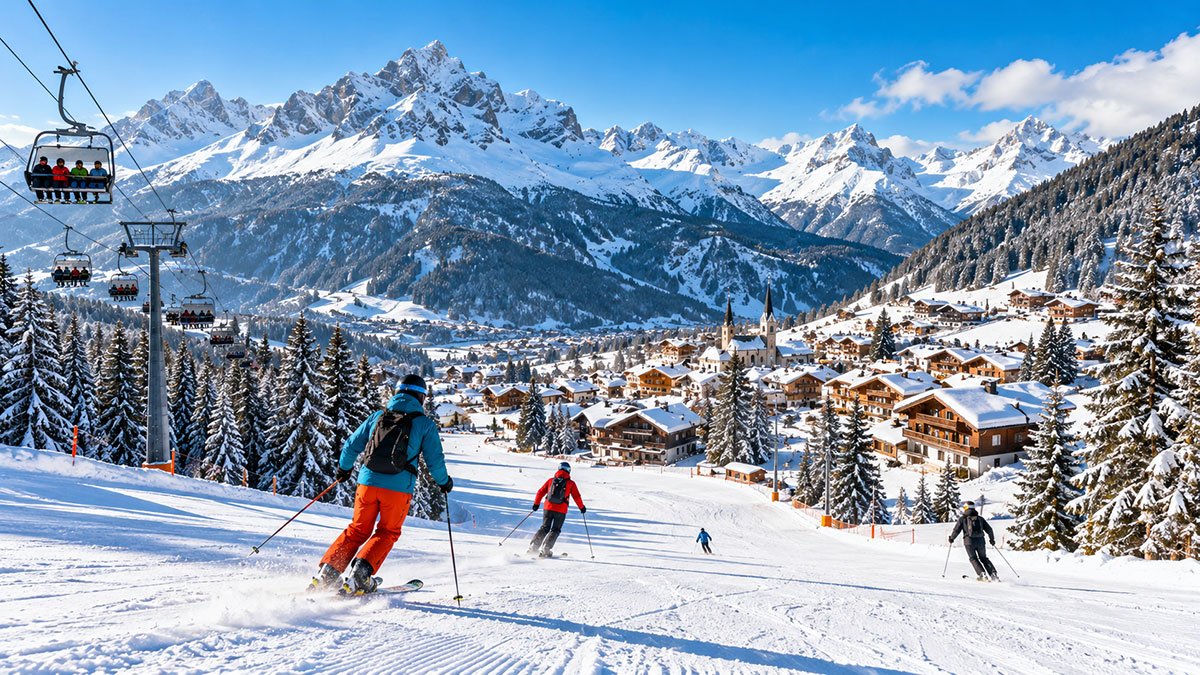
Experience the magic of a winter sports holiday in the European Alps, with groomed ski slopes, snow-covered Alpine chalets, scenic mountain peaks and thrilling skiing under clear blue skies.
Winter Sports Holidays: Best Destinations and Planning Tips
Winter sports holidays combine outdoor adventure, spectacular mountain scenery and time to unwind in welcoming alpine villages. Whether you want to learn skiing, improve your snowboarding skills or enjoy a peaceful winter escape, the right destination can make all the difference.
From the French and Austrian Alps to Canada’s Whistler Blackcomb and Japan’s famous powder-snow resorts, travelers have plenty of options. Some destinations suit beginners and families, while others appeal to experienced skiers looking for challenging terrain.
A successful trip requires more than booking accommodation near a mountain. You should also consider snow conditions, lessons, equipment, travel insurance, transport and activities for days away from the slopes.
What Can You Do on a Winter Sports Holiday?
Skiing and snowboarding remain popular choices, but a winter sports holiday does not have to revolve around downhill skiing.
Depending on the destination, you may also enjoy:
- Cross-country skiing: Travel across snowy landscapes on marked trails using a different technique from downhill skiing.
- Snowshoeing: Explore designated winter walking routes using special footwear that provides support on snow.
- Sledding and tobogganing: Enjoy a family-friendly activity at resorts with suitable designated runs.
- Ice skating: Visit outdoor or indoor rinks, where available.
- Winter hiking: Discover mountain villages, forests and viewpoints on appropriate marked trails.
- Après-ski and relaxation: Spend time in mountain cafés, local restaurants, spas and traditional alpine accommodation.
Check which activities operate during your travel dates. Availability depends on weather, snow cover, local facilities and seasonal opening arrangements.
Best Destinations for Winter Sports Holidays
Choosing a destination depends on your experience, budget, preferred scenery and travel style. These established winter regions offer different ways to experience the mountains.
1. The French Alps: Classic Alpine Scenery and Extensive Ski Areas
The French Alps are an appealing choice for travelers seeking dramatic mountain views, established ski resorts and traditional alpine villages.
Popular areas include Chamonix, Megève, Courchevel, Méribel and Les Arcs. Some form part of extensive interconnected ski areas, while others offer a different balance of village atmosphere, mountain activities and skiing.
The right resort depends on your ability. Beginners should look for dedicated learning areas and easy pistes rather than choosing a destination solely for its reputation. Experienced skiers may prefer resorts offering more challenging marked runs and access to varied mountain terrain.
Beyond skiing, visitors can explore mountain villages, enjoy regional food and spend time in cafés or wellness facilities.
Best for: Alpine scenery, varied ski areas, couples, families and groups with different experience levels.
Planning tip: Compare the location of your accommodation with the lifts, ski school and village centre. A convenient base can reduce daily transport costs and save time.
2. Austria: Skiing, Mountain Villages and Winter Activities
Austria offers a combination of skiing, traditional mountain culture and activities away from downhill pistes.
Regions such as Tirol and SalzburgerLand contain a wide range of resorts. St. Anton am Arlberg, Kitzbühel and Saalbach-Hinterglemm are established names in the Austrian winter-sports scene.
The destination can work well for travelers who want more than skiing alone. Depending on the resort, you may also find cross-country trails, snowshoe walks, toboggan runs and winter hiking routes.
Mountain huts and village restaurants provide opportunities to enjoy regional food and take breaks between outdoor activities.
Best for: Skiing, mountain culture, families, winter walking and varied outdoor experiences.
Planning tip: Check the resort’s piste map before booking. Look for beginner areas if you are learning, or confirm that the terrain suits your current ability.
3. Switzerland: Mountain Scenery and Well-Connected Resorts
Switzerland attracts winter travelers with its Alpine landscapes, mountain villages and established snow-sports infrastructure.
Resort choices range from destinations known for dramatic high-mountain scenery to villages offering access to extensive winter activities. Your ideal location depends on whether you prioritize challenging slopes, scenic journeys, family facilities or a quieter mountain stay.
Swiss travel also offers opportunities to combine skiing with rail journeys and visits to traditional towns. However, transport costs, accommodation and lift passes should all form part of your budget.
Snow conditions and operating arrangements vary between resorts. Higher elevations may have different season lengths from lower mountain areas, but no destination guarantees ideal snow throughout every booked week.
Best for: Scenic mountain holidays, rail-based travel, couples and travelers seeking a traditional Alpine experience.
Planning tip: Review official resort snow reports and local transport information before departure. For trips involving travel beyond marked pistes, check official avalanche forecasts and obtain appropriate professional guidance.
4. Whistler Blackcomb, Canada: A Major Mountain-Sports Destination
Whistler Blackcomb in British Columbia is a well-established destination for skiing and snowboarding. Its two mountains offer different terrain, while Whistler Village provides accommodation, dining and activities away from the slopes.
The resort offers instruction for different ages and abilities, including beginners. This makes it worth considering for travelers who want to learn while also enjoying a mountain-village atmosphere.
Those who do not ski every day can investigate sightseeing, dining, spa experiences and other activities available during their visit. Exact options depend on the season and operating arrangements.
Best for: Skiing and snowboarding, groups with different abilities, mountain scenery and village-based holidays.
Planning tip: Check the resort’s official opening information, lift-ticket availability, lesson schedules and snow reports. Book important services in advance, particularly during popular travel periods.
Canada also requires careful budgeting. Include flights, airport transfers, accommodation, lift access, rental equipment and meals when comparing the total cost with European destinations.
5. Japan: Powder Snow, Local Food and Hot Springs
Japan offers a distinctive winter-sports experience that combines skiing and snowboarding with regional food, cultural attractions and hot-spring bathing.
Niseko in Hokkaido and Hakuba in Nagano are established choices. Both attract international visitors, but their settings and the wider experiences available around them differ.
Hokkaido is particularly associated with powder snow, while Hakuba offers access to several mountain resorts in the Japanese Alps. The best option depends on travel connections, terrain preferences and the wider itinerary.
Visitors can often combine time on the slopes with Japanese cuisine, visits to local towns and relaxation in hot springs where available.
Best for: Snowboarding, powder-snow enthusiasts, cultural experiences and travelers seeking something different from a European ski trip.
Planning tip: Many Japanese resorts operate primarily during the winter months, but opening and closing dates vary. Check the official resort calendar, regional transport arrangements and accommodation availability before committing to flights.
When Is the Best Time for a Winter Sports Holiday?
The best time depends on your destination, preferred snow conditions, budget and tolerance for crowds.
Early season
Early-season trips can appeal to travelers who want to experience the start of winter in the mountains. However, snow cover may be limited, and some lifts or pistes may not yet be operating.
Do not book an early-season holiday on the assumption that every advertised run will be available.
Christmas and New Year
The festive period offers a traditional winter-holiday atmosphere. Mountain villages may host seasonal celebrations, and ski resorts can be particularly appealing for family or group trips.
Demand is often high, so accommodation, lessons and lift tickets can cost more or sell out. Confirm the operating arrangements for Christmas Day and other holidays if you intend to ski on those dates.
January and February
These months are popular for many Northern Hemisphere ski destinations. In several regions, they offer established winter conditions, although snowfall and temperatures remain variable.
School holidays and major festive periods can create substantial demand. Compare dates carefully if you want more flexibility or lower accommodation costs.
March and the end of the season
Late-season trips can bring longer daylight hours and opportunities for spring skiing at suitable resorts. Lower elevations may experience softer snow or reduced coverage, particularly during warm spells.
Higher-altitude resorts may continue operating longer than lower ones, but altitude alone does not guarantee that every lift or piste will remain open.
Important: Ski resorts do not all operate year-round. A small number of high-altitude or glacier areas may offer skiing outside the usual winter season. Confirm the actual opening calendar, available terrain and weather-dependent restrictions directly with the resort.
Is a Winter Sports Holiday Suitable for Beginners?
Absolutely. You do not need to be an experienced skier or snowboarder to enjoy a mountain holiday.
The key is choosing suitable terrain and allowing enough time to learn. A beginner-friendly resort should offer dedicated learning areas, clear piste grading and access to professional instruction.
Consider these steps before your first trip:
- Book lessons: An instructor can teach basic movement, turning, stopping and slope awareness. Group lessons can be a useful introduction, while private instruction offers more individual attention.
- Start on appropriate terrain: Follow your instructor’s advice and remain on runs that match your ability.
- Rent your equipment: Renting at the resort can avoid transporting bulky equipment and gives you access to professionally fitted gear.
- Wear a suitable helmet: Check local requirements and your insurance policy. A properly fitted helmet is an important part of your safety equipment.
- Allow time to rest: Learning requires concentration and physical effort. Do not feel obliged to spend every available hour on the slopes.
Skiing and snowboarding are different skills, so avoid assuming that experience in one makes you automatically competent in the other.
How to Plan Your Winter Sports Holiday Budget
A ski holiday can involve more costs than the headline price of accommodation or flights suggests. Compare the complete trip rather than choosing the cheapest advertised package.
Include these expenses in your planning:
- Flights, rail tickets or other transport to the destination.
- Airport transfers, local buses or resort shuttles.
- Accommodation and meals.
- Lift passes and access to the required ski areas.
- Ski or snowboard rental, boots, helmets and other equipment.
- Lessons or guided activities.
- Winter clothing and accessories.
- Travel insurance with appropriate winter-sports coverage.
- Optional activities, including spa visits and sightseeing.
Equipment rental, lessons and lift passes may have different booking conditions. Some resorts offer package discounts, but compare the contents carefully before assuming a bundled offer provides the best value.
If you are traveling with children, check whether the resort offers suitable beginner instruction, childcare or family activities. These services can have separate booking requirements and costs.
What Should You Pack for a Ski Holiday?
The right clothing helps you stay comfortable while conditions change throughout the day.
Consider packing:
- Thermal base layers.
- An insulating mid-layer and a waterproof outer jacket and trousers.
- Waterproof gloves and warm socks.
- A suitable helmet and properly fitted goggles.
- Sunglasses and high-factor sunscreen.
- Waterproof footwear for walking around the resort.
- A small day bag for water, snacks and spare layers.
- Any personal medication and essential travel documents.
You do not necessarily need to buy every item before departure. Rental shops can provide skis, snowboards, boots and other equipment, while some destinations offer clothing rental. Confirm availability and sizing before relying on these services.
Snow reflects sunlight, and conditions can change rapidly at altitude. Eye protection, sun protection and clothing suitable for cold weather remain important even on bright days.
Winter Sports Safety: What Every Traveler Should Know
Skiing and snowboarding involve real risks. Good preparation and responsible decisions help reduce avoidable hazards.
Follow the rules on marked pistes
The International Ski and Snowboard Federation publishes a code of conduct for skiers and snowboarders. Its principles include respecting other slope users, controlling speed, choosing a suitable route and following signs.
Before entering a run, check uphill and downhill. Avoid stopping in narrow sections or places where approaching skiers cannot see you. If you fall in a hazardous location, move clear of the piste when possible.
Check weather, snow and avalanche information
Mountain conditions can change quickly. Follow official resort updates, local weather forecasts and piste-closure notices.
Off-piste skiing is different from skiing on marked and managed pistes. Avalanche danger can exist even when nearby marked runs appear safe.
If you plan to travel beyond marked terrain, obtain appropriate training, use suitable safety equipment and go with qualified guidance. Read the current local avalanche bulletin and follow instructions from mountain authorities.
Choose appropriate travel insurance
Do not assume a standard travel insurance policy covers winter sports.
Check whether the policy covers your planned activities, including skiing, snowboarding, off-piste travel if applicable, medical treatment, mountain rescue and emergency evacuation. Review exclusions, equipment cover and requirements for helmets or professional guides.
Travel insurance terms vary. Confirm the cover in writing before departure, especially if you intend to undertake activities beyond standard resort skiing.
Prepare physically and respect your limits
Winter sports can be demanding. Regular exercise before your holiday can help you prepare, but do not attempt terrain beyond your ability.
Take breaks, drink water and stop when you become tired. Cold weather and alcohol can affect judgement, coordination and awareness, so avoid drinking before or during slope activities.
What Can Non-Skiers Do at a Winter Resort?
A winter sports holiday can still be enjoyable if some members of your group do not ski.
Depending on the resort, alternatives may include:
- Scenic mountain lifts operating for sightseeing.
- Snowshoeing or guided winter walks.
- Local villages, markets and cultural attractions.
- Restaurants, cafés and mountain huts.
- Spa facilities and wellness treatments.
- Ice skating or designated sledding areas.
Check which activities operate on your travel dates, since many are seasonal or weather-dependent.
For families and mixed-ability groups, choose accommodation close to the activities that matter most. Non-skiers may appreciate staying near the village centre, while keen skiers may prefer convenient access to lifts.
Make the Most of Your Winter Sports Holiday
The best winter sports holidays balance mountain activities with realistic planning. Choose a destination that suits your ability, check actual resort operating information, and budget for more than flights and accommodation.
Beginners can start with professional lessons, while experienced skiers can select terrain suited to their skills. Families, couples and mixed-ability groups should also consider what the destination offers beyond the slopes.
Above all, remain flexible. Snowfall, weather and lift operations can change, so use official resort information before and during your trip. With the right preparation, a winter sports holiday can offer a memorable combination of outdoor adventure, local culture and time to relax in the mountains.
