
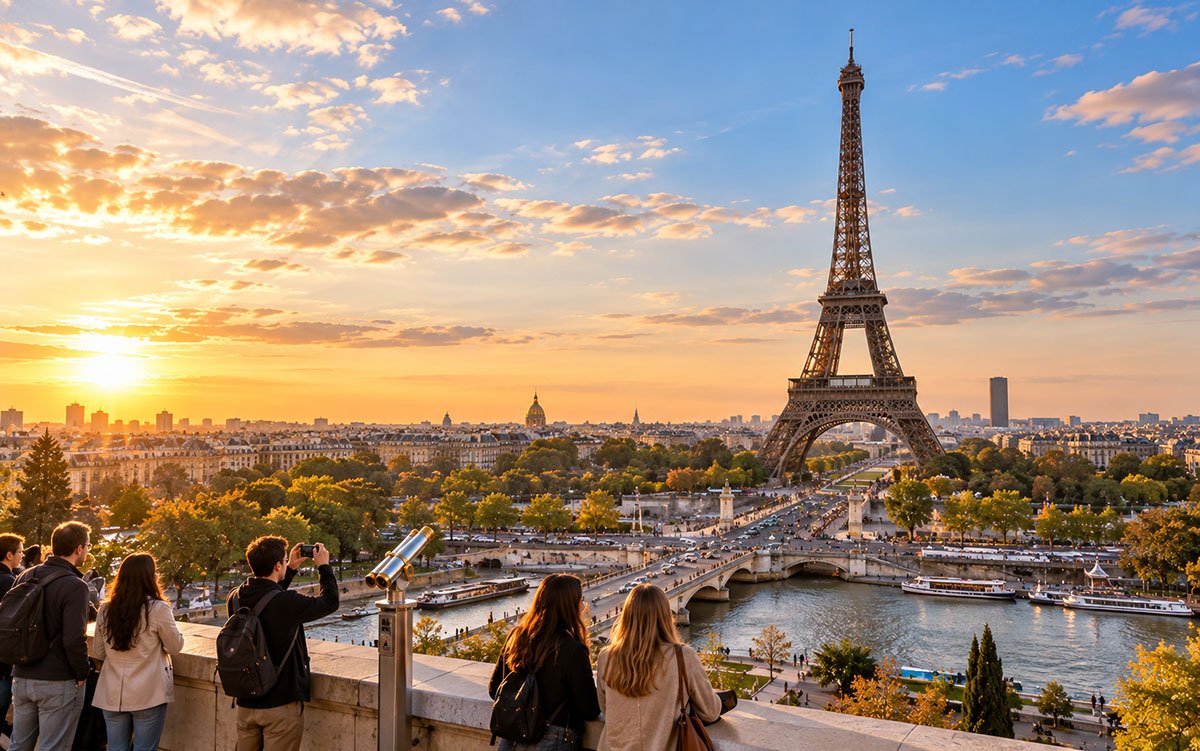
The Eiffel Tower is one of France’s most iconic attractions, drawing travellers to experience the art, architecture and history of Paris.
Top 5 Tourist Attractions in France: Must-See Places and Travel Tips
France is a country where remarkable history, world-class art and beautiful landscapes come together. From the famous monuments of Paris to medieval villages and magnificent royal palaces, there is no shortage of memorable places to explore.
If you are planning your first French holiday, choosing where to go can feel overwhelming. The top tourist attractions in France include celebrated landmarks such as the Eiffel Tower and Louvre Museum, but some of the country’s most rewarding experiences lie beyond the capital.
Whether you enjoy architecture, history, art or spectacular scenery, these five attractions offer an excellent introduction to France.
This guide explains what makes each destination special, what to see and how to plan your visit. You will also find additional sightseeing ideas and practical advice to help you organise your trip.
1. Eiffel Tower, Paris
The Eiffel Tower is one of France’s most recognisable landmarks and a natural starting point for a first visit to Paris.
Built for the 1889 Exposition Universelle, the iron structure was designed by engineer Gustave Eiffel’s company. Although originally intended as a temporary installation, it became an enduring symbol of the French capital.
Today, visitors come to admire its architecture, enjoy panoramic views and experience one of Paris’s most celebrated monuments.
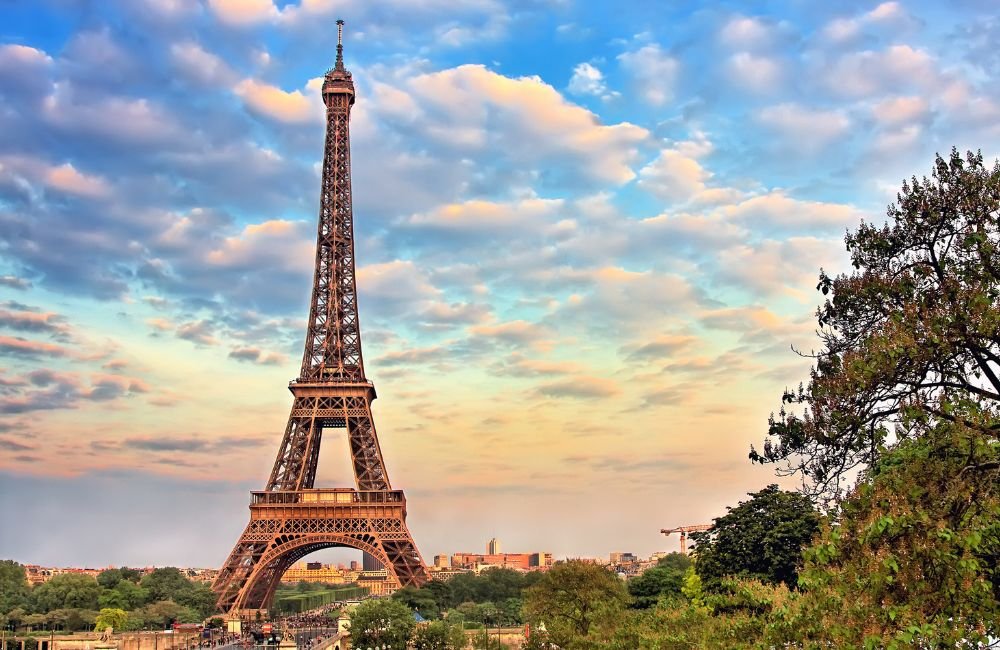
What to see at the Eiffel Tower
The tower has several visitor levels, each offering a different perspective over Paris.
The second floor provides extensive views of the city’s rooftops, the River Seine and major landmarks. The summit offers an even higher viewpoint across the surrounding urban landscape.
At ground level, the Champ de Mars gardens provide space to admire the structure from a distance.
Another popular viewpoint is the Trocadéro area across the Seine, where visitors can photograph the tower within the wider Paris cityscape.
The experience is particularly appealing around sunset, when the changing light reveals a different side of the city.
Practical tips for visiting
Admission options vary according to the level you want to visit and whether you choose stairs or lifts.
If reaching the summit is important, purchase the appropriate ticket rather than assuming every ticket includes access to the top.
Book through the official Eiffel Tower ticketing website whenever possible.
The tower can become busy during popular visiting periods. Reserving an available time slot in advance can help you organise the rest of your sightseeing.
Be aware that access to upper levels may occasionally be affected by weather, maintenance or operational restrictions.
Best for: First-time visitors, couples, families, photography and panoramic city views.
Location: Champ de Mars, Paris.
2. Louvre Museum, Paris
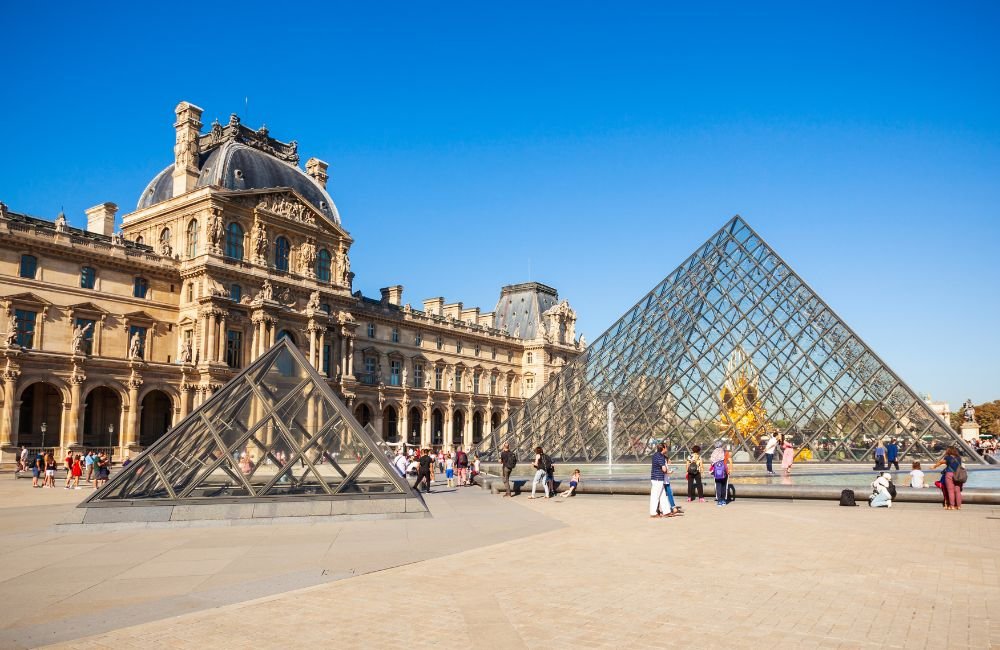
The Louvre Museum in Paris is renowned for its iconic glass pyramid, magnificent historic architecture and world-famous art collections.
The Louvre is among the world’s most celebrated art museums, housing collections that span thousands of years of human history.
The museum occupies a former royal palace in central Paris. Its architecture alone makes it worth exploring, from the historic palace wings to the striking glass pyramid in the main courtyard.
Inside, visitors can discover paintings, sculptures, decorative arts and archaeological objects representing many civilisations.
Famous artworks at the Louvre
One of the museum’s most recognised paintings is Leonardo da Vinci’s Mona Lisa, displayed in the Salle des États.
Other celebrated works include:
- Venus de Milo: An ancient Greek marble sculpture admired for its classical form.
- Winged Victory of Samothrace: A dramatic Hellenistic sculpture displayed at the top of the Daru staircase.
- Liberty Leading the People: Eugène Delacroix’s painting associated with the July Revolution of 1830.
- The Code of Hammurabi: An important ancient Babylonian legal monument.
- The Coronation of Napoleon: Jacques-Louis David’s monumental painting of Napoleon’s imperial coronation.
The Louvre offers far more than these famous highlights.
Visitors interested in ancient Egypt, Islamic art, European painting or decorative arts can build an itinerary around their favourite collections.
How to plan your Louvre visit
The museum is extensive, so trying to see every gallery in one visit is unrealistic.
Choose a few collections or specific artworks before arriving. The Louvre’s official website provides maps and visitor information to help you plan.
Timed-entry reservations are recommended, including for visitors eligible for free admission.
The museum is generally closed on Tuesdays, with additional closures on certain public holidays.
For a more relaxed experience, avoid planning another demanding attraction immediately afterwards.
The nearby Tuileries Garden provides a pleasant setting for a walk after exploring the galleries.
Best for: Art enthusiasts, history lovers, cultural travellers and families with older children.
Location: Rue de Rivoli, central Paris.
3. Notre-Dame Cathedral, Paris
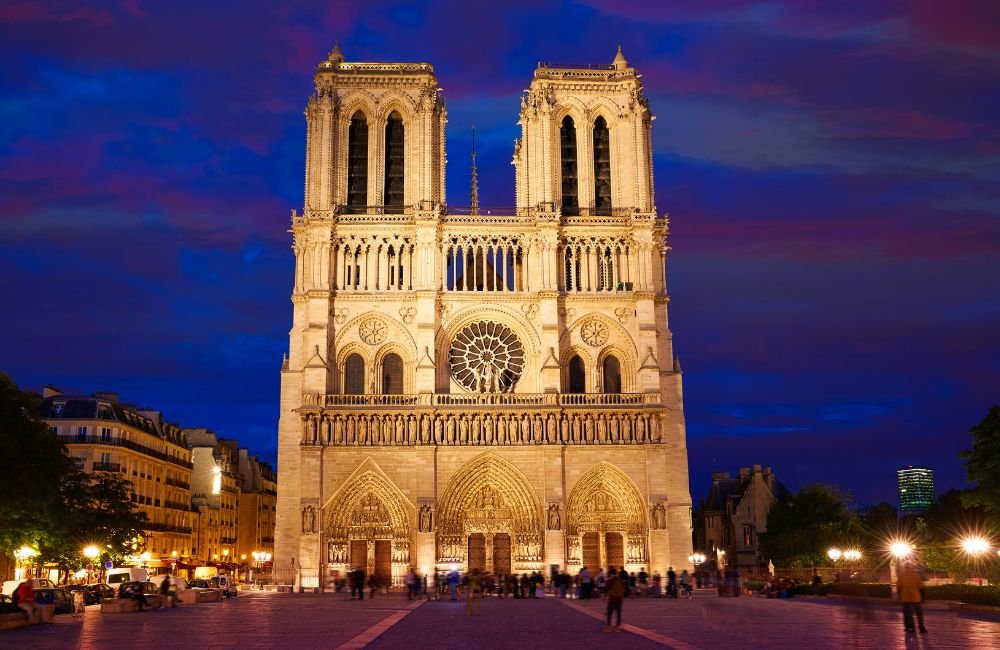
Notre-Dame Cathedral in Paris glows against the evening sky, highlighting its magnificent Gothic architecture, iconic twin towers and intricate stone carvings.
Notre-Dame Cathedral is one of the finest examples of French Gothic architecture and an important part of Paris’s religious and cultural heritage.
Standing on the Île de la Cité in the River Seine, the cathedral has witnessed centuries of French history.
Its construction began in the 12th century, and the building developed over generations into the magnificent Gothic monument visitors recognise today.
Following the devastating fire in April 2019, extensive restoration work enabled the cathedral to reopen for worship and visitors in December 2024.
What makes Notre-Dame special?
The cathedral’s exterior features dramatic sculptural details, pointed arches, flying buttresses and magnificent rose windows.
Its western façade is especially impressive, with richly decorated portals and the two distinctive towers.
Inside, the soaring vaulted ceilings and stained-glass windows create an atmosphere quite different from that of an ordinary museum.
Visitors can also appreciate the cathedral’s religious artworks, chapels and architectural details.
Notre-Dame remains an active Catholic place of worship, making it both a cultural landmark and a spiritual destination.
Visiting Notre-Dame Cathedral
Admission to the main cathedral is free.
Visitors can enter without a reservation, although the cathedral offers an optional free reservation system to help manage entry during busy periods.
Reservations are available only through official cathedral channels. Avoid third-party websites claiming to sell admission tickets to the main cathedral.
Access to the cathedral towers and certain other areas follows separate arrangements.
Visitors should dress respectfully, remain considerate of worshippers and follow any instructions during religious services.
The surrounding Île de la Cité is also worth exploring. Its riverside setting provides beautiful views of historic central Paris.
Best for: Architecture, history, religious heritage and cultural sightseeing.
Location: Île de la Cité, Paris.
4. Palace of Versailles, Near Paris
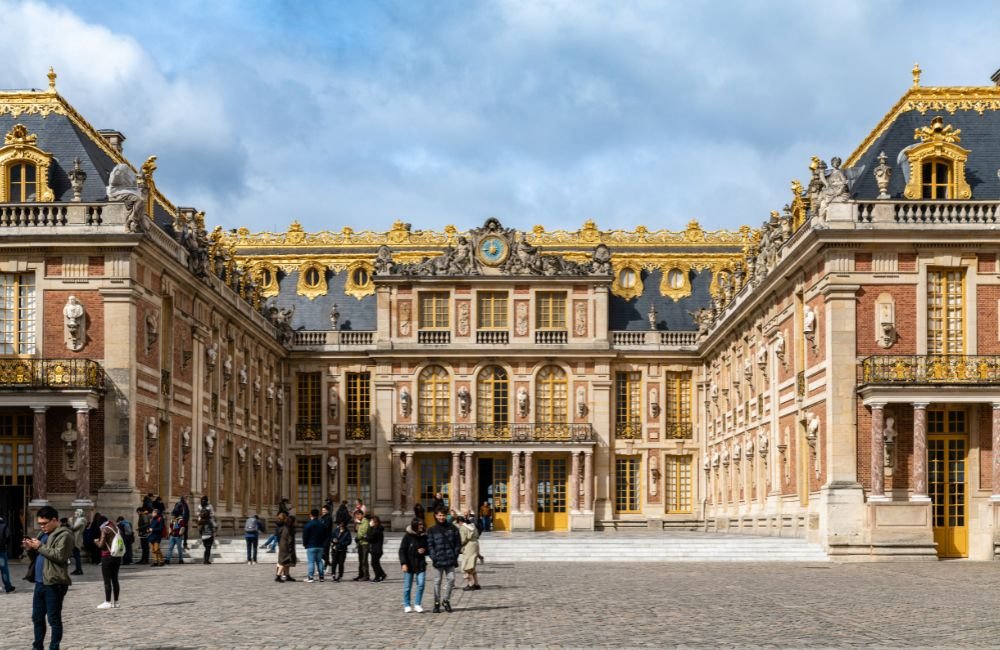
The magnificent Palace of Versailles near Paris showcases the grandeur of French royal architecture, with its elegant stone façade, gilded decorations and historic courtyard.
The Palace of Versailles is one of France’s most impressive royal landmarks and a remarkable example of grand palace architecture.
Located in Versailles, outside central Paris, the palace is closely associated with King Louis XIV, who transformed the site into an extraordinary royal residence and political centre.
Today, visitors can explore richly decorated interiors, formal gardens and extensive royal estates.
Versailles offers a fascinating insight into the ceremonies, artistic tastes and political power of the French monarchy.
Highlights of the Palace of Versailles
The Hall of Mirrors
The famous Hall of Mirrors is one of the palace’s most celebrated rooms.
Its elaborate decoration, chandeliers, mirrors and views towards the gardens make it a highlight of any visit.
The Royal Apartments
The State Apartments reveal the scale and ceremonial character of life at the French court.
Visitors can admire paintings, ornate ceilings, decorative furnishings and rooms associated with royal receptions and official activities.
The Gardens of Versailles
The formal gardens are known for their geometric design, sculptures, fountains and carefully arranged pathways.
Created on an extraordinary scale, they form an essential part of the Versailles experience.
The Estate of Trianon
The Grand Trianon, Petit Trianon and Queen’s Hamlet offer another perspective on royal life, away from the ceremonial grandeur of the main palace.
These areas deserve additional time if you want to explore the wider estate.
How to visit Versailles from Paris
Versailles is accessible from Paris by regional rail and other public transport services.
One convenient option is the RER C line to Versailles Château–Rive Gauche station, followed by a walk to the palace.
Other railway stations in Versailles provide alternative connections.
The palace requires visitors to reserve an admission time slot. It is generally closed on Mondays.
Garden access arrangements vary according to the season and whether special fountain or musical garden events are taking place.
Allow a substantial part of the day if you want to experience both the palace and gardens without rushing.
Best for: French history, royal architecture, landscaped gardens and cultural day trips.
Location: Versailles, Île-de-France.
5. Mont-Saint-Michel, Normandy
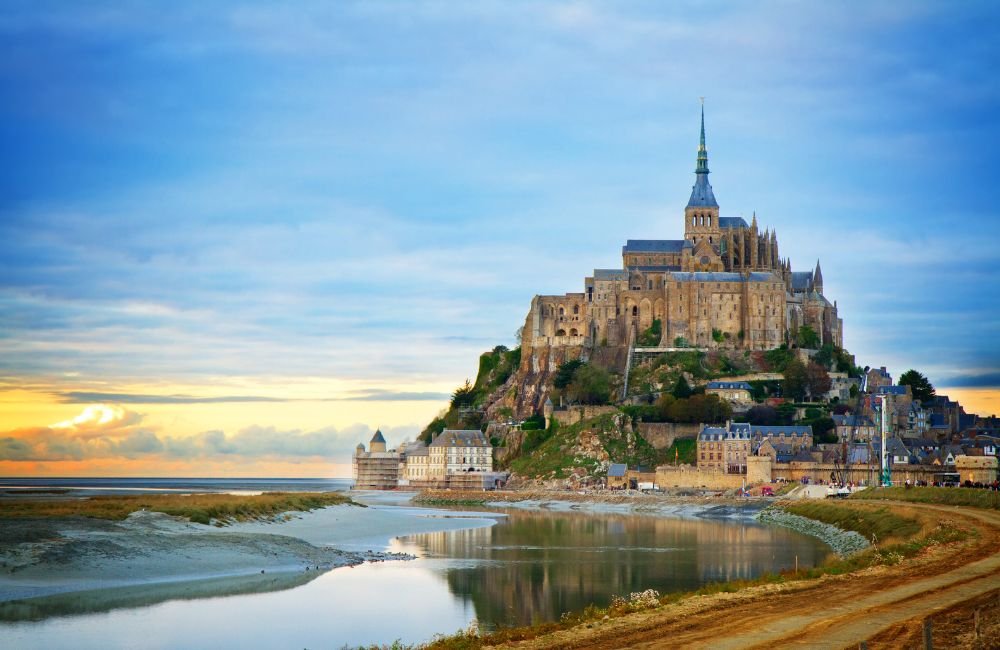
Mont-Saint-Michel rises dramatically above the tidal bay of Normandy, offering a breathtaking combination of medieval architecture, coastal scenery and French history.
Mont-Saint-Michel is one of the most extraordinary historic attractions in France.
Rising from the tidal landscape of Normandy, this medieval island settlement is crowned by an imposing abbey.
Its narrow streets, ancient buildings and dramatic coastal setting give the destination a character unlike anywhere else in the country.
Mont-Saint-Michel and its bay are recognised as a UNESCO World Heritage Site.
The combination of medieval architecture and surrounding tidal scenery makes it an outstanding destination for travellers interested in history and landscape photography.
What to explore at Mont-Saint-Michel
Mont-Saint-Michel Abbey
The abbey is the principal attraction.
Its architecture reflects centuries of religious history, with impressive halls, cloisters, vaulted spaces and terraces overlooking the bay.
The views from the elevated parts of the abbey are particularly memorable.
The medieval village
Below the abbey, narrow streets wind between traditional stone buildings.
Visitors can explore historic lanes, small shops and viewpoints along the village’s defensive walls.
Access to the village itself is free, while entry to the abbey requires a ticket unless the visitor qualifies for an exemption.
The surrounding bay
The tidal landscape is a major part of Mont-Saint-Michel’s appeal.
Water levels change significantly, creating dramatically different views of the island throughout the tidal cycle.
However, the surrounding sands and tides present genuine dangers.
Never attempt to walk across the bay independently. Organised bay crossings should be undertaken with an appropriately certified guide.
How to reach Mont-Saint-Michel
Travellers can reach the area by car or use a combination of rail and bus services.
Pontorson is the nearest railway station, with onward transportation available towards Mont-Saint-Michel.
Connections may also be available through Rennes or other regional railway hubs.
Visitors arriving by car generally use designated parking areas away from the island.
A free shuttle service provides access towards the village, while walking is another option.
The abbey sits at the top of a steep settlement with numerous steps. Visitors with limited mobility should examine the official accessibility information before planning their visit.
Because Mont-Saint-Michel is some distance from Paris, including it as part of a Normandy itinerary can provide a more relaxed experience than attempting an overly ambitious day trip.
Best for: Medieval history, dramatic landscapes, photography and cultural exploration.
Location: Mont-Saint-Michel, Normandy.
Other Famous Tourist Attractions in France Worth Visiting
The five landmarks above provide an excellent introduction, but France offers many other rewarding places to explore.
Several attractions deserve consideration, especially if you have additional time in Paris or want to discover a different region.
Arc de Triomphe, Paris
The Arc de Triomphe stands at Place Charles de Gaulle, where several major Parisian avenues meet.
Commissioned by Napoleon in 1806, the monument honours French military history and those who served in the French armies.
Beneath the arch lies the Tomb of the Unknown Soldier from the First World War, marked by an eternal flame.
The monument’s rooftop terrace offers sweeping views along the city’s great avenues, including the Champs-Élysées.
Visitors should use the designated underground passage to reach the monument rather than attempting to cross the busy roundabout.
Access to the terrace involves substantial climbing, and lift availability can be affected by maintenance. Check the monument’s official accessibility information before visiting.
Avenue des Champs-Élysées, Paris
The Champs-Élysées is one of Paris’s best-known avenues, stretching between Place de la Concorde and the Arc de Triomphe.
It is famous for its elegant streetscape, shops, cafés, theatres and major public celebrations.
A walk along the avenue allows visitors to experience a different side of Paris, combining historic architecture with contemporary city life.
You do not need to shop at luxury boutiques to enjoy the atmosphere.
Exploring the surrounding streets, gardens and architectural landmarks can be just as rewarding.
The avenue is especially convenient to combine with a visit to the Arc de Triomphe.
Musée Lalique, Alsace
For travellers interested in decorative arts, Musée Lalique in Wingen-sur-Moder offers an insight into the work of René Lalique and the French glassmaking tradition.
The museum’s collections include Art Nouveau jewellery, glass objects, perfume bottles, drawings and crystal creations.
Lalique’s influence extended from jewellery design to decorative glass, making the museum particularly interesting for visitors who enjoy craftsmanship and art history.
Its location in Alsace also offers an opportunity to explore a region with a distinct cultural identity.
Before travelling, check the museum’s official opening calendar and any temporary closure notices. Opening arrangements may differ from those of larger year-round attractions.
How to Plan a Trip Around France’s Top Attractions
Visiting France’s major landmarks becomes much easier when you group destinations geographically.
Although the country has an extensive transportation network, combining several distant attractions in a single day can leave little time to enjoy them.
A practical sightseeing route
For a first visit centred on the five main attractions, consider the following structure.
| Suggested Day | Main Activities |
|---|---|
| Day 1 | Eiffel Tower and nearby Paris viewpoints |
| Day 2 | Louvre Museum, Tuileries Garden and central Paris |
| Day 3 | Notre-Dame Cathedral, Île de la Cité and optional Arc de Triomphe |
| Day 4 | Palace of Versailles and its gardens |
| Day 5 | Travel towards Normandy and explore the surrounding region |
| Day 6 | Mont-Saint-Michel village, abbey and viewpoints |
This is an illustrative route, not a fixed schedule.
Travellers with limited time may prefer to concentrate on Paris and Versailles, leaving Mont-Saint-Michel for a separate Normandy holiday.
With additional days, you can explore regional towns, local markets and other historical attractions without rushing between destinations.
When Is the Best Time to Visit France?
France can be visited throughout the year, but the experience changes significantly by season and region.
Spring
Spring is appealing for city sightseeing, gardens and exploring historic towns.
Temperatures vary, and occasional rain is possible, so flexible clothing is useful.
Summer
Summer offers long daylight hours and plenty of opportunities for outdoor sightseeing.
However, popular attractions can become crowded, particularly during major holiday periods.
Reserving tickets ahead of time is sensible when your travel dates are fixed.
Autumn
Autumn can be a pleasant time for museums, cultural visits and city walks.
The changing colours of trees and gardens can also provide attractive scenery.
Daylight becomes shorter as the season progresses, so plan outdoor activities accordingly.
Winter
Winter offers a different atmosphere, particularly in cities with festive decorations and seasonal events.
Museums and historic monuments remain attractive options, although some attractions operate reduced schedules or close on particular holidays.
For Mont-Saint-Michel and other exposed coastal destinations, check weather forecasts and transport conditions carefully.
There is no single best season for every traveller. Choose dates based on the attractions you want to visit, your preferred weather and the type of holiday you enjoy.
Essential Tips for Visiting Tourist Attractions in France
A few practical steps can improve your experience and help you avoid unnecessary difficulties.
- Use official ticketing websites. Check attraction websites before purchasing tickets from resellers. Booking conditions, prices and entry arrangements can change.
- Check weekly closing days. For example, the Louvre is generally closed on Tuesdays, while the Palace of Versailles is generally closed on Mondays.
- Allow time for security checks. Major attractions may inspect bags and restrict large luggage.
- Use public transportation where practical. Paris has an extensive transport network, while regional trains and buses connect many destinations outside the capital.
- Consider accessibility before booking. Historic towers, medieval streets and certain monuments involve stairs or uneven surfaces.
- Avoid overcrowded itineraries. A museum visit or historic estate can be more enjoyable when you have enough time to explore.
- Verify entry requirements. International visitors should check passport and visa conditions through official French government sources.
- Check local conditions. Weather, maintenance, ceremonies and special events may affect access to attractions.
Good planning does not mean scheduling every minute. Leaving room for spontaneous discoveries can make your French holiday more rewarding.
Frequently Asked Questions About Tourist Attractions in France
What is the most famous tourist attraction in France?
The Eiffel Tower is one of France’s most internationally recognised landmarks and is often a priority for first-time visitors to Paris. The Louvre Museum, Notre-Dame Cathedral and Palace of Versailles are also among the country’s most celebrated cultural attractions.
What are the best tourist attractions in France outside Paris?
Mont-Saint-Michel in Normandy is a standout destination for its medieval abbey and tidal setting. France also offers remarkable attractions across Alsace, the Loire Valley, Provence and other regions. The ideal choice depends on whether you prefer historic monuments, art, countryside or coastal scenery.
Is Notre-Dame Cathedral open to tourists?
Yes. Notre-Dame Cathedral reopened to visitors in December 2024. Entry to the main cathedral is free, and an optional official reservation system helps visitors manage waiting times. Separate arrangements apply to certain areas.
Can you visit the Palace of Versailles in one day?
Yes. Versailles is a practical day trip from Paris. However, the palace and wider estate cover a substantial area, so prioritise the places you most want to see. Reserve the required palace entry time and check the arrangements for the gardens and Trianon estate.
Is Mont-Saint-Michel free to visit?
The medieval village is freely accessible. However, entering Mont-Saint-Michel Abbey generally requires a paid admission ticket unless you qualify for free entry. Parking and other optional services may also involve charges.
How many days do you need to see France’s main attractions?
Three or four days can provide a useful introduction to Paris and Versailles. A longer holiday allows time to include Mont-Saint-Michel or other destinations beyond the capital.
France has far more to offer than one itinerary can cover, so it is better to explore a few destinations properly than rush through too many.
Discover the Best of France at Your Own Pace
The top tourist attractions in France reveal different sides of the country’s heritage.
The Eiffel Tower represents the instantly recognisable skyline of Paris. The Louvre celebrates centuries of artistic achievement, while Notre-Dame reflects the remarkable history of Gothic architecture.
Versailles reveals the grandeur of France’s royal past, and Mont-Saint-Michel offers an unforgettable combination of medieval history and coastal scenery.
Together, these places provide an excellent starting point for exploring France.
Choose the destinations that match your interests, allow enough time to enjoy them and make room for the smaller experiences along the way. A quiet café, a neighbourhood market or an unexpected view can become just as memorable as the country’s most famous landmarks.
