
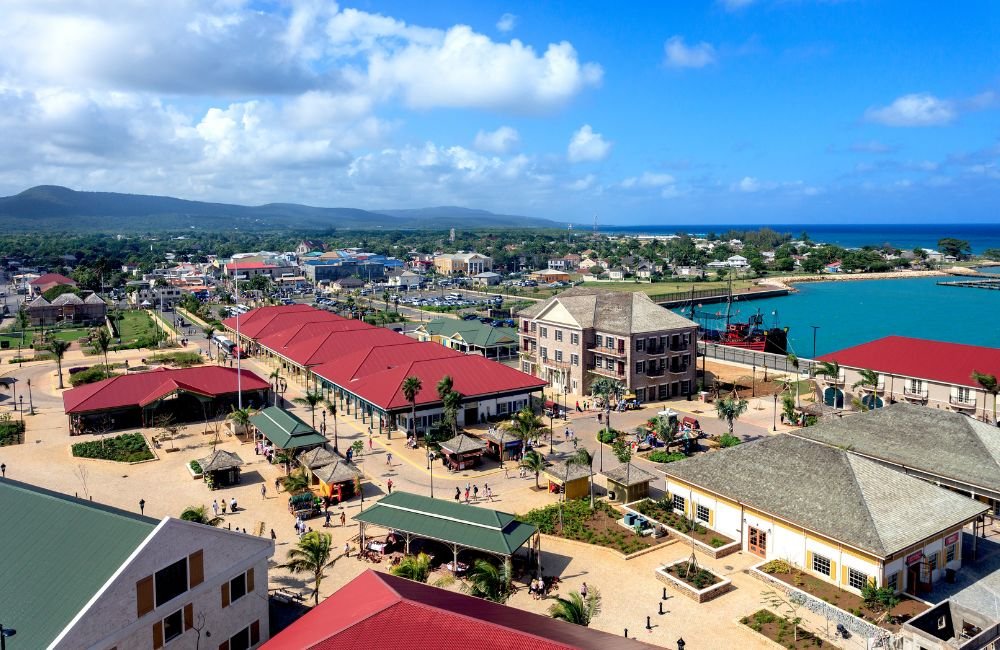
Explore Falmouth’s historic architecture, local culture and colourful streets during your Caribbean cruise stop.
Things to Do in Falmouth, Jamaica: A Cruise Visitor’s Guide
Falmouth, Jamaica, offers a different kind of Caribbean port stop. Alongside the island’s beaches and tropical scenery, this historic coastal town invites visitors to explore Georgian architecture, discover Jamaican food and learn about the history of one of the country’s most distinctive heritage districts.
Located on Jamaica’s north coast between Montego Bay and Ocho Rios, Falmouth is a useful starting point for both independent exploration and organised shore excursions. Cruise passengers can spend time walking around the historic centre, visiting local shops and sampling Jamaican dishes, while longer port calls may allow for trips beyond the town.
The best things to do in Falmouth, Jamaica, depend on how long your ship stays, your interests and which attractions are operating when you visit. A little planning will help you make the most of your time ashore.
1. Explore Falmouth’s Historic Georgian Architecture
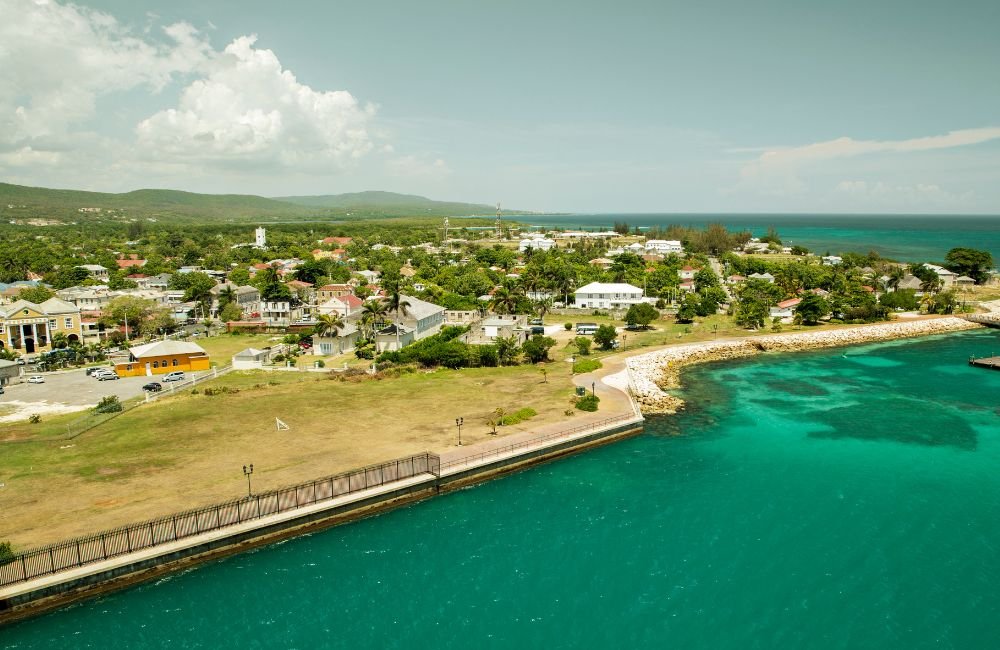
Falmouth’s historic streets are among its defining features. The town developed during Jamaica’s colonial period and retains buildings that reflect the Georgian architectural style, including symmetrical façades, traditional window arrangements and decorative details.
A walk through the historic centre is a good starting point for visitors interested in the town’s character beyond the cruise terminal.
Look out for landmarks such as:
- Falmouth Courthouse: A prominent historic public building near the town centre.
- Water Square: An established public space associated with the town’s historic core.
- Baptist Manse: A landmark connected with Falmouth’s religious and social history.
- St Peter’s Anglican Church: One of the historic churches featured on local heritage routes.
- The old Jewish cemetery: A reminder of the different communities that shaped the town’s history.
- The Dome: A historic structure associated with the area’s industrial past.
Some buildings are viewed from the street, while access to particular sites or interiors may depend on opening arrangements. Check with a local guide before assuming that every landmark can be entered.
Falmouth’s architectural heritage also reflects a complicated past. The town’s prosperity was tied to the colonial sugar economy, which depended heavily on the forced labour of enslaved Africans. Understanding that history adds depth to a visit and helps place the surviving buildings in their wider historical context.
2. Take a Guided Heritage Walk
If you want to understand more than the appearance of Falmouth’s buildings, consider a guided walking tour.
A knowledgeable local guide can explain how the town developed, identify architectural features and describe the people, industries and historical events that shaped the area. A guided visit can also help you navigate the streets more confidently during a short port call.
When comparing tours, ask about the route, total duration, walking requirements and which sites are included. Some guided experiences may use a trolley or another form of local transport rather than exploring entirely on foot.
Independent visitors can also explore selected public streets at their own pace. However, a guide can provide additional historical context that may not be apparent from the buildings alone.
For cruise passengers, choose a tour that fits your ship’s schedule and leaves a comfortable margin for the journey back to the terminal.
3. Discover Jamaican Food and Local Flavours

Food is an important part of experiencing Jamaica, and a visit to Falmouth is an opportunity to try dishes associated with the island’s culinary traditions.
Depending on what is available during your visit, look for:
- Jerk chicken or pork: Meat seasoned with Jamaican jerk spices and traditionally cooked over a smoky heat.
- Jamaican patties: Pastry turnovers filled with seasoned ingredients, often including beef or vegetables.
- Ackee and saltfish: A well-known Jamaican dish commonly eaten at breakfast.
- Rice and peas: A familiar accompaniment to many Jamaican meals.
- Fresh tropical fruit: Seasonal produce that may be available from local sellers.
- Coconut water: A refreshing option in Jamaica’s warm climate.
Food stalls, casual eateries and restaurants can provide different ways to experience local cooking. Ask about ingredients and spice levels if you have allergies or dietary requirements.
Do not assume that every restaurant or market stall will be open on your particular port day. Availability can vary, so keep a flexible plan and allow time to find an alternative.
Trying food prepared by local businesses also gives you a chance to support the community while learning more about Jamaican food culture.
4. Browse Local Shops and Craft Markets
Shopping can be a pleasant addition to a heritage walk, especially if you want to bring home a reminder of your visit.
Look for locally made crafts, artwork, small souvenirs, Jamaican food products and other items that reflect the island’s culture. Market availability and individual shop opening arrangements can change, so ask locally which places are operating.
When choosing souvenirs, consider buying directly from local craftspeople or businesses where possible. If an item is described as handmade or locally produced, ask about its origin rather than assuming every product sold in a tourist area was made in Jamaica.
It is also worth allowing enough time for a relaxed browse instead of leaving every purchase until the last few minutes before reboarding.
The cruise terminal’s retail area may be convenient for last-minute souvenirs, but exploring the historic town can offer a broader sense of local life.
5. Consider a River or Nature Excursion
Falmouth is also a starting point for nature-based excursions in the surrounding region. River activities, countryside experiences and organised adventure tours have traditionally attracted visitors looking for something beyond the town centre.
One of the best-known regional experiences is bamboo rafting on the Martha Brae River. The excursion is known for its leisurely passage through lush riverside scenery, usually with a local raft captain guiding the journey.
However, do not assume Martha Brae rafting is currently available. At the time this guide was researched, Jamaica’s official tourism attraction-reopening list identified rafting on the Martha Brae as closed. Check the current listing and confirm directly with the operator before booking or making travel arrangements.
Other organised excursions in the wider Falmouth area may include countryside tours, outdoor activities or experiences connected with the region’s historical estates. Availability varies, and an attraction promoted in a general destination guide may not necessarily be operating on your travel date.
Before booking, confirm:
- The activity’s current operating status.
- The departure and return arrangements.
- The total duration, including road transfers.
- What the booking includes and whether extra charges apply.
- Any minimum age, health or mobility requirements.
- The cancellation arrangements if weather or local conditions disrupt the excursion.
Choose an activity that fits your port schedule instead of attempting several distant attractions in one day.
6. Visit a Beach Near Montego Bay
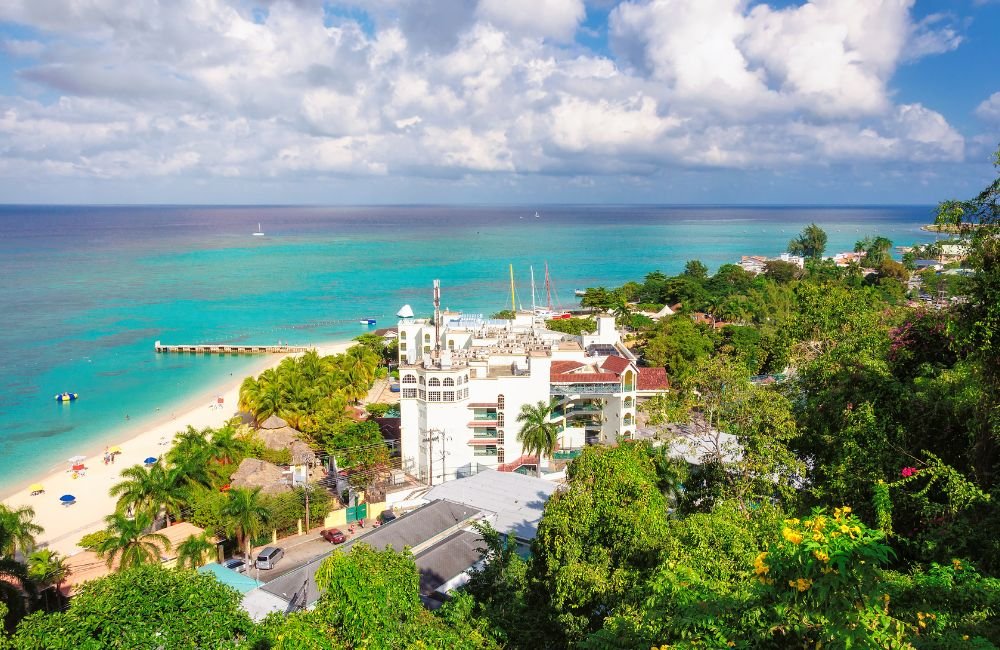
If relaxing by the sea is your priority, consider whether a beach excursion to nearby Montego Bay fits your itinerary.
Doctor’s Cave Beach is a recognised bathing beach on Jimmy Cliff Boulevard in Montego Bay. The beach offers swimming and snorkelling opportunities, along with facilities that may include changing areas, showers, food services and equipment rental.
It is important to distinguish this from the Falmouth town centre. Doctor’s Cave Beach is in Montego Bay and requires road transport from Falmouth, so it is not a quick walk from the cruise terminal.
Allow time for both the outbound and return journeys, along with traffic and any other arrangements your excursion requires. A beach visit is best suited to a port call with enough time to enjoy the destination without rushing back to the ship.
Check the beach’s official website for current admission, opening hours and facilities before travelling.
7. Explore Rose Hall Great House
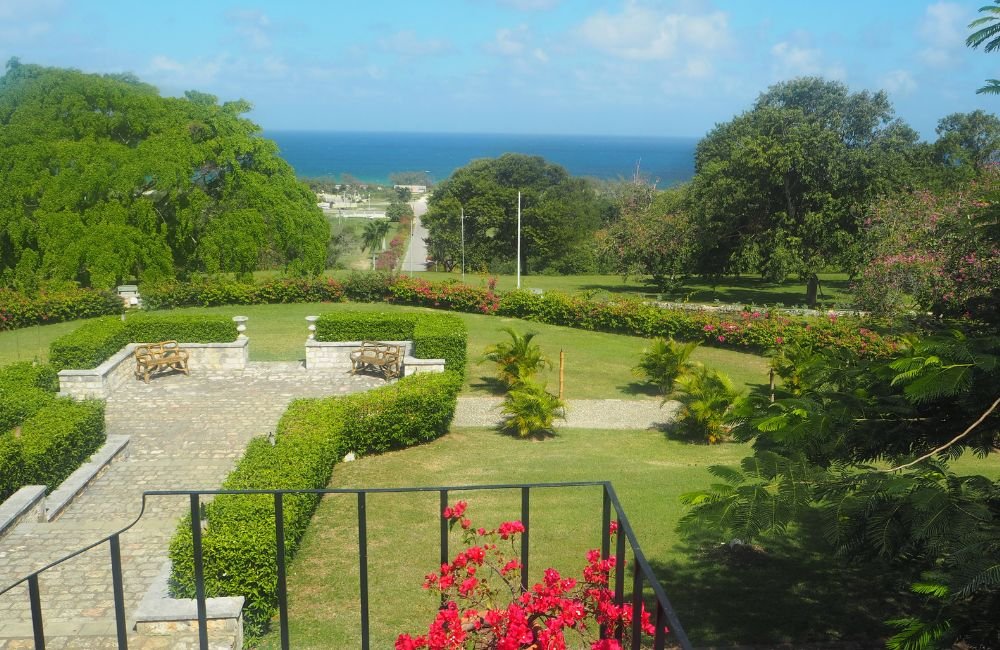
For visitors interested in Jamaica’s colonial-era architecture and history, Rose Hall Great House is another possible excursion in the wider Montego Bay area.
The historic great house is associated with plantation history and is often included in sightseeing itineraries around Montego Bay. A visit can complement a heritage walk in Falmouth, although the two experiences cover different sites and require transport between them.
Before booking, check the current admission arrangements, available tours and operating hours. Consider the historical interpretation offered during the visit, particularly if you want to understand the wider history of the plantation economy and enslavement in Jamaica.
As with any excursion outside Falmouth, make sure the journey and planned visit fit your available time ashore.
8. Plan Your Falmouth Visit Around Your Cruise Schedule
The most enjoyable port day is not necessarily the one with the largest number of activities. A sensible plan gives you enough time to explore, eat, browse and return to the ship without unnecessary pressure.
If you have a shorter port call
Focus on Falmouth itself. Explore part of the historic centre, take a heritage walk if one is available, sample Jamaican food and browse local shops.
This approach avoids spending much of your time in a vehicle and leaves more room to enjoy the town.
If you have a longer port call
You may have time for a pre-booked excursion outside the historic centre, such as a nature activity or a visit to a nearby attraction.
Choose one main excursion and build the rest of the day around it. Attempting to fit in the heritage district, a beach, a river activity and a distant historic house can leave little time to enjoy any of them.
Independent travel or an organised shore excursion?
An organised excursion may be convenient because transport and activity arrangements are handled together. It can also be useful when your available time is limited.
Independent visitors have more flexibility, particularly when they intend to stay close to the port and explore on foot. However, they need to account for their own transport arrangements and return schedule.
If you book independently, choose a reputable operator, confirm the price and inclusions before departure, and allow a generous return buffer. Cruise ships normally have published all-aboard times, and you should never assume the vessel will wait for an independently arranged excursion that runs late.
For additional planning advice, consult your cruise line’s shore-excursion guidance before deciding how far to travel from the port.
9. Check Current Travel Conditions Before You Go
Jamaica experienced significant damage from Hurricane Melissa in October 2025, and the recovery has not been uniform across the island.
The Jamaica Tourist Board currently reports that the country’s cruise ports and airports are operational. However, its attraction-reopening listings also show that individual businesses and excursions may remain closed or operate with restrictions. Foreign government travel advice has also reported continuing disruption in parts of western Jamaica.
For visitors to Falmouth, this means that general destination information is not a substitute for checking the specific attraction you intend to visit.
Before leaving the ship or travelling independently:
- Check the current Jamaican tourism alerts and attraction-reopening list.
- Confirm excursion availability directly with the operator.
- Follow your cruise line’s instructions about shore access and return times.
- Review your own government’s travel advice for Jamaica.
- Follow local guidance about weather, road conditions and any affected facilities.
If you are planning a resort stay rather than a cruise stop, confirm that your accommodation and airport transfers are operating as expected.
These checks are especially important when a trip involves several separate operators or an excursion away from the immediate port area.
10. Practical Tips for a Comfortable Day Ashore
A few simple preparations can make your time in Falmouth easier.
Wear comfortable footwear. A heritage walk involves time on your feet, and suitable shoes are useful on uneven or unfamiliar surfaces.
Prepare for the weather. Jamaica’s tropical climate can be hot and humid. Carry drinking water, sun protection and light rain protection suited to the forecast.
Use reliable transport. For excursions outside the town centre, confirm the provider, price and return arrangements before setting off.
Keep valuables secure. Carry only what you need for the day and keep your passport, money, phone and other important belongings secure.
Carry suitable payment options. Check whether your intended businesses accept cards or prefer cash, and understand the currency you are being quoted.
Respect local communities. Ask permission before photographing people, follow instructions at heritage sites and buy from local businesses where practical.
Keep your schedule flexible. Weather, traffic and changes in attraction availability can affect plans. Having a simple alternative is better than relying on a tightly packed itinerary.
Is Falmouth Worth Visiting on a Caribbean Cruise?
Falmouth offers more than a shopping stop or a route to a beach. Its historic architecture, public spaces, local cuisine and heritage tours provide a different perspective on Jamaica’s north coast.
A visit centred on the old town can suit travellers who enjoy walking, history and food. Those with more time may be able to arrange an excursion into the surrounding area, provided the attraction is operating and the journey fits the cruise schedule.
The most important step is to plan around the time you actually have, verify current conditions and choose experiences that match your interests. By doing so, you can enjoy Falmouth’s distinctive character without spending the whole day rushing between attractions.
