
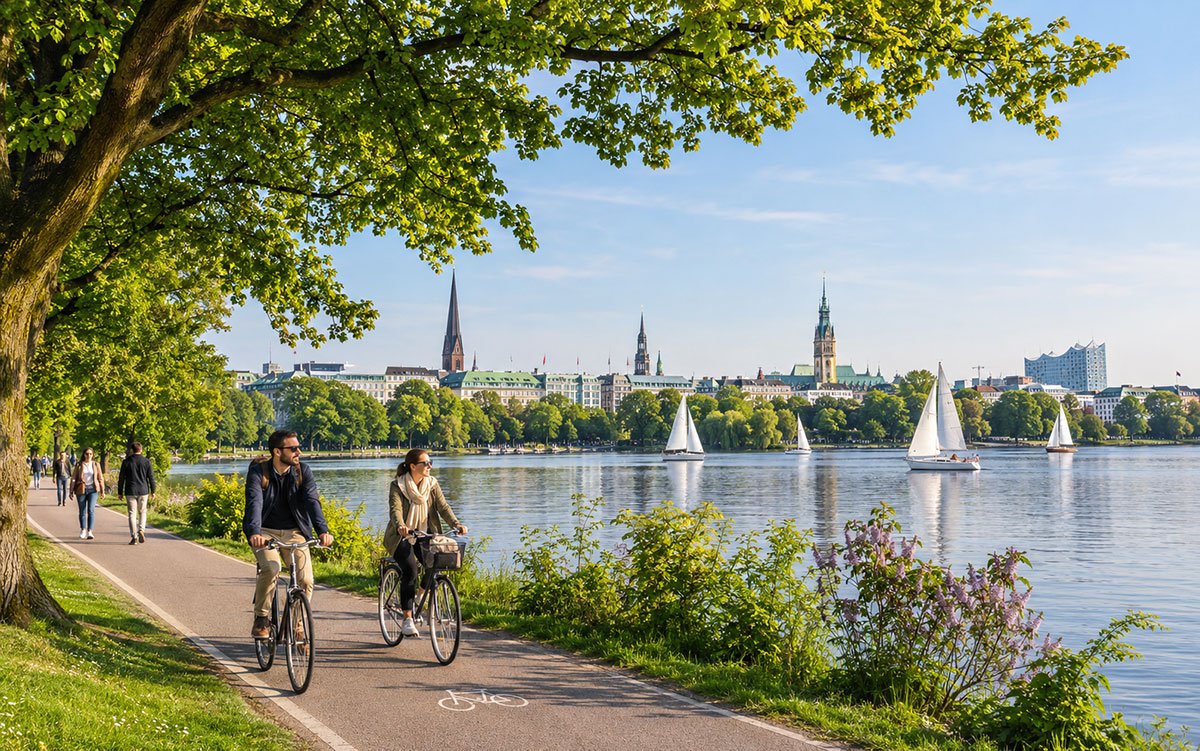
Hamburg’s Alster waterfront offers scenic walking and cycling opportunities for travellers exploring the city without a car.
Sustainable Travel in Hamburg: A Practical Green City Guide
Hamburg is one of Germany’s most appealing destinations for travellers who want to explore a major European city while making environmentally responsible choices. With waterfront promenades, extensive parks, an established cycling network and convenient public transport, the city offers plenty of opportunities for a greener holiday.
Sustainable travel in Hamburg is relatively straightforward. Visitors can explore historic neighbourhoods on foot, cycle beside the Alster lakes, enjoy the Elbe waterfront and discover innovative urban developments without renting a car.
The city also has environmentally certified accommodation, vegetarian and vegan dining options, and initiatives that encourage more responsible tourism.
This guide explains the best green attractions in Hamburg, how to get around, where to consider staying and how to plan a more sustainable city break.
Why Hamburg Is a Great Destination for Sustainable Travel
Hamburg combines a major commercial port with an extensive network of parks, lakes, rivers and protected natural areas.
The city received the European Green Capital award in 2011, recognising its environmental policies and approach to urban development.
Today, sustainability remains an important part of Hamburg’s tourism strategy.
Several characteristics make the city particularly attractive to environmentally conscious visitors:
- An extensive network of underground trains, suburban rail services, buses and public harbour ferries.
- Public bike-sharing services and established cycling routes.
- Large parks, botanical gardens and nature reserves.
- Sustainable urban planning projects, particularly in HafenCity.
- Accommodation with recognised environmental certifications.
- Restaurants and markets offering seasonal, regional and plant-based food.
However, sustainable tourism is about more than choosing a green destination. Visitors can reduce their impact further through transport, accommodation, dining and sightseeing decisions.
How to Travel to Hamburg More Sustainably
Choose Rail Travel When Practical
Travelling by train can be an effective way to reduce the environmental impact of a European city break, particularly when it replaces a short-haul flight.
Hamburg has strong connections to Germany’s national rail network and international train services.
Hamburg Hauptbahnhof, the city’s central railway station, provides convenient access to public transport and the main shopping and sightseeing districts.
Travellers arriving from other European destinations can compare rail journeys through Deutsche Bahn and relevant international rail operators.
When rail travel is practical, it also removes the need for an airport transfer.
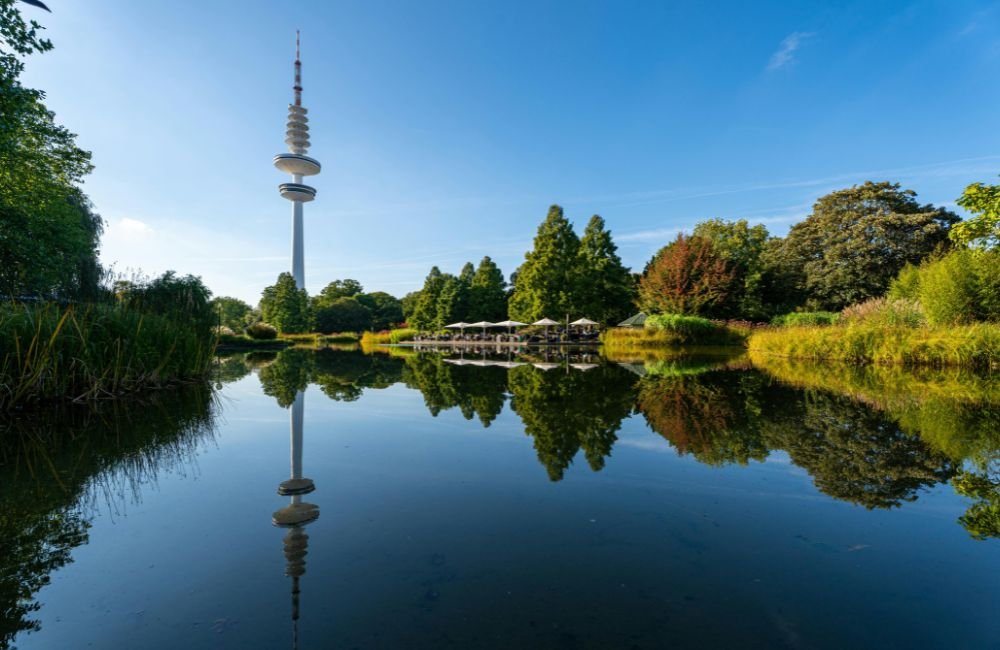
Hamburg’s iconic Heinrich Hertz Tower rises above a peaceful green landscape, with its distinctive structure reflected in the calm water.
Getting From Hamburg Airport to the City
Visitors arriving by air can use the S1 suburban railway service between Hamburg Airport and the city centre.
The journey between Hamburg Airport and Hamburg Central Station normally takes approximately 25 minutes.
The railway station is accessible directly from the airport terminals.
This makes public transport a convenient alternative to arranging a private vehicle.
Before travelling, check the current timetable and ticket requirements through Hamburg’s public transport authority, hvv.
Getting Around Hamburg Without a Car
One of the easiest ways to make a Hamburg holiday more sustainable is to use the city’s existing transport network.
Public Transport: Trains, Buses and Ferries
Hamburg’s public transport system, known as hvv, connects the city centre with residential districts, waterfront attractions and surrounding areas.
The network includes:
- U-Bahn underground trains.
- S-Bahn suburban trains.
- City and regional buses.
- Public harbour ferries.
- Selected regional rail services.
Visitors can purchase single tickets, day tickets or other suitable travel products.
The Hamburg CARD is another option for tourists. It combines eligible local public transport with discounts at participating attractions.
Compare ticket options against your itinerary rather than assuming a tourist card offers the best value.
Explore Hamburg by Bicycle
Cycling provides a flexible way to experience Hamburg’s waterfront, parks and neighbourhoods.
The city’s StadtRAD bike-sharing programme allows users to hire bicycles from designated stations through its app.
However, StadtRAD is not universally free.
Its Light tariff charges by the minute without an annual base fee. Other tariffs offer an initial period of free riding on each journey in return for an annual fee.
Conditions, charges and available bicycles can change, so check the official StadtRAD website before hiring.
For a scenic ride, consider the paths beside the Alster or designated cycling routes connecting the city’s districts.
Always follow local cycling signs and use appropriate lanes. Pedestrian-only paths and busy waterfront areas require extra care.
Discover the Harbour by Public Ferry
Hamburg’s harbour ferries are part of its public transport network.
The popular Ferry 62 connects Landungsbrücken with several stops along the Elbe, including Neumühlen/Övelgönne and Finkenwerder.
It offers views of the working harbour while serving as an everyday transport connection.
Eligible hvv tickets cover public ferry services, although separate sightseeing cruises have different ticket arrangements.
A public ferry is a convenient option for visitors who want to explore the waterfront without hiring a private boat.
Best Green Attractions in Hamburg
Hamburg’s green spaces range from landscaped city gardens to lakeside paths and large recreational parks.
These attractions make it possible to enjoy nature without travelling far beyond the urban area.
1. Planten un Blomen: A Peaceful Garden in the City
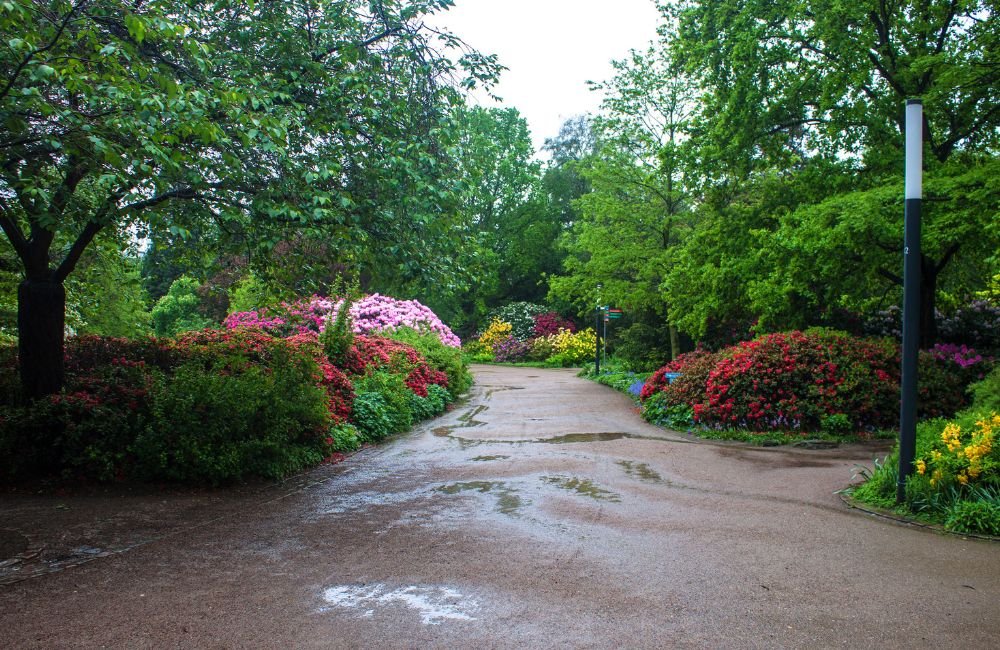
Colourful flowers, lush greenery and peaceful walking paths make Planten un Blomen one of Hamburg’s most beautiful urban parks.
Planten un Blomen is one of Hamburg’s best-known public parks.
Located close to the city centre, it provides a peaceful escape from busy shopping streets and sightseeing areas.
The park is especially attractive for its landscaped gardens, ponds, winding paths and seasonal flowers.
Highlights include its Japanese garden, rose garden and green spaces where visitors can relax or enjoy a picnic.
Some events and facilities operate seasonally, so check the official programme if you are planning a particular activity.
Sustainable travel tip: Combine a visit to Planten un Blomen with nearby attractions on foot instead of making several separate journeys across the city.
2. Alster Lakes: Walk, Cycle and Relax Beside the Water
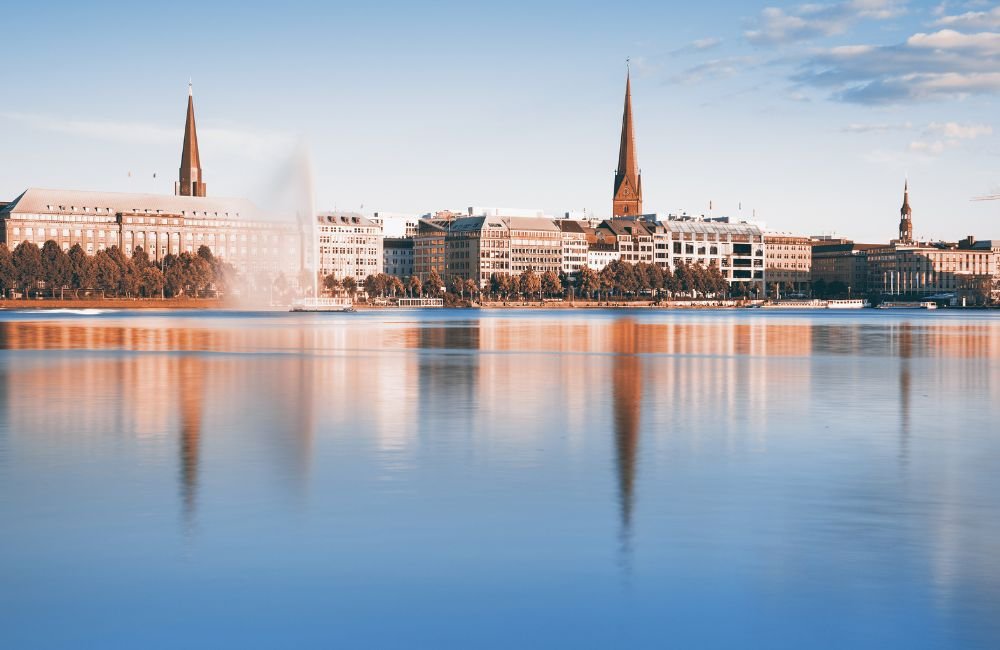
Hamburg’s beautiful Inner Alster Lake (Binnenalster), featuring the iconic Alster Fountain, historic city architecture and peaceful waterfront reflections.
The Alster lakes are among Hamburg’s defining natural features.
The Binnenalster, or Inner Alster, sits close to the central shopping and business districts. The larger Außenalster, or Outer Alster, offers extensive waterfront paths and green surroundings.
Visitors can enjoy walking, jogging, cycling or simply watching sailing boats from the lakeside.
The Outer Alster is particularly appealing when the weather is pleasant.
Rather than rushing around the entire lake, choose a comfortable section of the waterfront and spend time exploring the surrounding neighbourhoods.
This slower approach allows visitors to appreciate Hamburg’s distinctive combination of urban architecture and waterside nature.
3. Stadtpark: Hamburg’s Large Urban Green Space
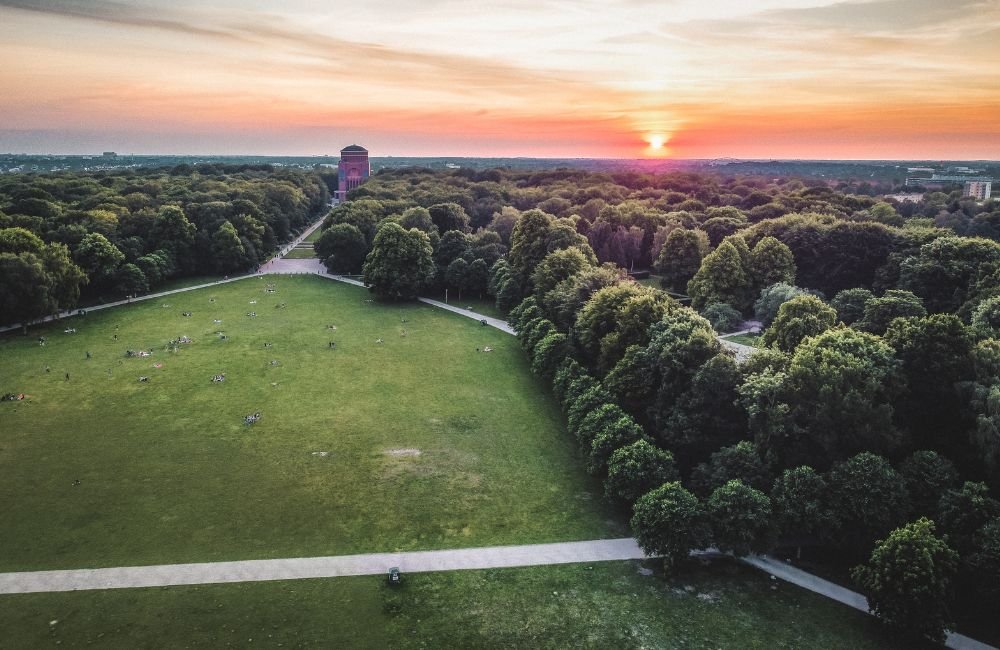
A beautiful sunset over Stadtpark Hamburg, showcasing its expansive green lawns, lush woodland and historic Planetarium beneath a colourful evening sky.
Hamburg Stadtpark offers expansive lawns, mature trees, recreational spaces and a lake.
Located in the Winterhude area, it is a popular destination for walking, picnics and outdoor recreation.
The park also contains Hamburg’s Planetarium, housed in a former water tower.
Stadtpark is particularly suitable for families and travellers who want a relaxing afternoon away from crowded tourist attractions.
Visitors can reach the surrounding area using public transport, including nearby U-Bahn and S-Bahn stations.
Bring a reusable water bottle and picnic supplies, and dispose of waste responsibly.
4. HafenCity: Sustainable Urban Development
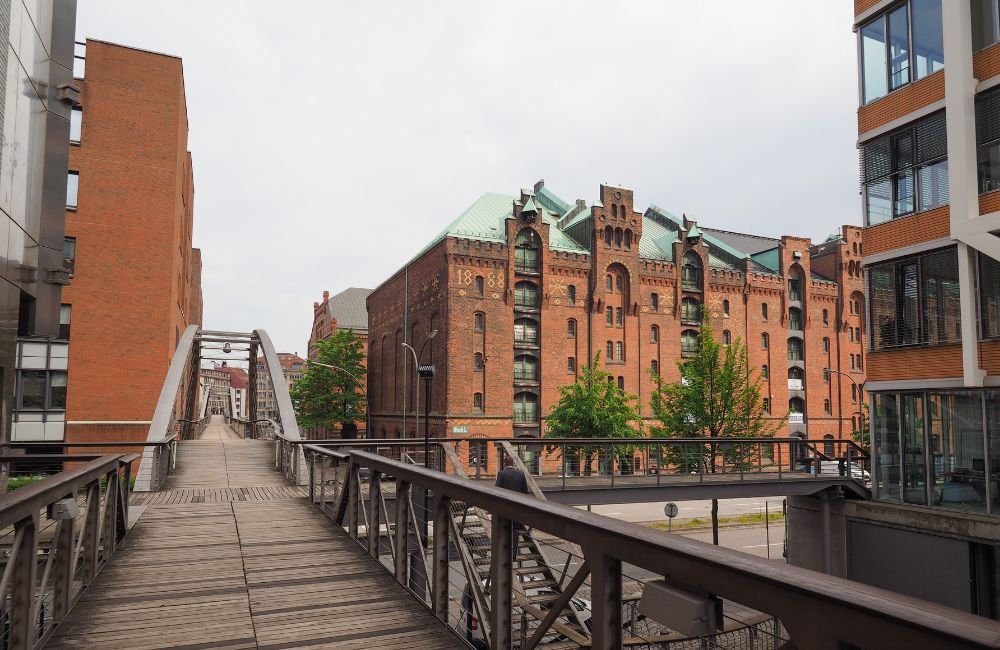
Historic red-brick architecture and pedestrian bridges in Hamburg’s HafenCity area, where the city’s maritime heritage meets modern urban development.
HafenCity demonstrates how Hamburg is reshaping former port and industrial land into a mixed-use urban district.
The development combines residential buildings, offices, cultural attractions, public squares and waterfront promenades.
Environmental considerations include building certification, energy infrastructure, mobility planning and public open spaces.
HafenCity’s sustainability initiatives extend beyond landscaping. The district incorporates measures intended to improve the environmental performance of buildings and transport systems.
Visitors can explore the waterfront on foot, admire contemporary architecture and discover public spaces such as Lohsepark.
The nearby Elbphilharmonie is also one of Hamburg’s most recognisable architectural landmarks.
HafenCity remains an evolving urban development, so construction activity and public access arrangements may vary between areas.
Sustainable travel tip: Explore HafenCity and the neighbouring historic Speicherstadt warehouse district during the same outing.
5. St. Pauli Green Bunker: Nature Above the City
The St. Pauli Green Bunker offers a distinctive example of adapting existing urban architecture.
Originally constructed as an air-raid shelter during the Second World War, the building has been transformed into a cultural and hospitality destination with extensive rooftop greenery.
Visitors can follow an outdoor elevated walkway towards the roof garden, which offers panoramic views across Hamburg.
The project demonstrates how vegetation and public green space can be integrated into existing structures.
It also preserves an important piece of the city’s history.
Public rooftop access arrangements can vary by season and weather, so check visitor information before arriving.
6. Övelgönne and the Elbe Waterfront
The Elbe waterfront reveals a different side of Hamburg.
At Övelgönne, visitors can walk along the sandy shore, observe passing ships and enjoy views across the working harbour.
The nearby museum harbour provides opportunities to see historic vessels.
The area is especially enjoyable for a relaxed walk or an afternoon by the water.
Public Ferry 62 offers a convenient way to reach the Neumühlen/Övelgönne area.
The Elbe is a working tidal river with shipping traffic and potentially dangerous currents. Treat the waterfront primarily as a place for walking and sightseeing, rather than assuming it is safe for swimming.
7. Loki Schmidt Garden: Discover Hamburg’s Plant Diversity
The Loki Schmidt Garden is an appealing destination for travellers interested in plants, conservation and quiet outdoor spaces.
This botanical garden features diverse plant collections and landscaped areas suitable for a leisurely visit.
The garden provides an opportunity to learn about botanical diversity while enjoying a less commercial sightseeing experience.
It is accessible by public transport, with the S-Bahn station Klein Flottbek nearby.
Allow time to explore at an unhurried pace, particularly during the warmer months when many outdoor plants are in bloom.
Enjoy Sustainable Food and Local Experiences
Hamburg’s dining scene offers choices for visitors who want to eat more responsibly.
Vegetarian and vegan restaurants, seasonal menus and organic food outlets can be found across different neighbourhoods.
Visitors can also explore local markets and independent food businesses.
How to Make Greener Dining Choices
Consider the following practices:
- Choose plant-based dishes when they appeal to you.
- Look for seasonal ingredients and clearly identified regional products.
- Support independent cafés, restaurants and food businesses.
- Avoid ordering more food than you are likely to eat.
- Carry a reusable bottle and shopping bag.
- Ask about takeaway packaging when purchasing food.
Local markets can be enjoyable places to explore Hamburg’s food culture. However, not every product sold at a local market is necessarily grown or produced nearby.
For a concentrated selection of independent shops and food businesses, explore areas such as Karolinenviertel and Sternschanze.
Hamburg’s official tourism website also provides recommendations for sustainable restaurants, fair-trade shopping and regional food experiences.
Where to Stay: Eco-Friendly Hotels in Hamburg
Accommodation is another important consideration when planning a sustainable city break.
Hotels differ considerably in their energy consumption, water use, waste management and environmental policies.
Rather than relying entirely on marketing descriptions such as “green hotel” or “eco-luxury”, look for recognised environmental certifications.
Understand Environmental Certifications
Green Key is an international sustainability certification programme for hospitality businesses and attractions.
Its criteria address areas such as environmental management, resource use, staff involvement and guest information.
The EU Ecolabel is another recognised environmental certification worth considering when comparing eligible accommodation.
These programmes can provide useful evidence of environmental management practices, although certification does not mean a property has no environmental impact.
An Example of Certified Accommodation
The Radisson Blu Hotel, Hamburg identifies itself as Green Key certified on its official website.
The hotel describes initiatives involving energy and water efficiency, waste management and responsible operations.
Its location near Dammtor station can also be convenient for visitors using public transport.
However, travellers should check the property’s current certification and facilities before booking.
Questions to Ask Before Booking
When comparing accommodation, consider:
- Does the property hold a recognised, current environmental certification?
- Is it close to an appropriate public transport stop?
- Does the hotel explain its energy and water conservation practices?
- Are reusable or refillable amenities available?
- Can guests choose to reuse towels and bed linen?
- Does the accommodation provide useful information about local transport?
A well-located hotel can reduce the need for taxis and make walking-based sightseeing easier.
A Two-Day Sustainable Hamburg Itinerary
You do not need an elaborate itinerary to experience Hamburg responsibly.
This two-day plan combines major attractions with green spaces, using walking and public transport wherever practical.
Day 1: Gardens, Lakes and Green Architecture
Morning: Explore the Alster Waterfront
Begin near the Inner Alster, then follow part of the waterfront towards the Outer Alster. Enjoy the lake views and surrounding green spaces.
Afternoon: Relax at Planten un Blomen
Visit the gardens, explore the walking paths and take time for a picnic or café stop.
Late Afternoon: Visit the St. Pauli Green Bunker
Walk or use public transport to reach the bunker. Explore the rooftop garden if access is available.
Evening: Discover Local Dining
Choose a restaurant in St. Pauli, Karolinenviertel or another nearby neighbourhood. Consider a seasonal or plant-based meal.
Day 2: Waterfront Development and the Elbe
Morning: Discover HafenCity
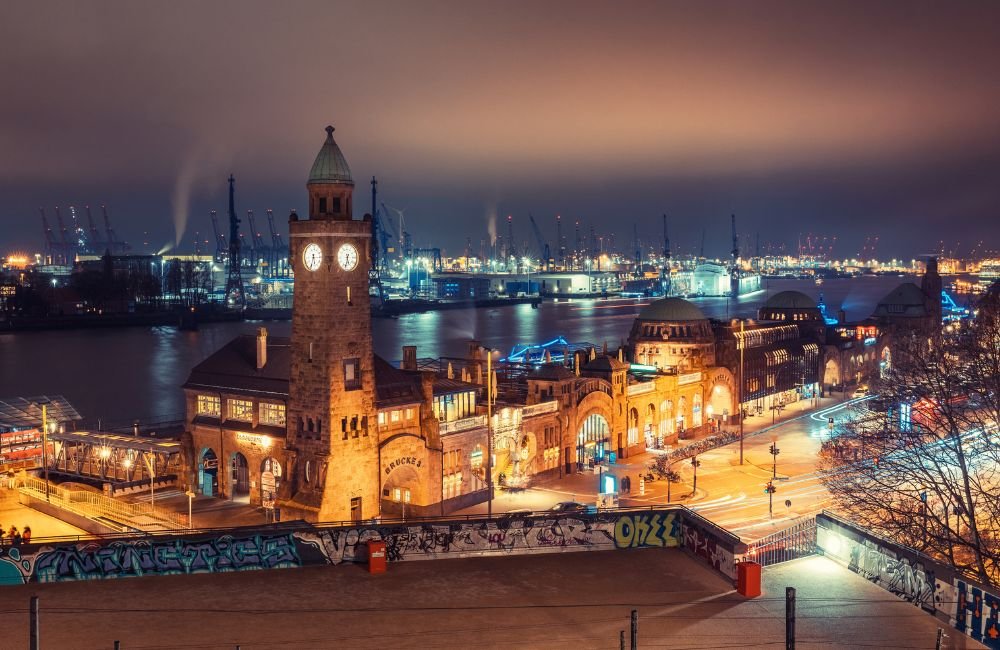
The historic St. Pauli Piers (Landungsbrücken) glow at night, overlooking Hamburg’s busy harbour, illuminated waterfront and port cranes.
Explore HafenCity’s waterfront promenades, public spaces and sustainable urban design.
Continue towards the historic Speicherstadt district to appreciate Hamburg’s architectural heritage.
Afternoon: Travel Along the Elbe
Use public transport to reach Landungsbrücken and take an eligible harbour ferry service towards Övelgönne.
Enjoy a relaxed walk beside the Elbe and visit the museum harbour.
Evening: Return by Public Transport
Return to your accommodation using the ferry, railway or bus network.
Travellers with additional time could devote another half-day to Stadtpark or the Loki Schmidt Garden.
Best Time to Visit Hamburg for a Green Holiday
Hamburg offers outdoor activities throughout the year, although the experience changes with the seasons.
Spring: Gardens and Comfortable Sightseeing
Spring is a rewarding time to explore Hamburg’s parks and lakeside paths.
As trees and flowers come into bloom, the city’s gardens become particularly attractive.
Temperatures can still be cool, and rain is possible.
Summer: Cycling and Waterfront Activities
Summer generally offers longer daylight hours and more opportunities for outdoor sightseeing.
This is a popular season for picnics, cycling and spending time beside the Alster and Elbe.
Popular public spaces can become busy during fine weather.
Autumn: Parks and Quieter Walks
Autumn brings colourful foliage to Hamburg’s parks and tree-lined streets.
It can be a pleasant season for walking, although rain and wind become important considerations.
Winter: Culture and Shorter Outdoor Excursions
Winter visitors can still enjoy Hamburg’s waterfront and parks, but cold temperatures and shorter daylight hours may limit lengthy outdoor activities.
Combine shorter walks with museums, indoor cultural attractions and neighbourhood cafés.
Throughout the year, pack a waterproof outer layer and comfortable walking shoes.
Practical Tips for Responsible Travel in Hamburg
A sustainable holiday does not require complicated planning.
Small, consistent choices can help reduce unnecessary environmental impact.
- Travel by train where practical. Compare rail options before booking short flights.
- Use public transport for longer journeys. Hamburg’s network makes car-free sightseeing straightforward.
- Walk and cycle where appropriate. Group nearby attractions into the same outing.
- Choose accommodation carefully. Look for recognised environmental certification and convenient transport connections.
- Respect natural spaces. Stay on designated paths and avoid disturbing wildlife.
- Reduce unnecessary waste. Carry reusable essentials and follow local waste-disposal arrangements.
- Support local businesses. Explore independent shops and neighbourhood food establishments.
- Travel at a comfortable pace. Spending more time in fewer locations can make the trip more enjoyable.
For visitors travelling from outside the European Union or Schengen area, check Germany’s official entry and visa requirements before departure.
Travellers with limited mobility should also review accessible station information and attraction facilities. Some historic streets, park paths and waterfront access points may present challenges.
Is Hamburg Worth Visiting for Sustainable Tourism?
Hamburg offers a convincing combination of urban culture, public transport, green spaces and waterfront scenery.
Few city breaks require visitors to choose between architecture, museums, parks and natural surroundings. Hamburg provides opportunities to enjoy all four.
Its sustainability initiatives are significant, but the city is not environmentally impact-free. Its port, transport systems and urban activities still have environmental costs.
For travellers, the most useful approach is to make thoughtful decisions rather than expect a perfectly carbon-neutral holiday.
Choose convenient rail connections, explore on foot, use public transport, consider certified accommodation and support businesses that demonstrate responsible practices.
With those choices, a sustainable holiday in Hamburg can be both practical and memorable.
