
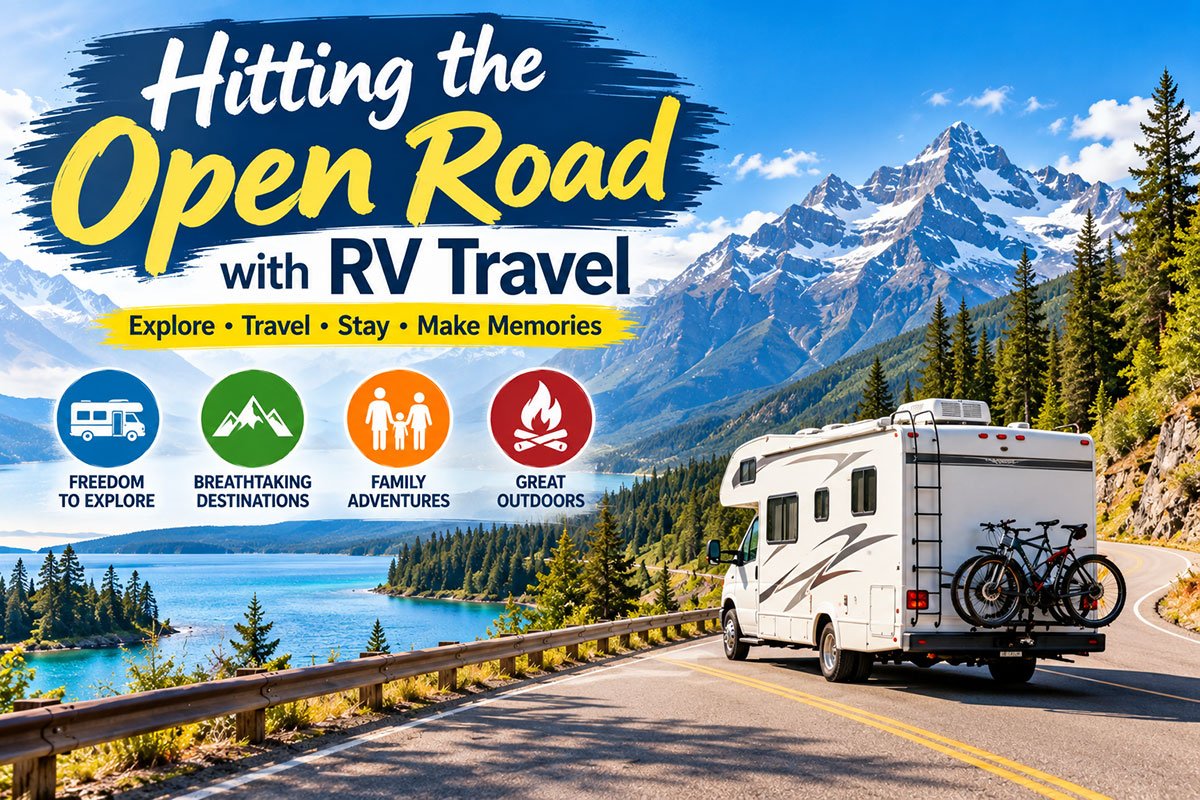
Hitting the Open Road: Your Guide to RV Travel
Discover the Freedom of RV Travel
RV travel offers a unique way to explore the open road while bringing many of the comforts of home along for the journey. A recreational vehicle (RV) can provide sleeping space, cooking facilities, storage and, in some models, a bathroom and shower.
From compact campervans to spacious motorhomes and towable travel trailers, RVs come in different sizes and layouts. Some suit weekend getaways, while others offer the space needed for extended road trips.
One of the biggest attractions of RV travel is flexibility. You can explore scenic routes, spend extra time in places you enjoy and build a journey around your interests. With careful planning, an RV holiday can combine comfort, adventure and opportunities to discover destinations beyond the usual tourist trail.
Why Choose RV Travel for Your Next Holiday?
RV travel gives you more control over your itinerary than many traditional holidays. Instead of relying entirely on hotel bookings and restaurant schedules, you can carry your accommodation and prepare some meals yourself.
Here are some reasons travellers choose an RV road trip:
- Greater flexibility: Adjust your route and travel schedule as your plans change.
- Comfort on the road: Keep clothes, food and personal belongings in your vehicle.
- Family-friendly travel: Enjoy shared living space and carry games, snacks and other essentials.
- Outdoor experiences: Stay near national parks, lakes, forests and scenic destinations where suitable campsites are available.
- Home-style meals: Use onboard cooking facilities to prepare meals and reduce restaurant expenses.
- Longer adventures: Travel for days or weeks without changing hotels every night.
However, RV travel requires preparation. Fuel, campground fees, maintenance, insurance and equipment can add up. A realistic budget will help you decide whether renting or buying an RV suits your plans.
How RV Travel Can Help You Manage Holiday Costs
One potential advantage of RV travel is combining transportation and accommodation in a single vehicle. You may spend less on hotels and restaurant meals, particularly when travelling with family or staying away for several nights.
However, an RV holiday is not automatically cheaper than a conventional trip. Fuel consumption, campsite charges, rental costs, tolls and vehicle maintenance can significantly affect your total spending.
Build a realistic RV travel budget
Before setting off, estimate the following expenses:
- RV rental payments or vehicle ownership costs
- Fuel and toll charges
- Campsite fees and utility connections
- Groceries, drinking water and meals
- Insurance and roadside assistance
- Maintenance, repairs and replacement equipment
- Attraction tickets and other activities
Compare the estimated cost with your usual holiday expenses. If you already own an RV, include the costs of maintaining and storing it rather than treating the vehicle as free accommodation.
You can also save money by preparing meals, travelling outside peak periods and choosing campsites that match your needs. Some locations offer basic facilities at lower prices, while full-service RV parks may provide electricity, water, showers and laundry facilities.
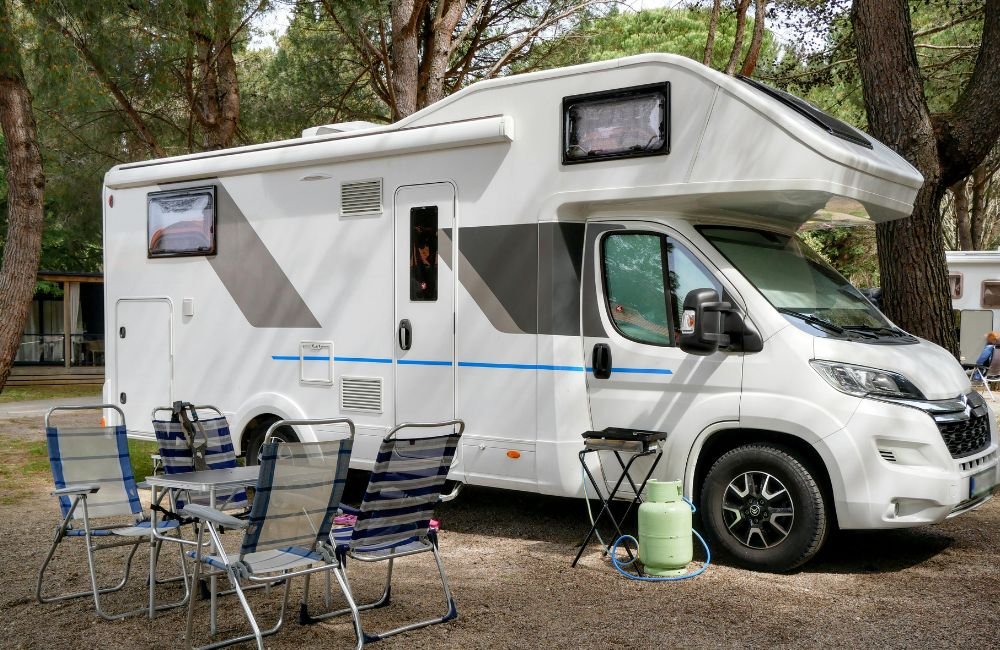
Choose the Right Recreational Vehicle
The right RV depends on your travel style, group size, driving experience and budget. Before renting or purchasing one, consider how much living space you need and the types of roads you plan to use.
Common types of RVs
Motorhomes: These vehicles combine the driving area and living space. Larger models often include a kitchen, bathroom, sleeping areas and additional storage.
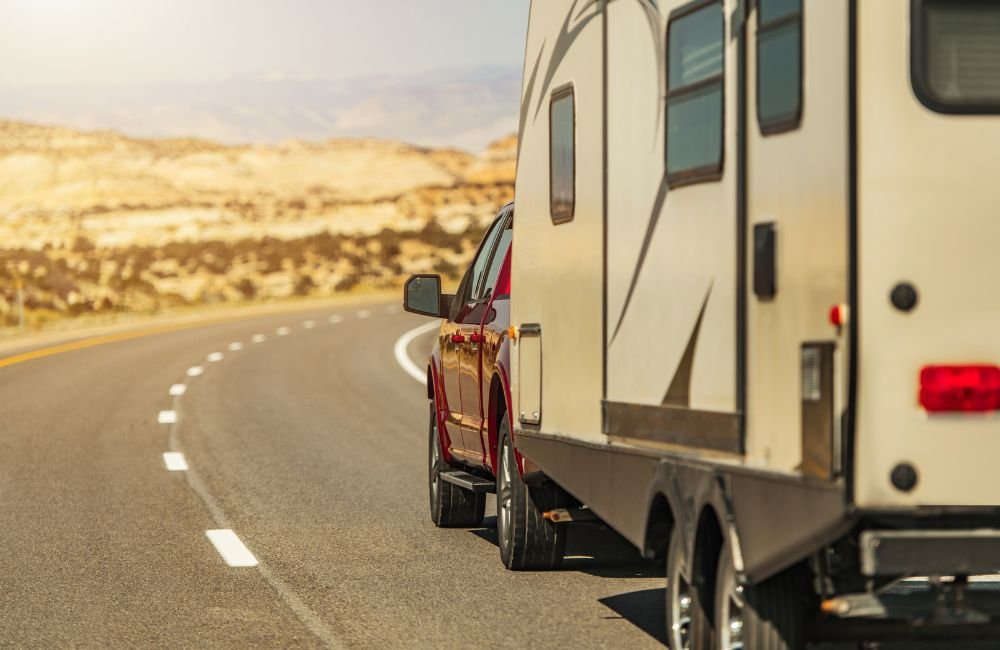
Travel trailers: These towable units attach to a suitable towing vehicle. They allow travellers to leave the trailer at a campsite while using the towing vehicle for local journeys.
Campervans: Compact campervans suit couples or small groups who prefer easier driving and simpler accommodation.
Fifth-wheel trailers: These larger trailers connect to a compatible pickup truck and often provide spacious living areas.
Pop-up campers: These lightweight camping units can be easier to store and tow, although their facilities vary considerably.
Before choosing an RV, check its sleeping capacity, storage space, kitchen facilities, bathroom arrangements and accessibility. If you plan to tow a trailer, confirm that your vehicle’s rated towing capacity and other weight limits can safely accommodate the loaded trailer.
Prepare Your RV Before Hitting the Road
A successful RV trip starts with a thorough inspection. Even a well-maintained vehicle can develop problems if you overlook routine checks or carry unsuitable equipment.
Begin by reviewing the manufacturer’s maintenance schedule and inspecting essential systems. Check the tyres, lights, brakes, fluid levels and battery. Test the water system, appliances and other facilities you expect to use during the trip.
Tyre safety deserves particular attention. The US National Highway Traffic Safety Administration recommends proper tyre maintenance and warns that poor inflation and tyre deterioration can increase the risk of failure. Follow your vehicle and tyre manufacturers’ guidance on inspection, inflation and replacement.
RV equipment checklist
Pack equipment according to your vehicle and the facilities available at your planned campsites.
- Cooking utensils, plates, cups and food-storage containers
- Drinking water and basic cleaning supplies
- Bedding, towels and weather-appropriate clothing
- First-aid kit and emergency contact details
- Torch, spare batteries and portable power equipment
- Wheel chocks and other approved safety equipment
- Suitable tyre-pressure gauge and basic tools
- Charging cables and navigation equipment
- Waste bags and the correct waste-disposal supplies
- Essential spare parts recommended by your RV manufacturer
Check that the equipment is suitable for your RV. Keep heavy items securely stored, and never exceed the vehicle’s weight limits.
For gas, electrical, braking or other specialist systems, arrange professional servicing when needed. Do not attempt repairs beyond your training or the manufacturer’s instructions.
Plan Your Route and Book Suitable Campsites
RV travel offers flexibility, but some destinations have restrictions on vehicle length, height, parking and overnight stays. A little research can prevent difficult detours and last-minute accommodation problems.
Choose a route that suits your driving experience and vehicle dimensions. Check road conditions, fuel availability, bridge clearances and any restrictions that apply to large vehicles or trailers.
Reserve campsites in advance
Popular campgrounds can fill quickly during holidays and peak travel seasons. Booking ahead is particularly useful when visiting national parks, major attractions or remote areas with limited accommodation.
The US government’s Recreation.gov service advises travellers to check individual campground booking windows, availability and site-specific rules. Some locations require advance reservations, while others offer different booking arrangements.
Before booking, confirm:
- The maximum permitted RV length and vehicle dimensions
- Whether your site offers electricity, water and sewer connections
- The availability of showers, laundry and other facilities
- Check-in times, cancellation policies and additional fees
- Rules for pets, generators, fires and quiet hours
The US National Park Service also advises visitors to check individual parks for RV size restrictions and the number of suitable campsites.
If you prefer a more spontaneous trip, identify alternative campgrounds and overnight stops before you leave. Never assume that a roadside location or public car park permits overnight RV stays.
Is RV Travel Right for You?
RV travel can suit families, couples, solo travellers and outdoor enthusiasts who enjoy independent holidays. It offers a different experience from hotels, but it also involves responsibilities that some travellers may find challenging.
You will need to manage limited storage, clean living areas, handle waste correctly and adapt to the vehicle’s size. Driving a large motorhome or towing a trailer may also require additional practice.
If you prefer remote wilderness camping, check whether your chosen RV can safely access the area and whether overnight parking is permitted. Some destinations offer designated RV sites, while others have limited access or no suitable facilities.
First-time travellers may find it helpful to rent an RV for a short trip before purchasing one. This allows you to test the layout, driving experience and practical requirements without making a long-term commitment.
Make Your RV Road Trip More Enjoyable
A good itinerary balances sightseeing with enough time to relax. Avoid planning long driving days back-to-back, and allow time for rest, meals and unexpected delays.
Keep important documents accessible, monitor weather forecasts and share your itinerary with someone you trust. Follow local road rules, drive at a speed appropriate for your vehicle and take breaks whenever you feel tired.
Respect the places you visit by disposing of rubbish properly, using designated waste facilities and following local camping and fire restrictions. Leave campsites clean for the next visitors.
Most importantly, stay flexible. A scenic detour, a quiet lakeside stop or an extra night in a favourite destination may become the highlight of your journey.
Start Planning Your RV Travel Adventure
RV travel brings transportation, accommodation and everyday comforts together in one flexible holiday experience. It can help you explore new places at your own pace, spend more time outdoors and create memorable experiences with family or friends.
The key is to choose a suitable recreational vehicle, understand the costs, prepare your equipment and plan your overnight stops carefully. Check your vehicle before departure, reserve campsites when necessary and follow local safety guidance throughout your trip.
With thoughtful preparation and a flexible itinerary, hitting the open road in an RV can be a rewarding way to discover new destinations and enjoy the journey as much as the destination.
