
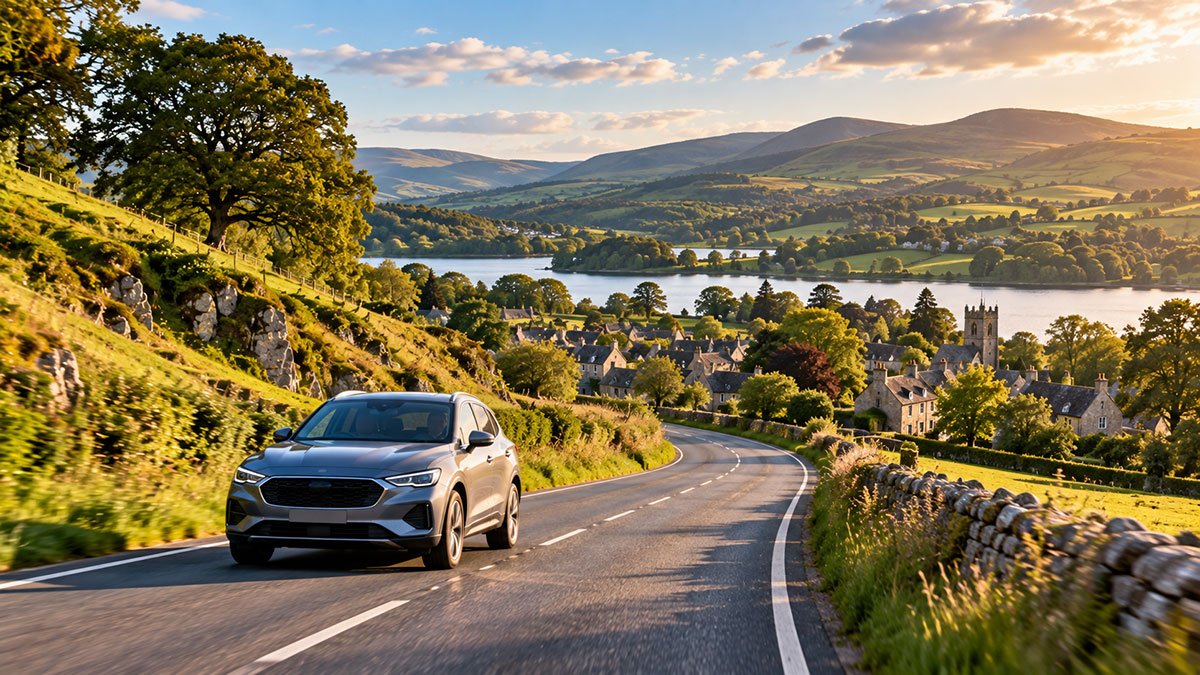
Enjoy the freedom of the open road while discovering scenic routes and unexpected stops along the way.
Planning a Road Trip: Benefits, Costs and Safety Tips
A road trip offers a different kind of holiday. Instead of following a fixed flight schedule or travelling directly between transport hubs, you can explore smaller towns, discover scenic routes and stop at places that catch your attention.
Good road trip planning helps you enjoy that freedom without unnecessary stress. You can organize a route, estimate fuel costs, choose overnight stops and prepare your vehicle before leaving home.
Driving holidays suit travelers who enjoy independent exploration, particularly when they want to visit several places or reach destinations that public transport serves less frequently. However, a car is not always the cheapest or most convenient option. The best choice depends on your destination, budget, travel companions and plans.
1. Explore More Along the Way
One of the biggest advantages of a road trip is the opportunity to discover places between your main destinations.
A train or flight usually takes you toward a particular arrival point. A car gives you more control over the route, making it easier to visit smaller villages, countryside attractions, viewpoints and local businesses.
Discover Places You Might Otherwise Miss
Imagine driving through a countryside region and finding a historic village, a local market or a walking trail that was not on your original itinerary.
With your own vehicle, you may be able to adjust your route and spend time exploring. You can also carry walking shoes, picnic supplies or outdoor equipment without transporting everything separately between trains or flights.
Always use designated parking and stopping areas. Do not stop on narrow roads or unsafe shoulders simply because the view looks attractive.
Plan a Route With Room for Discovery
It helps to identify a few main attractions before departure. Then leave some unscheduled time for detours and unexpected discoveries.
A useful approach is to choose one or two priorities for each day rather than planning every hour. This gives you the freedom to change direction without losing sight of your overall journey.
Check opening times and access conditions for attractions that matter most to you. An unplanned stop is easier to enjoy when you know you have enough time to reach your next destination.
2. Set Your Own Pace
A driving holiday can give you more flexibility than a tightly scheduled itinerary.
You can leave earlier, take a longer lunch break or spend extra time in a place you enjoy. You also have greater control over where you stay overnight, subject to accommodation availability and local road conditions.
Build a Flexible Itinerary
Start with the places you most want to visit. Estimate the driving time between them, then add time for traffic, fuel or charging stops, meals and rest breaks.
Do not plan a full day around the fastest navigation estimate. Rural roads, roadworks, weather and congestion can make journeys take longer than expected.
Consider booking accommodation in advance when visiting popular destinations or travelling during school holidays. For quieter areas, check the availability of alternatives before relying entirely on last-minute bookings.
Avoid Rushing From Stop to Stop
Driving gives you flexibility, but it does not eliminate travel fatigue. A route that looks manageable on a map may involve long hours behind the wheel.
Choose realistic daily distances and make time for breaks. If you feel tired, stop in a safe place and rest rather than trying to reach the next attraction.
Sharing the driving can help on longer journeys, provided every additional driver is properly licensed and covered by the relevant insurance.
3. Take the Luggage and Equipment You Need
A car can make packing easier, particularly when your trip involves several activities or different types of accommodation.
You may have space for hiking boots, camping equipment, bicycles or other bulky items that would be awkward to carry on public transport. However, luggage space is still limited, and carrying more than you need can make the journey less comfortable.
Pack According to Your Itinerary
Think about the activities you have planned before deciding what to bring.
A countryside road trip may call for walking shoes, waterproof clothing and outdoor equipment. A coastal drive might require beachwear, towels and sun protection.
Organize your luggage so that frequently used items remain easy to reach when parked. Keep valuables and essential documents secure, and avoid leaving them visible inside the vehicle.
Load the Car Safely
Secure luggage so that it cannot move during sudden braking. Heavy items should sit low and be positioned according to the vehicle manufacturer’s guidance.
Do not overload the car or obstruct the driver’s view. If you use a roof box or luggage rack, check the permitted load, fitting instructions and height of the vehicle.
Extra equipment can also affect fuel consumption and handling. Make sure the vehicle remains suitable for the roads you plan to travel.
4. Can a Road Trip Save Money?
A road trip can be economical, especially when several people share the transport costs. However, driving is not automatically cheaper than flying, taking a train or using public transport.
The best option depends on the route, the number of passengers and the total cost of the journey.
Calculate the Full Cost
Before setting off, estimate the following expenses:
- Fuel or charging: Calculate the amount required for the whole route, including detours.
- Tolls and road charges: Check whether your route includes toll roads, bridges, tunnels or congestion charges.
- Parking: Popular towns, cities and tourist attractions may charge for parking.
- Accommodation: A multi-day drive may require overnight stays along the route.
- Vehicle expenses: Include hire charges, insurance, breakdown cover and any additional driver fees where relevant.
- Other travel costs: Budget for meals, attractions and unexpected delays.
If several adults are travelling together, sharing eligible expenses can lower the cost per person. Work out the arrangement before departure so that everyone understands how you will divide the bill.
For a hired car, check the rental agreement carefully. Mileage limits, fuel policies, excess charges, additional-driver fees and one-way rental costs can affect the final price.
Compare Driving With Other Transport Options
For a short trip to one city, a train may cost less and remove the need to find parking. For a family visiting several rural destinations, driving may provide better value and greater convenience.
Compare like-for-like itineraries rather than considering only the cost of fuel or the price of a ticket.
You should also consider the value of your time. Driving can make some journeys more convenient, but heavy traffic and parking problems can reduce that advantage.
5. Prepare Your Vehicle Before Departure
Vehicle preparation is one of the most important parts of road trip planning. A problem with tyres, brakes, lights or another essential component can disrupt your journey and create a safety risk.
Even a vehicle with a current MOT certificate must remain roadworthy.
Check the Essential Items
Before a long journey, inspect the items recommended in your vehicle handbook and make sure you understand any warning lights.
Your pre-trip checks should include:
- Tyre pressure, tread depth and visible damage.
- Headlights, brake lights and indicators.
- Brakes and windscreen visibility.
- Engine oil and coolant levels, where appropriate.
- Windscreen washer fluid and wipers.
- Battery condition and other items identified by the manufacturer.
- Fuel level or battery charge.
Arrange servicing or repairs in advance if you discover a problem. Do not start a long trip with a fault that could affect the vehicle’s safety.
Check Breakdown Cover
Review your breakdown policy before leaving. Confirm whether it covers the planned route and destinations, including any countries you intend to visit.
Understand what happens if the vehicle breaks down away from home. Check whether roadside assistance, recovery, onward travel or accommodation support is included.
Keep the provider’s contact details accessible. A charged phone, suitable clothing, drinking water and a torch can also help while you wait for assistance.
6. Plan the Route Before You Leave
A reliable route plan combines preparation with flexibility.
Choose your principal stops, check road conditions and estimate the time needed for the journey. Save important destinations before setting off and download offline maps if your route passes through areas with weak mobile coverage.
Check Traffic and Weather
Review traffic reports, roadworks and weather forecasts before departure. Conditions can change during the trip, so check updates when safely parked.
Mountain roads, narrow rural lanes and coastal routes may require more time and careful driving. Severe weather can also affect access to scenic roads and outdoor attractions.
Identify an alternative route in case of closures or major delays. If you plan to visit remote areas, check fuel availability and charging infrastructure ahead of time.
Avoid Distracted Driving
Set your navigation system before moving and let a passenger help with directions when possible.
If you need to change the route, read a message or check an attraction’s opening time, stop in a safe and legal place first.
Do not rely entirely on navigation apps. Road signs and local restrictions remain important, particularly when a satnav suggests a route through a restricted or unsuitable road.
7. Prepare for an Overseas Driving Holiday
Driving abroad can open up countryside, coastal routes and smaller towns that may be difficult to reach using public transport alone. However, international road trips require additional preparation.
Do not assume that your home driving licence, vehicle insurance or normal road equipment will meet every destination’s requirements.
Check Your Driving Documents
If you are travelling from the UK, verify the destination’s requirements for your driving licence and whether you need an International Driving Permit.
If you take your own vehicle, check which registration documents and insurance evidence you must carry. For a hired vehicle, confirm the rental company’s rules, insurance cover and permission for cross-border travel.
The required documents depend on the country, your licence and the vehicle you are using. Check the official government guidance for every country on your route.
Learn the Local Driving Rules
Traffic laws differ between countries. Speed limits, drink-driving rules, road signs and the equipment you must carry may not match the rules at home.
Some cities also operate low-emission zones or require environmental stickers. Others have toll systems or restrictions on specific roads.
Research these requirements before booking your trip. A route that looks simple on a map may involve extra charges or access restrictions.
Make an International Route Plan
If your journey includes several countries, allow enough time for border crossings, rest stops and changes in driving conditions.
Check vehicle insurance for all countries you will visit or pass through. If you are driving a rental car, confirm whether the company allows the planned route and whether you need additional documentation.
Carry emergency contact information, and understand the local process for reporting an accident or breakdown.
8. Pack Useful Road Trip Essentials
The right supplies can make a long drive more comfortable and help you respond to minor problems.
What to Keep in the Car
Consider packing:
- Water and convenient snacks.
- A phone charger and power bank.
- Sunglasses and weather-appropriate clothing.
- Essential medication.
- A basic first-aid kit.
- A torch and reflective clothing where appropriate.
- Breakdown assistance details.
- Reusable bags and rubbish bags.
- Paper or offline copies of essential directions and bookings.
Check the legal equipment requirements for your destination. Some countries require motorists to carry particular safety items.
Pack according to the weather and activities planned. A winter mountain journey requires different preparation from a summer coastal drive.
Keep Snacks and Breaks Simple
Taking your own food and water can reduce spending on the road. A cooler bag may help with suitable perishable items, provided you manage food temperatures safely.
Plan stops where you can eat, stretch and use facilities. Avoid eating or handling loose items while driving.
A road trip should feel enjoyable rather than like a race to reach the next destination. Regular breaks help you remain alert and give everyone a chance to reset.
9. Make the Journey Enjoyable for Everyone
If you are travelling with family or friends, agree on the style of trip before leaving.
One person may prefer historic towns, while another wants scenic walks, shopping or time at the beach. Discussing priorities in advance helps avoid unnecessary disagreements during the journey.
Share Responsibilities
Passengers can help with navigation, checking reservations, choosing meal stops and tracking the trip budget.
If several adults will drive, confirm in advance that each has the correct licence and insurance cover. Agree on sensible driving periods and change drivers when needed.
For children, pack entertainment and plan breaks around their needs. Choose stops with suitable facilities where possible.
Leave Space for Unplanned Stops
A road trip can introduce you to places you would not have selected from a list of major attractions.
If you discover an interesting town, viewpoint or local event, check whether you have enough time to explore it safely without disrupting essential bookings.
Keep your plans flexible, but do not compromise on road safety or attempt to make up time by speeding.
Road Trip Checklist Before You Set Off
Use this checklist before departure:
- Confirm your route, accommodation and important reservations.
- Check traffic, weather and road closures.
- Inspect tyres, lights, brakes and essential fluid levels.
- Confirm insurance and breakdown cover.
- Estimate fuel, toll, parking and accommodation costs.
- Check luggage is secure and the vehicle is not overloaded.
- Pack water, medication, a charger and suitable clothing.
- Save offline maps and important contact details.
- Verify licence, vehicle documents and local requirements for overseas travel.
- Plan rest breaks and alternative stops.
Is a Driving Holiday Right for You?
A road trip is particularly appealing when you want to explore several destinations, travel with bulky equipment or visit places that public transport does not serve conveniently.
It gives you control over your pace and makes spontaneous discoveries possible. Yet driving also brings fuel costs, parking, traffic, vehicle maintenance and responsibility for safe travel.
Compare the full costs, prepare your vehicle and plan a manageable route. With those essentials in place, you can enjoy the freedom of the open road while making thoughtful choices along the way.
