
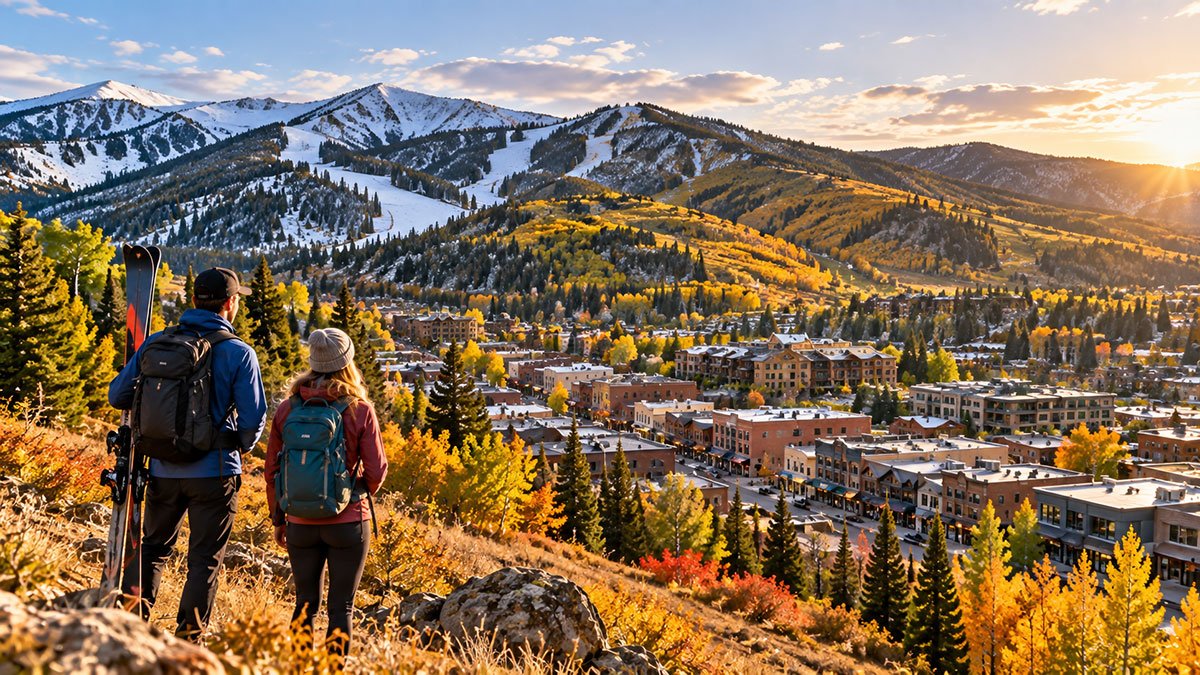
Park City, Utah transforms with the seasons, offering skiing and snow activities in winter and hiking, biking and outdoor adventures during the warmer months.
Park City by Season: A Year-Round Guide to Visiting Park City, Utah
Park City is much more than a winter ski destination.
Set in Utah’s Wasatch Mountains, this historic mountain town changes dramatically with the seasons. Winter brings skiing, snowboarding and snow-covered landscapes. Summer opens an extensive network of hiking and mountain-bike trails, along with golf, fly fishing and water activities nearby. Fall brings colorful aspen foliage, while spring offers a quieter transition between the major seasons.
That makes Park City by season a useful way to plan your trip. The best time to visit depends on what you want to do, your tolerance for snow and cold, your preferred pace and whether you are travelling during a busy holiday period.
Park City is about 35 minutes from Salt Lake City International Airport, and its free public transportation system makes it possible to explore much of the destination without renting a car.
Why Visit Park City?
Park City has developed far beyond its origins as a mining settlement and its reputation as a ski town.
Today, the destination combines outdoor recreation with Historic Main Street, restaurants, galleries, cultural attractions and year-round events. Its location also makes it relatively easy to combine mountain activities with a visit to the wider Salt Lake City area.
Park City is a year-round destination, with winter sports, summer outdoor recreation and distinct spring and fall experiences.
Whether you visit for a ski holiday, family break, hiking trip, mountain-biking adventure or relaxing mountain escape, the season will shape your experience.
Park City in Winter
Winter is the season most closely associated with Park City.
Snow transforms the surrounding mountains into a major winter recreation destination. Skiers and snowboarders can choose between Park City Mountain and Deer Valley Resort, while travelers who do not ski can choose from snowshoeing, cross-country skiing, sleigh rides, tubing, ice skating and other cold-weather activities.
December through March is generally considered the principal winter season for skiing, snowboarding and the town’s après-ski atmosphere.
Skiing and Snowboarding
For many visitors, skiing is the main reason to come to Park City.
Park City Mountain offers extensive ski and snowboard terrain across Mountain Village and Canyons Village. The resort has one of the largest lift-served ski areas in the United States, with more than 7,300 acres of terrain.
Deer Valley Resort provides another major winter option and is known for its skiing experience and resort facilities.
The two resorts offer different experiences, so skiers should compare terrain, accommodation location, lessons, rentals, lift access and current ticket arrangements before booking.
Winter resort operations depend on snow and weather conditions. Always check the official resort operating calendar before travelling.
Winter Activities Beyond Skiing
You do not need to be a skier to enjoy Park City in winter.
The destination offers activities including:
- Snowshoeing
- Cross-country skiing
- Horse-drawn sleigh rides
- Tubing
- Outdoor ice skating
- Winter sightseeing
- Museum visits
- Spa experiences
- Activities at Utah Olympic Park
This makes Park City suitable for mixed groups in which some people ski while others prefer quieter activities.
Take a Horse-Drawn Sleigh Ride
A sleigh ride is one of Park City’s more traditional winter experiences.
Several local outfitters offer horse-drawn rides, including options aimed at families and experiences combined with dining.
Reservations may be required, particularly during busy winter periods, and temperatures can drop quickly after sunset.
Dress for the conditions even if blankets are provided.
Visit Utah Olympic Park
Utah Olympic Park retains its connection to the 2002 Winter Olympic Games.
The park offers recreational and educational experiences that complement a skiing holiday. Activities can include bobsledding, tubing and other seasonal experiences.
For families and visitors who want a break from the ski slopes, it provides another way to experience Park City’s Olympic legacy.
Explore Historic Main Street
Winter does not mean staying on the mountain all day.
Historic Main Street provides restaurants, shops, galleries, cafés and cultural attractions.
Park City’s mining history is still visible in the architecture and streetscape.
The town’s combination of historic buildings and mountain scenery gives a ski holiday a strong sense of place rather than making it feel like a resort detached from its surroundings.
Getting Around in Winter
You may not need a rental car for a typical Park City stay.
Park City operates a fare-free public transit system that connects Historic Main Street, neighborhoods, resort areas and other important parts of the destination.
This can be especially useful during winter when snow and traffic make driving more complicated.
Visitors who do rent a car should check parking conditions and winter requirements before setting out.
Park City in Spring
Spring is a transitional season in Park City.
Conditions can change considerably during this period. Higher elevations may still have snow while lower trails begin drying out.
Spring can allow a combination of late-season skiing and early-season outdoor activities, depending on elevation and weather.
Spring Skiing
For skiers, spring can provide a different atmosphere from the middle of winter.
Longer daylight and warmer conditions can create more relaxed days on the mountain.
However, resort operations remain dependent on snow coverage and seasonal schedules.
Check the individual resort before planning a spring ski trip.
Early-Season Hiking
Lower trails may become suitable for hiking as winter recedes.
But spring trails can be muddy.
Some trails, particularly those on north- and east-facing slopes, can remain muddy well into the later part of spring.
Stay on appropriate trails and avoid walking or biking on muddy terrain when doing so would damage the trail surface.
Spring Travel Can Be Quieter
Spring can appeal to travelers who want a less intense mountain-town experience.
Some businesses operate seasonally, however, so check accommodation, restaurant, attraction and activity schedules before travelling.
Do not assume that summer facilities are already operating simply because temperatures have begun to rise.
Park City in Summer
Summer reveals a completely different Park City.
Snow retreats from the valleys and mountain slopes become green. Hiking and mountain biking replace much of the winter recreation, while outdoor concerts, festivals, golf, horseback riding, fly fishing and water activities create a full summer programme.
Hike Park City’s Extensive Trail Network
Hiking is one of the easiest ways to experience Park City’s summer landscape.
Park City has an extensive network of trails around the destination, with options ranging from relatively easy routes to more demanding mountain trails.
You can choose a short morning walk or a longer route through forests and high-alpine landscapes.
Before setting out, check current trail conditions and choose a route that matches your fitness, experience and the weather.
Go Mountain Biking
Mountain biking is another major summer attraction.
Park City has a large trail network and lift-served biking at its mountain resorts.
Deer Valley provides a substantial network of mountain-bike trails across its mountain terrain, with routes ranging from easier terrain to more technical riding.
Park City Mountain also operates summer biking and outdoor activities during its seasonal schedule.
Beginners should consider lessons or guided rides before tackling technical terrain.
Try Fly Fishing
The nearby rivers provide opportunities for fly fishing during the warmer months.
Local guides can help visitors who want instruction or a structured experience.
Conditions, access and fishing regulations vary, so check current local rules before fishing.
Go Horseback Riding
Horseback riding provides a slower way to experience the surrounding mountain landscape.
Local operators offer guided excursions suited to different experience levels.
It can be especially appealing to families and travelers who want a break from cycling and hiking.
Play Golf in the Mountains
Golf takes on a different character at Park City’s elevation.
Several courses in Park City and the surrounding area offer mountain settings and summer play.
A golf holiday can work well for travelers who want outdoor recreation without committing to an entire day of strenuous hiking or biking.
Check individual course schedules, tee times and seasonal availability before booking.
Enjoy Water Activities Nearby
Park City is not directly on a large lake, but several reservoirs and waterways in the surrounding area provide opportunities for water recreation.
Jordanelle State Park, located close to Park City, offers boating, fishing, paddleboarding, jet skiing, kayaking and swimming.
The park also has hiking and biking trails, including the Jordanelle Perimeter Trail.
This makes Jordanelle a useful addition to a summer Park City itinerary.
Try Rafting and Other Adventures
Summer also brings opportunities for rafting and other guided outdoor activities.
Local providers offer adventure experiences ranging from rafting and water sports to zip lines and alpine attractions.
Choose an activity based on your experience and physical ability, and use established outfitters for activities that require specialist equipment or instruction.
Take a Scenic Chairlift Ride
You do not need to mountain-bike or hike uphill to enjoy alpine views.
Seasonal scenic chairlift rides at the area’s resorts provide access to higher elevations without a strenuous climb.
These rides can be particularly appealing to families, photographers and travelers who want mountain scenery without a demanding hike.
Operating dates and lift schedules vary, so check the resort before visiting.
Experience Summer Events
Summer in Park City is not limited to outdoor sports.
The summer calendar includes concerts, festivals, markets, art events and community gatherings.
Events can include the Kimball Arts Festival, outdoor concerts, Park Silly Sunday Market and other seasonal programmes.
Dates change from year to year, so travelers should consult the official Park City events calendar before making specific plans.
Park City in Fall
Fall is one of the most visually distinctive times to visit Park City.
Aspen and other deciduous trees turn shades of yellow, orange and red against the surrounding mountains.
The season is relatively short, making timing important for travelers whose main goal is autumn foliage.
Lower elevations can begin reaching peak color around the third week of September, while higher elevations often show their strongest colors during early October.
Go Leaf Peeping
You can experience the fall colors on foot, by bicycle or from scenic viewpoints.
Trails around Round Valley, Lost Prospector, Treasure Hill and higher-elevation areas offer opportunities to experience the autumn landscape.
Early October is often particularly attractive, but foliage timing varies with weather and elevation.
Hike in the Autumn Landscape
Fall hiking offers cooler conditions than summer and spectacular scenery.
Popular routes can become busy during the foliage period, so consider visiting on weekdays or starting early in the day.
Always check trail conditions before setting out.
Explore Historic Main Street
Fall is also a good time to slow the itinerary down.
Walk along Historic Main Street, visit galleries and museums, and enjoy the restaurants and cafés.
Because the town remains accessible even when mountain activities are between seasons, it can be a good destination for travelers who are less interested in skiing or mountain biking.
What Is the Best Season to Visit Park City?
There is no single best season.
The right choice depends on your reason for visiting.
Winter is ideal for experiencing Park City’s snowy mountain adventures:
- Skiing
- Snowboarding
- Snowshoeing
- Cross-country skiing
- Sleigh rides
- Winter scenery
- Après-ski
- Snow-based family activities
Spring brings a quieter mountain experience to Park City:
- Late-season skiing
- Longer daylight
- Transitional mountain scenery
- Potentially quieter conditions
- Early-season hiking at lower elevations
Summer is the perfect season to enjoy Park City’s outdoor adventures:
- Hiking
- Mountain biking
- Golf
- Fly fishing
- Horseback riding
- Water sports
- Festivals and concerts
- Scenic chairlift rides
Fall brings spectacular foliage and cooler conditions to Park City:
- Aspen foliage
- Cooler hiking weather
- Scenic drives
- Photography
- A quieter mountain atmosphere
- Seasonal events
Park City’s four seasons each offer a different reason to visit.
How Long Should You Stay in Park City?
The ideal length depends on your plans.
A quick weekend can work for a focused ski trip or a short summer escape.
For a broader experience, consider spending five to seven nights in the area.
A longer trip allows you to combine outdoor activities with time in town instead of spending every day rushing between attractions.
For example, a summer itinerary could combine hiking, mountain biking, a day at Jordanelle State Park, Historic Main Street and a cultural or music event.
How to Get to Park City
For most visitors arriving by air, Salt Lake City International Airport is the main gateway.
Park City is approximately 35 minutes from the airport under typical driving conditions.
Actual journey times can vary with traffic, snow, road conditions and other factors.
Travelers can arrange:
- Airport shuttles
- Private transfers
- Rideshare services
- Rental cars
During peak winter periods, advance transportation planning is sensible.
Do You Need a Rental Car in Park City?
Not necessarily.
Park City’s fare-free transit system connects many of the places visitors are likely to use, including Historic Main Street, Park City Mountain, Deer Valley and other parts of the town.
A car can still be useful if you plan to:
- Explore surrounding mountain areas
- Visit nearby reservoirs
- Travel to attractions outside Park City
- Take a longer road trip through Utah
Your choice should depend on your itinerary rather than assuming a car is essential.
Where Should You Stay?
The best area depends on your priorities.
Historic Main Street
This area suits travelers who value walkability, restaurants, galleries, nightlife and easy access to the historic centre.
Park City Mountain
Staying near the resort can be convenient for travelers focused on skiing, biking and mountain activities.
Deer Valley
Deer Valley is another option for travelers who want quick access to resort facilities and mountain recreation.
Canyons Village
Canyons Village provides access to Park City Mountain and can work well for visitors who prefer a resort-based stay.
Kimball Junction
Kimball Junction can be useful for families and longer stays, with shopping and access to outdoor areas.
What Should You Pack for Park City?
Your packing list should change with the season.
Winter Packing
Bring:
- Insulated winter jacket
- Waterproof boots
- Gloves
- Warm hat
- Thermal layers
- Warm socks
- Sunglasses or snow goggles
- Moisture-resistant outerwear
Skiers should also pack or rent appropriate technical equipment.
Summer Packing
Bring:
- Lightweight clothing
- Hiking shoes
- Sun protection
- Sunglasses
- Reusable water bottle
- Daypack
- Light jacket
- Rain layer
Remember that Park City sits at approximately 7,000 feet above sea level. Visitors who are not accustomed to mountain elevations may need some time to adjust.
Fall and Spring
Layering is particularly useful during the shoulder seasons.
Mornings and evenings can be much cooler than the middle of the day, and mountain weather can change quickly.
Practical Tips for Visiting Park City
Check Resort Operating Schedules
Mountain activities are seasonal.
Winter and summer operating dates can vary according to weather and conditions. Check the official resort website immediately before your trip.
Book Peak-Season Activities Early
Winter holidays, major events and busy summer weekends can increase demand for accommodation, dining and activities.
Check Trail Conditions
Do not assume a hiking trail is ready simply because the town is warm.
Higher elevations can retain snow while lower trails may become muddy during spring.
Stay Hydrated
Park City’s high elevation and dry climate can affect visitors who are not accustomed to mountain environments.
Drink water and give yourself time to adjust.
Plan Outdoor Activities Around the Weather
Mountain conditions can change quickly.
Check forecasts and official trail or resort information before heading out.
Use Public Transport Where Practical
Free local transportation can reduce the need to drive and can make winter travel easier.
Respect Trails and Natural Areas
Stay on designated routes, follow local regulations and avoid damaging muddy trails.
Carry out your waste and respect wildlife and other visitors.
Park City for Families
Park City can work particularly well for families because there are activities beyond skiing and mountain biking.
In summer, families can choose hiking, horseback riding, water activities, scenic lift rides and other outdoor experiences.
In winter, families can explore tubing, sleigh rides, skating and other snow activities without spending every day on skis.
Families should consider activity difficulty, altitude, weather and travel time when planning each day.
Park City for Outdoor Adventure
Adventure travelers have options throughout the year.
Winter is dominated by snow sports and mountain activities.
Summer opens the larger trail network to hikers, cyclists and horseback riders, while nearby waterways provide additional recreation.
Fall provides excellent opportunities for hiking and photography, while spring offers a bridge between winter and summer activities.
The advantage is variety. A Park City trip does not have to revolve around one activity.
A Four-Season Park City Itinerary
Winter
Spend a day skiing or snowboarding, explore Historic Main Street, enjoy a winter meal and finish with a sleigh ride or another evening activity.
Spring
Combine late-season mountain activities with lower-elevation hiking where conditions permit. Allow flexibility because trail and resort conditions vary.
Summer
Start with a morning hike or mountain-bike ride, spend an afternoon exploring Park City or Jordanelle State Park, and finish with an outdoor concert or dinner.
Fall
Spend the day hiking among the aspens, explore Historic Main Street and plan time for photography around the surrounding mountain viewpoints.
Is Park City Worth Visiting All Year?
Park City is a year-round mountain destination, but the best season depends on the experience you want.
Winter is the classic choice for skiing and snow sports. Summer has its own identity built around hiking, biking, golf, fishing, water recreation and festivals. Spring and fall offer seasonal transitions and opportunities to explore the town and mountains at a different pace.
That makes Park City more than a ski resort.
It is a mountain destination where the landscape, activities and atmosphere change throughout the year.
Final Thoughts
Park City is at its best when you plan around the season rather than treating it as a destination with one fixed identity.
Winter is ideal for snow sports and classic alpine experiences. Spring provides a transition between seasons. Summer brings hiking, mountain biking, golf, fishing, horseback riding, water activities and outdoor events. Fall offers cooler conditions and spectacular mountain foliage.
Before travelling, check the current resort schedules, trail conditions, transportation information and event calendars. Seasonal operations can change with weather and local conditions.
Choose the season that best matches your interests, leave room for unexpected weather and give yourself enough time to experience both the mountains and the town.
