
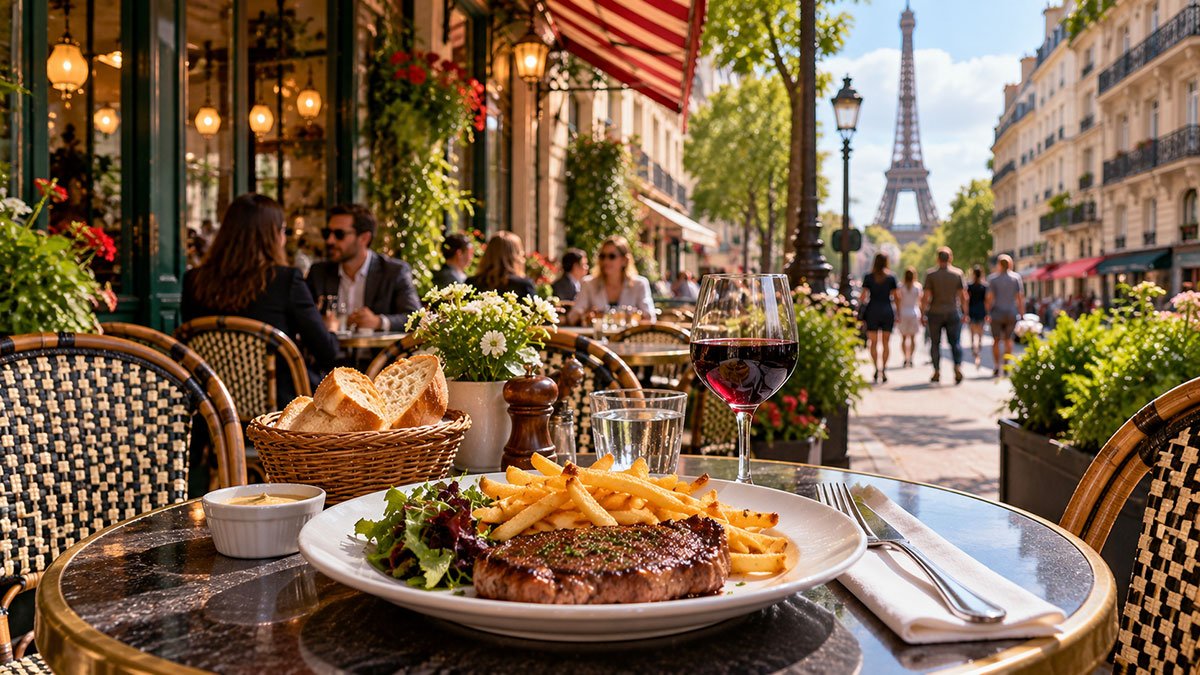
Enjoy the charm of Parisian dining with classic French dishes, outdoor café terraces and the city’s distinctive street atmosphere.
Parisian Restaurants and Bistros: A Food Lover’s Guide
Paris has a special relationship with food. From intimate neighbourhood bistros and bustling brasseries to inventive contemporary restaurants, the French capital offers countless ways to discover its culinary culture. The best meal, however, is not always the most elaborate one. Sometimes it is a plate of perfectly prepared French classics in a lively dining room; at other times, it is a carefully composed tasting menu that introduces unfamiliar flavours.
For travellers, choosing between the many Parisian restaurants and bistros can be challenging. The city has options for relaxed lunches, memorable dinners, traditional French cooking and modern cuisine influenced by chefs from around the world.
This guide explores restaurants worth considering, explains what makes Parisian dining distinctive and offers practical advice on booking a table, reading menus and planning meals during your stay.
What Makes Parisian Restaurants and Bistros Special?
Parisian dining is about more than what appears on the plate. The atmosphere, pace of service, seasonal ingredients and character of the neighbourhood all contribute to the experience.
A traditional bistro is generally a smaller, informal restaurant that often serves familiar French dishes in a welcoming setting. A brasserie usually has a larger dining room, a broader menu and longer service hours. Contemporary restaurants may retain these traditions while experimenting with international ingredients, modern presentation and new cooking techniques.
Paris also has a long tradition of bringing people together around food. Friends meet for lunch, couples spend an evening over several courses, and neighbourhood residents return to familiar restaurants where the staff recognise regular customers.
Visitors can experience these different sides of the city by choosing restaurants according to their interests rather than relying solely on famous names.
French Dishes Worth Trying in Paris
Before choosing where to eat, it helps to know a few French classics that commonly appear on restaurant menus.
Steak-Frites
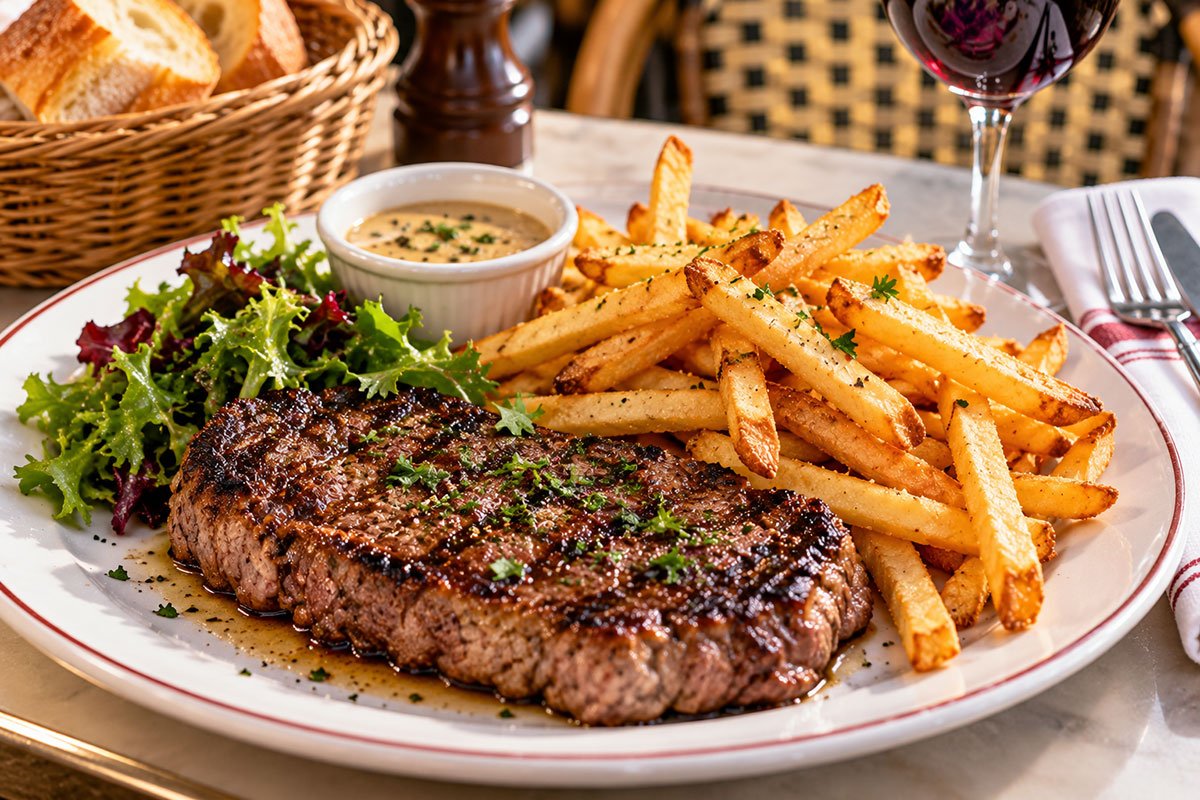
Steak-frites is a classic French bistro favourite, pairing grilled steak with crispy golden fries.
Steak-frites pairs steak with French fries and is a familiar choice in Parisian bistros and brasseries. The cut of meat, cooking method, sauce and quality of the fries vary between restaurants.
It is a straightforward dish, but that simplicity makes the preparation especially important. Check whether the menu specifies a particular cut and sauce before ordering.
Boeuf Bourguignon
This traditional French dish combines beef slowly cooked in red wine with ingredients such as onions, mushrooms and carrots. It is associated with Burgundy, but versions appear on menus throughout France.
Boeuf bourguignon is particularly appealing when you want a substantial, slow-cooked meal rather than a lighter lunch.
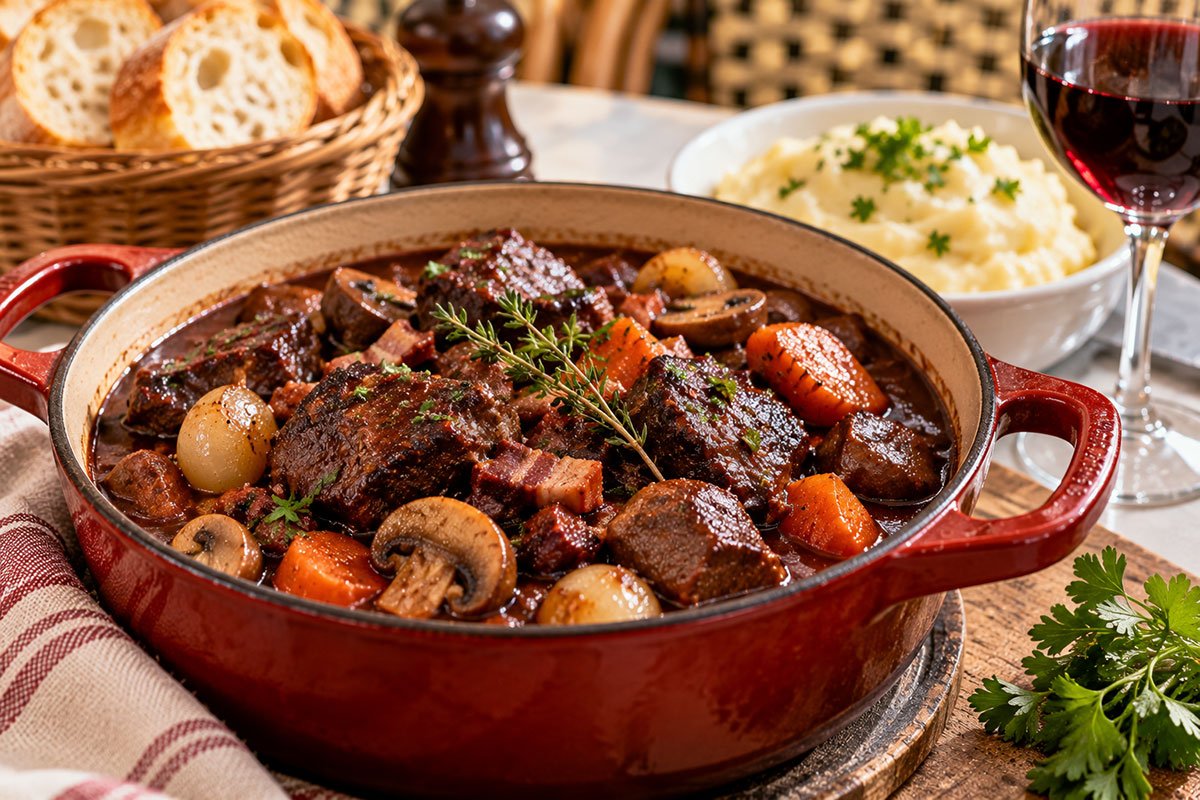
Boeuf bourguignon is a classic French dish featuring tender beef slowly braised in red wine with vegetables and herbs.
French Onion Soup
French onion soup is made with slowly cooked onions in broth and is often served with bread and melted cheese. It is a familiar starter in traditional French restaurants.
Preparation varies, and the soup may be richer or lighter depending on the recipe. It is a comforting choice during cooler weather.
Duck Confit
Duck confit is traditionally prepared by slowly cooking duck in its own fat. The skin may then be crisped, while the meat remains tender.
Restaurants often serve it with potatoes, seasonal vegetables or another accompaniment. It is worth considering if you enjoy classic French regional cooking.
Seasonal Seafood and Fish
Paris is not a coastal city, but its restaurants serve a wide range of fish and seafood dishes. Menus often reflect seasonal ingredients and the chef’s approach to preparation.
Look for dishes that identify the fish and describe its accompanying sauce or vegetables. At restaurants with changing menus, the catch or available produce may influence what is offered on the day.
Cheese and French Desserts
A meal can finish with a selection of French cheeses, a fruit tart, crème brûlée, chocolate dessert or another house speciality.
If you want to sample several desserts, consider sharing rather than ordering a full portion for every person. Restaurant menus change, so ask about the day’s choices before deciding.
Parisian Restaurants and Bistros to Consider
The following establishments offer different dining experiences, from traditional French cooking to contemporary cuisine. They are not ranked, and the right choice depends on your budget, location and preferred atmosphere.
Check each restaurant’s official website for current menus, prices, opening arrangements and reservations before visiting.
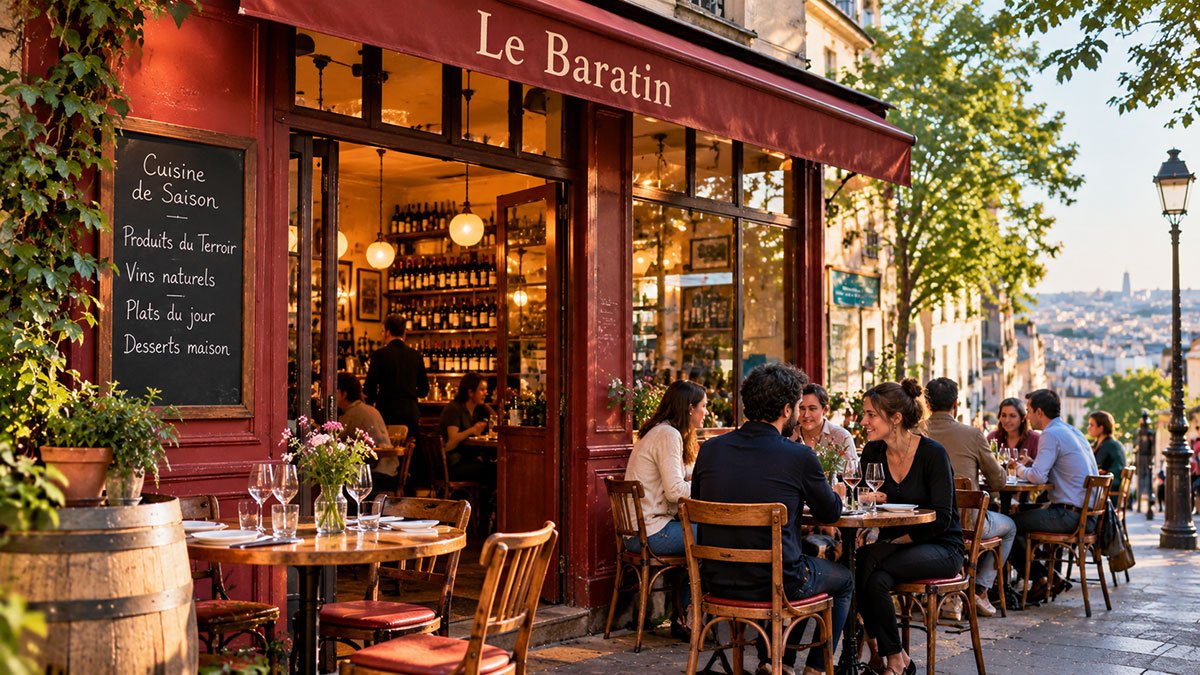
Discover the relaxed atmosphere of Belleville, where neighbourhood bistros bring together French cooking, wine and lively conversation.
1. Le Baratin: A Neighbourhood Bistro in Belleville
Location: 3 rue Jouye-Rouve, 75020 Paris.
Le Baratin is an established bistro in the Belleville area, away from many of the central sightseeing districts. It is known for French regional cooking and a strong interest in wine, including natural wines.
The atmosphere is more neighbourhood-focused than formal. This makes it an option for travellers who want to explore a different part of Paris and enjoy a meal in a traditional bistro setting.
The menu and wine selection can change, so check the current offerings before booking. Its location also makes it worth planning as part of a visit to Belleville rather than treating it as a quick stop between attractions elsewhere in the city.
2. Benoit: Traditional French Bistro Dining
Location: 20 rue Saint-Martin, 75004 Paris.
Benoit is a long-established Parisian bistro with a history dating back to 1912. Its identity is rooted in traditional French cooking and a classic dining-room atmosphere.
The restaurant suits visitors interested in familiar French techniques, carefully prepared dishes and a more formal version of bistro dining. It is also an option for a special lunch or dinner in central Paris.
Benoit’s position in the fourth arrondissement makes it convenient to consider alongside sightseeing in the historic centre. Allow enough time for the meal, especially if you intend to enjoy several courses.
Visit the official website to review the menu and book a table.
3. Allard: Classic Cooking in Saint-Germain-des-Prés
Location: 41 rue Saint-André-des-Arts, 75006 Paris.
Allard offers another interpretation of traditional Parisian bistro dining. Its character comes from classic recipes, a historic interior and a menu that changes with the seasons.
Dishes associated with the restaurant include frog legs prepared in a traditional style, duck and other familiar French specialities. The current menu should guide your choice because availability can vary.
Allard is worth considering if you are exploring Saint-Germain-des-Prés, the Latin Quarter or other parts of the Left Bank. You can combine lunch or dinner with a walk through the neighbourhood’s historic streets and cafés.
Check the official menu to see which dishes are available and whether a weekday lunch menu suits your plans.
4. Le Petit Vendôme: A Casual French Bistro and Sandwich Stop
Location: 8 rue des Capucines, 75002 Paris.
Not every memorable Paris meal requires a long dinner reservation. Le Petit Vendôme offers a more casual experience, with a traditional bistro atmosphere and a particular reputation for its generously filled ham sandwiches.
The restaurant is a useful choice for visitors who want something straightforward between sightseeing stops. Its central location also makes it easier to fit into a day exploring the Opéra district and nearby streets.
Check the restaurant’s current service arrangements before arriving. Sandwich service and seated dining may operate differently, and its official website provides practical visitor information.
5. Chez Michel: Regional French Cooking
Location: 10 rue de Belzunce, 75010 Paris.
Chez Michel is a bistro near Gare du Nord with a menu rooted in French regional cooking and influenced by Breton food traditions.
Its approach is suited to diners who appreciate substantial dishes and a changing menu rather than a highly theatrical dining experience. Depending on the season, visitors may find fish dishes, regional specialities and traditional desserts.
The restaurant is a convenient option to consider when staying near Gare du Nord or exploring the tenth arrondissement. Check the current menu and reservation arrangements before travelling.
6. Ze Kitchen Galerie: French Cuisine with Asian Influences
Location: 4 rue des Grands Augustins, 75006 Paris.
Ze Kitchen Galerie offers a more contemporary interpretation of Parisian dining. Chef William Ledeuil’s approach combines French culinary foundations with Asian ingredients, broths, herbs and seasonings.
The result is a menu that moves beyond traditional bistro dishes while retaining a strong focus on ingredients and presentation. Depending on the current menu, dishes may combine seafood, vegetables, aromatic broths and distinctive flavour pairings.
This restaurant is a suitable option for diners who enjoy culinary experimentation and a carefully structured meal.
Its location on the Left Bank makes it possible to combine a reservation with a walk near Saint-Michel or the surrounding historic centre. The restaurant publishes its current menus and booking information on its official website.
7. Blanc: Contemporary Cooking by Chef Shinichi Sato
Location: 52 rue de Longchamp, 75116 Paris.
Blanc is a contemporary restaurant led by chef Shinichi Sato, whose cooking reflects his experience working between French and Japanese culinary cultures.
The restaurant provides an option for travellers seeking an ambitious, chef-led dining experience rather than a conventional neighbourhood bistro. Its emphasis on ingredients, seasonality and the chef’s individual approach makes it a different proposition from the more traditional establishments in this guide.
Because this style of restaurant may require a longer meal and advance planning, check the current menu, reservation availability and dining arrangements before booking.
Blanc is located in the sixteenth arrondissement, so consider the journey from your accommodation when planning an evening reservation.
How to Choose the Right Restaurant in Paris
With so many options, selecting a restaurant becomes easier when you decide what kind of experience you want.
- For a traditional French meal: Look at classic bistros such as Benoit and Allard, where familiar French cooking and established dining-room traditions are central to the experience.
- For a relaxed neighbourhood atmosphere: Consider Le Baratin or another bistro away from the busiest tourist streets.
- For a quick and casual lunch: A sandwich stop such as Le Petit Vendôme may be more suitable than a multi-course restaurant.
- For contemporary cuisine: Ze Kitchen Galerie offers a menu shaped by French and Asian influences, while Blanc provides a more elaborate chef-led experience.
- For a special occasion: Review the menu, the number of courses, the expected duration and the total cost before reserving. A more expensive restaurant is not automatically a better fit for every occasion.
If you are unsure where to start, the official Paris tourism website provides a current selection of bistros across several arrondissements. Its recommendations can help you discover restaurants near the attractions or accommodation already on your itinerary.
Tips for Dining Out in Paris
Book Popular Restaurants in Advance
Reservations are useful for popular dinner spots, particularly from Thursday to Saturday. The official Paris tourism office advises visitors to book several days ahead for popular restaurants, with more notice for sought-after fine-dining experiences.
For a restaurant that is central to your plans, use its official website or recognised reservation service. Confirm the date, time, party size and cancellation conditions.
A reservation is especially useful if you have a limited schedule or are visiting during a busy travel period.
Check Opening Days and Meal Times
Parisian restaurants do not all follow the same opening schedule. Some close on Sundays or Mondays, while others offer limited lunch or dinner service.
Check the restaurant’s current opening information rather than relying on old travel articles or search snippets. If you plan to dine after sightseeing, make sure the kitchen will still be serving when you arrive.
Read the Menu Before Booking
Many restaurants publish menus and prices online. Reviewing them beforehand helps you understand the style of cooking, the range of dishes and the likely cost.
Look for a menu or formule, which may offer a set combination of courses at a fixed price. A set lunch can sometimes provide better value than ordering several dishes à la carte, although the value depends on the restaurant and what is included.
Also check whether drinks and additional courses are included.
Understand Service and Tipping
In France, restaurant menu prices generally include service. An additional tip is not obligatory, although leaving a little extra for particularly good service is a personal choice.
Read the bill before paying and avoid assuming that American tipping customs apply in the same way.
Tell the Restaurant About Dietary Requirements
If you have a food allergy or follow a particular diet, contact the restaurant before visiting when possible. Ask about ingredients and preparation procedures rather than relying on dish names alone.
Traditional French cooking may use butter, cream, meat stock, flour or other ingredients that are not immediately obvious from the menu. Some restaurants can accommodate particular needs, but arrangements vary.
Choose a Restaurant Near Your Itinerary
Paris’s arrondissements each have their own character, and a restaurant across the city may take longer to reach than expected.
Group restaurant visits with nearby attractions and allow time for walking or public transport. This is particularly useful when you have a fixed reservation or want to enjoy several neighbourhoods during a short stay.
A Simple Food-Lover’s Itinerary for Paris
You do not need to make restaurant reservations for every meal to experience the city’s food culture. A balanced itinerary combines one planned meal with opportunities to explore cafés, bakeries and neighbourhood streets.
Morning: Start with coffee and a pastry at a local café or bakery. Take time to observe the neighbourhood before moving on to sightseeing.
Lunch: Choose a casual bistro or sandwich shop. A fixed-price lunch menu can be useful when you want a substantial meal without committing to a long evening reservation.
Afternoon: Explore a food-focused neighbourhood, stop at a bakery or visit a market. Leave space for a sweet treat or another coffee.
Dinner: Make a reservation at a bistro or contemporary restaurant that suits your interests. Choose one memorable meal rather than trying to fit several formal dinners into the same day.
For a longer visit, explore different areas on different days. This allows you to enjoy the food as part of the city rather than treating restaurants as isolated destinations.
Frequently Asked Questions About Parisian Restaurants
Do I need a reservation to eat at a Parisian bistro?
Not always. Some casual bistros accept walk-in customers, while popular restaurants may fill their tables in advance. Booking is advisable for dinner, weekends and special occasions.
Are Parisian restaurants expensive?
Prices vary widely. Casual cafés and sandwich shops can be less expensive than multi-course restaurants, while premium dining experiences can cost considerably more. Compare current menus and check what is included before booking.
What is the difference between a bistro and a brasserie?
A bistro is generally smaller and more focused on a concise menu served during meal periods. A brasserie is often larger, with a broader menu and longer service hours. Individual establishments do not always fit neatly into these definitions.
What should I eat on my first visit to Paris?
Consider trying steak-frites, French onion soup, duck confit, a seasonal fish dish or another classic French preparation. Pair your meal with a pastry or traditional dessert if you have room.
Can I find modern and international cuisine in Paris?
Yes. Alongside traditional French bistros, Paris has restaurants that combine French cooking with Japanese, Asian and other international influences. Ze Kitchen Galerie and Blanc are examples of contemporary dining experiences with distinct culinary approaches.
When should I book a fine-dining restaurant?
Reserve as early as practical once your travel dates are fixed. Highly sought-after restaurants may require booking weeks in advance, particularly on weekends and during busy holiday periods.
Discover Paris Through Its Restaurants
Paris offers many ways to experience French food, from a quick ham sandwich at a neighbourhood counter to an extended dinner at a contemporary restaurant. The city’s character often comes through most clearly when you choose a place that suits the occasion, take time over the meal and explore the surrounding streets.
Plan around the restaurants that interest you most, confirm current menus and opening times, and leave some flexibility for cafés and neighbourhood discoveries. That combination of preparation and spontaneity is a rewarding way to experience Parisian dining.
