
How to Stay Safer Outdoors With a Pocket Knife or Multi-Tool
Spending time outdoors can be relaxing, exciting and rewarding. However, outdoor conditions can change quickly. Weather may deteriorate, equipment can fail and a short walk can sometimes take longer than expected.
Good preparation helps you deal with these situations.
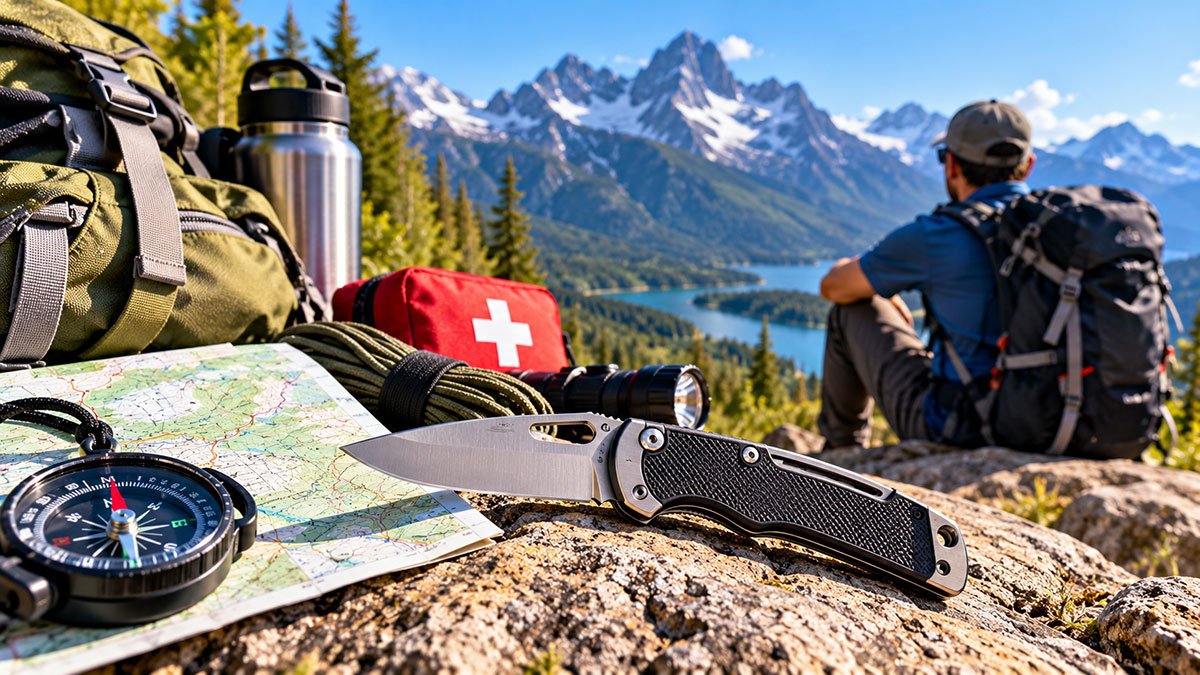
A compact pocket knife or multi-tool can be useful as part of an outdoor repair kit. However, it should not be viewed as a substitute for proper preparation or other essential equipment.
Current hiking guidance places tools such as knives and multi-tools within a wider system of outdoor essentials that also covers navigation, first aid, illumination, food, water, shelter and weather protection.
Why Carry a Pocket Knife or Multi-Tool Outdoors?
A small knife or multi-tool can perform several practical tasks during an outdoor trip.
Depending on the design, it may help with:
- Minor gear repairs
- Cutting cord or tape
- Opening packaging
- Basic equipment adjustments
- Cutting food when appropriate
- General campsite tasks
- Emergency repairs
The U.S. National Park Service includes a knife, multi-tool and scissors within its recommended repair-kit-and-tools category.
The important point is to think of the tool as one part of your preparation, rather than the most important item in your backpack.
Choose the Right Tool for Your Activity
There is no single knife or multi-tool that suits every outdoor activity.
A short day hike close to home may require very little equipment. A remote backpacking trip, however, requires considerably more preparation.
Consider the following before choosing a tool:
Size and Weight
For a short hike, a compact tool can be more practical than a large piece of equipment.
The goal is to carry useful equipment without adding unnecessary weight to your pack.
Intended Tasks
Think about what you are actually likely to need.
If your main concern is equipment repair, a multi-tool with screwdrivers, pliers and scissors may be more useful than a knife alone.
If you are camping, you may have different requirements.
Choose equipment based on the activity rather than buying the largest or most complicated tool available.
Durability
Outdoor equipment can experience moisture, dirt and repeated use.
Choose a well-made tool from a reputable manufacturer and maintain it according to the manufacturer’s instructions.
Safe Storage
A folding design can make a compact tool easier to store. However, it should still be secured so that it cannot accidentally open or cause an injury.
Never leave a knife loose in a backpack where someone could reach into the bag and cut themselves.
A Knife Is Only One Part of Outdoor Preparedness
One of the biggest problems with the original approach to outdoor preparedness is focusing too heavily on a single piece of equipment.
A knife cannot help you navigate if you become lost. It cannot replace drinking water during a hot hike. It cannot treat a serious injury or keep you warm during an unexpected overnight stay.
The National Park Service recommends carrying the Ten Essentials, including navigation, sun protection, insulation, illumination, first aid, fire, repair tools, nutrition, hydration and emergency shelter.
REI’s current Ten Essentials guidance similarly includes navigation, light, sun protection, first aid, knife/tools, fire, shelter, extra food, extra water and extra clothing.
Build a Practical Outdoor Safety Kit
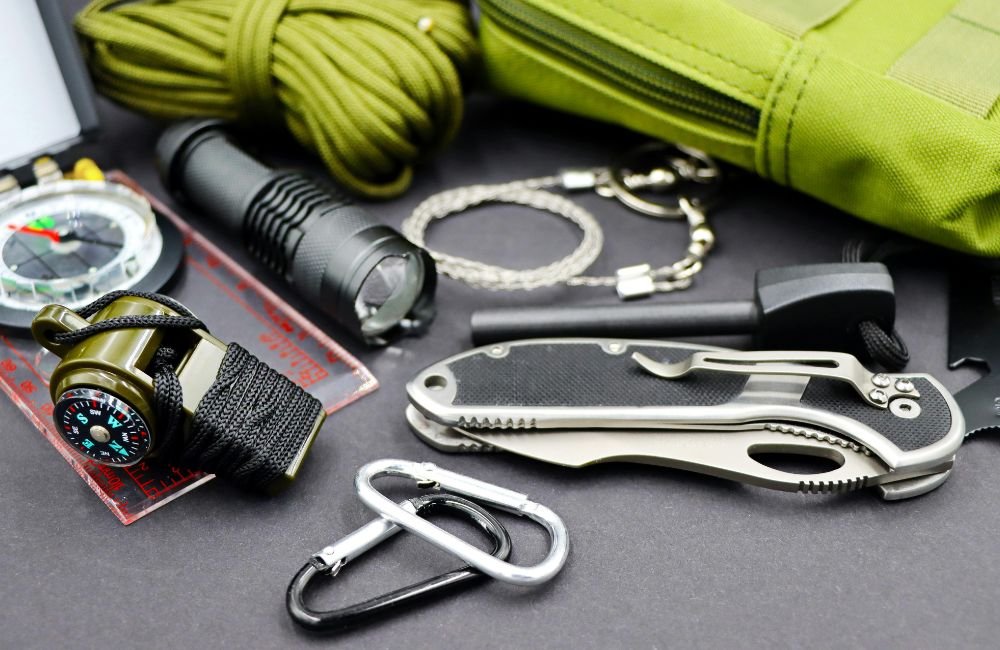
Instead of relying on one tool, create a kit that matches your trip.
Navigation
Carry a map and a reliable navigation method.
A smartphone can be useful, but mobile coverage may be unavailable in remote areas. REI recommends carrying appropriate backup navigation for unfamiliar or remote terrain.
Depending on the trip, this could include:
- Offline maps
- Compass
- GPS device
- Paper map
- Satellite communicator or personal locator beacon
Learn how to use your navigation equipment before you need it.
First Aid
A basic first-aid kit can help you deal with minor injuries and other common problems.
Your kit might include:
- Adhesive bandages
- Blister treatment
- Gauze
- Antiseptic supplies
- Personal medication
- Medical tape
For longer or more remote trips, expand the kit according to the activity and number of people travelling with you.
REI recommends adapting first-aid equipment to the duration and remoteness of the trip.
Water
Water should be a priority on outdoor trips.
Do not assume that a stream or lake will provide safe drinking water.
Depending on your destination, carry sufficient water and consider an appropriate water-treatment method.
The National Park Service advises hikers to plan their water needs based on weather, route and available water sources.
Food
Carry enough food for the planned activity and consider taking extra food when travelling farther from assistance.
An unexpected delay can turn a short outing into a much longer one.
The National Park Service recommends carrying extra food because plans can change unexpectedly.
Emergency Shelter
Weather can change quickly in many outdoor environments.
A lightweight emergency blanket, bivy or other appropriate shelter can provide valuable protection if you are delayed or have to remain outdoors longer than expected.
REI includes emergency shelter among the Ten Essentials.
Light
A headlamp or flashlight is useful even if you expect to return before dark.
A delay, wrong turn or injury can quickly turn a daytime trip into an evening emergency.
Carry spare batteries or an appropriate backup power source when necessary.
Learn How to Use Your Equipment
Carrying equipment is only useful if you know how to use it.
Before leaving home, test your navigation devices and check your first-aid supplies. Make sure your flashlight works and confirm that your water-treatment equipment is ready.
The same principle applies to a pocket knife or multi-tool.
Learn its functions and handle it carefully. Keep blades closed or otherwise secured when they are not being used.
Avoid attempting unfamiliar tasks with a blade simply because you have one available.
Use a Knife Safely
A knife can cause serious injuries when handled carelessly.
Follow basic safety practices:
- Keep the blade pointed away from your body.
- Keep your fingers away from the cutting path.
- Use a stable surface when practical.
- Do not cut toward your hand or legs.
- Close or secure a folding knife when finished.
- Keep the tool away from children.
- Do not use a damaged blade.
- Follow the manufacturer’s safety instructions.
Use the smallest appropriate tool for the task.
If another tool can complete the job safely, consider using it instead.
Check Local Rules Before Carrying a Knife
Knife laws vary significantly between countries and jurisdictions.
Do not assume that a knife that is legal to carry at home is legal to carry everywhere else.
For example, UK law places restrictions on carrying knives and weapons in public, with specific rules and limited exceptions for certain folding pocketknives. The government also states that carrying most knives in public requires a legally recognised good reason.
Rules can also differ between countries, states, parks and other protected areas.
Before travelling, check the laws that apply to your destination and any specific regulations for the land you plan to visit.
This is particularly important when travelling internationally.
Research Your Route Before Leaving
Good preparation starts before you pack your backpack.
Research:
- Trail difficulty
- Distance
- Elevation
- Weather forecast
- Water availability
- Wildlife
- Terrain
- Mobile coverage
- Park closures
- Permit requirements
- Emergency contacts
The National Park Service recommends researching the route and terrain before leaving and checking for current park closures or alerts.
This information can help you decide what equipment to take.
Tell Someone About Your Plans
Do not disappear into remote terrain without telling someone where you are going.
Share your route, expected return time and important details with a friend or family member.
The National Park Service specifically recommends telling someone where you are going and when you expect to return.
For remote trips, consider carrying a satellite communicator or personal locator beacon if appropriate for the environment.
Prepare for Changing Weather
Weather is one of the biggest variables during outdoor activities.
A sunny morning does not guarantee good conditions throughout the day.
Check the forecast before leaving and take suitable clothing for the conditions.
Depending on the destination, this may include:
- Waterproof jacket
- Warm layer
- Hat
- Gloves
- Sun protection
- Extra socks
- Emergency shelter
The right clothing can be more important to your safety than carrying additional tools.
Avoid Carrying Too Much
Being prepared does not mean filling your backpack with every piece of equipment you own.
Choose gear based on:
- Trip duration
- Distance from assistance
- Weather
- Terrain
- Group size
- Your experience
- Specific activities
REI recommends adapting the Ten Essentials to the conditions, difficulty and duration of your particular trip.
A lightweight, well-planned kit is usually more practical than a heavy collection of equipment you do not know how to use.
Leave Room for Enjoyment
Outdoor preparation should make your adventure more enjoyable, not more stressful.
Once you have checked the route, weather and equipment, focus on the experience.
Enjoy the scenery, take regular breaks and respect the environment around you.
Good preparation allows you to respond calmly when something unexpected happens.
A Simple Outdoor Safety Checklist
Before leaving for your next hike or camping trip, ask yourself:
- Do I know the route?
- Have I checked the weather?
- Do I have enough water?
- Do I have enough food?
- Do I have basic first aid?
- Do I have reliable navigation?
- Do I have a light?
- Do I have appropriate clothing?
- Do I have emergency shelter if required?
- Do I have suitable repair tools?
- Have I told someone about my plans?
- Have I checked local regulations?
- Do I know how to use my equipment?
If the answer to these questions is yes, you are better prepared for common problems on the trail.
Final Thoughts
A pocket knife or multi-tool can be a useful addition to an outdoor safety kit. However, it should never be considered a complete solution for outdoor emergencies.
The best approach is to prepare for the whole trip.
Carry appropriate navigation equipment, food, water, first aid, lighting, clothing and emergency shelter. Add a compact knife or multi-tool when it is appropriate for your activity and legal to carry.
Most importantly, understand the equipment you take with you and use it responsibly.
With thoughtful preparation, you can spend less time worrying about what might go wrong and more time enjoying the outdoors.
