

Must-See: 5 of the World’s Best Architectural Masterpieces
Architecture has the power to inspire, surprise, and tell stories about the people who built our world. From soaring skyscrapers and innovative modern structures to magnificent palaces and historic monuments, remarkable buildings reveal centuries of creativity, engineering, and cultural heritage.
For travellers who appreciate architectural design, visiting these landmarks can be an unforgettable experience. Each destination offers a different perspective on how architecture reflects its time, purpose, and surroundings.
If exploring extraordinary buildings is on your travel bucket list, here are five architectural masterpieces worth discovering around the world.
1. Chrysler Building, USA
The Chrysler Building in New York City remains one of the most recognisable examples of Art Deco architecture. Its elegant stainless-steel crown, geometric ornamentation, and distinctive spire make it a memorable feature of the Manhattan skyline.
Construction began in 1928 under the direction of architect William Van Alen, commissioned by automotive entrepreneur Walter P. Chrysler. Completed in 1930, the building reached 1,048 feet, including its spire, and briefly held the title of the world’s tallest building before the Empire State Building surpassed it in 1931. Official Chrysler Building history.

What Makes the Chrysler Building Special?
The building’s design reflects the optimism and industrial ambition of the late 1920s. Its decorative details include automotive-inspired motifs, triangular windows, and a crown composed of gleaming metal arches.
Unlike many modern skyscrapers, which emphasise minimalism, the Chrysler Building celebrates ornamentation and craftsmanship. Its architectural details reward close observation, even from street level.
Visitors can appreciate the building’s exterior from surrounding streets and nearby public spaces. However, access to its interior is restricted, so check current visitor arrangements before planning a visit.
For architecture enthusiasts, the Chrysler Building provides an opportunity to explore the history of New York’s skyscraper development and the enduring influence of Art Deco design.
2. Sydney Opera House, Australia
The Sydney Opera House is one of the world’s most recognisable modern architectural landmarks. Located on Sydney Harbour, its distinctive roof structures create the impression of sails rising above the waterfront.
Danish architect Jørn Utzon won an international design competition for the project in 1957. The building presented substantial engineering and construction challenges, and Utzon left the project in 1966. The Opera House eventually opened in 1973.
The building combines architectural innovation with a practical cultural purpose. Its performance venues host opera, music, theatre, dance, and other artistic events.
UNESCO recognised the Sydney Opera House as a World Heritage Site in 2007, highlighting its exceptional architectural design and engineering achievements. UNESCO World Heritage Centre.
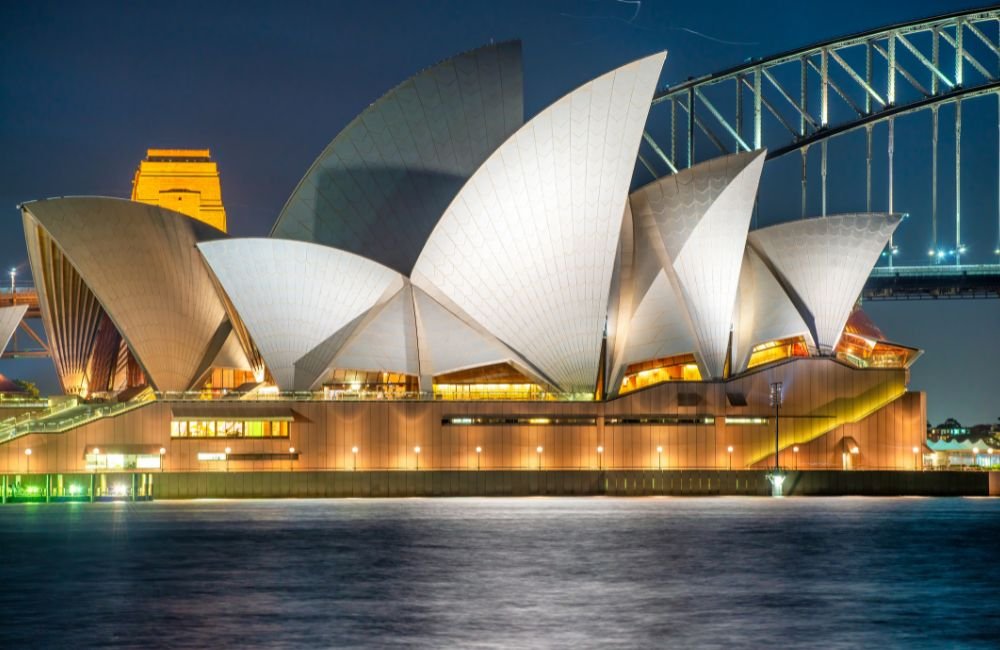
What Makes the Sydney Opera House Special?
Its interlocking shell-like roof forms create a striking silhouette against the harbour. The design demonstrates how ambitious architectural ideas can transform a waterfront setting into an internationally recognised cultural destination.
You can admire the building from the surrounding harbour, enjoy waterfront walks, or attend a performance. Guided tours also offer opportunities to learn about its history, architecture, and engineering.
Consider combining your visit with nearby Circular Quay and the Royal Botanic Garden for a broader appreciation of Sydney’s urban landscape.
The Sydney Opera House is more than a performance venue. It represents the relationship between architectural experimentation, engineering, and cultural life.
3. The Alhambra, Spain
Located in Granada, southern Spain, the Alhambra is a remarkable palace and fortress complex that showcases the artistic achievements of medieval Islamic architecture.
The site’s early fortifications date back to the ninth century. However, the Alhambra developed into a major royal residence under the Nasrid dynasty during the thirteenth and fourteenth centuries.
Its palaces, courtyards, gardens, fountains, and decorative interiors reveal extraordinary attention to detail. Geometric patterns, carved plasterwork, Arabic inscriptions, and intricate tile designs contribute to its distinctive appearance.
The Alhambra forms part of the UNESCO World Heritage property known as the Alhambra, Generalife and Albayzín, Granada. UNESCO World Heritage Centre.

What Makes the Alhambra Special?
Unlike the monumental scale of many modern skyscrapers, the Alhambra demonstrates how architecture can create beauty through proportion, materials, light, water, and decoration.
The Court of the Lions is particularly notable for its central fountain and surrounding arcades. Other palace spaces feature elaborate ceilings, carved walls, and carefully arranged courtyards.
The Generalife gardens, historically associated with the Nasrid rulers, add another dimension to the experience through landscaped terraces, water features, and views across Granada.
Visitors should allow sufficient time to explore the complex. Advance reservations are advisable, and access to certain palace areas may depend on the ticket and entry time.
For travellers interested in history, cultural heritage, and decorative arts, the Alhambra offers an exceptional opportunity to experience the architectural traditions of medieval Granada.
4. Centre Pompidou, France
Paris is famous for historic landmarks such as the Eiffel Tower, the Louvre, and the Arc de Triomphe. However, the city also offers important examples of modern and contemporary architecture.
The Centre Pompidou, designed by architects Renzo Piano and Richard Rogers with their collaborators, became a major architectural landmark when it opened in 1977.
Its design challenged conventional ideas about museum buildings. Many functional elements, including circulation routes and building services, were expressed on the exterior, giving the structure its distinctive industrial appearance.
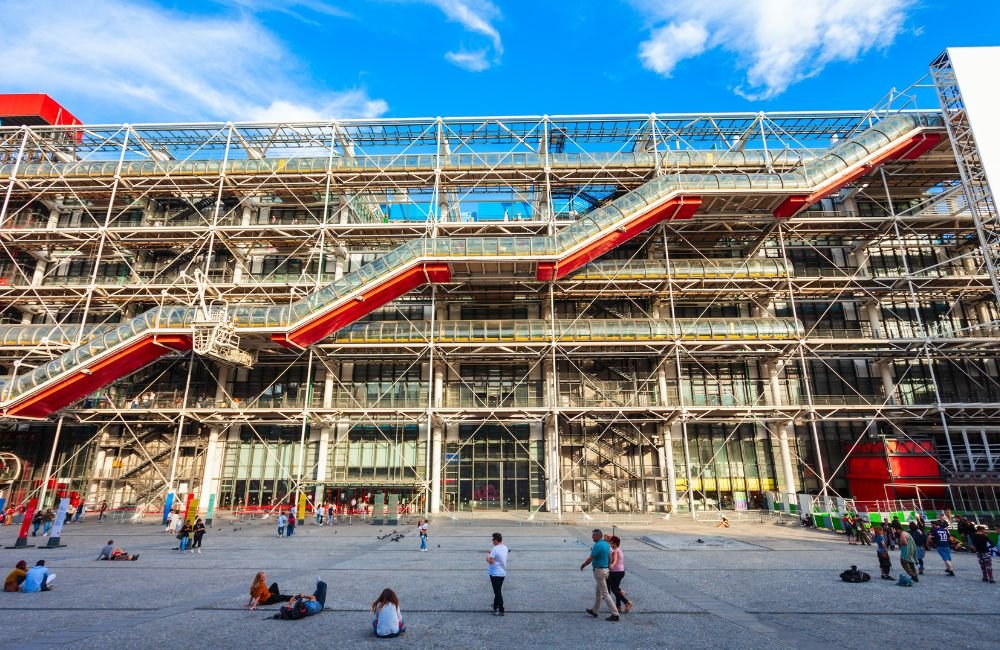
What Makes the Centre Pompidou Special?
The building’s exposed structure, colourful external service elements, and transparent escalator tubes create a dramatic contrast with the traditional architecture surrounding it.
The Centre Pompidou became an important cultural institution, associated with modern and contemporary art, exhibitions, public programmes, and the National Museum of Modern Art.
However, there is an important update for travellers planning a visit.
The Centre Pompidou’s historic Paris building closed to the public in September 2025 for a major renovation project. The institution’s published plans anticipate reopening in 2030. During the closure, its cultural programme continues through partner venues in France and internationally. Check the official website for current exhibitions and alternative locations before travelling. Centre Pompidou renovation information.
Although the original building is temporarily unavailable for normal visits, its architectural significance remains considerable. It demonstrates how a building’s structure and services can become central elements of its visual identity.
5. Taj Mahal, India
The Taj Mahal in Agra, India, is one of the world’s most celebrated monuments and a major achievement of Mughal architecture.
Mughal Emperor Shah Jahan commissioned the monument in memory of his wife, Mumtaz Mahal. Construction of the principal mausoleum began in 1632 and was completed in 1648, while additional elements of the complex were completed in subsequent years.
Built primarily from white marble, the Taj Mahal combines architectural traditions associated with Islamic, Persian, and Indian design. Its symmetrical composition, central dome, minarets, decorative inlay, and landscaped gardens create a carefully balanced architectural ensemble.
UNESCO inscribed the Taj Mahal on the World Heritage List in 1983, recognising its outstanding cultural and architectural significance. UNESCO World Heritage Centre.

What Makes the Taj Mahal Special?
The monument’s beauty comes from the relationship between its overall form and its intricate details.
Precious and semiprecious stones form decorative patterns within the marble. Calligraphic inscriptions adorn parts of the complex, while the gardens and reflecting pools contribute to the carefully planned visual composition.
The Taj Mahal also demonstrates how architecture can communicate personal remembrance, political power, craftsmanship, and cultural identity.
Visitors can explore the monument and its surrounding complex, subject to applicable entry rules and security procedures. Arriving early may help you avoid some crowds and experience the site in changing morning light.
Before visiting, check the Archaeological Survey of India’s official information for current opening arrangements, ticketing, and visitor restrictions.
For anyone exploring India’s architectural heritage, the Taj Mahal provides an opportunity to appreciate Mughal design, historic craftsmanship, and the enduring importance of conservation.
How to Plan an Architectural Travel Holiday
Visiting architectural landmarks requires more than choosing attractive destinations. Opening hours, access restrictions, local transport, ticket availability, and seasonal conditions can affect your itinerary.
Use these tips to plan your trip effectively:
- Research each landmark: Read about its architectural style, history, and cultural significance before visiting.
- Check visitor access: Confirm opening hours, guided tours, photography rules, and entry requirements through official websites.
- Book tickets in advance: Popular monuments may have limited entry slots or timed reservations.
- Allow enough time: Complexes such as the Alhambra and Taj Mahal deserve more than a hurried visit.
- Explore the surroundings: Nearby streets, gardens, museums, and public spaces can provide additional architectural context.
- Respect heritage rules: Follow conservation instructions and avoid touching delicate historic surfaces.
- Consider guided tours: Qualified local guides can explain the historical and technical details that might otherwise go unnoticed.
If you plan to visit several countries, group destinations by region where possible. This can reduce travel time and give you more opportunities to appreciate each place.
Final Thoughts: Discover Architecture That Tells a Story
The world’s architectural masterpieces demonstrate the extraordinary range of human creativity. The Chrysler Building represents the Art Deco skyscraper era, the Sydney Opera House showcases modern engineering, and the Alhambra preserves the artistic traditions of medieval Granada.
The Centre Pompidou challenged conventional museum design, while the Taj Mahal remains an enduring example of Mughal architectural achievement.
Each landmark tells a different story about its creators, its historical period, and the society that shaped it.
Whether you are an architecture enthusiast, a history lover, or a curious traveller, these five destinations offer meaningful ways to explore the built environment. Research your visit carefully, respect each site’s heritage, and take time to appreciate the details that make every architectural masterpiece distinctive.
