
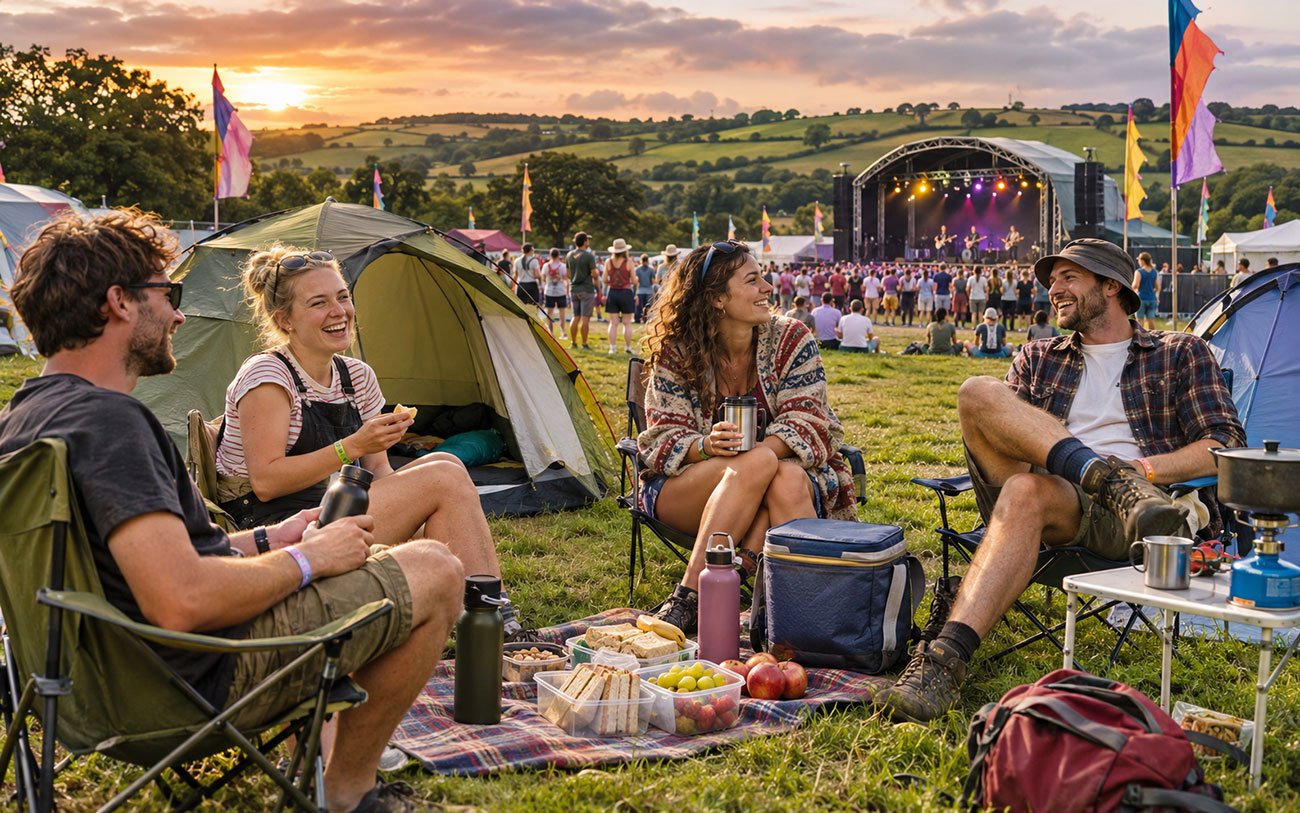
Enjoy a music festival on a budget by sharing camping equipment, bringing your own food and planning expenses.
Music Festival on a Budget: 12 Smart Ways to Save
A weekend of live music, camping and good company can be one of the highlights of the year. However, festival tickets are only the beginning of the expense. Transport, food, drinks, camping equipment and unexpected purchases can quickly push the final cost beyond what you planned.
The good news is that enjoying a music festival on a budget does not mean missing your favourite performances or sacrificing basic comforts. With a little preparation, you can reduce unnecessary spending and put more of your money towards the experience itself.
Whether you are attending a major UK music festival or a smaller independent event, these practical tips will help you plan an affordable festival trip.
1. Set a Realistic Festival Budget Before Booking
The easiest way to overspend at a festival is to think only about the ticket price.
A relatively inexpensive ticket might seem like a bargain until you add the cost of getting there, accommodation and several days of food.
Before booking, calculate your likely expenses.
| Expense | What to include |
|---|---|
| Festival tickets | Admission, booking fees and any compulsory charges |
| Transport | Coach or train tickets, fuel, parking and local transfers |
| Accommodation | Camping fees, hotels or other accommodation |
| Camping equipment | Tent, sleeping bag, sleeping mat and essential supplies |
| Food and drinks | Groceries, purchased meals and refreshments |
| Additional expenses | Lockers, showers or charging facilities where charged |
| Emergency allowance | Unexpected transport costs or essential purchases |
Set a maximum spending limit based on what you can comfortably afford.
It also helps to separate unavoidable costs from optional purchases. Transport and suitable camping equipment may be essential, while merchandise, premium facilities and extra drinks are easier to control.
A simple budget on your phone can make a surprising difference when you are surrounded by tempting food stalls and festival shops.
2. Find Affordable Festival Tickets
Festival tickets are often the largest single expense, so choosing the right event and admission type can make a significant difference.
Compare Ticket Options
Before committing to a weekend pass, consider whether a shorter visit would suit you.
Some festivals offer single-day tickets, allowing you to see your preferred performers without paying for several days of admission, camping and meals.
Smaller regional festivals may also provide good value, particularly if they feature artists you already enjoy.
Book Through Official Ticket Sellers
Check the festival’s official website for ticket-release announcements, authorised sellers and payment options.
Some events offer different ticket-release tiers or instalment plans. However, an instalment arrangement does not necessarily make the ticket cheaper.
Always compare the total payable amount, including booking fees and any additional charges.
Be Careful With Resale Tickets
If an event sells out, check whether the organiser provides an official resale or ticket exchange service.
Avoid sending money directly to strangers through social media or unprotected bank transfers. A suspiciously cheap ticket is not a bargain if it turns out to be invalid.
Also check whether tickets are personalised, transferable or subject to identity verification.
Buying from a legitimate source is far more important than saving a small amount on admission.
3. Consider Festival Volunteering
Volunteering can be one of the most effective ways to attend a major festival without buying a standard admission ticket.
Organisations such as Oxfam recruit festival volunteers for stewarding and other roles at events across the UK.
Depending on the position, responsibilities may include:
- Checking tickets and wristbands.
- Helping visitors find facilities.
- Supporting campsite operations.
- Providing information at festival entrances.
- Assisting event organisers with designated tasks.
In return, volunteers may receive festival access and facilities associated with their role.
However, volunteering is a commitment rather than a guaranteed free holiday.
Understand the Conditions Before Applying
Oxfam’s weekend stewarding arrangements generally involve three shifts, with work scheduled at different times of day.
You might be working when an artist you want to see is performing.
Some volunteer programmes also require a refundable deposit, training and attendance at scheduled briefings. Refund conditions depend on meeting the organisation’s requirements.
Before applying, check the shift commitments, deposit conditions, eligibility rules and arrival dates.
Volunteering is a particularly appealing option if you enjoy meeting people, are comfortable working as part of a team and do not need to see every performance.
4. Save Money on Festival Transport
Travel costs can increase significantly when festivals take place in rural areas or far from major cities.
Before booking, compare the total cost of reaching the festival rather than simply choosing your usual transport method.
Look for Festival Coach Services
Several UK festivals have dedicated coach connections.
Operators such as National Express and Big Green Coach provide services to selected events, sometimes with direct drop-offs at designated festival transport areas.
Coach travel can be convenient because it may eliminate parking charges and the need to arrange separate transport from a railway station.
Book early where possible and check luggage allowances, especially if you are bringing camping equipment.
Compare Train Tickets and Railcards
If you prefer travelling by train, check National Rail for Advance fares.
These tickets can be cheaper than flexible alternatives, but they are usually tied to a specific train.
Eligible Railcards can also reduce fares.
Remember to include the cost of any shuttle bus or local transfer between the railway station and festival entrance.
Share the Cost of Driving
Travelling with friends can make driving economical, particularly when everyone contributes towards fuel and parking.
Before leaving, agree on how expenses will be divided.
Also consider traffic congestion, the walk between the car park and campsite, and whether anyone will be too tired to drive safely after the event.
The cheapest option is not necessarily the one with the lowest advertised fare. Choose the journey with the best overall balance of cost, convenience and reliability.
5. Choose Camping Over Expensive Accommodation
For multi-day festivals, accommodation can become another substantial expense.
Camping is often the most affordable choice, especially when a standard weekend ticket already includes access to the festival campsite.
Glastonbury, for example, includes general camping within its standard festival admission arrangements.
However, facilities and ticket inclusions vary between events.
Before arriving, check whether camping requires a separate pass, whether early entry costs extra and which facilities are available.
Avoid Paying for Unnecessary Upgrades
Premium camping, pre-pitched tents and glamping packages can be attractive, particularly if you value comfort.
However, they may significantly increase the overall cost.
If your priority is enjoying live music at an affordable price, standard camping may be enough.
For festivals where camping is not included, compare the price of approved accommodation and the transport needed to reach the site.
Staying farther away may appear cheaper but can become inconvenient if you need taxis or daily transfers.
6. Borrow or Share Camping Equipment
You do not need to buy an entirely new collection of outdoor equipment for a single festival weekend.
Before shopping, ask friends or relatives whether they have camping gear you could borrow.
A serviceable tent, sleeping bag and sleeping mat are more valuable than expensive accessories you might only use once.
Share Equipment Without Overcrowding
If you are travelling with friends, consider sharing a suitable tent rather than bringing several separate shelters.
You can also divide responsibility for communal essentials such as a torch, basic first-aid supplies and permitted food-preparation equipment.
However, choose a tent with enough space for everyone and their belongings. An overcrowded shelter is unlikely to be comfortable during several days of unpredictable weather.
Test borrowed or second-hand equipment before travelling. Check tent poles, zips, waterproofing and missing parts.
When the festival finishes, take your equipment home rather than abandoning it at the campsite.
7. Pack Smart and Prepare for the Weather
Poor packing decisions can lead to unnecessary purchases once you arrive.
A forgotten waterproof jacket, suitable footwear or phone charger can become a costly inconvenience.
Pack for the expected weather, but remember that outdoor festival conditions can change quickly.
Essential Festival Packing Checklist
- A reliable tent and suitable sleeping equipment.
- Comfortable, weather-appropriate clothing.
- Waterproof outerwear and sturdy footwear.
- Reusable drinking-water bottle.
- Sunscreen and a hat.
- Portable phone charger or power bank.
- Personal medication and basic first-aid supplies.
- Toiletries and personal hygiene essentials.
- Festival ticket, identification where required and payment method.
- A small bag for carrying daytime essentials.
Check the weather forecast shortly before departure.
The UK Met Office provides forecasts and weather warnings that can help you prepare for rain, strong winds or unusually hot conditions.
Avoid buying specialist festival clothing simply because it is fashionable. Comfortable items you already own will usually be sufficient.
8. Bring Your Own Food to Reduce Spending
Food is one of the easiest areas of festival spending to control.
Buying every breakfast, lunch, dinner and snack from vendors can quickly become expensive during a multi-day event.
Where festival rules allow it, bringing food from home or a supermarket can help reduce those costs.
Choose Practical Festival Foods
For a camping festival, consider easy-to-carry foods that do not require refrigeration or complicated preparation.
Useful options include:
- Cereal bars and oat bars.
- Crackers and oatcakes.
- Whole fruit such as apples and oranges.
- Nuts, seeds and dried fruit.
- Bread or wraps with suitable shelf-stable fillings.
- Unopened shelf-stable packaged foods.
- Instant meals that can be prepared safely if suitable cooking facilities are available.
Try to include a reasonable balance of carbohydrates, protein and fruit rather than relying entirely on snacks.
Take Food Safety Seriously
Food that normally requires refrigeration should not be left in a warm tent for several days.
The UK Food Standards Agency recommends keeping chilled foods in a cool box or insulated bag with suitable ice packs when eating outdoors.
That applies to items such as cooked meals, dairy products and many prepared sandwiches.
If you cannot maintain safe storage conditions, choose genuinely shelf-stable products instead.
A little food planning can save money, but food poisoning would quickly spoil your festival experience.
9. Check the Festival’s Cooking Rules
Cooking at a campsite may save money, but never assume that portable stoves, barbecues or other cooking appliances are permitted.
Rules differ between festivals and can also vary between the main campsite, arena and designated accommodation areas.
Check the event’s official prohibited-items list before bringing any cooking equipment.
Some festivals permit specific camping stoves under defined conditions, while restricting open fires and disposable barbecues.
Do not assume you can plug in an electric kettle at your campsite. Power connections are not generally something standard festival camping visitors should rely on.
Never operate a stove, barbecue or fuel-burning appliance inside a tent. Fire and carbon monoxide poisoning are serious risks.
If cooking is not practical, concentrate on ready-to-eat food and plan a modest allowance for hot meals from festival vendors.
10. Use Free Drinking-Water Facilities
Buying bottled drinks repeatedly can consume a surprising amount of your festival budget.
Many major music festivals provide drinking-water refill points for attendees.
Glastonbury encourages visitors to bring reusable bottles and refill them at its water facilities. Reading Festival also provides free drinking-water points.
Bring a durable, lightweight refillable bottle, provided it complies with the event’s entry rules.
Check where the official drinking-water stations are located and whether you can carry filled bottles into the performance arena.
Stay Hydrated Throughout the Day
Dancing, walking and spending hours outdoors can increase your need for fluids.
Drink water regularly, particularly during hot weather, and avoid excessive alcohol.
Saving money should never come at the expense of hydration or your health.
11. Control Your Spending Inside the Festival
Even with affordable tickets and carefully packed supplies, impulse purchases can undermine your budget.
Food stalls, merchandise stands and optional experiences are all part of the festival atmosphere.
You do not need to avoid them completely. The key is deciding which purchases are worth your money.
Set a Daily Spending Allowance
Divide your available spending money across the days you will attend.
You might decide to buy one substantial hot meal each day while relying on your own supplies for breakfast and snacks.
If you particularly want a festival T-shirt or another souvenir, include it in your budget before arriving.
Compare food vendors and look at portion sizes before ordering.
Be aware that some festivals use cashless payments or event-specific payment systems. Check the arrangements in advance so you are not caught out by unnecessary fees or restrictions.
Also consider whether paid phone charging, lockers or showers are genuinely necessary. Some facilities may already be included in your ticket or volunteer arrangements.
12. Plan Your Return Journey and Keep Emergency Money
Festival budgeting should include the journey home.
A cheap weekend can become expensive if you miss the last available transport connection and need an unexpected overnight stay.
Before leaving home, confirm your return arrangements.
Check the departure location, ticket conditions and any shuttle connections.
Leave enough time to collect your belongings, walk to the transport area and deal with event-day congestion.
Keep an Emergency Allowance
Set aside a small amount of money that you do not intend to spend on ordinary festival purchases.
This can help cover unexpected transport changes, essential supplies or other genuine emergencies.
Also read the festival’s cancellation and refund terms before booking. If you purchase insurance or ticket protection, check exactly which circumstances it covers.
Being prepared means you can concentrate on the music rather than worrying about how you will get home.
Frequently Asked Questions About Budget Music Festivals
What Is the Cheapest Way to Attend a Music Festival?
Attending a smaller local festival or choosing a single-day ticket can reduce costs. Volunteering may also provide festival access in exchange for completing required shifts. Compare the full cost of travel, tickets, equipment and accommodation before deciding.
Can I Bring My Own Food to a Music Festival?
Many festivals permit food for personal consumption, but restrictions vary. Some apply different rules to the main performance arena and campsites. Always check the organiser’s official guidance.
Is Camping Included in Festival Ticket Prices?
Some multi-day festivals include general camping with weekend admission, while others sell camping tickets separately. Check the specific ticket conditions rather than assuming accommodation is included.
How Can I Save Money if It Is My First Festival?
Borrow camping equipment, share transport costs, bring permitted food and use drinking-water refill facilities. Avoid unnecessary upgrades and set a daily spending limit.
Enjoy the Music Without Overspending
A memorable music festival does not require expensive camping equipment, premium accommodation or constant spending.
The biggest savings often come from decisions made before the event: choosing suitable tickets, comparing transport, sharing equipment and planning meals.
Once you have covered the essentials, give yourself a realistic allowance for the things you genuinely enjoy.
With sensible planning, a music festival on a budget can still offer everything that makes the experience worthwhile: great performances, time with friends and the atmosphere of live music.
