
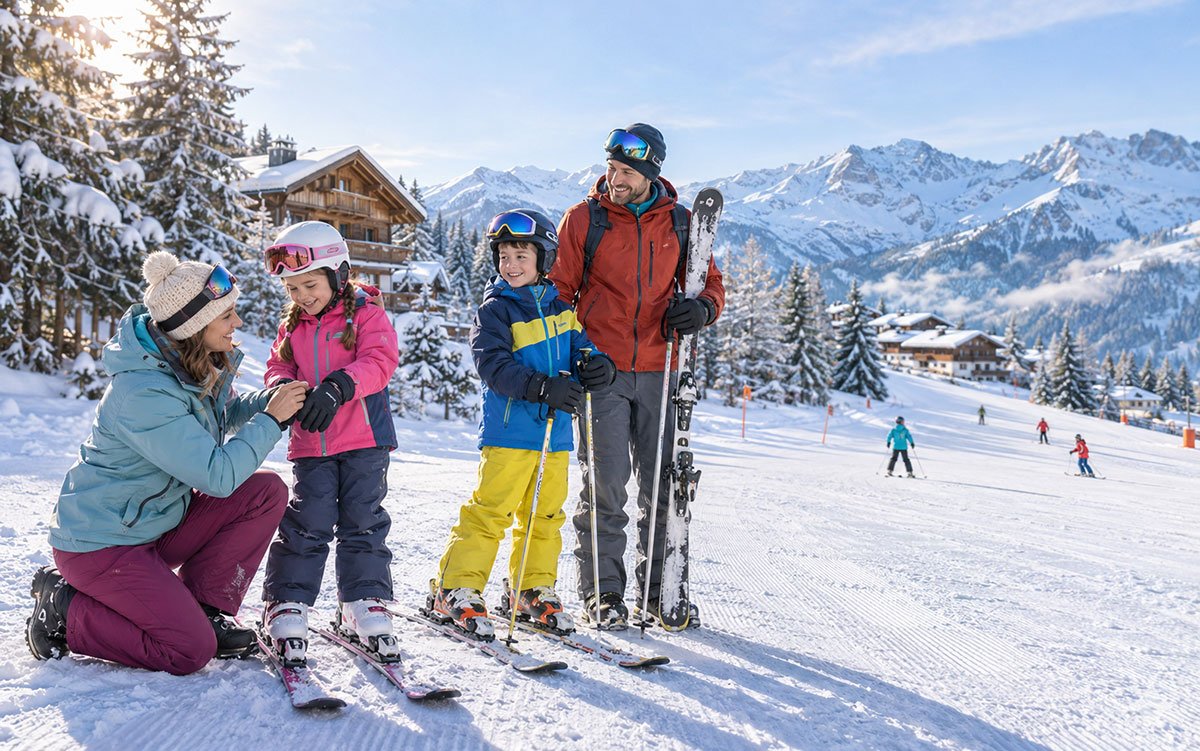
Proper ski clothing, helmets and correctly fitted equipment help children stay comfortable during their first skiing adventures.
Kids’ Ski Packing List: Essential Clothing and Gear for a Family Ski Holiday
A family skiing holiday can be a wonderful introduction to winter sports. However, getting children ready for the slopes takes some careful planning. The right clothing keeps them warm and dry, while properly fitted equipment helps them learn comfortably and safely.
This kids ski packing list covers everything children need for a skiing holiday, from thermal base layers and waterproof jackets to helmets, goggles and ski boots. It also explains what to buy, what to rent and how to avoid packing more than your family needs.
Whether your child is taking their first ski lesson or returning for another winter adventure, a little preparation makes the experience more enjoyable for everyone.
What Should Children Wear for Skiing?
The most effective approach is to dress children in three adaptable layers: a moisture-wicking base layer, an insulating middle layer and a weather-resistant outer layer.
This combination helps regulate body temperature throughout the day. Children may feel cold while sitting on a chairlift but become warm as they practise their turns.
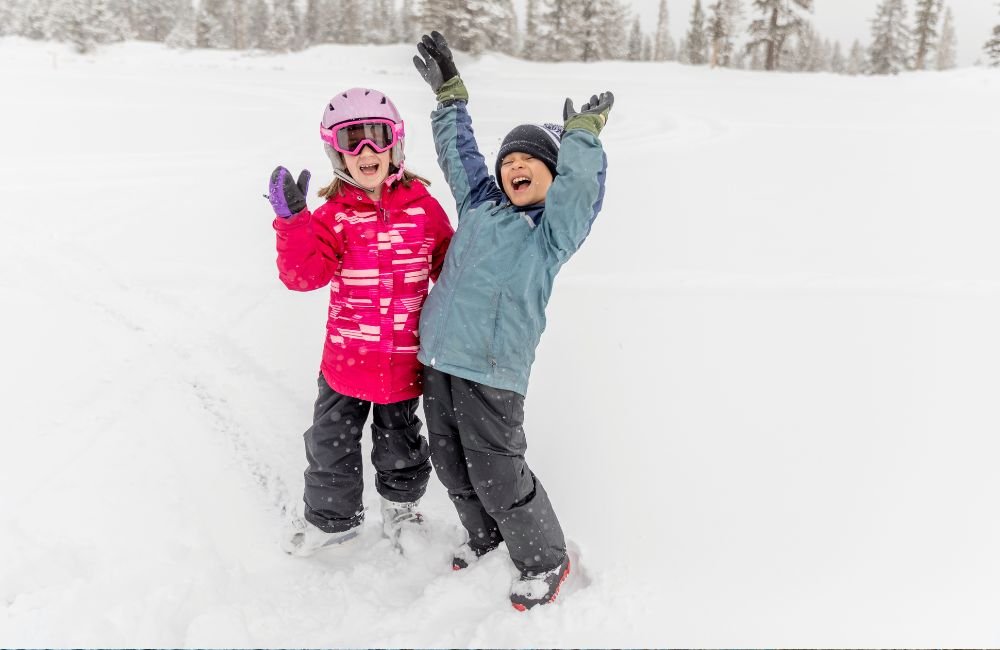
Warm, waterproof clothing and suitable winter accessories help children stay comfortable while enjoying snowy adventures on a family ski holiday.
1. Thermal Base Layers
Base layers sit directly against the skin and help move perspiration away from the body.
Choose thermal tops and leggings made from merino wool or moisture-wicking synthetic fabrics. These materials are particularly useful during active winter sports.
For a typical ski holiday, look for:
- Long-sleeved thermal tops.
- Thermal leggings or long underwear.
- Soft, comfortable materials that do not irritate the skin.
- A close but non-restrictive fit.
Avoid cotton as a base layer. It absorbs moisture and takes longer to dry, which can leave children feeling cold after exercise.
Pack enough thermal clothing to rotate between ski days, taking laundry and drying facilities into account.
2. Fleece and Insulating Mid-Layers
The middle layer provides warmth by trapping insulating air beneath the outer jacket.
Fleece tops, wool jumpers and lightweight insulated jackets are practical options. They should fit comfortably without adding excessive bulk.
For most children, a fleece or similar insulating top is a useful starting point. Additional insulation may be needed in particularly cold conditions.
Avoid dressing children in too many heavy layers. Excessive clothing can restrict movement and cause overheating.
3. Waterproof Ski Jackets
A suitable ski jacket is one of the most important items in a child’s winter wardrobe.
Children learning to ski often spend time kneeling, sitting or falling in the snow. Their jackets therefore need to withstand repeated contact with cold and moisture.
Look for the following features:
- Waterproof or highly weather-resistant outer fabric.
- Breathable construction.
- Adequate insulation for the expected conditions.
- Adjustable cuffs that help keep snow out.
- A protective collar and practical pockets.
- A hood compatible with the child’s helmet, if fitted.
- Sufficient room for comfortable movement.
Brightly coloured clothing can also make children easier to identify in busy beginner areas.
When buying a jacket, ask your child to bend, stretch and raise their arms. The jacket should remain comfortable without pulling tightly across the shoulders or exposing the waist.
4. Ski Trousers and Salopettes
Ski trousers protect children’s legs from snow, wind and wet chairlift seats.
Salopettes, or bib-style ski trousers, are particularly useful for younger children because their higher coverage helps prevent snow entering around the waist.
When choosing ski trousers, consider:
- Waterproof and breathable fabric.
- Adjustable waistbands or shoulder straps.
- Reinforced knees and seat areas for durability.
- Internal snow gaiters around the ankles.
- Enough space for thermal leggings underneath.
Check that the trousers fit over ski boots without dragging on the ground.
5. One-Piece Snowsuits for Younger Children
A one-piece snowsuit can be a practical choice for toddlers and younger children enjoying snow play or beginner activities.
It provides continuous coverage and reduces the chance of snow entering between the jacket and trousers.
However, one-piece suits can make toilet breaks more difficult. For children who need frequent changes, separate jackets and bib trousers may be more convenient.
Choose whichever arrangement suits your child’s age, independence and planned activities.
Essential Ski Accessories for Children
Small accessories can make a substantial difference to a child’s comfort on the slopes.
Cold fingers, uncomfortable socks or poorly fitting goggles can quickly spoil an otherwise enjoyable ski lesson.
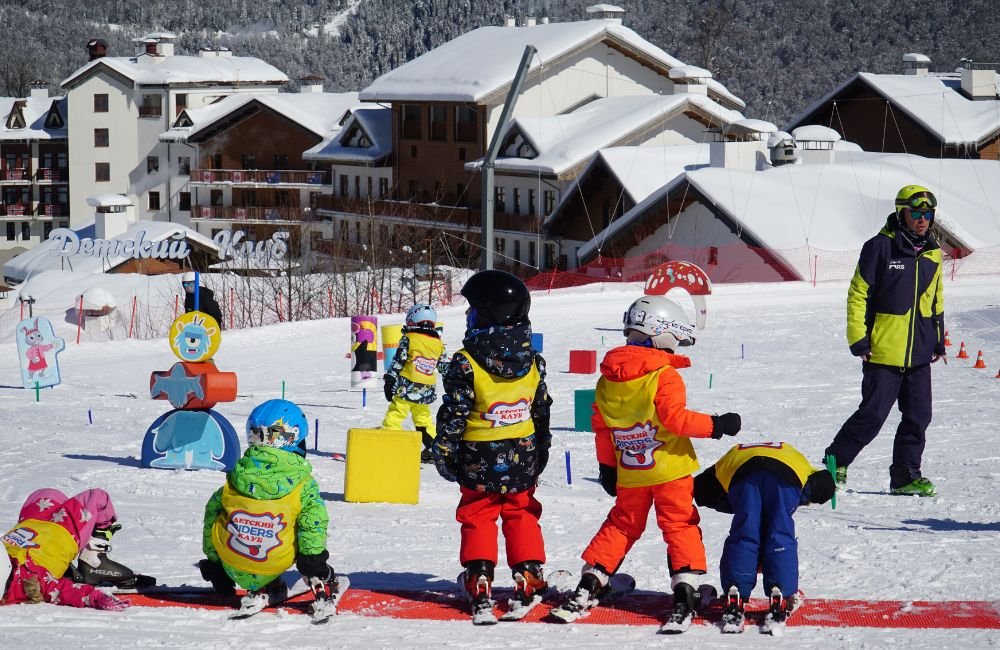
Children learning to ski with an instructor at a snowy mountain resort, wearing helmets, insulated ski clothing and other essential winter sports accessories.
Ski Socks
Choose purpose-made ski socks that extend above the top of the ski boot.
Merino wool blends and technical synthetic fabrics help manage moisture while providing cushioning where it is useful.
Children should wear only one pair of ski socks inside their boots. Wearing two pairs can create pressure points and make the boots uncomfortable.
Pack spare socks so that your child can start each ski day with a clean, dry pair.
Waterproof Gloves or Mittens
Warm hands are essential, particularly when children spend time playing in the snow.
Waterproof, insulated mittens are often a good option for younger children because they generally retain warmth better than gloves.
Gloves provide greater finger movement, which may suit older children.
Look for adjustable wrist closures, secure cuffs and comfortable insulation.
Always consider carrying a spare pair. Wet gloves are uncomfortable and may take time to dry.
Neck Warmers and Hats
A soft neck warmer helps protect exposed skin from cold wind.
Choose a close-fitting neck gaiter rather than a long, loose scarf that could become caught in equipment.
A warm hat is useful for walking around the resort, travelling and spending time outdoors when your child is not wearing a ski helmet.
Avoid placing bulky hats underneath a helmet. They can interfere with the correct fit.
Ski Goggles
Snow, wind and bright sunlight can affect visibility while skiing.
Children’s ski goggles should provide suitable UV protection and fit comfortably with their helmet.
Before buying, check that:
- The goggles fit the child’s face without excessive gaps.
- The strap adjusts securely around the helmet.
- The lenses suit the expected light conditions.
- The goggles do not press uncomfortably against the nose.
- The helmet and goggles work together without leaving a large exposed gap on the forehead.
A lens suitable for changing or mixed light conditions is often a practical choice for a first ski holiday.
Why a Properly Fitted Ski Helmet Matters
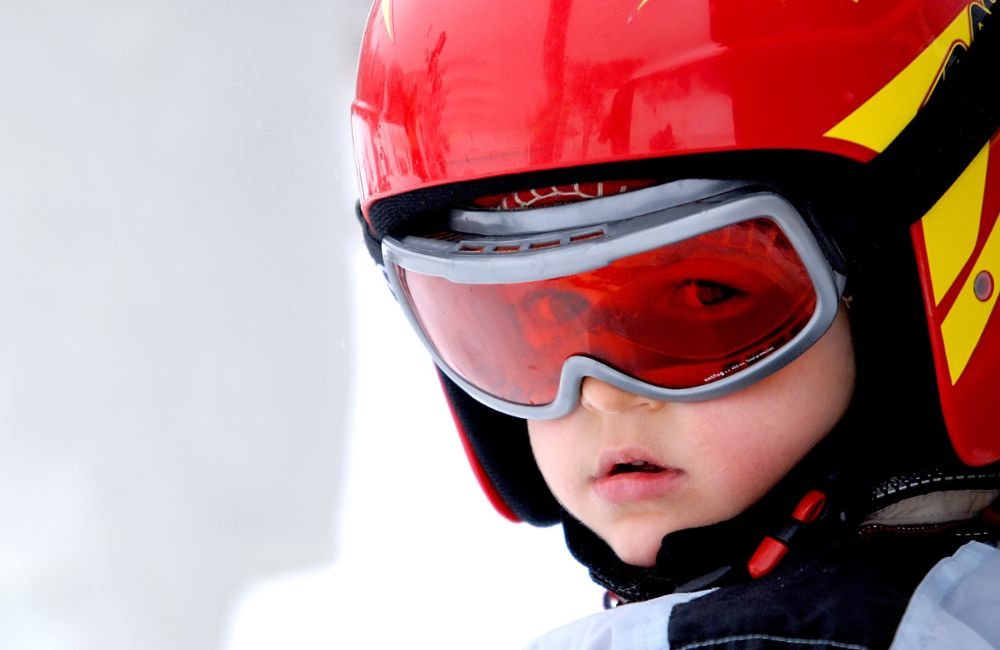
A properly fitted ski helmet and protective goggles are essential safety accessories for children learning to ski.
Every child should wear a helmet designed specifically for skiing or snowboarding.
A suitable helmet can reduce the risk of certain head injuries, but it cannot prevent every injury or make high-speed skiing safe.
The helmet must fit the child’s current head size. Buying an oversized helmet to allow for future growth is not a good idea.
Check that the helmet:
- Fits snugly without causing discomfort.
- Does not move excessively when the child shakes their head.
- Has an adjustable and securely fastened chin strap.
- Is designed for snow sports and meets applicable safety requirements.
- Has not been damaged or involved in a significant impact.
If you are unsure about sizing, ask a qualified equipment retailer or rental technician for assistance.
Helmet requirements differ between countries and resorts. Check local rules before travelling, particularly when booking children’s ski lessons.
Choosing Skis, Boots and Poles for Kids
Correctly fitted ski equipment is just as important as appropriate clothing.
Children should use equipment suited to their height, weight, ability and experience rather than simply borrowing older equipment that happens to be available.
Children’s Ski Boots
Ski boots should hold the feet securely while allowing the movement needed for skiing.
Boots that are too large can make controlling skis difficult. Boots that are too tight may cause discomfort, pressure points and cold feet.
Have your child try on ski boots while wearing their intended ski socks.
A rental technician or qualified boot fitter can assess the fit and make necessary adjustments.
Skis and Bindings
Children’s skis should be selected according to their size and skiing ability.
Beginners generally benefit from skis that are manageable and relatively easy to turn.
Bindings also require professional adjustment to suit the skier and equipment. Never assume that a pair previously used by another child is automatically suitable.
If you are renting, provide accurate information about your child’s height, weight, age and skiing experience.
Do Young Beginners Need Ski Poles?
Not necessarily.
Many beginner lessons introduce children to skiing without poles, allowing them to concentrate on balance, turning and controlling their speed.
Ski instructors can advise when poles would be useful.
Check your child’s lesson requirements before purchasing or hiring them.
Should You Buy or Rent Children’s Ski Equipment?
For families taking their first skiing holiday, renting equipment is often the more practical option.
Children grow quickly, and skis or boots that fit one season may not remain suitable the next.
Advantages of Renting
Renting can help families:
- Avoid purchasing expensive equipment for occasional trips.
- Obtain correctly sized equipment for growing children.
- Reduce luggage requirements when travelling by air.
- Try skiing before committing to buying equipment.
- Seek professional fitting and adjustments at the resort.
Many ski destinations have rental shops offering children’s skis, boots and helmets, although availability and package inclusions vary.
Reserve equipment in advance where possible, especially during popular school holiday periods.
When Buying Makes Sense
Purchasing equipment may be worthwhile if your family skis regularly or if several children can use appropriately maintained equipment over time.
Personal items such as thermal clothing, gloves, ski socks and goggles are particularly useful to own.
If buying second-hand ski equipment, have it inspected by a qualified technician before use. Protective helmets require particular care because their impact history may be unknown.
Kids Ski Packing List for a One-Week Holiday
Packing quantities depend on the weather, the number of skiing days and whether your accommodation has laundry facilities.
For a family holiday involving approximately five days of skiing, the following checklist provides a useful starting point.
Ski Clothing Checklist
- 2–3 thermal base-layer sets
- 2 fleece or insulating mid-layers
- 1 waterproof ski jacket
- 1 pair of waterproof ski trousers or salopettes
- 3–5 pairs of ski socks
- 2 pairs of waterproof gloves or mittens
- 1 neck warmer
- 1 warm hat for off-slope use
Protective Equipment
- Properly fitted ski helmet
- UV-protective ski goggles
- Skis and professionally adjusted bindings, if not renting
- Ski boots, if not renting
- Ski poles, if required by the instructor
Everyday Holiday Essentials
- Warm, waterproof winter boots with good grip
- Comfortable clothes for evenings
- Underwear and sleepwear
- Broad-spectrum sunscreen
- Lip balm with sun protection
- Reusable water bottle
- Snacks for breaks
- Personal medication and basic first-aid supplies
- Travel documents and insurance information
- Ski lesson and equipment rental confirmations
Extra changes of clothing are particularly useful for younger children who may become wet while playing in the snow.
This checklist is a guide rather than a fixed requirement. Adjust quantities to suit your child’s needs and the facilities available at your destination.
Practical Tips for a First Family Ski Holiday
Book Age-Appropriate Ski Lessons
Professional instruction helps children learn basic skiing skills in a structured environment.
Before booking, confirm the ski school’s minimum age, lesson duration, group arrangements and equipment requirements.
Some programmes include equipment rental, while others require families to organise it separately.
Consider how comfortable your child is with unfamiliar activities and how much time they can reasonably spend outdoors.
Protect Children From Winter Sunlight
Sunscreen is important even when the weather feels cold.
Snow reflects ultraviolet radiation, while mountain environments may expose visitors to stronger sunlight.
Apply suitable broad-spectrum sunscreen to exposed skin and use a lip balm with sun protection. Reapply according to product instructions.
Make sure children wear appropriate UV-protective eyewear while skiing.
Allow Regular Warm-Up Breaks
Children may become tired or cold before they recognise that they need a break.
Plan opportunities to rest indoors, drink water and eat a snack.
Check gloves, socks and base layers for dampness. Replace wet clothing when necessary.
Persistent shivering, unusual tiredness or confusion can indicate a potentially serious cold-related problem. Stop the activity, move to shelter and seek medical help promptly if hypothermia is suspected.
Check the Weather Before Heading Out
Mountain conditions can change quickly.
Review official resort forecasts, lift operations and ski-area notices each morning.
Dress according to the actual conditions rather than assuming that every ski day requires identical clothing.
Strong wind, poor visibility or severe cold may justify changing the day’s plans.
Establish Basic Safety Rules
Before skiing, explain a few important rules in language your child understands.
Children should remain on suitable marked slopes, follow their instructor and stay in control.
They should never ski alone, enter closed areas or attempt difficult terrain beyond their abilities.
Teach children how to ask resort staff for assistance and agree on a meeting point in case anyone becomes separated.
For younger children, a small card containing a parent’s contact number can provide additional reassurance.
How to Save Money on Kids’ Ski Clothing
Outfitting a family for skiing need not mean purchasing every item new.
Start with essentials that must fit correctly and perform well, particularly waterproof outerwear and protective equipment.
Consider these practical ways to manage costs:
- Borrow suitable clothing: Friends or relatives may have jackets or salopettes that their children have outgrown.
- Consider second-hand outerwear: Inspect seams, zips, cuffs and waterproofing before purchasing.
- Rent specialist equipment: Hire skis and boots rather than buying them for a single holiday.
- Choose versatile layers: Thermals and fleece tops can also be used for other cold-weather activities.
- Compare rental packages: Check exactly what is included before booking.
- Avoid oversized clothing: Buying too large can compromise comfort and mobility.
Do not sacrifice proper fit or safety merely to reduce costs.
Check Travel Insurance and Resort Requirements
Before travelling, confirm that your family’s insurance covers the winter sports activities you plan to undertake.
Standard travel insurance does not always include skiing.
Review cover for emergency medical treatment, mountain rescue, evacuation and equipment-related incidents where relevant.
Also check the destination’s official travel advice and current resort regulations. Helmet rules, liability insurance requirements and ski-school policies can differ considerably.
If travelling internationally, verify passports, visas and entry requirements for everyone in the family.
Frequently Asked Questions About Children’s Ski Clothing
Do Children Need Special Clothes for Skiing?
Yes. Children need clothing that provides warmth, moisture management and protection from snow and wind. Ordinary winter coats and jeans are generally not suitable substitutes for waterproof ski clothing.
Are Mittens or Gloves Better for Young Skiers?
Mittens are often warmer, making them useful for younger children. Gloves provide greater dexterity. Waterproofing, insulation and fit matter more than choosing one style universally.
Can Children Wear Two Pairs of Socks in Ski Boots?
It is usually better to wear one properly fitted pair of ski socks. Additional socks can make ski boots too tight and create uncomfortable pressure points.
Should Children Wear a Helmet During Ski Lessons?
Yes. A properly fitted snow-sports helmet is strongly recommended for children skiing at any ability level. Some resorts and countries make helmets compulsory, so check the applicable rules before departure.
Is It Better to Rent Ski Equipment for Growing Children?
For occasional ski holidays, renting is often a sensible choice. It allows children to use equipment selected for their current size and ability without requiring families to purchase a complete set.
Ready for the Slopes?
Preparing children for a skiing holiday comes down to a few essentials: comfortable layers, waterproof outerwear, properly fitted protective equipment and realistic expectations about time spent on the snow.
Use the packing checklist before departure, confirm what your rental and lesson bookings include, and allow flexibility for changing weather.
With the practical details organised, the family can concentrate on learning new skills and enjoying time together in the mountains.
