
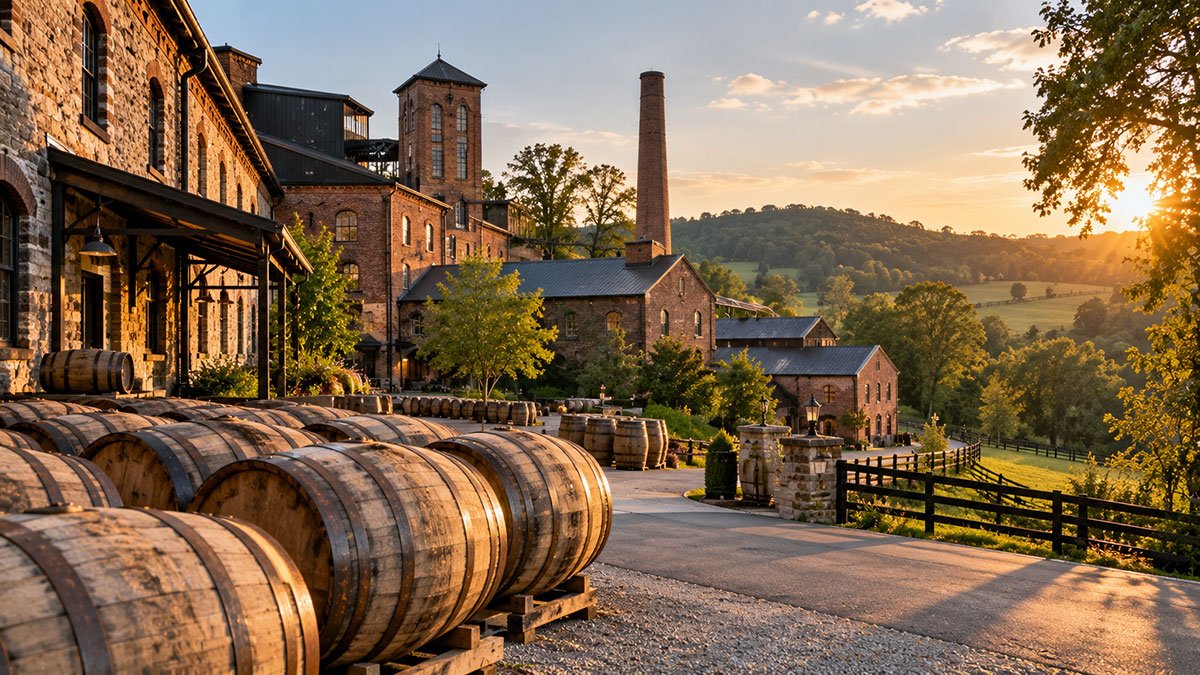
Explore Kentucky’s bourbon heritage through historic distilleries, traditional oak barrels and scenic countryside along the Kentucky Bourbon Trail.
Kentucky Bourbon Trail Travel Guide: Distilleries, Itineraries and Tips
For travellers interested in American whiskey, few experiences offer the combination of heritage, craftsmanship and scenic countryside found along the Kentucky Bourbon Trail. From traditional distilleries and ageing warehouses to modern tasting rooms and historic towns, bourbon country offers much more than a chance to sample a drink.
The Kentucky Bourbon Trail is a collection of participating distilleries and related visitor experiences spread across several regions of Kentucky. Visitors can learn how bourbon is produced, discover the stories behind established whiskey makers, explore rural communities and enjoy the state’s wider cultural attractions.
Whether you are planning a weekend getaway or a longer American road trip, this Kentucky Bourbon Trail travel guide explains where to begin, which destinations to consider, how much time to allow and what to know before booking a tour.
What Is the Kentucky Bourbon Trail?
The Kentucky Bourbon Trail is an organised tourism experience established by the Kentucky Distillers’ Association in 1999. It connects visitors with participating distilleries and other bourbon-related destinations across the state.
Rather than following one continuous road, the trail brings together experiences in different communities and regions. Some visitors focus on major distilleries with long production histories, while others seek smaller producers, specialist tastings or bourbon-themed experiences in Kentucky’s cities.
The journey can include guided tours, opportunities to learn about fermentation and distillation, visits to barrel warehouses, educational tasting sessions and stops at gift shops or cocktail bars.
The official programme has expanded considerably beyond its original group of distilleries. Its current online trip planner allows travellers to explore participating destinations, organise a personalised itinerary and consider driving times between stops.
You do not need to be a whiskey expert to enjoy the experience. Many tours explain the production process from the beginning, making them accessible to curious first-time visitors as well as established enthusiasts.
Understanding Bourbon and American Whiskey
Before visiting a distillery, it helps to understand what distinguishes bourbon from other types of whiskey.
Bourbon is a type of American whiskey produced under specific legal requirements. Its fermented grain mixture must contain at least 51% corn, and it must be aged in new charred oak containers. Other production requirements also apply.
The use of corn and new charred oak contributes to the flavour and colour associated with bourbon. Depending on the recipe, maturation and production methods, a whiskey may display notes commonly described as caramel, vanilla, toasted oak, spice or dried fruit. These characteristics vary between products.
Bourbon vs Scotch Whisky

Discover Kentucky’s bourbon heritage through guided distillery tours, oak-barrel ageing and educational tasting experiences.
Bourbon and Scotch whisky share a broad family resemblance, but their ingredients, geographical rules and production requirements differ.
Scotch whisky must be made in Scotland and mature there in oak casks for at least three years. Scotch styles include single malt whisky, which is made from malted barley at a single distillery, and blended whiskies that combine different components.
Bourbon uses a grain mixture containing at least 51% corn and matures in new charred oak containers. It can be produced elsewhere in the United States, although Kentucky has a particularly strong association with the spirit.
The difference in maturation requirements is worth remembering. Scotch producers often use casks that previously held bourbon, while bourbon producers must use new charred oak containers for bourbon maturation.
What About Rye Whiskey?
Rye whiskey is another important American whiskey style. Its grain mixture must contain at least 51% rye under US production standards.
Compared with many corn-forward bourbons, rye whiskey is often associated with a spicier flavour profile. However, the precise taste depends on the recipe, production techniques, maturation and bottling strength.
Some distilleries offer both bourbon and rye, allowing visitors to compare the styles during educational tastings. This can be a useful way to understand how different grains influence a whiskey’s character.
Best Distilleries to Consider on the Kentucky Bourbon Trail
Kentucky has a large network of bourbon destinations, and no single itinerary can cover everything. The following established names provide a useful starting point. Check the official trail directory for current participation, available tours and visitor arrangements before booking.
1. Maker’s Mark Distillery
Located in Loretto, Maker’s Mark is known for its distinctive red-wax bottle seal and longstanding bourbon-making traditions.
A visit offers an opportunity to learn about the brand’s approach to production and see how a historic distillery presents its heritage to visitors. Its rural setting also provides a different experience from the urban distilleries in Louisville.
This stop may appeal to travellers interested in traditional bourbon production and the visual details associated with a recognisable American whiskey brand.
2. Jim Beam
Jim Beam’s bourbon heritage is closely associated with the Clermont area of Kentucky. It is one of the established names worth considering when planning a trip focused on American whiskey history.
Distillery experiences can help visitors understand the stages of bourbon production, from grain preparation and fermentation to distillation, barrel ageing and bottling.
Check the current visitor programme before travelling, as tour availability and the experiences offered can change.
3. Heaven Hill
Heaven Hill has a longstanding connection with Bardstown, a town closely associated with Kentucky’s bourbon culture.
A visit can provide insight into the relationship between distilleries, barrel ageing and the development of whiskey styles. Bardstown is also a useful base for exploring other bourbon-related attractions in the surrounding area.
If you want to spend more than one day visiting distilleries, consider staying locally rather than making every journey from a distant city.
4. Four Roses
Four Roses is another established Kentucky bourbon producer. Its distillery in Lawrenceburg and its separate warehouse and bottling visitor experience in Cox’s Creek illustrate how different stages of whiskey production can take place at different facilities.
Check which visitor experience you are booking before arranging your route. A destination’s name alone does not tell you whether the visit focuses on distillation, maturation, bottling or tasting.
5. Wild Turkey
Located near Lawrenceburg, Wild Turkey is a notable stop for travellers interested in bourbon production and maturation.
As with other distilleries, a guided experience may help explain how the grain recipe, distillation process and time spent in oak influence the finished whiskey.
Confirm the available tour options and make reservations through the official visitor channel.
6. Woodford Reserve
Woodford Reserve’s distillery is located near Versailles, in Kentucky’s Bluegrass region. The surrounding countryside gives this area a distinct atmosphere, with rolling landscapes and a strong connection to Kentucky’s horse-farming heritage.
It is a worthwhile option for travellers who want to combine bourbon tourism with scenic drives and other Central Kentucky experiences.
Plan this visit around its actual location rather than assuming it is a short detour from every other distillery on the trail.
7. Buffalo Trace Distillery
Buffalo Trace, in Frankfort, is another prominent name in Kentucky bourbon. Its historic distillery setting offers a perspective on the state’s long relationship with whiskey production.
The range of visitor experiences and tour availability can vary. Check the official visitor information before making travel arrangements, particularly if a specific tour is important to your itinerary.
8. Angel’s Envy
For visitors who prefer an urban setting, Angel’s Envy offers a distillery experience in downtown Louisville.
Urban bourbon destinations can be easier to combine with restaurants, museums and accommodation than rural distilleries. They can also form part of an itinerary that does not depend on driving between distant locations.
Compare available tour and tasting options before deciding how much time to allocate.
How to Plan Your Kentucky Bourbon Trail Itinerary
The number of experiences available across Kentucky makes it important to plan by region rather than trying to see everything in one trip.
A One-Day Bourbon Trail Visit
A single day is best spent exploring one area, such as Louisville’s urban bourbon attractions.
Choose one or two experiences that interest you, reserve any required tours and leave sufficient time for meals and travel between stops. If you have a particular distillery in mind, build the rest of the day around its booking time.
Trying to cover several distant distilleries in a few hours can turn the visit into a rushed driving schedule rather than an enjoyable holiday.
A Three-Day Kentucky Bourbon Trail Trip
Three days provides a practical starting point for exploring several parts of bourbon country.
Day 1: Louisville
Explore an urban distillery experience, visit a bourbon-related attraction and enjoy the city’s dining options. You can also visit the Kentucky Derby Museum if horse racing interests you.
Day 2: Bardstown and the surrounding area
Choose distilleries in and around the Bardstown area. Leave enough time for guided tours, meals and exploring the town rather than booking experiences back-to-back.
Day 3: Central Kentucky
Consider destinations around Frankfort, Versailles or Lawrenceburg. Select visits according to your interests and the actual driving time between them.
This is a suggested framework, not a fixed route. Your best itinerary depends on tour availability, accommodation, transport and the experiences you most want to see.
A Four- to Five-Day or Longer Trip
A longer holiday provides more flexibility to explore different regions, compare whiskey styles and discover attractions beyond the distilleries.
You could spend additional time in Louisville, visit more rural producers, explore horse-country landscapes around Lexington or plan a separate excursion to Mammoth Cave National Park.
If you prefer a slower pace, use the extra days to enjoy local food, museums, historic downtown areas and scenic drives rather than adding more tastings to each day.
Use the Official Bourbon Trail Trip Planner
The official Kentucky Bourbon Trail website provides a trip-building tool that helps visitors discover participating experiences, organise their itinerary and account for driving times.
Use it as a starting point, then confirm tour details directly with each destination. The final schedule should account for travel, check-in requirements, meal breaks and the time needed to enjoy each experience.
Practical Tips Before You Visit a Distillery
A little preparation can make a significant difference to your experience.
Book Tours in Advance
Popular tours and specialist tasting sessions may have limited availability. Make reservations through the official distillery website whenever booking is offered.
Before paying, review the tour duration, admission cost, age requirements, cancellation terms and any restrictions on photography or access to production areas.
Do not assume that every location accepts walk-in visitors or offers the same tasting options.
Plan Transport Before Tasting
This is one of the most important parts of a Kentucky Bourbon Trail trip.
Distilleries are spread across urban areas and rural communities. Public transport may not provide practical connections between them, and taxis or ride-hailing services may be difficult to arrange in some rural locations.
If you intend to sample bourbon, appoint a designated driver who will not drink or book suitable transport in advance. Organised tours and private transfers can be useful alternatives.
Never drive after drinking. Allowing for safe transport before the first tasting is better than trying to arrange it at the end of the day.
Carry Identification and Check Age Requirements
The legal drinking age in the United States is 21. Tasting rooms and other alcohol-related activities may require valid identification and may have additional visitor policies.
Check the requirements for each experience before booking, particularly when travelling with younger family members.
Not every part of a distillery visit is necessarily suitable for children, and admission rules can differ between venues.
Wear Comfortable Shoes
Distillery visits may involve walking around grounds, production buildings and barrel warehouses. Surfaces and accessibility arrangements vary, so read the tour description before arriving.
Wear comfortable footwear and consider the weather when selecting clothing for outdoor portions of a tour.
Understand What a Tasting Includes
A tasting experience may involve several samples, while another visit may focus mainly on production or history.
Read the booking description to understand what is included. Sample sizes, available products and any opportunity to purchase bottles differ between destinations.
You do not need to sample every product to appreciate the production process. Choose an experience that matches your interests and comfort level.
Best Time to Visit Kentucky Bourbon Country
Kentucky experiences four distinct seasons, and the most suitable time to visit depends on your preferred activities and tolerance for changing weather.
Spring: Spring offers an opportunity to explore the countryside as temperatures begin to rise. The Kentucky Derby in Louisville is a major annual event, and accommodation and transport demand can increase around Derby week. Book well ahead if your visit coincides with racing events.
Summer: Summer is suitable for combining distillery tours with outdoor activities, scenic drives and visits to nearby towns. Expect warmer weather and plan outdoor portions of your itinerary accordingly.
Autumn: Autumn can be an appealing time for countryside drives and exploring Kentucky’s historic communities. Weather changes from year to year, so check the forecast before departure.
Winter: Winter can offer a quieter atmosphere, but conditions may affect driving and some visitor schedules. Confirm distillery availability before travelling, particularly around public holidays.
Regardless of the season, book any must-see experience first and build the rest of the trip around its availability.
Beyond Bourbon: Other Things to Do in Kentucky
Kentucky’s attractions extend well beyond its distilleries. Adding a museum, natural attraction or cultural experience can create a more balanced holiday.
Visit the Kentucky Derby Museum
Located at Churchill Downs in Louisville, the Kentucky Derby Museum explores the history and traditions of the Kentucky Derby and American thoroughbred racing.
Exhibits and interactive displays provide an introduction to the sport, even for visitors who do not follow horse racing closely. Ticket options can also include a guided track visit, subject to the current visitor programme.
Check the museum’s official visitor guide for opening arrangements, admission options and race-day parking information before planning your visit.
Explore Mammoth Cave National Park
Mammoth Cave National Park offers a different experience from the distilleries, with its extensive underground passages and outdoor recreational opportunities.
The National Park Service describes Mammoth Cave as home to the world’s longest known cave system. Guided cave tours are the principal way to explore the underground areas.
Advance reservations are strongly recommended because tours can sell out. Available routes, departure times and physical requirements vary. Read the tour description carefully before booking and allow sufficient time for travel to and from the park.
Treat this as a separate part of your itinerary rather than trying to squeeze a cave tour into a packed distillery day.
Discover Kentucky’s Horse Country
The Lexington area is known for its association with thoroughbred horses and the wider Bluegrass landscape.
Depending on your interests, you can explore horse-related attractions, local museums and scenic countryside. Check individual operators for visitor arrangements and whether advance reservations are required.
This is a good option for travellers who want to understand more about Kentucky’s cultural identity beyond bourbon.
Enjoy Local Food and Small-Town Life
Kentucky’s towns offer opportunities to explore local restaurants, cafés, shops and historic streets.
In Louisville, urban bourbon attractions can be combined with dining and museum visits. Bardstown and other smaller communities provide a different atmosphere, with opportunities to spend time away from major city centres.
Leave room in your schedule for these experiences. The character of bourbon country is as much about its communities and landscapes as the distilleries themselves.
Responsible Bourbon Tourism
Enjoying Kentucky’s bourbon heritage should go hand in hand with responsible travel.
Eat before or during a tasting day, drink water, follow the guidance of tasting-room staff and avoid trying to sample every product available. Alcohol affects people differently, and the effects of multiple samples can accumulate.
Arrange a designated driver or suitable transport before beginning the day. Do not rely on yourself to decide whether you are fit to drive after drinking.
You can also explore the history and production of bourbon without consuming alcohol. Educational tours, exhibits, architecture and the surrounding landscape offer plenty for curious visitors who prefer not to taste.
Frequently Asked Questions About the Kentucky Bourbon Trail
How many days do you need for the Kentucky Bourbon Trail?
Three days is a useful starting point for exploring a few different areas. A one-day visit works for a focused trip, while four or more days provide time for additional distilleries and other Kentucky attractions.
Do you need to book Kentucky Bourbon Trail tours in advance?
Advance booking is strongly recommended for popular tours and specialist experiences. Each distillery sets its own visitor arrangements, so check availability directly rather than assuming you can walk in.
Can you explore the Kentucky Bourbon Trail without a car?
Yes, but transport requires careful planning. Urban experiences in Louisville can be easier to combine without driving, while rural distilleries are more challenging to connect using public transport. Organised tours or pre-arranged transfers may be suitable alternatives.
Is the Kentucky Bourbon Trail suitable for non-drinkers?
Yes. Visitors can learn about bourbon production, explore historic buildings, discover local communities and enjoy nearby attractions without drinking alcohol. Check individual venues for tours that focus on production and history rather than tastings.
Are all Kentucky bourbon distilleries part of the official trail?
No. The official Kentucky Bourbon Trail is a programme with participating destinations. Kentucky has other whiskey producers and bourbon-related attractions that are not necessarily part of that programme.
What should you book first?
Reserve the distillery tours or specialist experiences that matter most to you. Then arrange accommodation and transport around the confirmed schedule, allowing enough time to reach each destination safely.
Plan a Kentucky Trip Beyond the Tasting Room
The Kentucky Bourbon Trail offers a distinctive way to explore the state’s history, craftsmanship and countryside. Its distilleries provide insight into American whiskey production, while nearby towns, horse-country attractions and Mammoth Cave National Park add variety to the journey.
The most rewarding trip is not necessarily the one with the most distilleries. Choose a few experiences that match your interests, plan transport carefully and leave enough time to appreciate the places between them.
With a realistic itinerary and advance reservations, a bourbon-focused holiday can become a broader exploration of Kentucky’s landscapes, food and cultural heritage.
