
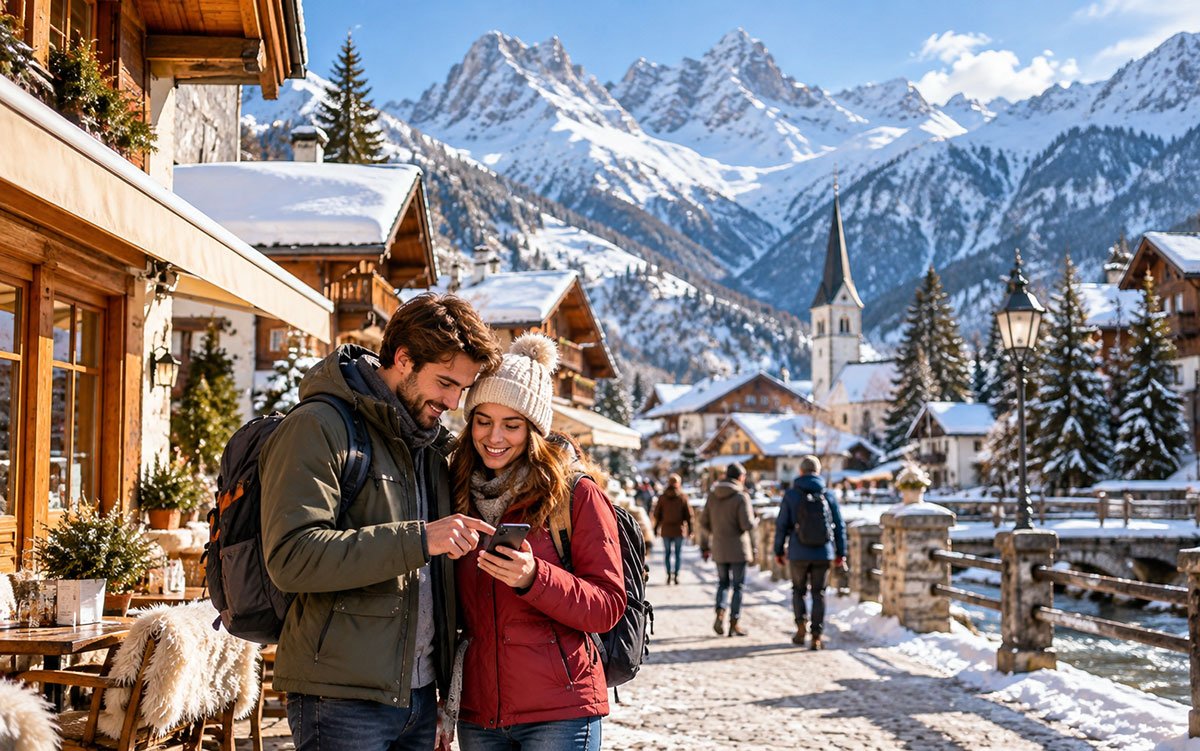
Smart planning, flexible travel dates and careful budgeting can make a winter holiday more affordable.
How to Save Money on Your Winter Holiday: 12 Smart Tips
A winter holiday offers the perfect opportunity to escape your usual routine. You might be dreaming of sunshine on a tropical beach, exploring a historic European city or spending a week surrounded by snow-covered mountains. Whatever your plans, travelling during winter does not have to mean stretching your finances.
The secret to saving money on your winter holiday is knowing where to look for genuine value. Choosing flexible travel dates, comparing accommodation options and planning for additional expenses can make a meaningful difference to your overall budget.
However, the cheapest advertised holiday is not always the most affordable once baggage charges, airport transfers, meals and activities are included.
If you want to know how to save money on your winter holiday, these 12 practical strategies will help you make informed decisions from your initial search to your journey home.
1. Choose the Right Time for Your Winter Holiday
Timing can significantly affect how much you spend on flights, hotels and holiday packages.
Christmas, New Year and school holidays often attract strong demand, particularly at popular ski resorts and family-friendly destinations. Travelling outside these periods may give you more accommodation choices and better-value fares.
For some European city destinations, parts of January and February can offer opportunities to find lower hotel prices. However, this depends on local events, trade fairs and other sources of demand.
Winter is not the low season everywhere. Mountain resorts may be especially busy during the ski season, while warm-weather destinations can attract travellers escaping colder climates.
How to find better-value dates
Compare prices across several weeks rather than restricting yourself to one departure date.
Consider travelling after the New Year holiday period, avoiding school half-term breaks when possible and looking at dates near the beginning or end of a destination’s main tourist season.
If you are considering a winter city break, investigate whether major attractions operate shorter hours or close on certain days. A cheaper hotel is less useful if the experiences you want are unavailable.
Money-saving tip: Compare the total price for several departure dates, including accommodation and transportation, before deciding which period offers the best value.
2. Be Flexible With Departure Days and Airports
A small change in your travel arrangements can sometimes produce a worthwhile saving.
Airlines adjust fares according to demand, seat availability and other factors. Consequently, flying midweek may cost less on some routes, but there is no universal cheapest day to fly.
Instead of assuming that Tuesday or Wednesday will always offer the lowest fares, use flexible-date searches to compare your actual options.
Compare nearby departure airports
Travellers living within reach of multiple airports may find different fares for the same destination.
Before choosing an alternative airport, consider the additional cost of getting there. A cheaper flight can quickly lose its advantage if you need an expensive train journey, overnight hotel or lengthy airport transfer.
Also compare arrival times. A late-night landing may require a taxi when public transport is unavailable.
For practical tools that help compare flight prices and transportation options, HolidayYP’s 4 Travel Apps to Save Money on Your Vacation offers additional guidance.
3. Choose a Winter Destination That Fits Your Budget
Your choice of destination often has a greater influence on spending than a small saving on airfare.
A short flight to an expensive destination can cost considerably more overall than a longer journey somewhere with affordable accommodation, food and public transportation.
Start by deciding what you actually want from your holiday.
European winter city breaks
Cities such as Rome, Barcelona and Amsterdam can be appealing outside their busiest tourist periods.
You may be able to find competitively priced accommodation while enjoying museums, architecture, local restaurants and cultural attractions.
However, remember that shorter daylight hours and seasonal attraction schedules can affect sightseeing.
Winter sun holidays
If you prefer warmer weather, consider destinations such as the Canary Islands, Thailand or parts of the Caribbean.
Research the climate of the specific region you intend to visit. A destination can have different weather conditions across its islands, coastlines and inland areas.
For winter sun holidays, flights and accommodation may remain expensive when demand from colder countries is high. Compare alternative destinations rather than assuming warm-weather holidays will automatically offer low-season prices.
Snow and mountain holidays
Skiing, snowboarding and mountain retreats offer a different winter experience, but costs can include equipment hire, lift passes, lessons and specialist insurance.
Look at the total resort expenses before deciding that a discounted hotel represents a bargain.
Choosing a destination with suitable public transport and a range of accommodation can also reduce your dependence on expensive transfers or car hire.
4. Set a Realistic Budget Before Booking
One of the most effective ways to save money on a winter holiday is to establish your overall spending limit before searching for deals.
A tempting flight or hotel promotion can lead to overspending when you have not considered the rest of the journey.
Your budget should account for the complete trip.
| Expense | What to include |
|---|---|
| Flights or transport | Tickets, baggage, airport transfers and applicable fees |
| Accommodation | Room charges, taxes and mandatory additional fees |
| Food and drinks | Restaurants, groceries, snacks and refreshments |
| Local transportation | Buses, trains, taxis, car hire, fuel and parking |
| Activities | Attraction tickets, tours, lift passes and equipment hire |
| Travel insurance | Suitable medical, cancellation and activity cover |
| Travel documents | Passport, visa or travel authorisation costs where applicable |
| Additional expenses | Mobile data, currency conversion charges and emergency funds |
Once you have estimated these expenses, identify which areas are flexible.
You might choose a less expensive hotel to allow more money for excursions or reduce restaurant spending so that you can enjoy a special activity.
The aim is not to minimise every expense. It is to spend more on the experiences that matter to you and less on unnecessary extras.
5. Compare Package Holidays With Independent Travel
Booking a flight and hotel together can sometimes offer better value than arranging everything separately.
However, package holidays are not automatically cheaper, and independently planned trips are not always more economical.
The right choice depends on your destination, travel preferences and the services included.
When a package holiday can make sense
A package may suit travellers who prefer a straightforward arrangement with flights and accommodation booked together.
Some packages also include airport transfers, meals or other services.
When comparing offers, check exactly what is included in the advertised price.
For UK travellers, eligible flight-inclusive package holidays may also provide financial protection through the Air Travel Organisers’ Licensing scheme, known as ATOL.
This protection is separate from travel insurance. Confirm the provider’s ATOL status and the services covered before booking.
When booking separately may be better
Independent travel may offer greater flexibility when you want to visit several destinations, select particular accommodation or arrange transport around your own schedule.
You can compare airlines, guesthouses, apartments and local travel options individually.
However, separate reservations may have different cancellation and amendment conditions.
For example, changing a flight does not necessarily entitle you to a refund on an independently booked hotel.
Money-saving tip: Price the same itinerary both ways. Compare the total cost, cancellation conditions, included services and available financial protection before making your decision.
6. Choose Accommodation That Reduces Daily Expenses
A lower nightly rate does not always make a hotel the most economical choice.
Location, included facilities and nearby transport can influence how much you spend during your stay.
A hotel outside the city centre may appear affordable, but frequent taxi journeys can erase the saving.
Similarly, a remote mountain lodge might be cheaper than accommodation near ski lifts, yet require daily transfers.
Consider self-catering accommodation
Apartments and guesthouses with cooking facilities can be particularly useful for families and longer holidays.
Preparing breakfast or an occasional evening meal can help control food costs without preventing you from enjoying local restaurants.
However, self-catering accommodation may involve cleaning charges, deposits or additional fees. Check the final price before booking.
Is all-inclusive accommodation worth it?
All-inclusive hotels can make holiday spending more predictable, especially if you intend to spend much of your time at the property.
Depending on the package, meals, selected drinks and activities may be included.
Nevertheless, some services can involve additional charges.
Compare the cost of the all-inclusive package with a room-only or breakfast-inclusive stay and your expected spending on food and activities.
If you plan to explore extensively, paying for meals you will rarely use may offer poor value.
7. Save on Trains, Coaches and Local Transport
Flights are not the only way to travel affordably during winter.
For some routes, trains and coaches can provide convenient alternatives, especially when you account for airport access, baggage restrictions and transfers.
Look for advance rail fares
In the UK, National Rail offers Advance tickets on many routes. These tickets are generally sold in limited numbers for specific trains and can provide savings compared with more flexible fares.
However, they usually come with restrictions on changes and refunds.
Travellers should also compare Off-Peak tickets and eligible Railcard discounts.
Another option is split ticketing, which involves using separate tickets for different sections of a rail journey. This is permitted under National Rail rules when the relevant conditions are satisfied, although it does not guarantee a saving.
Consider travelling by coach
Long-distance coaches may offer competitive prices on certain routes.
They generally take longer than high-speed trains or flights, but can suit travellers who have flexible schedules.
For example, travellers considering an affordable European city break can explore HolidayYP’s London to Paris by Bus: A Practical Guide for Comfortable and Affordable Travel.
Use public transportation at your destination
Before booking accommodation, research airport connections and public transport routes.
Check whether a local travel pass genuinely offers value for the journeys you intend to make.
A transport pass is only economical when its price is lower than paying separately for your planned journeys.
8. Avoid Unnecessary Baggage and Packing Costs
Winter travel often requires bulkier clothing than a summer holiday.
Warm coats, boots, waterproof layers and specialist equipment can quickly increase your luggage requirements.
If you are flying, check your airline’s baggage allowance before purchasing tickets.
An inexpensive airfare may exclude checked baggage, while another fare could include luggage that would otherwise cost extra.
Pack strategically
Wear bulky clothing during your journey where comfortable and appropriate. Choose versatile layers that can be used in different weather conditions.
Check the destination’s likely temperatures rather than packing for extreme weather that you may never encounter.
For a winter city break, practical walking shoes and adaptable clothing may be more useful than several heavy outfits.
If travelling with others, coordinate what you pack so you do not unnecessarily duplicate shared items.
Prepare before leaving home
Buying forgotten essentials at an airport or isolated resort can be inconvenient and may cost more than purchasing suitable items before departure.
Make a packing checklist that includes chargers, travel adapters, toiletries, medication and destination-appropriate clothing.
For ski holidays, compare the cost and convenience of buying, borrowing or renting specialised equipment before deciding what to take.
9. Book Airport Transfers and Parking Carefully
Getting to and from the airport is an easy expense to overlook.
If you plan to drive, compare the price of airport parking with public transport or a pre-booked transfer.
At airports such as London Heathrow, official advance parking bookings can offer lower rates than arriving without a reservation.
However, check the conditions for amendments, cancellations and late returns.
For off-airport parking, investigate the provider’s location, security arrangements and transport connections.
Consider the total journey
A cheaper flight departing from a distant airport may involve extra fuel, rail fares, parking or accommodation costs.
Similarly, a late arrival at your destination might make an expensive taxi unavoidable.
Compare the journey from your home to your accommodation, rather than simply comparing airport-to-airport flight prices.
This approach can reveal savings that are not immediately obvious when browsing travel websites.
10. Reduce the Cost of Skiing and Winter Activities
A winter sports holiday can involve several substantial expenses beyond flights and accommodation.
Lift passes, lessons, equipment hire and transport within the resort may all affect the final price.
You do not have to eliminate these experiences to stay within budget. Instead, plan the activities you genuinely want to enjoy.
Compare ski pass options
Different resorts offer different lift-pass products, which may include multi-day passes, beginner areas or access to larger ski regions.
A pass covering an extensive ski area may not be worthwhile if you are a beginner who expects to use only a limited number of slopes.
Check official resort prices and conditions before buying.
Plan equipment rental
If you do not ski regularly, renting equipment may be more practical than buying it and transporting it overseas.
Compare rental costs, included equipment and any requirements for advance booking.
Inspect the rental terms carefully, particularly regarding loss and accidental damage.
Allow for weather disruption
Winter sports depend on suitable conditions, and snow cover can vary by altitude, season and destination.
Check the resort’s official information when planning your trip.
Avoid assuming that every lift or ski run will operate throughout your stay.
Suitable winter sports insurance is particularly important. Standard travel policies may exclude skiing, snowboarding or related risks unless appropriate cover has been added.
11. Spend Less on Food, Attractions and Currency Fees
Small daily expenses can accumulate over a week-long holiday.
Planning how you spend on meals, sightseeing and payments abroad can help you remain within your budget.
Balance restaurants with affordable meals
Eating out is part of the travel experience, but you do not need an expensive restaurant for every meal.
Look for reasonably priced cafés, local markets and restaurants away from heavily visited tourist areas.
If your accommodation includes a kitchen, preparing some meals can help reduce spending.
You might also discover that lunch menus provide better value than evening dining at certain restaurants.
Find free or inexpensive attractions
Many destinations offer rewarding experiences that do not require costly admission tickets.
Consider public parks, historic neighbourhoods, scenic viewpoints, markets and self-guided walking routes.
Some museums and galleries offer free admission or designated free-entry periods.
Check their official websites for current arrangements, particularly during winter when opening hours may be shorter.
Watch foreign currency charges
Before leaving, review your debit or credit card’s international transaction and cash withdrawal fees.
When paying abroad, a card terminal or ATM may offer to convert the amount into your home currency.
This service, known as dynamic currency conversion, can involve an exchange-rate markup or additional charges.
Choosing the local currency often avoids the merchant’s conversion markup, although your card issuer may still apply its own fees.
Carry an alternative payment method in case your primary card becomes unavailable.
12. Protect Your Holiday Budget With Suitable Insurance
Saving money should not mean overlooking financial protection.
An unexpected illness, cancelled trip or winter sports injury can create expenses far beyond the amount saved on a discounted holiday.
Travel insurance should therefore form part of your budget from the beginning.
UK government guidance recommends arranging appropriate travel insurance as soon as possible after booking.
What should your travel insurance cover?
Consider the protection relevant to your particular trip, including:
- Emergency medical treatment and repatriation.
- Cancellation or interruption for covered reasons.
- Lost, stolen or delayed baggage.
- Travel delays and disruption, subject to policy terms.
- Winter sports or adventure activities, where applicable.
- Existing medical conditions, subject to disclosure and insurer acceptance.
Read the exclusions and coverage limits rather than choosing a policy solely because it has the lowest premium.
Understand the GHIC and EHIC
Eligible UK travellers may be able to use a valid UK Global Health Insurance Card (GHIC) or European Health Insurance Card (EHIC) to access medically necessary state-provided healthcare in participating countries.
However, these cards do not replace travel insurance.
They do not cover services such as private medical treatment, mountain rescue or medical repatriation.
Check your travel documents
Before committing to non-refundable arrangements, verify passport validity, visa requirements and any applicable travel authorisations for your destination.
Use official government or immigration websites rather than relying solely on information from previous trips.
Also review the Foreign, Commonwealth & Development Office’s destination-specific travel advice and any relevant seasonal weather warnings.
Avoiding preventable travel problems is just as important as finding a low airfare.
When Is the Best Time to Book a Cheap Winter Holiday?
There is no single booking date that guarantees the lowest holiday price.
Airfares and accommodation costs can fluctuate according to availability, demand and local events.
Booking well ahead may provide more choice, particularly for families travelling during school holidays or travellers who need specific accommodation.
Last-minute offers can occasionally offer value, but they are not guaranteed. Travellers with fixed dates, specific destinations or limited flight options may find waiting creates more problems than savings.
A practical approach is to compare prices early, monitor suitable options and book when the complete holiday meets your budget and requirements.
If flexibility is important, compare refundable accommodation or bookings with reasonable amendment conditions before paying.
Frequently Asked Questions About Saving Money on Winter Holidays
Is January a cheap month to travel?
January can offer good value at some destinations after the New Year holiday period, particularly where visitor demand falls. However, prices depend on the location. Ski resorts and popular winter sun destinations may still experience strong demand.
Is it cheaper to book a winter holiday as a package?
Sometimes. Packages can combine flights, accommodation and other services at a competitive price. However, booking separately may offer better value for certain itineraries. Compare the complete cost and booking conditions before deciding.
How can families save money on winter holidays?
Families can compare accommodation with cooking facilities, look for suitable family packages and plan transportation carefully. Travelling outside school holidays may provide savings where permitted and practical. Children’s discounts and family admission tickets are also worth investigating.
Can you enjoy a ski holiday on a limited budget?
Yes, with careful planning. Compare resorts, accommodation locations, lift-pass options and equipment hire costs. Beginners may not need access to an entire ski region. Appropriate winter sports insurance remains essential.
What is the biggest mistake when booking a cheap holiday?
Focusing only on the advertised flight or hotel price. Baggage, transfers, meals, activities and cancellation conditions can substantially change the overall cost.
Plan Your Winter Getaway Around Value, Not Just Price
A memorable winter holiday does not depend on booking the cheapest flight or choosing the lowest-priced hotel.
The better approach is to compare the complete cost of the experience you want.
Flexible travel dates, suitable accommodation, practical transport arrangements and a realistic daily budget can help you spend less without missing the activities that make your trip worthwhile.
Whether you are planning a relaxing winter sun escape, a cultural city break or a mountain adventure, thoughtful preparation can make your holiday more affordable and enjoyable.
