
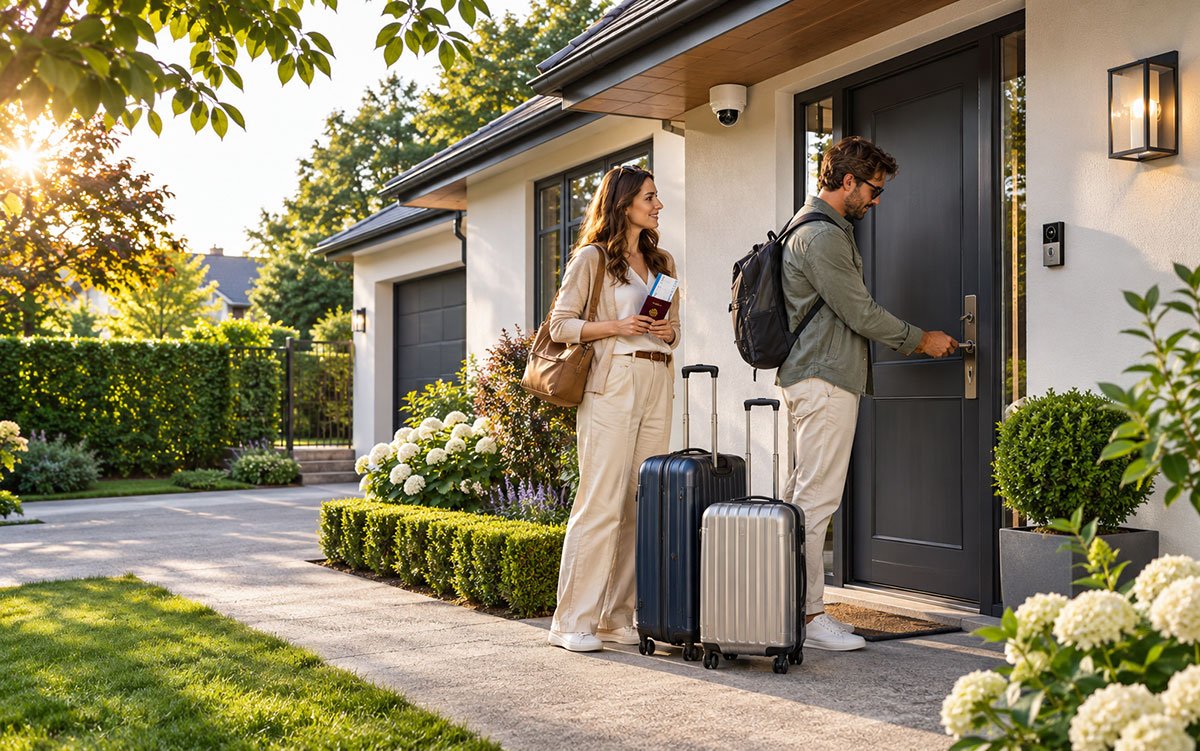
Securing doors, arranging home checks and using suitable security measures can help protect your property during a holiday.
Home Security Tips While on Vacation: How to Protect Your House
A holiday should give you time to relax, explore new places and enjoy a break from everyday responsibilities. However, leaving your house unattended can create concerns about burglary, unexpected damage and other problems.
Fortunately, a little preparation can make a meaningful difference.
These home security tips while on vacation will help you protect your property, discourage opportunistic intruders and reduce common household risks. From securing doors and arranging trusted neighbours to managing smart security devices, the following advice covers the essentials before you leave.
You do not need an expensive home security system to take sensible precautions. Simple habits, regular maintenance and a reliable emergency plan can all contribute to better protection.
1. Lock All Doors, Windows and Other Entry Points
The first step in protecting your home is ensuring that every accessible entry point is secure.
Before leaving, inspect external doors, windows, balcony entrances, patio doors and garage access points.
Check that each lock works properly and repair any damaged fittings well before your departure.
Check These Areas Before Leaving
- Front and back doors: Lock all external doors securely and use additional locking mechanisms where appropriate.
- Windows: Close and lock windows, including those on upper floors.
- Sliding doors: Check that the locking mechanism works and fits securely.
- Garage doors: Secure the garage and any internal door connecting it to your house.
- Garden gates: Lock access gates where possible.
- Sheds and outbuildings: Secure tools, bicycles and other valuable equipment.
Remember that an open window can create a security risk even when it sits above ground level.
Avoid leaving ladders, large bins or gardening equipment where someone could use them to reach an accessible window.
Never Leave Spare Keys in Obvious Hiding Places
Hiding a spare key beneath a doormat, flowerpot or garden ornament creates an unnecessary risk.
Instead, leave an emergency key with someone you genuinely trust or use a suitable secure access arrangement.
If you use a smart lock, check its batteries and access settings before travelling.
Do not leave keys near windows, letterboxes or other openings where someone might reach them.
2. Ask a Trusted Neighbour or Friend to Check Your Home
Having someone nearby who can check your property is one of the simplest home security precautions.
A reliable neighbour, relative or friend can notice unusual activity, report problems and help maintain the appearance of a lived-in house.
Choose someone you know well and who feels comfortable taking on the responsibility.
What Can a Trusted Person Do?
Depending on your arrangements, they could:
- Check the property periodically.
- Collect unexpected letters or packages.
- Move rubbish bins on collection days.
- Water plants when necessary.
- Report broken windows, storm damage or suspicious activity.
- Contact you if an alarm activates.
- Arrange help if a household emergency occurs.
Provide your contact information and explain how they can reach you during your trip.
If appropriate, share the contact details of your property manager, emergency repair service or another responsible person.
However, avoid giving unnecessary access codes, passwords or other sensitive security information.
Never expect a neighbour to confront a suspected intruder. They should contact the appropriate local authorities if they notice immediate danger or an apparent break-in.
3. Use Lighting Timers to Make Your Home Look Occupied
An unlit house every evening can suggest that nobody is home, particularly during longer absences.
Lighting timers offer a simple way to maintain a more natural routine.
You can use traditional plug-in timers or compatible smart bulbs to switch selected lights on and off automatically.
Set a Realistic Lighting Schedule
Consider the following arrangements:
- Switch a living-room lamp on during normal evening hours.
- Turn lights off at a sensible bedtime.
- Use different schedules in selected rooms.
- Activate suitable outdoor lighting near entrances.
- Check that timers work correctly before departure.
Avoid leaving every light on continuously. A predictable, unnatural lighting pattern may do little to suggest that someone is home.
Choose suitable equipment and follow the manufacturer’s electrical safety instructions.
Do not connect inappropriate or high-powered appliances to ordinary plug-in timers.
Lighting helps create the appearance of occupancy, but it cannot replace secure locks, alarms or other precautions.
4. Consider Smart Home Security Devices
Modern home security technology gives homeowners more ways to monitor certain activities while travelling.
Depending on your property, useful devices may include smart doorbells, security cameras, alarm systems, motion sensors and smart locks.
You do not need to install every type of device.
Choose security features that address your home’s particular needs and that you can maintain properly.
Video Doorbells and Security Cameras
A video doorbell may alert you when someone approaches your entrance.
Outdoor security cameras can provide additional visibility over selected areas of your property.
Before leaving:
- Confirm that cameras work correctly.
- Check the power supply or battery level.
- Test motion alerts and recording settings.
- Make sure your internet connection is reliable.
- Review privacy settings and camera placement.
- Check that recording storage remains available.
Remember that cameras and internet connections can fail.
They provide monitoring capabilities, not guaranteed protection against burglary.
Keep Smart Devices Secure
Connected security equipment also needs cybersecurity protection.
Use strong, unique passwords for device accounts and enable two-factor authentication where available.
Install manufacturer security updates and avoid unsupported devices.
Review who can access your security system, particularly if you previously shared access with contractors or temporary guests.
If your monitoring system allows emergency contacts, keep their details accurate.
5. Stop Mail, Parcels and Regular Deliveries
An overflowing letterbox or packages accumulating outside can make a property appear unattended.
Before leaving, review any deliveries scheduled during your absence.
Pause subscriptions and recurring deliveries where possible. Reschedule online orders so that parcels arrive after you return.
Arrange a Temporary Mail Hold
Some postal services offer temporary mail-holding arrangements.
For example, the United States Postal Service provides a Hold Mail service for eligible addresses.
Royal Mail also offers its Keepsafe service for customers who want their post held during an absence.
Availability, application procedures and conditions vary by country and postal operator.
If your local service does not offer this option, consider asking a trusted person to collect your post.
Do not assume that a postal mail-holding request automatically stops every courier or online-shopping delivery.
Contact individual retailers or delivery companies when necessary.
6. Maintain Your Garden and Outdoor Areas
An untidy garden can make a property look neglected or unoccupied.
Overgrown grass, accumulated leaves and unattended outdoor equipment may indicate that nobody has checked the house for some time.
Before travelling, complete any necessary garden maintenance.
For longer holidays, arrange suitable help to keep outdoor areas in reasonable condition.
Outdoor Security Checklist
- Mow the lawn or trim overgrown vegetation.
- Remove rubbish and unnecessary clutter.
- Secure garden tools and ladders.
- Check fences, gates and boundary locks.
- Make sure exterior lights work correctly.
- Remove objects that could obstruct visibility around entrances.
Pay particular attention to shrubs near windows and doors.
Dense vegetation can provide concealment around vulnerable areas, while well-maintained landscaping may improve visibility.
If your destination or home experiences seasonal snow, consider arranging safe access and appropriate maintenance during an extended winter absence.
7. Protect Valuables and Important Documents
Before leaving, take a few minutes to secure items that could attract attention or create serious problems if stolen.
Avoid displaying expensive electronics, jewellery, cash or other valuable possessions near windows.
Store important items in a suitable secure location.
What Should You Secure?
Pay attention to:
- Jewellery and valuable watches.
- Cash and sensitive financial documents.
- Passports and identity documents that you are not taking.
- Spare house and vehicle keys.
- Laptops, tablets and portable electronics.
- Important property and insurance records.
For particularly valuable possessions, consider an appropriately rated safe or another secure storage arrangement.
Maintain an inventory of valuable household items, including photographs and identifying details where appropriate.
Such records can help with insurance claims if theft, fire or another covered incident causes a loss.
Keep digital copies of sensitive records in secure storage rather than leaving them accessible on an unprotected device.
8. Avoid Advertising Your Holiday on Social Media
Sharing holiday photographs is enjoyable, but public posts can reveal that your house is empty.
Travel dates, airport check-ins and real-time location updates may provide more information than you intend.
The safest approach is to avoid publicly announcing when your home will be unoccupied.
Protect Your Travel Privacy
Consider these precautions:
- Avoid publishing your exact departure and return dates.
- Review who can see your social media posts.
- Limit public location sharing.
- Avoid showing identifying details about your home.
- Save some holiday photographs until you return.
- Ask family members to respect the same privacy arrangements.
Even private accounts deserve attention because followers can sometimes share posts beyond their original audience.
You can still enjoy sharing travel experiences without providing a public record of your absence.
9. Reduce Fire, Water and Electrical Risks
Home security involves more than preventing burglary.
Water leaks, electrical faults and unexpected weather conditions can also cause significant damage while nobody is present to respond.
A short household safety inspection before departure can help identify potential problems.
Check Electrical Appliances
Switch off and unplug non-essential appliances where appropriate.
Pay particular attention to equipment that generates heat or that you do not need during your absence.
However, keep essential systems operating when required, including refrigerators, alarm systems and necessary home automation equipment.
Never disconnect smoke alarms or other essential safety systems.
Test your smoke alarms and replace faulty equipment according to the manufacturer’s instructions.
Consider Water Leak Prevention
Check taps, pipes and visible plumbing connections for signs of leakage.
Depending on your home and the season, turning off the main water supply may help reduce the risk of water damage.
However, some heating, fire-protection and other building systems require a continuous water supply.
Check the relevant requirements before closing any valves.
If your property faces freezing temperatures, maintain suitable heating or frost-protection arrangements.
Do not switch off essential heating without considering the possibility of frozen pipes.
Prepare for Seasonal Weather
Consider the conditions that may affect your property during your absence.
For example:
- Secure loose outdoor objects before forecast storms.
- Keep drainage channels and gutters properly maintained.
- Check for roof or window problems.
- Arrange appropriate measures against freezing conditions.
- Ask a trusted person to inspect the property following severe weather.
For extended absences, follow the recommendations of qualified local professionals when your property has specialist heating, plumbing or other building systems.
10. Review Your Home Insurance Before Travelling
Home insurance can provide important financial protection, but you should not assume that every policy offers identical cover while a property remains empty.
Some insurers apply special conditions when a home stays unoccupied for a specified period.
The permitted duration and relevant restrictions depend on the policy and insurance provider.
What Should You Check?
Before an extended holiday, review:
- How the insurer defines an unoccupied property.
- Whether the policy requires notification after a certain number of days.
- Any conditions involving regular property inspections.
- Cover for theft, fire, water damage and other insured events.
- Security requirements stated in the policy.
- Claim procedures and emergency contact information.
Some policies may restrict certain benefits after an extended period without occupants.
If you are unsure, contact your insurer directly before leaving.
Also check your tenancy agreement or building management rules if you rent your home or live in a managed residential property.
11. Arrange Care for Pets and Houseplants
If pets remain at home, arrange responsible care that meets their needs throughout your absence.
Do not rely solely on automatic feeders or connected devices as a substitute for appropriate supervision.
Choose a reliable pet sitter, boarding facility or other suitable care arrangement.
Provide essential instructions, veterinary contact details and emergency information.
For houseplants, arrange watering according to their needs. A trusted neighbour or suitable automated watering system may help during longer trips.
Before leaving, test any automated equipment rather than assuming that it will work correctly while you are away.
12. Know What to Do If Something Goes Wrong
Even with careful preparation, unexpected incidents can occur.
A security notification, neighbour’s message or building-management alert may require attention while you are travelling.
If someone reports a possible break-in, contact the police or appropriate local authorities.
Do not ask an untrained neighbour to confront an intruder or enter a potentially dangerous property.
If a camera or sensor reports unusual activity, assess the information carefully. Automated alerts can sometimes result from animals, weather or other harmless movement.
When appropriate, contact your nominated local person or security monitoring provider.
For suspected fire, serious water damage or another urgent hazard, involve the relevant emergency services or qualified professionals.
Inform your home insurer promptly if an incident may lead to a claim.
Home Security Checklist Before Going on Vacation
Use this checklist during your final preparations.
A Few Days Before Departure
- Inspect exterior doors and window locks.
- Test alarms, cameras and smart security devices.
- Arrange a trusted person to check the property.
- Reschedule deliveries and arrange mail collection.
- Complete necessary garden maintenance.
- Review home insurance conditions.
- Organise suitable pet and plant care.
- Check for urgent plumbing or electrical problems.
On the Day You Leave
- Close and lock every external door and window.
- Secure the garage, shed and garden gates.
- Remove any spare keys from outdoor hiding places.
- Place valuables and important documents somewhere secure.
- Switch off non-essential electrical appliances.
- Check taps and water-supply arrangements.
- Set timers for selected lights.
- Arm the alarm system.
- Confirm that your trusted contact can reach you.
- Make one final inspection before leaving.
This final walk-through can prevent simple mistakes that are difficult to correct once your journey begins.
Frequently Asked Questions About Home Security During Vacations
How Can I Keep My House Safe While on Vacation?
Lock all access points, secure valuables, use suitable lighting timers and arrange for someone trustworthy to check the property. Review your alarm system, avoid public announcements of your absence and manage scheduled deliveries.
Should I Leave a Light on While Away?
A lighting timer generally offers a more natural arrangement than leaving the same light switched on continuously. Program suitable lights to operate during normal evening hours.
Is It Safe to Leave My House Empty for Two Weeks?
Many people leave their homes unoccupied during holidays, but the risks depend on the property’s location, condition and security arrangements.
Check your home insurance policy, arrange suitable inspections and prepare essential building systems before leaving.
Are Smart Security Cameras Worth Using?
Security cameras can help you monitor selected areas and receive notifications about activity. However, they cannot guarantee protection or replace secure locks and other physical precautions.
Choose reliable equipment and maintain strong account security.
Should I Tell My Neighbours That I Am Going on Holiday?
Informing a trusted neighbour or friend can be useful. They may notice unexpected problems, collect deliveries or contact you during an emergency.
Avoid sharing unnecessary travel details with people you do not know well.
Should I Turn Off the Water Before Going on Vacation?
Turning off the main water supply may reduce certain leak risks, but it is not appropriate for every building.
Check whether heating, fire-protection or other systems need a continuous supply. In cold climates, follow suitable frost-protection advice.
Enjoy Your Holiday With Greater Peace of Mind
Protecting your home before a holiday does not require complicated arrangements.
Secure doors and windows, keep valuables out of sight, manage deliveries and make sensible use of security technology. Arrange a reliable local contact and check your home’s essential systems before leaving.
These precautions cannot eliminate every risk, but they can help protect your property and make unexpected problems easier to manage.
With your home properly prepared, you can devote more attention to enjoying the places, experiences and people that make travelling worthwhile.
