
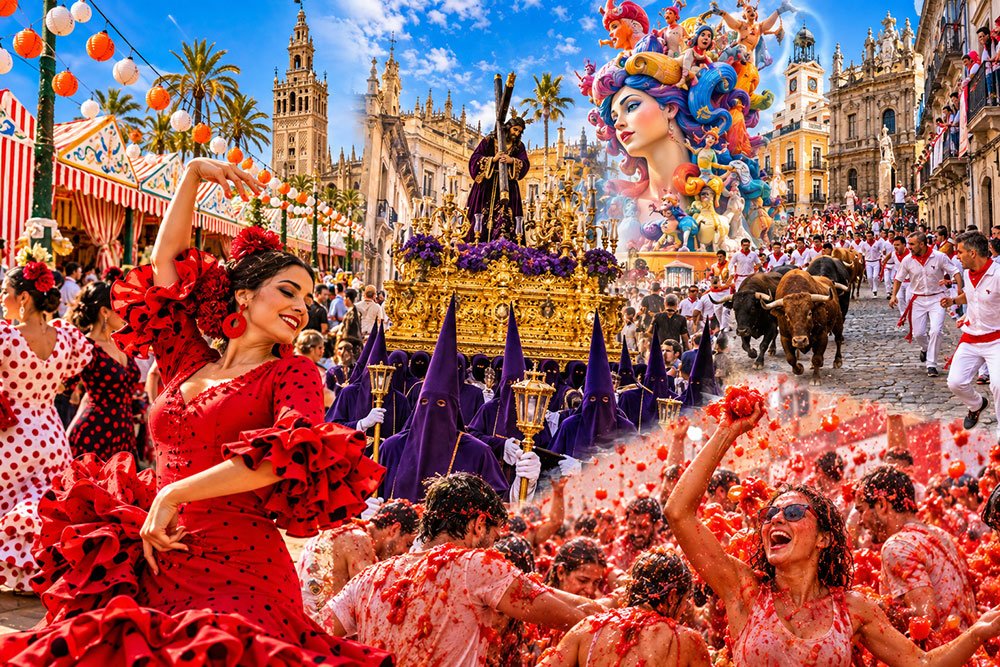
Extraordinary Festivals in Spain: A Year-Round Guide
Subtitle: Discover Spain’s most spectacular fiestas, from Las Fallas and Semana Santa to San Fermín, La Tomatina, Carnival, and the Feria de Abril.
Spain is famous for its lively festivals, fiestas, religious celebrations, cultural traditions, music, food, and street events. From small village celebrations to internationally recognized festivals, there is almost always a fiesta taking place somewhere in the country.
Spain’s official tourism portal highlights hundreds of festivals and traditional events throughout the year. Well-known celebrations include Carnival, Las Fallas in Valencia, Semana Santa, Seville’s Feria de Abril, San Fermín in Pamplona, the San Juan celebrations, and La Tomatina in Buñol.
A festival can also be one of the best ways to experience local culture. Streets become gathering places, historic traditions come alive, and visitors can experience regional food, music, costumes, religious ceremonies, parades, fireworks, and performances.
Why Festivals in Spain Are Worth Experiencing
Spanish festivals are extremely diverse. Some are deeply religious, while others celebrate historical events, seasonal traditions, local food, music, agriculture, or community life.
Many celebrations combine old customs with modern entertainment. A religious procession may be followed by music and dancing, while a traditional market or street celebration may include concerts, food stalls, fireworks, and family activities.
Every region also has its own character. Andalusia is famous for events such as Semana Santa and the Feria de Abril. Valencia is renowned for Las Fallas, while Navarra attracts international visitors for San Fermín. In Catalonia, Sant Jordi brings books, roses, and cultural activities to the streets.
The result is a festival calendar that offers something for almost every traveler.
January: Three Kings and Winter Traditions
The Spanish festival year begins with Three Kings’ Day, or Día de los Reyes Magos.
On the evening of January 5, cities and towns across Spain stage colorful Cabalgata de Reyes processions. The Three Kings travel through the streets on decorated floats while crowds gather to watch the parade and children traditionally receive sweets.
Spain’s official tourism portal identifies the Three Kings parades as one of the country’s major annual traditions.
January is also a good time to discover smaller regional celebrations, particularly if you want a quieter cultural experience away from Spain’s biggest tourist events.
February: Carnival in Spain
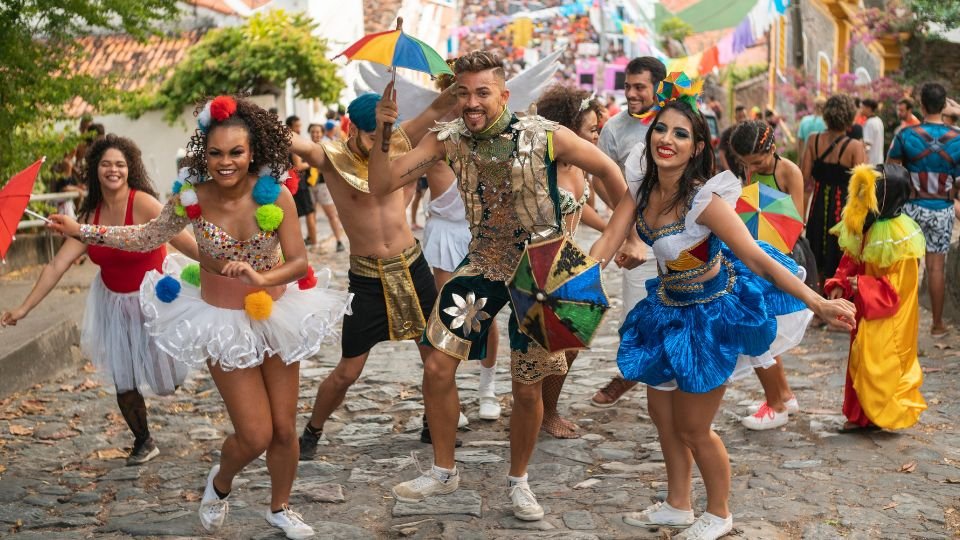
February often brings Carnival, although the exact dates change each year according to the Easter calendar.
Spain’s most famous Carnival celebrations include Cádiz in Andalusia and Santa Cruz de Tenerife in the Canary Islands. Colorful costumes, music, street performances, parades, humor, and elaborate competitions turn these destinations into major festival centers.
Carnival is an excellent option for travelers who enjoy lively street celebrations and creative costumes.
Because Carnival dates vary annually, check the official local program before booking flights or accommodation.
March: Las Fallas in Valencia
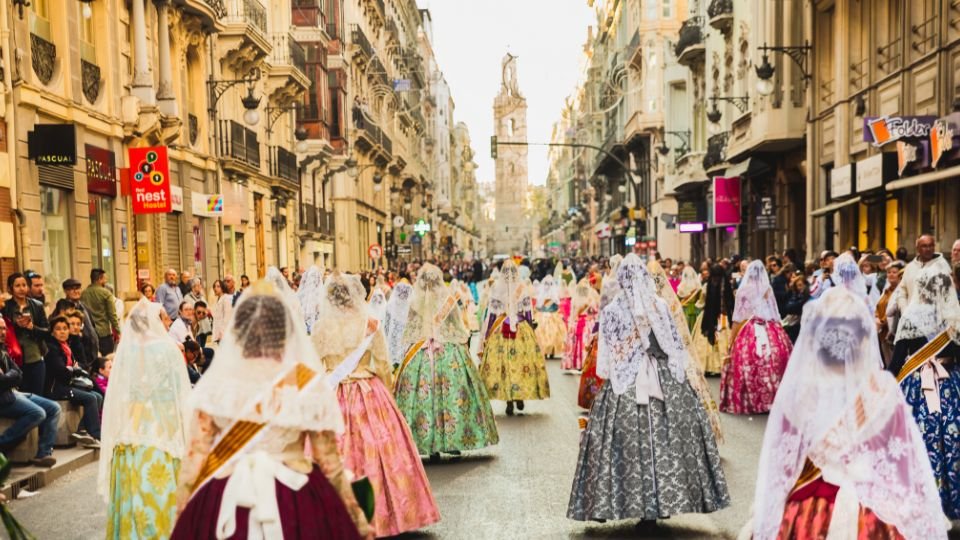
Among the most extraordinary festivals in Spain, Las Fallas in Valencia is particularly spectacular.
The main celebration takes place in March, with the official Fallas period running from March 1 to 19. The festival combines art, satire, fireworks, music, traditional clothing, religious ceremonies, and enormous sculptural monuments known as fallas.
One of the best-known daily events is the Mascletà, a powerful daytime fireworks and pyrotechnic display held in Valencia’s Plaza del Ayuntamiento during the main festival period.
The festival reaches its dramatic conclusion on March 19 with La Cremà, when the Fallas monuments are burned.
Las Fallas was added to UNESCO’s Representative List of the Intangible Cultural Heritage of Humanity in 2016.
What to Know Before Visiting Las Fallas
Valencia becomes exceptionally busy during the festival. Streets can be closed to traffic and public transportation or walking may be preferable in central areas. The city’s official tourism guidance also recommends checking the festival map and program to plan movements around the many events.
March or April: Semana Santa

Semana Santa, or Holy Week, is celebrated throughout Spain during the week leading up to Easter. Unlike fixed-date festivals, its timing changes every year.
The event is particularly famous in cities such as Seville, Málaga, Valladolid, León, Zamora, Salamanca, Cuenca, and Cartagena. Religious brotherhoods carry elaborately decorated pasos, or processional floats, through historic streets accompanied by music, candles, and crowds.
Semana Santa in Seville
Seville is one of the best-known destinations for experiencing Holy Week.
The city’s processions combine religious devotion, sculpture, music, and centuries-old traditions. Some processions take place late at night and into the early morning, particularly during La Madrugá.
If you plan to visit Spain for Semana Santa, book accommodation early and expect crowded city centers, road closures, and changed opening hours.
April: Feria de Abril in Seville
Following Holy Week, Seville hosts another of Spain’s best-known celebrations, the Feria de Abril.
The fair generally takes place one or two weeks after Semana Santa and lasts for approximately one week. Its traditions include decorated casetas, flamenco-inspired clothing, dancing, food, music, lanterns, and horse-drawn carriages.
The festival begins with the alumbrao, when the lights of the fairground are switched on. During the week, the fair combines daytime activities with an energetic nighttime atmosphere.
Many casetas are private, but public casetas are available for visitors. Seville also provides accessibility measures and special visitor arrangements during the fair.
April: Moros y Cristianos
Another important spring tradition is the Moros y Cristianos festival, particularly associated with Alcoy in the Valencian Community.
The celebration recreates historical conflict through elaborate costumes, processions, music, and theatrical performances. Similar festivals are held in other Spanish towns at different times of year.
Spain’s official tourism calendar continues to list the Alcoy celebration among the country’s notable April festivals.
April 23: Sant Jordi in Catalonia
Sant Jordi, or Saint George’s Day, is one of Catalonia’s most distinctive cultural celebrations.
April 23 is associated with books and roses. Streets in Barcelona and other Catalan towns fill with stalls selling books and flowers, creating a particularly colorful atmosphere.
It is an excellent festival for travelers interested in literature, local traditions, shopping, and Catalan culture.
May and June: Regional Fiestas and Corpus Christi
Spring and early summer bring numerous local festivals across Spain.
Corpus Christi is celebrated in many towns through religious processions, decorations, music, and traditional events. Toledo, Granada, and other destinations are known for their celebrations.
Spain’s festival calendar also includes unique regional events such as traditional pilgrimages, food festivals, agricultural celebrations, and cultural performances.
This is a good period for travelers who want to explore smaller destinations rather than only the country’s most internationally famous fiestas.
June: San Juan and Midsummer Celebrations
Around June 23 and 24, many Spanish coastal communities celebrate San Juan, a midsummer tradition associated with bonfires, fireworks, music, and gatherings beside the sea.
Alicante is particularly famous for its Hogueras de San Juan, while other coastal cities and towns organize their own versions of the celebration.
Spain’s official tourism portal identifies the San Juan bonfires as one of the country’s major summer traditions.
Because many San Juan celebrations take place outdoors at night, beaches and waterfront areas can become extremely busy.
July: San Fermín in Pamplona
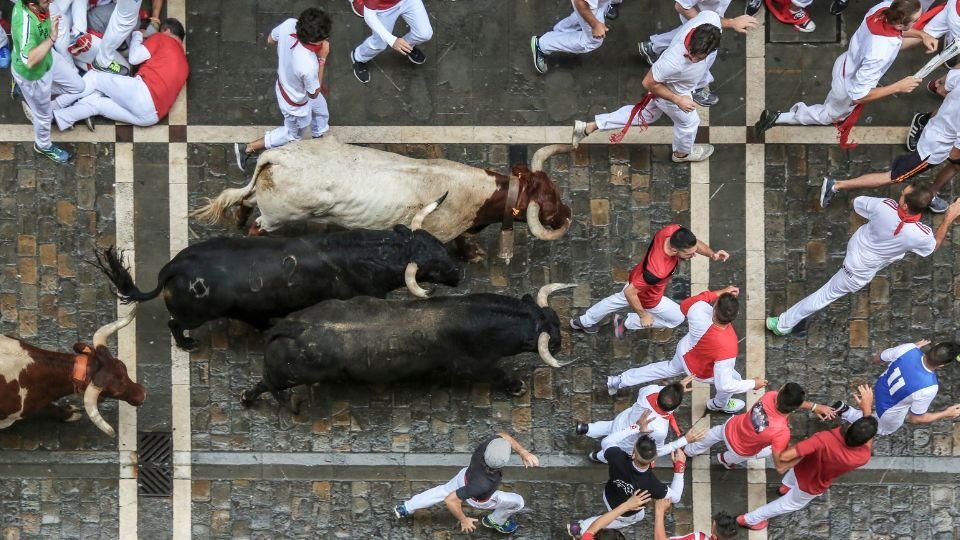
One of the world’s most famous Spanish festivals is San Fermín, held annually in Pamplona from July 6 to 14.
The festival begins with the Chupinazo on July 6 and includes concerts, fireworks, street performances, family activities, religious ceremonies, traditional parades, and the famous daily Running of the Bulls.
The Running of the Bulls is only one part of the festival. Visitors can also experience music, food, traditional clothing, cultural events, and the famous procession dedicated to San Fermín.
The festival attracts large crowds, so accommodation should be arranged well in advance. Visit Navarra also publishes practical information about transport, parking, luggage facilities, and responsible participation.
Anyone considering participating in the Running of the Bulls should understand the serious physical risks involved and follow the official safety rules.
July and August: Summer Music and Cultural Festivals
Summer is the busiest period for local fiestas throughout Spain.
Warm weather allows cities, villages, and coastal communities to organize open-air concerts, dance performances, traditional markets, fireworks, cultural celebrations, and food festivals.
Spain’s official tourism portal lists festivals and events across the country throughout summer, making it possible to combine a beach holiday with a local cultural celebration.
August: La Tomatina in Buñol
For travelers looking for a completely different festival experience, La Tomatina in Buñol near Valencia is hard to forget.
The event takes place on the last Wednesday of August and centers around a huge tomato-throwing celebration. The festival began in the 1940s and has grown into an internationally recognized event.
Buñol’s municipal tourism authority confirms that La Tomatina continues to follow the final-Wednesday-of-August tradition.
Tips for La Tomatina
Expect crowds, water, tomatoes, slippery streets, and a very messy experience.
Wear clothing and shoes that you do not mind getting dirty. Protect valuable electronic equipment and follow the instructions issued by local organizers.
Most importantly, confirm the official rules, ticket arrangements, transport details, and event schedule before traveling.
September: Harvest and Wine Festivals
September is an excellent month for travelers interested in Spanish food and wine.
Wine-producing regions hold vendimia, or grape-harvest celebrations, with events that can include tastings, traditional food, music, cultural activities, and local ceremonies.
Wine regions such as La Rioja, Jerez, and other parts of Spain are particularly associated with harvest-season events. Spain’s national tourism calendar features numerous wine and food celebrations throughout the year.
October: Regional and Cultural Celebrations
Autumn continues the festival season with local patron-saint celebrations, cultural fairs, food events, and historic traditions.
October 12 is Spain’s National Day, while Zaragoza celebrates the Fiestas del Pilar, one of the country’s prominent regional celebrations. Spain’s official tourism resources continue to include these autumn events among its major traditional festivities.
December: Christmas and New Year in Spain
The Spanish festival calendar ends the year with Christmas celebrations and Nochevieja, or New Year’s Eve.
One of the most famous New Year’s traditions involves eating 12 grapes, one with each clock chime at midnight. Large gatherings take place in city squares and homes across the country.
Madrid’s Puerta del Sol is one of the best-known places to experience the midnight countdown, while Barcelona and many other cities hold their own celebrations.
How to Plan a Festival Trip to Spain
Traveling specifically for a Spanish festival requires more planning than an ordinary sightseeing trip.
Book Accommodation Early
Major festivals can attract large crowds, so hotels and apartments may fill quickly. This is particularly important for events such as San Fermín, Semana Santa, Las Fallas, and the Feria de Abril.
Check Official Festival Dates
Not every festival follows the same date every year. Semana Santa, Carnival, and several religious celebrations move according to the calendar.
Always verify the current dates using the relevant city or regional tourism authority before booking travel.
Spain’s official tourism portal also maintains a searchable events calendar covering festivals and other major events.
Check Transport Arrangements
Large festivals can result in road closures, altered public transport schedules, pedestrian-only areas, and temporary access restrictions.
For example, Valencia advises visitors to expect traffic restrictions during Las Fallas, while Pamplona publishes special practical guidance during San Fermín.
Respect Local Traditions
Spanish festivals are not simply entertainment for tourists. Many have deep religious, historical, or community significance.
Dress appropriately when attending religious events, follow instructions from organizers, and avoid interrupting processions or ceremonies for photographs.
Are Spanish Festivals Suitable for Families?
Many Spanish festivals offer activities for children and families, including parades, concerts, fireworks, street performances, markets, and cultural events.
However, some celebrations involve large crowds, loud fireworks, alcohol, or potentially dangerous activities. San Fermín’s Running of the Bulls, for example, is not an ordinary family attraction and carries significant risk.
Parents should therefore check the official program and choose events appropriate for their children.
Why Spain’s Festivals Are So Special
Spain’s festivals offer more than spectacular photographs. They provide an opportunity to experience the country’s regional identities, food, music, religious traditions, craftsmanship, history, and community life.
From the artistic monuments of Valencia to the solemn processions of Seville, the energy of Pamplona, the creativity of Carnival, and the playful chaos of La Tomatina, every celebration has its own atmosphere.
That variety is what makes festivals in Spain such an exciting travel experience. You can visit the country several times and still discover completely different traditions.
Final Thoughts
Spain has a festival for almost every season and every type of traveler.
Winter brings Three Kings celebrations and Carnival preparation. Spring features Las Fallas, Semana Santa, the Feria de Abril, and Sant Jordi. Summer brings San Juan, San Fermín, La Tomatina, music festivals, and countless local fiestas. Autumn offers harvest celebrations, regional fairs, and food and wine events, while December closes the year with Christmas and New Year’s traditions.
The best way to experience these celebrations is to plan ahead while remaining flexible. Check official dates, reserve accommodation early, understand local transport arrangements, and respect the traditions of the communities you visit.
Whether you are interested in religion, history, food, music, art, or simply experiencing something completely different, Spain’s extraordinary festivals can become one of the highlights of your journey.
