
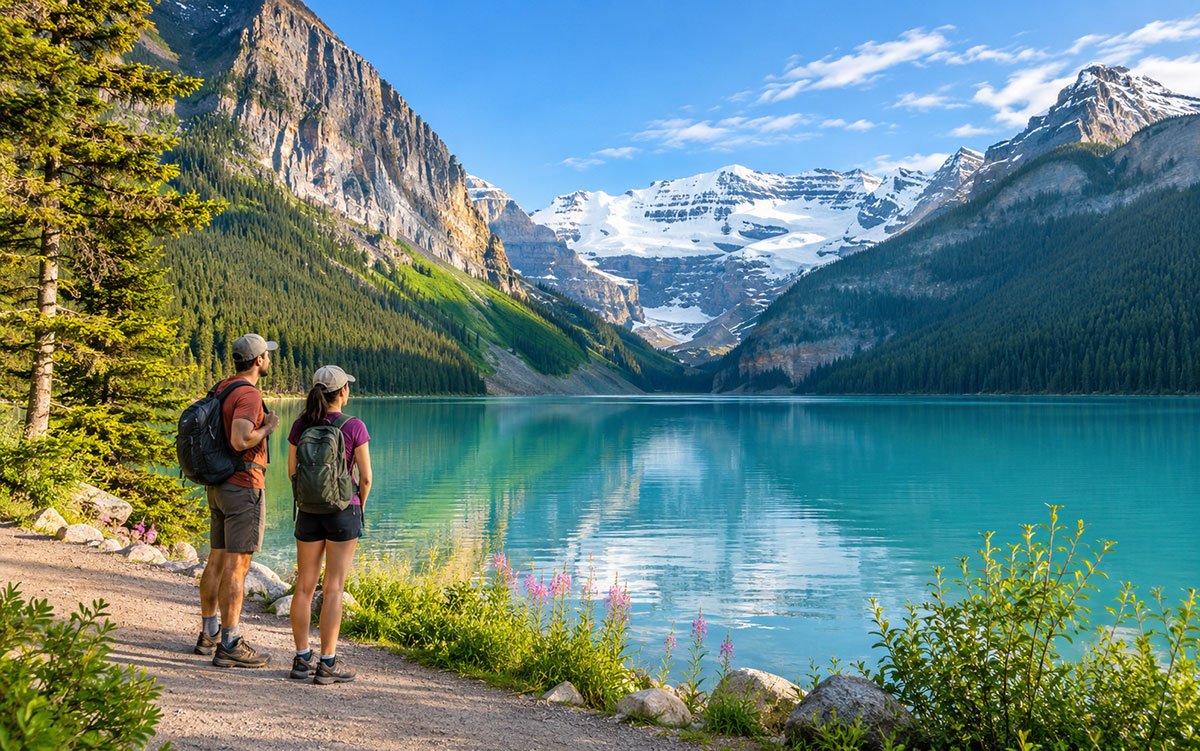
Explore Canada’s spectacular landscapes on a budget, from Lake Louise in Banff National Park to historic cities and beautiful coastal destinations.
Canada on a Budget: How to Explore Canada Without Overspending
Travelling through Canada on a budget is possible with careful planning, affordable accommodation, sensible transport choices and a willingness to explore beyond expensive tourist attractions.
From the spectacular Rocky Mountains of Alberta to the coastal villages of Nova Scotia, Canada offers remarkable scenery and diverse cultural experiences. Major cities such as Toronto, Vancouver, Montréal and Québec City also provide plenty of opportunities for travellers who want to control their expenses.
However, Canada is enormous. Travelling between distant provinces can consume a significant portion of your budget. Rather than trying to explore the entire country in one holiday, focus on a particular region and choose destinations that suit your interests.
This guide explains where to go, how to save money on accommodation and transport, and which Canadian attractions you can enjoy without spending heavily.
How to Plan a Budget Trip to Canada
The first step towards an affordable Canadian holiday is deciding what you want to experience.
Canada has 10 provinces and three territories, each offering different landscapes, cultures and attractions.
You might prefer the mountains and lakes of Western Canada, the historic cities of Québec, the natural attractions of Ontario or the fishing communities along the Atlantic coast.
For a first visit, selecting one province or a group of neighbouring destinations usually makes more financial sense than planning a cross-country itinerary.
Before booking, consider these important factors:
- Trip duration: Allow enough time to explore without rushing between destinations.
- Travel season: Compare accommodation and transport prices across different months.
- Accommodation: Look beyond expensive city-centre hotels.
- Transportation: Compare trains, buses, domestic flights and rental cars.
- Daily expenses: Budget for food, local transport and sightseeing.
- Entry requirements: Check whether you need a Canadian visitor visa or electronic travel authorization.
- Emergency funds: Keep some money available for unexpected travel expenses.
Remember that Canada uses the Canadian dollar (CAD). Check currency conversion rates and international card fees before travelling.
Best Places to Visit in Canada on a Budget
Canada offers numerous destinations where visitors can combine memorable sightseeing with relatively inexpensive activities.

A spectacular evening view of Toronto’s skyline, featuring the iconic CN Tower and colourful city lights reflected in Lake Ontario.
1. Toronto, Ontario – City Attractions and Waterfront Walks
Toronto is Canada’s largest city and an excellent starting point for visitors interested in urban attractions, multicultural neighbourhoods and day trips.
Although accommodation in central Toronto can be expensive, many outdoor attractions are free to explore.
Budget-friendly experiences include:
- Walking along the Harbourfront and Lake Ontario waterfront.
- Exploring High Park and its walking trails.
- Discovering neighbourhoods such as Kensington Market and Chinatown.
- Visiting public parks and waterfront viewpoints.
- Exploring St. Lawrence Market without needing to book a guided tour.
Toronto also has an extensive public transport system, including subways, buses and streetcars.
Choose accommodation near a convenient transit connection rather than automatically paying more for a central hotel.
If you are staying for several days, compare individual fares with available transit pass options.
2. Niagara Falls, Ontario – A Natural Wonder You Can See for Free
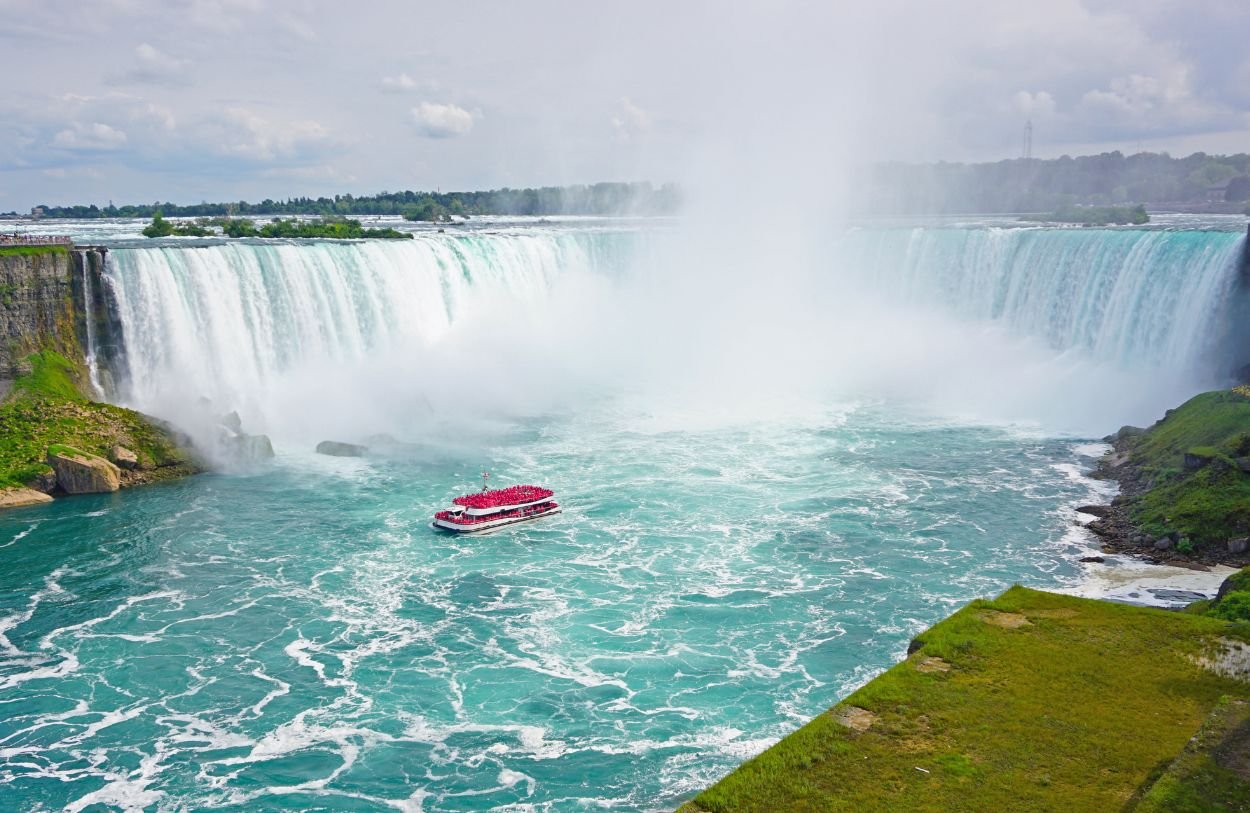
A spectacular panoramic view of Horseshoe Falls at Niagara Falls, Ontario, with a sightseeing boat navigating the turquoise waters beneath the powerful waterfalls.
Niagara Falls is one of Canada’s most famous natural attractions.
The good news for budget travellers is that you do not need to purchase an attraction ticket simply to see the waterfalls from public viewing areas on the Canadian side.
Visitors can enjoy impressive views of the Horseshoe Falls and surrounding scenery along the Niagara Parkway.
The public viewing areas near Table Rock offer excellent opportunities for photography.
However, additional experiences such as boat tours, observation attractions and paid parking can increase your expenses.
Budget tip: Enjoy the public viewpoints first and choose paid attractions only if they genuinely interest you.
If you are already visiting Toronto, Niagara Falls can form part of a regional itinerary without requiring you to arrange a separate long-distance trip.
3. Vancouver, British Columbia – Mountains, Beaches and City Parks
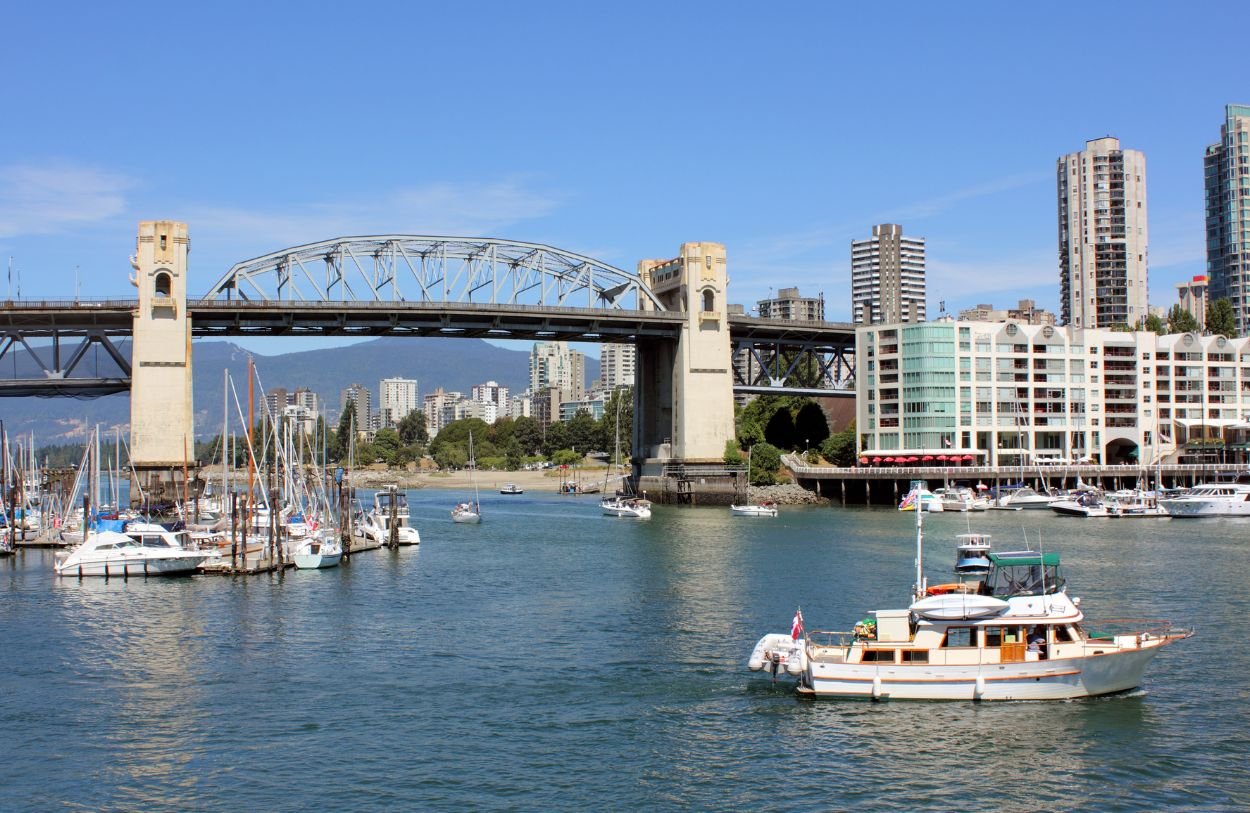
A beautiful daytime view of Vancouver’s Burrard Bridge overlooking False Creek, with sailboats, yachts, waterfront buildings and mountains in the background.
Vancouver combines urban life with beautiful coastal scenery and mountain views.
While hotels can be costly, several of the city’s best outdoor experiences require little or no spending.
Consider exploring:
- Stanley Park: Walk through forested areas, admire the coastline and enjoy scenic views.
- Vancouver Seawall: Discover waterfront scenery on foot.
- English Bay: Enjoy a walk along the beach and nearby waterfront.
- Gastown: Explore historic streets and distinctive architecture.
- Kitsilano: Visit the beach and surrounding neighbourhood.
Walking is one of the simplest ways to explore central Vancouver without paying for organised sightseeing tours.
The city’s public transport network also connects many popular areas.
For accommodation, compare properties near public transport rather than focusing exclusively on the downtown waterfront.
4. Montréal, Québec – Culture, History and Affordable Experiences
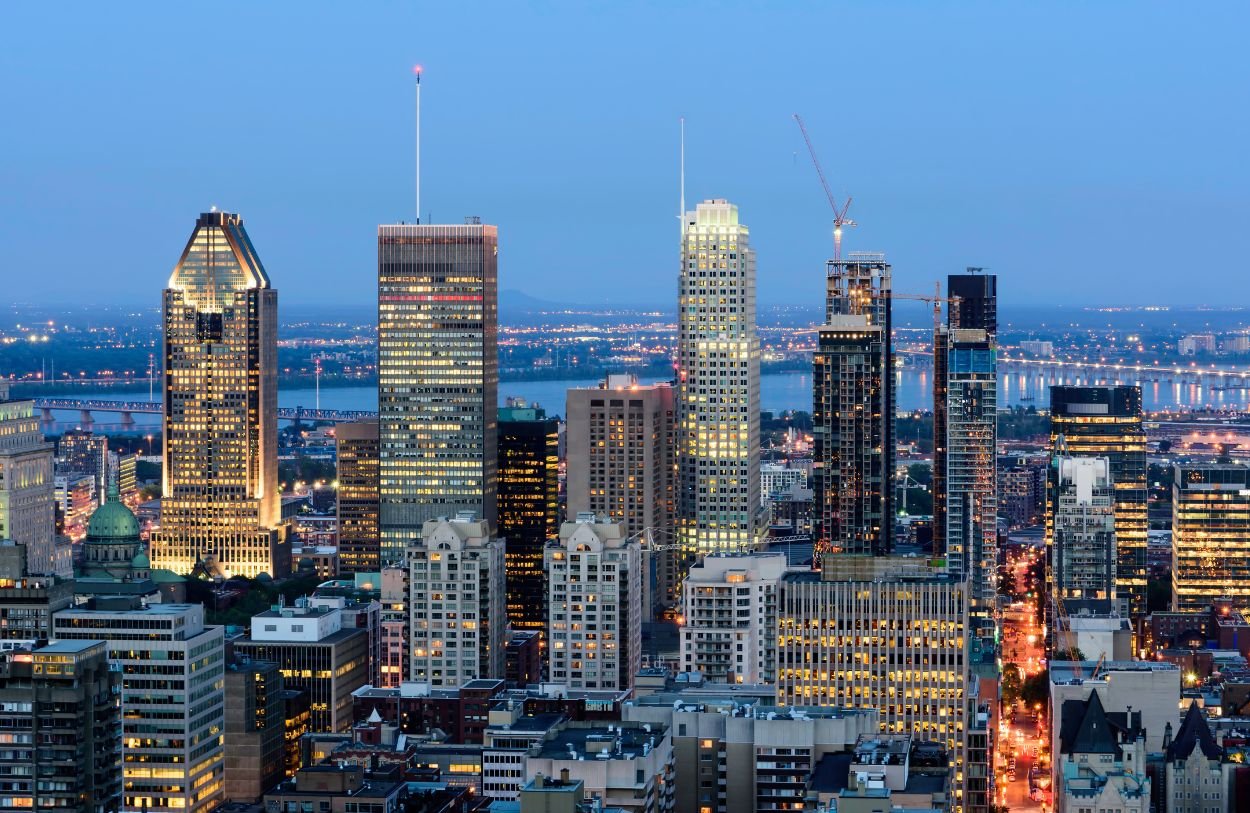
A panoramic evening view of downtown Montréal, Québec, featuring illuminated skyscrapers, busy city streets and the St. Lawrence River in the background.
Montréal offers a distinctive combination of historic architecture, lively neighbourhoods and French-speaking culture.
It is especially appealing to travellers who enjoy exploring cities on foot.
Several memorable experiences are available without expensive admission tickets.
Start with a walk through Old Montréal, where cobblestone streets, historic buildings and public squares create a distinctive atmosphere.
Other worthwhile experiences include:
- Exploring the Old Port waterfront.
- Walking through Mount Royal Park.
- Enjoying panoramic city views from Kondiaronk Belvedere.
- Visiting Parc La Fontaine.
- Discovering public art and seasonal cultural activities.
Montréal also has a public transport network that can reduce the need for taxis.
Food lovers can explore bakeries, neighbourhood cafés and local markets without relying on expensive fine-dining restaurants.
5. Québec City – Historic Streets and European-Style Charm
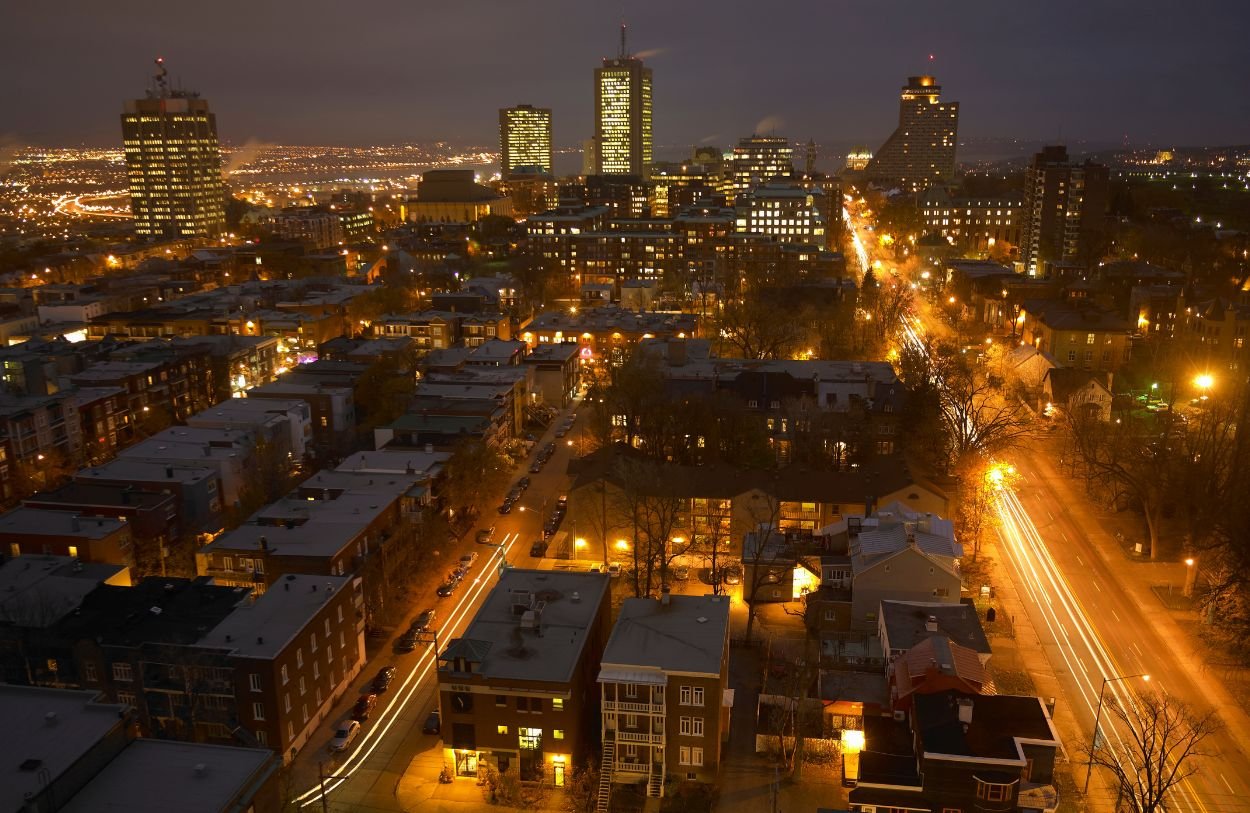
A panoramic nighttime view of Québec City, Canada, showing illuminated buildings, historic residential neighbourhoods and streets glowing under warm city lights.
Québec City is another excellent choice for travellers interested in history and architecture.
The historic district of Old Québec is a UNESCO World Heritage Site, known for its defensive walls, narrow streets and distinctive buildings.
Walking through the old town is one of the most rewarding ways to experience the city.
Visitors can admire the exterior of the Château Frontenac, explore public squares and enjoy views of the St. Lawrence River.
The historic streets of Petit-Champlain are particularly attractive for photography.
Some museums and historic attractions charge admission, but visitors can still enjoy much of the city’s atmosphere through self-guided walks.
Québec City can also be combined with Montréal in a regional itinerary.
6. Banff National Park, Alberta – Rocky Mountain Scenery
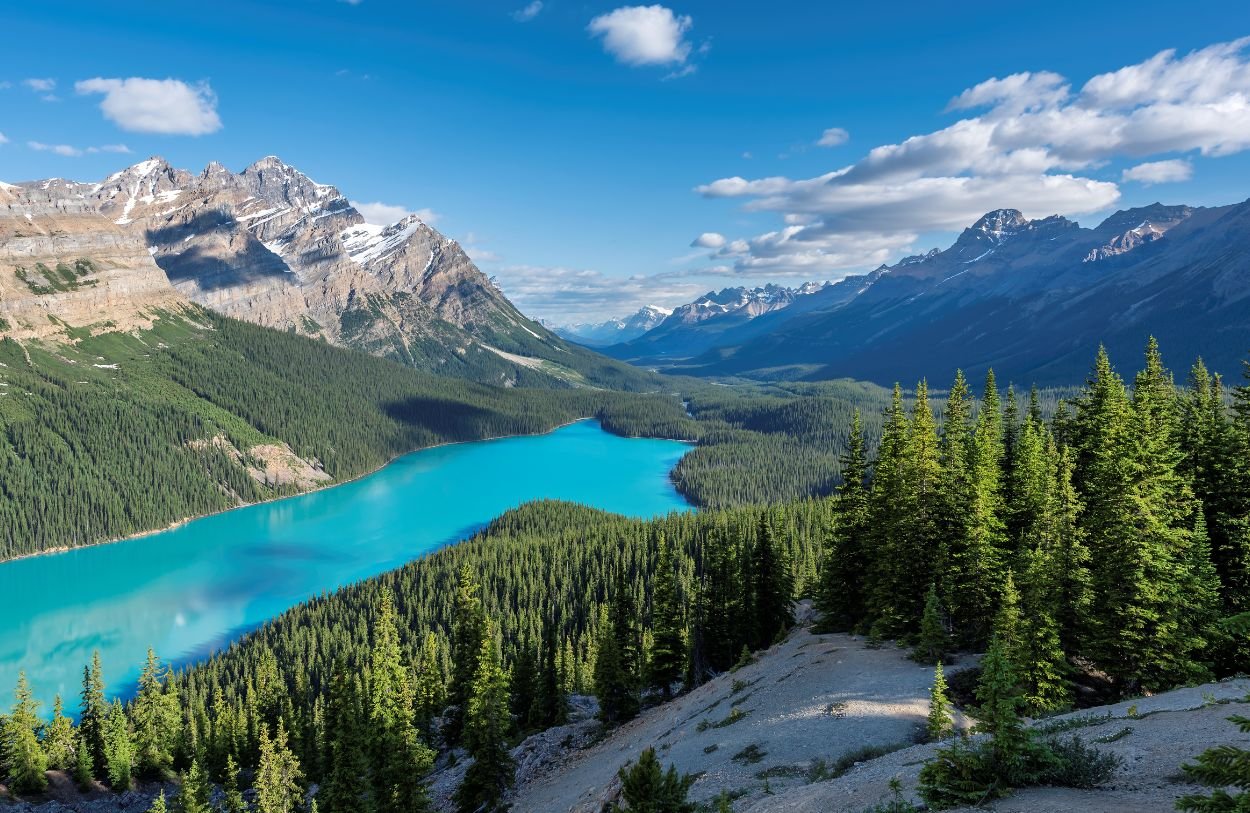
A breathtaking panoramic view of Peyto Lake in Banff National Park, Alberta, surrounded by dense evergreen forests and the magnificent Canadian Rocky Mountains.
For travellers interested in mountains, lakes and outdoor adventures, Banff National Park is one of Canada’s most memorable destinations.
The park features dramatic mountain landscapes, turquoise lakes and extensive hiking opportunities.
Popular places include:
- Lake Louise
- Moraine Lake
- Bow Falls
- Johnston Canyon
- Lake Minnewanka
- The town of Banff
However, Banff requires careful financial planning.
National park admission fees generally apply, and accommodation in popular areas can be expensive during busy periods.
Fortunately, visitors do not necessarily need a rental car for every excursion.
Roam Public Transit and seasonal shuttle services connect Banff with several major attractions.
Some destinations, including Moraine Lake, have restricted private vehicle access. Visitors should arrange approved transport in advance.
For budget accommodation, compare hotels, hostels and permitted campgrounds in the wider Banff area.
Always check park fees, shuttle reservations and trail conditions before travelling.
7. Nova Scotia – Coastal Villages and Scenic Drives
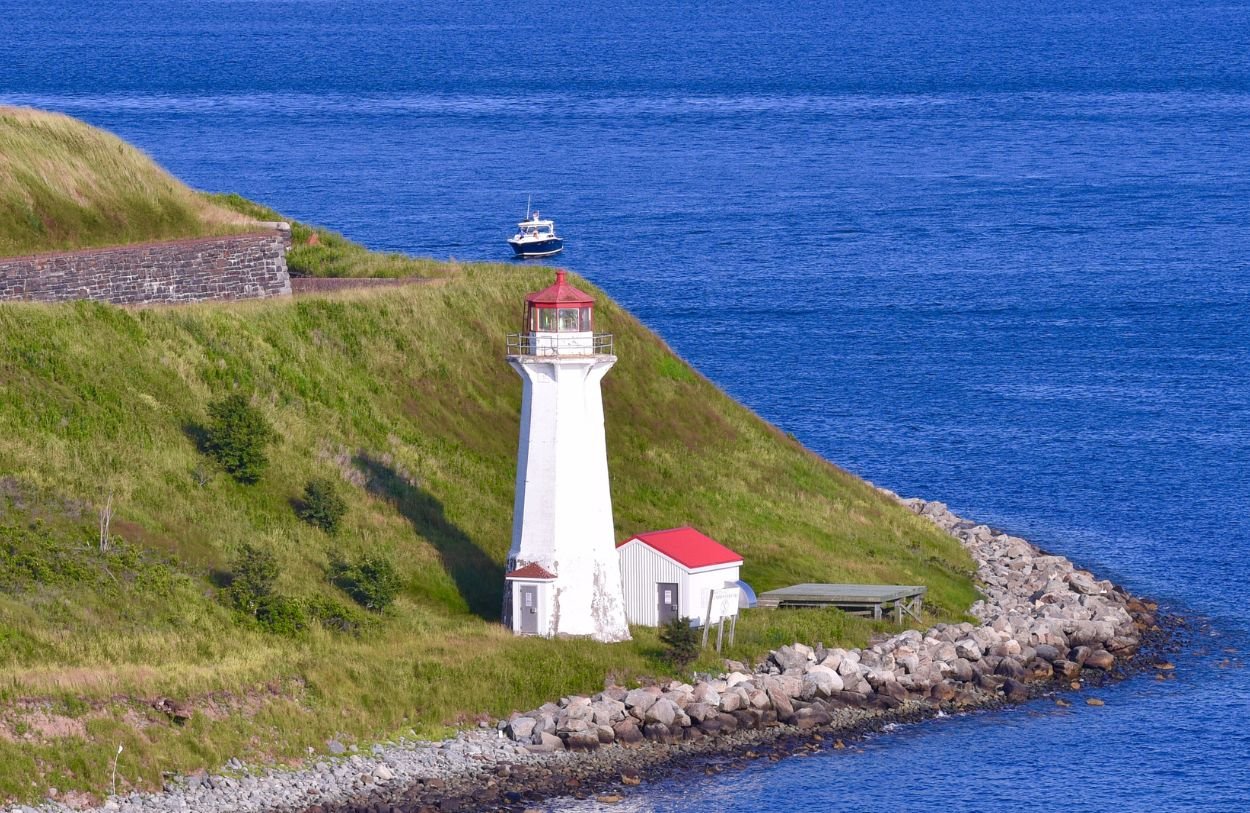
A scenic coastal view of Georges Island Lighthouse in Halifax Harbour, Nova Scotia, featuring its distinctive white tower, red lantern, green shoreline and surrounding blue waters.
Nova Scotia provides a different Canadian travel experience, with rugged coastlines, fishing villages and historic communities.
Halifax makes a practical starting point for exploring the province.
Visitors can walk along its waterfront and explore local neighbourhoods before heading towards the South Shore.
Notable destinations include:
- Peggy’s Cove and its famous lighthouse.
- The historic town of Lunenburg.
- Mahone Bay and its colourful waterfront.
- Halifax’s waterfront and public spaces.
A self-guided coastal trip can be enjoyable for travellers who prefer scenic landscapes to expensive attractions.
However, many smaller communities have limited public transport connections. Compare the cost of renting a car with organised tours before deciding.
At Peggy’s Cove, follow official coastal safety instructions and stay away from wet, dark rocks near the ocean.
How to Find Affordable Accommodation in Canada
Accommodation is often one of the largest expenses during a Canadian holiday.
Hotel prices vary significantly depending on the city, neighbourhood, season and local events.
Instead of relying on outdated advertised room rates, compare current prices for your actual travel dates.
Hostels and Budget Guesthouses
Hostels can be suitable for solo travellers, backpackers and people who do not require a private hotel room.
Some provide shared dormitories, while others offer private rooms.
Before booking, check the sleeping arrangements, luggage storage, cancellation policy and access to public transport.
A cheaper bed may not represent good value if the property is far from the attractions you plan to visit.
Budget Hotels and Motels
Budget hotels and motels are available in many Canadian cities and towns.
They may be worth considering when travelling with family or friends who can share accommodation costs.
Compare the total booking price, including applicable taxes, parking and mandatory fees.
Also check recent guest reviews and location details before confirming your reservation.
Holiday Apartments and Self-Catering Accommodation
An apartment or guesthouse with cooking facilities may help reduce meal expenses during longer stays.
However, short-term rental regulations differ across Canadian cities and provinces.
Choose accommodation that complies with local requirements, and check cleaning fees, cancellation terms and the complete booking cost.
Camping in Canada’s National Parks
Camping can be an appealing option for travellers who enjoy outdoor experiences.
Parks Canada manages campgrounds and other overnight accommodation options in several national parks.
Some campsites require reservations, and popular locations can fill quickly.
Remember that camping involves additional expenses, including equipment, campsite fees and transportation.
Never camp outside permitted areas or assume that national park admission includes overnight accommodation.
How to Travel Around Canada Without Spending Too Much
Canada’s vast geography makes transport planning essential.
A journey that looks manageable on a map may involve substantial driving time or expensive connections.
Travel by Train
VIA Rail operates passenger train services across several parts of Canada.
Rail travel can be an attractive choice for journeys between cities such as Toronto, Ottawa, Montréal and Québec City.
The company also operates longer-distance routes, although these may require considerably more travel time.
To save money:
- Compare different departure dates.
- Check economy-class fares.
- Look for eligible discounts and promotional offers.
- Book when suitable fares are available.
- Compare total journey costs with buses and flights.
Train travel offers a different way to experience Canada’s landscapes, but it is not automatically the cheapest option.
Use Intercity Buses
Buses can be useful for certain regional journeys, especially where services connect major cities and towns.
However, Canada does not have one nationwide bus network serving every destination.
Operators, schedules and route availability vary by province.
Before booking, check the operator’s current timetable, luggage allowance and departure location.
Compare Domestic Flights
Flying may be the most practical option when travelling between distant regions.
For example, combining Vancouver and Toronto in a short holiday involves a substantial cross-country journey.
Compare airfares carefully and consider baggage fees, airport transfers and travel time.
A low advertised ticket price may not include all the services you need.
Rent a Car When It Makes Financial Sense
A rental car can be useful for exploring rural destinations, coastal routes and national parks.
However, calculate the full cost before booking.
Include:
- Rental charges
- Fuel
- Insurance and applicable excess
- Parking
- Tolls, where applicable
- Additional driver charges
- One-way rental fees, if applicable
For a city-focused holiday, walking and public transport may be more economical.
For a regional road trip involving several people, sharing rental expenses may provide better value.
How to Save Money on Food in Canada
Eating out for every meal can quickly increase your travel expenses.
Fortunately, Canada offers various dining choices, ranging from neighbourhood cafés and food markets to casual restaurants.
A few simple habits can help you manage your food budget.
Shop at Supermarkets
Supermarkets can be useful for purchasing breakfast items, snacks, fruit and ingredients for simple meals.
If your accommodation has a kitchen, preparing occasional meals may reduce spending.
Explore Local Markets and Casual Restaurants
Instead of eating exclusively in tourist areas, look for neighbourhood restaurants and local food markets.
Toronto, Vancouver and Montréal offer diverse food cultures, making it possible to explore different cuisines at various price points.
Compare menus before ordering and consider lunch specials when available.
Carry Water and Snacks
A reusable water bottle and a few snacks can help you avoid unnecessary purchases during sightseeing.
Use approved drinking-water sources and check local conditions when visiting remote areas.
Account for Taxes and Tips
Advertised restaurant prices may not include applicable sales taxes.
Tax rules differ across provinces, and tipping is customary in many Canadian sit-down restaurants.
Keep these additional costs in mind when planning your daily food allowance.
Free and Low-Cost Things to Do in Canada
Some of Canada’s most memorable experiences involve nature, architecture and public spaces rather than expensive tours.
Consider including these activities in your itinerary:
| Activity | Where to Experience It | Budget Consideration |
|---|---|---|
| View Niagara Falls | Niagara Falls, Ontario | Public viewing areas are free; parking and attractions may cost extra |
| Walk through Stanley Park | Vancouver, British Columbia | Free park access; rentals and some facilities cost extra |
| Explore Mount Royal Park | Montréal, Québec | Free public walking areas |
| Discover Old Québec | Québec City, Québec | Public streets are free to explore |
| Enjoy waterfront walks | Toronto, Ontario | Public waterfront areas are generally free |
| Explore Peggy’s Cove | Nova Scotia | Scenic public viewing areas; transport and other expenses vary |
| Visit national parks | Across Canada | Admission or activity fees may apply |
For travellers planning several national park visits, a Parks Canada Discovery Pass may provide better value than purchasing separate daily admission.
Parks Canada also provides free admission for visitors aged 17 and under to its administered locations, although other service fees may apply.
Best Time to Visit Canada for Budget Travel
The best travel season depends on where you intend to go and what you want to experience.
Spring: April to May
Spring can be an attractive time to explore cities such as Toronto, Vancouver and Montréal.
However, weather conditions vary considerably across Canada. Mountain trails and certain seasonal attractions may remain inaccessible because of snow.
Compare prices and local conditions before travelling.
Summer: June to August
Summer is popular for hiking, national parks, coastal trips and outdoor festivals.
It also brings substantial visitor demand to many destinations.
Accommodation around popular attractions may be expensive, so reserve early when your itinerary is fixed.
Autumn: September to November
Autumn offers colourful landscapes and pleasant sightseeing opportunities in many regions.
September and early October can be especially appealing for city visits and scenic drives.
However, fall foliage attracts visitors to certain destinations, so prices are not necessarily lower everywhere.
Winter: December to March
Winter brings opportunities for snow sports, winter festivals and distinctive Canadian landscapes.
Some city accommodation may offer better value outside busy event periods.
However, skiing destinations can be expensive, and winter driving requires suitable preparation.
Extremely cold temperatures, snowstorms and shorter daylight hours can also affect travel plans.
Budget tip: Compare prices for several possible travel dates rather than assuming that one season is consistently cheaper throughout Canada.
How Much Money Do You Need to Travel Canada on a Budget?
There is no single reliable daily budget for every destination in Canada.
Costs differ substantially between cities, rural areas, national parks and travel seasons.
A backpacker staying in a shared hostel room will have different expenses from a family booking private accommodation and renting a vehicle.
Use the following categories to prepare a realistic budget.
| Expense | How to Control Costs |
|---|---|
| Accommodation | Compare hostels, budget hotels and private rentals |
| Food | Use supermarkets and reasonably priced local restaurants |
| Local transport | Walk and use public transit where practical |
| Intercity travel | Compare trains, buses, flights and rental cars |
| Attractions | Include free parks, viewpoints and public spaces |
| National parks | Compare daily admission with available passes |
| Communications | Review roaming charges and suitable mobile data options |
| Travel insurance | Choose appropriate coverage without sacrificing essential protection |
| Contingency | Keep funds available for unexpected expenses |
For international visitors, remember to include flights to Canada, any necessary visa fees and the cost of currency conversion.
Compare all prices in Canadian dollars before converting them into your home currency.
Sample Budget-Friendly Canada Itineraries
A focused itinerary often provides better value than trying to visit several distant regions.
Option 1: Toronto and Niagara Falls
Suggested duration: 5–7 days
Spend several days exploring Toronto’s neighbourhoods, waterfront and public parks.
Then visit Niagara Falls to enjoy the spectacular waterfalls and public viewing areas.
This itinerary suits travellers interested in urban sightseeing and one of Canada’s best-known natural attractions.
Option 2: Montréal and Québec City
Suggested duration: 5–7 days
Start in Montréal with walks through Old Montréal, Mount Royal Park and the Old Port.
Continue to Québec City for historic architecture, public squares and the atmosphere of Old Québec.
This route suits travellers interested in culture, history and photography.
Option 3: Vancouver and the Surrounding Area
Suggested duration: 5–7 days
Use Vancouver as your main base.
Explore Stanley Park, the waterfront, beaches and neighbourhoods using public transport and walking routes.
If your budget allows, consider a day trip to an additional destination in the surrounding region.
Option 4: Banff and the Canadian Rockies
Suggested duration: 5–7 days
Base yourself in Banff or another suitable nearby community.
Explore accessible viewpoints, hiking areas and scenic destinations using public transport and booked shuttles where available.
Plan national park entry, accommodation and transport well in advance.
Essential Travel Tips Before Visiting Canada
A successful Canadian holiday requires more than finding affordable accommodation.
Before departure, remember to:
- Check entry requirements. Depending on your nationality and method of arrival, you may need a visitor visa or electronic travel authorization (eTA).
- Arrange suitable travel insurance. Ensure your policy covers your planned activities and medical needs.
- Check the weather. Canadian conditions vary dramatically by region and season.
- Review transport schedules. Confirm regional services before booking accommodation.
- Book popular attractions when necessary. Certain national park shuttles, campsites and activities require reservations.
- Check park conditions. Review trail closures, weather warnings and wildlife safety advice before outdoor activities.
- Allow for taxes and extra charges. Compare complete prices rather than advertised base rates.
- Avoid an overloaded itinerary. Fewer destinations often mean lower transport expenses and more time to enjoy each location.
Frequently Asked Questions About Budget Travel in Canada
Is Canada expensive for tourists?
Canada can be expensive, particularly in major cities and popular resort destinations. However, travellers can control expenses by choosing budget accommodation, using public transport and enjoying free outdoor attractions.
What is the cheapest way to travel around Canada?
There is no single cheapest option for every journey. Public transport and walking are often practical within cities. For longer trips, compare intercity buses, trains, domestic flights and shared rental cars.
Can you explore Canada without renting a car?
Yes. Major cities have public transport networks, and certain tourism destinations offer shuttle services. However, rural areas and remote attractions may require a vehicle or organised transport.
Is Niagara Falls free to visit?
Yes. Visitors can see Niagara Falls from public viewing areas on the Canadian side without paying an attraction admission fee. Parking, tours and other experiences may involve additional charges.
Which Canadian cities are suitable for budget travellers?
Toronto, Vancouver, Montréal and Québec City all offer free or low-cost sightseeing opportunities. The best choice depends on accommodation prices, transport costs, your interests and the dates of your visit.
Do I need a visa to travel to Canada?
Entry requirements depend on your citizenship, travel documents and how you enter Canada. Some travellers require a visitor visa, while others need an eTA when arriving by air. Check the official Government of Canada website before making travel arrangements.
Final Thoughts
Exploring Canada on a budget is largely about making thoughtful choices.
Whether you prefer Vancouver’s coastal scenery, Montréal’s historic neighbourhoods, the magnificent Niagara Falls or the Rocky Mountains, you can find memorable experiences without booking expensive activities every day.
Choose a manageable route, compare accommodation and transportation costs, and make time for the country’s parks, waterfronts and cultural attractions.
By focusing your spending on the experiences that matter most, you can discover Canada’s remarkable diversity while keeping your travel budget under control.
