
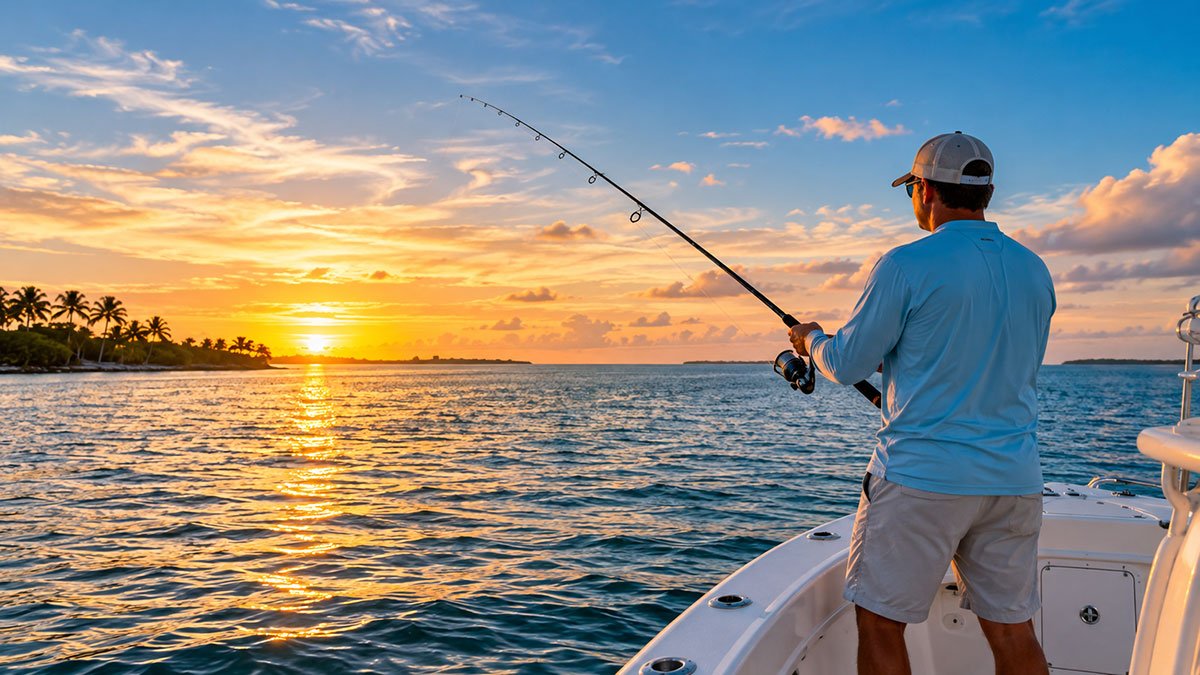
Best Fishing Destinations in Florida: The Florida Keys, Indian River Lagoon and Lake Kissimmee
Florida is one of the most appealing destinations in the United States for a fishing holiday. Its Atlantic coastline, Gulf waters, sheltered estuaries and freshwater lakes offer opportunities for anglers with different interests and experience levels. Whether you want to cast a line across tropical flats, head offshore in search of powerful game fish or spend a peaceful morning bass fishing on a lake, Florida has a destination to suit your plans.
The best fishing destinations in Florida include the Florida Keys for saltwater adventures, the Indian River Lagoon for inshore fishing and the Kissimmee Chain of Lakes for freshwater angling. Each region offers a different experience, so choosing the right location depends on your preferred fishing method, target species, travel dates and whether you plan to fish independently or with a professional guide.
1. Florida Keys: A Top Destination for Saltwater Fishing
The Florida Keys are among the state’s best-known fishing destinations. This chain of islands stretches from the southern Florida mainland towards Key West, with the Overseas Highway connecting many of its communities. The surrounding waters provide access to shallow flats, mangrove channels, coral reef environments and deeper offshore grounds.
This variety makes the Keys attractive to beginners, experienced anglers and visitors who want to combine fishing with a beach holiday.
Where to fish in the Florida Keys
Several communities offer convenient starting points for a fishing trip.
- Key Largo: A practical base for exploring nearshore waters, reefs and the northern Keys. It also suits travelers who want to combine fishing with snorkeling, diving and marine activities.
- Islamorada: Known for its sportfishing culture, Islamorada offers access to flats, backcountry waters, reef fishing and offshore trips.
- Marathon: Located in the Middle Keys, Marathon provides access to offshore grounds, reef fishing and productive inshore waters. Local guides can help anglers choose suitable trips for their experience and the prevailing conditions.
- Big Pine Key and the Lower Keys: These areas appeal to visitors looking for a quieter setting, mangrove channels, shallow-water fishing and backcountry excursions.
- Key West: At the southern end of the island chain, Key West offers a range of charter options, from flats fishing to offshore expeditions.
Before selecting a departure point, consider where you are staying and the type of fishing you want to do. A charter that suits a deep-sea trip may not be the right choice for a shallow-water excursion.
What fish can you catch in the Florida Keys?
The species available depend on the location, season, water conditions and fishing method. Common targets include:
- Tarpon: Popular among anglers who enjoy challenging catch-and-release fishing, particularly in shallow waters and channels.
- Bonefish and permit: Important targets for flats anglers who enjoy sight fishing with light tackle or fly-fishing equipment.
- Snook and spotted seatrout: Species associated with inshore waters, channels and mangrove environments.
- Mahi-mahi: Also known as dolphinfish, these are popular targets on suitable offshore trips.
- Tuna, wahoo and billfish: Potential targets on deeper-water excursions, depending on conditions and seasonal availability.
- Snapper and grouper: Popular reef-associated fish, subject to applicable seasons, size limits and harvest restrictions.
These are fishing opportunities rather than guaranteed catches. Ask a local captain what is realistically available during your travel dates.
Offshore, reef, flats or backcountry fishing?
Choosing the right fishing method is as important as choosing your destination.
Offshore fishing takes anglers into deeper water to pursue pelagic species and other open-water game fish. These trips can involve longer boat journeys and changing sea conditions.
Reef fishing focuses on areas around reefs and other suitable underwater structures. It is often chosen by anglers targeting species such as snapper and grouper, although regulations vary by species and location.
Flats fishing takes place in relatively shallow water. It can involve quietly approaching fish and presenting bait, lures or flies with precision. This style appeals particularly to anglers targeting bonefish, permit and tarpon.
Backcountry fishing explores protected bays, mangrove channels and other inshore environments. It can be a good option for visitors who prefer smaller boats and a more sheltered setting.
Should you book a Florida Keys fishing charter?
A licensed and experienced local guide can help you choose suitable waters, use the right equipment and understand local regulations. Charters are available for different skill levels and fishing styles.
Before booking, confirm:
- The trip duration and departure location.
- Whether rods, reels, bait, tackle and other equipment are included.
- Whether the charter’s licence covers the passengers who will be fishing.
- Whether fuel, gratuities and other charges are included in the quoted price.
- The captain’s policy on catch-and-release fishing and keeping legal catches.
- What happens if rough weather makes the planned trip unsuitable.
A charter is especially useful for first-time visitors who are unfamiliar with the local waters. However, do not assume that every charter includes the same services or covers every licensing requirement.
2. Indian River Lagoon: Inshore Fishing on Florida’s Atlantic Coast
The Indian River Lagoon is a major estuarine system along Florida’s east coast. Its connected waterways, shallow areas and sheltered habitats support a variety of fish and wildlife. It is an appealing option for anglers who want to explore inshore waters rather than spend an entire day offshore.
The broader lagoon system includes the Indian River, Banana River and Mosquito Lagoon. Fishing opportunities vary by section, access point and local conditions.
What can you catch in the Indian River Lagoon?
Several popular recreational species inhabit the lagoon system.
- Red drum, also called redfish: A well-known target for inshore anglers, particularly those fishing shallow water and suitable grass or shoreline habitats.
- Spotted seatrout: Often targeted in shallow estuarine waters using artificial lures or natural bait.
- Snook: Found in suitable coastal and estuarine habitats, although seasonal closures and harvest restrictions apply.
- Black drum and other inshore species: Additional opportunities depend on the location and conditions.
Fish activity changes with water temperature, tides, weather and seasonal patterns. Local guides and current fishing reports can help you select an appropriate area and technique.
Fishing methods and experiences
The lagoon offers several ways to spend time on the water.
Shallow-water fishing: Anglers can explore suitable grass flats and other shallow habitats while looking for fish activity.
Fishing near shorelines and channels: Mangrove edges, deeper channels and other habitat features can provide opportunities, depending on the species and conditions.
Kayak fishing: In areas where access and water conditions permit, a kayak offers a quieter way to explore. Check local launch rules, wind conditions and boat traffic before setting out.
Guided inshore trips: A local guide can help visitors understand tides, identify productive habitats and select appropriate tackle.
Fishing is possible at different times of year, but it is not accurate to assume that every species is available for harvest throughout the year. The Indian River Lagoon region has species-specific regulations, including important restrictions on red drum and snook.
What should anglers know before visiting?
The Indian River Lagoon is both a recreational resource and a sensitive ecosystem. Follow local access rules, avoid damaging seagrass beds and handle released fish carefully.
Check current regulations before deciding which fish to keep. Pay particular attention to seasonal closures, size limits and species-specific harvest rules. Conditions can differ across management regions, so statewide summaries alone may not provide every restriction relevant to your chosen location.
3. Kissimmee Chain of Lakes: Freshwater Fishing in Central Florida
Travel inland for a different kind of fishing holiday. The Kissimmee Chain of Lakes, south of the Orlando area, includes Lake Tohopekaliga, Cypress Lake, Lake Hatchineha and Lake Kissimmee, among other connected waters.
The region is known for freshwater angling and its wetlands, marshes and abundant wildlife. It is particularly attractive to anglers who want to fish from a boat or explore freshwater habitats rather than coastal waters.
Lake Kissimmee and its neighbouring lakes
Lake Kissimmee is one of the area’s principal fishing destinations. Its extensive shallow-water habitat and aquatic vegetation support popular freshwater sport fish.
The wider chain provides several alternatives, allowing anglers to choose a lake based on access, boat facilities, current conditions and the species they want to target.
What fish can you catch?
The Kissimmee Chain of Lakes supports several popular freshwater species, including:
- Florida largemouth bass: A major attraction for anglers seeking sport fishing in central Florida.
- Bluegill: A popular option for casual fishing and family outings.
- Redear sunfish, also known as shellcracker: A freshwater species sought by anglers using suitable bait and techniques.
- Black crappie: Another popular target, particularly for anglers who enjoy light tackle and bait fishing.
Catch rates vary with weather, water levels, vegetation and seasonal fish behaviour. Before heading out, check local fishing forecasts for advice on current conditions and recommended approaches.
Bass fishing on Lake Kissimmee
Lake Kissimmee is particularly appealing to bass anglers. Fishing methods may include casting soft plastic baits, spinnerbaits and other suitable lures around aquatic vegetation and other promising habitat.
The best approach depends on the season and the lake’s current conditions. Vegetation edges, open pockets and other habitat features can be worth exploring, but a local fishing report or guide will provide more useful advice than relying on a fixed list of fishing spots.
If you are unfamiliar with the lake, consider hiring a freshwater guide or using a suitable boat with the necessary safety equipment. Check boat-ramp access, local boating rules and weather forecasts before departure.
Family fishing and outdoor activities
The Kissimmee region can work well for families and mixed-interest groups. Fishing can be combined with boating, wildlife observation and time spent outdoors. Designated camping opportunities are available in parts of the wider area, although access, facilities and camping rules depend on the specific site.
Do not assume that all lakes, shorelines or canals are publicly accessible. Confirm land ownership, launch arrangements and any restrictions before planning your trip.
4. When Is the Best Time to Go Fishing in Florida?
There is no single best month for every Florida fishing destination. Seasonal patterns differ between saltwater and freshwater environments, and the availability of individual species depends on weather, water temperature, migration, local regulations and other conditions.
Use the following guidance as a starting point rather than a guarantee of a particular catch.
Florida Keys
The Keys offer several styles of fishing throughout the year. Tarpon, flats fishing and offshore opportunities can follow different seasonal patterns, so choose your travel dates according to your preferred species and fishing method. Ask charter operators about the typical opportunities during your planned visit.
Indian River Lagoon
Inshore fishing depends on the conditions in the specific section of the lagoon. Tides, water temperature, rainfall and seasonal fish movements can influence where fish are active. Local fishing reports are useful when choosing dates and techniques.
Kissimmee Chain of Lakes
Freshwater fishing continues through the year, but fish behaviour changes with water temperature and seasonal conditions. Consult the Florida Fish and Wildlife Conservation Commission’s Lake Kissimmee fishing forecast before your trip.
Weather and seasonal planning
Florida’s heat, thunderstorms, strong winds and tropical weather systems can affect fishing plans. Summer outings may require early starts to avoid the hottest part of the day, while rough seas can disrupt offshore excursions.
Check forecasts shortly before departure and follow instructions from charter captains, park authorities and local officials. During tropical weather, do not put to sea simply because a reservation has already been paid for.
5. Fishing Licences and Regulations in Florida
Before fishing in Florida, confirm whether you need a freshwater or saltwater fishing licence. The correct licence generally depends on the species you are attempting to catch, not simply the location where you cast your line.
Visitors should not assume that a licence from another US state is valid in Florida.
Saltwater fishing licences
Saltwater fishing regulations apply to fishing in coastal waters and to other activities covered by Florida’s saltwater licensing rules. Some anglers qualify for exemptions, including certain passengers fishing aboard properly licensed for-hire vessels.
If you plan to fish independently from shore or a private boat, check the Florida Fish and Wildlife Conservation Commission’s current requirements before your trip.
Freshwater fishing licences
Freshwater fishing generally requires a separate licence unless an exemption applies. Visitors fishing in the Kissimmee Chain of Lakes should check the requirements for their circumstances and any special rules applying to the specific lake or fish management area.
Check rules for individual species
A valid fishing licence does not automatically mean that every species may be kept. Regulations can specify:
- Open and closed seasons.
- Minimum and maximum size limits.
- Daily bag limits.
- Special permits or tags.
- Gear restrictions and protected areas.
These rules can change. Check the official Florida Fish and Wildlife Conservation Commission website before fishing, particularly if you plan to keep your catch.
6. Practical Tips for Planning a Florida Fishing Holiday
A little preparation can make your fishing trip more enjoyable and reduce the risk of unexpected costs or regulatory problems.
- Choose the right destination. Select the Florida Keys for varied saltwater fishing, the Indian River Lagoon for inshore experiences or the Kissimmee Chain of Lakes for freshwater angling.
- Research the target species. Decide which fish interest you and ask a local guide whether they are realistic targets during your travel dates.
- Book guides in advance. If you need a charter, compare departure points, trip lengths, equipment and cancellation policies before making a reservation.
- Check licence requirements. Confirm whether you need a freshwater or saltwater licence and whether any exemption applies to your trip.
- Pack for the conditions. Bring sun protection, drinking water, suitable clothing and any personal medication you need. Follow your guide’s advice about footwear and other equipment.
- Monitor the weather. Check forecasts before leaving and respect any warnings or instructions concerning boating and fishing.
- Practise responsible fishing. Follow size and bag limits, respect protected areas and handle released fish carefully. Avoid damaging seagrass, mangroves and other sensitive habitats.
- Plan activities beyond fishing. The Florida Keys offer marine recreation and island communities, the Indian River Lagoon provides opportunities to experience estuarine wildlife, and the Kissimmee region combines fishing with freshwater scenery and outdoor activities.
7. Which Florida Fishing Destination Should You Choose?
The best destination depends on the type of fishing holiday you have in mind.
- Choose the Florida Keys if you want saltwater variety, professional charters, flats fishing, reef trips or offshore adventures.
- Choose the Indian River Lagoon if you prefer inshore fishing, estuarine habitats and opportunities to target species such as redfish, spotted seatrout and snook within the applicable regulations.
- Choose the Kissimmee Chain of Lakes if your priority is freshwater fishing, particularly largemouth bass, bluegill, redear sunfish and black crappie.
Each destination offers a different way to experience Florida’s waterways. By matching your location to your preferred fishing method, checking local conditions and understanding the regulations, you can plan a more rewarding fishing holiday.
Whether you are arranging your first guided trip or returning to Florida for another day on the water, the state’s coastal and freshwater regions provide plenty of opportunities to explore its fishing heritage and natural landscapes.
