
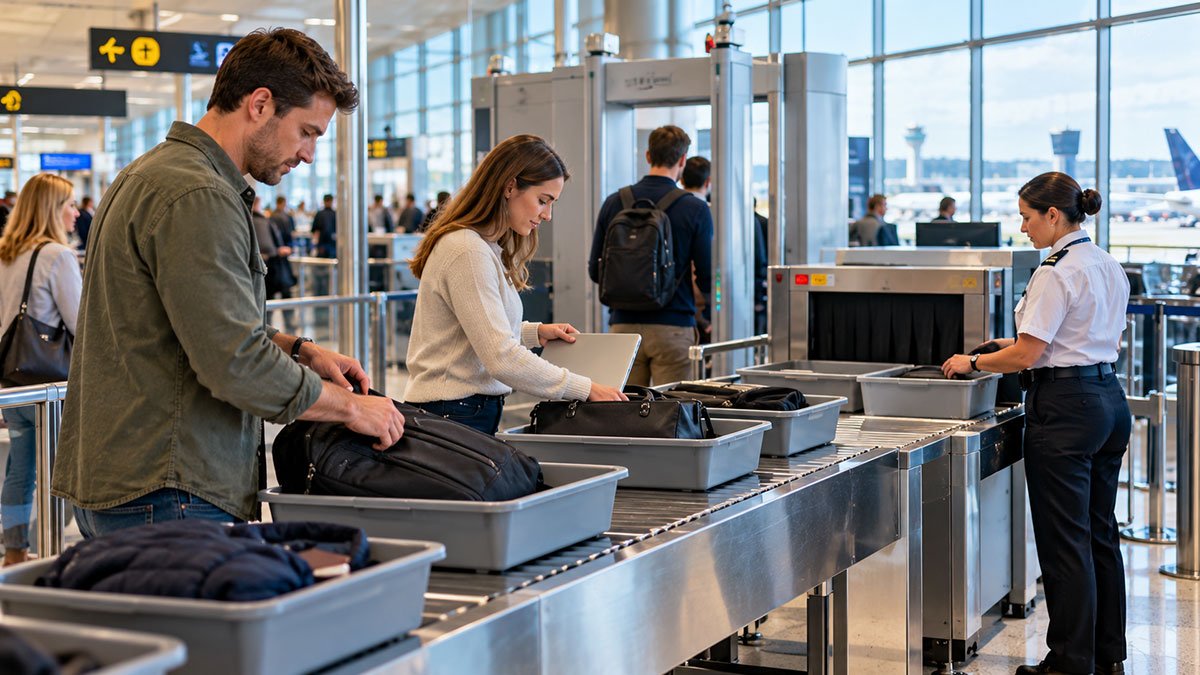
Modern airport security combines baggage screening, passenger checks and advanced technology to help protect air travel. Knowing the screening procedures and checking airport rules before departure can make the passenger experience smoother and less stressful.
Airport Security Explained: Technology, Safety and the Future of Air Travel
For many travelers, airport security is one of the least enjoyable parts of a journey. Queues, baggage checks and instructions to remove certain items can feel inconvenient, especially when a flight is approaching. Yet screening is a central part of modern aviation safety, designed to prevent prohibited items and potential threats from reaching aircraft.
Airport security has developed considerably over the decades. Today, airports combine passenger screening, baggage inspection, identity checks, controlled access and cooperation between airlines and public authorities. New scanners and digital identity systems are also changing how some passengers move through terminals.
The experience is not identical everywhere. Procedures depend on the country, airport, equipment in use and the passenger’s route. Understanding the basics—and checking local instructions before departure—can make the process less stressful.
Why Airport Security Matters
Airport security is not limited to the checkpoint where passengers place their bags in trays. It is a wider system involving several layers of protection, including screening passengers and baggage, controlling access to restricted airport areas, checking travel documents and responding to security concerns.
International standards help countries establish aviation-security measures, but each country implements those standards through its own laws, authorities and procedures. Airports may also use different equipment, depending on their facilities and upgrade programmes.
Authorities regularly review security procedures as threats, travel patterns and technology evolve. They keep some details confidential to protect screening systems and maintain their effectiveness. Travelers generally need to know the practical rules that apply to their journey, rather than the confidential details of how systems detect threats.
How Airport Security Has Changed
Earlier generations of air travel often involved fewer visible checks than passengers experience today. Major incidents, including the attacks of 11 September 2001, prompted extensive changes to aviation-security practices, particularly around access controls, passenger screening and the protection of aircraft.
There was no single global switch that created today’s system. Security measures have developed over time through national regulations, international cooperation, threat assessments and advances in screening equipment.
Modern airport security now combines procedures and technology. This layered approach means that no single scanner or identity check is responsible for keeping flights safe.
Airport Security Technology You May Encounter
1. Cabin-Baggage X-Ray and CT Scanners
Carry-on bags are screened before passengers enter the departure area. Traditional X-ray equipment creates images that trained screeners examine for prohibited or suspicious items. Some airports have introduced computed tomography (CT) scanners that create three-dimensional images of baggage contents, allowing screeners to examine items from different angles.
Newer equipment may change what passengers need to remove from a bag. At some checkpoints, travelers can leave laptops, tablets and liquids inside their cabin bags. At other airports, staff may still ask passengers to remove them.
Do not assume that a procedure used at one airport will apply to every airport on your route. Follow the signs and instructions at the checkpoint in front of you.
2. Walk-Through Metal Detectors
Metal detectors can help identify metal objects carried on a passenger. If a detector alarms, staff may conduct additional screening to determine the cause. Travelers may be asked to remove certain metal items or cooperate with a follow-up check.
Not every passenger will experience the same screening sequence. The equipment used and any additional checks depend on the airport’s procedures and the circumstances of the screening.
3. Body Scanners
Some airports use advanced body scanners to identify items that a metal detector may not detect. In the UK, approved security scanners are used as part of passenger-screening procedures, and the Department for Transport maintains a list of approved equipment.
Screening arrangements and passenger options vary by country. UK government guidance explains that passengers selected for a body scan can ask for a private search instead, although this may involve a more detailed search and take longer. Staff should explain the process if you have concerns or need assistance.
If you have a medical device, prosthesis, mobility aid or other circumstance that may affect screening, tell a security officer and ask how to proceed. You can also check the airport’s accessibility and medical-equipment guidance before travelling.
4. Manual Searches and Explosive-Trace Checks
A bag may receive an additional manual inspection if a scanner image needs clarification or a prohibited item is suspected. Security teams may also use trace-detection methods to check for small amounts of substances associated with explosives.
An additional check does not automatically mean a passenger has done anything wrong. It can be part of routine screening or follow-up to an alarm. Stay calm, listen to instructions and ask staff to explain any step you do not understand.
Liquids, Electronics and Items in Hand Luggage
One of the most common sources of confusion is the rule on liquids. The rules can differ between airports—even within the same country—as new screening equipment is introduced.
In the UK, many airports continue to apply the 100ml container limit, while some airports with upgraded equipment allow larger liquid containers through security. The government advises travelers to check the rules for the departure airport, any transfer airports and the return journey.
Before leaving home:
- Check the official website of every airport where you will pass through security.
- Check whether liquids need to be removed from your bag or placed in a transparent bag.
- Confirm the rules for laptops, tablets and other large electronic devices.
- Review restrictions on sharp objects, tools, aerosols, batteries and other potentially dangerous items.
- Keep essential medicines and medical equipment accessible, with supporting documentation if appropriate.
- Ask the airline or airport in advance if you are unsure about a specific item.
Airport security staff may refuse an item they consider dangerous, even if you believed it was permitted. Rules for cabin baggage are also separate from your airline’s size and weight allowance, so check both.
Identity Checks, Biometrics and Digital Travel
Airport security screening and identity verification serve different purposes. Baggage scanners and passenger screening look for safety threats. Identity checks help authorities verify that travelers match the names on their travel documents and meet the relevant travel requirements.
Airlines may ask passengers to provide passport details in advance for certain international journeys. These requirements differ from visa or travel authorisation applications. Your airline should explain which information you need to provide and when to submit it.
Some airports and airlines also offer biometric processes, such as facial comparison, at selected stages of the journey. Airports may use biometric technology for check-in, baggage drop, entry to restricted areas or boarding, depending on the system. Availability and participation rules vary, so check with your airport or airline to find out whether you can use these services and whether participation is optional.
The International Air Transport Association’s One ID initiative sets out a longer-term vision for secure digital credentials and contactless passenger processing. Airports and industry partners are exploring and implementing One ID through separate projects; no single system currently operates at every airport.
Privacy and Passenger Rights
Security technology raises reasonable questions about personal information, body scanning and biometric data. Rules differ by jurisdiction and by the type of system being used.
Before using an optional biometric service, read the airport or airline’s explanation of what data is collected, how it is used and whether an alternative process is available. Do not assume that every airport follows identical rules.
If you are uncomfortable with a screening step, have a disability, use medical equipment or need assistance, speak to airport staff. Where available, arrange assistance through your airline in advance, especially if you expect to need extra time or a private screening process.
Keep in mind that some security checks are mandatory. Staff may need to complete appropriate screening before allowing a passenger to enter a restricted area or board a flight.
How to Get Through Airport Security More Smoothly
A little preparation can reduce delays without compromising the screening process.
Before You Leave Home
Check your airline’s baggage allowance and the current rules on liquids, electronics and restricted items. Check that your travel documents are valid, obtain any required visa or travel authorisation, and submit the necessary passenger information before departure.
Pack hand luggage in an organised way. Keep small items together, leave unnecessary objects at home, and pack items that security staff may need to inspect near the top of your bag. If you carry medication, medical devices or special dietary supplies, check in advance whether airport authorities require any supporting documents.
At the Checkpoint
Follow signs and staff instructions. Be ready to show your boarding pass or other requested documents. Remove coats, belts, metal objects, liquids or electronics only when instructed or when local signs require it.
Do not joke about weapons, explosives or security threats. Such comments can be treated seriously and may delay your journey.
If your bag is selected for a search, cooperate and let the officer complete the check. If you do not understand an instruction, ask for clarification rather than guessing.
Allow Enough Time
Security queues can become longer during busy periods, holidays and disruption. Follow your airline’s guidance on when to arrive and allow extra time if you need assistance, are travelling with children or have special items to declare.
Security screening is only one stage of the airport process. You may also need time for check-in, baggage drop, border control and walking to your gate.
What Could Change in the Future?
Airport technology will continue to develop, but the timing and rollout will vary from place to place. Several areas are already shaping the future passenger experience.
More Advanced Baggage Screening
CT scanners and improved image-analysis tools can help screeners examine baggage more effectively. As airports install and certify new equipment, some checkpoints may be able to process bags differently. Travelers should still follow the local instructions because old and new equipment may operate side by side.
More Digital and Contactless Journeys
Digital identity, advance document checks and biometric matching could reduce repeated document presentation at participating airports. These systems need to work across airlines, airports and governments, while protecting personal data and providing clear rules for participation.
Ongoing Reviews of Security Standards
Aviation security authorities review technology and procedures as risks and operational needs change. The International Civil Aviation Organization sets international aviation-security standards and provides guidance, while national authorities decide how to implement those standards in their respective countries.
It is reasonable to expect continued innovation, but travelers should be cautious about headlines promising that all airports will soon remove every liquid limit, eliminate queues or replace passports with facial recognition. Practical changes usually depend on local infrastructure, approval and regulation.
Final Thoughts: Be Prepared, Stay Informed
Airport security may add a few steps to a journey, but preparing in advance makes those steps easier to manage. Keep documents ready, pack with screening in mind and check the rules for each airport on your itinerary.
Technology is improving baggage screening and creating new ways to verify passenger identity, yet airport procedures are not uniform worldwide. A rule that applies at one terminal may not apply at a connecting airport or on the return trip.
For the most reliable information, use official airport, airline and government guidance close to your departure date. A few minutes of preparation can prevent unnecessary repacking, unexpected delays and confusion at the checkpoint.
