
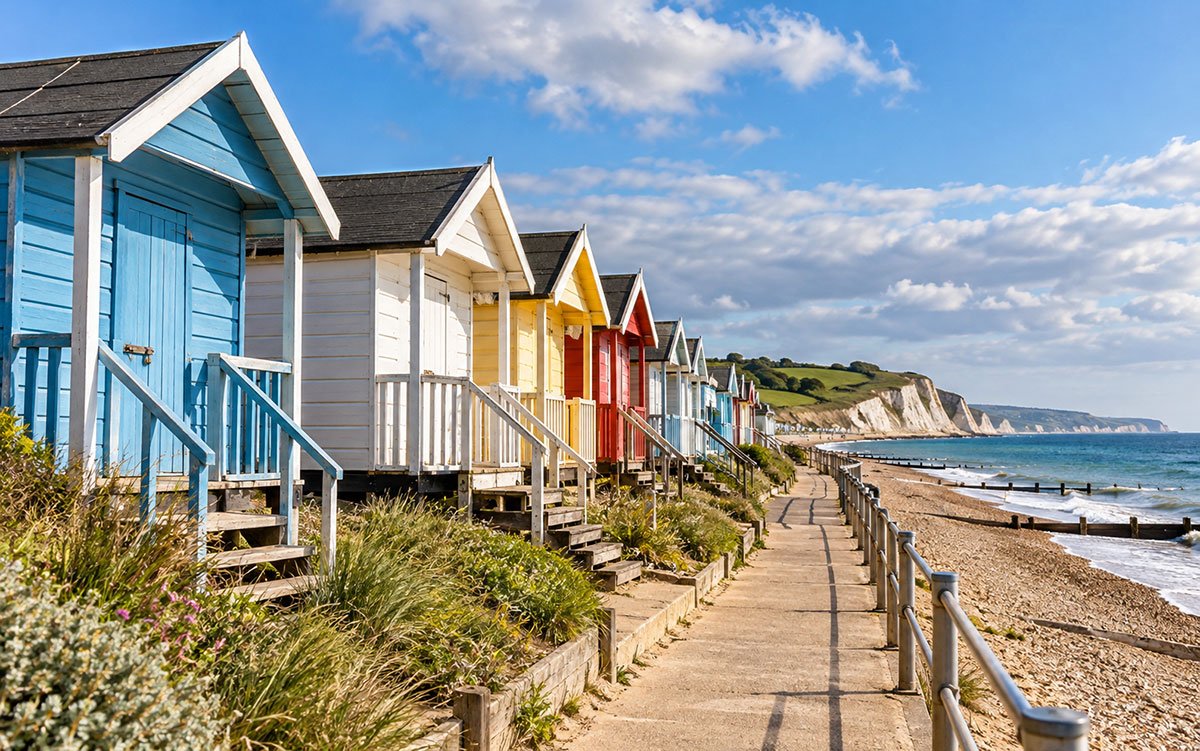
Traditional British beach huts offer a charming seaside retreat, but buyers should consider ownership costs, site rules and coastal risks.
Buying a Beach Hut in the UK: Costs, Rules and Risks
Buying a beach hut in the UK can give you a convenient base for seaside days, family picnics and relaxing coastal breaks. However, owning a beach hut differs from buying a holiday cottage. A local council or private landowner may own the land beneath it, so your rights depend on the specific lease, licence or ownership agreement.
The purchase price is only one part of the cost. You may also pay annual site rent, insurance, maintenance, legal fees and other charges. Local rules and your agreement may also restrict overnight stays and holiday letting, limiting your ability to earn rental income.
Before buying a beach hut, check the legal terms, calculate the ongoing costs and consider how often you will use it. A beach hut can be a rewarding lifestyle purchase, but its financial value depends on its location, permitted use, condition and resale prospects.
What Do You Actually Own When You Buy a Beach Hut?
British beach huts come with different ownership arrangements. At some locations, you buy the physical hut but pay a separate fee to occupy a plot of land. In other places, the hut and site are made available together under a lease or licence.
The distinction matters because buying a hut does not necessarily mean owning the land beneath it.
Your agreement may determine:
- How long you can occupy the site.
- How much ground rent or site rent you must pay.
- Whether the annual charge can increase.
- Whether you can rent the hut to other people.
- Whether overnight stays are permitted.
- What alterations or improvements you can make.
- Whether you need permission to sell or transfer the hut.
- What happens when the agreement expires.
These conditions vary between locations and landowners. Read the actual agreement rather than relying on a seller’s description or assuming that rules at one beach apply elsewhere.
If the transaction involves a lease or licence, have an appropriately qualified solicitor explain the terms before you commit.
How Much Does It Cost to Own a Beach Hut?
The cost of a beach hut depends on its location, size, condition, facilities and ownership arrangement. A hut in a sought-after resort may command a substantially different price from one elsewhere on the coast.
There is no single purchase price or annual running cost that applies across the UK. Instead, buyers should calculate the complete cost of ownership.
1. Purchase price
The initial price is usually the most obvious expense, but it should not be the only factor in your decision.
Compare similar huts in the same resort and investigate recent completed sales where reliable information is available. Asking prices alone do not establish what buyers are actually willing to pay.
Consider the remaining lease term, annual site charges, condition and permitted uses when comparing properties. Two huts with similar dimensions may have very different practical and financial value.
2. Ground rent and site charges
Where the land belongs to a council or private landowner, you may have to pay an annual ground rent, site rent or licence fee.
Check the current amount, payment dates and arrangements for future increases. Some agreements allow fees to be reviewed periodically, so today’s charge may not represent your long-term cost.
Ask for the written fee schedule and confirm whether additional administration, renewal or transfer charges apply.
3. Insurance
A beach hut faces different risks from a typical house. Exposure to wind, salt, rain and coastal conditions can affect both the structure and its contents.
Obtain an insurance quotation before buying. Confirm exactly what the policy covers, including theft, storm damage, flooding where relevant, accidental damage and any restrictions on occupancy or storage.
Do not assume that an ordinary home insurance policy automatically covers a beach hut.
4. Maintenance and repairs
Regular upkeep helps protect the hut and can reduce the risk of more expensive repairs.
Depending on its construction and exposure, maintenance may include repainting timber, repairing the roof, replacing corroded fittings, securing doors and checking for damp or water damage.
Inspect the structure carefully before purchase. A low asking price may be less attractive once essential repairs are included.
5. Additional expenses
Other possible expenses include:
- Legal fees and registration costs.
- Local authority charges or non-domestic rates, where applicable.
- Utility costs if the site has electricity or other services.
- Parking and travel expenses associated with regular visits.
- Replacement locks and security measures.
- Association membership fees, where relevant.
- Seasonal removal or storage costs for huts that must be moved.
Ask the relevant council or landowner which charges apply to the specific site. The hut’s permitted use and legal classification can affect its treatment for rating or tax purposes.
Practical tip: Before making an offer, request the current agreement, the latest site-charge information, details of any outstanding fees, an insurance quotation and an assessment of necessary repairs. These documents will give you a more realistic picture of the total cost.
Can You Rent Out a Beach Hut or Stay Overnight?
This is one of the most important questions for anyone considering a beach hut as an investment.
Many traditional British beach huts are intended for daytime use rather than overnight accommodation. Local authority or landowner rules may prohibit sleeping in them, and some huts have only basic facilities without mains services.
You should therefore never assume that a beach hut can be used as a holiday rental simply because it is close to the sea.
Before relying on rental income, establish three things.
First, check the agreement. Your lease or licence must permit the type of letting you intend to offer. Some agreements prohibit subletting altogether.
Second, confirm local restrictions. Even when the owner is permitted to let a hut, the landowner may impose conditions on access, occupancy, booking arrangements or hours of use.
Third, verify the accommodation requirements. Do not advertise a hut for overnight stays unless its permitted use, applicable legal requirements and insurance arrangements allow it.
Some locations offer daily or seasonal beach-hut hire through a council or other operator. This is different from having an unrestricted right to sublet a privately purchased hut.
If rental income is central to your purchase decision, obtain written confirmation of the permitted use before paying a deposit.
Are Beach Huts a Good Investment?
A beach hut can appeal to buyers who want regular access to the coast. It may also have resale value in an established seaside market. However, neither future price growth nor rental income is guaranteed.
Demand differs between resorts, and unusually high sale prices at sought-after locations do not establish what a typical hut is worth elsewhere.
A hut should be assessed on its individual merits rather than on the assumption that coastal property always appreciates.
Consider the full financial picture
Start by calculating your total annual ownership costs, including site rent, insurance, maintenance, rates where applicable and other recurring expenses.
Then consider what the hut is realistically worth to you as a personal leisure space. If you plan to let it, estimate income only after verifying that letting is permitted.
For a potential rental investment, account for:
- Periods when the hut cannot be booked.
- Seasonal demand and weather-related cancellations.
- Booking, cleaning and management expenses, where applicable.
- Annual charges and insurance.
- Maintenance and occasional major repairs.
- Costs associated with transferring or selling the hut.
The difference between rental income and these expenses is more meaningful than the headline income figure.
If overnight stays and letting are prohibited, the hut may provide no direct rental return at all. Its value to you will then depend primarily on personal use and any resale value you may realise.
Consider how easily you could sell it
A beach hut is a specialised purchase. The pool of potential buyers may be limited to people who want access to that particular location and are comfortable with its rules and costs.
Some transactions also require approval from the council or landowner. Transfer conditions, administration fees and remaining lease terms can affect the process.
Do not rely on being able to sell quickly at a higher price. Compare local evidence, understand the transfer procedure and consider whether you could comfortably hold the hut if a sale takes longer than expected.
The most sensible approach is to treat a beach hut primarily as a lifestyle purchase unless a careful financial assessment supports a different conclusion.
The Main Risks of Beach Hut Ownership
A beach hut offers a close connection to the sea, but that location also creates practical challenges.
Weather and seasonal demand
British coastal weather can change quickly. A sunny forecast may make a day at the beach appealing, while rain, wind or low temperatures can discourage visitors.
If you own a hut for personal use, this affects how often you may enjoy it. If you plan to let it out, weather and seasonal patterns can influence demand and income.
Check local conditions throughout the year rather than evaluating the location on a single summer visit.
Coastal exposure and erosion
Wind, rain, salt exposure and sea spray can accelerate wear on exposed materials. Storms and flooding may also damage coastal sites, while erosion can affect beaches, access routes and nearby land.
Before buying, inspect the hut and its surroundings. Check for water ingress, movement, damaged foundations, deteriorating timber and signs of previous repairs.
Also investigate local coastal management plans and any relevant erosion or flood-risk information. In England, the Environment Agency’s coastal erosion resources can help you investigate longer-term risks.
A hut’s current condition is only part of the picture; changes to the surrounding coastline can influence its future usability and value.
Theft and security
Beach huts may contain furniture, cooking equipment, decorations and other personal belongings. Depending on their location and construction, security can be a concern.
Examine the door, locks, hinges and windows. Ask whether the site has specific security requirements and confirm which protective measures your insurer accepts.
Avoid leaving valuable portable items inside when the hut is unattended. Before installing additional security equipment, check whether you need permission from the council or landowner.
Rising ownership expenses
Site charges, insurance premiums, repairs and other costs can change over time. A hut that initially appears affordable may become less attractive if annual expenses rise faster than expected.
Review the likely ongoing costs before purchasing and leave a reserve for unexpected repairs. A modest contingency can make a difference when dealing with exposed coastal structures.
What to Check Before Buying a Beach Hut
A careful inspection and review of the paperwork can help you avoid costly surprises.
Use the following checklist before committing.
1. Confirm what is being sold. Establish whether you are buying the hut itself, a leasehold interest, a licence or another form of site right.
2. Read the agreement. Check its duration, renewal provisions, permitted use, ground rent and any restrictions on alterations or occupancy.
3. Verify letting permissions. Confirm whether you can hire out the hut and whether overnight stays are allowed. Obtain written confirmation when these permissions matter to your plans.
4. Calculate the annual costs. Include site charges, insurance, maintenance, local rates where applicable and other recurring expenses.
5. Inspect the hut. Examine the roof, walls, doors, fittings and flooring. Ask for details of previous damage and repairs.
6. Check coastal risks. Investigate storm exposure, flooding, erosion and the possibility of changes to site access.
7. Understand the resale process. Check whether the council or landowner must approve a transfer, what charges apply and whether the agreement imposes other selling conditions.
8. Speak to a solicitor and insurer. Have the legal documents reviewed and confirm that suitable insurance is available before finalising the purchase.
If you need financing, contact potential lenders early. Lenders may not treat a beach hut like a conventional residential property, so do not assume you can get a standard home mortgage.
Should You Buy a Beach Hut or Hire One?
For many people, hiring a beach hut occasionally is a more straightforward way to enjoy the seaside.
Hiring avoids the purchase price, long-term site charges, maintenance responsibilities and the need to arrange a resale. It also lets you try a particular beach before deciding whether regular access would justify the cost of ownership.
Buying may make more sense if you regularly visit the same resort, value having your own space and understand the restrictions attached to the site.
Think about how you actually travel. A hut can be useful for preparing lunch, changing clothes, storing permitted items during the day and taking a break from the beach. It may be less suitable if your main objective is to find somewhere to sleep overnight.
If accommodation is important, compare the hut with nearby guest houses, holiday cottages, campsites or glamping options. These may better suit a trip that involves staying for several nights.
The key is to compare like with like: a daytime beach hut and a holiday home serve different purposes.
Frequently Asked Questions About Buying a Beach Hut
Can you sleep overnight in a British beach hut?
Not necessarily. Many traditional huts are restricted to daytime use, and overnight stays may be prohibited by the agreement or local rules. Always check the exact conditions for the hut you intend to buy.
Can you make money by renting out a beach hut?
Possibly, but only where the lease or licence and relevant site rules permit it. Calculate income after annual charges, insurance, maintenance and other expenses. Do not base your decision on an assumed rental yield before verifying the permitted use.
Do you own the land when you buy a beach hut?
Not always. At many locations, the buyer acquires the hut while the land remains under council or private ownership. Your rights to occupy the site depend on the particular lease, licence or other agreement.
Are beach huts easy to sell?
Resale prospects depend on location, demand, condition, ongoing costs and the terms of the agreement. Some sales require approval from the council or landowner, and the transaction can involve administrative or legal fees.
Can you get a mortgage for a beach hut?
Do not assume that a conventional residential mortgage will be suitable or available. The legal nature of the hut and the rights being purchased can affect financing options. Ask lenders and a solicitor to assess the specific transaction before committing.
Making a Practical Decision
A beach hut can be a rewarding way to enjoy the British coast, but its appeal should be weighed against its real costs and restrictions. The purchase price alone tells you little about the responsibilities that follow.
Before buying, understand the agreement, calculate the full running costs, inspect the structure and establish what you are legally allowed to do with it. If you are considering letting the hut, verify those rights before treating it as an income-producing asset.
For buyers who value regular seaside visits, a well-chosen beach hut can provide a useful personal retreat. The best purchase is one that suits your actual travel habits and budget without depending on uncertain rental income or future price increases.
