

Extreme Adventure Activities for an Adrenaline-Filled Holiday
Sometimes a normal holiday is not enough.
Instead of spending your entire trip beside a swimming pool or sightseeing from a tour bus, you might want an experience that gets your heart racing and gives you a story to remember.
Fortunately, adventure travel offers plenty of ways to step outside your comfort zone. You can jump from an aircraft, explore the underwater world, tackle challenging ski terrain, trek through the Himalayas or even swim through a peat bog.
These activities range from professionally supervised experiences for first-timers to demanding challenges that require significant training and experience.
Here are five extreme adventure activities to consider for your next trip.
-
Go Skydiving
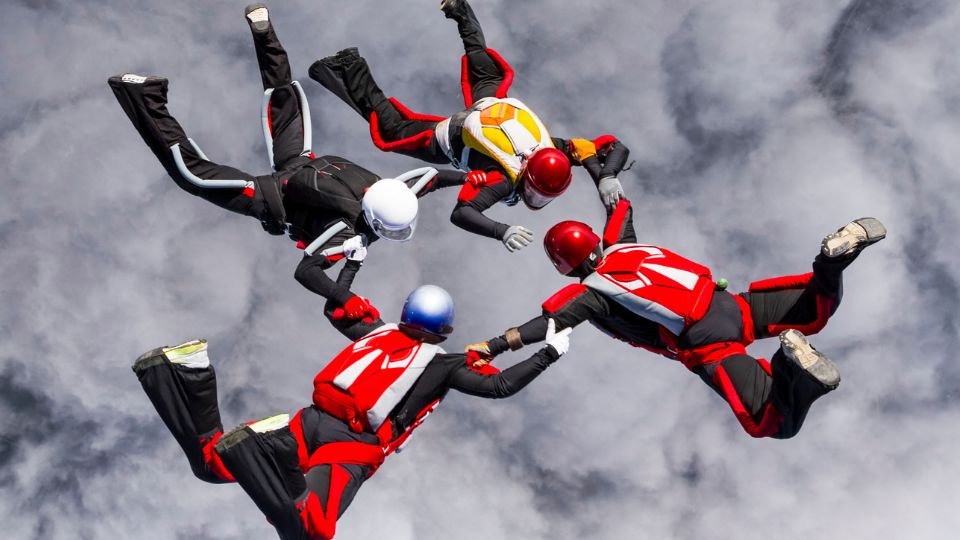
Few experiences compare with jumping from an aircraft and experiencing freefall.
For first-time skydivers, a tandem skydive is one of the most accessible ways to experience the sport. The student is securely harnessed to an experienced instructor, who manages the parachute and the technical aspects of the jump. According to the United States Parachute Association (USPA), tandem skydiving generally involves less than 30 minutes of training, followed by a freefall lasting around 30 to 60 seconds.
More experienced participants can progress toward independent skydiving through structured training programmes such as Accelerated Freefall (AFF).
What to Know Before Skydiving
Skydiving is an adventure sport, so choosing a reputable operator matters. USPA-affiliated drop zones are required to follow USPA safety requirements and use USPA-rated instructors.
Weather can also affect whether a jump goes ahead.
Before booking, check:
- Operator and instructor credentials
- Age and weight requirements
- Weather and cancellation policies
- Insurance requirements
- Training procedures
- Equipment and safety standards
Skydiving destinations can be found around the world, from coastal regions to mountain areas and desert landscapes. The scenery is often an important part of the experience.
-
Try Scuba Diving
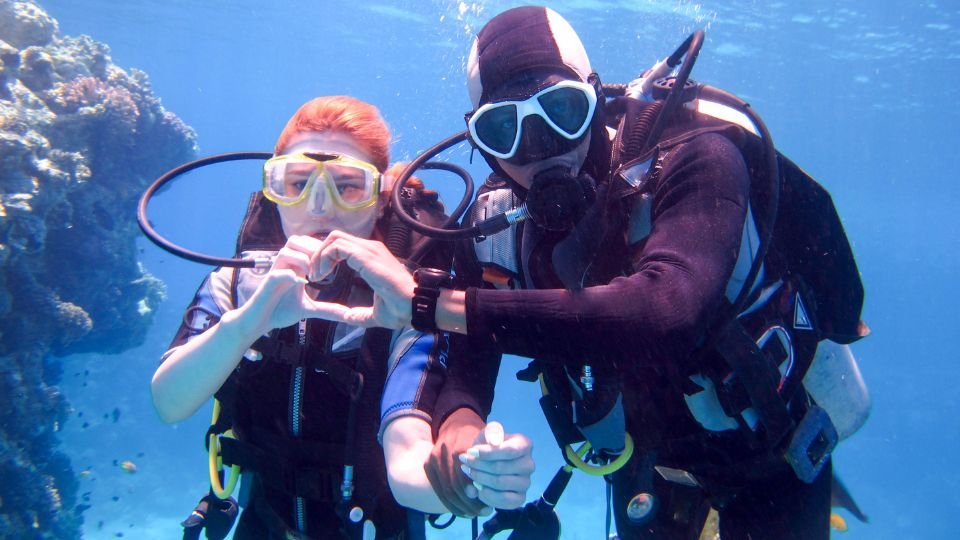
If jumping from an aircraft is not your idea of fun, why not explore the world beneath the surface?
Scuba diving takes adventure in the opposite direction. Instead of falling through the sky, you descend into an underwater environment filled with marine life, reefs, caves and shipwrecks.
Popular destinations for diving include Australia, Egypt, Thailand and many other tropical and subtropical locations.
Start With an Open Water Certification
You do not need to be an experienced diver to begin.
PADI’s Open Water Diver programme teaches essential diving knowledge and skills through classroom or online learning, confined-water training and open-water dives. The standard PADI Open Water certification allows recreational dives to a maximum depth of 18 metres (60 feet), subject to training, conditions and local regulations.
Once you gain experience, you can continue with advanced training and specialist courses.
Depending on your interests, these can include:
- Deep diving
- Wreck diving
- Night diving
- Underwater photography
- Navigation
- Buoyancy training
- Marine-life identification
PADI also offers an Advanced Open Water programme that includes deeper diving, underwater navigation and other adventure-diving experiences.
Choose a Responsible Dive Operator
A good dive holiday should be about more than simply finding clear water.
Choose a properly trained dive professional and follow local diving rules. Conditions can change quickly, so listen to your instructor or dive guide rather than treating a certification depth as a target that must be reached.
-
Ski an Expert-Level Run
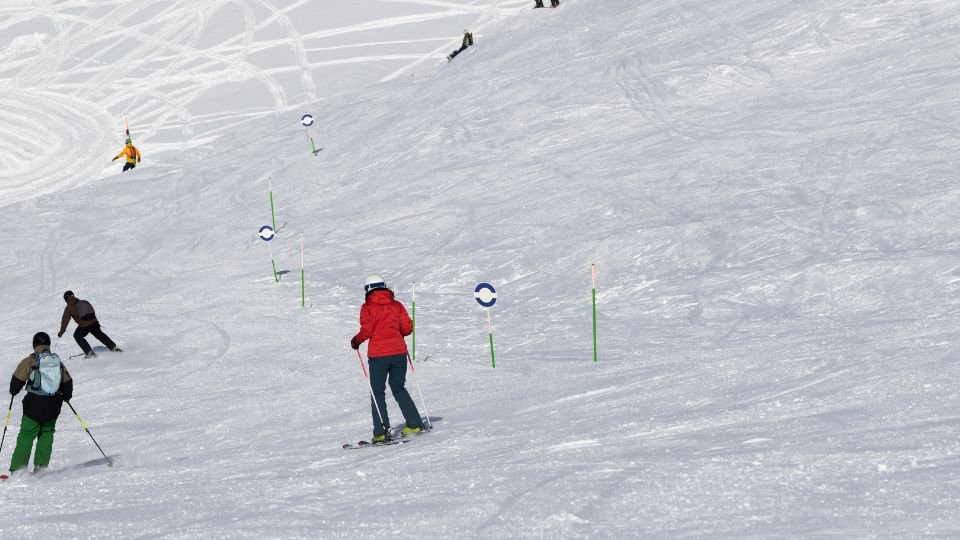
For experienced skiers and snowboarders, few things provide the same combination of speed, steep terrain and mountain scenery as a demanding expert run.
However, there is an important distinction between an exciting ski run and terrain that should only be attempted by highly experienced riders.
Corbet’s Couloir, Wyoming
At Jackson Hole Mountain Resort in Wyoming, Corbet’s Couloir is one of the most famous challenges in North American skiing.
Jackson Hole itself describes Corbet’s as a legendary run and highlights the resort’s reputation for steep, challenging terrain. About half of the resort’s terrain is rated advanced or expert.
Conditions can significantly change the character and difficulty of the terrain. Ski patrol and current mountain conditions should always determine whether challenging terrain is appropriate on a particular day.
Jackson Hole also continues to use Corbet’s as the setting for its annual Kings & Queens of Corbet’s competition. The 2026 event featured elite skiers and snowboarders competing in the famous couloir.
Delirium Dive, Alberta
In Canada, Delirium Dive at Sunshine Village in Banff is another serious backcountry-style challenge.
The surrounding Alpine Bowls contain natural, ungroomed terrain, and Parks Canada notes that avalanche-control operations are required in the area. Access and use depend on conditions and the resort’s operational controls.
This is not terrain for an inexperienced skier.
The Swiss Wall, France
In the French Alps, The Swiss Wall, also known as Chavanette, is a legendary steep slope between France and Switzerland.
Avoriaz describes it as one of the most challenging slopes in Europe. The resort provides live webcams, snow information and slope maps, which are useful for checking conditions before heading onto the mountain.
If you are not already an expert skier, there is no need to prove yourself on extreme terrain. Ski lessons and progressive training are a much better way to build the skills required for challenging slopes.
-
Trek to Everest Base Camp
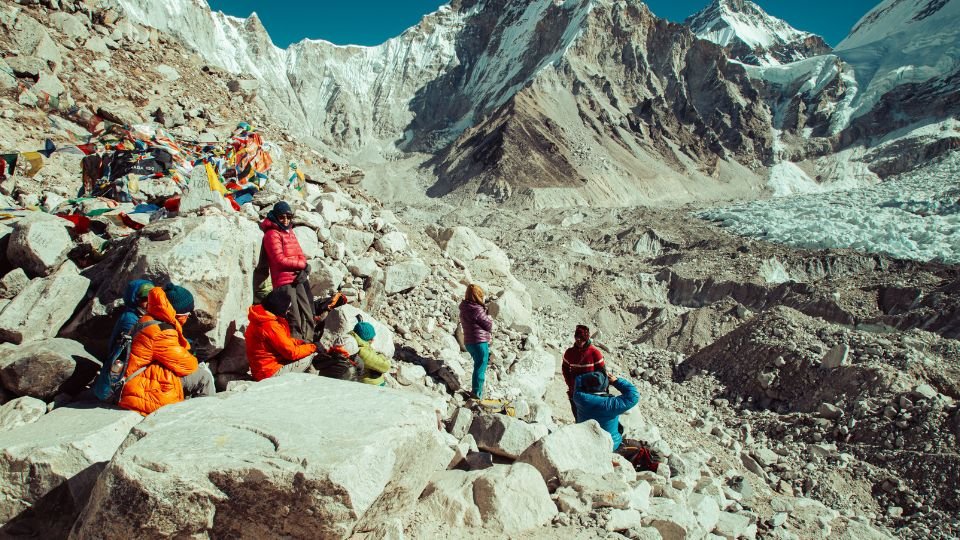
You do not have to climb Mount Everest to experience the Himalayas.
A trek to Everest Base Camp provides an opportunity to explore the Khumbu region, experience Sherpa culture and see some of the world’s most spectacular mountain scenery.
Mount Everest’s officially established elevation is 8,848.86 metres (29,031.69 feet). Nepal’s official tourism information states that this elevation was established jointly by Nepal and China in 2020.
The South Base Camp in Nepal sits at approximately 5,364 metres above sea level. The trek typically begins after flying to the Everest region and passes through settlements such as Namche Bazaar, Tengboche and Dingboche.
Everest Base Camp Is Not an Easy Walk
The original article described Everest Base Camp as being “open to all.” That wording is too broad.
While you do not need to be a mountaineer to trek to Base Camp, the journey is physically demanding and takes place at high altitude.
Altitude sickness can affect even fit and experienced travelers.
Preparation should therefore include:
- Building cardiovascular endurance
- Training for long days of walking
- Preparing for uneven and steep terrain
- Allowing time for acclimatization
- Following your trekking guide’s advice
- Understanding symptoms of altitude illness
- Carrying appropriate clothing and equipment
- Checking current entry and trekking requirements
The goal should not simply be to reach Base Camp as quickly as possible. Proper acclimatization and responsible trekking are essential parts of the experience.
-
Try Bog Snorkelling in Wales
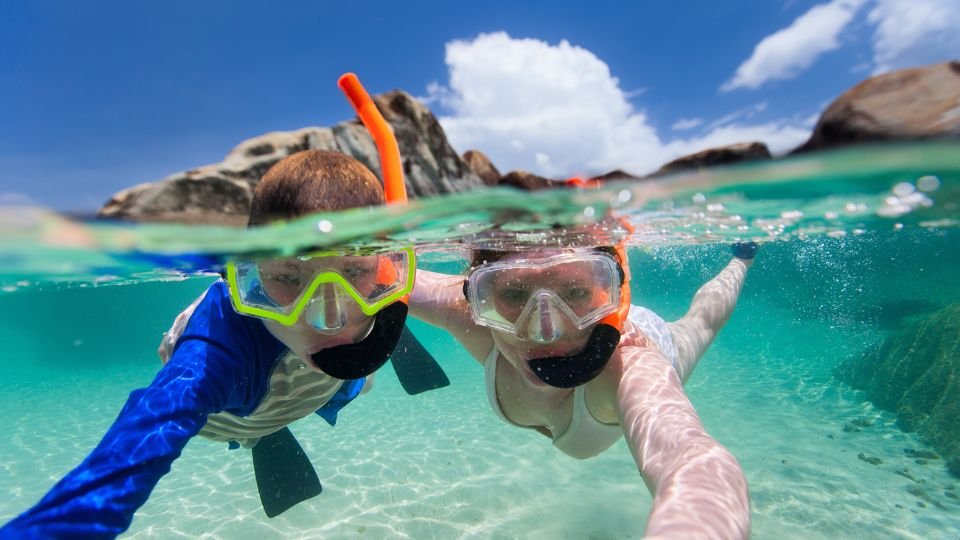
Looking for something completely different?
Head to Llanwrtyd Wells in Mid Wales for one of the world’s most unusual adventure events: the World Bog Snorkelling Championships.
Instead of swimming through a conventional pool or lake, competitors snorkel through a peat bog.
The event takes place at Waen Rhydd bog outside Llanwrtyd Wells. Competitors complete two lengths of the course, covering 120 yards in total, and are permitted to use only the doggy-paddle stroke with their hands and arms below the water.
The World Bog Snorkelling Championships
The championship has become an important part of Llanwrtyd Wells’ unusual sporting calendar.
The official 2026 event is scheduled for 30 August 2026, during the August Bank Holiday weekend.
The event is about more than speed. Fancy dress, spectators and the deliberately unusual nature of the competition are all part of its appeal.
Visit Wales also identifies the World Bog Snorkelling Championships as one of Llanwrtyd Wells’ best-known events, attracting competitors from around the world.
How to Choose the Right Extreme Adventure
Not every extreme activity requires the same level of preparation.
A tandem skydive may be suitable for a first-time participant with relatively little training. Scuba diving requires formal instruction and certification for independent recreational diving. Expert ski terrain requires substantial skiing ability, while Everest Base Camp requires preparation for prolonged trekking at high altitude.
Before booking an adventure holiday, consider:
Your Experience
Choose an activity that matches your existing skills. Do not confuse enthusiasm with preparation.
Physical Fitness
Adventure activities can place considerable demands on your body. Train appropriately before participating.
Professional Guidance
For activities involving significant technical or environmental risks, use qualified guides, instructors or operators.
Weather and Conditions
Mountain, ocean and aviation conditions can change quickly. An activity that is appropriate one day may be unsuitable the next.
Local Regulations
Certification and experience do not override local laws, park regulations or operator requirements.
Insurance
Check whether your travel insurance covers the specific activity you plan to undertake. Some adventure sports require specialist coverage.
Adventure Travel Is About the Experience
Extreme travel does not necessarily mean taking the greatest possible risk.
The best adventure experiences combine challenge, preparation, spectacular surroundings and responsible decision-making.
Whether you are freefalling from an aircraft, exploring a coral reef, skiing a demanding mountain line, trekking through the Himalayas or swimming through a Welsh bog, the objective is the same: experience something far outside your everyday routine.
So, if your next holiday needs more excitement than a traditional sightseeing trip, consider adding an adventure activity to your itinerary.
Just remember: the most memorable adventure is one you are prepared to enjoy safely.
