
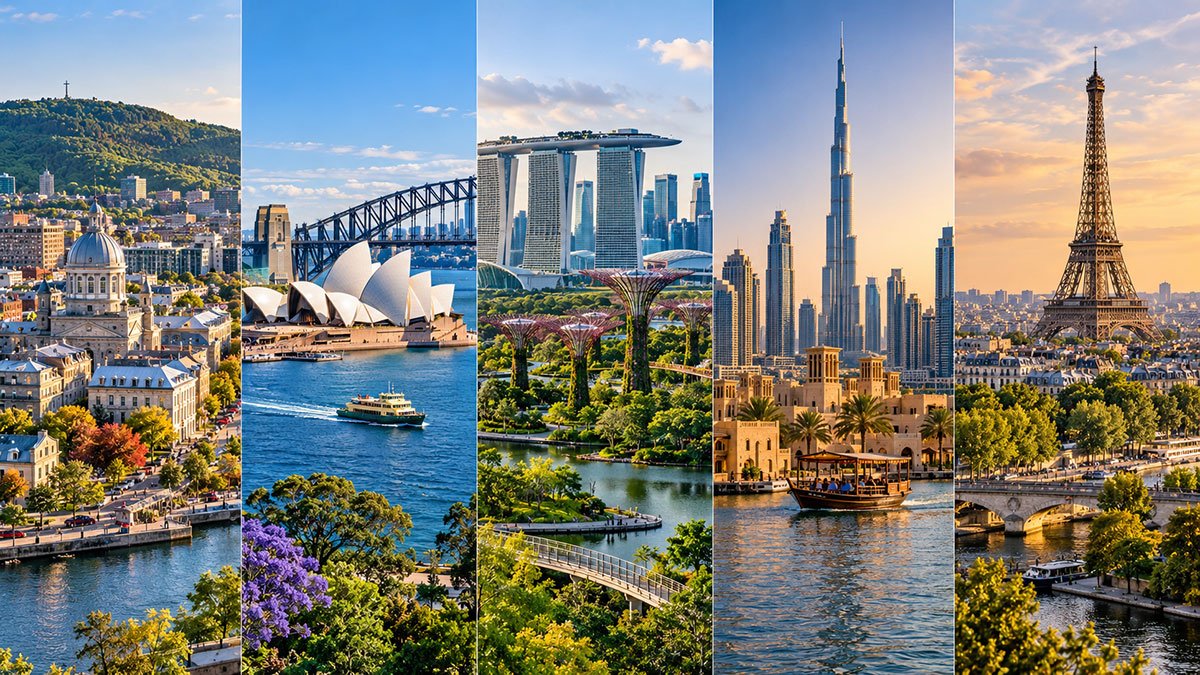
From Montreal’s historic streets and Sydney’s iconic harbour to Singapore’s modern skyline, Dubai’s architectural contrasts and Paris’s elegant rooftops, these five cities offer distinctive experiences for life abroad.
5 Beautiful Cities for Expats: Culture, Lifestyle and Places to Live
Choosing a city to live abroad involves more than finding a good job or comparing salaries. The places we call home also shape our everyday experiences through their architecture, public spaces, cultural traditions, food and access to nature.
Some beautiful cities for expats combine historic neighbourhoods with modern urban life. Others offer waterfront scenery, distinctive cultural districts or striking contemporary architecture. Montreal, Sydney, Singapore, Dubai and Paris each bring a different kind of visual appeal and lifestyle to the experience of living overseas.
There is no universal winner. The right destination depends on your career, budget, language preferences, family circumstances and the life you want to build.
Here are five cities worth considering, along with the practical factors to investigate before making a move.
1. Montreal, Canada: Historic Streets and a Distinctive Cultural Mix
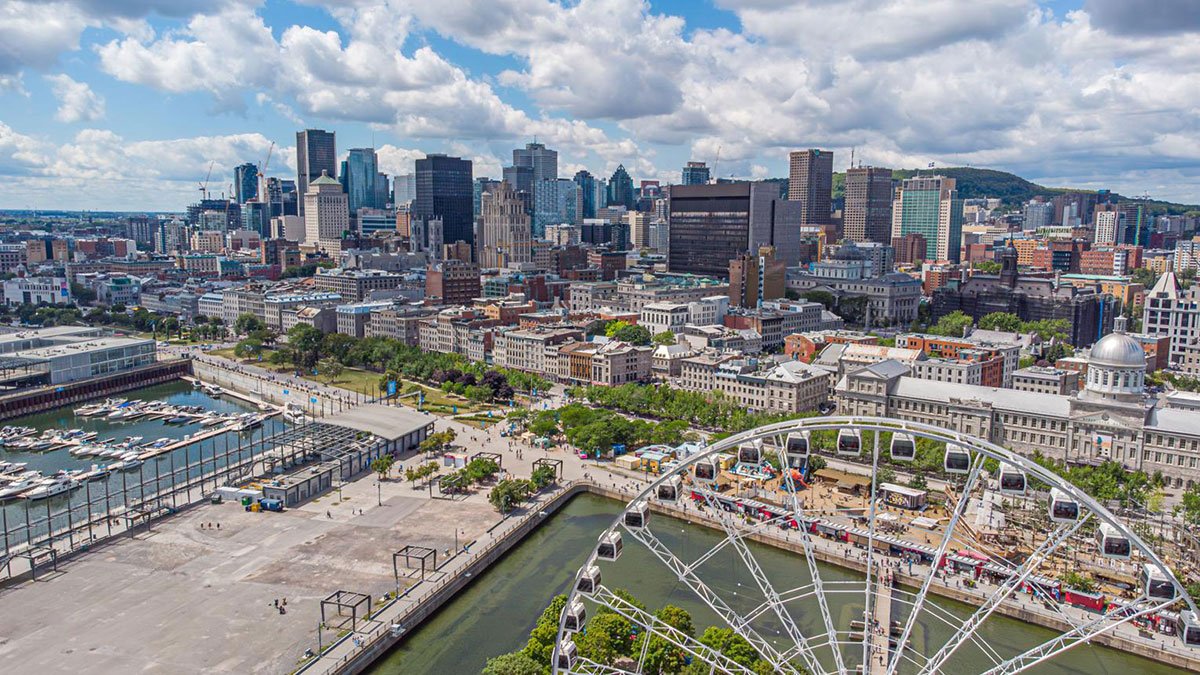
Montreal combines historic architecture, lively commercial streets, green spaces and a strong cultural identity. Located in Quebec, the city offers a distinctive blend of French-speaking heritage and North American urban life.
Old Montreal, known locally as Vieux-Montréal, is one of the city’s most visually appealing districts. Its historic buildings, cobblestone streets and waterfront setting create a very different atmosphere from the modern downtown area.
The city’s character extends beyond its historic centre. Neighbourhoods such as Plateau-Mont-Royal and Mile End are known for their independent businesses, cafés, arts and lively streets. Mount Royal provides another dimension, offering green space and elevated views over the city.
What makes Montreal appealing?
Montreal offers a strong combination of architecture, culture and everyday neighbourhood life. Residents can explore museums, attend performances, cycle along urban paths or spend time in parks without leaving the city.
Public transportation includes a metro network and buses, while cycling infrastructure offers another way to get around. The best transport option depends on where you live and work.
What should expats consider?
French is central to life in Quebec. English is also used in parts of the city, but French-language skills can be important when dealing with public services, finding certain jobs and building local connections.
Winters can be cold and snowy, so housing quality, heating costs and winter clothing deserve attention. Accommodation costs and commuting times also vary by neighbourhood.
Foreign nationals should verify their eligibility to work and live in Canada. Some applicants may need a work permit, and people planning to settle in Quebec should also investigate the relevant provincial immigration requirements.
Best suited to: People who appreciate historic architecture, neighbourhood culture, arts, food and a city with a strong French-language identity.
Official information: Tourisme Montréal neighbourhood guide.
2. Sydney, Australia: Harbour Views and an Outdoor Lifestyle
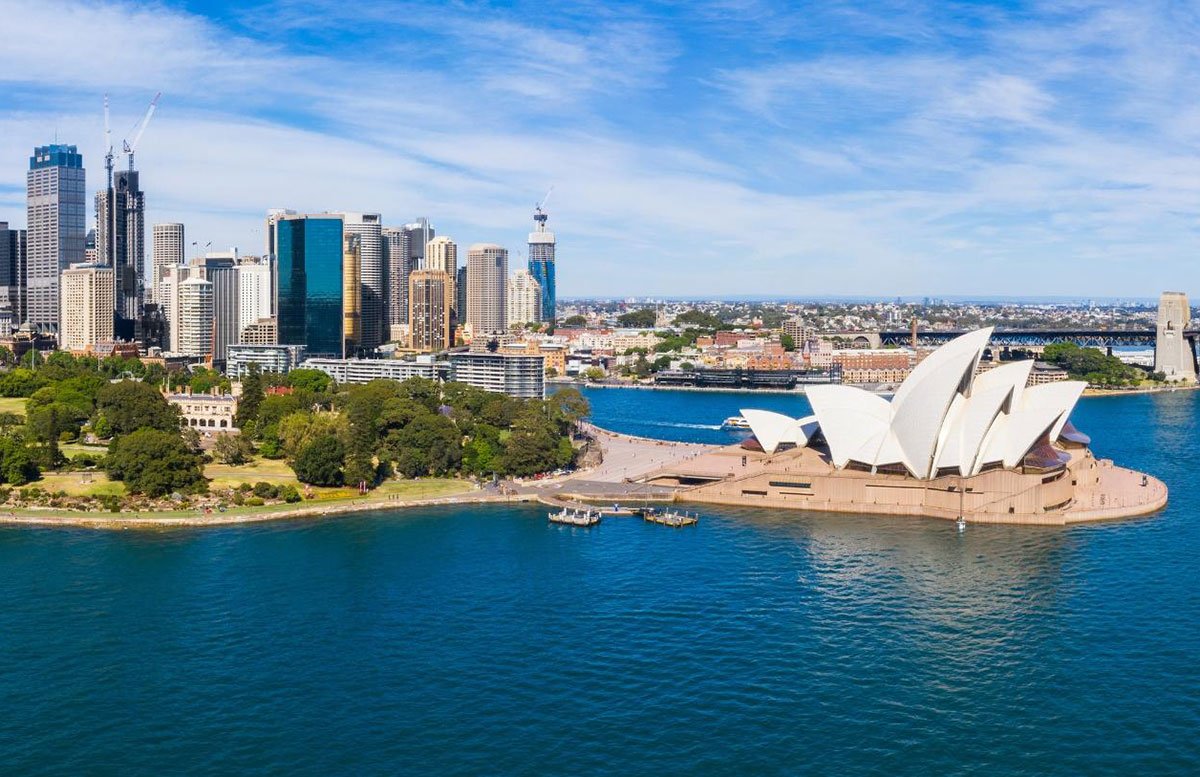
Sydney is known for its spectacular natural harbour, recognisable architecture and access to beaches and coastal scenery. The combination of urban energy and outdoor recreation gives the city a distinctive appeal.
The Sydney Opera House and Sydney Harbour Bridge form the centrepiece of many city views. Around Circular Quay, visitors and residents can enjoy waterfront walks, ferries and access to historic neighbourhoods. The Royal Botanic Garden adds green space close to the central business district.
Beyond the harbour, beaches such as Bondi and Manly and the city’s coastal walking routes provide opportunities to enjoy the outdoors. The appeal is not limited to the coastline; Sydney also has historic districts, cultural institutions, shopping areas and a varied food scene.
What makes Sydney appealing?
Sydney suits people who enjoy spending their free time outdoors. Beaches, parks, harbour walks and water-based activities can all form part of everyday life, depending on where someone lives and works.
The public transport network includes trains, buses and ferries, making it possible to explore many parts of the city without driving everywhere.
What should expats consider?
Housing deserves careful attention. Accommodation prices can vary substantially across Sydney, and choosing a home far from the workplace may create a long daily commute.
Compare rent with transport connections, work location and access to essential services rather than choosing a neighbourhood on appearance alone.
Climate is another consideration. Sydney’s weather allows plenty of outdoor activity, but summers can be hot, and conditions vary throughout the year.
Anyone considering employment in Australia should check the appropriate visa pathway through the Department of Home Affairs. Permission to visit Australia does not automatically give a person the right to work there.
Best suited to: People who value coastal scenery, outdoor recreation, waterfront living and a large city with an active cultural scene.
Official information: Sydney’s official tourism guide.
3. Singapore: Modern Architecture and Diverse Cultural Neighbourhoods
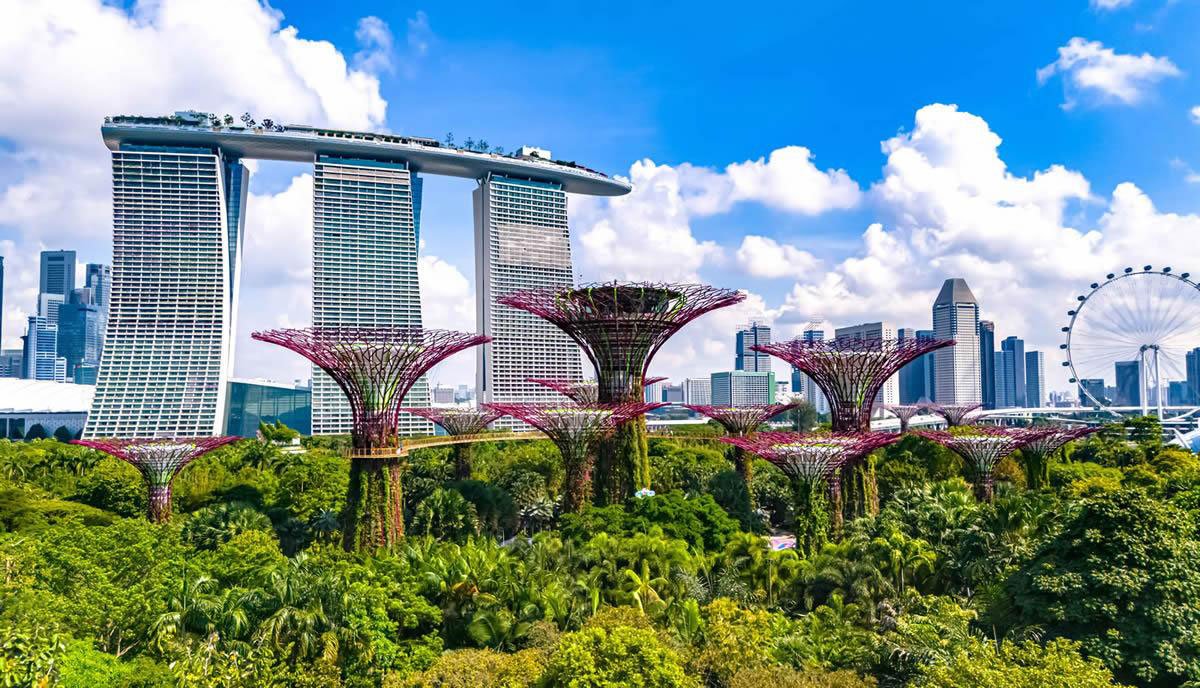
Singapore offers a striking combination of contemporary architecture, tropical greenery and historic cultural districts. Its compact geography gives the city-state a distinctive urban character, with modern developments and older neighbourhoods often sitting close together.
Marina Bay showcases Singapore’s contemporary skyline and waterfront attractions. Elsewhere, Chinatown, Little India and Kampong Gelam offer different architectural styles, religious landmarks, food traditions and cultural experiences.
Gardens by the Bay adds another dimension to the city’s appearance through its landscaped gardens and distinctive Supertrees. Together, these areas show that Singapore’s appeal extends beyond its well-known skyscrapers.
What makes Singapore appealing?
Singapore combines an international business environment with a highly developed public transport network. The Mass Rapid Transit (MRT) system and bus services make it practical to travel between many residential, commercial and cultural areas.
The city’s neighbourhoods also provide variety. Residents can experience everything from modern shopping districts to heritage streets, local markets, parks and waterfront promenades.
English is widely used in professional and public life, although Singapore’s multilingual culture is an important part of its identity.
What should expats consider?
Singapore has a tropical climate, with heat and humidity throughout the year. Housing costs vary significantly depending on the type of property, its location and the facilities available.
Foreign professionals must also meet the applicable immigration and employment requirements. The Ministry of Manpower administers different work-pass schemes, including the Employment Pass and S Pass, with eligibility depending on the relevant rules.
Before accepting a position, examine the salary, housing arrangements, health insurance and other benefits together. A convenient location may be worth paying more for if it significantly reduces daily commuting time.
Best suited to: Professionals who value a globally connected business environment, modern urban design, multicultural neighbourhoods and extensive public transport.
Official information: Visit Singapore’s neighbourhood guide.
4. Dubai, United Arab Emirates: Contemporary Design and Historic Heritage
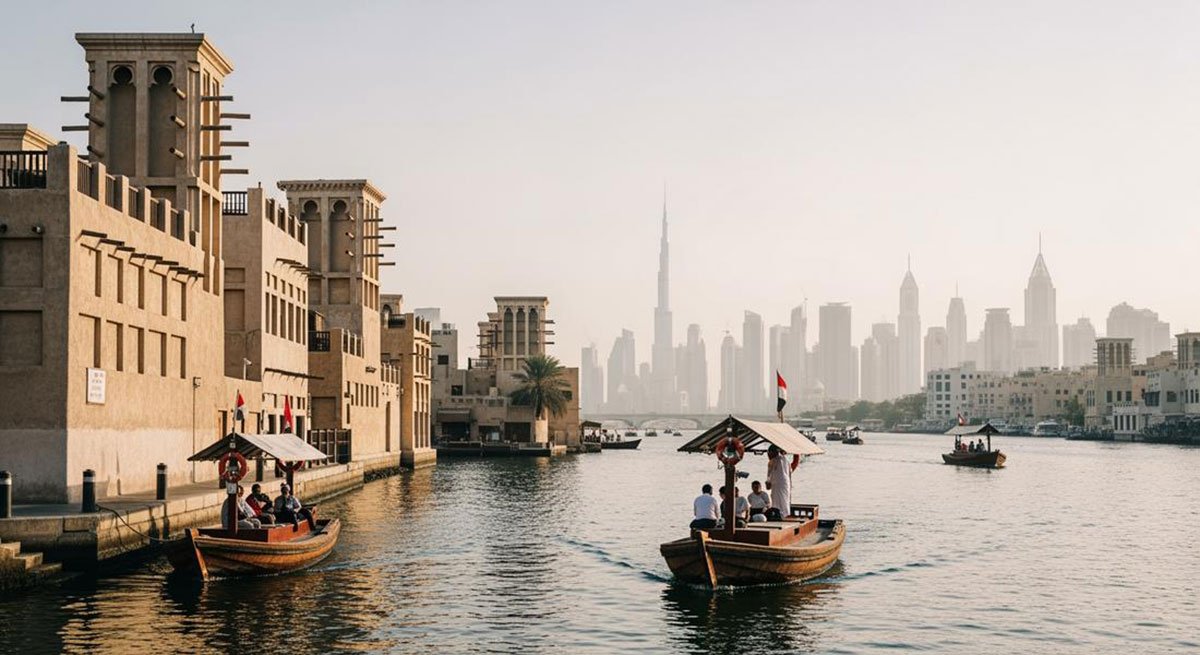
Dubai is a city of contrasts. Modern skyscrapers, waterfront developments and large commercial districts stand alongside historic neighbourhoods, traditional markets and the waterways that once supported the city’s trading economy.
Downtown Dubai is home to prominent landmarks such as Burj Khalifa and Dubai Mall. Its broad promenades and striking architecture reflect the city’s contemporary development.
For a different perspective, visit the historic Al Fahidi neighbourhood and Dubai Creek. Traditional buildings, narrow lanes, galleries and heritage sites reveal another side of Dubai’s character. The contrast between these districts is one of the city’s most distinctive features.
What makes Dubai appealing?
Dubai combines international business activity, an extensive hospitality and dining scene, modern residential developments and access to beaches and desert landscapes.
The city also has a highly international population and a wide variety of residential neighbourhoods. Areas around Dubai Marina offer waterfront living, while established districts around Dubai Creek provide a different urban atmosphere.
The Dubai Metro serves major areas of the city, and its usefulness depends largely on the relationship between your home, workplace and the nearest station.
What should expats consider?
Summer heat is an important consideration. High temperatures can make walking and outdoor activities uncomfortable during much of the day, so proximity to transport, shopping and other facilities can make a substantial difference to daily life.
Housing costs, commuting patterns and everyday expenses vary considerably across the city. Compare the complete cost of living rather than assuming that every neighbourhood offers the same financial advantages.
Foreign nationals who plan to work in Dubai must follow the relevant UAE work-permit and residence procedures. A tourist or visit visa does not itself authorise employment.
It is also important to understand local laws, customs and workplace expectations before relocating.
Best suited to: Professionals seeking an international commercial centre, modern architecture, a diverse dining scene and a mix of contemporary urban life and traditional heritage.
Official information: Visit Dubai’s neighbourhood guide.
5. Paris, France: Historic Architecture and Everyday Culture
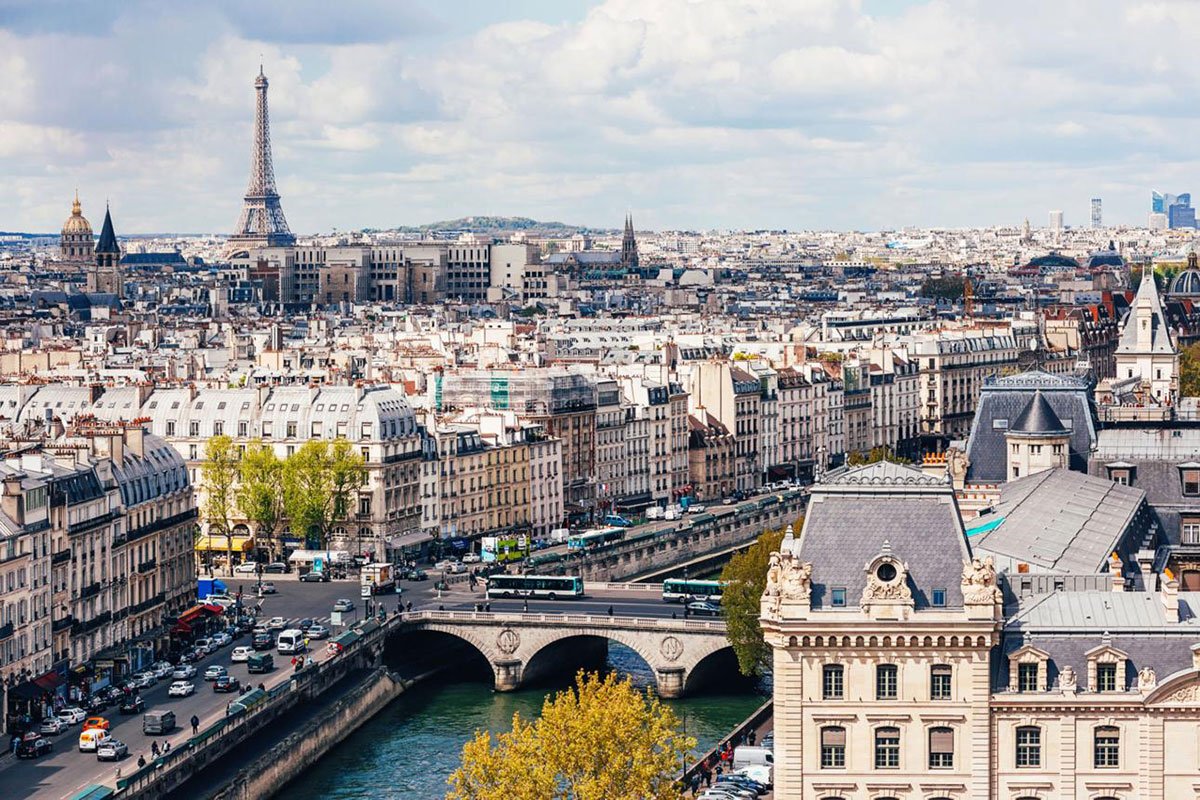
Paris has a distinctive visual identity shaped by its historic streets, elegant façades, bridges, gardens, museums and the River Seine. Its appeal comes not only from famous landmarks but also from the character of its neighbourhoods and the rhythm of everyday life.
The historic centre brings together major cultural attractions, including the Louvre and Notre-Dame Cathedral, with cafés, shops and public squares. The banks of the Seine provide scenic walking routes, while gardens such as the Tuileries offer green spaces within the city.
Different districts reveal different sides of Paris. Montmartre has a distinctive hilltop setting and artistic heritage, while the Latin Quarter, Le Marais and Saint-Germain-des-Prés each offer their own mix of history, shopping, dining and cultural attractions.
What makes Paris appealing?
Paris offers access to museums, theatres, galleries, historic buildings, public parks and an extensive culinary scene. Its transport network includes the Métro, RER trains, buses and trams, which connect central districts with much of the wider metropolitan region.
Many central areas are suitable for walking, allowing residents to combine everyday errands with opportunities to explore the city’s architecture and public spaces.
For people who enjoy culture and neighbourhood life, Paris offers plenty to discover well beyond its most famous sights.
What should expats consider?
Housing can be expensive in desirable central districts, and apartment size, transport connections and building facilities vary. Choosing a residential area should involve balancing your budget with your commute and daily needs.
French is important for many jobs, administrative processes and social interactions. Learning the language can make settling in considerably easier.
Employment and residence requirements depend on nationality, job type and immigration status. Non-EU nationals should check the official French visa guidance and confirm any work-authorization requirements before accepting a position.
Best suited to: People who appreciate historic architecture, museums, food, public transport and a city where cultural life is closely tied to its streets and neighbourhoods.
Official information: Paris je t’aime — Paris tourism.
How to Choose the Right City for Your Expat Life
A city’s visual charm may inspire your decision, but living there requires a more practical assessment. Before committing to a move, compare the following factors across your shortlisted destinations.
| Factor | What to investigate |
|---|---|
| Work and immigration | Whether you qualify for a work visa or permit, and whether your intended job meets the relevant requirements |
| Cost of living | Expected take-home pay after taxes, accommodation, food, transport and healthcare |
| Housing | Rental availability, deposits, utility costs, building quality and the location of suitable properties |
| Language | The languages used at work, in public services and in everyday social situations |
| Transport | Commuting times, public transport coverage, walkability and the cost of owning a vehicle |
| Climate | Seasonal temperatures, rainfall, humidity and your preferred outdoor lifestyle |
| Healthcare | Insurance requirements, access to services and any coverage provided by your employer |
| Family needs | Schools, childcare, dependent visas, community support and access to appropriate facilities |
A useful approach is to build a monthly budget for each city using current rental listings and realistic living expenses. Compare the likely savings and lifestyle you could achieve rather than relying on general statements about which country offers the best quality of life.
It is also worth researching neighbourhoods before choosing accommodation. Two people living in the same city may have very different experiences depending on their commute, access to public spaces and proximity to friends or community networks.
Practical Steps Before Moving Abroad
Once you have chosen a preferred destination, take these steps before making major financial commitments.
- Verify your immigration status. Check the official government requirements for residence and employment. Do not rely solely on an employer’s informal assurances.
- Review your employment offer. Understand your gross salary, estimated deductions, benefits, notice period and any relocation assistance.
- Research accommodation. Compare current rental listings, understand the deposit and lease requirements, and investigate neighbourhoods near your workplace.
- Arrange healthcare and insurance. Find out what coverage you need and whether the employer provides a suitable policy.
- Prepare a relocation budget. Include travel, temporary accommodation, deposits, document fees, household setup costs and emergency savings.
- Learn about local life. Understand cultural expectations, public transport, local laws and the practicalities of everyday administration.
For broader preparation advice, HolidayYP’s guide, Smart Travel Tips to Make Every Journey Count, covers travel documents, flexible planning and learning about local customs.
Final Thoughts
Montreal, Sydney, Singapore, Dubai and Paris demonstrate how different urban environments can appeal to people considering life abroad. Each combines its own architectural character, cultural attractions and opportunities to experience a new way of life.
However, the most beautiful city is not necessarily the best place for every expat. Work authorization, housing, income, language, climate, healthcare and personal priorities will shape your everyday experience far more than photographs alone can show.
Use these destinations as a starting point, investigate their practical realities and compare them against your own goals. A well-chosen home abroad should offer more than an attractive skyline: it should support the life you want to build.
