
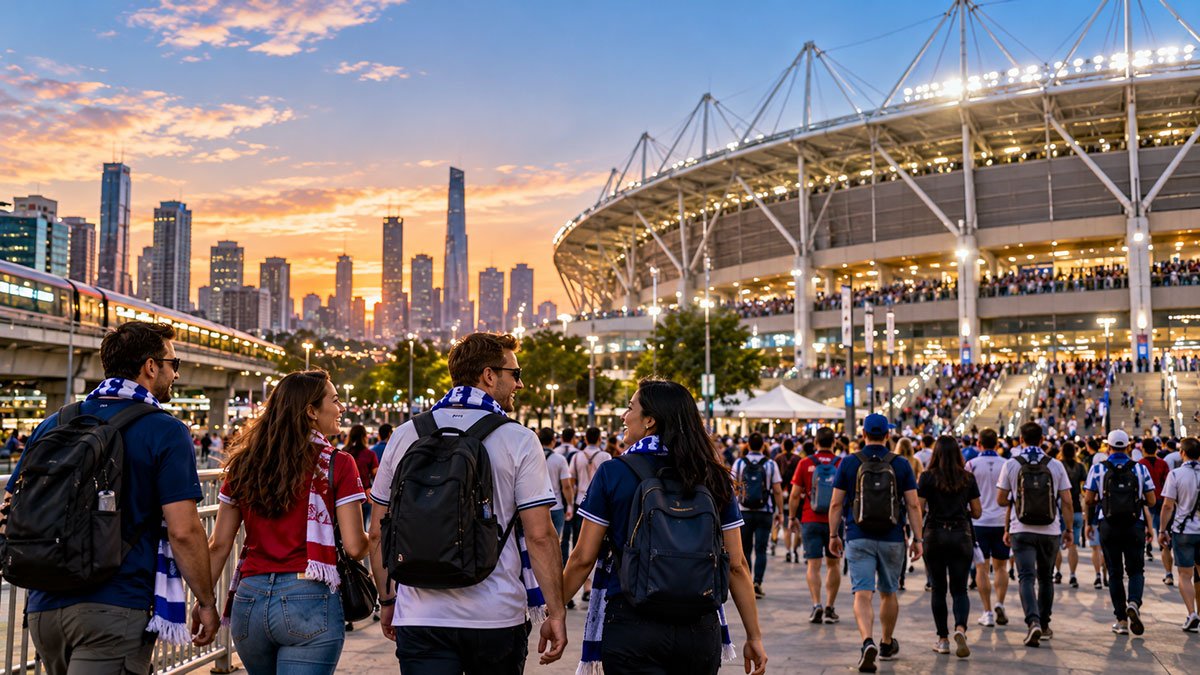
Planning ahead for tickets, accommodation, transport and venue rules can make a major sporting event trip much easier.
Sporting Event Travel Tips: How to Plan a Great Sports Trip
Watching your favorite team or athlete on television is one thing. Being in the stadium, surrounded by thousands of supporters, is an entirely different experience.
Major sporting events can turn an ordinary holiday into a memorable travel experience. Football tournaments, cricket matches, tennis championships, Formula 1 races, golf tournaments and the Olympic Games can attract visitors from around the world.
However, sporting event travel tips become especially valuable when demand is high. Tickets can sell quickly, hotel prices can rise, transport networks can become crowded and unofficial sellers can target excited fans.
The best approach is to plan the trip around the event while also allowing enough time to enjoy the destination itself.
Start Planning as Soon as the Event Is Confirmed
Major sporting events can create a huge surge in demand for flights, accommodation and tickets.
Waiting until the last minute can leave you with fewer choices and higher costs.
Start by establishing:
- Event dates
- Venue locations
- Ticket-release dates
- Expected travel time
- Accommodation options
- Visa or entry requirements
- Local transport
- Your overall budget
Some tournaments involve several host cities. In that situation, do not book accommodation until you understand exactly where your chosen match or competition will take place.
For multi-venue events, the city where your favorite team plays may not be the city where another important match takes place.
Secure Your Tickets From the Right Source
Your ticket should be one of the first things you verify.
Major sporting events attract ticket scammers because demand can be extremely high. Fake websites, counterfeit tickets, misleading advertisements and unauthorized resale listings can all create problems.
Use the official event organizer, governing body, venue or authorized ticketing partner whenever possible.
Before paying, check:
- Who is selling the ticket
- Whether the seller is officially authorized
- Whether the ticket can legally be resold
- Whether the ticket is transferable
- Whether your name must match the ticket
- Whether there are venue-specific entry conditions
- Whether the ticket is digital or physical
Do not assume that a professional-looking website is an official seller.
A website can copy logos, colors and branding to appear legitimate.
Be Careful With Social Media Sellers
Social media can be useful for finding fellow supporters, but it is also a common place for fraudulent ticket offers.
Be particularly cautious when a seller:
- Demands immediate payment
- Refuses to use a secure payment method
- Offers tickets below realistic market prices
- Claims to have a large number of guaranteed tickets
- Sends you to an unfamiliar payment page
- Creates pressure by saying the tickets will disappear within minutes
The safest option is to use the official ticketing channel or an officially authorized resale platform when one exists.
Consider Official Hospitality Packages Carefully
Major sporting organizations sometimes offer official hospitality products that combine event access with additional services.
These may include premium seating, hospitality areas or other event-related benefits.
They can cost substantially more than standard tickets, so compare exactly what the package includes.
Do not assume that every company advertising a “sports travel package” has a direct relationship with the event organizer.
Check whether the package provider is an official partner or authorized seller before paying.
Book Accommodation With the Venue in Mind
A hotel that looks affordable on a map may be inconvenient on event day.
Look at the entire journey between your accommodation and the venue.
Consider:
- Walking distance
- Metro or railway connections
- Bus routes
- Taxi availability
- Airport connections
- Travel time after the event
- Late-night transport
- Neighborhood safety
- Restaurant availability
Staying near the stadium is not always the best option.
A hotel farther away but close to reliable public transportation can sometimes make the trip easier and more enjoyable.
Avoid Choosing a Hotel Only by Price
The cheapest available room may require long daily journeys.
During major tournaments, those extra journeys can become tiring and expensive.
Instead, compare the total cost and convenience of the hotel, transport and daily travel.
Give Yourself Extra Time on Match Day
Do not plan to arrive at the stadium five minutes before kickoff.
Large sporting events can involve:
- Security screening
- Ticket verification
- Crowd-control measures
- Road closures
- Transport queues
- Long walks around the venue
- Restricted entry gates
International major events can also introduce additional security arrangements.
Arrive with enough time to deal with unexpected delays.
The same applies after the event. Thousands of spectators may leave simultaneously, so public transport can become extremely busy.
Research the Stadium Before You Go
Stadium rules vary.
Before match day, check the venue’s official information for:
- Allowed bags
- Prohibited items
- Camera rules
- Food and drink restrictions
- Identification requirements
- Ticket-entry procedures
- Accessibility arrangements
- Gate information
- Transportation recommendations
Do not assume that the rules at one stadium apply to another.
Even familiar items can sometimes be restricted at large events.
Checking the rules beforehand can prevent the frustrating experience of reaching the entrance and discovering that you cannot take something inside.
Understand Your Ticket Location
A cheap ticket is not necessarily a bad ticket.
However, understand what you are buying.
Check:
- Stand or section
- Row
- Seat number
- View restrictions
- Hospitality or standard admission
- Standing or seated areas
- Access to shared facilities
For some events, the atmosphere matters more than having the closest possible view.
Football supporters may prefer being among other fans, while golf or tennis spectators may value a particular viewing position.
Think about the experience you want rather than automatically buying the most expensive option.
Build a Realistic Sports Travel Budget
The event ticket is only part of the cost.
Your total trip can include:
- Event tickets
- Flights or trains
- Hotel
- Local transportation
- Food
- Travel insurance
- Visa fees
- Match-day spending
- Merchandise
- Sightseeing
- Airport transfers
- Parking
- Additional nights
It is also wise to keep an emergency reserve.
Major events can make some travel costs less predictable. A delayed flight or unexpectedly expensive final-night hotel can affect the budget quickly.
Leave Room for the Destination
One of the biggest mistakes is spending nearly the entire budget on the event.
Remember that you are traveling to a destination as well as attending a sporting competition.
A good sports trip can include:
Event + local food + sightseeing + cultural experiences.
That can make the holiday enjoyable even on days when you are not inside the stadium.
Give Yourself a Few Extra Days
The original idea of adding time before or after the event remains sound, but it is worth planning more deliberately.
A day before the event can help you recover from a long journey and learn the local transport system.
A day after the event can give you time to explore without the pressure of immediately leaving.
For larger tournaments, consider staying long enough to enjoy the city between matches.
This can turn a single sporting event into a proper holiday.
Use Public Transport Where Practical
Major cities often provide extensive public transportation, and large events may create additional congestion on roads.
Metro systems, trains and buses can sometimes be more predictable than driving to a stadium.
However, event-day transport plans can differ from normal city operations.
Check the local transport authority and event organizer for:
- Special services
- Temporary station closures
- Route changes
- Shuttle services
- Last departure times
- Park-and-ride arrangements
Do not assume that the normal weekday schedule will apply on a major event day.
Be Careful With Driving and Parking
Driving can be convenient for smaller sporting events, but major events often create severe congestion around venues.
Parking may also be restricted or require advance booking.
Before driving, check:
- Official parking arrangements
- Road closures
- Event traffic zones
- Parking restrictions
- Public transport alternatives
- Your route back to the hotel
If alcohol is part of your event experience, never drive afterward. Arrange a safe alternative before the match begins.
Check Entry and Visa Requirements Early
International sports travel adds another important layer of planning.
Your event ticket does not automatically give you the right to enter the host country.
Depending on your nationality and destination, you may need:
- A visa
- An electronic travel authorization
- A passport meeting validity requirements
- Proof of accommodation
- Return or onward travel details
- Other supporting documents
Requirements can also differ according to the purpose and duration of the trip.
Check the destination’s official immigration or embassy information before booking non-refundable travel.
If your itinerary includes several countries, review the requirements for each one.
Do Not Forget Travel Insurance
Travel insurance can protect against some of the financial consequences of unexpected problems.
Look for a policy appropriate to:
- Your destination
- Travel duration
- Planned activities
- Medical needs
- Trip interruption or cancellation
- Baggage
- Any event-related travel arrangements
Read the policy carefully rather than assuming every problem is covered.
The fact that you have a sports ticket does not necessarily mean ticket costs will be reimbursed if your trip is disrupted.
Check Official Travel Advice
Large sporting events attract huge crowds and can place additional pressure on transport systems and public spaces.
Before traveling, check current official travel advice for your destination.
Pay attention to information about:
- Demonstrations
- Local security concerns
- Transport disruption
- Health requirements
- Entry restrictions
- Extreme weather
- Emergency procedures
Conditions can change between the time you book and the day you travel.
Keep Important Documents Accessible
Keep your essential documents secure and easy to access.
These may include:
- Passport
- Visa or travel authorization
- Event ticket
- Hotel confirmation
- Flight or rail reservation
- Travel insurance details
- Emergency contacts
Keep digital copies of important documents as well.
A backup can be useful if your phone is lost or a physical document is damaged.
Do not carry every important document in one place when it is unnecessary.
Protect Your Phone and Ticket
Many modern sporting events use digital tickets.
That makes your smartphone part of your event equipment.
Before leaving your hotel, make sure you have:
- Enough battery
- The official event app if required
- Your ticket downloaded or accessible
- A backup method for account recovery
- Necessary QR codes or ticket details
- Mobile connectivity where required
A portable power bank can also be useful during a long match day.
Never post a complete ticket barcode or QR code publicly on social media. Someone else may be able to use information that you expose online.
Dress for the Event and the Weather
What you wear can affect your experience more than you might expect.
Check the local weather forecast before leaving for the stadium.
Depending on the sport and venue, you may spend several hours:
- In direct sunlight
- In heavy rain
- In cold weather
- Walking between transport points
- Standing in queues
Comfortable footwear is particularly important.
For outdoor events, sun protection and suitable weather gear can make a major difference.
Respect Local Fan Culture
Sport brings strong emotions, and local traditions can differ considerably.
Learn a little about the culture of the supporters you are joining.
Respect local customs and avoid deliberately provoking rival supporters.
This is especially important during high-profile international matches where large groups of fans may gather in the same districts.
You do not need to support the home team to enjoy the atmosphere.
A little awareness and respect can make your experience far more positive.
Explore the Host City Beyond the Stadium
One advantage of sporting event travel is that it introduces you to places you might otherwise never visit.
Research the destination before your trip.
Look for:
- Historic neighborhoods
- Museums
- Local markets
- Parks
- Restaurants
- Cultural attractions
- Beaches
- Walking districts
- Day trips
You may discover that the sporting event becomes only one part of a much larger travel experience.
Consider a Local Food Tour
Food can be one of the easiest ways to connect with a destination.
Try local dishes rather than spending every meal around the stadium or hotel.
Major sporting events can become hectic, so identifying a few restaurants or food markets in advance can save time.
Travel With Friends or Family
A sporting event can be even more enjoyable with people who share your enthusiasm.
However, group travel requires some advance coordination.
Agree on:
- Accommodation
- Budget
- Transport
- Match-day meeting points
- Sightseeing plans
- Emergency contacts
Do not assume that everyone wants the same itinerary.
One person may want to visit museums while another wants to spend the day around the stadium.
A little flexibility keeps the trip enjoyable for everyone.
Choose a Sports Travel Provider Carefully
A reputable sports travel provider can make complicated trips easier, particularly when a trip involves several matches or destinations.
However, do your research before paying.
Look for:
- Clear company information
- Transparent package details
- Verifiable customer reviews
- Clearly stated terms and cancellation policies
- Secure payment options
- Evidence of authorized ticket access where applicable
- Clear contact information
Be cautious when a company makes unrealistic promises or provides vague details about ticket availability.
A high price does not automatically mean a package is legitimate.
A low price does not automatically mean it is a good deal.
Think About What You Actually Want From the Trip
Not every sports fan wants the same experience.
A football supporter may care most about the atmosphere.
A tennis fan may prioritize a particular court.
A golf traveler may want access to several rounds.
A motorsport enthusiast may care about trackside viewing and the wider race-weekend experience.
Choose your itinerary around your personal priorities.
Do not book an expensive package simply because it is marketed as the “ultimate” sports experience.
Watch More Than One Event When Possible
If you are traveling a long distance for a major tournament, consider attending more than one session or match.
The additional event may provide better value from your flights and accommodation.
It can also give you a broader understanding of the tournament.
However, avoid creating an itinerary with impossible transfer times between venues.
A flexible schedule is usually better than trying to attend every available event.
Keep an Eye on Event-Day Scams
Ticket fraud is not the only risk.
Large crowds can also attract unofficial sellers offering:
- Fake tickets
- Fake merchandise
- Unlicensed transport
- Counterfeit hospitality packages
- Questionable tour services
Use official information whenever possible.
If something appears too good to be true, take a step back and verify it before paying.
Make the Trip About More Than the Final Score
Your team may win. It may lose.
The weather may be perfect. It may rain all day.
Your seat may be better than expected. It may not be.
A successful sports holiday should still give you something to remember beyond the result.
Explore the city. Try local food. Meet other supporters. Visit the stadium area. Learn about the destination.
That is what turns a sporting event into a genuine travel experience.
A Sporting Event Travel Checklist
Before you leave home, run through this simple checklist:
Tickets: Purchased through an official or authorized source.
Passport: Valid and accessible.
Visa: Checked and approved where required.
Accommodation: Confirmed and reasonably connected to the venue.
Transport: Route planned for both arrival and departure.
Venue rules: Checked before match day.
Insurance: Appropriate for your destination and itinerary.
Weather: Reviewed before the event.
Phone: Charged and ready for digital tickets.
Budget: Includes food, transport and unexpected expenses.
Documents: Backups stored securely.
Emergency plan: Contact information and meeting arrangements agreed with your group.
Plan the Event, But Enjoy the Journey
A major sporting event can provide one of the most exciting reasons to travel.
The atmosphere of a packed stadium, the anticipation before competition and the shared passion of thousands of supporters are difficult to recreate anywhere else.
But the best sports trips require more than buying a ticket.
Plan early, use official ticketing channels, choose accommodation carefully, understand the venue rules and check current travel requirements. Then leave some time to experience the city beyond the stadium.
With thoughtful planning, a sporting event can become the centerpiece of a memorable holiday rather than a stressful weekend built around a single match.
