
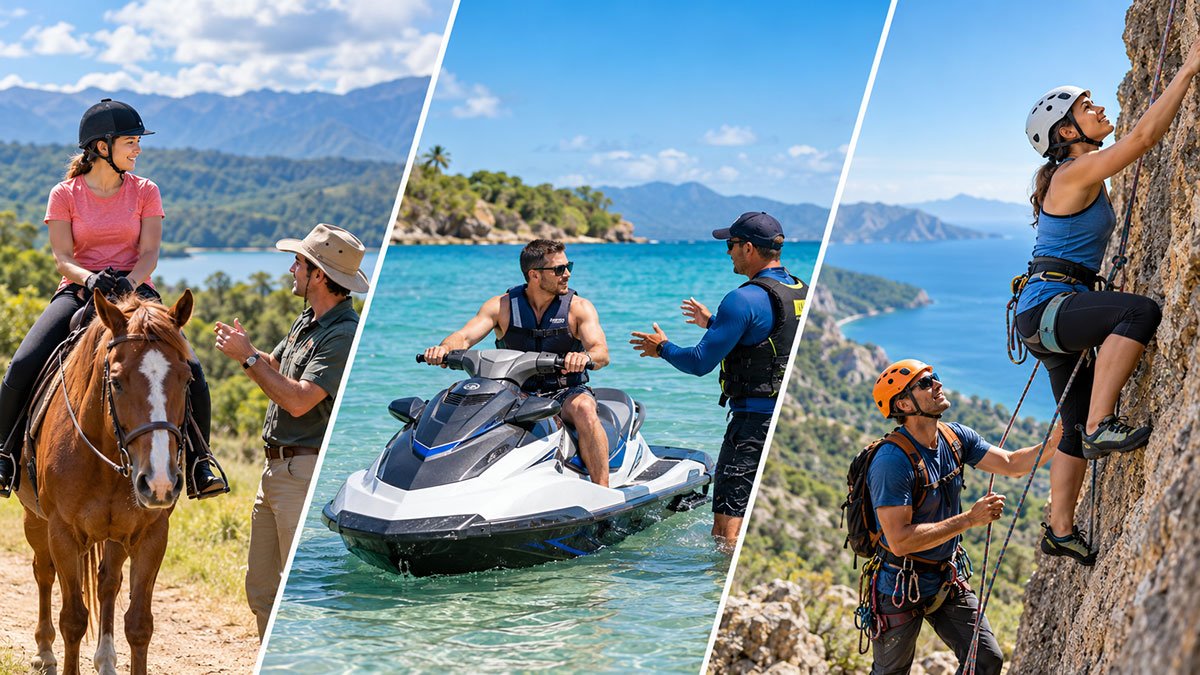
Enjoy adventure activities more safely with proper equipment, professional guidance and responsible preparation.
High-Risk Holiday Activities: How to Enjoy Adventure More Safely
Trying something new is often one of the most memorable parts of a holiday. A guided horse ride, a jet-ski excursion, a climbing session or a bungee jump can offer an exciting break from everyday routines. However, unfamiliar equipment, changing weather, limited experience and poor safety practices can turn an enjoyable activity into a serious incident.
High-risk holiday activities deserve preparation, particularly when you are trying them for the first time. An activity that feels straightforward to an experienced participant may involve skills, equipment and decisions that a beginner has not yet learned.
The key is not to avoid every adventure. It is to understand what an activity involves, select a responsible operator, use the correct protective equipment and recognise when conditions are unsafe.
The following guide explains ten activities that require particular care, together with practical steps travelers can take before participating.
Before You Book an Adventure Activity
A low price or an exciting promotional video is not enough to establish that an activity is suitable for you. Before paying or signing a waiver, take time to assess the provider and understand the arrangements.
Research the operator. Look for evidence of relevant qualifications, trained staff, suitable equipment and clear safety procedures. Read recent customer feedback carefully, paying attention to comments about instruction, equipment condition and how staff respond to safety concerns.
Be honest about your experience. Tell the instructor whether you are a beginner. Ask whether the activity has a lower-intensity option and what skills you need before taking part.
Check the equipment. Ask what protective equipment is provided, whether it fits correctly and whether it is appropriate for the activity. Do not continue if essential equipment appears damaged or improperly fitted.
Understand the emergency arrangements. Find out how staff communicate, what happens if someone is injured and how assistance is obtained if the activity takes place away from a road or medical facility.
Check your travel insurance. Some policies restrict or exclude particular activities, including certain motor sports, climbing and scuba diving. Read the policy wording rather than assuming that every holiday excursion is covered. Check whether emergency transport and medical evacuation are included where relevant.
Consider your health and fitness. Disclose relevant medical conditions to the operator and seek advice from a qualified healthcare professional when necessary. Follow the operator’s eligibility criteria and do not conceal information that could affect your safety.
Never let pressure make the decision. Alcohol, recreational drugs, fatigue, peer pressure and the desire to impress other people can affect judgment. Postpone an activity when you are not fit to participate.
In Great Britain, the Health and Safety Executive’s Adventure Activities Licensing Scheme covers specified activities involving young people under particular circumstances. It is not a universal licence for every commercial adventure activity or every adult participant. Travelers should check the relevant local requirements in the country where they intend to participate.
10 High-Risk Holiday Activities That Require Extra Care
The following activities are not presented in order of danger. Actual risk depends on the participant, the activity, the conditions, the equipment and the quality of supervision.
1. Boxing and Contact Sports
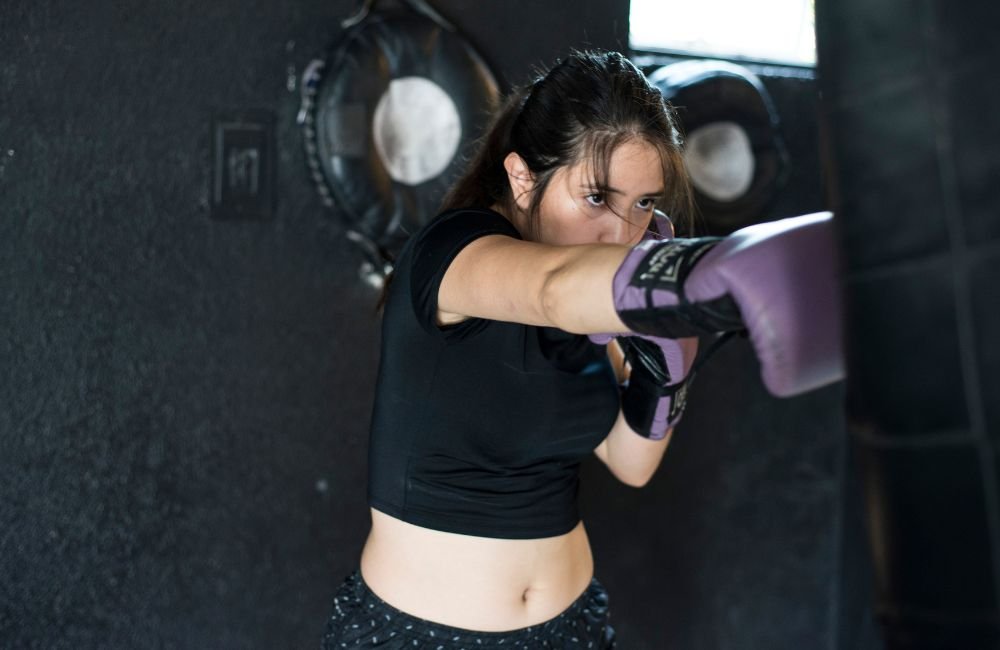
Boxing and other contact sports involve the possibility of direct blows to the head, falls and other impact injuries. A beginner taking part in an unfamiliar class may not understand the techniques, defensive movements or rules that experienced participants have learned.
How to reduce the risk:
- Choose an established club or a supervised introductory session.
- Use the protective equipment required for the activity and make sure it fits correctly.
- Follow the instructor’s rules about contact, sparring and appropriate ability levels.
- Do not continue if you experience a head impact followed by headache, dizziness, confusion or other possible concussion symptoms.
- Seek medical advice after a suspected concussion, and do not return to contact sport on the same day.
Protective equipment can help reduce certain injuries, but it cannot eliminate the risk of concussion or other serious harm.
2. Boating, Banana Boat Rides and Towed Water Sports
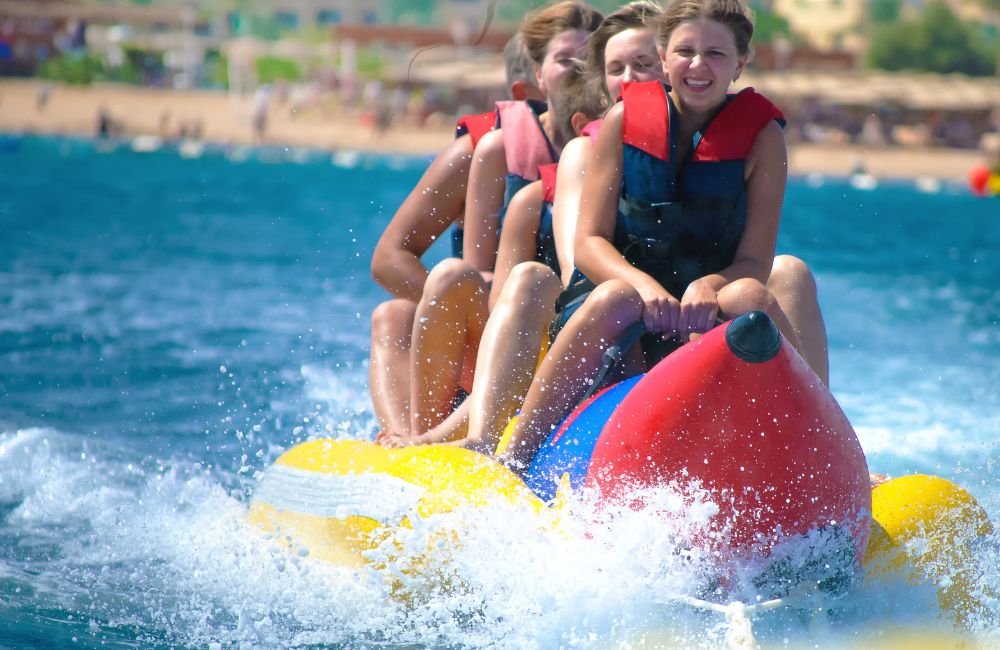
Speedboats, inflatable banana boats, water skiing and similar activities combine movement, water exposure and the possibility of falls or collisions. Even a short commercial excursion requires participants to follow instructions and use appropriate safety equipment.
How to reduce the risk:
- Wear a properly fitted lifejacket or buoyancy aid appropriate to the activity.
- Listen to the safety briefing before boarding or entering the water.
- Follow the operator’s instructions about seating, handholds, positioning and signals.
- Check that the operator considers weather, water conditions and participant ability before departure.
- Tell staff if you cannot swim confidently or have another limitation that could affect your safety.
Do not assume that a short ride or a calm-looking sea makes the activity risk-free. If the operator cannot explain the basic safety procedures, choose another provider.
3. Bungee Jumping
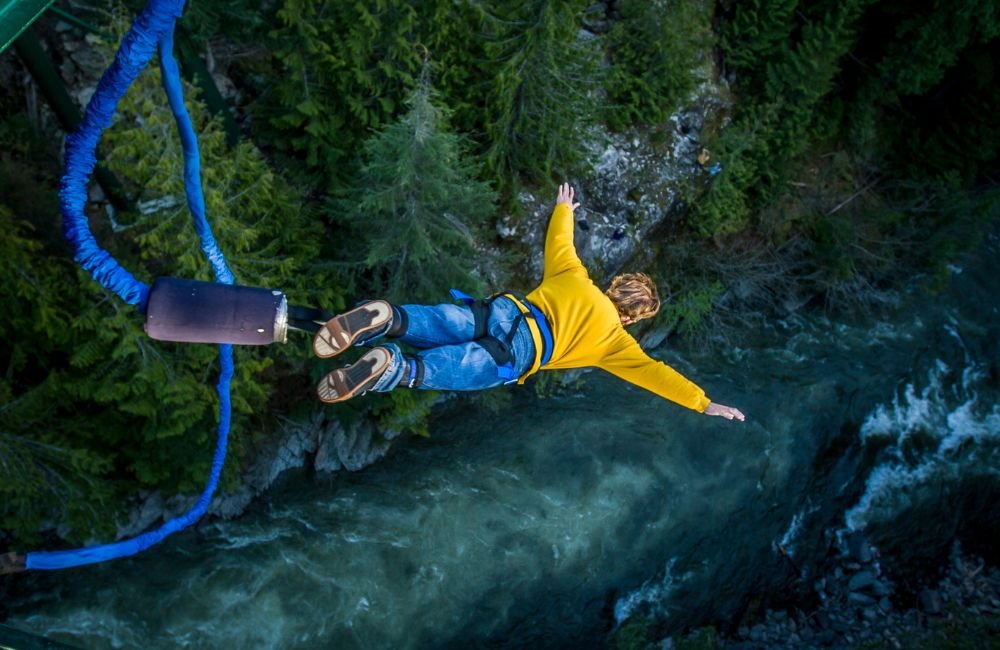
Bungee jumping is a specialised activity that relies on properly managed equipment, controlled procedures and careful participant screening. It should not be treated as an improvised stunt or something to attempt without a professional operator.
How to reduce the risk:
- Select an established operator that can explain its safety procedures, equipment checks and staff training.
- Read the participation and medical eligibility requirements before booking.
- Disclose any relevant medical conditions and ask for professional medical advice if you are unsure whether jumping is appropriate for you.
- Follow all instructions about equipment fitting, positioning and the jump itself.
- Do not proceed if the process appears rushed, the equipment raises concerns or staff cannot answer reasonable safety questions.
Never allow a group challenge, a wager or pressure from friends to determine whether you participate.
4. Rock Climbing, Mountaineering and Abseiling
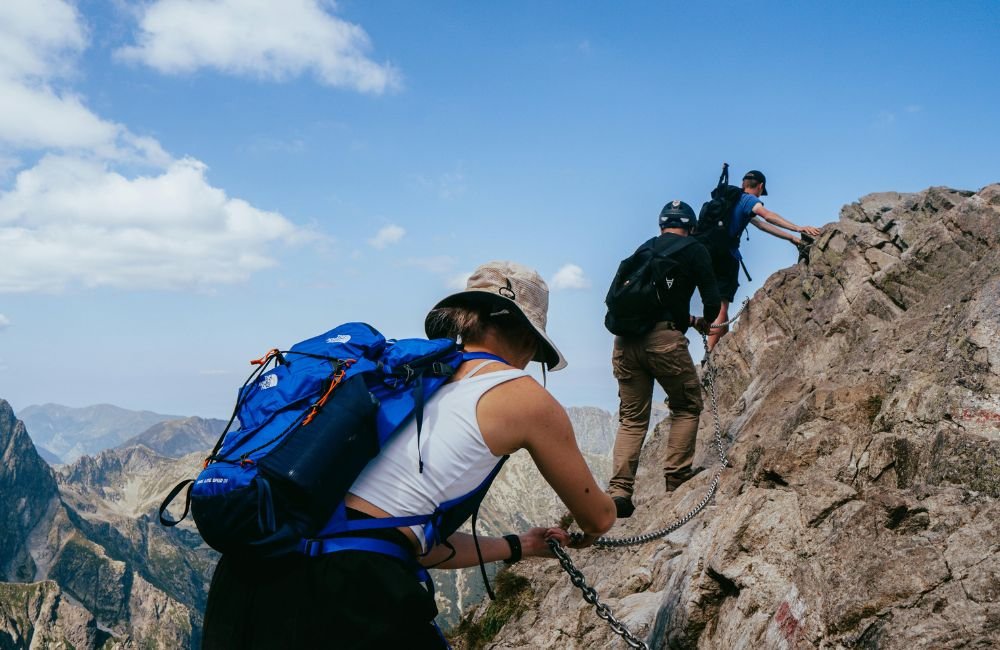
Climbing and abseiling require more than strength and confidence. Participants must understand how to use their equipment, follow the correct procedures and recognise hazards such as loose rock, unstable ground and changing weather.
Outdoor climbing also differs from indoor climbing because the environment is less controlled.
How to reduce the risk:
- Beginners should start with a qualified instructor or an experienced guide appropriate to the activity.
- Use a correctly fitted helmet, climbing harness and other required equipment.
- Learn the relevant rope, belaying and communication procedures before starting.
- Follow the instructor’s checks and do not attempt routes beyond your ability.
- Check weather conditions and postpone the activity when conditions make the route unsuitable.
Do not attempt an exposed cliff route simply because it appears manageable from below. A supervised introduction is a better starting point than relying on confidence alone.
5. Scuba Diving and Jumping Into Water From Height
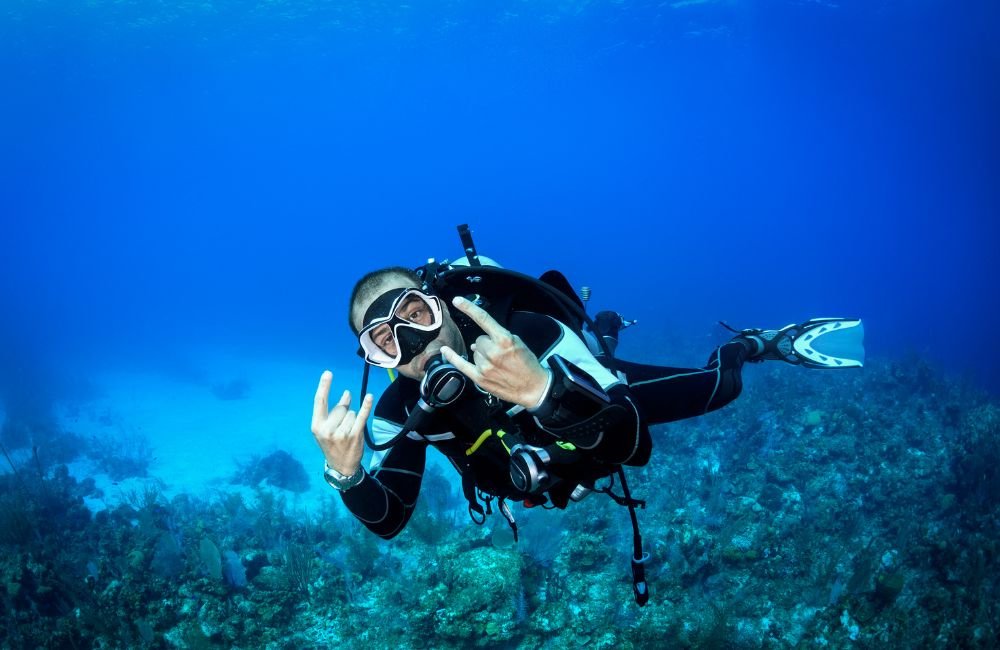
These are different activities, but both require sound judgment about water conditions and the limits of your experience.
Scuba diving requires appropriate training, equipment and an understanding of underwater conditions. Jumping into the sea, a river or a harbour from a cliff, balcony, rock or pier introduces different hazards, including uncertain water depth, submerged objects, currents and difficult exits.
Jumping from a height into water is commonly known as tombstoning. It is particularly difficult to judge depth and underwater hazards reliably from above.
How to reduce the risk:
- For scuba diving, use a reputable dive centre and participate within your training and experience.
- Follow the dive leader’s instructions and the activity’s established procedures.
- For underwater activities, understand the relevant conditions and follow appropriate professional guidance.
- Do not jump from balconies, cliffs, piers or rocks into unfamiliar water.
- Never assume that clear water is deep enough or free from submerged obstacles.
- Check local warnings and avoid entering water when conditions are unsafe.
The Royal National Lifeboat Institution warns that jumping into water from height can lead to serious injury or death. Changing tides, hidden rocks, cold water and strong currents can create danger even when a location looks inviting.
6. Freerunning and Parkour
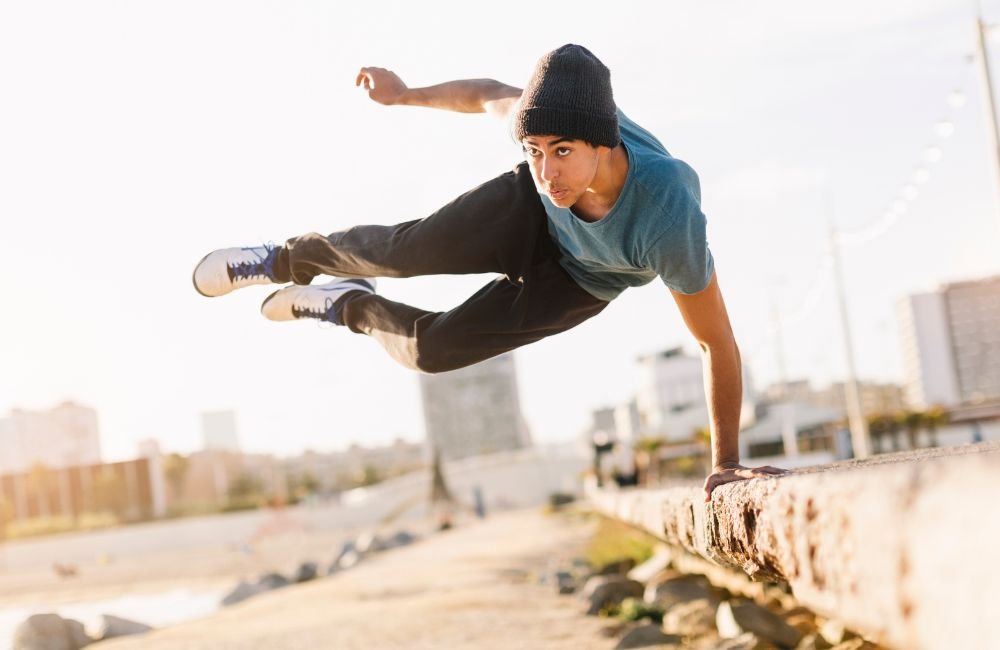
Freerunning and parkour involve running, jumping, climbing and moving across obstacles. They can require considerable strength, coordination and technical skill. Videos on social media, however, rarely show the full preparation or unsuccessful attempts behind a stunt.
Holiday settings are particularly unsuitable for improvised moves on balconies, rooftops, railings, walls or unfamiliar buildings.
How to reduce the risk:
- Start in a suitable training facility or designated practice area.
- Learn techniques gradually under qualified instruction.
- Build the necessary strength, balance and landing skills before progressing.
- Avoid jumps over hard surfaces, drops or obstacles with no safe landing area.
- Never imitate a stunt simply because someone else has performed it successfully.
If a movement is beyond your present ability, choose a simpler progression rather than attempting it during a holiday outing.
7. Horse Riding
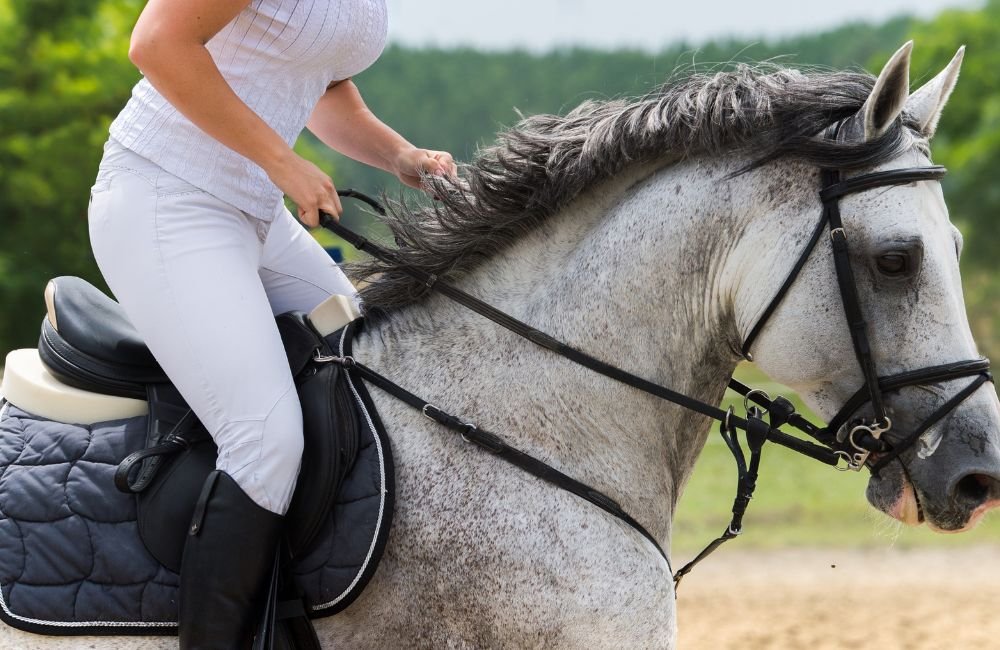
Horse riding can be a rewarding way to explore countryside, forests and coastal trails. However, horses are powerful animals that can react unexpectedly to unfamiliar sounds, people, terrain or other animals.
A novice rider should not be expected to manage a horse independently on difficult ground or at a speed they cannot control.
How to reduce the risk:
- Tell the riding centre your actual experience and ask for a suitable horse and route.
- Wear a correctly fitted riding helmet that is securely fastened.
- Use suitable footwear and any additional protective equipment recommended by the instructor.
- Listen carefully to instructions about mounting, stopping, steering and dismounting.
- Stay with the guide and do not move into faster gaits unless the instructor considers it appropriate.
- Avoid riding when impaired by alcohol or other substances.
The British Horse Society advises that a riding hat should fit properly and be secured correctly. It recommends professional fitting and advises against using second-hand helmets because hidden damage may not be visible.
If a horse appears unsuitable for your experience or the operator dismisses basic safety concerns, do not feel obliged to ride.
8. Jet Skiing and Personal Watercraft
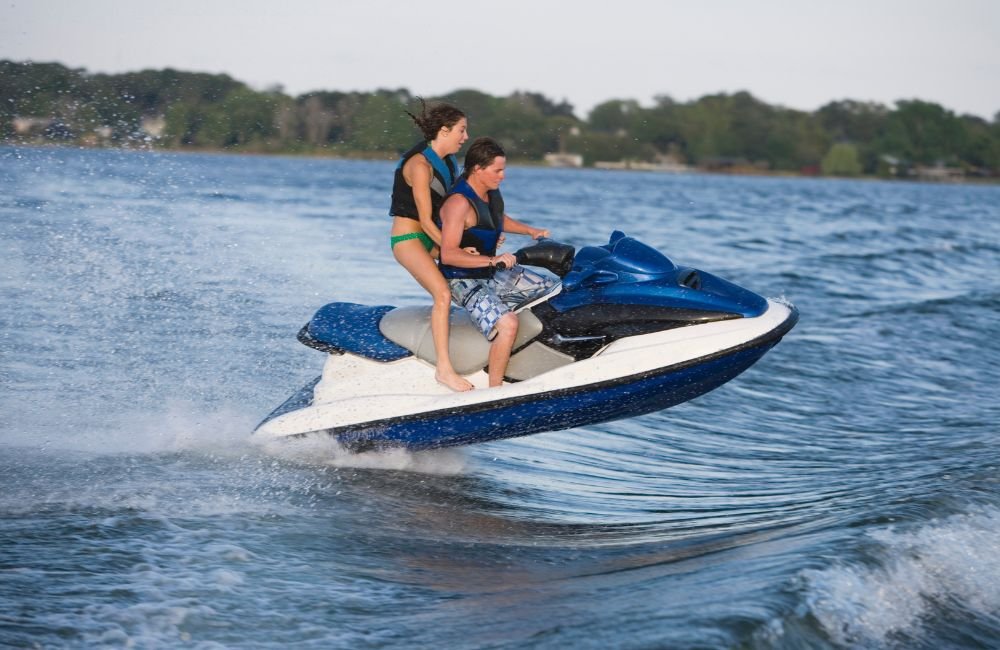
Jet skis and other personal watercraft can accelerate quickly and may be difficult for an inexperienced rider to control. Falls, collisions, mechanical failures and changing water conditions can create problems even during relatively short outings.
How to reduce the risk:
- Use a properly fitted personal flotation device appropriate to the activity.
- Take the instruction required by the operator and practise basic controls before entering busier water.
- Follow local speed limits, exclusion zones and distance requirements around swimmers and other vessels.
- Check the forecast, tides and local water conditions.
- Know how to stop the engine and use the emergency cut-off system where fitted.
- Carry an accessible means of calling for help and follow the operator’s emergency procedures.
Do not assume that familiarity with driving a car or motorcycle translates into competence on a jet ski. Watercraft handling requires its own skills and awareness.
9. Motorcycling and Scooter Riding
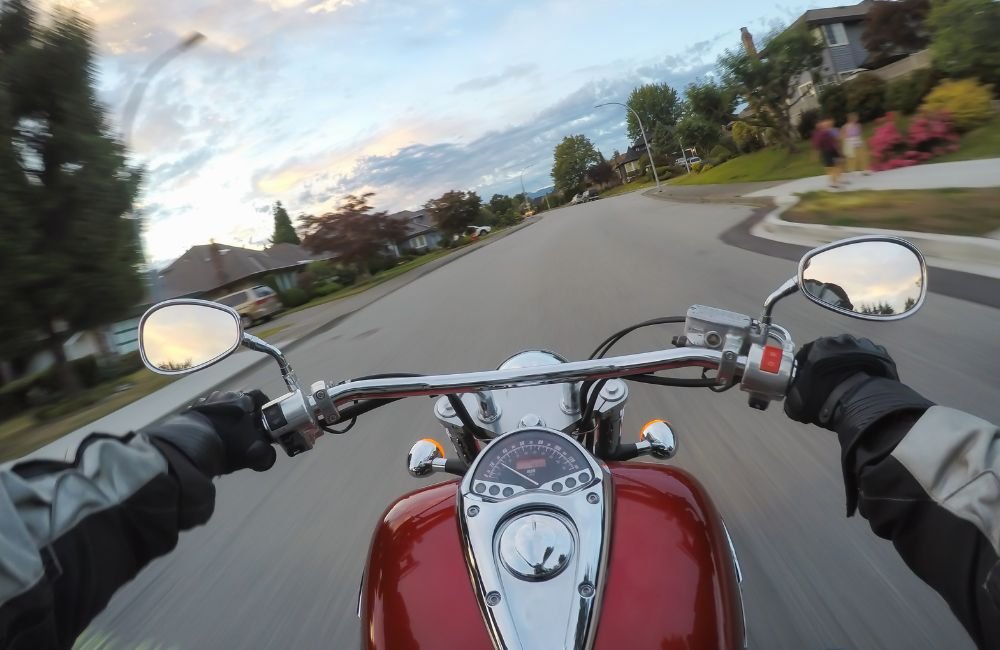
Hiring a motorcycle or scooter can appear to be a convenient way to explore a destination. However, unfamiliar roads, traffic patterns, road surfaces, local regulations and limited riding experience can make the journey more demanding than expected.
How to reduce the risk:
- Check local driving licence, age, insurance and rental requirements before booking.
- Wear a legally compliant, correctly fitted and securely fastened helmet.
- Use protective clothing, gloves and sturdy footwear suitable for riding.
- Inspect the brakes, tyres, lights and other essential controls before setting off.
- Familiarise yourself with local traffic rules and road signs.
- Avoid riding when tired, impaired or uncomfortable with the route or vehicle.
In the UK, motorcycle helmet requirements include compliance with specified safety standards. Requirements differ between countries, so check the local law and use appropriate protective equipment wherever you travel.
If you have never ridden a motorcycle or scooter, consider whether another mode of transport would be more suitable for your trip.
10. Quad Biking and All-Terrain Vehicles
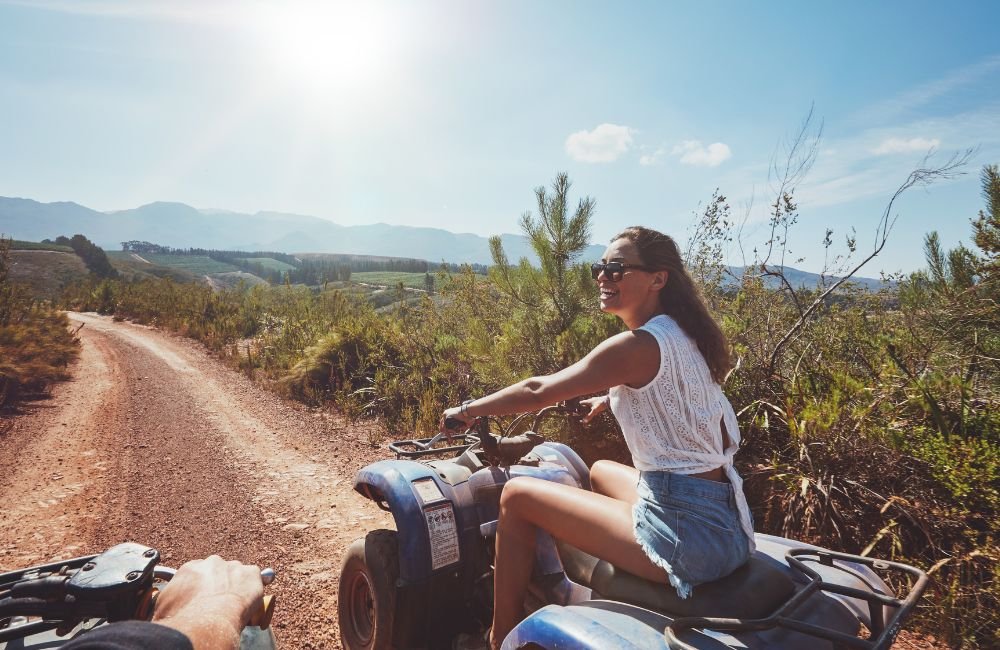
Quad bikes and other all-terrain vehicles are often marketed as holiday adventures. Their appearance can make them seem easy to operate, but they can become unstable during turns, on uneven surfaces or on slopes.
A rider who has little experience may also struggle to judge speed, terrain and the vehicle’s handling.
How to reduce the risk:
- Use an established operator that provides suitable instruction and supervision.
- Wear an appropriate protective helmet and any additional equipment required.
- Learn the controls and operating procedures before setting off.
- Keep speed within your ability and the conditions, particularly on uneven or sloping ground.
- Never carry a passenger unless the specific vehicle is designed and approved for that use.
- Follow the permitted route and all local restrictions.
The UK’s Health and Safety Executive advises quad-bike users to receive appropriate training and wear a helmet. Its guidance also highlights the effects of speed, terrain, vehicle stability and passenger carrying on safety.
Treat a quad bike as a motor vehicle requiring skill and attention, not as a toy. If a tour operator encourages racing, unsafe passenger arrangements or unnecessary high speeds, decline the activity.
A Practical Safety Checklist Before You Take Part
Before confirming an activity, use this checklist to decide whether the arrangements are appropriate.
- The operator is credible. Its qualifications, experience and safety procedures are clear.
- The activity matches your ability. You have disclosed your experience and understand what is required.
- The equipment is suitable. Essential protective equipment is provided or available, fits correctly and appears to be in good condition.
- The briefing is clear. You understand the rules, signals, route, operating procedures and emergency plan.
- The conditions are appropriate. Weather, water, terrain and visibility are suitable for the planned activity.
- The activity is covered by your insurance. You have checked exclusions, medical expenses and evacuation provisions where relevant.
- You are fit to participate. You are alert, not impaired and comfortable with the activity.
- You are willing to stop. You understand that you can decline or withdraw if something feels unsafe.
In addition, keep emergency contact information available and make sure someone knows your plans for activities in remote locations. Where appropriate, ask the operator how it communicates with emergency services and arranges assistance.
The purpose of these checks is not to remove every possible risk. It is to identify preventable problems before you commit to an activity.
Head Injuries: When to Seek Urgent Medical Help
A fall, collision or blow to the head should never be dismissed simply because the person initially appears well. Some concussion symptoms may take hours or days to become noticeable.
Seek urgent medical advice after a suspected head injury, especially if symptoms develop or persist. Warning signs requiring emergency assessment include:
- Loss of consciousness or difficulty waking.
- A seizure.
- Repeated vomiting or a worsening headache.
- New confusion, unusual behaviour or difficulty recognising people or places.
- Slurred speech, weakness, numbness or reduced coordination.
- Problems with walking, balance or understanding.
Follow the local emergency service’s instructions. In the UK, call 999 or 112 for an emergency; elsewhere, use the relevant local emergency number.
If concussion is suspected during sport, stop the activity. Do not return to play on the same day, and follow medical advice about when it is safe to resume. Do not use the apparent absence of symptoms immediately after an incident as proof that there is no injury.
Enjoy the Adventure Without Taking Unnecessary Risks
Adventure activities can add something special to a holiday, whether you are exploring on horseback, travelling along the coast by boat or trying an introductory climbing session. The goal is to choose experiences that suit your abilities and to understand the arrangements before you begin.
Research the operator, ask sensible questions, use appropriate equipment and pay attention to local conditions. Most importantly, be prepared to walk away when the safety arrangements are inadequate or you do not feel comfortable.
A memorable holiday should leave you with good experiences to talk about—not an avoidable injury that follows you home.
