

Enjoy a memorable family holiday in Cornwall with sandy beaches, coastal scenery and fun-filled days by the sea.
Family Holidays in Cornwall: Beaches, Days Out and Practical Tips
Planning family holidays in Cornwall gives you the chance to combine sandy beaches, coastal walks, wildlife encounters and exciting days out in one of England’s most distinctive holiday destinations. Whether you are travelling with toddlers, school-age children or teenagers, Cornwall offers a wide range of experiences, from building sandcastles to learning to surf and exploring tropical gardens.
The key to a successful family break is choosing the right location and planning activities around your children’s ages, the weather and your budget. Cornwall has an extensive coastline, but its beaches differ considerably. Some have broad expanses of sand and family facilities, while others are exposed to Atlantic waves or require a walk down steep paths.
You will also find plenty to do away from the beach. Wildlife attractions, gardens, historic sites and indoor activities can help keep everyone entertained when the weather changes.
With a little preparation, Cornwall can be a rewarding destination for a summer seaside holiday, a quieter spring or autumn break, or a longer family adventure.
Why Choose Cornwall for a Family Holiday?
Cornwall combines a traditional British seaside experience with opportunities for outdoor activities, local food and cultural exploration.
One day might involve rock pooling and an ice cream on the beach. The next could include cycling along a former railway route, visiting a wildlife attraction or exploring a historic harbour.
Here are some of the main reasons families choose Cornwall:
- A variety of beaches: Choose between broad sandy bays, sheltered coves, rock-pooling spots and popular surf beaches.
- Activities for different ages: Younger children can enjoy playgrounds and nature trails, while older children may prefer surfing, cycling or adventure activities.
- Outdoor attractions: Gardens, coastal paths and countryside trails provide alternatives to spending every day beside the sea.
- Family-friendly places to stay: Options include holiday cottages, campsites, caravan parks, guesthouses and hotels.
- Local food: Cornish pasties, fresh seafood, baked goods and traditional cream teas add to the holiday experience.
Cornwall is a large county, however. Choosing a convenient base is important because travelling between distant beaches and attractions can take longer than expected, particularly during busy holiday periods.
When Is the Best Time for Family Holidays in Cornwall?
Cornwall’s coastal climate is relatively mild, but warm, sunny weather is never guaranteed. Conditions can change during the day, and a sunny afternoon may still feel cool on an exposed beach.
The best time to visit depends on your family’s priorities, school commitments and budget.
Summer: Best for a Classic Beach Holiday
Summer is popular with families who want to spend time swimming, surfing, building sandcastles and enjoying outdoor attractions.
Longer daylight hours provide more opportunities for sightseeing. However, school holidays can bring busy roads, crowded beaches and high demand for accommodation.
Book early if you need specific dates or a particular type of property. Check parking arrangements and beach facilities before travelling, especially if you are visiting a popular resort.
Spring and Autumn: A Quieter Coastal Break
Spring and autumn can suit families who prefer walks, wildlife experiences, gardens and sightseeing without relying on hot weather.
Some attractions operate seasonal schedules, and certain beach facilities or lifeguard services may not be available throughout these periods. Check opening arrangements before setting out.
These seasons can also bring changeable weather, so flexible plans are useful.
Winter: For a Different Kind of Cornwall Holiday
A winter break can appeal to families interested in dramatic coastal scenery, quieter towns, indoor attractions and cosy accommodation.
However, shorter daylight hours, rough seas and exposed coastal conditions require additional planning. Some seasonal businesses may close or reduce their opening hours.
Whichever season you choose, check the local forecast before each day’s activities and pack layers, waterproof jackets and suitable footwear.
The Best Beaches in Cornwall for Families
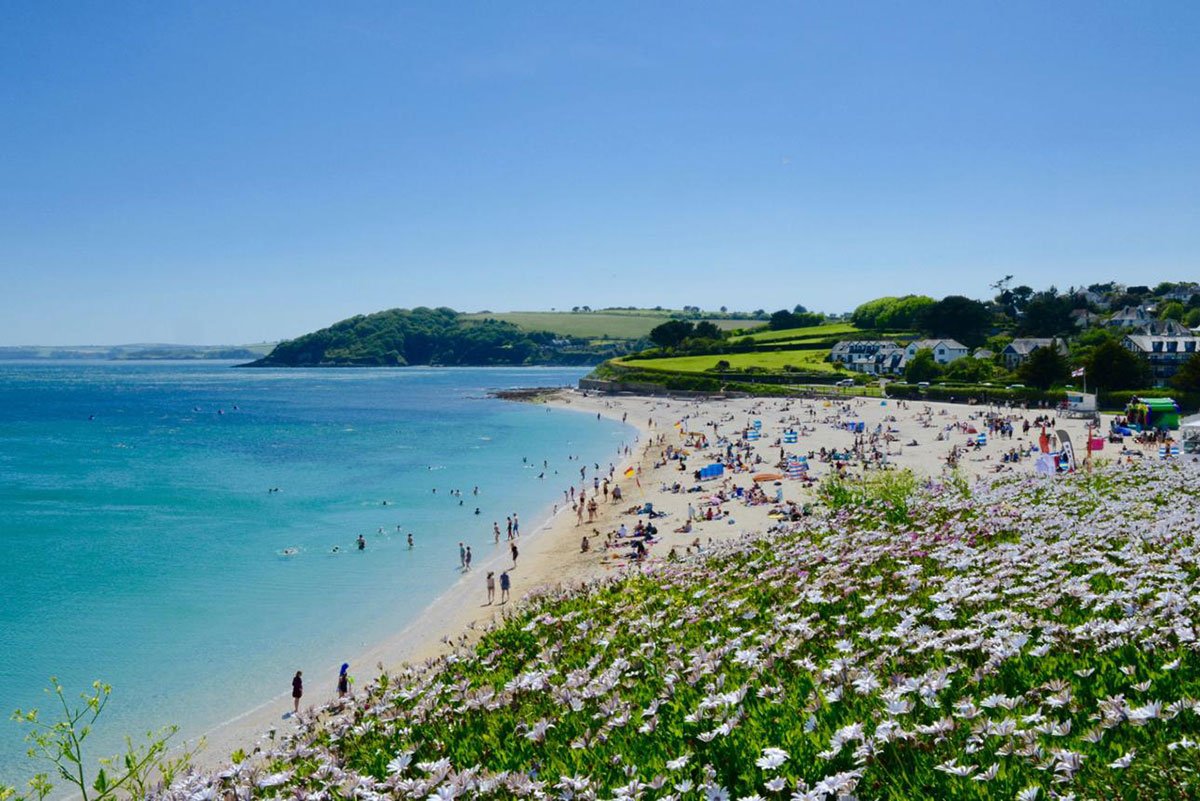
Cornwall has a wide range of beaches, so choose one that suits your children’s ages and the activities you have planned. A beach that is ideal for surfing may not be the best choice for toddlers who want to paddle and explore rock pools.
Polzeath Beach
Located on the north coast, Polzeath Beach is known for its broad sandy shore, surfing opportunities and family appeal.
At low tide, the beach offers plenty of space for sandcastle building and beach games. It also has facilities in the surrounding area, although their availability can vary by season.
Polzeath can be a good option for families interested in trying surfing or spending a full day on the sand. Always check the conditions and any current lifeguard arrangements before entering the water.
Porth Beach, Newquay
Porth Beach is a useful option for families looking for a beach near Newquay.
Its setting between headlands can offer a more sheltered atmosphere than some exposed stretches of the north coast. The beach is also known for rock pools and opportunities for children to explore the shoreline.
Check the tide times before visiting, particularly if you want to explore rock pools or coastal features. Supervise children around the water and slippery rocks, even when the sea appears calm.
Gyllyngvase Beach, Falmouth
Gyllyngvase Beach is a popular sandy beach near Falmouth, with a beach café and watersports opportunities.
It can work well for families who want to combine a beach visit with time in town. The surrounding area also offers other attractions and places to eat, making it convenient for a varied day out.
Check current facilities, parking and seasonal lifeguard arrangements before travelling.
Gwithian Beach
Gwithian Beach offers an expansive stretch of sand near Hayle and is a popular choice for sandcastle building, beach games and enjoying the coastal scenery.
The beach is exposed to Atlantic conditions, so waves, currents and tides need particular attention. Check local warnings and the tide forecast before visiting with children.
It is a good option for families who enjoy open beaches and walking along the shore, provided they plan around the conditions.
Beach Safety: What Parents Should Know
Cornwall’s beaches are beautiful, but the coast can be unpredictable. Lifeguard coverage varies by beach and season, and even a familiar location can present different hazards depending on the weather and tides.
For safer family beach days:
- Choose a lifeguarded beach and swim between the red and yellow flags when lifeguards are on duty.
- Check the tide times and local beach notices before exploring rock pools or walking around headlands.
- Keep children within close reach near the water, especially around waves and changing tides.
- Do not enter the water when a red flag indicates dangerous conditions.
- Use suitable footwear around slippery rocks and avoid unstable cliff edges.
- Follow the advice of lifeguards and local authorities.
For surfing, bodyboarding and paddleboarding, use the designated areas and follow the relevant beach flags. Book lessons with an established surf school and check the minimum age, equipment requirements and supervision arrangements.
You should also check beach-specific dog restrictions if travelling with a pet. Rules can vary between locations and seasons.
Family-Friendly Activities Beyond the Beach
A successful Cornwall holiday does not have to depend on sunshine. The county offers gardens, wildlife attractions, cycling routes and indoor activities that can fill a day when the weather is unsuitable for the beach.

Visit the Eden Project
Near St Austell
The Eden Project combines impressive indoor biomes, outdoor gardens, educational displays and a play area. It is a useful option for families who want to explore plants and different environments without relying entirely on beach weather.
Check the official calendar, admission arrangements and accessibility information before visiting.

Explore the Lost Gardens of Heligan
Near Mevagissey
The Lost Gardens of Heligan offer woodland trails, gardens, wildlife and outdoor play areas. They can suit families who enjoy exploring nature at their own pace.
Allow sufficient time for walking around the grounds, and check the seasonal opening arrangements.

Spend a Day at Newquay Zoo
Newquay Zoo gives children an opportunity to see wildlife and learn about conservation. It can be a good change of pace after several days at the beach.
Opening and closing times vary by season, so check the zoo’s official visitor information before travelling.

Enjoy the Railways at Lappa Valley
Near Newquay
Lappa Valley combines railway rides, outdoor play and indoor play facilities. It offers a mixture of activities for children, including options to use when the weather is less cooperative.
Check opening dates and the availability of individual attractions before planning your day.
Walk or Cycle Along the Camel Trail
The Camel Trail is a popular option for families who want to explore the countryside away from the beaches.
The trail follows former railway routes and offers opportunities for cycling and walking. Depending on your family’s ages and abilities, you can choose a shorter outing rather than attempting a lengthy ride.
Before setting off, check the route, hire arrangements, current conditions and suitable distances for younger children. Bring water, snacks and clothing for changing weather.
Discover Cornwall’s Maritime Heritage
Cornwall’s fishing villages, harbours and maritime museums provide an alternative to outdoor adventure.
The National Maritime Museum Cornwall is worth considering for families interested in boats, seafaring history and maritime displays.
A harbour visit can also be a relaxed way to spend an afternoon. Combine a stroll with lunch or an ice cream, and allow children time to watch the boats and explore the waterfront.
Surfing and Outdoor Adventures for Families
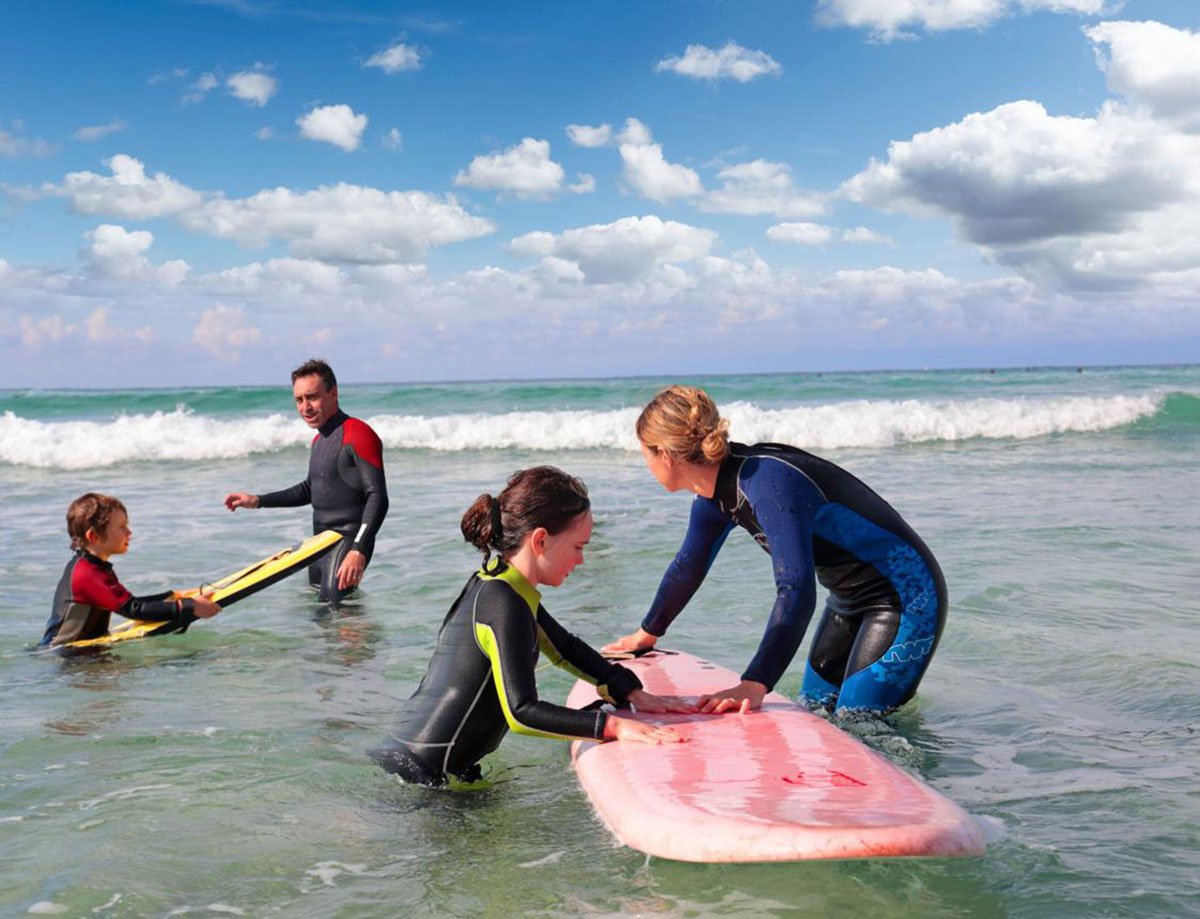
Cornwall is well known for surfing, but there are plenty of other outdoor activities to consider. Choose experiences that match the children’s ages, confidence and abilities.
Learn to Surf
Newquay and Polzeath are recognised surfing destinations with surf schools offering lessons for beginners and more experienced surfers.
A supervised introductory lesson can be a good way for older children and teenagers to try the sport. Many schools provide boards and wetsuits as part of their lesson arrangements, although inclusions vary.
Before booking, check:
- Minimum age and swimming ability requirements.
- Instructor qualifications and supervision arrangements.
- Equipment included in the price.
- The lesson’s duration and meeting point.
- Cancellation arrangements if sea conditions are unsuitable.
Do not assume that every beach is suitable for beginners on every day. Conditions and surf hazards can change rapidly.
Try Paddleboarding or Kayaking
Stand-up paddleboarding and kayaking can offer another way to enjoy Cornwall’s waterways. Choose an activity provider that assesses conditions and supplies appropriate equipment and safety guidance.
Families should check age restrictions, supervision requirements and whether children need prior experience.
Always follow local safety advice, wear suitable buoyancy equipment where required and avoid exposed coastal waters when conditions are unsuitable.
Go Horse Riding or Climbing
Some operators offer riding experiences, climbing activities and other outdoor adventures. These can appeal to families looking for something beyond the usual seaside activities.
Research providers in advance, check age or height restrictions and understand what supervision and equipment are included.
There is no need to plan an activity for every day. Leaving room for unstructured beach time can be just as rewarding for children.
Choose the Right Place to Stay in Cornwall
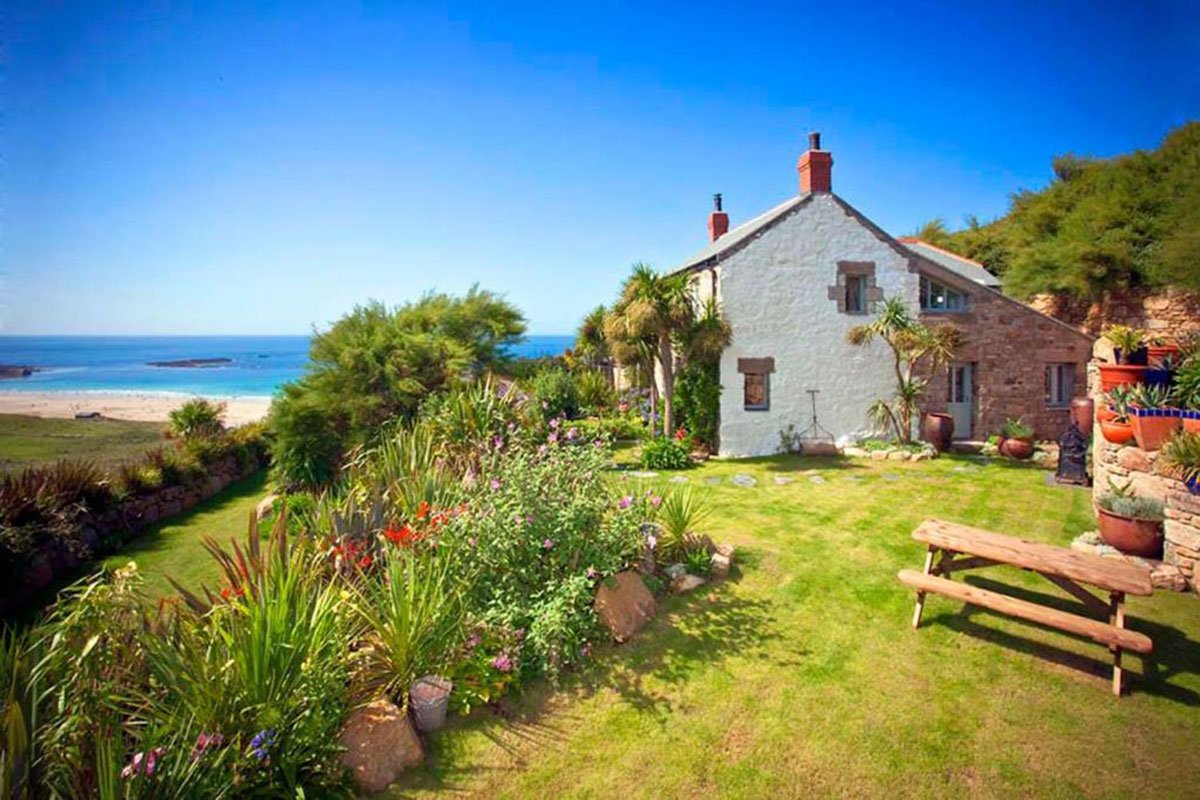
Accommodation is an important part of planning family holidays in Cornwall. The best location depends on your activities, transport arrangements and how much travelling you want to do during the stay.
Holiday Cottages and Self-Catering Accommodation
A holiday cottage or apartment can be convenient for families who prefer to prepare some of their own meals.
When comparing properties, check the kitchen facilities, laundry arrangements, parking, sleeping configuration and whether essentials such as a cot or high chair are available.
Self-catering can also help manage food costs, particularly for longer stays. However, check the total booking price and any cleaning, service or booking fees before reserving.
Hotels and Guesthouses
Hotels and guesthouses may suit families who prefer not to cook or manage a holiday property.
Look for room configurations that accommodate your family comfortably. Confirm whether breakfast is included and whether parking, family rooms and other advertised facilities are available for your dates.
Location matters. Staying close to your main activities can reduce driving time and make it easier to return to your accommodation during the day.
Caravan Parks, Holiday Parks and Campsites
Caravan parks and campsites can suit families seeking an outdoor-focused holiday. Depending on the property, accommodation may range from pitches for tents and touring caravans to static holiday homes.
Facilities differ significantly between sites. Check the available amenities, quiet-hour rules, children’s activities, pet policies and the distance to nearby shops or beaches.
Do not assume every park provides the same entertainment or facilities throughout the year.
Book at the Right Time
For summer school holidays and popular coastal locations, begin researching accommodation early. Properties that meet specific family requirements can be limited during peak periods.
Travelling outside the busiest school-holiday dates may offer more choice, although prices and opening arrangements vary.
Look carefully at cancellation conditions, deposits and payment deadlines. A flexible booking can be useful when family plans or travel arrangements are uncertain.
Where Should Families Stay in Cornwall?
Cornwall is large enough that selecting one central base for every activity may not always be practical. Choose a region that matches your priorities.
| Area | Best suited to | What to consider |
|---|---|---|
| Newquay and the north coast | Surfing, sandy beaches and family attractions | Some beaches are exposed to Atlantic surf; check conditions and parking |
| Padstow and the Camel Estuary | Harbour visits, cycling and coastal exploration | Popular spots can become busy during school holidays |
| Falmouth and the south coast | Beaches, maritime attractions and waterfront activities | Check the access, facilities and seasonal restrictions at each beach |
| St Austell area | Gardens and attractions such as the Eden Project and Heligan | A useful base for selected central and south-coast attractions, depending on your itinerary |
| West Cornwall | Dramatic coastal scenery, beaches and countryside | Allow enough time for journeys between locations |
These are starting points rather than rigid recommendations. Compare the location of your accommodation with the attractions you actually intend to visit.
If you are planning a longer stay, splitting the holiday between two areas may reduce repeated long drives. For a shorter break, staying in one place and exploring nearby attractions is often simpler.
Getting Around Cornwall with Children
Cornwall’s coastal scenery is one of its greatest attractions, but travelling between beaches and villages requires some planning.
Travelling by Car
A car offers flexibility, particularly when visiting rural beaches, gardens and attractions that are not close to a railway station.
However, coastal roads can be narrow, parking can be limited at popular locations, and traffic may increase during busy holidays. Check parking arrangements before setting out and allow extra time for journeys.
Avoid planning too many distant attractions on the same day.
Travelling by Train
Rail services connect several Cornish towns and coastal destinations. Great Western Railway provides services into Cornwall, including routes serving Truro and Penzance.
Train travel can work well when your accommodation is near a station and your chosen activities have convenient onward connections.
Check the current timetable, engineering works, ticket conditions and the distance between stations and attractions before booking.
Using Buses
Local buses can connect towns, villages and some beaches, although service frequency and routes vary.
Before relying on public transport for a family day out, check the last return service, walking distances and whether the route operates on your chosen date.
National Rail also lists Cornwall multi-journey ticket options, including Ride Cornwall products. Check their current validity, participating services and restrictions before relying on them for your itinerary.
What Should You Pack for a Cornwall Family Holiday?
Packing for Cornwall means preparing for both beach days and changeable coastal weather.
Useful items include:
- Waterproof jackets and warm layers.
- Comfortable walking shoes and sandals.
- Sun hats, sunglasses and sunscreen.
- Swimwear, towels and suitable watersports clothing.
- Beach toys and bags for carrying wet clothes.
- Reusable water bottles and snacks.
- Any necessary medication and a small first-aid kit.
- A waterproof bag for phones and other valuables.
For younger children, consider spare clothes, sun protection, snacks and anything needed for naps or changing.
If you expect to explore rock pools, bring suitable footwear and check the tide times. If you plan to surf, ask the school what equipment it provides before packing bulky items.
Eating Well on a Family Budget
Family meals can become a substantial part of a holiday budget, particularly when eating out every day.
Cornwall offers many opportunities to enjoy local food without turning every meal into a restaurant visit.
Consider a mix of:
- Self-catered breakfasts and simple meals.
- Packed lunches for beach days or countryside walks.
- Casual cafés and local bakeries.
- Occasional restaurant meals featuring local produce.
- Traditional treats such as Cornish pasties and cream teas.
Check restaurant menus before arriving if your family has dietary requirements or you need child-friendly options.
If you are staying in self-catering accommodation, a basic meal plan can reduce last-minute shopping and help keep costs under control. Leave some flexibility for spontaneous cafés, local food stalls and seaside treats.
A Simple Five-Day Cornwall Family Itinerary
For families planning a longer break, the following outline offers a flexible way to mix beaches, attractions and outdoor activities.
Day 1
Settle in and visit a local beach
Keep the first day relaxed. Unpack, explore a nearby beach and identify convenient shops and places to eat.
Day 2
Try an outdoor activity
Arrange a surf lesson, a family cycle ride or a coastal walk that matches everyone’s abilities.
Day 3
Explore a garden or family attraction
Choose a major attraction such as the Eden Project, the Lost Gardens of Heligan or another location suited to your base.
Day 4
Keep a weather-friendly day available
Visit an indoor attraction, explore a town or enjoy a shorter outdoor activity depending on conditions.
Day 5
Return to a favourite place
Revisit a beach, enjoy a harbour walk or choose a relaxed local outing before departure.
Adapt this plan to your accommodation, travel time and children’s energy levels. You do not need to visit every attraction; a flexible itinerary is usually more enjoyable for families than a tightly packed schedule.
Practical Tips for a Stress-Free Cornwall Holiday
Before leaving home, confirm your accommodation, travel arrangements and any activities that require advance booking.
A few simple habits can make the holiday easier:
- Check the forecast daily. Change the plan when weather or sea conditions are unsuitable.
- Keep journeys realistic. Group activities by area rather than crossing Cornwall repeatedly.
- Check current opening times. Attractions, cafés, facilities and seasonal services can operate differently throughout the year.
- Confirm accessibility. If you use a pushchair or travel with someone who has mobility needs, check paths, steps, slopes and access arrangements in advance.
- Carry essentials. Water, snacks, sun protection and waterproof layers are useful on family outings.
- Respect the coast. Follow safety notices, protect wildlife and take rubbish away with you.
- Leave room for rest. Children may enjoy an unplanned afternoon at the beach more than another scheduled attraction.
For more detailed walking ideas, choose routes that match your family’s abilities and check the current conditions before setting out. Coastal scenery can be spectacular, but cliff paths are not automatically suitable for small children or pushchairs.
Frequently Asked Questions About Family Holidays in Cornwall
Is Cornwall suitable for toddlers and young children?
Yes. Cornwall offers sandy beaches, gardens, wildlife attractions and family-oriented places to visit. Choose locations with suitable access, toilets, food options and space for breaks. Check tide times and beach conditions before visiting the coast with very young children.
Which part of Cornwall is best for families?
The best area depends on your interests. Newquay and the north coast are popular for surfing and beach activities, while Falmouth and parts of the south coast offer beaches and maritime attractions. The St Austell area is convenient for selected gardens and attractions. Compare these options with your accommodation and transport plans.
Is Cornwall a good destination for a rainy-day holiday?
Yes. Indoor attractions and museums can provide alternatives when outdoor plans are unsuitable. The Eden Project, Newquay Zoo and Lappa Valley are examples worth researching, but check their individual opening schedules and which activities are available on your chosen date.
Should I book a Cornwall holiday early?
Booking ahead is advisable if you need accommodation for school holidays, a specific property or a particular location. Travelling outside peak periods can provide more flexibility, but prices and availability vary.
Can families enjoy Cornwall without a car?
Yes, depending on where you stay and what you want to do. Rail services and buses connect various towns and destinations, but some beaches and rural attractions require additional travel. Choose accommodation with convenient connections and verify return services before relying on public transport.
Are Cornwall’s beaches safe for children?
Beach conditions vary and can change quickly. Choose a lifeguarded beach, swim between the red and yellow flags when lifeguards are on duty, check tide times and follow local warnings. Children should remain closely supervised around water, cliffs and rock pools.
Make Your Family Holiday in Cornwall Memorable
Cornwall offers families plenty of ways to spend quality time together, from traditional beach days and surfing lessons to gardens, wildlife attractions and coastal walks.
The most rewarding holidays do not require a packed schedule. Choose a convenient base, select a few activities that suit your children and leave room to respond to the weather and discover places along the way.
With sensible planning and respect for the coast, a family holiday in Cornwall can combine outdoor adventure, relaxing seaside moments and experiences that everyone can enjoy.
