

Cheapest Cities in Europe: Affordable Destinations for Budget Travellers
Europe has a reputation for being an expensive destination, but you do not necessarily need a huge travel budget to explore the continent.
The cost of a European holiday depends on several factors, including accommodation, food, local transport, attractions, travel dates and your travel style. Some cities offer excellent value because accommodation and public transport are relatively affordable, while others provide plenty of free attractions and inexpensive ways to explore.
If you are searching for the cheapest cities in Europe, it is better to look at overall value rather than simply choosing a destination based on the price of one hotel or meal.
A recent 2026 budget-travel assessment from Lonely Planet highlights destinations such as Sofia, Tirana, Skopje, Tbilisi, Budapest and Kraków as budget-friendly choices, with estimated daily budgets varying according to travel style. It also notes that prices can rise significantly during the European summer peak season.
What Makes a European City Affordable?
Before choosing a destination, consider the total cost of your trip.
A city may have inexpensive accommodation but expensive attractions. Another may have higher hotel prices but excellent public transport and many free sights.
Important factors include:
- Accommodation prices
- Local transportation
- Restaurant and grocery prices
- Attraction and museum fees
- Airport transfers
- Availability of free activities
- Seasonal demand
- Flight prices
- Exchange rates
Your personal travel style also matters. A backpacker staying in a hostel will have a very different daily budget from someone staying in a four-star hotel.
10 Affordable Cities in Europe to Consider
Rather than claiming that one city is permanently the “cheapest,” the following destinations represent a range of European cities that can offer good value for budget-conscious travellers.
-
Sofia, Bulgaria
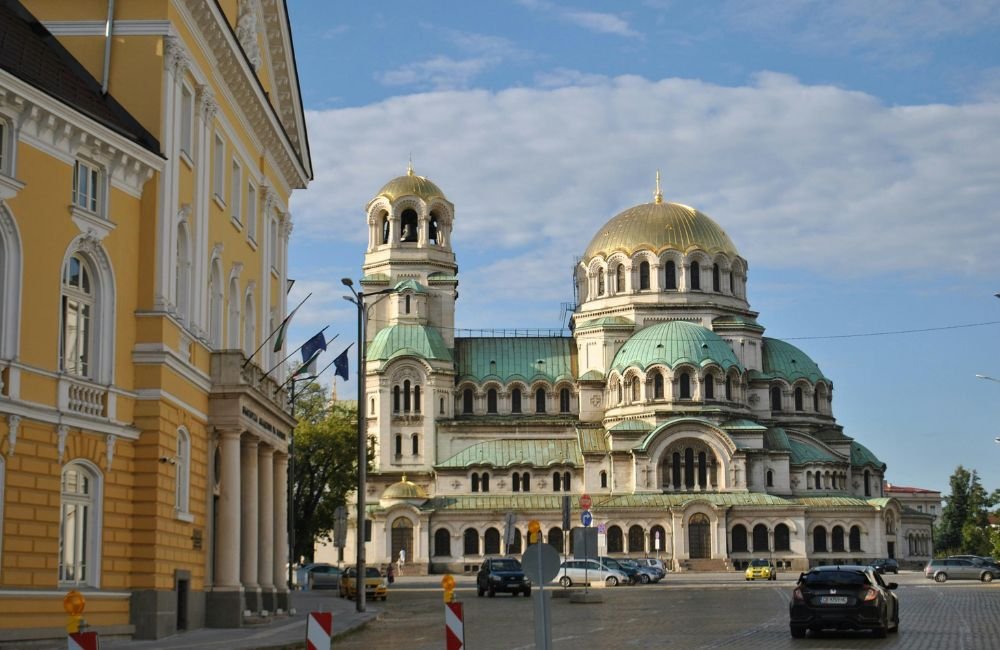
Sofia is one of Europe’s most attractive options for travellers looking for history, culture and relatively low daily costs.
Lonely Planet’s 2026 budget guide estimates approximately €40–€60 per day for a budget traveller, covering hostel accommodation, local meals and public transport, with limited spending on attractions.
The Bulgarian capital combines historic architecture, Orthodox churches, museums, parks and mountain scenery.
Things to do in Sofia
You can explore much of central Sofia on foot and visit landmarks such as:
- Alexander Nevsky Cathedral
- Vitosha Boulevard
- Sofia City Garden
- Ancient Serdica
- Vitosha Mountain
Several attractions and outdoor areas can be enjoyed for little or no cost, making Sofia particularly suitable for travellers who want to control their daily spending.
-
Tirana, Albania
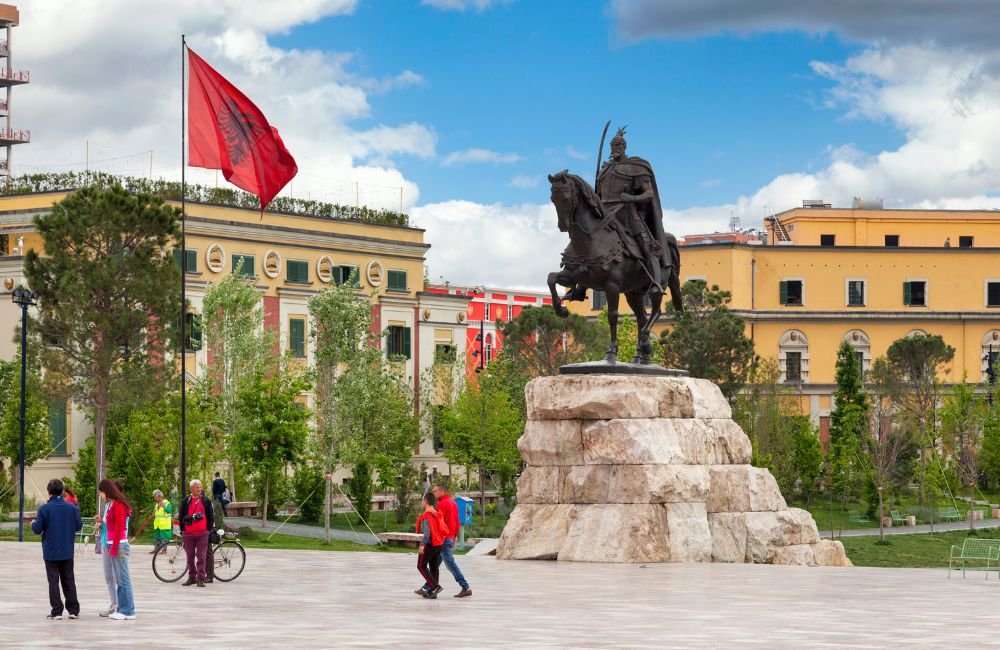
Tirana offers an interesting combination of history, food, architecture and modern city life.
According to Lonely Planet’s 2026 budget assessment, budget travellers can expect to spend approximately €35–€50 per day, depending on their accommodation and activities.
The city is also useful as a base for exploring other parts of Albania.
Things to do in Tirana
Consider exploring:
- Skanderbeg Square
- Tirana Lake
- The Pyramid of Tirana
- Pazari i Ri market
- Historic mosques and city streets
- Local restaurants and cafés
Walking through central Tirana can also be an inexpensive way to experience the city.
-
Skopje, North Macedonia
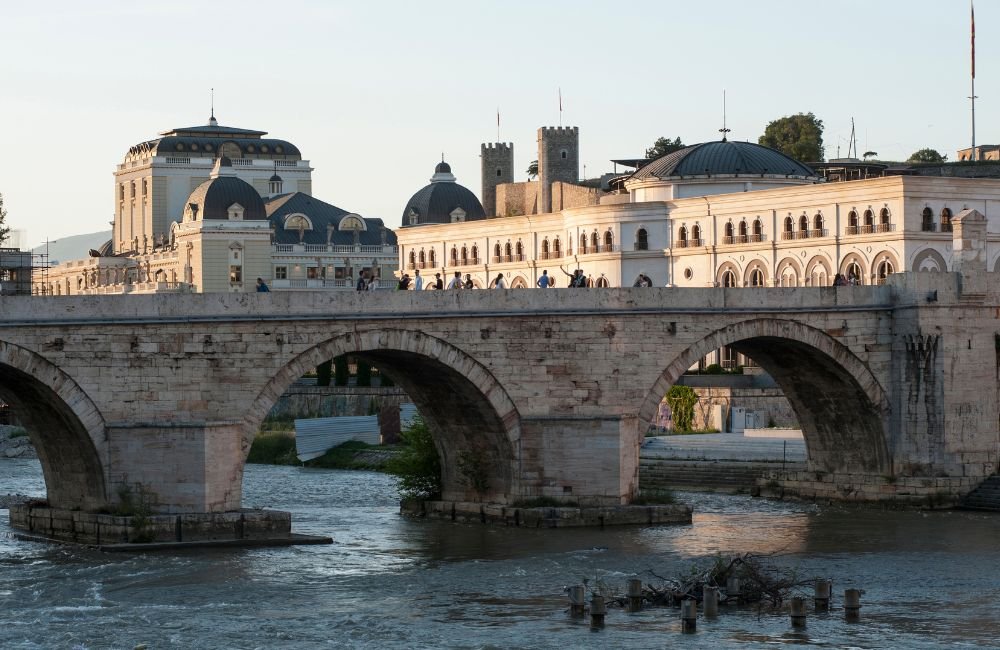
Skopje is another destination worth considering when looking for affordable European cities.
Lonely Planet’s 2026 estimates put a budget traveller’s daily spending at approximately €35–€45, depending on travel choices.
The city combines Ottoman-era architecture, historic monuments, museums and modern neighbourhoods.
Things to see in Skopje
Visitors can explore:
- Old Bazaar
- Stone Bridge
- Kale Fortress
- Macedonia Square
- Historic religious buildings
- Vardar River
Many of the city’s most enjoyable experiences involve simply walking through its historic districts.
-
Tbilisi, Georgia
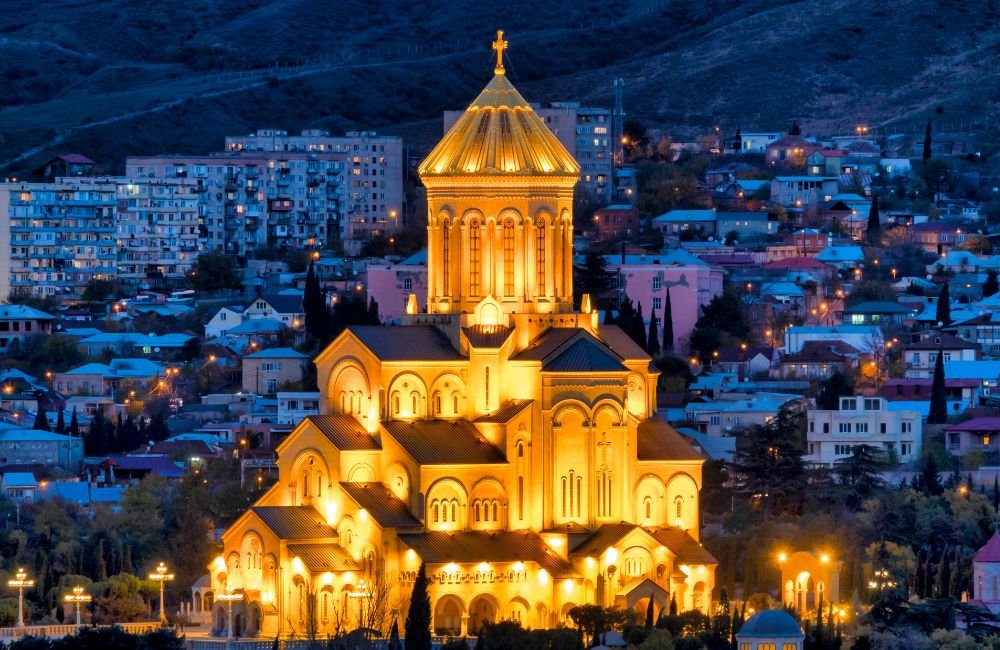
Tbilisi sits at the crossroads of Europe and Asia and offers an unusual mix of architecture, food, history and modern culture.
Lonely Planet includes Tbilisi among its 2026 budget destinations, with an estimated budget of around €35–€45 per day for budget travellers.
The city is particularly interesting for travellers who enjoy historic neighbourhoods and local cuisine.
Things to do in Tbilisi
You can explore:
- Old Tbilisi
- Narikala Fortress
- Sulphur bath district
- Dry Bridge Market
- Chronicles of Georgia
- Local cafés and restaurants
Georgia is geographically situated at the crossroads of Europe and Asia, so travellers may see Tbilisi included in both European and broader Caucasus travel lists.
-
Budapest, Hungary

Budapest may not be the absolute cheapest European capital, but it can offer excellent value when you plan carefully.
Lonely Planet’s 2026 guide estimates approximately €50–€65 per day for budget travellers.
The Hungarian capital is famous for its architecture, Danube views, thermal baths, markets and lively cultural scene.
Things to do in Budapest
Budget-conscious travellers can:
- Walk along the Danube
- Explore historic neighbourhoods
- Visit Margaret Island
- See the Hungarian Parliament from outside
- Explore local markets
- Discover Budapest’s famous ruin-bar district
Choosing inexpensive accommodation and eating at local cafés can help keep the overall cost under control.
-
Kraków, Poland
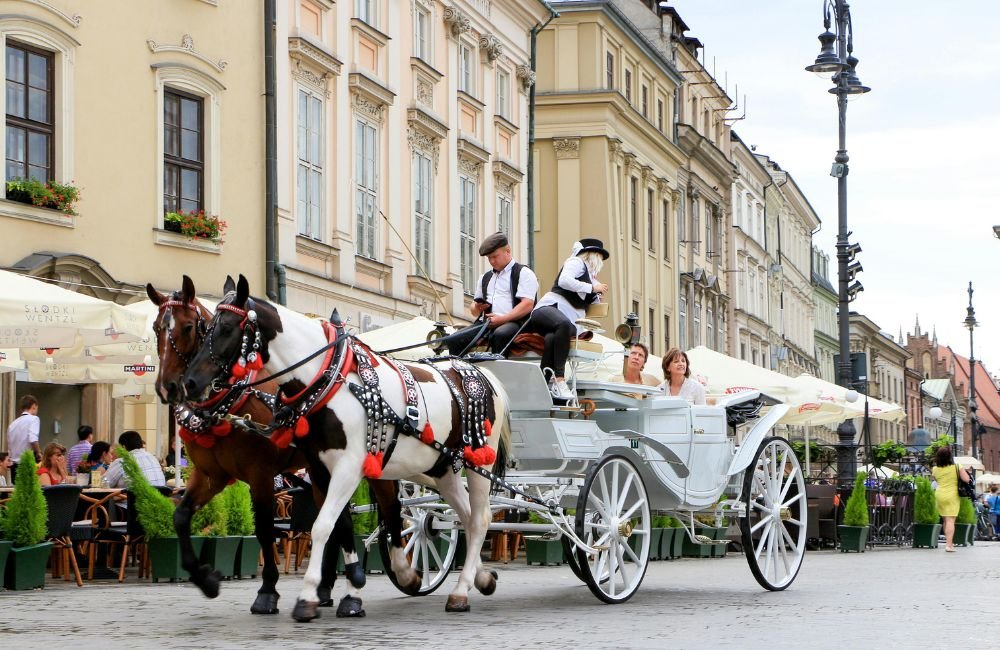
Kraków combines historic architecture, cultural attractions and a compact city centre that is easy to explore on foot.
Lonely Planet’s 2026 budget guide estimates approximately €45–€60 per day for budget travellers.
The city’s historic centre is particularly attractive for travellers who enjoy architecture and history.
Things to see in Kraków
Popular areas and attractions include:
- Rynek Główny
- Wawel Castle
- Kazimierz
- Planty Park
- Historic churches
- Local markets
Walking around Kraków’s historic centre is one of the easiest ways to enjoy the city without spending much money.
-
Porto, Portugal
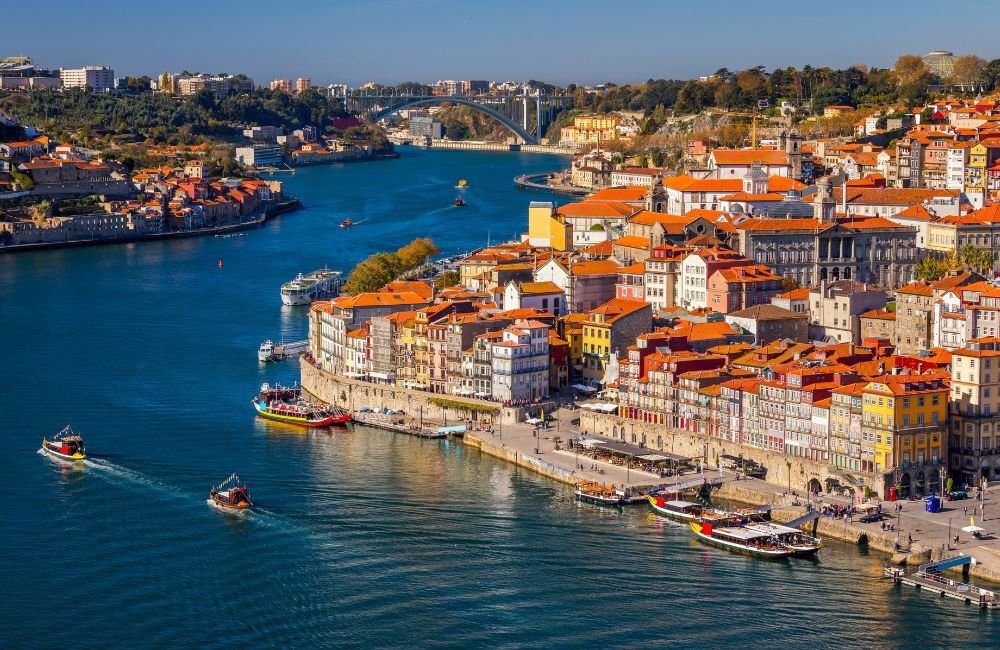
Portugal is not always associated with ultra-budget travel, but Porto can offer good value compared with some of Europe’s major tourist destinations.
Lonely Planet’s 2026 budget estimate places Porto at approximately €60–€75 per day for budget travellers.
Porto is known for its historic streets, tiled buildings, bridges and views over the Douro River.
Things to do in Porto
You can:
- Walk through the historic centre
- Visit São Bento railway station
- Explore the riverside
- See traditional tiled churches
- Walk across Dom Luís I Bridge
- Enjoy views from Jardim do Morro
The city’s walkability can also help reduce daily transportation expenses.
-
Ljubljana, Slovenia
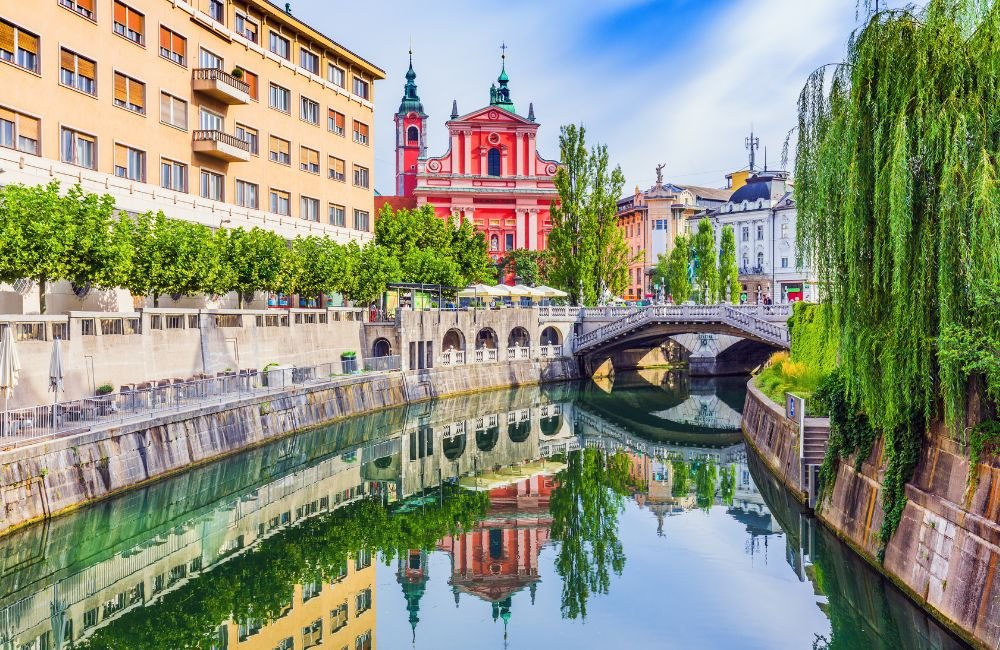
Ljubljana is a smaller European capital with a relaxed atmosphere and a compact historic centre.
Lonely Planet classifies it as a mid-budget destination in its 2026 guide, estimating approximately €70–€90 per day for a mid-budget traveller.
The city is particularly appealing to visitors who enjoy walking, architecture and outdoor spaces.
Things to do in Ljubljana
Consider visiting:
- Ljubljana Old Town
- Triple Bridge
- Dragon Bridge
- Ljubljana Castle
- Tivoli Park
- Central Market
- Ljubljanica River
Walking along the river and exploring the old town can provide an inexpensive way to experience the city.
-
Naples, Italy
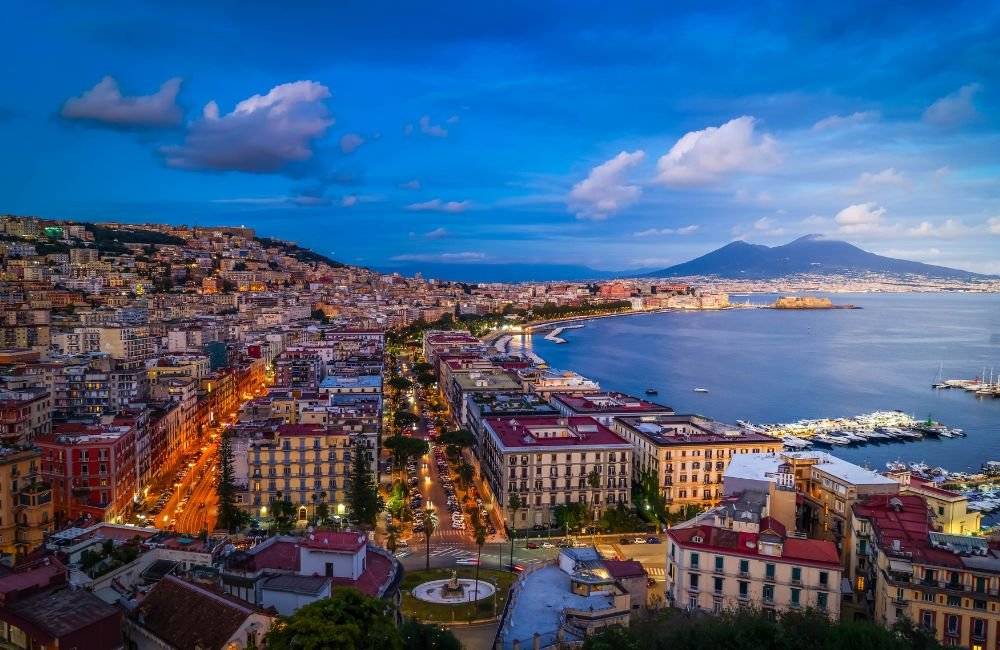
Italy is often considered expensive, but Naples can provide a different experience from Italy’s most costly tourist destinations.
Lonely Planet’s 2026 assessment places Naples in its mid-budget category at approximately €70–€95 per day.
Naples is particularly attractive to food lovers and travellers interested in history.
Things to do in Naples
Explore:
- Historic Naples
- Piazza del Plebiscito
- Spaccanapoli
- Naples waterfront
- Local markets
- Historic churches and museums
The city can also serve as a base for trips to attractions around the Bay of Naples, although excursions and transport should be included in your overall budget.
-
London, United Kingdom
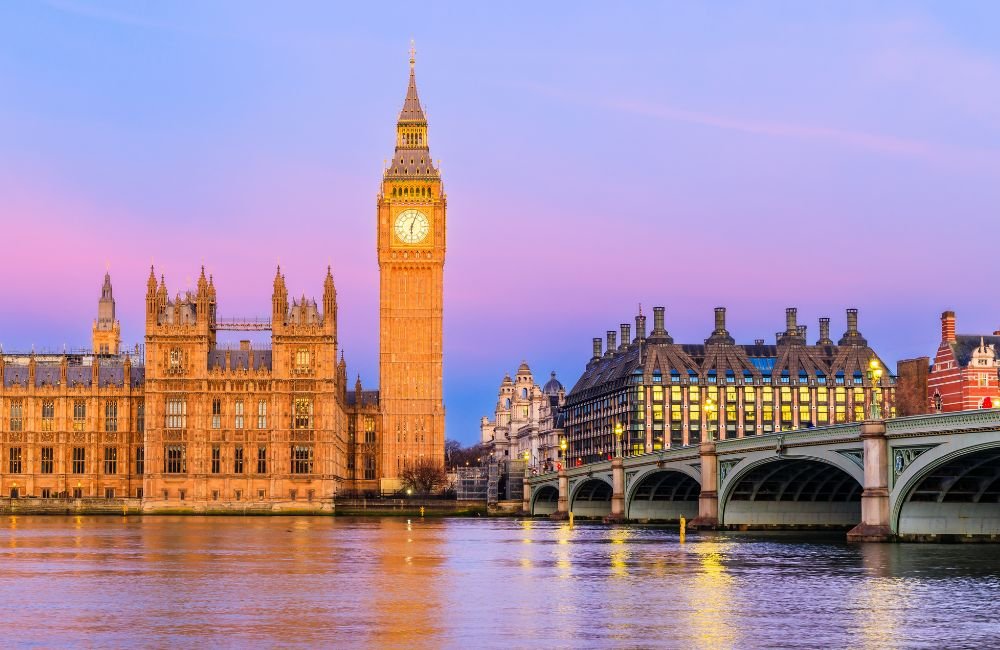
London may seem like an unusual addition to a list of affordable European destinations because accommodation can be expensive.
However, the city demonstrates an important principle of budget travel in Europe: a destination does not have to be cheap overall to offer inexpensive experiences.
Lonely Planet’s 2026 guide estimates €70–€120 per day for a mid-budget traveller and highlights London’s extensive collection of free museums, parks and public spaces.
Free Things to Do in London
Budget travellers can visit or explore many attractions without paying an admission fee, including:
- British Museum
- National Gallery
- Tate Modern
- Natural History Museum
- Hyde Park
- Greenwich
- Thames riverside walks
Choosing accommodation outside the most expensive central areas can also reduce costs.
What About Bucharest, Belgrade and Sarajevo?
Bucharest, Belgrade and Sarajevo have long appeared on lists of affordable European destinations, and they can still be worth considering when comparing travel costs.
However, “cheapest” is not a permanent label. Hotel rates, airline fares, restaurant prices, exchange rates and seasonal demand change continuously.
For that reason, travellers should compare current accommodation and transportation prices for their intended dates instead of relying on an old ranking.
What About Kyiv, Ukraine?
The original article described Kyiv as a budget-friendly European destination and recommended attractions including Saint Sophia Cathedral, Kyiv-Pechersk Lavra and museums.
The city’s cultural importance remains significant. UNESCO lists Kyiv: Saint-Sophia Cathedral and Related Monastic Buildings, Kyiv-Pechersk Lavra as a World Heritage property, recognising its outstanding architectural and cultural significance.
However, the travel situation has changed dramatically since the original article was published.
As of September 2026, the UK’s Foreign, Commonwealth & Development Office advises against all travel to Kyiv and most other regions of Ukraine. It reports ongoing missile and drone attacks, risks to civilian infrastructure and possible disruption to electricity, heating and water supplies.
The U.S. State Department also currently lists Ukraine at Level 4: Do Not Travel, citing the Russia-Ukraine war.
Therefore, Kyiv should not be presented as an ordinary budget-holiday recommendation in a current travel article. Anyone considering travel should consult their own government’s latest travel advisory, Ukrainian authorities and their insurer before making plans.
The situation can change quickly, so this section should be reviewed whenever the article is updated.
How to Make a European Holiday More Affordable
Choosing an affordable city is only part of the equation. Your travel habits can make an equally significant difference.
Travel During the Shoulder Season
July and August are popular months for European travel and can be considerably more expensive.
Lonely Planet’s 2026 budget research notes that summer peak-season prices can be 20–40% higher than shoulder-season prices in many destinations.
Consider travelling during:
- Spring
- Early summer
- September
- October
- Winter, where appropriate
Avoid major festivals and holiday periods if saving money is your priority.
Use Public Transportation
Public transport is often cheaper than taxis or private transfers.
Before arriving, investigate:
- Metro systems
- Local buses
- Trams
- Regional trains
- Airport public transport
- Multi-day travel passes
In compact cities, walking can be even better because it costs nothing and allows you to see more of the destination.
Look for Free Attractions
Some European cities have outstanding free attractions.
Parks, historic neighbourhoods, churches, public squares, markets and waterfronts can provide memorable experiences without expensive admission tickets.
Before travelling, make a list of free attractions and museums with free-entry periods.
Eat Like a Local
Eating at restaurants in the most heavily visited tourist areas can quickly increase your travel budget.
Instead, consider:
- Local cafés
- Bakeries
- Markets
- Food halls
- Supermarkets
- Casual restaurants
- Local lunch specials
A picnic from a local market can also be an inexpensive way to experience regional food.
Compare Accommodation Carefully
The cheapest room is not necessarily the cheapest accommodation overall.
A hotel far outside the city centre may have a lower nightly price but require expensive transport every day.
Compare the total cost, including:
- Room price
- Taxes and fees
- Breakfast
- Local transport
- Airport transfers
- Resort or city taxes
- Distance from major attractions
A slightly more expensive central accommodation can sometimes provide better overall value.
Plan Your European Budget Before Booking
Instead of setting an unrealistic daily target, create a simple travel budget.
Calculate:
Accommodation + Food + Transport + Attractions + Flights/Trains + Insurance + Extra Spending
Then compare destinations using the same categories.
This approach gives you a much more realistic picture than simply asking which city has the cheapest hotel.
When Is the Cheapest Time to Visit Europe?
There is no single cheapest month for every European destination.
Winter can be less expensive in many cities, although Christmas and New Year can produce significant price increases. Summer is generally more expensive in many popular destinations.
Shoulder seasons can provide a useful balance between lower prices and comfortable weather.
For a budget city break, compare prices for several dates before booking rather than choosing a destination solely because it has a reputation for being cheap.
Can You Visit Europe on a Small Daily Budget?
Yes, but your travel style matters.
A backpacker staying in a hostel, eating inexpensive meals and using public transportation can spend considerably less than a traveller staying in a private hotel and visiting several paid attractions every day.
Lonely Planet’s 2026 research suggests that a budget of around €40–€70 per day can work in several European destinations for travellers using hostel accommodation, local meals and public transportation, although costs vary considerably by city and season.
The figure should be treated as a planning guide rather than a fixed European travel price.
Final Thoughts on Affordable European Travel
The cheapest cities in Europe are not necessarily the cities with the lowest hotel rates.
The best-value destination is the one where accommodation, food, transportation and activities fit comfortably within your budget.
Sofia, Tirana, Skopje, Tbilisi, Budapest and Kraków are among the destinations highlighted in recent 2026 budget-travel research, while Porto, Ljubljana and Naples can offer good value with slightly higher budgets.
London also demonstrates that an expensive city can still be explored economically when travellers take advantage of free museums, parks and walking routes.
Most importantly, prices change. Compare current fares and accommodation for your travel dates, consider travelling outside peak periods and build your itinerary around affordable or free experiences.
With thoughtful planning, you can experience Europe’s architecture, history, food and culture without spending a fortune.
