
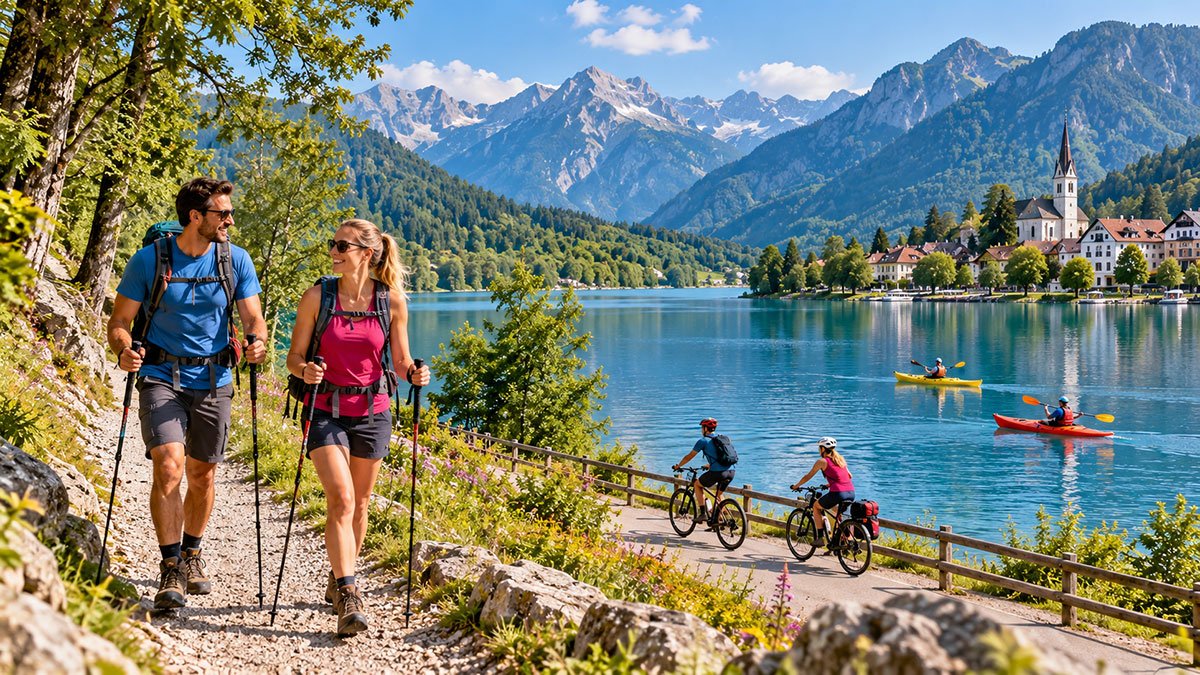
Activity holidays offer rewarding ways to explore the outdoors, from hiking scenic trails and cycling beside alpine lakes to kayaking across peaceful waters.
Activity Holidays: 6 Ways to Make Your Next Trip More Memorable
An activity holiday offers a different way to explore the world. Instead of spending most of your trip beside a swimming pool or moving from one attraction to another, you build your days around something you enjoy. You might cycle through the countryside, walk a coastal trail, learn a new skill, watch a major sporting event or explore a remote landscape by ship.
The best activity holidays do not have to involve extreme sports or demanding physical challenges. Some are relaxing and creative, while others require stamina, specialist equipment or careful preparation. The right choice depends on your interests, fitness, budget and the kind of experience you want from your time away.
Here are six ideas to consider, along with practical advice to help you choose and plan a rewarding trip.
1. Explore a Region on a Self-Guided Cycling Holiday

A cycling holiday allows you to experience a destination at a slower pace. You can travel through villages, stop at local cafés, discover quiet landscapes and explore places that may be easy to miss when travelling by car or coach.
Self-guided cycling tours are particularly appealing to travellers who want independence without organising every detail themselves. Depending on the package, an operator may arrange accommodation, provide route instructions, transfer luggage between overnight stops or offer support if a problem occurs. These services vary, so check exactly what is included before booking.
You can also organise an independent trip using cycle routes, maps and local transport information. Europe’s EuroVelo network, for example, provides long-distance routes and a route planner that helps cyclists investigate route conditions and development status.
How to choose the right cycling trip
Start with the level of riding you can comfortably manage. A route that looks short on a map may include steep climbs, rough surfaces or long stretches without services. Check daily distances, elevation, road conditions and the availability of food, accommodation and repair facilities.
Before confirming your trip, consider:
- Route difficulty: Look at distance, elevation gain, surface quality and traffic exposure.
- Luggage arrangements: Decide whether you will carry your own bags or use a luggage-transfer service.
- Bicycle and equipment: Check whether bicycle hire, helmets, repair kits and other essentials are included.
- Daily flexibility: Leave enough time for meals, sightseeing and unexpected delays.
- Weather and season: Research the usual conditions and check local forecasts before riding.
A cycling holiday does not need to cover a whole country. A few well-planned days along a river, coastline or rural route can offer a satisfying experience without turning the trip into an endurance test.
2. Volunteer Abroad Through a Responsible Project
Volunteer travel can offer opportunities to learn about a destination while contributing to a project that addresses a genuine local need. Depending on your skills and the organisation’s priorities, activities may involve environmental conservation, community initiatives, research support or other forms of practical assistance.
However, volunteering abroad requires more care than simply choosing a project with attractive photographs and an appealing itinerary. A responsible programme should benefit the host community, respect local knowledge and provide suitable supervision and support.
How to choose a worthwhile volunteer programme

Research the organisation before committing money or travel time. Check whether it is properly registered where required, how long it has operated, who leads the local project and how it measures outcomes. Ask how your role fits into the wider programme and whether local staff have identified the work as a priority.
You should also understand what the fee covers. Accommodation, meals, transport, training, insurance and emergency support may be included in different ways.
Be especially careful with programmes involving children or vulnerable people. Short-term visitors without relevant qualifications can create safeguarding problems, even when they intend to help. Avoid projects that offer casual access to children in residential care facilities or treat vulnerable people as attractions for visitors. Prefer programmes with clear safeguarding standards, appropriate qualifications and a demonstrated commitment to community needs.
Volunteering can be meaningful, but it is not automatically beneficial simply because a traveller pays to participate. Look for evidence of responsible, locally informed work rather than promises of an instant transformation.
3. Build a Holiday Around a Sporting Event

For sports fans, a major competition can provide the focus for an unforgettable trip. You might travel to watch a football match, attend a tennis tournament, follow a cycling race, experience a motorsport weekend or participate in a road race of your own.
The event can also become the starting point for a wider holiday. Add a few days to explore the host city, visit nearby attractions or travel through the surrounding region before returning home.
Plan the event and the trip together
Begin with the event’s official website. Check the confirmed schedule, ticket-sale arrangements, venue access requirements and any restrictions that affect visitors. Use official or authorised ticket sellers and read the terms carefully before purchasing.
Accommodation and transport can be more difficult to arrange around popular events. Compare locations near the venue with those that offer reliable public transport, and leave enough time to travel on event days.
If you are attending an outdoor event, check the venue’s rules on bags, weather protection, food, drinks and permitted equipment. For races or events held across a region, review the route and local transport arrangements rather than assuming that every viewing point is easy to reach.
Avoid building an entire itinerary around an unconfirmed timetable. If you can, allow some flexibility for schedule changes and consider booking accommodation with suitable cancellation terms.
Whether you attend as a spectator or take part yourself, a sporting holiday can combine your favourite activity with the chance to discover somewhere new.
4. Discover Remote Landscapes on a Small-Ship or Expedition Cruise
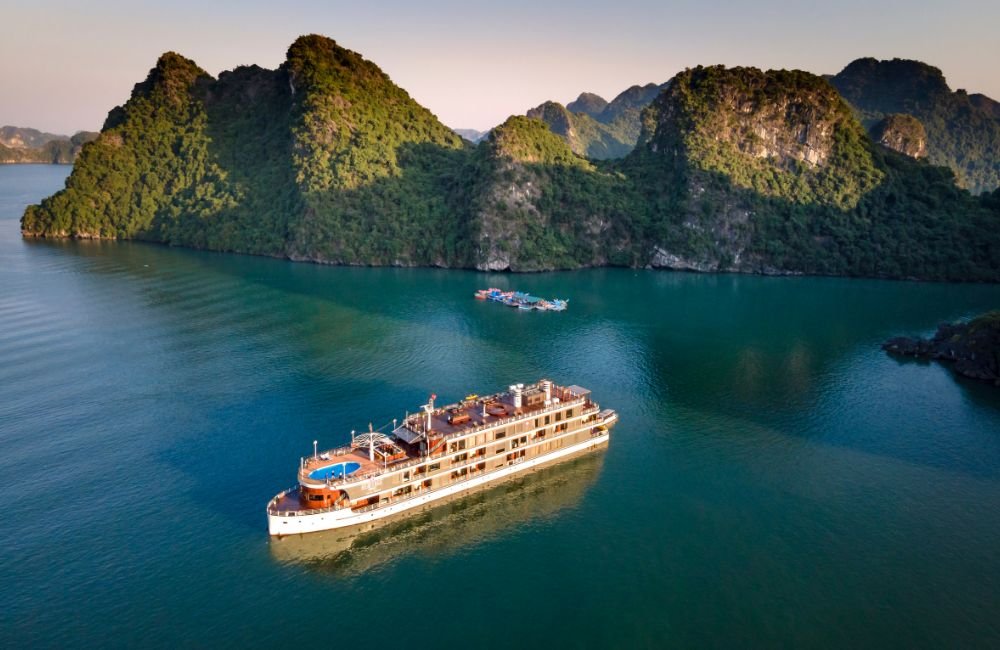
A cruise can offer a different perspective on a destination, particularly when the route passes through fjords, island groups, rivers or remote coastal regions. Small-ship and expedition cruises may also include guided walks, kayaking, wildlife observation or shore excursions, depending on the destination and itinerary.
Unlike a conventional city-based holiday, an expedition voyage can bring travellers close to landscapes that are difficult to reach independently. That does not mean every cruise offers shore landings or close encounters with wildlife. Weather, local regulations, conservation requirements and the operator’s itinerary can all affect what is possible.
Choose a cruise that matches your interests
Look beyond photographs of the ship and scenery. Read the day-by-day itinerary and check which excursions are included, which cost extra and whether the planned activities require particular levels of mobility or fitness.
For wildlife-focused trips, ask how the operator manages visitor numbers, follows local rules and minimises disturbance to animals and sensitive environments. In protected destinations, use authorised operators and follow the guidance provided by park authorities or expedition leaders.
Antarctic travel, for instance, involves specific environmental and visitor guidance. Travellers should prepare for severe and changeable weather, follow instructions from trained expedition staff and maintain safe distances from wildlife.
Also compare cabin arrangements, time at sea, accessibility, seasickness considerations, travel insurance and cancellation conditions. Remote expeditions may have different practical and emergency-support requirements from a short coastal cruise.
A well-chosen cruise can combine travel, learning and outdoor activities, but it is important to understand what the trip actually involves before booking.
5. Take Your Favourite Hobby on Holiday
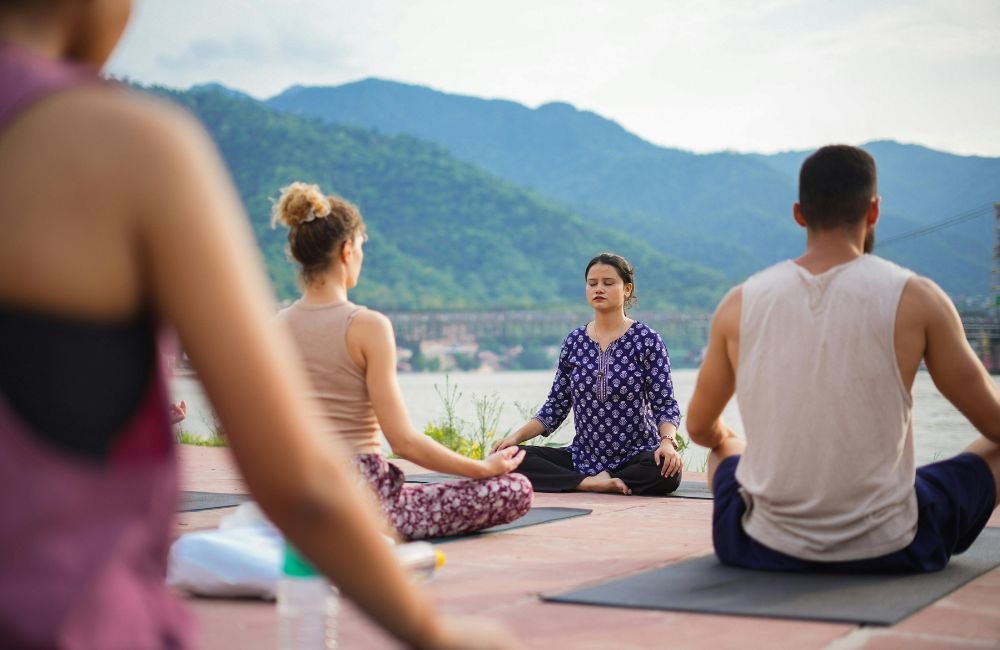
An activity holiday can be built around a hobby you already enjoy or a skill you have always wanted to learn. These trips can be less physically demanding than adventure sports while still giving each day a clear purpose.
Options include:
- Yoga and wellness retreats: Combine guided sessions with time for relaxation, gentle walks or local exploration.
- Painting and photography breaks: Learn techniques while working in landscapes, cities or historic settings.
- Cooking holidays: Explore local ingredients and food traditions through practical classes.
- Language and cultural courses: Improve your language skills while discovering daily life in another country.
- Outdoor interests: Join organised birdwatching, wildlife photography, fishing or nature-observation trips where permitted.
- Sports and martial arts: Take part in structured training sessions or workshops with qualified instructors.
The format varies considerably. Some trips follow a full timetable with daily instruction, while others leave plenty of free time for independent exploration.
Before booking, check the instructor’s experience, group size, class level, equipment requirements and any additional fees. If the activity requires particular clothing, specialist gear or prior experience, confirm those details in advance.
Think about the atmosphere you want, too. A small creative workshop may suit someone seeking personal attention, while a larger group trip may appeal to travellers who enjoy meeting people with similar interests.
The key is to choose a programme that genuinely fits your goals. A holiday should leave room to enjoy the destination, not just move from one scheduled session to another.
6. Discover a Destination on Foot
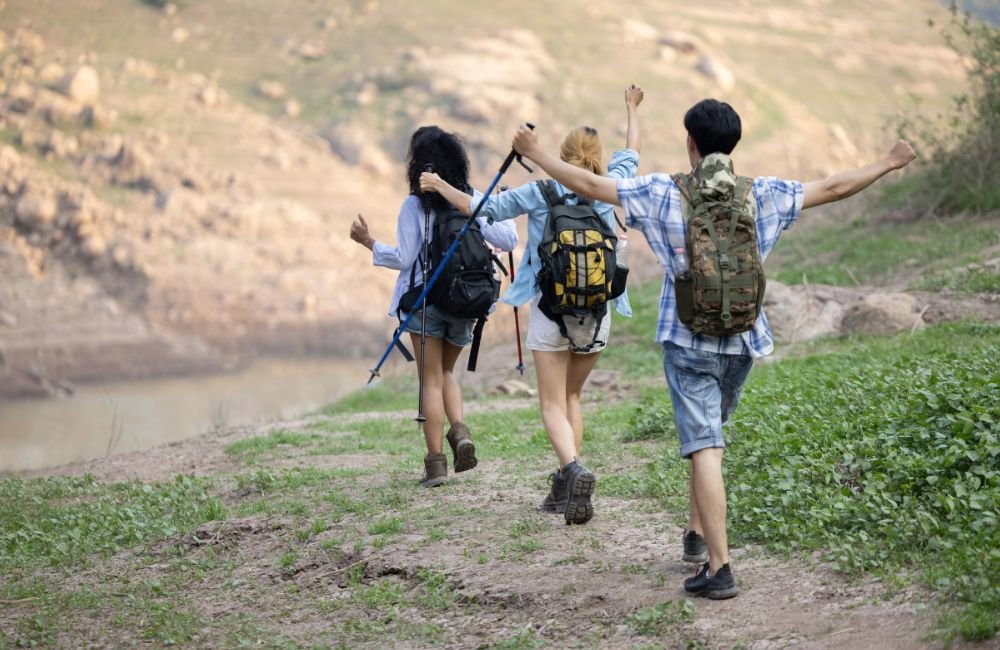
Walking holidays range from gentle countryside rambles and coastal paths to multi-day mountain treks. They are a useful option for travellers who want to see landscapes at close range, spend time outdoors and explore places beyond busy tourist centres.
A walking trip can be as relaxed or demanding as you choose. You might stay in one town and take day walks, book a guided walking tour or travel between overnight stops on a long-distance trail.
Match the route to your ability
Do not judge a walk by distance alone. Elevation, terrain, weather, altitude and the amount of daylight available can change how difficult a route feels. A short mountain trail may be more demanding than a longer walk through a level valley.
Before setting out, check official trail information and local conditions. Choose suitable footwear and clothing, carry enough water and food, and take a map or dependable navigation tool. Tell someone your plans when heading into remote terrain, and understand what to do if conditions deteriorate.
For challenging mountains, remote routes or unfamiliar environments, consider a qualified local guide. Check whether permits, advance reservations or access restrictions apply to the trail you plan to use.
Leave space in your itinerary for rest days and weather changes. Do not continue simply to meet a schedule if the conditions or your fitness make the route unsafe.
Walking holidays can provide opportunities to discover local communities, food and heritage as well as scenery. On a good route, the stops along the way can be just as memorable as the final viewpoint.
How to Choose the Right Activity Holiday
The best trip is not necessarily the most adventurous or physically challenging. It is the one that fits your interests, time, budget and comfort level.
Ask yourself a few practical questions before choosing:
How active do you want to be? Decide whether you prefer a gentle schedule, a daily physical challenge or a combination of activity and relaxation.
How much planning do you want to do? Guided tours and organised packages can reduce the amount of research required. Independent trips offer more flexibility but leave you responsible for routes, bookings and contingencies.
What is included in the price? Compare accommodation, meals, equipment, transfers, guides, excursions and any mandatory local fees. A lower headline price may not represent the lower overall cost.
What season suits the activity? Weather, daylight, local holidays, trail conditions and event schedules can affect your experience. Check destination-specific information rather than relying on general seasonal assumptions.
Will you need specialist insurance? Ordinary travel policies do not always cover every sport, expedition or rescue cost. Confirm cover for the activities you plan to undertake, including any relevant altitude limits, equipment conditions and medical evacuation requirements.
Does the trip operate responsibly? Look for clear safety practices, qualified staff where appropriate, respect for local communities and credible environmental standards.
A little preparation can prevent avoidable surprises and help you get more from the time you have away.
Practical Planning Tips Before You Book
Once you have chosen an activity, review the details carefully before paying a deposit.
- Check the operator. Research its track record, qualifications, safety arrangements and cancellation policy.
- Read the itinerary. Confirm how much time is spent on the activity, how demanding each day will be and whether there are rest periods.
- Review entry and permit requirements. Check official government and destination sources for visas, activity permits, restricted areas or booking requirements.
- Prepare your equipment. Confirm what is supplied, what you must bring and whether rented equipment is suitable for your needs.
- Check insurance exclusions. Read the actual policy wording and verify cover for the planned activity, location and level of risk.
- Keep plans flexible where necessary. Weather, transport disruptions, event schedules and conservation rules can affect activities, particularly in remote or protected areas.
- Respect the places you visit. Follow marked routes, avoid disturbing wildlife, minimise waste and observe local customs and rules.
For international trips, review official travel advice close to departure. Conditions and entry requirements can change, so avoid relying solely on information from old blog posts or third-party booking pages.
Make Your Next Holiday More Than a Change of Scenery
Activity holidays offer plenty of ways to travel with purpose, whether you want to improve a skill, explore a landscape, support a responsible community project or follow a sport you love. You do not need to choose an extreme adventure to make a trip memorable.
Start with an activity that interests you, select a suitable destination and check the practical details before committing. With realistic planning and responsible choices, your holiday can deliver new experiences while leaving you time to enjoy the journey itself.
