
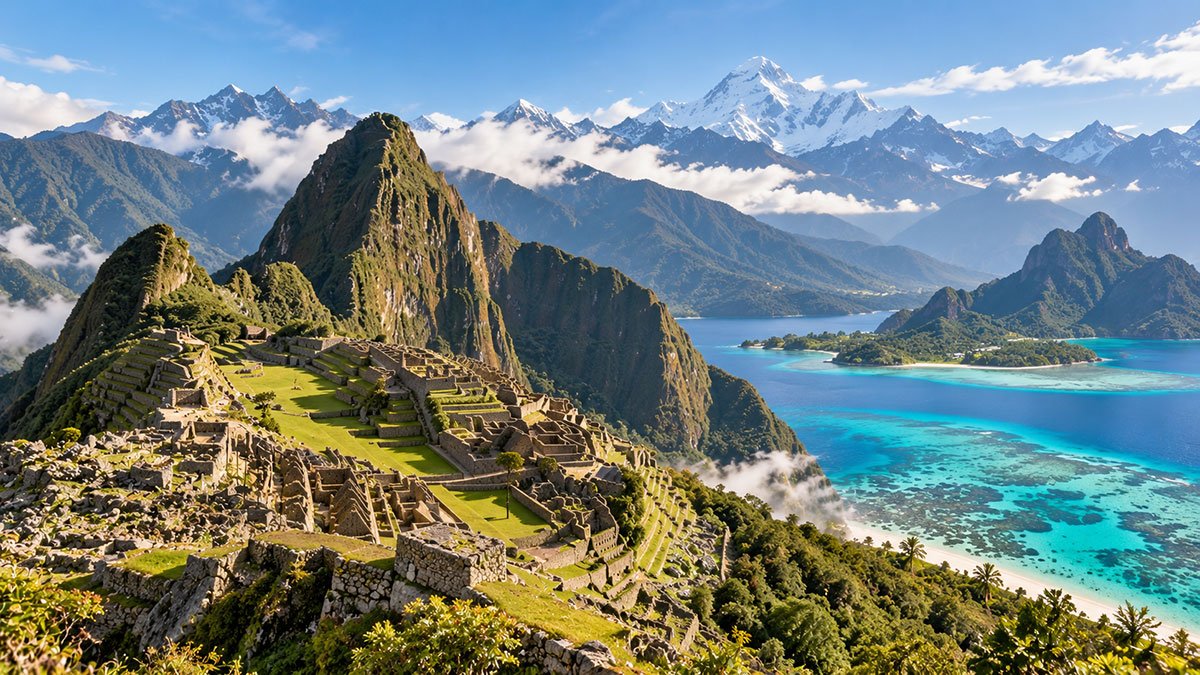
Discover the world’s most extraordinary landscapes, from ancient Inca ruins and majestic snow-capped mountains to turquoise tropical lagoons and vibrant coral reefs. Let these remarkable destinations inspire your next round-the-world adventure.
Must-See Destinations Around the World: 7 Bucket-List Wonders
A round-the-world trip gives you the chance to experience places that rarely fit into a short holiday. You could explore an ancient Inca city high in the Andes, walk beneath the Himalayas, follow Beijing’s imperial history, snorkel over coral reefs or unwind beside a turquoise lagoon in the South Pacific.
The best itinerary is not simply a list of famous landmarks. It balances culture, nature, travel time and recovery days, while allowing for local conditions to change. Some attractions require advance tickets or permits; others involve altitude, long transfers or sensitive natural environments. A few destinations also need careful review of current government travel advice before you book.
Here are seven remarkable places to consider, along with practical planning tips to help make a longer international journey more rewarding.
1. Machu Picchu, Peru: An Inca City in the Andes
Machu Picchu is one of the world’s best-known archaeological sites. Stone terraces, ceremonial structures and residential remains sit among steep green mountains, creating a striking example of Inca engineering and landscape design. The Historic Sanctuary also protects important natural habitats, so a visit combines cultural history with remarkable scenery.
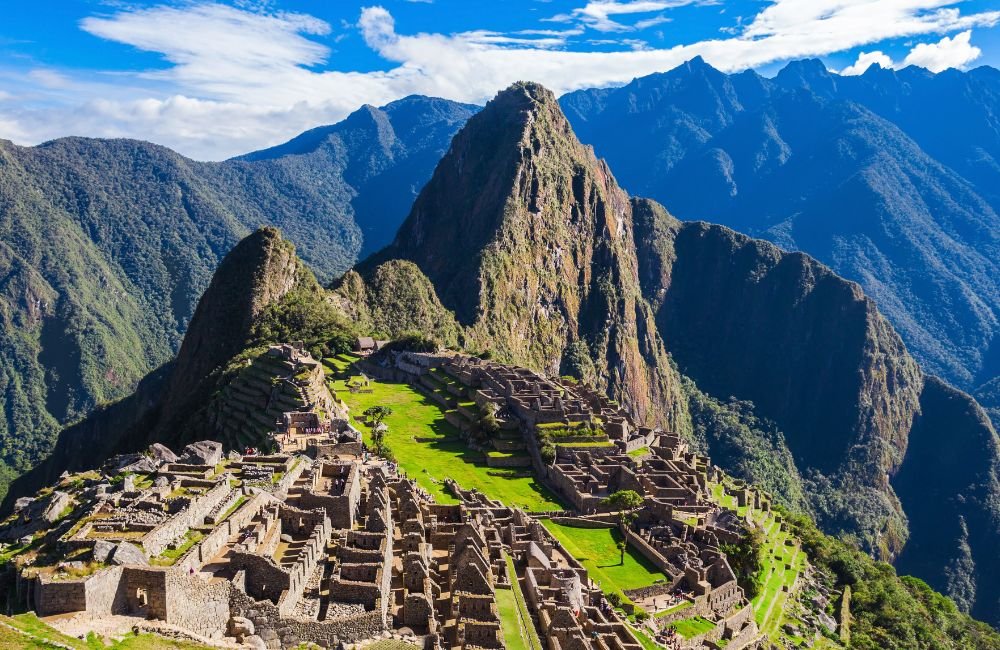
How to plan your visit
Entry is managed through designated circuits and routes, with timed admission. Buy tickets through Peru’s official Ministry of Culture ticketing platform, and choose the circuit, date and time that fit your plans. Demand can be high, so arrange entry before finalizing the rest of your itinerary.
Most visitors travel via Cusco and the Sacred Valley, then continue by train and local transport to Machu Picchu Pueblo before reaching the site. Check each leg separately and leave enough time for connections. Protests, weather or transport disruptions can occasionally affect access to the region, so monitor local announcements close to departure.
Cusco sits at high altitude. Give yourself time to acclimatize before strenuous activity, drink water, and speak with a medical professional if you have concerns about altitude-related illness.
Best for: Archaeology, Andean landscapes, hiking and cultural travel.
Official information: Machu Picchu — Official Ticket Platform
2. Everest Base Camp, Nepal: Himalayan Scenery and a Serious Trek
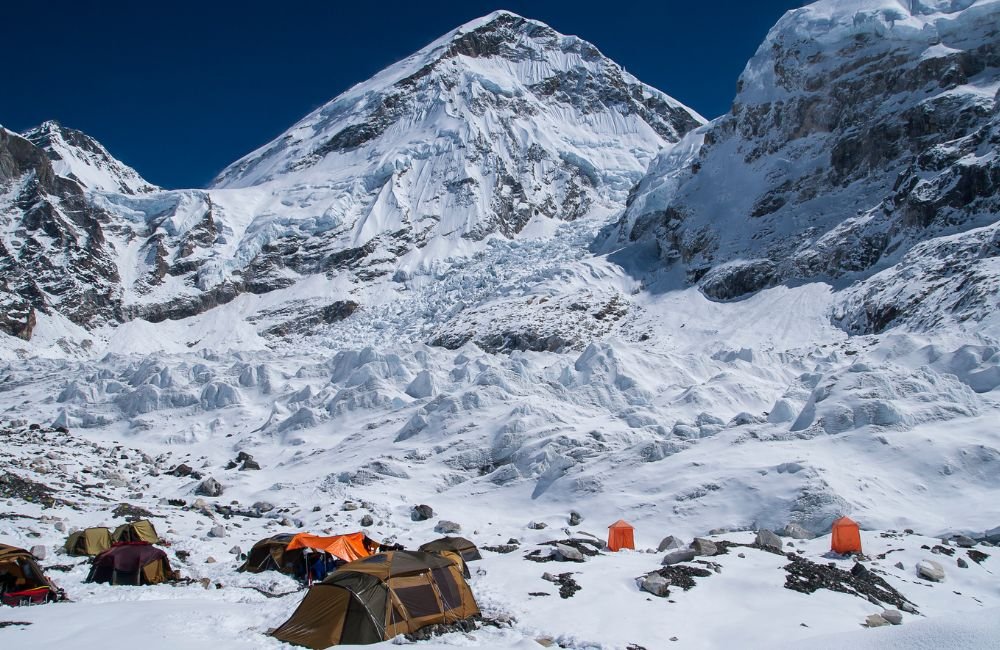
You do not need to climb Mount Everest to experience the Himalayas. The trek to Everest Base Camp passes through mountain villages, suspension bridges, Buddhist monasteries and high-altitude valleys, with changing views of some of the world’s most dramatic peaks.
This is a demanding trekking journey, not a casual sightseeing excursion. High altitude, cold, weather changes and the remoteness of the route make preparation essential. Even fit travelers can develop altitude sickness, so a sensible itinerary needs gradual acclimatization and flexibility.
Prepare before you go
Use an experienced trekking company and follow current permit and guide requirements. Nepal Tourism Board guidance lists the Everest Base Camp route among the trekking areas where foreign trekkers must use a licensed guide and carry the required trekking documentation. Confirm current requirements with the tourism board or your operator before travel, as rules can change.
Pack suitable layers, waterproof protection, broken-in boots, sun protection and any personal medication. Choose insurance that specifically covers high-altitude trekking and emergency evacuation. Allow contingency days for weather or transport delays, including changes affecting flights or road transfers.
Best for: Experienced walkers, mountain scenery and travelers who want a challenging journey with cultural encounters.
Official information: Nepal Tourism Board — Trekking Information Management System
3. Beijing, China: Imperial History and the Great Wall
Beijing combines a modern capital with important historic landmarks. The Palace Museum, housed in the former Forbidden City, offers an introduction to imperial China through its courtyards, halls, collections and architecture. Tiananmen Square and the city’s temples and parks provide other perspectives on the capital’s history.
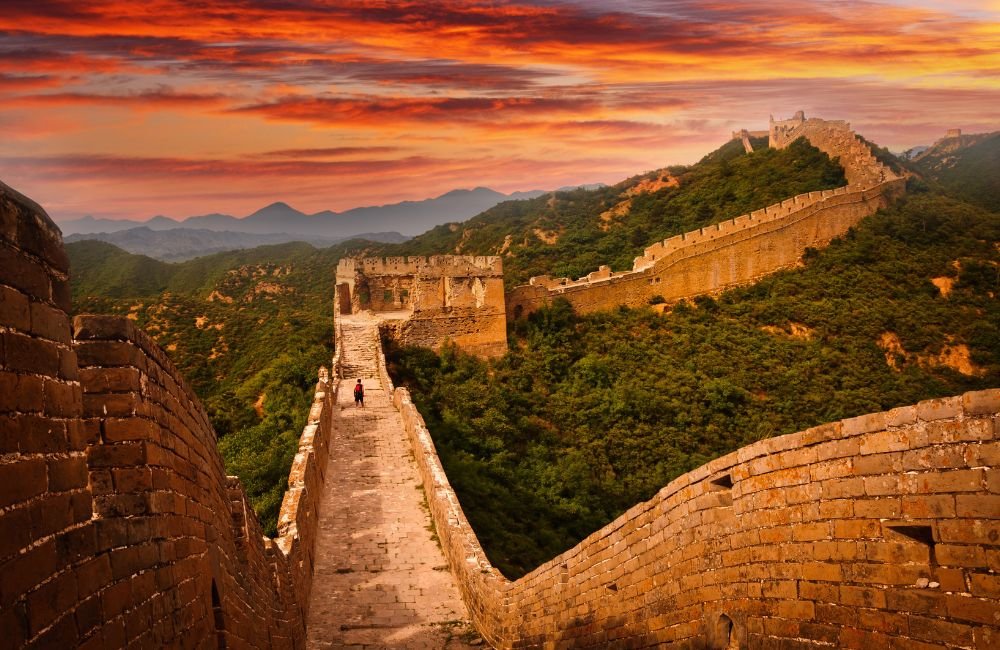
A visit to the Great Wall adds a very different experience. The Wall is not one single visitor attraction: different sections have different settings, walking conditions, facilities and ticket arrangements. Choose the section that suits your fitness, transport options and interest in restored or more rugged stretches.
Booking and practical details
The Palace Museum uses real-name reservations, and visitors should book through the official channel and bring the original travel document used for the reservation. Foreign visitors can use a passport for booking. Check the museum’s current visitor notices, entry arrangements and closing days before setting a date.
For the Great Wall, check the official guidance for the specific section you intend to visit rather than assuming that every site follows the same booking rules. China’s entry requirements depend on passport nationality, trip purpose and length of stay, so verify them with official authorities before buying non-refundable tickets. Review your own government’s travel advice as well.
Best for: History, architecture, museums, food and a mix of city exploration and day trips.
Official information: Palace Museum Ticket Booking | Beijing Government — Badaling Great Wall
4. The Great Barrier Reef, Australia: A Living Underwater World
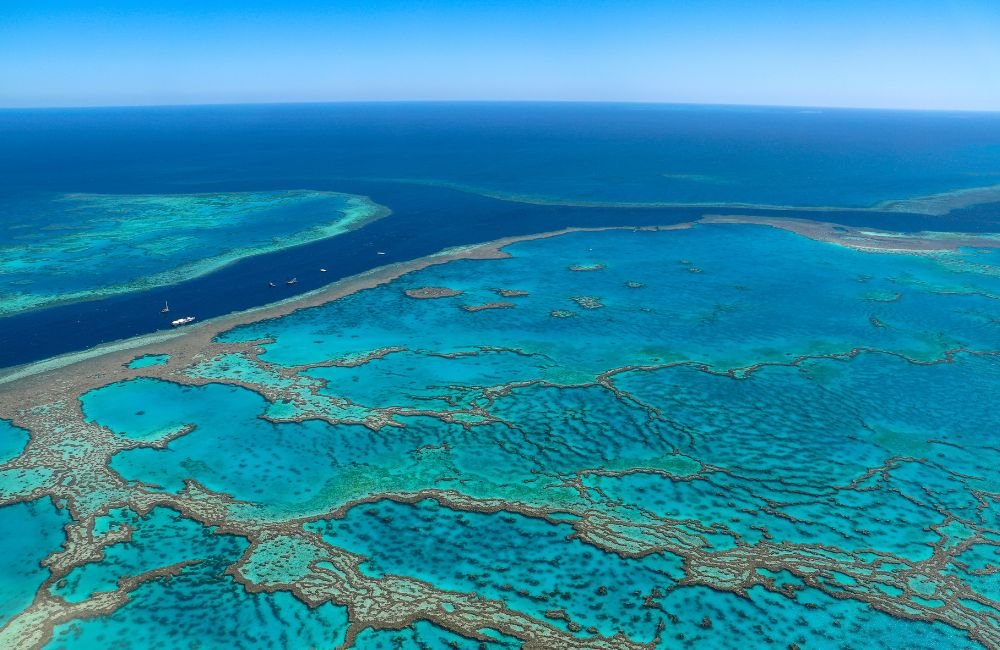
Off Queensland’s northeast coast, the Great Barrier Reef is a vast marine ecosystem with coral reefs, fish, turtles, seabirds and many other forms of life. Snorkelling, scuba diving, sailing and boat excursions offer different ways to experience it. Cairns and the Whitsundays are among the established bases for reef trips, although the best departure point depends on the reef location and tour you choose.
The reef is a living and changing environment, not an underwater attraction that looks identical everywhere. The Australian Institute of Marine Science’s 2025–26 monitoring report recorded early signs of recovery in some regional coral-cover measures after major bleaching impacts, while conditions continued to differ between regions. Check local conditions and operator updates rather than assuming every reef site has the same health or visibility.
Visit responsibly
Choose a permitted, reputable operator that explains reef-safe practices. Follow crew instructions, avoid touching coral or wildlife, and use designated moorings where applicable. If you are prone to seasickness, ask the operator about expected conditions and suitable preparation. Diving requires appropriate certification or training; beginner options should include proper instruction and supervision.
Best for: Snorkelling, diving, marine wildlife and island excursions.
Official information: Great Barrier Reef Marine Park Authority — Planning Your Visit
5. Moscow, Russia: Architecture and Cultural Heritage—with a Major Travel Caution
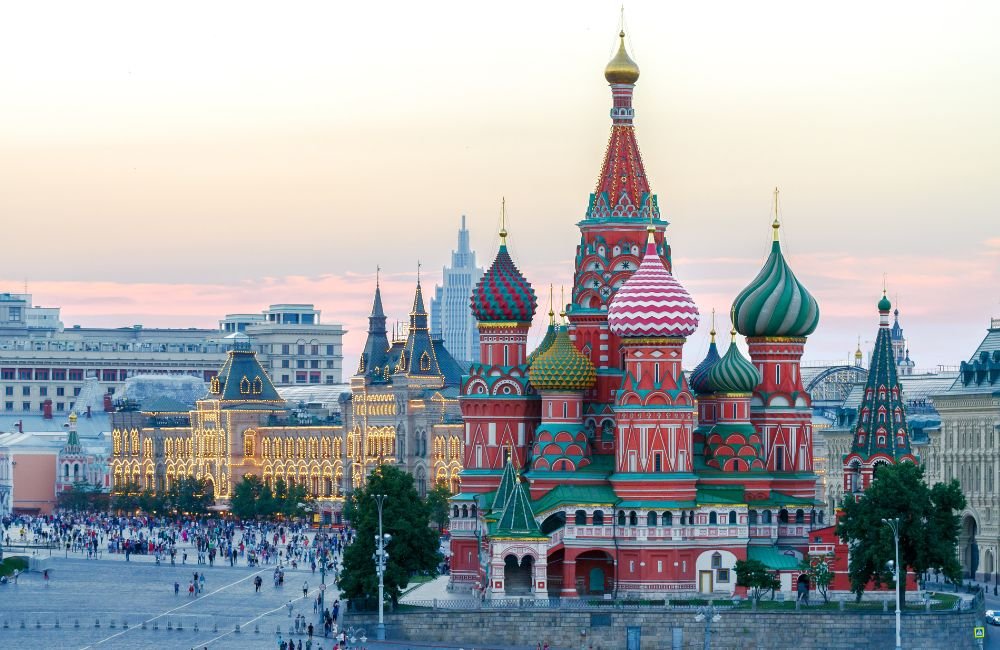
Moscow’s historic centre includes Red Square, the Kremlin complex, St Basil’s Cathedral and major museums and theatres. The city’s architecture reflects several periods of Russian history, and its metro stations are also known for their distinctive designs.
However, current travel conditions must be taken seriously. As of October 2026, the UK Foreign, Commonwealth & Development Office advises against all travel to Russia, citing security risks, possible drone-related incidents, disruption to flights and limited consular support. Australia’s Smartraveller service also advises against travel. These advisories are nationality-specific and can change, but they mean Moscow should not be treated as a straightforward booking recommendation at present.
Before considering travel, read the current advice issued by your own government, check whether your travel insurance would remain valid, and understand the practical implications for flights, payments and emergency assistance. Do not rely on an old itinerary or third-party assurances about safety.
Best for: Cultural and architectural interest for future planning, subject to current official travel advice.
Official information: UK Government — Russia Travel Advice | Australian Smartraveller — Russia
6. Bora Bora, French Polynesia: A Lagoon Framed by Volcanic Peaks
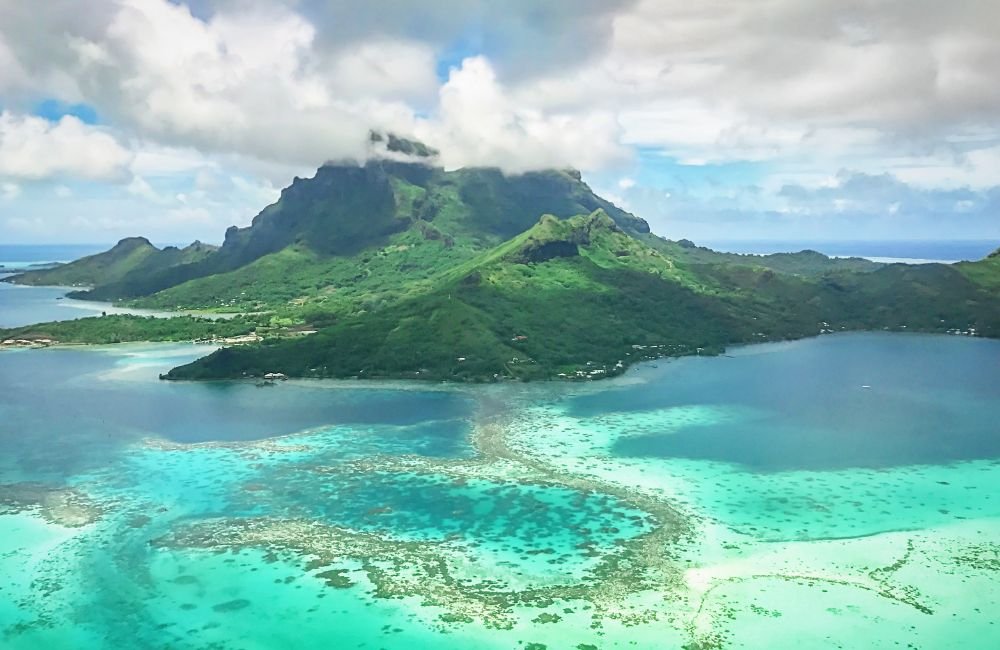
Bora Bora is a volcanic island in French Polynesia’s Society Islands, surrounded by a turquoise lagoon and a protective reef. Mount Otemanu rises above the island, while smaller motu—low islets around the lagoon—offer beaches and views across the water.
Visitors come for lagoon excursions, snorkelling, diving, paddleboarding and relaxed time by the sea. Boat trips can reveal parts of the lagoon that are harder to reach from shore, but choose operators who follow marine-life protection guidance and keep appropriate distances from wildlife.
Getting there and around
Most international itineraries connect through Tahiti before taking a domestic flight to Bora Bora. The flight from Tahiti takes about 50 minutes, according to Tahiti Tourisme, but your total journey will depend on your international connection and onward transfers. Check flight schedules, inter-island connections and accommodation transfers together before booking.
Bora Bora can be expensive compared with many city breaks, especially if you choose overwater accommodation or multiple guided excursions. Compare guesthouses and other accommodation types, and include transfers, meals and activities in the overall budget.
Best for: Lagoon scenery, watersports, honeymoons and a quieter island escape.
Official information: Tahiti Tourisme — Bora Bora
7. The Great Pyramid of Giza, Egypt: A Monument of Ancient Civilization
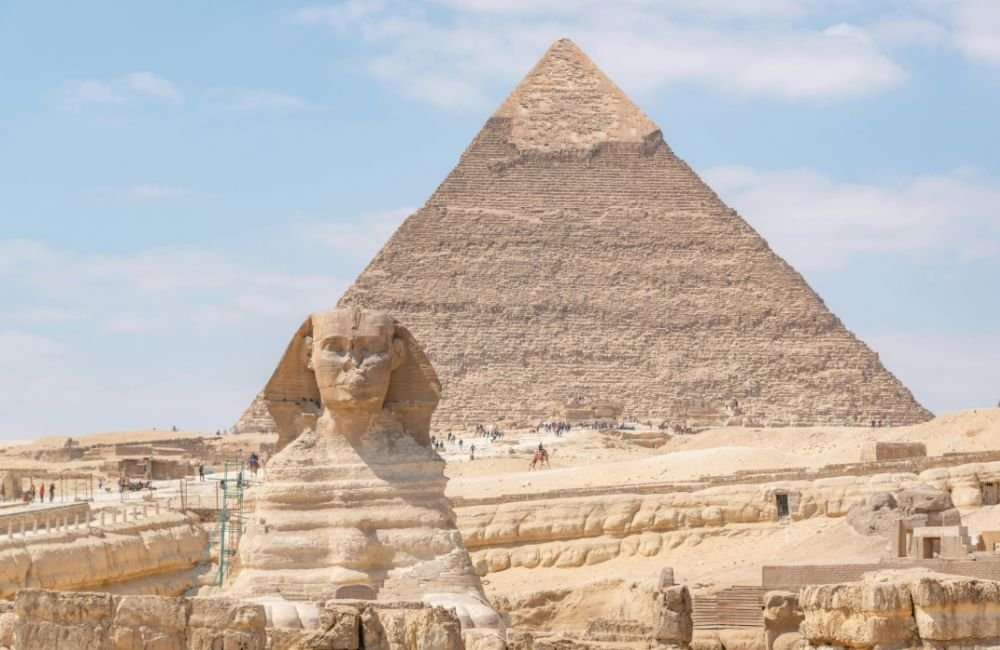
The Great Pyramid of Khufu stands on the Giza Plateau on the outskirts of Cairo. Built more than 4,500 years ago, it is the only surviving monument of the Seven Wonders of the Ancient World. The wider archaeological area includes other pyramids, tombs and the Great Sphinx, making it a major destination for travelers interested in ancient Egypt.
Give yourself time to understand the plateau as a larger archaeological landscape rather than treating the Great Pyramid as an isolated structure. The scale of the monuments and the site’s long history are easier to appreciate when you explore the setting and its associated remains.
Tickets and preparation
The plateau’s general admission ticket does not necessarily include entry to the interior of the Great Pyramid or other restricted monuments. Check Egypt’s Ministry of Tourism and Antiquities website for current ticket options, opening arrangements and any additional charges before visiting. Conditions and rules may change, so avoid relying on old prices or informal sellers.
The site can be hot and exposed, with limited shade in some areas. Wear comfortable shoes, bring sun protection and water where allowed, and follow site staff instructions. Check your government’s current travel advice for Egypt and the Cairo-Giza area before travelling, as advisories can differ by region and nationality.
Best for: Ancient history, archaeology, architecture and first-time visits to Egypt.
Official information: Egyptian Ministry of Tourism and Antiquities — Giza Plateau | The Great Pyramid
How to Plan a Round-the-World Trip
These destinations span several regions, and fitting them into one itinerary takes more planning than booking a sequence of flights. Choose the places that genuinely interest you and allow time to enjoy each one rather than treating every stop as a quick photo opportunity.
Build a practical route
- Group destinations by region where possible, and compare the cost and time of each connection.
- Check seasonal weather before deciding on travel order. Tropical marine conditions, Himalayan trekking seasons and Andean weather can affect what you can do.
- Allow buffer days for long-haul flights, transfers, weather disruptions and rest.
- Research entry requirements and transit rules for every passport you will use.
- Arrange tickets and permits for capacity-controlled attractions before finalizing all other bookings.
- Buy travel insurance that covers the actual activities, including trekking altitude, diving or other adventure sports where relevant.
Balance landmark visits with local experiences
Famous sites are often the starting point rather than the whole trip. Include time for local food, neighbourhood walks, regional museums, markets and conversations with local guides. These experiences can make a long journey more memorable and help distribute spending beyond the busiest attractions.
Travel with care
Respect local customs and heritage rules. Choose responsible wildlife and reef operators, avoid touching fragile archaeological structures, and follow restrictions at protected sites. Before each leg, check official travel advisories and local transport notices; conditions that were suitable when you planned your route may change before you arrive.
Make Your Own World Travel Bucket List
A memorable round-the-world journey is not measured by how many countries you pass through. Machu Picchu offers a glimpse of Inca engineering, Everest Base Camp brings travelers into a high-altitude Himalayan landscape, Beijing layers imperial history with modern city life, and the Great Barrier Reef reveals the complexity of a living marine ecosystem. Bora Bora offers a slower island pace, while the Giza Plateau connects visitors with one of humanity’s most enduring architectural achievements.
Moscow’s cultural landmarks remain important to its identity, but current official travel warnings make careful risk assessment essential before anyone considers a visit. For every destination, check official ticketing and travel guidance close to departure, and leave room in your itinerary for unexpected changes.
The best bucket-list trip is one that balances wonder with preparation—and gives each place enough time to make a lasting impression.
