
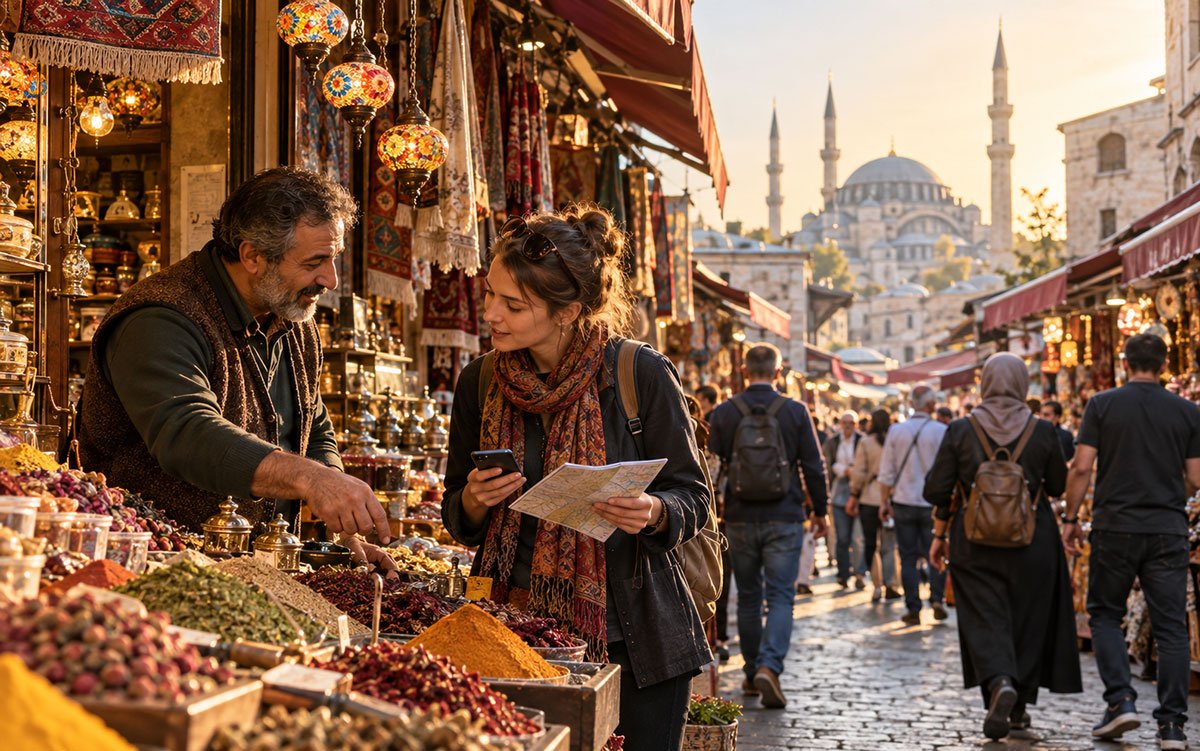
Discovering new cultures becomes easier with patience, curiosity and practical preparation.
Culture Shock While Traveling: How to Adapt Abroad
International travel introduces you to unfamiliar places, new traditions and different ways of life. These experiences can be fascinating, but they can also test your patience. A delayed train, an unexpected language barrier or a confusing local custom may turn an otherwise enjoyable day into a frustrating one.
Culture shock while traveling is a common response to being outside your familiar environment. Even experienced travellers can feel overwhelmed when everyday activities require more effort than usual.
The solution is not to ignore every inconvenience or force yourself to remain positive. Instead, learn to recognise cultural differences, prepare for common challenges and respond thoughtfully when something goes wrong.
With a little flexibility, cultural awareness and practical preparation, you can spend less time worrying about unexpected situations and more time discovering what makes a destination worth visiting.
What Is Culture Shock While Traveling?
Culture shock describes the discomfort, confusion or emotional stress that people may experience when they encounter unfamiliar cultural practices and surroundings.
It can affect someone visiting another country for a few days, studying abroad or relocating for an extended period.
You might feel comfortable exploring a historic attraction but struggle to complete a simple everyday task. Buying a train ticket, ordering food or asking for directions can suddenly require unfamiliar words, gestures or procedures.
According to the US Centers for Disease Control and Prevention (CDC), culture shock can affect travellers’ mood, energy, sleep and attitudes towards their surroundings.
Common signs of culture shock
Culture shock does not look the same for everyone. Some travellers experience mild irritation, while others find it harder to adjust.
Common reactions include:
- Feeling unusually impatient with minor inconveniences.
- Becoming frustrated when people cannot understand you.
- Missing familiar food, routines or personal comforts.
- Feeling isolated because of language differences.
- Comparing everything unfavourably with your home country.
- Feeling mentally exhausted after navigating unfamiliar surroundings.
- Becoming reluctant to explore new places or interact with others.
These reactions do not necessarily mean that you dislike the destination.
Sometimes, you simply need time to understand how things work and become comfortable in a new environment.
1. Prepare for Cultural Differences Before Departure
One of the most effective ways to reduce culture shock is to learn about your destination before leaving home.
You do not need to become an expert in local history or social customs. However, a basic understanding of everyday expectations can prevent unnecessary misunderstandings.
Research local etiquette
Cultural expectations can vary considerably between countries, regions and communities.
Before departure, learn about:
- Greetings: Whether people commonly shake hands, bow or use another form of greeting.
- Clothing: Appropriate dress for religious sites, traditional communities and public spaces.
- Dining etiquette: Local customs around sharing food, using utensils and paying bills.
- Tipping: Whether service charges, gratuities or other practices are customary.
- Personal space: How people generally approach physical contact and conversation.
- Photography: Places where taking photographs may be restricted or considered disrespectful.
- Religious practices: Behaviour expected at places of worship and during important observances.
Avoid assuming that everyone in a country follows identical traditions. Social expectations may differ between urban and rural areas, generations and individual communities.
Official tourism information and destination-specific government advice can provide a useful starting point.
Learn a few everyday phrases
You do not need to speak the local language fluently to communicate respectfully.
Start with useful expressions such as:
- Hello and goodbye.
- Please and thank you.
- Excuse me.
- How much does this cost?
- Where is the nearest station?
- Can you help me?
- I do not understand.
Learning a few words can make everyday interactions more comfortable.
A translation app can help with unfamiliar expressions. However, automated translations are not always reliable, particularly for complex questions or sensitive situations.
For important matters involving medical treatment, legal issues or official procedures, seek qualified language assistance when necessary.
2. Keep Things in Perspective When Problems Arise
Travel rarely follows an itinerary perfectly.
You might miss a bus, encounter unexpected weather or spend longer than planned finding your accommodation.
These situations can be irritating, especially when you are tired or unfamiliar with the destination.
However, your response often determines whether a minor inconvenience becomes the defining memory of your day.
Separate inconvenience from serious problems
Before reacting, ask yourself three questions:
- Is this situation merely inconvenient, or does it involve a genuine risk?
- Can I do something practical to improve it?
- Will this problem significantly affect my trip tomorrow?
Suppose your train arrives later than expected.
Rather than spending the entire journey complaining, check whether you need to change a connection, notify your accommodation or adjust your plans.
If the delay causes no significant consequences, consider using the extra time to rest or reorganise your itinerary.
However, if you miss an essential connection or incur substantial additional expenses, take appropriate action. Contact the transport operator, review the booking conditions and keep the documentation you may need.
Maintaining perspective does not mean pretending that every problem is insignificant.
It means responding according to the seriousness of the situation.
3. Replace Immediate Judgement With Curiosity
One of the most rewarding aspects of international travel is discovering that everyday life does not follow the same patterns everywhere.
Yet unfamiliar habits can sometimes feel inconvenient or even unreasonable.
You may encounter different approaches to punctuality, personal interaction, customer service or the pace of daily life.
Rather than immediately deciding that something is wrong, consider whether you are experiencing a cultural difference.
Ask why something works differently
Imagine visiting a destination where smaller businesses close for part of the afternoon.
If you expected uninterrupted opening hours, the situation might initially feel inconvenient.
However, the schedule may reflect local working patterns, climate conditions, religious observances or other community practices.
Understanding the reason can help you adjust your plans.
The same approach applies to dining customs, market behaviour and social interactions.
Ask respectful questions when appropriate. Local residents, accommodation staff and knowledgeable guides can often explain practices that seem unfamiliar.
Curiosity encourages understanding, while assumptions can create unnecessary frustration.
At the same time, avoid treating one person’s behaviour as representative of an entire country or culture.
4. Learn to Handle Unexpected Travel Expenses
Money can become a significant source of frustration abroad.
Unfamiliar currencies, different payment practices and unclear pricing can make it difficult to judge whether you are receiving fair value.
In some destinations, bargaining is part of normal market transactions. Elsewhere, prices are fixed, and negotiating may be unusual.
Understanding these differences can help you avoid uncomfortable exchanges.
Check prices before agreeing
Before paying for a taxi, tour or service:
- Check the approximate cost using reliable local information.
- Ask whether the quoted price includes taxes and mandatory charges.
- Confirm whether a taxi uses a meter or an agreed fare.
- Use authorised transport operators or reputable ride-hailing services where available.
- Understand local bargaining customs before negotiating.
- Keep receipts for substantial purchases and payments.
A misunderstanding over a small purchase may not deserve prolonged frustration. However, that does not mean you should accept deliberate deception.
Know when to walk away
If a seller changes the agreed price, introduces unexplained charges or pressures you into paying, remain calm and assess your options.
You can decline a purchase, ask for a clear explanation or seek assistance from a reputable business or local authority.
Avoid escalating an argument over money when doing so might place you at risk.
Remember that pricing practices vary between businesses and destinations. Do not assume that an entire community behaves dishonestly because of one negative experience.
Fairness and respect should work in both directions.
5. Stay Flexible When Travel Plans Change
An itinerary provides structure, but too much rigidity can make international travel unnecessarily stressful.
Flights may be delayed. Attractions may close unexpectedly. Weather can interfere with outdoor activities, while transport disruptions may affect several parts of a journey.
Travellers who leave room for adjustment often find it easier to manage these situations.
Build flexibility into your schedule
Avoid planning every hour of your holiday around fixed commitments.
Instead:
- Allow reasonable time between important transport connections.
- Keep alternative activities in mind for poor weather.
- Check official transport information before long journeys.
- Confirm essential bookings and reservations.
- Avoid making too many non-refundable arrangements.
- Keep some money available for unexpected expenses.
It also helps to identify which experiences matter most.
If visiting a particular museum is the main reason for your trip, prioritise it rather than filling the day with less important activities.
Accept what you cannot control
Suppose heavy rain interrupts a planned walking tour.
You might choose to visit an indoor attraction, enjoy a leisurely meal or rearrange your sightseeing.
Sometimes, the alternative becomes one of the most enjoyable parts of a journey.
Flexibility does not guarantee that everything will work out perfectly. It simply gives you more options when circumstances change.
6. Communicate Patiently Across Language Barriers
Language differences can make ordinary conversations surprisingly difficult.
You may struggle to explain dietary requirements, clarify a hotel reservation or understand public-transport instructions.
Repeated misunderstandings can be frustrating for both travellers and local residents.
Make communication easier
Speak clearly and use simple expressions rather than complicated sentences or unfamiliar slang.
If someone does not understand you, try rephrasing your question instead of repeating the same words more loudly.
Written addresses, maps and translation tools can also help.
For example, showing the name and address of your accommodation may be more effective than attempting to pronounce an unfamiliar street name.
When asking for directions, confirm the destination on a map if possible.
If the information seems uncertain, seek clarification from an official information desk, transport employee or another reliable source.
Remember that communication works both ways
People who do not speak your language are not being unhelpful simply because they cannot understand you.
Similarly, you should not feel embarrassed about having limited language skills.
A patient attitude can make interactions more comfortable for everyone involved.
However, when information concerns allergies, medical treatment, personal safety or other important matters, do not rely on guesswork.
Seek reliable clarification before proceeding.
7. Protect Your Wellbeing During International Travel
Culture shock can become harder to manage when you are physically exhausted.
Long journeys, disrupted sleep, unfamiliar food and demanding itineraries can all increase stress.
You may find yourself reacting strongly to situations that would barely bother you at home.
The CDC and UK travel-health authorities emphasise the importance of rest, nutrition, preparation and maintaining supportive connections while abroad.
Make time for ordinary routines
Travelling does not require you to explore continuously from morning until night.
Consider the following habits:
- Get enough sleep, particularly after long-distance flights.
- Eat regular meals and drink enough fluids.
- Allow time to rest between demanding activities.
- Include familiar activities when you need a break.
- Stay in touch with trusted family members or friends.
- Keep essential medication accessible and follow your prescribed routine.
- Avoid relying on excessive alcohol to manage stress.
If you are travelling for several weeks, try maintaining a few simple routines.
A familiar breakfast, short walk or quiet evening may provide a welcome sense of stability.
Give yourself permission to slow down
You do not need to visit every famous attraction or try every unfamiliar activity.
Sometimes, sitting in a quiet café, returning to your accommodation early or spending an afternoon without plans is the best decision.
A slower schedule can help you appreciate a destination instead of feeling constantly pressured to experience more.
8. Understand That Respect Does Not Mean Accepting Unsafe Behaviour
Adapting to another culture requires openness, but it should never mean ignoring your safety or personal boundaries.
There is an important difference between encountering an unfamiliar custom and experiencing threatening, discriminatory or dishonest behaviour.
You can respect local traditions while still declining unwanted attention or challenging a legitimate problem.
Respond appropriately when something is wrong
Consider the following situations.
Your accommodation is significantly different from the booking description.
Document the problem, contact the property and request a reasonable solution. If necessary, raise the issue with the booking platform and review the applicable terms.
A taxi driver demands an unexplained additional payment.
Avoid a confrontation that could become unsafe. Seek assistance through the transport company, your accommodation or local authorities when appropriate.
Someone makes you uncomfortable or ignores your refusal.
You do not need to continue the interaction to appear polite. Move to a safer location and request help if necessary.
A person pressures you into an unfamiliar activity.
You can decline without providing an elaborate explanation.
You encounter a serious safety threat or criminal incident.
Prioritise your immediate safety, contact local emergency services and inform your embassy or consulate when appropriate.
Cultural sensitivity should help travellers make informed decisions, not discourage them from protecting themselves.
9. Appreciate the Opportunity Without Dismissing Your Feelings
International travel can provide a valuable perspective on the world.
You may discover communities with different traditions, learn about unfamiliar histories and develop a deeper appreciation for everyday experiences.
At times, you may also recognise how much your own assumptions are shaped by the place where you grew up.
This awareness can make travel more meaningful.
However, gratitude should not become another expectation that places pressure on you.
You can appreciate the opportunity to visit another country while acknowledging that some parts of the journey are tiring, disappointing or difficult.
Focus on meaningful experiences
Instead of judging a destination by how smoothly everything operates, consider what you have learned.
Perhaps you discovered an unfamiliar regional dish, enjoyed a conversation despite a language barrier or found an interesting neighbourhood after taking an unexpected detour.
You may have learned to navigate public transport independently or approach a situation with greater patience.
These experiences can be rewarding even when they were not part of your original plans.
Respectful travel also involves recognising that local communities are not simply part of a visitor’s experience.
Treat residents, workers, traditions and public spaces with consideration. Ask permission when appropriate and avoid reducing complex cultures to stereotypes.
10. Know When to Seek Additional Support
Occasional frustration and homesickness are common while travelling. However, persistent distress deserves attention.
If anxiety, low mood, sleep problems or other difficulties begin to interfere significantly with everyday functioning, consider seeking professional support.
This is particularly important if you have an existing health condition that requires ongoing treatment.
Before departure, identify suitable medical services at your destination and check whether your travel insurance covers your needs.
If you are travelling with prescribed medication, verify that it is permitted at your destination and plan how you will maintain your treatment.
If you need urgent assistance abroad, contact the appropriate local emergency service. Your embassy or consulate may also provide information about available support.
You do not have to manage every problem independently simply because you are travelling.
A Practical Checklist for Handling Culture Shock Abroad
Before leaving for your next international trip, consider this simple preparation checklist:
- Research the destination’s customs, etiquette and important local laws.
- Learn basic greetings and everyday expressions.
- Check official travel advisories and entry requirements.
- Save your accommodation address and essential contacts.
- Arrange a reliable way to communicate and navigate.
- Understand local payment methods and transport options.
- Keep a realistic budget and emergency reserve.
- Arrange appropriate travel insurance.
- Allow flexibility in your itinerary.
- Plan enough time for sleep, meals and rest.
- Know how to request assistance if something goes wrong.
These preparations will not eliminate every challenge, but they can reduce avoidable stress and help you respond more confidently.
Frequently Asked Questions About Culture Shock
Is culture shock normal during international travel?
Yes. Many travellers experience some discomfort when adapting to unfamiliar languages, customs, environments or routines. Culture shock can affect both first-time visitors and experienced international travellers.
The intensity varies depending on the person, destination and circumstances.
How long does culture shock last?
There is no fixed timetable.
Some travellers become more comfortable after a short adjustment period, while others continue to experience difficulties during longer stays.
Preparation, rest, supportive relationships and gradual familiarity can make the adjustment easier. Seek professional advice if distress becomes persistent or significantly affects daily life.
What is the best way to overcome culture shock while traveling?
Start by understanding the destination’s customs and maintaining realistic expectations.
When problems arise, distinguish between minor inconveniences and situations that require action. Communicate patiently, keep your itinerary flexible and take care of your physical and mental wellbeing.
Most importantly, remain curious without ignoring genuine concerns.
Can experienced travellers still experience culture shock?
Absolutely. Familiarity with one country does not guarantee an easy adjustment to another.
Even experienced travellers may struggle with new languages, unfamiliar regulations, different social expectations or the exhaustion of a demanding journey.
Previous experience can provide useful coping skills, but it does not eliminate every challenge.
What should I do if I feel overwhelmed abroad?
Start by reducing immediate demands where possible.
Find a comfortable place to rest, eat or drink something, and contact someone you trust. Review your plans and remove unnecessary activities.
If the feeling continues or interferes with your ability to function, seek appropriate professional support.
Final Thoughts
Experiencing a different culture is one of the greatest opportunities that international travel offers. It can also expose you to uncertainty, misunderstandings and situations that require more patience than expected.
The most rewarding journeys are not necessarily those without difficulties. Often, they are the ones where you learn to respond thoughtfully, adapt to unfamiliar circumstances and appreciate perspectives beyond your own.
Prepare carefully, stay open to new experiences and recognise when a problem deserves practical action.
Above all, remember that travelling abroad is not about finding a place where everything works exactly as it does at home. It is about discovering how people live differently while developing the confidence to navigate an unfamiliar world.
