

Bali Travel Guide: An Island Full of Scenic Splendors
Bali is an island unlike any other destination in the world. Located in Indonesia, this tropical paradise is famous for its beautiful beaches, lush rice terraces, sacred temples, traditional arts, dramatic landscapes, and vibrant cultural traditions.
Often called the Island of the Gods, Bali combines natural beauty with a living cultural heritage. Travelers can spend their days surfing on the coast, exploring mountain villages, walking through rice fields, visiting ancient temples, enjoying traditional performances, or discovering the island’s diverse culinary scene. Bali’s cultural landscape is so significant that its traditional subak irrigation system and associated temples are recognized as a UNESCO World Heritage property.
Bali also offers a wide range of accommodation, from affordable guesthouses and boutique hotels to luxury resorts. Whether you are planning a relaxing beach holiday, a cultural escape, a romantic getaway, or an adventure-filled trip, Bali has plenty to explore.
The People and Culture of Bali
One of the most memorable aspects of a Bali holiday is the island’s culture.
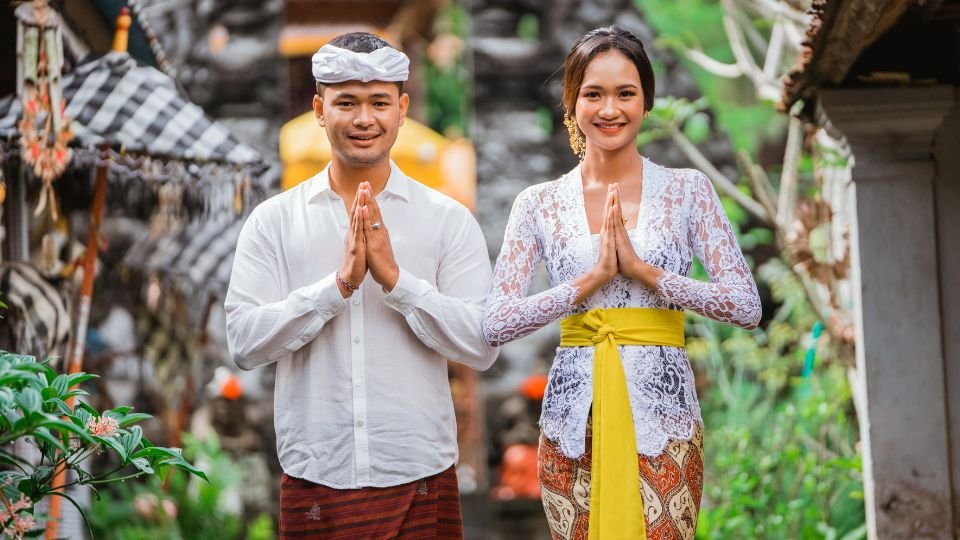
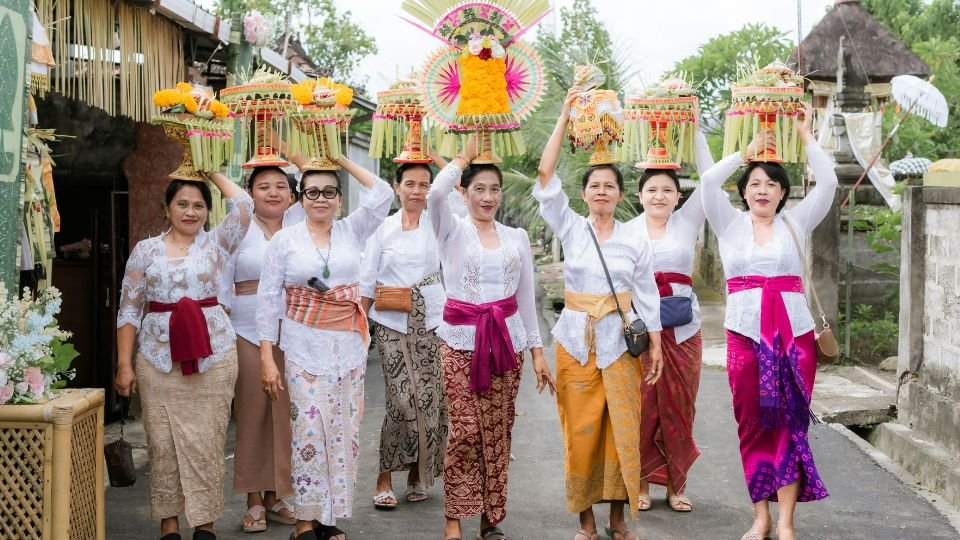
Balinese Hindu traditions remain an important part of everyday life. Religious ceremonies, temple festivals, traditional dances, offerings, music, and community activities can be seen throughout the island. Official tourism information highlights Bali’s combination of natural beauty, cultural heritage, traditional rituals, and local hospitality.
Visitors should remember that temples are active places of worship, not simply tourist attractions. When entering a sacred site, dress modestly, follow instructions from temple staff, and avoid disturbing worshippers or religious ceremonies. Sarongs and sashes are commonly required at temples and are often available at the entrance.
Travelers should also avoid stepping on canang sari, the small daily offerings commonly placed near homes, businesses, temples, and roads. Respecting these traditions is an important part of responsible travel in Bali.
Beautiful Beaches and Resorts
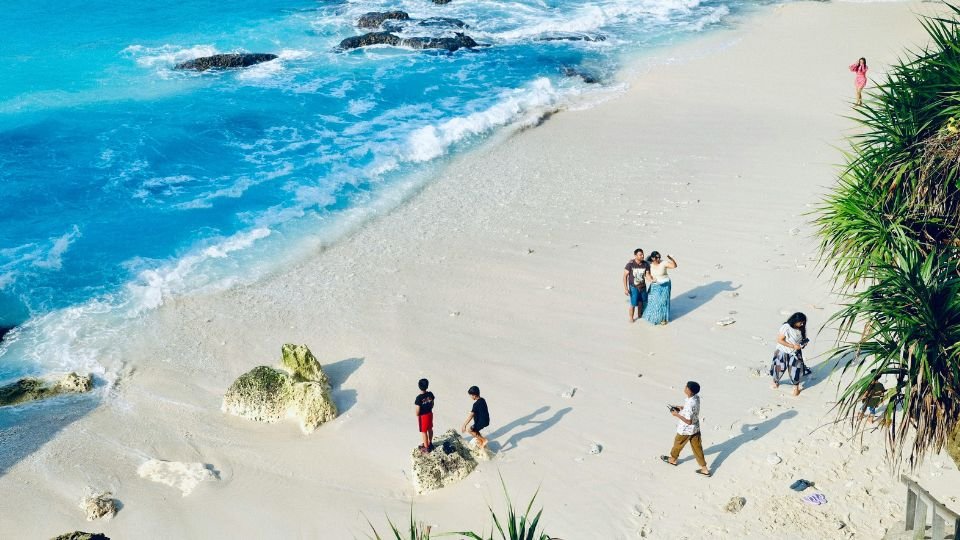
Bali’s beaches remain one of its biggest attractions. Different coastal areas offer very different experiences, so choosing the right destination can make your holiday more enjoyable.
Kuta
Kuta is one of Bali’s best-known beach destinations. It is associated with surfing, sunsets, restaurants, shopping, and a lively tourism atmosphere. Indonesia’s official tourism portal continues to highlight Kuta Beach for its waves and energetic setting.
Sanur
Sanur offers a calmer alternative to some of the busier beach areas. It is known for its more relaxed atmosphere and sunrise views, making it appealing to travelers who prefer a slower pace.
Nusa Dua
Nusa Dua is well known for upscale resorts, beaches, landscaped surroundings, and luxury holiday experiences. It is particularly suitable for travelers who want a resort-focused vacation with convenient access to high-end accommodation and services.
Ubud
Although Ubud is inland rather than on the coast, it is one of Bali’s most popular destinations. It is closely associated with art, traditional culture, performances, temples, and lush rice-field landscapes.
This variety means you can enjoy a beach holiday, a cultural retreat, or a combination of both without leaving Bali.
Explore Bali’s Incredible Cultural Heritage
Bali’s appeal goes far beyond its beaches.
The island’s architecture, temples, ceremonies, dances, sculpture, painting, and traditional crafts provide countless opportunities to experience local culture. Sites such as Besakih Temple, Tanah Lot, Tirta Empul, and other sacred complexes offer insight into Balinese religious traditions and architecture.
Bali’s cultural landscape is also closely connected to agriculture. The UNESCO-listed cultural landscape of Bali includes rice terraces, water temples, and the traditional subak irrigation system, which links agriculture, community life, and religious practices.
For travelers interested in history and culture, exploring villages, temples, traditional performances, and rice terraces can provide a deeper understanding of the island.
Amazing Festivals and Traditions
Traditional celebrations are another reason Bali stands out as a travel destination.
One of the island’s most distinctive occasions is Nyepi, the Balinese Day of Silence and New Year according to the Saka calendar. During Nyepi, normal activity across the island stops for approximately 24 hours. Public movement is restricted, businesses close, and Bali’s airport does not operate during the observance.
This can be a remarkable cultural experience, but travelers need to plan carefully. Anyone visiting Bali around Nyepi should check the dates in advance and arrange flights, accommodation, transportation, and essential supplies accordingly.
Visitors should also be respectful when ceremonies or processions are taking place. Avoid blocking participants, entering restricted areas, or interfering with religious activities.
Delicious Balinese Food
Bali is an excellent destination for food lovers.
Traditional Balinese cuisine uses aromatic spices, herbs, grilled meats, vegetables, seafood, rice, and slow-cooked preparations. Popular dishes include ayam betutu, sate lilit, and a variety of regional rice and meat dishes. Indonesia’s official tourism website highlights Balinese cuisine as an important part of the island’s travel experience.
You can find food in a wide range of settings, from local warungs and traditional markets to beach restaurants and sophisticated fine-dining establishments.
Trying local food is one of the easiest ways to make a Bali trip more memorable. Travelers who prefer international cuisine will also find restaurants serving Japanese, Italian, Chinese, French, Thai, and many other cuisines.

Shopping in Bali
Shopping is another important part of a Bali holiday.
The island is known for traditional handicrafts, wood and stone carvings, textiles, paintings, jewelry, home décor, and other locally made products. Ubud has a particularly strong connection with traditional art, while areas such as Sukawati are well known for arts and crafts markets.
When shopping in local markets, compare prices and check the quality of products before purchasing. Bargaining may be common in some markets, but it should be done politely.
For expensive or specialized items, consider buying from established retailers and ask about authenticity, materials, shipping, and return policies.
Nature and Outdoor Adventures
Bali offers much more than beaches and shopping.
The island’s volcanic landscapes, forests, waterfalls, rivers, rice terraces, and coastline provide opportunities for hiking, cycling, surfing, snorkeling, diving, rafting, and other outdoor activities.
Ubud and central Bali are popular for rice-field walks and cultural excursions, while coastal areas provide access to surfing and marine activities. Mountain areas offer cooler scenery and opportunities to explore temples, villages, and volcanic landscapes.
For nature-focused trips, responsible tourism is especially important. Stay on marked paths where appropriate, avoid damaging vegetation, do not disturb wildlife, and carry waste with you.
A Current Bali Travel Requirement for International Visitors
Foreign travelers planning a trip to Bali should also be aware of the Bali Foreign Tourist Levy.
The Bali Provincial Government currently charges eligible foreign tourists a one-time levy of Rp150,000 per person. The official Love Bali system states that the levy can be paid electronically and recommends completing payment before arriving in Bali to make the arrival process easier. Certain categories, including holders of some non-tourist visas and residence permits, are exempt under the applicable rules.
Because entry requirements and exemptions can change, international visitors should check the official Bali government and Indonesian immigration information before departure.
Respect Local Customs During Your Bali Holiday
A little cultural awareness can make a big difference.
Dress appropriately when visiting temples and other sacred places. Cover your shoulders and knees where required, wear a sarong and sash when instructed, and follow local guidance.
Speak quietly at religious sites and never interrupt ceremonies for photographs. Avoid touching sacred objects or disturbing offerings. Indonesia’s tourism guidance also encourages visitors to behave politely in public places and respect Balinese customs and traditions.
These simple habits show respect and help preserve the cultural character that makes Bali so special.
When Should You Visit Bali?
Bali can be visited throughout the year, but weather conditions vary by season.
The dry season is generally more popular for outdoor activities, beach time, and sightseeing, while the wetter months can bring heavier rainfall. Your ideal travel period depends on what you want to do.
Surfers, hikers, divers, families, and cultural travelers may all have different preferences. Instead of focusing only on the calendar, consider the activities you want to enjoy and check current local weather conditions before booking.
Plan Your Bali Trip Carefully
Bali is relatively compact compared with many large countries, but traffic can make journeys between destinations much longer than expected.
Rather than trying to see the entire island in a short stay, consider combining destinations that are geographically close to each other. You might spend several nights near the coast, move inland to Ubud, and then explore another region at a relaxed pace.
Advance reservations are useful during busy travel periods, especially for popular hotels, private drivers, tours, and attractions.
International visitors should also keep their passport, travel documents, accommodation details, and relevant payment information secure throughout the trip.
Why Bali Continues to Attract Travelers
Bali has a rare combination of natural beauty and living traditions.
You can watch the sunrise beside the sea, walk through green rice terraces, visit a centuries-old temple, enjoy a traditional dance performance, taste local cuisine, explore a craft market, and finish the day at a tropical beach.
The island’s appeal is not limited to luxury resorts or famous tourist attractions. Its strongest attraction is the combination of landscape, spirituality, creativity, food, and local culture.
Final Thoughts
Bali is a destination that offers something for almost every type of traveler.
Beach lovers can enjoy the island’s famous coastline, while adventure seekers can explore mountains, rivers, forests, and underwater landscapes. Art and culture enthusiasts can discover temples, traditional performances, crafts, and the remarkable subak landscape recognized by UNESCO.
Food lovers can explore Balinese dishes, while shoppers can search for distinctive crafts and locally produced products.
Most importantly, take time to experience Bali respectfully. Learn about local customs, follow temple etiquette, protect the natural environment, and support local businesses and communities.
From its scenic landscapes to its vibrant traditions, Bali remains an unforgettable destination for travelers looking to experience nature, culture, relaxation, and adventure in one remarkable island.
