
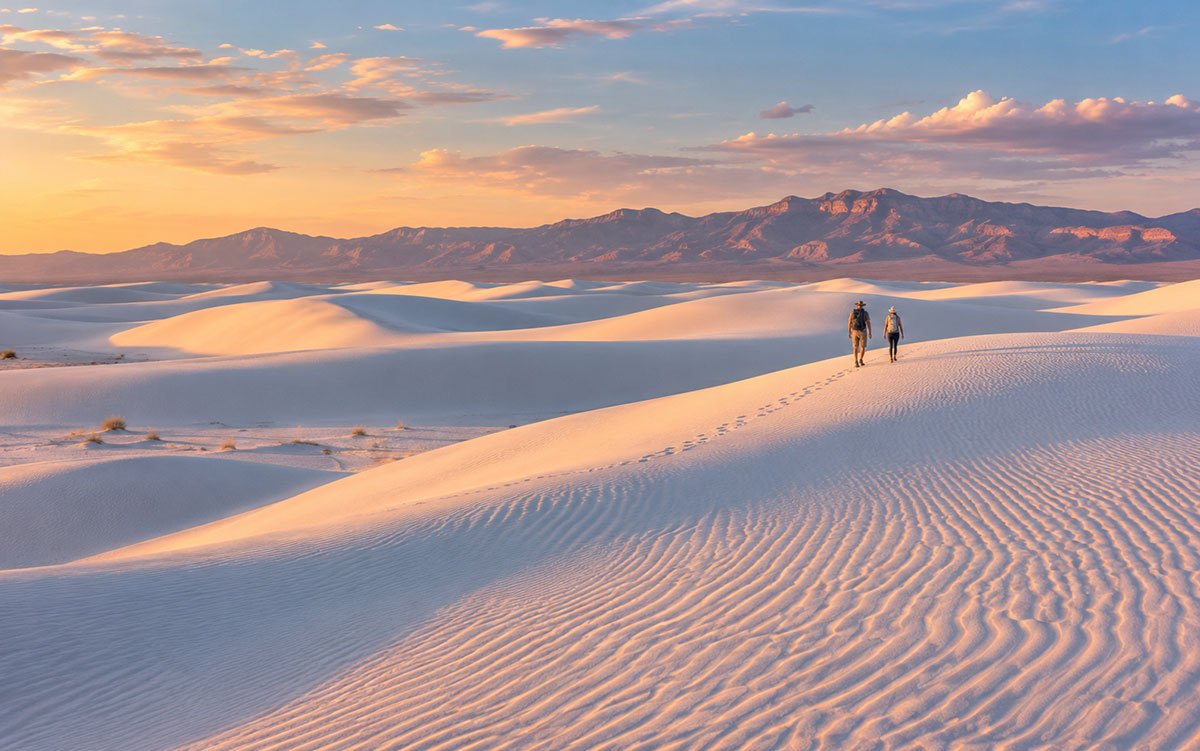
White Sands National Park in New Mexico offers one of the USA’s most remarkable landscapes, with brilliant gypsum dunes stretching towards the surrounding desert mountains.
Unique Places to Visit in the USA: 10 Amazing Experiences
The United States is a country of extraordinary contrasts. One holiday might take you through the lively streets of New York City, while another could lead to remote islands, underground caves, ancient forests or desert landscapes that look almost otherworldly.
Although landmarks such as the Statue of Liberty, Hollywood Boulevard and the White House remain popular, some of America’s most rewarding travel experiences lie beyond the familiar tourist trail.
If you are looking for unique places to visit in the USA, consider exploring its national parks, historic neighbourhoods, unusual geological formations and lesser-known natural attractions.
From New Mexico’s brilliant white sand dunes to the spectacular caves of Kentucky and the remote islands off California’s coast, these destinations reveal the country’s remarkable geographical and cultural diversity.
This guide highlights 10 memorable experiences, explains what makes each destination special and provides practical information to help you plan your American adventure.
10 Unique Places to Visit in the USA at a Glance
| Destination | State or Region | Best Experience |
|---|---|---|
| Statue of Liberty and Ellis Island | New York | Immigration history and cultural heritage |
| Smithsonian Museums and Washington, D.C. | District of Columbia | American history, science and culture |
| New Orleans | Louisiana | Jazz, architecture and Creole food |
| Red Rock Canyon | Nevada | Desert scenery near Las Vegas |
| White Sands National Park | New Mexico | White gypsum dunes and sunset walks |
| Great Sand Dunes National Park | Colorado | Sandboarding, hiking and mountain scenery |
| Mammoth Cave National Park | Kentucky | Underground cave exploration |
| Congaree National Park | South Carolina | Ancient floodplain forests |
| Channel Islands National Park | California | Island hiking and marine wildlife |
| Olympic National Park | Washington | Temperate rainforests and wild Pacific beaches |
1. Discover the Human Stories Behind New York’s Statue of Liberty
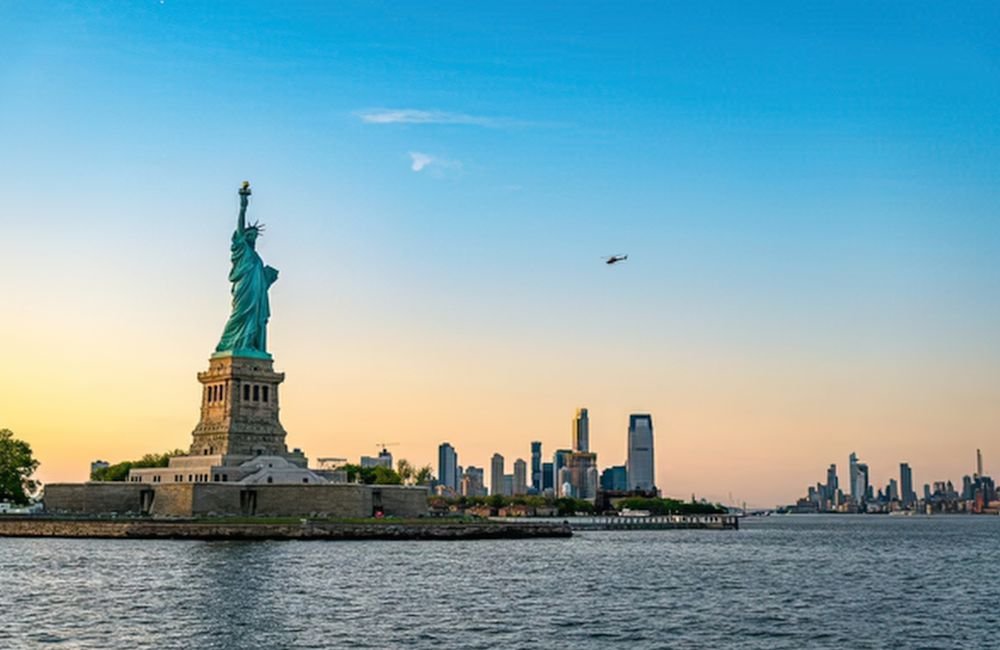
The Statue of Liberty in New York Harbor is one of America’s most iconic landmarks, symbolising freedom and welcoming visitors from around the world.
New York City is one of America’s most recognisable destinations, but visiting the Statue of Liberty can offer far more than a familiar photograph of the skyline.
Located in New York Harbor, the Statue of Liberty has symbolised freedom and opportunity for generations.
A visit becomes particularly meaningful when combined with nearby Ellis Island, where millions of immigrants passed through federal immigration processing facilities during the island’s operating years.
Explore Liberty Island and Ellis Island
Begin with a ferry journey across New York Harbor.
On Liberty Island, explore the surrounding grounds and visit the Statue of Liberty Museum, where exhibitions examine the monument’s history, symbolism and construction.
Continue to Ellis Island National Museum of Immigration to discover the experiences of people who travelled to the United States seeking new opportunities.
Historic displays, photographs and personal accounts provide insight into the country’s immigration history.
Planning Your Visit
The National Park Service authorises Statue City Cruises as the ferry provider for visiting Liberty and Ellis Islands.
Ferries depart from The Battery in Manhattan and Liberty State Park in New Jersey.
General ferry admission includes access to both islands and their museums. However, pedestal and crown access require separate advance reservations.
If you want to visit both islands comfortably, choose an early departure and allow ample time for security screening and museum exploration.
Why visit: This experience brings together iconic sightseeing and a deeper understanding of America’s cultural history.
2. Explore Washington, D.C. Beyond the Famous Monuments

The United States Capitol in Washington, D.C., is one of America’s most recognisable historic landmarks, renowned for its magnificent dome, neoclassical architecture and significance in American government.
Washington, D.C., is widely associated with the White House, the U.S. Capitol and the National Mall.
However, the American capital offers much more than government buildings and ceremonial landmarks.
Its world-class museums and cultural institutions make it an excellent destination for travellers interested in history, science, art and innovation.
Discover the Smithsonian Museums
The Smithsonian Institution operates an extensive collection of museums and research centres.
Many of its major museums are located around the National Mall.
Highlights include:
- National Museum of Natural History, featuring exhibitions on Earth’s natural history
- National Museum of American History, exploring American society, innovation and culture
- National Air and Space Museum, displaying historic aircraft and space exploration artefacts
- National Museum of African American History and Culture, examining African American history and cultural contributions
Most Smithsonian museums offer free general admission.
However, certain locations, including the National Air and Space Museum in Washington, require free timed-entry passes.
Can You Tour the White House?
Public White House tours may be available through an advance request process.
Tours must be arranged through an eligible congressional office and are subject to security requirements, identification checks and scheduling restrictions.
Do not assume that visitors can simply arrive and enter the building.
If a White House tour is not possible, the city’s museums and outdoor landmarks still provide plenty of opportunities for exploration.
Why visit: Washington offers an unusually rich collection of American history, scientific discoveries and cultural heritage within one city.
3. Experience the Musical Heritage of New Orleans, Louisiana

New Orleans’ historic French Quarter celebrates the city’s rich jazz heritage, with live musicians performing against a backdrop of colourful buildings, wrought-iron balconies and charming streets.
New Orleans offers one of the most distinctive cultural experiences in the United States.
Located in Louisiana, the city is celebrated for its jazz heritage, historic architecture and food traditions influenced by several cultures.
Its character reflects a complex history shaped by French, Spanish, African, Caribbean and other communities.
Rather than rushing between major attractions, take time to explore the city’s neighbourhoods, music and cuisine.
Explore the French Quarter
The French Quarter is famous for its colourful historic buildings, decorative iron balconies, atmospheric streets and lively cultural scene.
Walk around Jackson Square, admire the surrounding architecture and discover local shops, galleries and restaurants.
The neighbourhood provides a fascinating introduction to New Orleans’ history and cultural identity.
Discover the Story of Jazz
New Orleans played a foundational role in the development of jazz music.
The New Orleans Jazz National Historical Park helps visitors understand the city’s musical heritage through educational programmes, performances and historical interpretation.
Its visitor operations are based at the French Quarter Visitor Center on Decatur Street.
Check the park’s official calendar for available events and programmes.
For travellers interested in live music, the city also offers established jazz venues and performances throughout the year.
Taste New Orleans Cuisine
Food is an essential part of the experience.
Consider trying local specialities such as gumbo, jambalaya, po’boys and beignets.
These dishes reflect the region’s diverse culinary traditions, although ingredients and preparation styles vary between restaurants and communities.
Why visit: New Orleans combines music, food, architecture and history into a cultural experience unlike that of most American cities.
4. Escape Las Vegas for the Dramatic Landscapes of Red Rock Canyon

The Las Vegas skyline comes alive after sunset, with the iconic STRAT Tower, illuminated hotels and vibrant city lights showcasing Nevada’s famous entertainment destination.
Las Vegas is famous for its entertainment resorts, spectacular hotels, performances and illuminated streets.
However, visitors who spend their entire holiday on the Las Vegas Strip miss an extraordinary landscape just outside the city.
Red Rock Canyon National Conservation Area protects striking sandstone formations, desert vegetation and rugged mountain scenery.
Located west of Las Vegas, it offers a remarkable contrast to the city’s energetic atmosphere.
Take the Red Rock Canyon Scenic Drive
The conservation area features a 13-mile scenic drive through an impressive desert landscape.
Along the route, designated viewpoints and trailheads provide opportunities to admire red and cream-coloured sandstone cliffs.
Visitors can explore hiking trails, enjoy landscape photography or learn about the Mojave Desert environment at the visitor centre.
Some routes are relatively short, while others require considerably more time, fitness and preparation.
Check Entry Reservations
Timed-entry reservations are required for vehicles entering the Scenic Drive between 8 a.m. and 5 p.m. from October 1 through May 31.
Reservations are available through Recreation.gov.
Entry arrangements differ outside that period, so check the Bureau of Land Management’s official guidance before travelling.
Summer temperatures can become dangerously hot. Carry sufficient drinking water and avoid strenuous hiking during extreme heat.
Why visit: Red Rock Canyon reveals a peaceful, dramatic side of Nevada that contrasts with the city’s famous entertainment scene.
5. Walk Across the White Dunes of White Sands National Park, New Mexico
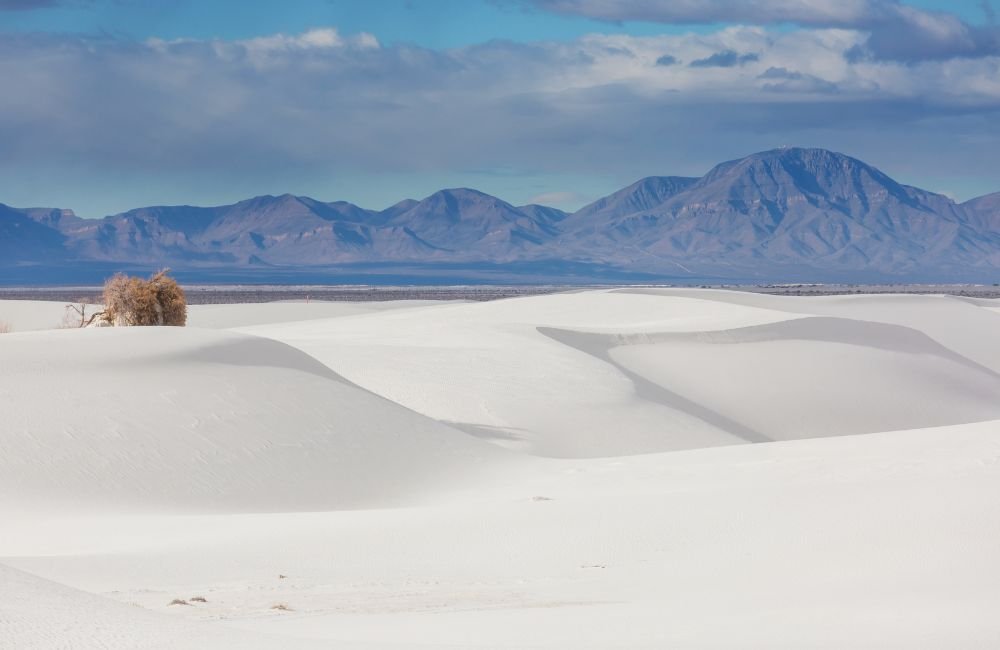
White Sands National Park in New Mexico features spectacular white gypsum dunes stretching towards the surrounding desert mountains, creating one of America’s most extraordinary natural landscapes.
White Sands National Park is one of America’s most extraordinary natural landscapes.
Located in southern New Mexico, the park protects an immense field of brilliant white gypsum sand dunes.
Unlike traditional golden deserts, these pale dunes create an almost surreal landscape of rolling hills and beautifully patterned sand.
The scenery changes throughout the day as sunlight creates shifting shadows across the dune surfaces.
What Can You Do at White Sands?
Visitors can enjoy several memorable outdoor experiences.
Explore the dunes: Follow designated walking routes and enjoy the remarkable scenery.
Try sand sledding: Sledding is permitted in suitable areas of the park, subject to local restrictions.
Photograph the landscape: Morning and late-afternoon light can create beautiful contrasts between the pale dunes and distant mountains.
Join ranger activities: Check the park’s calendar for educational walks and other programmes.
The lack of obvious landmarks can make navigating the dunes challenging. Follow marked routes and never continue if you lose sight of the next trail marker.
Important Visitor Information
White Sands lies near an active military missile testing range.
Military operations occasionally require temporary closures of the park, its access road or nearby Highway 70.
Check official alerts before departure.
The park also has limited food and accommodation facilities. The nearby town of Alamogordo provides additional visitor services.
Why visit: Few American landscapes resemble White Sands’ immense gypsum dunes, especially when warm evening light transforms their surface.
6. Discover Mountains of Sand at Great Sand Dunes National Park, Colorado
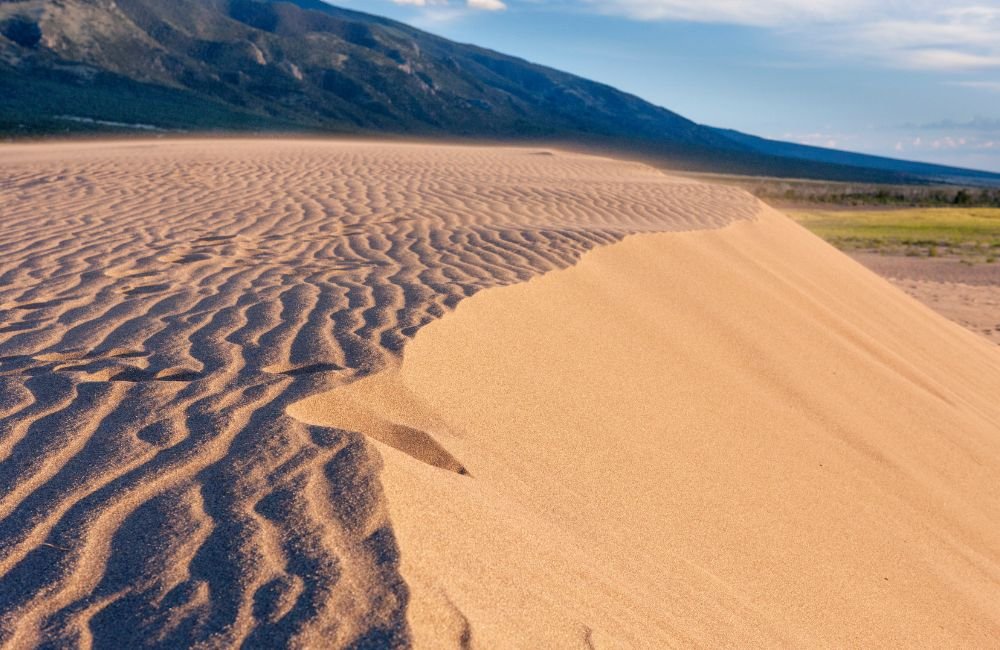
Great Sand Dunes National Park in Colorado features spectacular sand dunes, beautiful wind-created patterns and dramatic mountain scenery beneath the Colorado sky.
Colorado is usually associated with the Rocky Mountains, alpine lakes and scenic hiking trails.
However, Great Sand Dunes National Park and Preserve offers an entirely different experience.
Here, enormous dunes rise dramatically against the forested slopes and high peaks of the Sangre de Cristo Mountains.
The contrast between sand, water, woodland and mountain scenery makes the area particularly striking.
Walk, Hike or Try Sandboarding
Visitors can explore the dunefield on foot, climb a dune for panoramic views or try sandboarding and sand sledding with appropriate equipment.
The sand can become extremely hot in strong sunlight, so choose footwear and visiting times carefully.
Beyond the dunes, the park also offers woodland trails and access to more demanding mountain routes.
Experience Seasonal Medano Creek
One of the park’s most unusual features is Medano Creek.
During periods of snowmelt, water flows across the sand at the base of the dunes, creating a seasonal creek.
In suitable conditions, visitors can experience the creek’s distinctive surge flow, where small waves move across the sandy channel.
The most notable flow commonly occurs during late spring or early summer, although its timing and depth depend on snowpack and weather.
Do not assume the creek will contain enough water for recreation on your chosen date.
Stay for the Night Sky
Great Sand Dunes is also an appealing destination for stargazing.
Away from major urban light pollution, clear conditions can reveal impressive night skies.
Check the lunar phase, weather forecast and park rules before planning nighttime activities.
Why visit: This remarkable landscape combines desert-like dunes, mountain scenery and seasonal water features in one national park.
7. Explore the Underground World of Mammoth Cave National Park, Kentucky
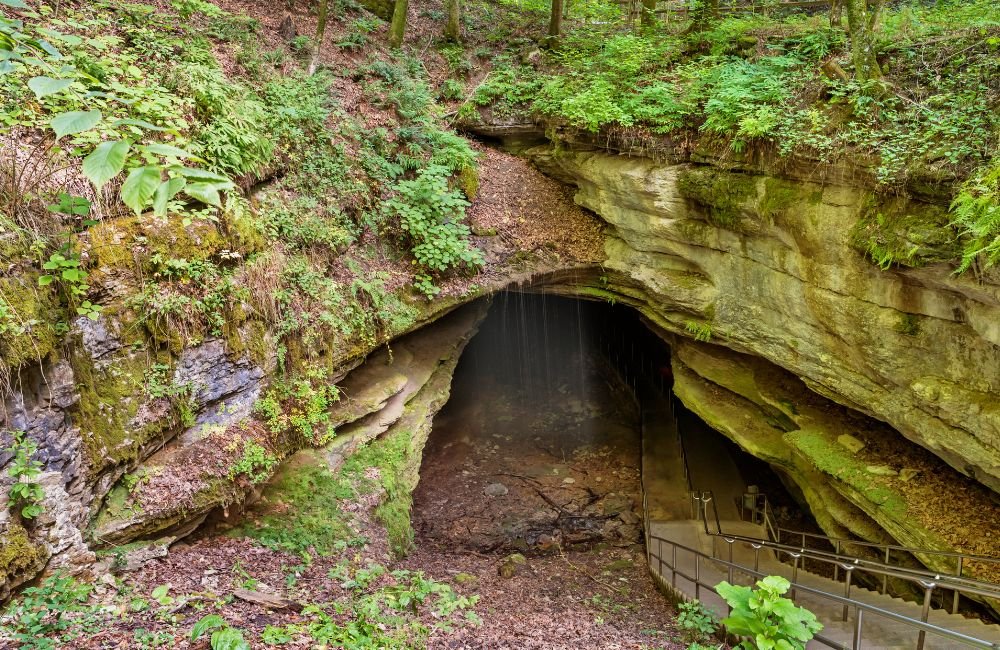
Mammoth Cave National Park in Kentucky is home to the world’s longest known cave system, offering fascinating underground tours, limestone formations and scenic forest landscapes.
Some of America’s most spectacular landscapes remain hidden beneath the ground.
Mammoth Cave National Park in Kentucky protects the world’s longest known cave system.
Its enormous network of underground passages, chambers and geological features offers an unforgettable introduction to the natural processes that shape the Earth.
The cave environment also has a fascinating human history, with evidence of different periods of exploration and use.
Choose a Cave Tour
The National Park Service offers several types of cave tours.
Depending on the season and available routes, options may include:
- Historic cave tours
- Routes exploring large underground passages
- Tours focusing on geological formations
- Lantern-based experiences
- More physically demanding cave adventures
- Selected accessible tour options
Each experience has different requirements concerning walking distances, steps, duration and mobility.
Some routes involve steep staircases and narrow passages.
Do You Need Reservations?
Yes, tickets are required to enter Mammoth Cave.
The National Park Service strongly recommends advance reservations because popular tours can sell out.
Tour schedules change throughout the year, and not every route is available on every date.
Visitors can reserve eligible tours through Recreation.gov.
Although the national park itself does not charge a general entrance fee, cave tours are separately ticketed.
Why visit: Mammoth Cave offers an entirely different type of American adventure beneath Kentucky’s forested landscape.
8. Walk Through the Ancient Forests of Congaree National Park, South Carolina
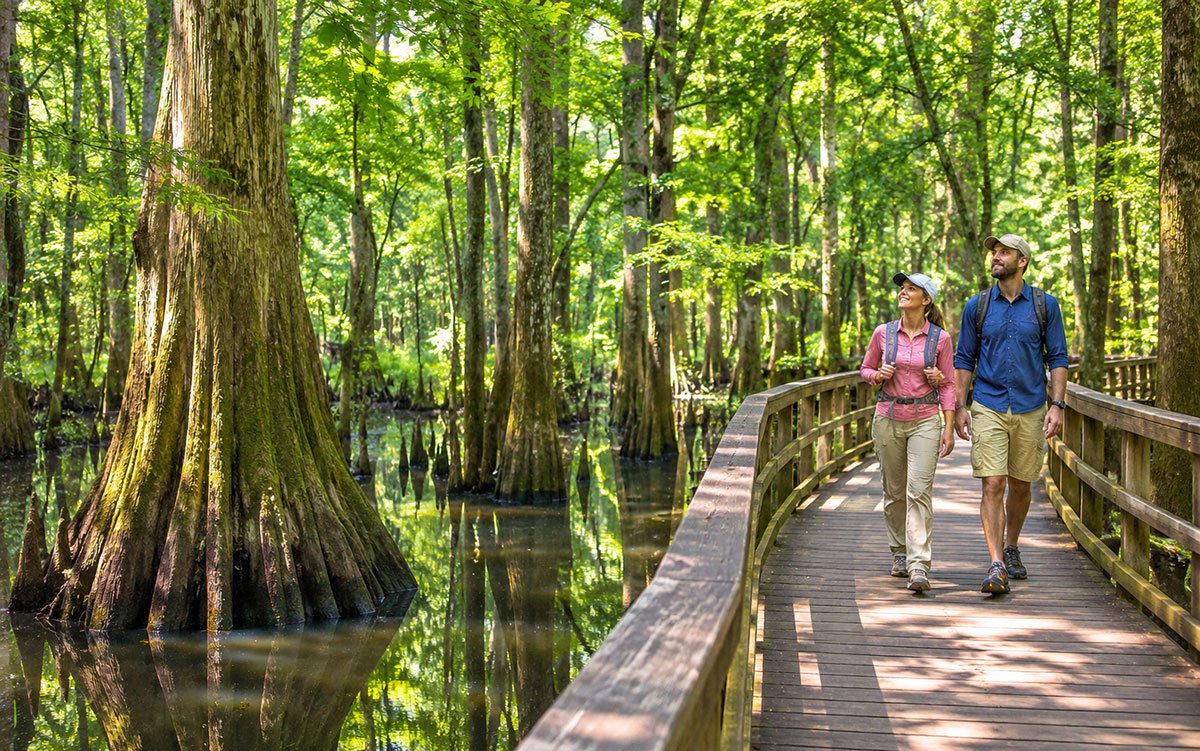
Congaree National Park in South Carolina offers peaceful boardwalk trails through towering old-growth trees, lush greenery and remarkable floodplain forest ecosystems.
Congaree National Park in South Carolina protects an extensive temperate old-growth bottomland hardwood forest.
It is a fascinating destination for travellers interested in biodiversity, quiet nature walks and wetland ecosystems.
Unlike the mountainous scenery found in many national parks, Congaree features relatively flat floodplain terrain.
The forest contains impressive trees, waterways, rich vegetation and habitats supporting a variety of wildlife.
Explore the Boardwalk Trail
One of the park’s most approachable experiences is walking along its elevated boardwalk.
The route allows visitors to observe the forest environment without immediately entering more demanding backcountry trails.
Interpretive information helps explain the ecology of the floodplain and the importance of its forest habitats.
Additional trails lead through less developed areas.
Consider a Guided Paddle
Cedar Creek and other waterways offer opportunities to explore parts of the forest by canoe or kayak.
However, water levels, weather and route conditions can affect paddling safety.
Inexperienced visitors should consider an authorised guided experience or an appropriately organised ranger programme when available.
Prepare for Flooding and Insects
Congaree lies in an active river floodplain.
Heavy rainfall can flood trails and affect access to parts of the park.
Mosquitoes are also common during warmer months.
Bring insect repellent, drinking water and appropriate footwear. Always check trail conditions before travelling.
Why visit: Congaree offers a chance to experience a remarkable forest ecosystem rather than the dramatic mountains and deserts usually associated with American national parks.
9. Discover California’s Remote Channel Islands
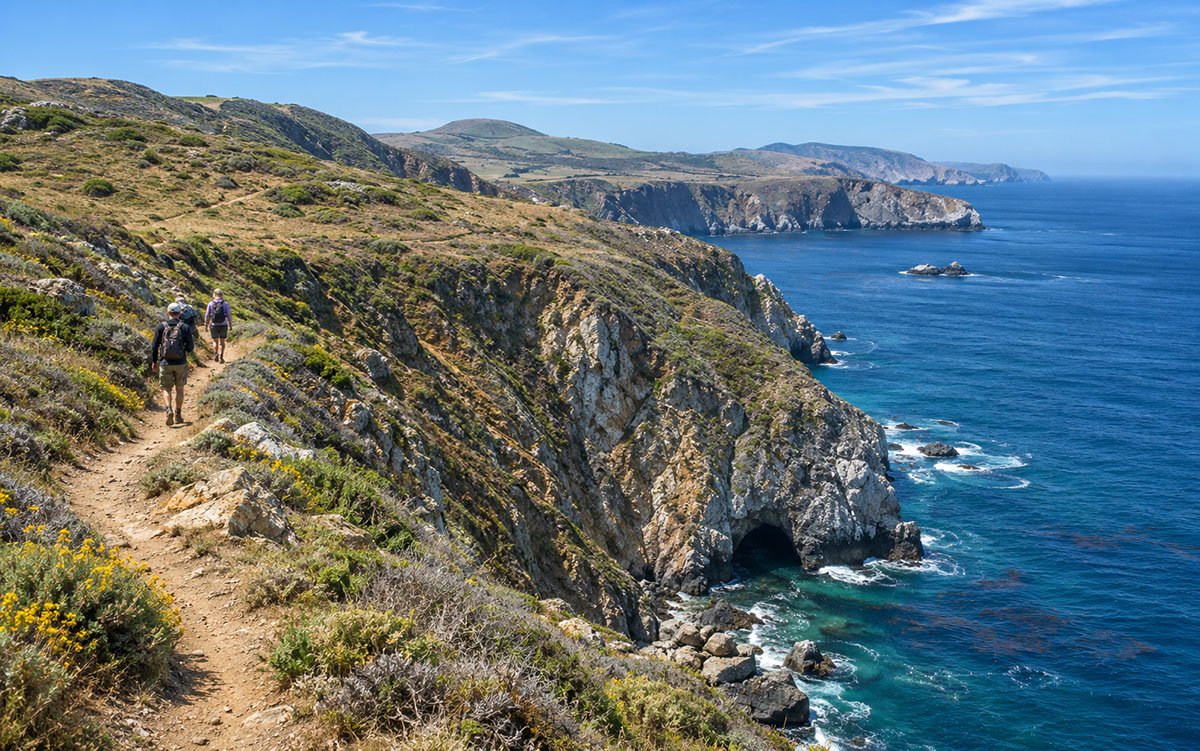
Channel Islands National Park off the Southern California coast offers spectacular coastal hiking trails, rugged sea cliffs and breathtaking Pacific Ocean scenery.
California attracts visitors with its famous cities, beaches, entertainment attractions and scenic coastal roads.
However, Channel Islands National Park reveals a quieter, less developed coastal landscape.
Located off Southern California, the park protects five islands and surrounding marine environments.
The islands are known for rugged cliffs, walking trails, distinctive wildlife and spectacular Pacific Ocean views.
What Can You Do on the Islands?
Depending on the island and available visitor services, activities may include:
- Hiking coastal trails
- Wildlife watching
- Exploring sea caves on authorised kayaking excursions
- Enjoying ocean and landscape photography
- Learning about island ecosystems
- Camping in designated areas with reservations
Santa Cruz Island and Anacapa Island are commonly considered for day visits.
Different islands offer different levels of access and facilities.
Getting to Channel Islands National Park
Most visitors reach the park islands by boat.
The authorised public boat concessionaire, Island Packers, operates services from Ventura and Channel Islands harbours.
Advance boat reservations are required.
Services depend on the island, season, weather and operating arrangements.
A visit to an island generally requires a full day, including boat transportation.
There are no ordinary shops or restaurants on the islands, so prepare carefully and bring sufficient water and food.
Why visit: Channel Islands National Park provides an opportunity to discover a wilder side of California away from major cities and heavily developed coastal resorts.
10. Experience Rainforests and Wild Beaches at Olympic National Park, Washington

The entrance sign welcomes visitors to Olympic National Park in Washington State, a remarkable destination known for its temperate rainforests, rugged mountains and wild Pacific coastline.
Olympic National Park in Washington State combines several extraordinary environments within one protected area.
Its landscapes include moss-covered temperate rainforests, rugged Pacific beaches, mountain valleys and high-elevation terrain.
The variety makes Olympic especially appealing to travellers who enjoy exploring different natural environments.
Walk Through the Hoh Rain Forest
The Hoh Rain Forest is one of the park’s best-known destinations.
Its dense vegetation, towering trees, moss-covered branches and fern-lined paths create an atmospheric woodland environment.
Two popular short walks are:
Hall of Mosses Trail: A scenic loop through old-growth woodland, famous for trees draped in moss.
Spruce Nature Trail: A longer woodland loop featuring forest scenery and sections near the Hoh River.
The park also offers more demanding hiking opportunities for experienced walkers.
Discover the Pacific Coast
Olympic’s coastal areas offer a very different landscape from the rainforest.
Visitors can explore rugged beaches, admire sea stacks and experience the dramatic meeting of forest and ocean.
Rialto Beach and Ruby Beach are well-known destinations.
However, coastal weather and tides can create hazards.
Check tidal information, avoid unstable driftwood and follow National Park Service safety advice.
Plan for Travel Between Park Areas
Olympic’s destinations are spread across the Olympic Peninsula.
There is no road crossing directly through the national park’s interior, so travelling between rainforest, mountain and coastal areas can take considerable time.
Road closures, snow and weather conditions can affect access.
During busy summer periods, parking at the Hoh Rain Forest and some coastal locations may fill early.
Why visit: Olympic National Park offers an extraordinary combination of rainforest, mountain and coastal scenery rarely found together in one destination.
What About America’s Famous Tourist Attractions?
Exploring unusual destinations does not mean avoiding the country’s most celebrated landmarks.
For many first-time visitors, combining one or two major attractions with a less familiar experience provides a rewarding balance.
Hollywood Boulevard, California
Hollywood Boulevard remains a popular sightseeing destination in Los Angeles.
Visitors can explore the Hollywood Walk of Fame, visit entertainment-related attractions and discover the city’s connection with the film industry.
For a broader experience, combine Hollywood sightseeing with Griffith Observatory or a suitable film studio tour.
Hersheypark, Pennsylvania
Hersheypark offers a contrasting experience for families looking for amusement rides and entertainment.
Located in Hershey, Pennsylvania, the park features roller coasters, family attractions and seasonal activities.
Operating days and ride availability vary throughout the year, so check the official calendar before travelling.
Las Vegas Entertainment
Las Vegas offers much more than casino gaming.
Visitors can enjoy concerts, theatre performances, restaurants, art installations and distinctive architecture.
If you want to experience two very different sides of Nevada, combine an evening in the city with a daytime visit to Red Rock Canyon.
How to Plan a Unique USA Travel Experience
The United States covers an enormous geographical area.
A trip that combines New York, New Mexico and California requires considerably more travel time than visiting attractions within a single region.
The most practical approach is to choose destinations according to your interests, available time and preferred travel style.
Choose a Region Rather Than the Entire Country
For a shorter holiday, focus on one region.
If you have more time, combine destinations that connect naturally by road or domestic flights.
Examples include:
Northeastern city and heritage trip: Explore New York City’s landmarks before continuing to Washington, D.C., for museums and historical attractions.
Southwestern desert adventure: Combine Las Vegas and Red Rock Canyon with a separate visit to New Mexico’s White Sands National Park. Allow sufficient days for the substantial journey between regions.
California coastal exploration: Visit Los Angeles or Ventura before travelling to Channel Islands National Park. Add other coastal destinations if your schedule permits.
Pacific Northwest nature escape: Explore Olympic National Park and spend additional time discovering Washington’s forests, coastal towns and natural landscapes.
Avoid creating an itinerary that requires a long-distance journey every day.
Decide Between Flying, Driving and Public Transport
The best way to travel depends on your itinerary.
Domestic flights: Useful for journeys between distant regions or major metropolitan areas.
Rental cars: Particularly convenient for national parks and rural destinations where public transport is limited.
Passenger trains: Amtrak connects many cities and regions, although rail services do not reach every national park or remote attraction.
Local public transport: Often practical in major cities such as New York and Washington, D.C.
For a road trip, check travel distances, local driving rules and the availability of fuel, accommodation and mobile coverage along your route.
International visitors should also confirm driving licence and rental car requirements.
Understand U.S. Entry Requirements
Visitors travelling from outside the United States must check their passport and entry requirements before departure.
Depending on nationality and eligibility, travellers may require a visitor visa or may qualify for the Visa Waiver Program.
Eligible Visa Waiver Program travellers normally need approved ESTA travel authorisation before departing for the United States.
Travellers who do not qualify must follow the appropriate visa application process.
Check official U.S. Department of State and Customs and Border Protection guidance rather than relying on third-party travel websites.
Book Popular Experiences Early
Some attractions require reservations even when the surrounding national park does not.
Important examples include:
- Mammoth Cave guided tours
- Channel Islands boat transportation
- Red Rock Canyon timed vehicle entry during designated months
- Statue of Liberty pedestal and crown access
- Certain Smithsonian museum reservations
- Designated national park campsites and backcountry permits
Booking early can improve your choices, especially during popular holiday periods.
Prepare for Different Climates
A summer trip to the United States can involve very different conditions.
Nevada and New Mexico may experience intense desert heat, while the Pacific Northwest can be much cooler and wetter.
Mountain regions may retain snow even when nearby cities experience warm conditions.
Before packing, check the local climate and forecast for each destination.
Consider carrying layered clothing, appropriate footwear, sun protection and a reusable water bottle.
Respect Protected Landscapes
When exploring national parks, follow established trails and local regulations.
Avoid disturbing wildlife, removing natural objects or entering closed areas.
Some destinations have fragile habitats, restricted access and limited emergency services.
Follow Leave No Trace principles and respect cultural and historical sites.
When Is the Best Time to Visit the USA?
There is no single best season for every American destination.
The country’s geography creates major differences in temperature, rainfall and seasonal accessibility.
| Season | Travel Considerations |
|---|---|
| Spring (March–May) | Often pleasant for cities, desert parks and parts of the South; mountain snow and rain remain possible |
| Summer (June–August) | Popular for mountain and coastal travel; some deserts become extremely hot |
| Autumn (September–November) | Often suitable for city breaks and scenic road trips; conditions vary by region |
| Winter (December–February) | Attractive for some desert destinations; snow, ice and weather closures can affect northern and mountain regions |
For desert destinations such as White Sands and Red Rock Canyon, cooler periods generally provide more comfortable conditions for walking.
Summer is often appealing for Olympic National Park, although busy parking areas and accommodation demand require planning.
In the American South, heat, humidity, thunderstorms and seasonal flooding can influence outdoor activities.
Always check the specific destination rather than relying on a national weather forecast.
Frequently Asked Questions About Unique Places in the USA
What Are Some of the Most Unique Places to Visit in the USA?
White Sands National Park, Great Sand Dunes National Park, Mammoth Cave National Park, Channel Islands National Park and Olympic National Park are excellent examples of distinctive American landscapes.
Each offers an experience that differs significantly from conventional city sightseeing.
Which U.S. Destinations Are Best for Nature Lovers?
Olympic National Park is particularly attractive for forests, mountains and coastal scenery.
Great Sand Dunes and White Sands offer unusual desert landscapes, while Congaree provides a quieter experience among old-growth trees and waterways.
What Are the Best Unusual Places to Visit Near Major Cities?
Red Rock Canyon is a rewarding outdoor excursion from Las Vegas.
The Channel Islands can be reached by boat from Southern California’s coast, while Washington, D.C.’s Smithsonian museums offer cultural experiences beyond conventional monument sightseeing.
Can You Explore the USA Without Renting a Car?
Yes, especially when visiting major cities.
New York and Washington, D.C., have extensive public transport networks.
However, a car or organised tour may be more practical for remote national parks and rural destinations.
How Many Days Do You Need to Explore the USA?
A week is sufficient for a focused regional itinerary, while two or three weeks allow visitors to combine several areas at a more comfortable pace.
Because the country is so large, it is generally better to explore fewer destinations thoroughly than to rush across multiple states.
Is the USA Suitable for Family Holidays?
Yes. The country offers theme parks, museums, beaches, national parks and attractions suitable for a wide range of ages.
Families should choose activities according to children’s interests, walking abilities and safety requirements.
Are U.S. National Parks Expensive to Visit?
Costs vary between destinations.
Some parks charge entrance fees, while others have separate charges for guided activities, parking, camping or transportation.
International visitors should check applicable National Park Service fee rules, including any nationality- or residency-based charges, before travelling.
Discover a Different Side of America
The United States is more than its famous skylines, shopping districts and entertainment resorts.
It is a place where you can discover centuries of cultural history, explore immense underground cave systems, walk through remarkable forests and experience coastal landscapes that feel far removed from city life.
From the white dunes of New Mexico and the underground passages of Kentucky to the music-filled streets of New Orleans and the remote Pacific islands of California, every region offers a different perspective.
The most memorable American holidays often come from combining the familiar with the unexpected.
Choose destinations that genuinely interest you, plan your journey around realistic travel distances and leave room for discovery. You may find that the most remarkable side of the USA is the one you never expected to see.
