
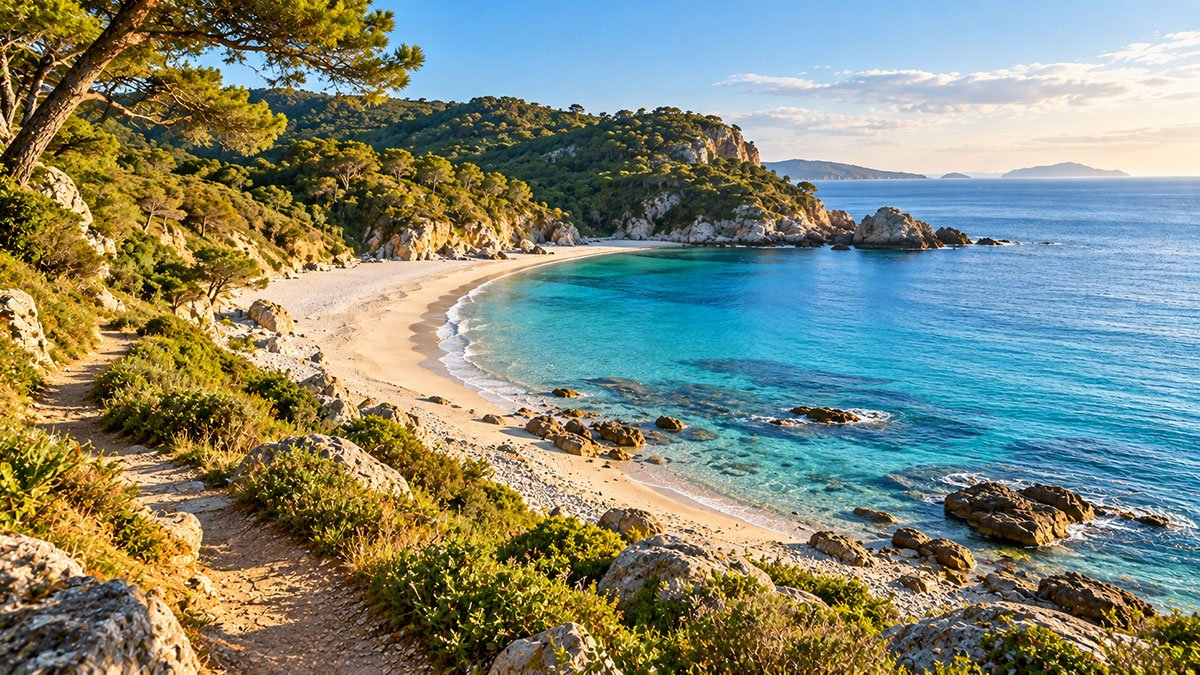
Escape the crowds and discover peaceful beaches surrounded by clear water and unspoiled coastal scenery.
6 Secluded Beaches Around the World for a Quieter Escape
Some of the most memorable beach holidays happen away from the busiest resorts. Secluded beaches around the world offer a chance to slow down, enjoy natural scenery and spend more time exploring the coastline than navigating crowds.
You might find a quiet pebble cove on a Croatian island, an expansive beach in Australia, a remote Caribbean bay or a long stretch of sand on a Hawaiian island. Each offers a different experience, from surfing and wildlife watching to coastal walks and peaceful afternoons by the water.
However, a beautiful beach is not always a deserted one. Some destinations become busy during peak travel periods, while remote shores may have strong currents, limited facilities or difficult access. These six destinations offer quieter alternatives, provided you plan around local conditions.
1. Croatia: Discover the Quieter Coves Around Brač
The island of Brač in Croatia is famous for Zlatni Rat, the distinctive pebble beach near the town of Bol. Its narrow, projecting shape changes with wind, waves and sea currents, creating one of the Adriatic’s most recognizable coastal landscapes.
Zlatni Rat is beautiful, but it attracts plenty of visitors during the summer. Travelers seeking a more peaceful setting should explore the coastline around Murvica, a small village west of Bol.
Explore Murvica and Dračeva Luka
Murvica is known for traditional stone houses, vineyards, pine trees and pebble beaches. The nearby cove of Dračeva Luka offers a more intimate coastal setting than the island’s most famous beach.
The landscape combines clear Adriatic water with rugged Mediterranean scenery. It is a good choice for travelers who prefer natural surroundings over a busy beach lined with commercial facilities.
You can also explore the village and nearby historical sites. The surrounding area includes Dragon’s Cave, known for its carved reliefs, and remnants of historic hermitage settlements.
How to Make the Most of Your Visit
- Visit outside the busiest summer hours for a quieter experience.
- Wear suitable footwear for pebble beaches and uneven coastal paths.
- Check local access and parking arrangements before setting out.
- Bring drinking water, sun protection and any supplies you need.
Best for: Travelers who enjoy Mediterranean scenery, clear water, traditional villages and quieter alternatives to well-known beaches.
2. Australia: Escape to Goolawah National Park Near Crescent Head
Crescent Head, on the New South Wales North Coast, is well known for its surfing culture. Its main beach attracts surfers and families, so the town itself is not always a secluded destination.
For a quieter experience, explore the nearby beaches of Goolawah National Park.
Find Space Along the Coast
Goolawah National Park protects a strip of coastal landscape south of Crescent Head. Its beaches, dunes, coastal vegetation and headlands provide a more natural setting than a developed seaside promenade.
The area supports surfing, fishing, birdwatching and opportunities to spot marine wildlife. It also contains significant Aboriginal heritage, making it important to respect protected areas and local rules.
Racecourse Beach is especially appealing to campers and travelers who want to stay close to the ocean. Racecourse campground sits beside the beach and offers a base for exploring the surrounding coast.
Nearby Delicate Beach provides another option for walking, running and enjoying the shoreline. Some coastal areas have no surf lifesaving patrol, so do not assume that a quiet beach is suitable for swimming.
Plan a Responsible Coastal Visit
If you want to camp, check the current National Parks and Wildlife Service information for campground availability, booking requirements, permitted activities and local alerts.
The beaches can look inviting even when ocean conditions are dangerous. Read beach signs, check surf conditions and choose a patrolled swimming beach when possible.
Allow time for a walk along the headlands. These viewpoints offer another way to appreciate the coastline without entering the water.
Best for: Surfers, campers, nature lovers and travelers who prefer a more rugged Australian coastal experience.
3. Saint Barthélemy: Reach the Secluded Shore of Colombier Beach
Colombier Beach, on the French Caribbean island of Saint Barthélemy, offers a beautiful escape from the busier beach areas.
The beach sits in a natural bay surrounded by green hills and clear water. Its relative isolation is part of its appeal, although boat excursions and day visitors can still bring people to the shore.
Arrive on Foot or by Boat
Colombier Beach is accessible by boat or by hiking trails from Petite Anse or Colombier. This limited access helps distinguish it from beaches that sit directly beside a main road.
The hike also provides panoramic views of the coastline. However, it requires suitable footwear and preparation for exposed sections of trail.
A boat trip offers an alternative for travelers who prefer not to hike. Check local operators, sea conditions and return arrangements before setting off.
Enjoy the Natural Surroundings
Once you arrive, you can relax on the sand, explore the shore or enjoy snorkeling when conditions permit.
The bay’s clear water and coastal scenery make it attractive for a slower-paced beach day. Unlike a resort beach, visitors should not assume that all services are available on site.
Bring enough drinking water, sun protection, snacks and any personal supplies you may need. Pack out rubbish and avoid disturbing wildlife.
Best for: Travelers who enjoy scenic hikes, boat excursions, snorkeling and beaches that take extra effort to reach.
4. Molokaʻi, Hawaii: Find Space at Pāpōhaku Beach
Molokaʻi offers a quieter Hawaiian experience than the islands known for extensive resort development. On the island’s west coast, Pāpōhaku Beach provides a vast expanse of pale sand and impressive Pacific views.
The beach stretches for roughly three miles, giving visitors plenty of space for walking, beachcombing and watching the sunset.
Enjoy an Expansive Hawaiian Beach
Pāpōhaku is one of Hawaiʻi’s largest white-sand beaches. Its wide shoreline makes it feel spacious, even when other visitors are present.
The beach also has picnic facilities, restrooms and camping facilities. Camping requires checking the relevant county arrangements and obtaining any required permission.
The appeal here is less about shopping or nightlife and more about the open coastline and the chance to enjoy the landscape at a relaxed pace.
Put Ocean Safety First
Pāpōhaku has no lifeguards, and ocean conditions can be hazardous. Hawaiʻi’s official tourism guidance warns that surf can be dangerous during fall and winter, and recommends swimming only under the best conditions when the water is flat and calm.
Do not enter the ocean simply because other sections of the beach appear quiet. Check local ocean safety reports, observe warnings and stay out of the water when conditions are unsafe.
A shoreline walk and sunset viewing can be rewarding alternatives when swimming is unsuitable.
Best for: Travelers seeking expansive scenery, peaceful beach walks, photography and a less resort-focused Hawaiian holiday.
5. Costa Rica: Explore the Caribbean Coast Around Punta Uva and Cahuita
Costa Rica’s Caribbean coast combines tropical beaches, coastal rainforest and wildlife. It offers more than one place to enjoy a quieter beach day, although popular towns and protected areas can become busy during holidays.
Punta Uva, south of Puerto Viejo, is known for its curving coast, surrounding vegetation and nearby coral reef. The wider area also includes Cahuita National Park, which protects beaches, forest trails and marine habitats.
Discover Punta Uva’s Coastal Setting
Punta Uva is an appealing option for travelers who want to combine beach time with coastal walks and outdoor activities.
The surrounding coastline connects with other beaches, including Playa Chiquita and Manzanillo. Depending on your route, you can enjoy stretches of sand, coastal vegetation and views across the Caribbean Sea.
Visit early in the day or during a quieter travel period if you prefer fewer people. However, do not expect every beach to remain empty, especially during popular holidays.
Swimming conditions can vary. Ask locally about currents and safe entry points rather than judging the water from its appearance.
Add a Visit to Cahuita National Park
Cahuita National Park offers a different experience, combining white-sand beaches with rainforest trails and a protected coral reef.
Visitors can walk coastal trails, observe wildlife and explore the natural environment. Depending on the area and conditions, activities may include swimming or snorkeling in designated areas.
The park works with local communities and guides, making a guided walk useful for travelers who want to learn about the area’s ecology and cultural context.
Check current park opening hours, entrance arrangements and safety guidance before visiting. Stay on trails and never stand on coral, as the park’s conservation guidance emphasizes protecting the reef.
Best for: Nature lovers, wildlife watchers, travelers who enjoy combining beach relaxation with walking and marine conservation.
6. Mexico: Enjoy the Island Setting of Holbox
Holbox, off Mexico’s Yucatán Peninsula, lies within the Yum Balam protected area. The island is known for its sandy shores, low-rise setting, shallow coastal waters and relaxed atmosphere.
Holbox has become a popular travel destination, so the main town and best-known waterfront areas are not always secluded. Still, you can find a quieter experience by choosing your timing carefully and exploring permitted areas away from the busiest central stretches.
Experience a Slower Island Rhythm
Many visitors reach Holbox by travelling overland to the port of Chiquilá and taking a ferry to the island.
Once there, you can spend time walking along the beach, enjoying the local food scene or arranging an authorized boat excursion to explore the surrounding protected landscape.
The island’s natural setting includes mangroves, wetlands and important wildlife habitats. These environments are part of what makes Holbox special, but they also require care from visitors.
Respect the Protected Area
Yum Balam is a protected natural area, so not every beach, dune or wildlife habitat should be treated as an open recreation area.
Follow local signs and guide instructions, use authorized transport and excursion operators, and avoid entering sensitive habitats without permission.
Check current ferry schedules and local travel arrangements before departure. Weather, sea conditions and seasonal demand can affect your plans.
If you want a quieter visit, avoid assuming that the most photographed locations will be peaceful. Consider an early walk, a less busy time of year or a guided excursion that respects local access rules.
Best for: Travelers seeking a relaxed island atmosphere, shallow coastal scenery, wildlife experiences and opportunities to explore protected natural habitats.
How to Choose the Right Secluded Beach
These destinations offer different experiences, so choose according to your preferred activities and comfort level.
- For Mediterranean scenery: Explore the pebble beaches around Murvica and Dračeva Luka on Brač.
- For surfing and camping: Consider Goolawah National Park near Crescent Head.
- For a beach reached by foot or boat: Colombier Beach offers a scenic route in Saint Barthélemy.
- For long, open stretches of sand: Pāpōhaku Beach on Molokaʻi provides plenty of room for walking and enjoying the landscape.
- For rainforest and reef experiences: Explore Punta Uva and Cahuita on Costa Rica’s Caribbean coast.
- For a relaxed island setting: Holbox combines coastal scenery with access to the Yum Balam protected area.
Remember that secluded does not always mean safer, cheaper or more comfortable. The more remote the location, the more important it becomes to prepare for limited services, changing weather and difficult access.
Practical Tips for Visiting Remote Beaches
Check Access Before You Travel
Some beaches require a hike, boat transfer or journey along unpaved roads. Research the route before leaving and check whether seasonal restrictions affect access.
Confirm parking, public transport, boat schedules and return arrangements. Do not begin a remote hike without knowing the distance, terrain and likely return time.
Check Surf, Tides and Weather
Conditions can change rapidly along exposed coastlines. A beach that looks calm from a viewpoint may still have strong currents or sudden changes in surf.
Check local ocean safety reports and weather forecasts before swimming or boating. Follow signs and advice from lifeguards or local authorities, and avoid entering the water when conditions are unsafe.
Bring Your Own Essentials
Remote beaches may not have shops, restaurants, toilets or lifeguards. Pack drinking water, suitable footwear, sun protection, a small first-aid kit and any food you need.
For longer hikes or boat excursions, carry enough water for the return journey and have a reliable way to contact someone if plans change.
Protect Wildlife and Coastal Habitats
Many quieter beaches support sensitive ecosystems. Use established paths, keep a respectful distance from wildlife and follow restrictions protecting dunes, reefs and nesting areas.
Avoid leaving rubbish, cigarette ends or food packaging. Take your waste back with you when bins are unavailable.
Time Your Visit Carefully
Arrive early or choose a less busy season if you want a quieter experience. Popular destinations can attract tour groups and excursion boats, even when the beach sits far from a town.
Weather and seasonal conditions matter just as much as crowd levels. Research the best period for your activities rather than choosing travel dates solely to avoid people.
Discover a Quieter Side of the Coast
Secluded beaches around the world offer more than attractive photographs. They can provide space for reflection, wildlife observation, coastal walks and a closer connection with nature.
From the quieter coves of Brač to the open shores of Molokaʻi and the protected wetlands around Holbox, each destination rewards travelers who plan carefully and respect local conditions.
Choose a beach that fits your interests, prepare for the realities of remote travel and leave the coastline as you found it. The most rewarding beach escape is one where you enjoy the setting while helping preserve it for others.
