
The Most Unpleasant Roller Coasters
Roller coasters are designed to deliver excitement. Speed, inversions, airtime, acceleration and sudden changes in direction are all part of the attraction. For many theme park enthusiasts, these elements make a coaster unforgettable.
However, not every roller coaster feels smooth or comfortable.
Some rides can feel particularly intense because of their layout, seating position, restraints, lateral forces or rapid transitions. A coaster that feels thrilling to one person may feel rough or uncomfortable to another.
That makes the most unpleasant roller coasters a subjective category. The rides below are best understood as attractions that some riders may find particularly intense or physically demanding rather than rides that are inherently unsafe.
What Makes a Roller Coaster Uncomfortable?
Several factors can influence how comfortable a roller coaster feels.
These include:
- Sudden changes in direction
- Strong lateral forces
- Rapid transitions
- Multiple inversions
- Powerful acceleration
- Intense airtime
- Rough track movement
- Unusual seating positions
- Restraint pressure
- Repeated changes in speed and direction
The age and design of a coaster can also influence the ride experience. Traditional wooden coasters often have a very different character from modern steel coasters, while inverted and rotating-seat designs can create unusual sensations.
Personal preference is another major factor. Some riders actively seek out rough, powerful coasters because they enjoy the physical sensation.
Others prefer smooth modern rides with gradual transitions.
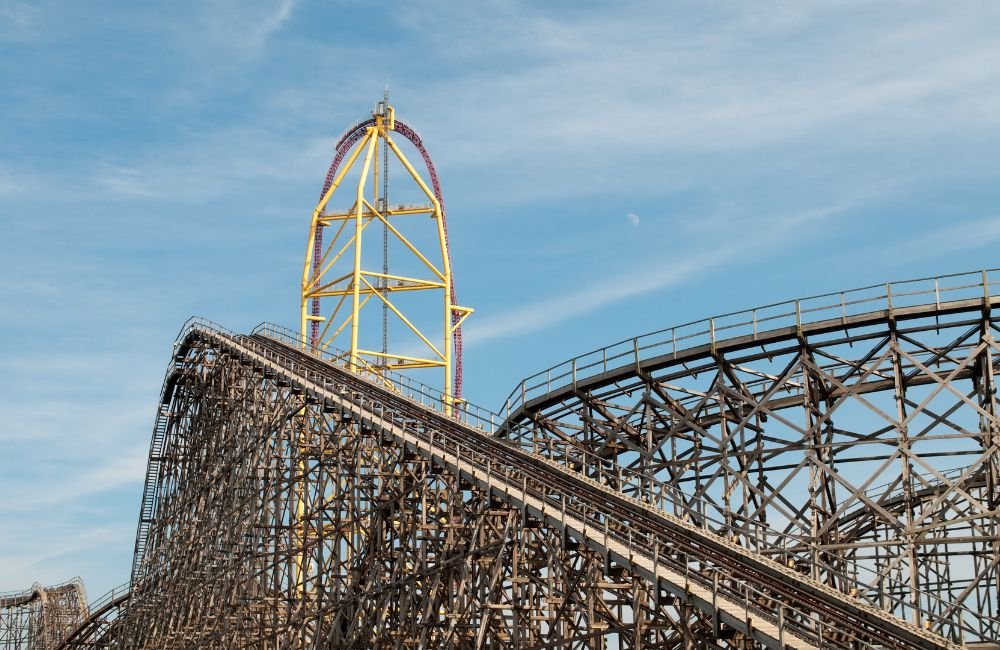
Corkscrew – Cedar Point
Corkscrew at Cedar Point is a classic steel roller coaster that has become part of the park’s long-running coaster collection.
Its compact layout includes three inversions, giving riders a very different experience from modern hypercoasters designed around long drops and extended airtime.
For some enthusiasts, the attraction’s older design gives it a distinctive character. Riders who prefer extremely smooth transitions, however, may find the experience less comfortable than newer steel coasters.
The difference demonstrates how roller coaster technology has evolved. Modern coaster manufacturers can use advanced track designs and trains to create complex elements while focusing heavily on smoother transitions.
Corkscrew remains an interesting choice for enthusiasts who enjoy classic coaster designs and want to experience a piece of Cedar Point’s history.
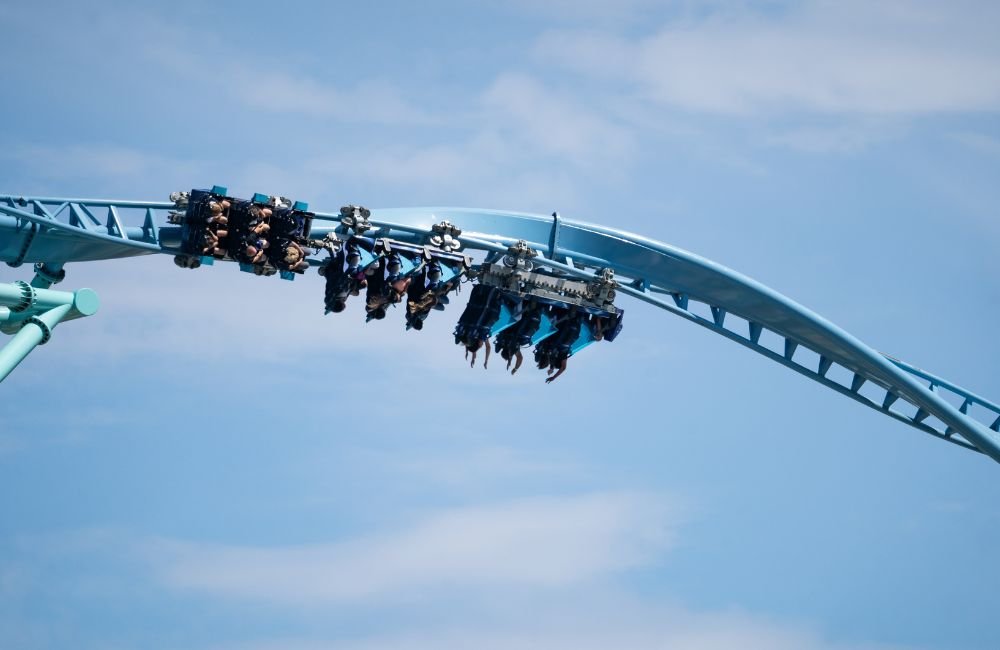
Blue Tornado – Gardaland
Blue Tornado at Gardaland in Italy offers a completely different riding position.
The attraction is an intense inverted-style roller coaster that sends riders through high-speed turns, accelerations and changes of direction. Gardaland describes it as an adrenaline attraction and currently lists a minimum height of 140 cm and maximum height of 200 cm.
The suspended seating arrangement means riders experience the track from underneath rather than sitting above it in a conventional coaster train.
That design can make the ride feel particularly intense.
Blue Tornado combines:
- High-speed sections
- Inversions
- Rapid turns
- Changes in direction
- Suspended seating
- Strong acceleration
Gardaland’s accessibility information also classifies Blue Tornado as a very intense roller coaster with strong accelerations, turns and changes in direction.
For riders who enjoy intense inverted coasters, these characteristics are part of the appeal. For others, the combination of speed and rapid directional changes may make Blue Tornado feel physically demanding.
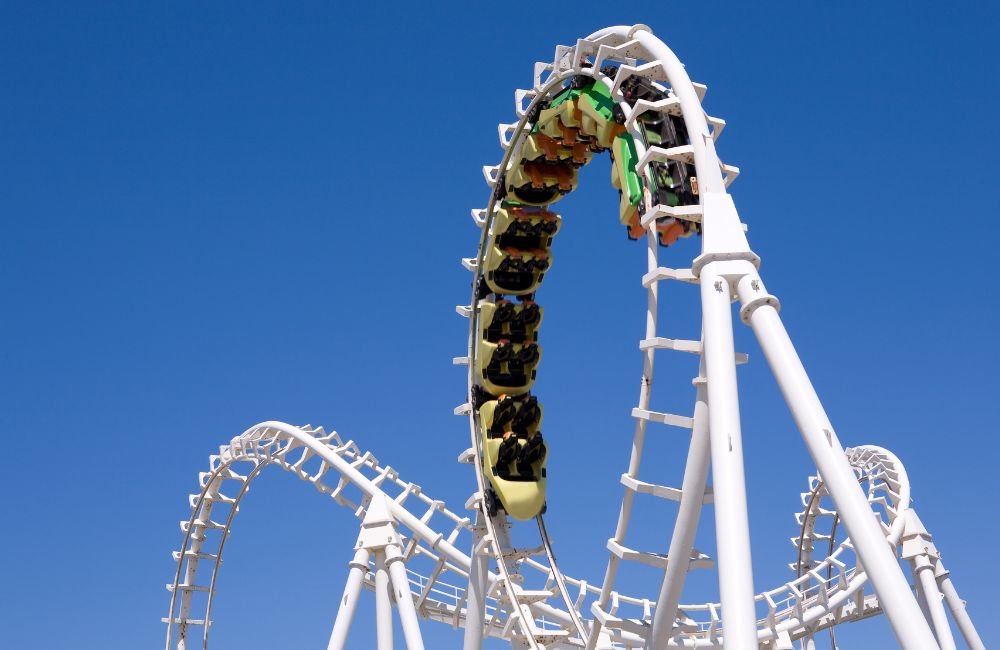
The Wave – Drayton Manor
Drayton Manor’s The Wave is an excellent example of how coaster design can change dramatically.
The attraction originally opened as Shockwave, a stand-up roller coaster. It was reimagined as The Wave in 2024 with a new seated train. The current ride features four inversions, sweeping turns and a zero-gravity roll, reaching speeds of up to 53 mph.
The change in seating is particularly important.
A stand-up coaster creates a very different sensation from a conventional seated coaster. The Wave now provides a more traditional seated experience while retaining the track layout and major elements associated with the attraction.
Drayton Manor lists several ride restrictions. The Wave has a minimum height requirement of 1.2 metres, while guests under 1.32 metres must be accompanied by a responsible person aged 16 or over. The park also advises against riding for guests with certain medical conditions, including some neck, back and heart conditions.
For riders who are sensitive to motion sickness or intense forces, checking the restrictions before joining the queue is particularly important.
X2 – Six Flags Magic Mountain
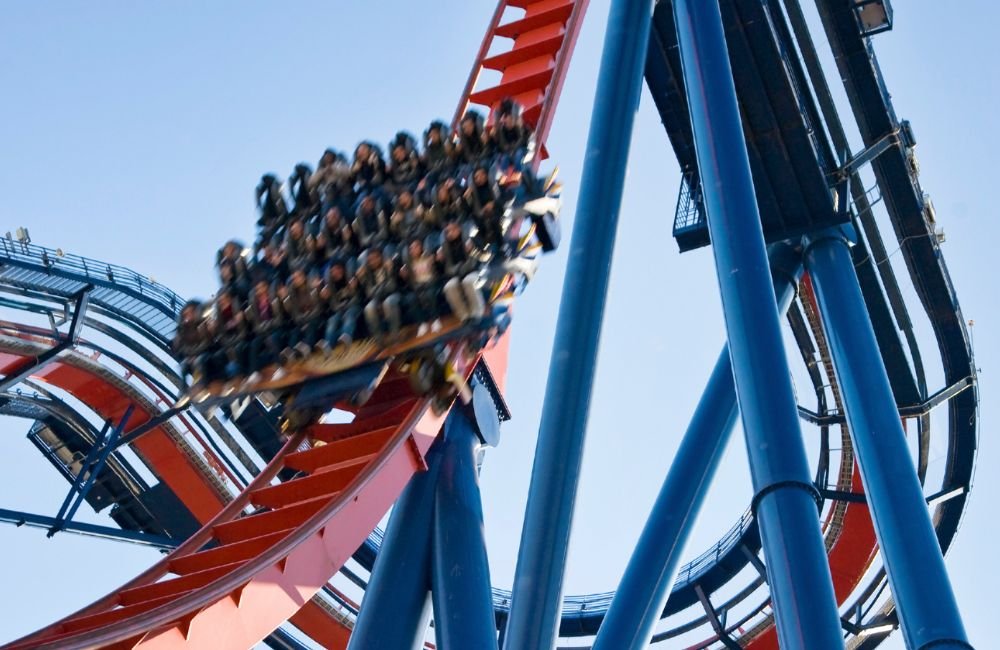
X2 at Six Flags Magic Mountain became famous for its unusual fifth-dimension ride experience.
The attraction featured seats that rotated independently from the direction of the track. Riders could experience head-first and face-down movements, dives, twists and other unusual elements.
That combination made X2 very different from conventional roller coasters.
However, X2 is no longer operating.
Six Flags announced on September 29, 2026, that it had permanently retired X2 after almost 20 years of operation. According to Six Flags, the attraction welcomed more than 16 million guests during its operating life and consistently passed safety tests.
X2 therefore belongs to roller coaster history rather than the current Six Flags Magic Mountain ride lineup.
Its unusual rotating-seat concept nevertheless remains an interesting example of how designers have experimented with the relationship between the rider and the track.
Blue Streak – Cedar Point
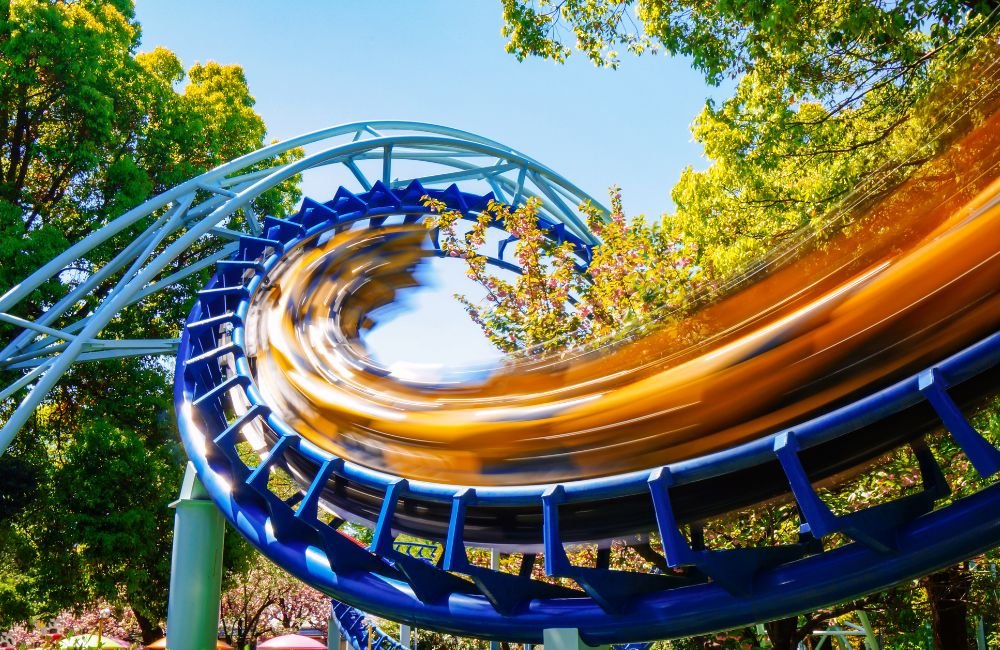
Blue Streak is a classic wooden roller coaster at Cedar Point and provides a very different experience from modern steel attractions.
Wooden coasters are known for their distinctive movement, sound and traditional ride character. Blue Streak also provides noticeable airtime over its hills and lateral forces through its turns.
Cedar Point uses Blue Streak as an educational example when teaching students about roller coaster physics. Its educational material encourages riders to observe lateral forces and compare the airtime experienced from different seats.
This makes Blue Streak particularly interesting for coaster enthusiasts who appreciate the engineering and physics behind traditional wooden rides.
The sensation may not appeal to everyone.
Riders accustomed to smooth, highly engineered modern steel coasters may find the movement of a classic wooden coaster more physical.
For wooden-coaster fans, however, that physical character is often part of the attraction.
Colossus – Thorpe Park
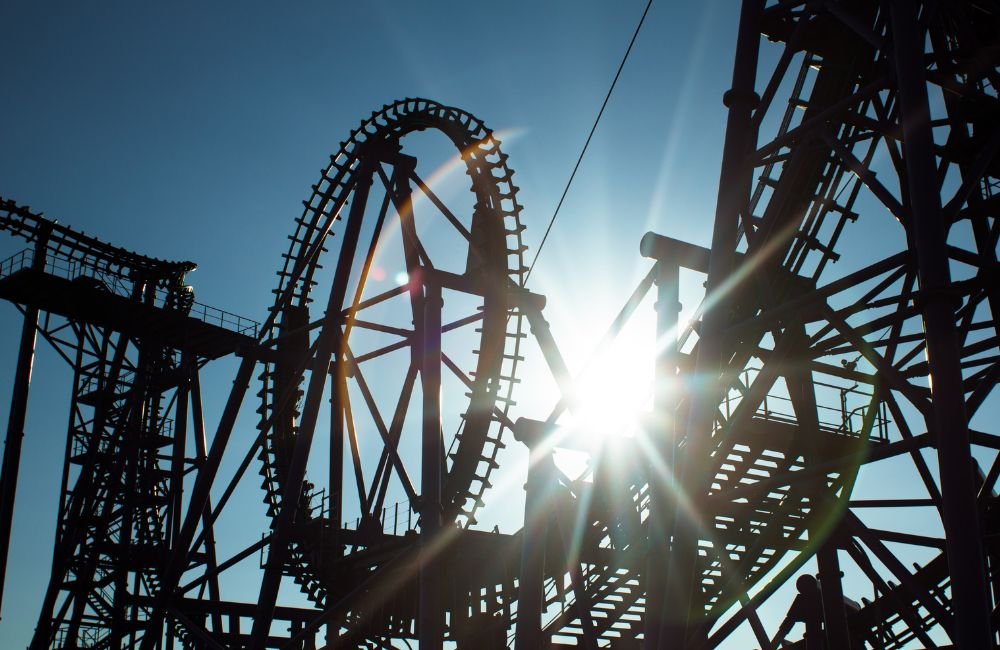
Colossus at Thorpe Park is one of the UK’s most distinctive looping roller coasters.
The ride features 10 inversions, including a vertical loop, cobra roll, double corkscrew and four consecutive heartline rolls. It reaches a top speed of 44 mph and stands 98 feet tall.
With so many inversions packed into a single ride, Colossus can feel considerably more intense than a coaster with only one or two major inversions.
Thorpe Park’s sensory information highlights the ride’s high G-forces, quick changes in direction and speed, and potential for dizziness.
The park also publishes specific physical and accessibility requirements for the attraction. Riders must meet the current height requirements and be able to cope with the physical forces involved.
For thrill-seekers, the concentration of inversions is one of Colossus’s biggest attractions.
For riders who prefer gentle coasters, it may be an entirely different story.
Big Dipper – Blackpool Pleasure Beach
The Big Dipper at Blackpool Pleasure Beach represents the opposite end of the design spectrum.
Instead of a modern steel coaster filled with complex inversions, the Big Dipper is a historic wooden roller coaster.
The attraction opened in 1923 and was extended in 1934. Pleasure Beach describes it as a classic wooden coaster featuring five drops and numerous twisting and banked turns.
The ride reaches a maximum speed of around 35 mph and has a track length of approximately 3,295 feet.
Its age and traditional wooden construction contribute to a very different ride sensation from contemporary steel coasters.
For some visitors, that traditional movement is exactly what makes the Big Dipper special.
For others, the physical nature of a classic wooden coaster can feel much less refined than the smooth experience provided by newer attractions.
G Force – Drayton Manor
G Force was once another major thrill ride at Drayton Manor.
The steel coaster featured three inversions and a distinctive vertical lift design. However, the attraction has been removed and is no longer part of the park’s operating coaster lineup.
The ride operated from 2005 until 2018. Current coaster records list G Force among Drayton Manor’s defunct attractions.
Visitors planning a trip to Drayton Manor should therefore focus on the park’s current attractions rather than older references to G Force.
What Happened to Stand-Up Coasters?
Stand-up roller coasters were once an unusual category of thrill ride.
Instead of sitting normally, riders stood in individual restraints while the train travelled through the coaster layout.
The concept created a distinctive sensation, but the format has become much less common.
Drayton Manor provides an interesting example. The former Shockwave attraction was converted into The Wave with seated trains in 2024.
This demonstrates how theme parks can preserve a familiar track layout while changing the riding experience through new trains and restraint systems.
Rougarou and the Evolution of Cedar Point’s Coasters
Cedar Point has also experimented with major changes to existing coaster designs.
Mantis was once a stand-up roller coaster at the park. It was later transformed into Rougarou, a floorless coaster, creating a different seating position and ride experience.
This kind of conversion can extend the life of an existing attraction while giving riders a substantially different experience.
It also demonstrates why descriptions of roller coasters can quickly become outdated. A ride’s name, trains, restraints and layout can all change over time.
Are Rough Roller Coasters Unsafe?
A rough or uncomfortable ride should not automatically be described as an unsafe ride.
The terms rough, intense and uncomfortable describe the rider experience. Safety is a separate issue.
IAAPA states that amusement ride safety involves cooperation between operators and riders. Its safety guidance advises guests to follow posted height, age, weight and health restrictions, obey operator instructions and remain seated until instructed to exit.
IAAPA also notes that amusement rides are subject to safety standards covering areas such as design, manufacturing, operation, maintenance and inspection.
Therefore, a coaster should not be labelled dangerous simply because it feels rough or intense.
How to Choose a Comfortable Roller Coaster
If you enjoy theme parks but do not enjoy physically demanding rides, a little research can make your day much more enjoyable.
Check the ride layout
Look at the number of inversions, launches, drops and rapid transitions before riding.
Consider the seating position
Inverted, winged, stand-up and rotating-seat designs can create very different sensations.
Read the park’s restrictions
Always check the current height, health and physical requirements.
Look for recent rider reviews
Personal experiences can help you understand how a ride feels, but remember that everyone’s tolerance is different.
Start with moderate rides
If you are unsure how your body will respond to a particular type of coaster, start with a less intense attraction before moving to something more demanding.
Do not ignore warning signs
If a park advises against riding because of a medical condition, take that warning seriously. IAAPA specifically advises guests to follow health restrictions and not ride with a pre-existing medical condition that could be affected by the attraction.
Why Some People Love Rough Roller Coasters
It may seem strange that some riders actively seek out coasters that others consider uncomfortable.
The answer is simple: roller coaster preferences vary enormously.
Some enthusiasts enjoy:
- Strong airtime
- Powerful acceleration
- High G-forces
- Rough wooden coasters
- Historic attractions
- Intense inversions
- Unusual seating systems
- Aggressive transitions
For these riders, the physical sensation is part of the fun.
A smooth coaster may be technically impressive, but a rough wooden coaster can provide a completely different kind of thrill.
Roller Coaster Technology Keeps Evolving
Modern theme parks continue to experiment with coaster technology.
Manufacturers can now create:
- Rotating seats
- Launch systems
- Winged trains
- Floorless trains
- Suspended seating
- Magnetic braking
- Complex inversions
- High-speed launches
- Hybrid track systems
The result is an enormous variety of ride experiences.
Some coasters focus on smoothness and speed, while others deliberately create unusual sensations.
This variety means there is no single “best” or “worst” coaster for everyone.
The Most Unpleasant Roller Coasters Are a Matter of Taste
The most unpleasant roller coasters are difficult to define because comfort is personal.
A ride that leaves one person feeling battered may leave another looking for another turn.
Classic attractions such as Corkscrew, Blue Streak and Big Dipper offer a very different experience from modern high-intensity rides. Blue Tornado combines suspended seating with rapid turns and acceleration, while Colossus packs 10 inversions into a single ride.
Other attractions have changed significantly. Shockwave at Drayton Manor is now The Wave with seated trains, while X2 at Six Flags Magic Mountain has been permanently retired.
The important thing is to understand what type of experience you are getting before you board.
If you enjoy intense forces and classic coaster movement, some of these rides could become memorable highlights of your theme-park trip.
If you prefer smooth transitions and gentle forces, there are plenty of modern attractions better suited to your preferences.
Either way, check the current ride information, follow all park restrictions and choose your next coaster based on the experience you actually want.
Happy riding!
