

Travelling to Australia? Discover Three Must-See Attractions
Australia offers an extraordinary combination of natural beauty, vibrant cities and ancient cultural heritage. From dramatic mountain landscapes to world-famous architecture, the country provides memorable experiences for travellers of all interests.
Wildlife encounters are another attraction, but Australia has much more to offer than kangaroos and koalas. Its national parks, coastal cities and remarkable geological formations deserve a place on your itinerary.
If you are planning a holiday, consider these three must-see attractions in Australia. Each destination offers a different perspective on the country’s landscapes, history and culture.
-
Blue Mountains, New South Wales
The Blue Mountains combine spectacular scenery, walking trails and remarkable natural heritage.
The Blue Mountains are among Australia’s best-known natural attractions. Located west of Sydney in New South Wales, this mountainous region features sandstone cliffs, deep valleys, eucalyptus forests and impressive waterfalls.
The wider Greater Blue Mountains Area is a UNESCO World Heritage property. It was inscribed in 2000 for its outstanding biodiversity and the evolutionary significance of its eucalyptus-dominated ecosystems. The protected area covers more than one million hectares. UNESCO’s official description explains its global natural significance.
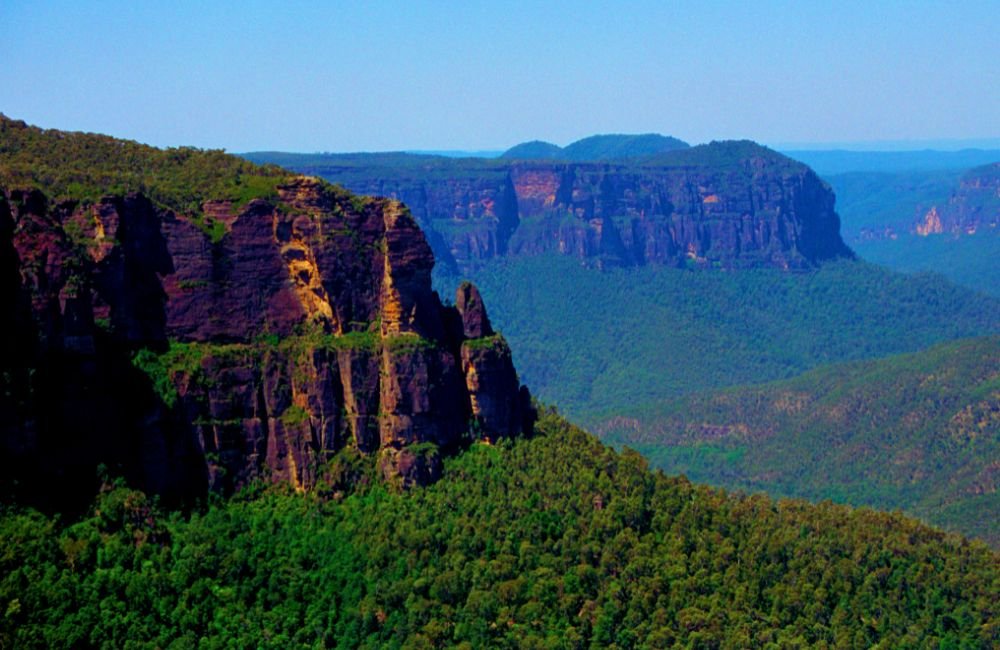
What makes the Blue Mountains special?
One of the region’s most recognisable landmarks is the Three Sisters rock formation near Katoomba. Visitors can admire the sandstone peaks from Echo Point and enjoy sweeping views across the Jamison Valley.
The region also offers opportunities for bushwalking, photography and wildlife observation. Depending on your interests and fitness level, you can choose short scenic walks or more demanding hiking routes.
Popular experiences include:
- Scenic lookouts: Enjoy panoramic views of cliffs, forests and valleys.
- Bushwalking: Explore marked trails through diverse natural environments.
- Waterfalls: Visit scenic locations such as Wentworth Falls when conditions permit.
- Scenic rides: Experience the landscape through local cableway and railway attractions.
- Mountain villages: Discover cafés, galleries, shops and local accommodation.
A day trip from Sydney can introduce you to the region’s highlights. However, staying overnight allows more time for walking trails and quieter viewpoints.
When should you visit the Blue Mountains?
The region can be visited throughout the year, although conditions vary with the season and elevation. Spring and autumn can offer comfortable conditions for outdoor exploration.
Check local weather forecasts, park alerts and trail closures before travelling. Heavy rain, bushfires and other hazards can affect access to particular locations.
For official information, consult the NSW National Parks and Wildlife Service.
-
Sydney Opera House, Sydney
Experience one of Australia’s most recognisable architectural landmarks.
The Sydney Opera House is a defining feature of Australia’s international image. Situated beside Sydney Harbour, its distinctive sail-shaped roof makes it one of the country’s most photographed buildings.
The Opera House is more than an architectural attraction. It is a major performing arts centre that hosts concerts, theatre productions, opera, dance and other cultural events.
The building is also recognised as a UNESCO World Heritage property, reflecting its architectural significance. You can find further information through the UNESCO World Heritage List.
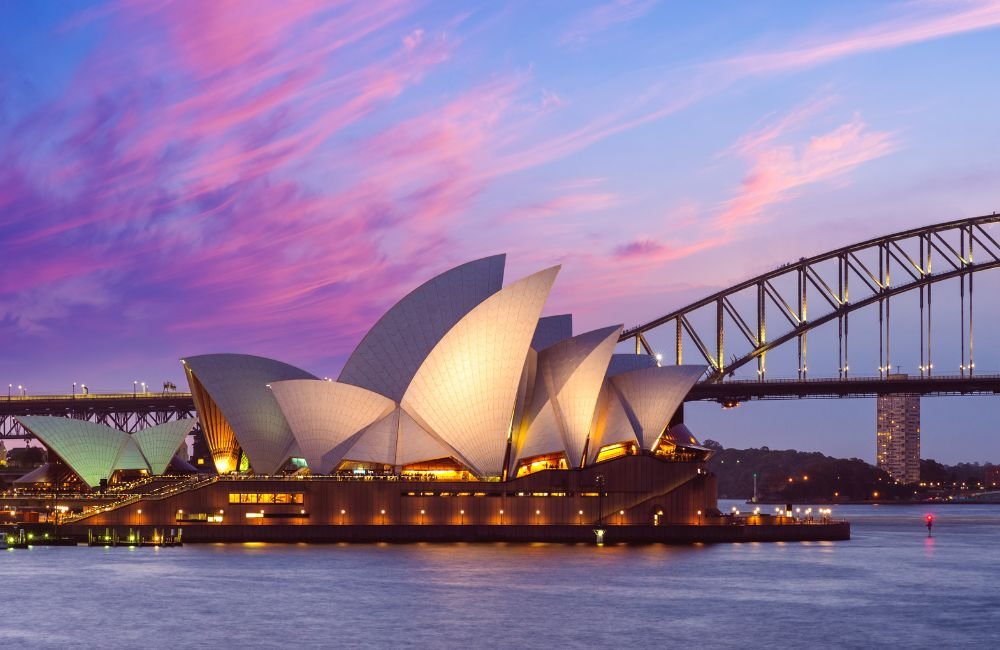
Things to do at the Sydney Opera House
You can appreciate the building from the surrounding harbour precinct or explore its interior through an organised tour.
Consider these experiences during your visit:
- Guided tours: Learn about the building’s design, history and construction.
- Live performances: Book a show that matches your interests.
- Harbour photography: Capture the Opera House alongside Sydney Harbour Bridge.
- Dining experiences: Enjoy food and refreshments with views of the waterfront.
- Surrounding attractions: Explore Circular Quay and the nearby Royal Botanic Garden.
The surrounding area is also a convenient starting point for harbour ferries and other sightseeing activities.
How should you plan your visit?
Check the official event calendar before travelling. Booking a performance or guided tour in advance can help you secure your preferred time.
Tour access and available venues can vary because the Opera House remains an active performance centre. Visitors with mobility requirements can also investigate dedicated accessible tours.
Visit the official Sydney Opera House website for current tours, performances, accessibility information and visitor arrangements.
If your Australian itinerary includes Sydney, allow enough time to appreciate both the building and the surrounding harbour.
-
Uluru, Northern Territory
Discover an extraordinary desert landmark and a living Aboriginal cultural landscape.
Uluru, formerly widely known by the English name Ayers Rock, is one of Australia’s most distinctive natural landmarks. This immense sandstone formation rises above the surrounding red desert in the Northern Territory.
Its changing colours are particularly striking around sunrise and sunset. As the light changes, the rock can appear in shades of red, orange and purple.
Uluru is part of Uluṟu-Kata Tjuṯa National Park, a UNESCO World Heritage property recognised for both its natural and cultural values.
However, Uluru is much more than a geological attraction. It is a sacred place for the Aṉangu Traditional Owners, whose cultural knowledge, laws and traditions remain central to the landscape.
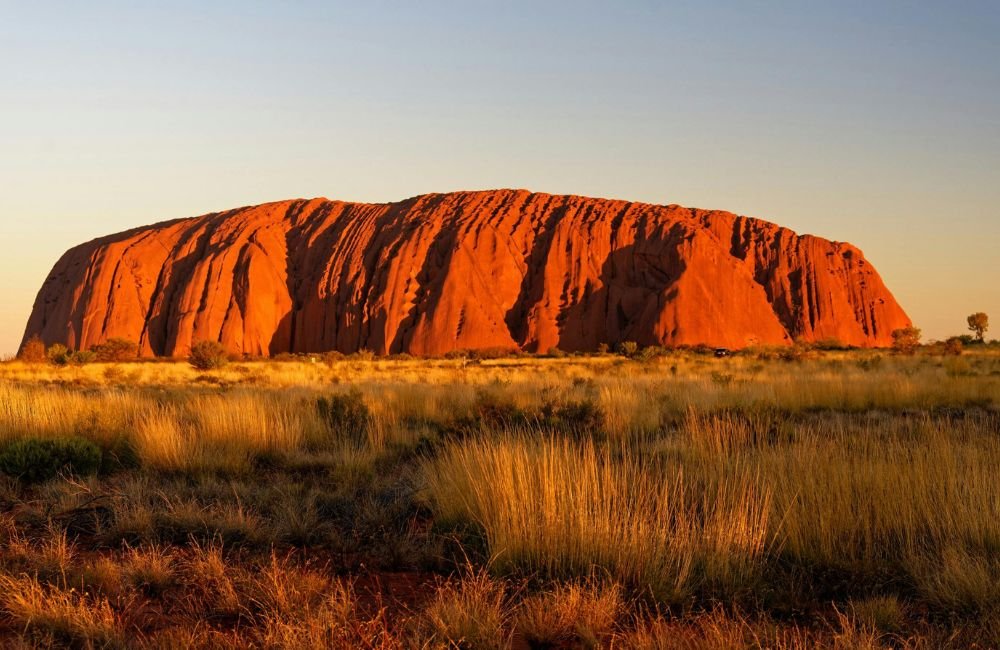
What can you experience at Uluru?
Visitors can explore the area through guided cultural experiences, walking routes and scenic viewing locations.
Consider these activities:
- Sunrise and sunset viewing: Observe the changing colours of Uluru in different lighting conditions.
- Cultural experiences: Learn about Aṉangu traditions and connections to Country.
- Base walks: Explore designated walking routes around the rock when open.
- Visitor interpretation: Discover local history, wildlife and environmental information.
- Kata Tjuṯa: Visit the nearby group of remarkable rock formations, subject to access and park conditions.
The Cultural Centre is a valuable starting point for understanding the park’s cultural significance. It provides exhibits, visitor information and opportunities to learn about Aṉangu culture.
Important visitor information
Climbing Uluru has been permanently prohibited since 26 October 2019. Visitors should respect Aṉangu cultural protocols and follow all park regulations. Parks Australia’s official guidance explains the closure and its cultural background.
The desert climate also requires careful planning. Daytime temperatures can become extremely high, particularly during the warmer months. Carry sufficient water, use sun protection and follow the park’s safety advice.
May to September generally offers cooler daytime conditions for walking, although nights can be cold. Always check current weather information, park alerts and walking-track conditions before setting out.
For park passes, maps, visitor information and cultural experiences, consult the official Uluṟu-Kata Tjuṯa National Park website.
Planning Your Australian Holiday
These three must-see attractions in Australia offer very different experiences. The Blue Mountains showcase the country’s natural diversity, the Sydney Opera House represents its architectural and performing arts heritage, and Uluru reveals the deep cultural significance of the Australian landscape.
However, these destinations are spread across different regions. The Blue Mountains are close to Sydney, while Uluru is in Central Australia. Allow sufficient time for flights, ground transport and overnight stays when planning your itinerary.
Before booking, consider the season, local weather, accommodation availability and activities you want to experience. Check official visitor websites for current opening arrangements, transport options and access restrictions.
Final Thoughts
Australia offers an impressive range of destinations, and these three attractions provide an excellent starting point for discovering the country.
Explore the forests and sandstone cliffs of the Blue Mountains, experience the performances and architecture of the Sydney Opera House, and learn about the natural and cultural heritage of Uluru.
Whether you are planning a short city break or a longer Australian adventure, thoughtful preparation will help you make the most of your journey.
Take time to appreciate each destination, respect local cultural traditions and leave room in your itinerary for unexpected discoveries. Your Australian holiday can become a memorable exploration of nature, architecture and living heritage.
