
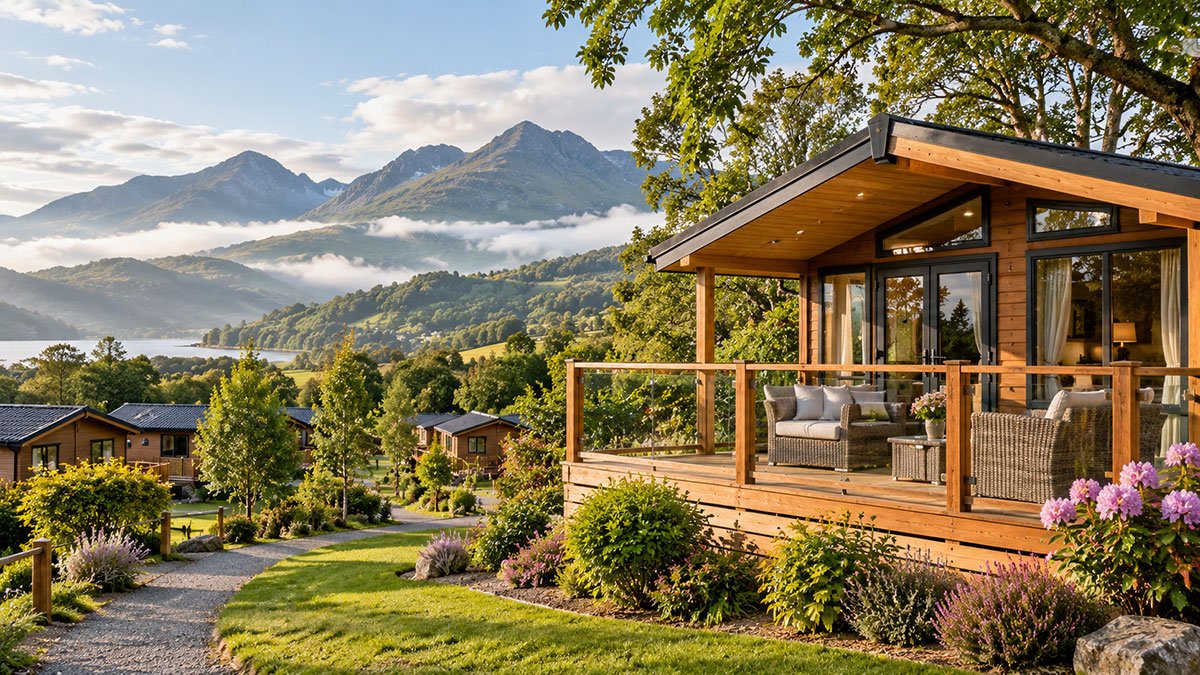
Enjoy the beauty of North Wales with a comfortable timber holiday lodge surrounded by landscaped gardens, scenic walking paths and the breathtaking mountains of Eryri (Snowdonia). A perfect setting for relaxing countryside escapes and outdoor adventures.
Holiday Lodges in North Wales: A Buyer’s Guide
Holiday lodges in North Wales offer a way to enjoy regular countryside and coastal escapes without booking new accommodation for every trip. Depending on the property, a lodge can provide bedrooms, a kitchen, a living area and outdoor space in a scenic setting.
North Wales is particularly appealing to nature lovers. The region combines the mountains of Eryri (Snowdonia), the beaches of Anglesey, the Llŷn Peninsula’s coastline and historic towns such as Conwy and Llandudno.
Buying a holiday lodge can suit families, couples and outdoor enthusiasts who expect to visit frequently. However, ownership involves more than the initial purchase price. Annual site fees, utility bills, maintenance and restrictions on occupation can all affect the decision.
Understanding these commitments before buying helps you choose a lodge that fits your lifestyle and budget.
Why Choose Holiday Lodges in North Wales?
North Wales offers a varied landscape for people who enjoy returning to the same holiday region throughout the year. Mountains, beaches, forests, walking routes and historic attractions provide plenty of opportunities for different kinds of trips.
A Comfortable Base for Countryside Escapes
A lodge can offer more space and privacy than some traditional camping options. Many units include a kitchen, separate bedrooms and a living area, although facilities vary by property.
You can prepare meals, relax indoors after a day outside and enjoy time together without depending entirely on restaurants or shared campsite facilities.
Family-Friendly Holiday Accommodation
Families may appreciate having separate sleeping areas, a kitchen and space to unwind. Some holiday parks also provide recreational facilities, children’s activities or play areas.
These amenities are not available everywhere. Check the specific park’s facilities, age restrictions, accessibility arrangements and seasonal opening schedule before buying.
Enjoy Repeat Visits Throughout the Year
A lodge can serve as a familiar base for weekend breaks and longer holidays. You might plan summer beach trips, autumn walks, winter escapes and spring visits to local attractions.
However, a lodge’s availability depends on the park’s permitted operating season. Some sites require owners to leave for part of the year, so year-round access should never be assumed.
Best Areas to Consider for a Holiday Lodge in North Wales
The right location depends on your favourite activities, preferred surroundings and how you expect to use the lodge.
1. Eryri (Snowdonia): Mountains, Lakes and Outdoor Adventures
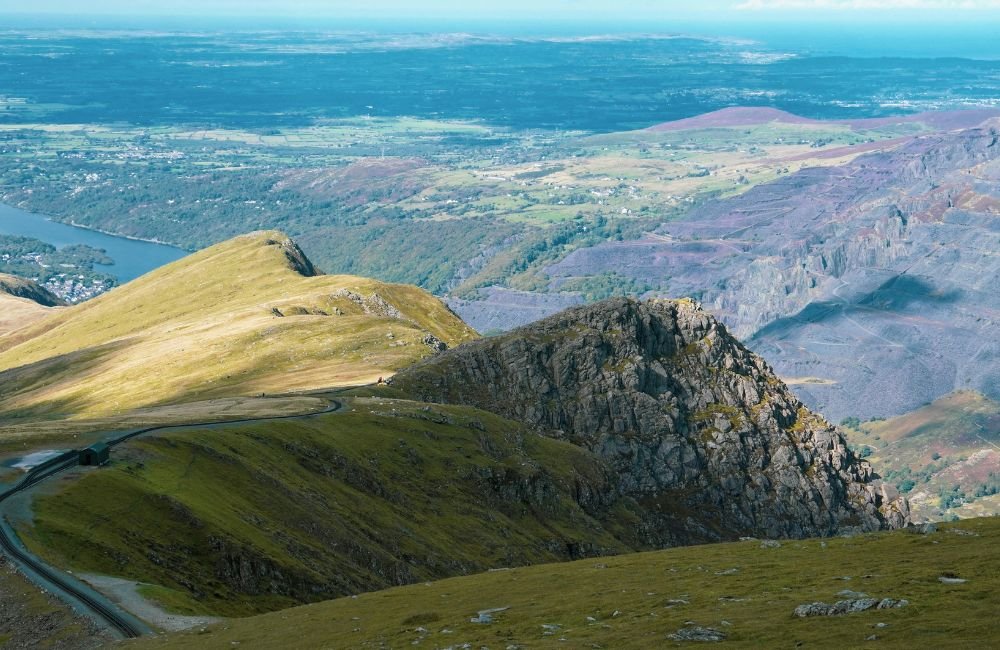
Eryri is an excellent area to consider if you enjoy dramatic mountain scenery, walking and outdoor exploration.
The region contains mountain valleys, lakes, woodland and communities with strong Welsh cultural heritage. Visitors can explore walking routes, discover historic slate landscapes and visit villages surrounded by beautiful scenery.
A lodge near Eryri may appeal to walkers, cyclists and families who prefer countryside activities to busy seaside resorts.
Before choosing a location, consider the driving time to your preferred trails, shops and attractions. Mountain weather can change quickly, so plan outdoor activities around current conditions and official route guidance.
2. The Llŷn Peninsula: Coastal Scenery and Peaceful Escapes
The Llŷn Peninsula offers a different experience, with beaches, coastal paths and attractive seaside communities.
It can suit people who enjoy beach walks, coastal photography, water-based activities and quieter countryside breaks. A lodge in this area may also provide a comfortable base for exploring the wider Gwynedd coastline.
When comparing parks, check how easily you can reach beaches and walking routes. Also consider access to supermarkets, restaurants and other everyday facilities.
Coastal locations can experience strong winds and changing weather. Inspect outdoor seating areas and check how exposed the lodge and its surroundings are before making a purchase.
3. Anglesey: Beaches, Coastal Walks and Family Days Out

Anglesey, known in Welsh as Ynys Môn, is a popular choice for travelers who want access to beaches and coastal scenery.
The island offers coastal walking routes, seaside villages and opportunities to explore local history and wildlife. Its varied landscape can appeal to families, couples and people who prefer relaxed outdoor activities.
When choosing a lodge here, decide whether you prefer a coastal setting, a village environment or a location closer to larger settlements and services.
Consider parking, road access and journey times to the attractions you expect to visit most often.
4. Conwy and Llandudno: Heritage and Seaside Attractions
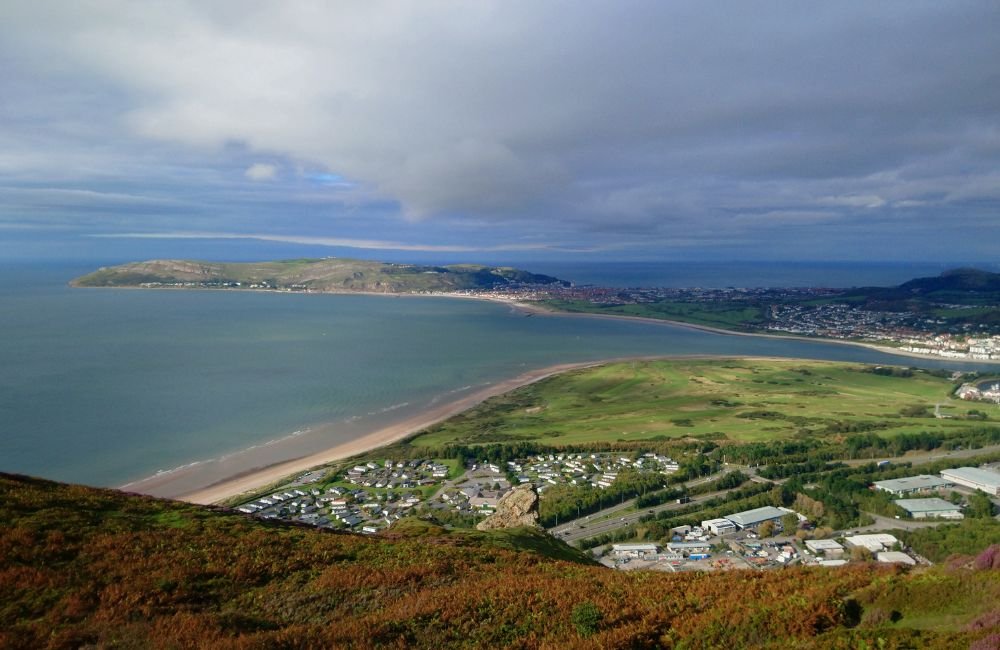
The Conwy and Llandudno offer a combination of historic attractions, seaside experiences and town facilities.
Conwy is known for its medieval castle and historic town walls. Llandudno offers a traditional seaside atmosphere, including its Victorian pier and promenade.
A lodge in this part of North Wales may suit people who want outdoor activities without staying far from shops, restaurants and established visitor attractions.
It can also provide a useful base for combining coastal visits with trips into the surrounding countryside.
What Should You Look for When Buying a Holiday Lodge?
A lodge that looks attractive during a viewing may not necessarily meet your needs over several years. Compare both the accommodation itself and the conditions attached to the park.
Choose the Right Layout
Consider how many people will use the lodge regularly. A couple may be comfortable with one bedroom, while a family may need additional sleeping space and a larger living area.
Check the number and size of bedrooms, storage, bathroom arrangements, kitchen equipment and seating areas. If you expect to stay for longer periods, inspect the kitchen and laundry facilities carefully.
Do not rely solely on photographs or a brochure. Visit the lodge in person where possible, and inspect its overall condition.
Check the Facilities and Services
Facilities vary between holiday parks. Some provide extensive recreational amenities, while others focus on peaceful surroundings and self-contained accommodation.
Ask whether the following are included or available:
- Water, electricity and drainage connections.
- Heating and hot-water systems.
- Internet connectivity.
- Parking near the lodge.
- Waste collection and grounds maintenance.
- On-site reception or maintenance support.
- Access to leisure facilities, where advertised.
Ask which services are included in the annual site fee and which incur additional charges.
Consider Access and Accessibility
Think about how you will reach the lodge, particularly if you intend to visit frequently.
Check road conditions, parking arrangements and access to nearby transport links. If you have mobility requirements, inspect paths, steps, entrances, bathrooms and the distance between the lodge and shared facilities.
A slightly less secluded property may prove more convenient if it reduces travel time to shops and attractions.
Understand the Costs of Owning a Holiday Lodge
The initial purchase price is only one part of the cost of lodge ownership. A realistic budget should include recurring charges and possible future expenses.
Purchase Price and Additional Costs
Prices vary according to the lodge’s size, specification, age, location and ownership arrangement.
Newer units may offer modern layouts and equipment, while pre-owned lodges can provide different price and condition options. In either case, inspect the property and request details of any repairs, refurbishment or replacement work likely to be needed.
Also check whether the quoted price includes installation, connection of services, furnishings and other setup costs.
Annual Site Fees
Many holiday parks allow owners to keep their lodge on a pitch owned or managed by the park operator. Owners generally pay an annual site or pitch fee for the occupation of that space and the services specified in their agreement.
Ask for the current fee in writing and find out when and how it can increase.
Check exactly what the fee covers. Grounds maintenance, security, waste collection and access to shared facilities may be included at some parks but charged separately at others.
Utilities, Maintenance and Insurance
Electricity, gas, water, internet access and other services can create additional expenses.
You should also budget for routine maintenance, repairs, suitable insurance and replacement of ageing appliances or furnishings.
Ask about the lodge’s age, condition, expected service life and any park requirements for refurbishment or replacement.
Resale Value and Depreciation
A holiday lodge should not automatically be treated as a conventional property investment. Its resale value depends on several factors, including age, condition, demand and the terms of the park agreement.
Some agreements also impose conditions or charges when an owner sells a lodge. In other circumstances, removing or disposing of an older unit can create additional costs.
Before purchasing, ask the operator about resale procedures, commissions, buyer approval requirements and any restrictions on the age or condition of lodges kept on the site.
For budgeting purposes, assume that resale value is uncertain rather than guaranteed to rise.
Understand Planning Rules and Holiday Park Agreements
This is one of the most important parts of buying a holiday lodge in Wales.
A lodge used for holidays is not necessarily authorised for permanent residential occupation. Planning permission and the relevant site licence can restrict when a park operates and how its accommodation may be used.
Some parks require owners to vacate their lodges for a specified period each year. The exact restrictions depend on the park’s permissions, licence conditions and agreement.
Before signing a purchase contract, ask to review:
- The park’s relevant planning permission and site licence.
- Written rules covering the permitted use and operating season.
- Your lodge’s pitch agreement and its duration.
- Annual site fees and the terms governing increases.
- Rules concerning pets, guests, subletting and personal use.
- Requirements for resale, refurbishment or lodge replacement.
- Any charges for selling, moving or removing the lodge.
Do not assume that owning the lodge means owning the land beneath it. Confirm exactly what you are buying and what rights you receive.
Consider having a solicitor familiar with holiday lodge or park-home transactions review the contract before you commit.
Can You Rent Out Your Holiday Lodge?
Some owners want to let their lodge to other holidaymakers when they are not using it. This may help offset running costs, but you must first confirm that the park permits commercial letting.
Review the agreement for restrictions on guest bookings, owner-use periods, management fees, cleaning, insurance and responsibility for damage.
If the park manages bookings, ask how revenue is calculated and what commission or other charges apply. Compare the potential income with the full annual cost of ownership.
There are also regulatory considerations. Wales opened its national visitor accommodation register on 1 October 2026. Providers offering overnight accommodation generally need to register, subject to the applicable rules and exemptions. Existing providers generally have until 31 March 2027 to register.
If you plan to advertise your lodge for paying guests, check the current Welsh Government guidance and confirm whether you or the park operator is responsible for registration.
Tax treatment can also depend on how the accommodation is used and commercially let. Check the current rules with the relevant local authority or a qualified adviser before relying on projected rental income.
Make the Most of Family Lodge Holidays

Once you have selected a suitable property, a holiday lodge can provide a convenient base for exploring North Wales at your own pace.
You can plan mountain walks, visit beaches, explore castles or enjoy quieter days around the lodge. Having a kitchen may also make it easier to prepare family meals and accommodate different routines.
Before buying, consider whether the location will remain convenient as your family’s needs change. Think about bedrooms, outdoor space, nearby facilities and access to activities suitable for different ages.
If you travel with pets, confirm the park’s pet policy and any restrictions on breeds, numbers or access to shared facilities.
Remember that campfires, barbecues and other outdoor activities may be subject to park rules. Follow local fire-safety instructions and respect the surrounding environment.
When Is the Best Time to Visit North Wales?
North Wales offers different experiences in every season, but the weather and available activities can affect your plans.
Spring can be suitable for countryside walks and exploring local towns. Summer offers opportunities for beach visits and longer days outdoors. Autumn brings changing woodland colours and a quieter atmosphere in some areas.
Winter can provide a peaceful escape, although weather conditions may limit outdoor activities and some seasonal attractions may close or reduce their services.
If your park operates seasonally, confirm the permitted occupation dates before buying. Ask whether maintenance work, utility restrictions or reduced on-site services affect particular months.
For mountain walks and other outdoor activities, consult local forecasts and official guidance before setting out.
Should You Buy or Rent a Lodge First?
Buying works best when you expect to use the accommodation regularly and can comfortably manage the ongoing costs.
If you are unsure, consider renting a lodge in North Wales before committing to ownership. Try a weekend in the type of location you prefer, whether that is a coastal park, a mountain setting or a quieter countryside retreat.
This gives you an opportunity to assess the travel time, weather, local facilities and style of accommodation.
You can then compare the cost of repeated rentals with the full cost of ownership, including site fees, utilities, maintenance and resale considerations.
Renting also provides flexibility to explore different parts of North Wales before choosing a permanent holiday base.
A Practical Checklist Before Buying
Before making your final decision, make sure you can answer these questions:
- Does the location suit the activities and attractions you enjoy?
- Have you inspected the lodge and checked its condition?
- Do you understand the annual site fees and additional running costs?
- Have you reviewed the park’s planning permission, licence and seasonal restrictions?
- Do you know how long the pitch agreement lasts and what happens when it ends?
- Have you checked resale conditions, commissions and potential removal costs?
- If you intend to let the lodge, have you confirmed the park’s rules, registration requirements and tax considerations?
- Can you comfortably afford the purchase and recurring costs without depending on uncertain rental income?
Find the Right Holiday Lodge in North Wales
Holiday lodges in North Wales can offer a comfortable way to return to a region known for mountains, beaches, historic towns and outdoor adventures.
The best choice depends on your preferred location, the facilities you need and how frequently you expect to use the accommodation. Equally important are the ownership agreement, annual fees, site restrictions and potential resale costs.
Take time to inspect the property, compare locations and review the paperwork before committing. By treating lodge ownership as a long-term lifestyle decision rather than a guaranteed investment, you can make a more informed choice and enjoy the region with greater confidence.
