
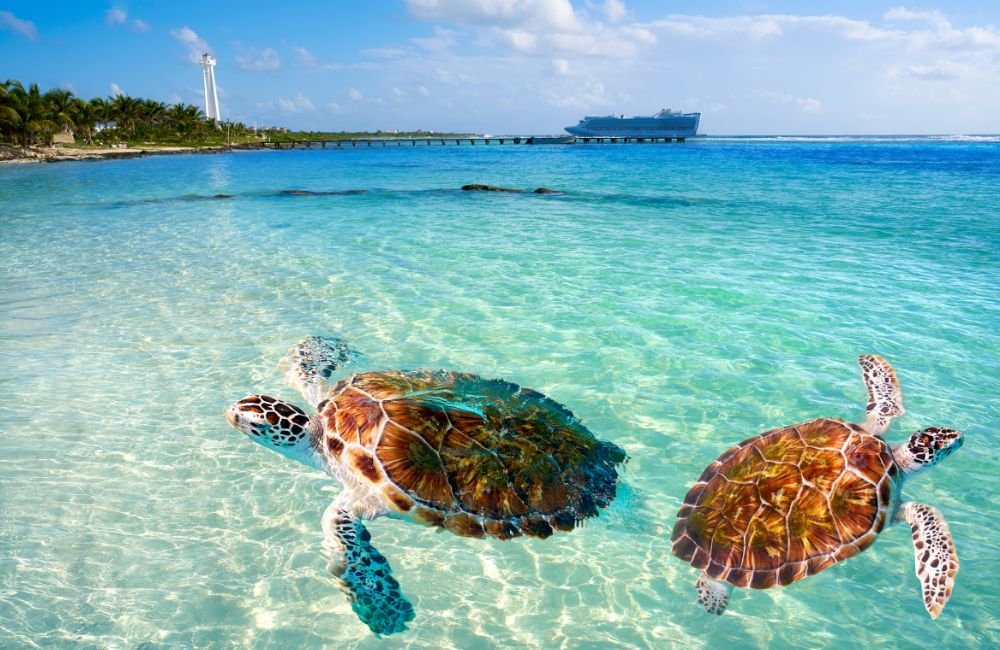
Discover the Caribbean’s remarkable wildlife, from coral reef ecosystems and sea turtles to tropical birds and forest species.
Caribbean Wildlife: Animals, Birds and Marine Life
The Caribbean is famous for its turquoise waters, white-sand beaches and tropical resorts. Yet beyond the familiar holiday scenery lies a remarkable natural world filled with colourful birds, sun-loving iguanas, coral reef sharks, migrating whales and wildlife found nowhere else on Earth.
For travellers interested in nature, Caribbean wildlife offers a different way to experience the islands. You can explore tropical forests with a local guide, watch seabirds along the coast, snorkel above coral reefs or join a responsible whale-watching excursion during the appropriate season.
Wildlife varies considerably between islands, so the animals you encounter will depend on your destination, habitat and time of year. With a little planning, you can make nature an important part of your Caribbean holiday while helping protect the ecosystems that make the region special.
1. Discover the Caribbean’s Fascinating Marine Life
The Caribbean Sea supports a diverse range of marine animals and habitats. Coral reefs, seagrass beds, mangroves and coastal waters provide food and shelter for numerous fish, reptiles and marine mammals.
Snorkelling, scuba diving and guided boat trips can offer opportunities to observe this underwater world. Choose activities that suit your experience level and always follow local marine conservation rules.
Caribbean Reef Sharks
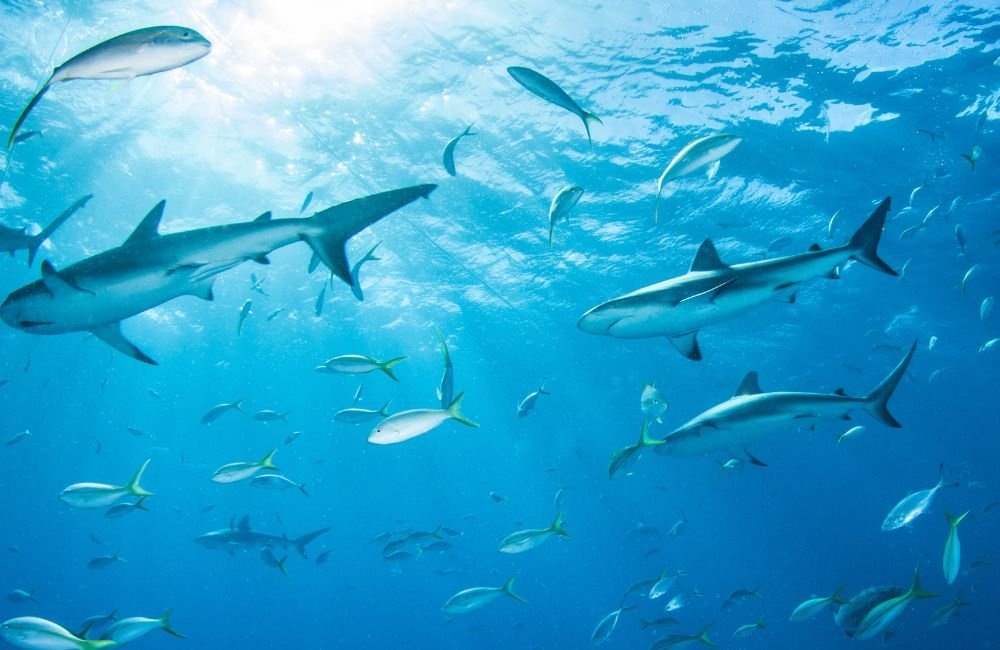
The Caribbean reef shark is one of the region’s best-known marine predators. It inhabits tropical waters around coral reefs and is often associated with reef edges and deeper reef environments.
These sharks feed mainly on fish and other marine animals. Although encounters with people can occur, they should be treated as wild-animal encounters rather than opportunities for close contact.
Some guided diving excursions offer the chance to observe reef sharks in their natural habitat. Before booking, check the operator’s safety procedures, experience requirements and approach to wildlife interaction.
Never attempt to touch, chase or feed a shark. Follow your guide’s instructions and maintain a respectful distance.
Humpback Whales
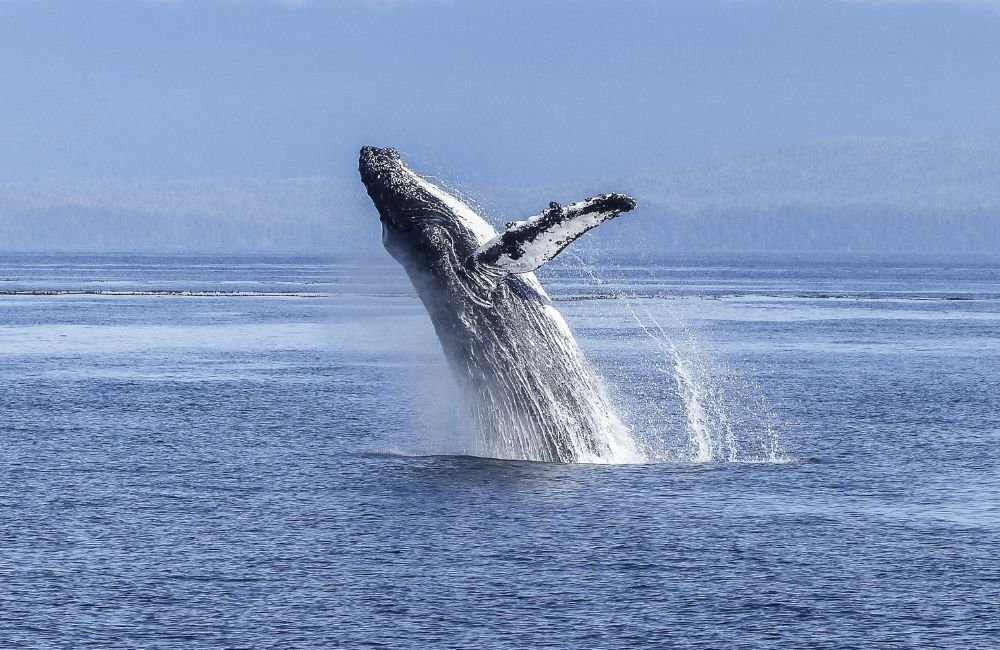
Humpback whales are among the most memorable animals to encounter in the Caribbean. Parts of the region serve as winter breeding and calving grounds for whales that migrate from colder feeding waters.
The main season generally falls during winter and early spring, but the timing and likelihood of sightings vary by island and whale population. Some areas have more established whale-watching opportunities than others.
A guided boat excursion can provide an opportunity to watch whales surface, raise their tails or breach. Sightings are never guaranteed, and responsible operators avoid actions that disturb the animals.
When choosing a whale-watching trip, look for operators that follow local wildlife regulations, maintain appropriate distances and allow whales to move freely without persistent pursuit.
Sea Turtles and Coral Reef Fish
Sea turtles are another important part of Caribbean marine ecosystems. Depending on the island and season, visitors may encounter turtles while snorkelling, diving or taking part in a guided coastal excursion.
Several turtle species use Caribbean waters and beaches. Some return to suitable nesting beaches to lay their eggs, making coastal habitats particularly important for their survival.
If you encounter a turtle underwater, observe it quietly and avoid blocking its path. Never touch a turtle or interfere with nesting females, eggs or hatchlings. Beach lighting, litter and disturbance can affect nesting success, so follow local conservation guidance.
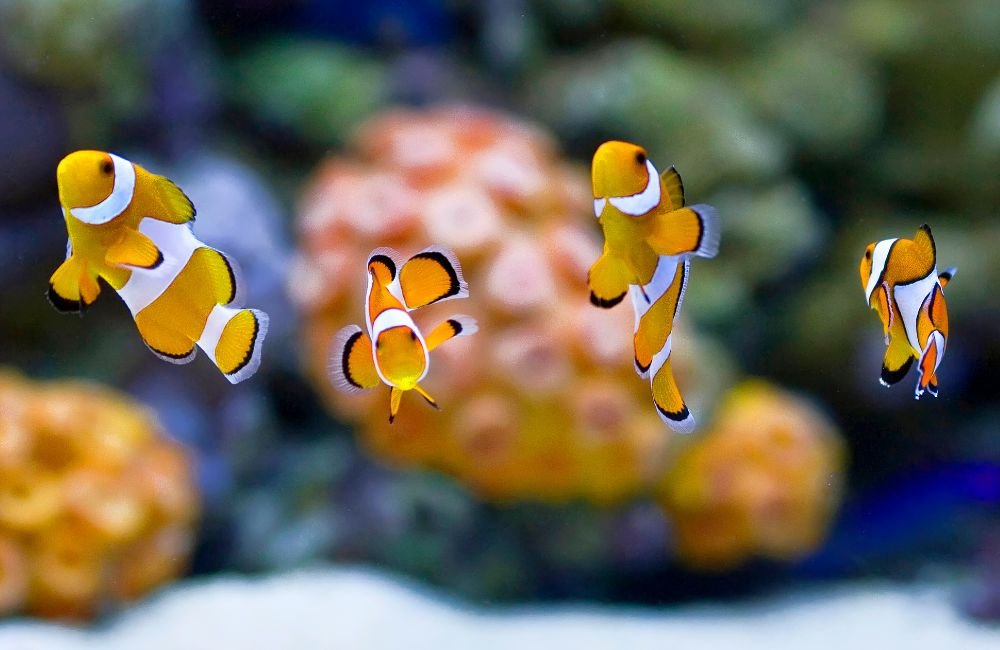
Coral reefs also support colourful tropical fish, rays, crustaceans and many other marine organisms. Choose reef-safe behaviour: avoid standing on coral, keep your fins away from fragile formations and never collect coral or marine life as souvenirs.
2. Explore the Caribbean’s Tropical Birds and Rainforest Wildlife
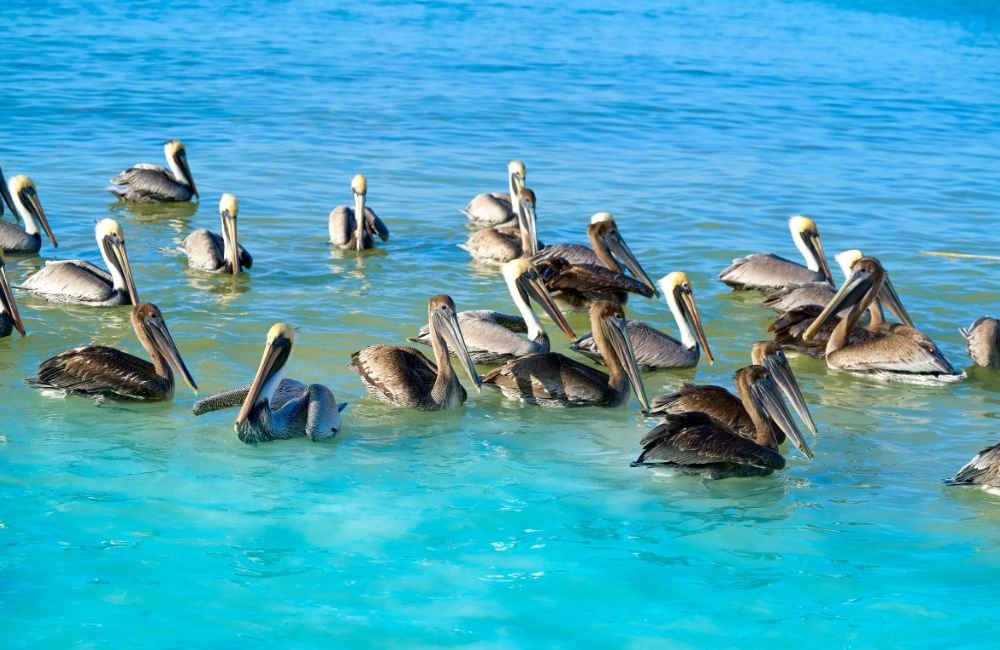
The Caribbean’s wildlife is not limited to the sea. Its forests, wetlands, mountains and coastal vegetation support a remarkable variety of birds, reptiles, amphibians and mammals.
Because many islands have evolved in relative isolation, some species are endemic, meaning they occur naturally only in a particular geographic area.
Colourful Tropical Birds
Birdwatching is one of the most rewarding ways to explore the Caribbean’s natural environment. Depending on your destination, you may see pelicans, hummingbirds, parrots, herons, frigatebirds and numerous migratory species.
Jamaica, for example, is famous for its red-billed streamertail hummingbird, while several other Caribbean islands boast their own distinctive parrot species.
Birdwatchers should consider visiting protected forests, wetlands and nature reserves with a knowledgeable local guide. Early morning is often a useful time to look for birds, although the best conditions depend on the habitat and species.
Bring binoculars, wear suitable footwear and keep noise to a minimum. Avoid approaching nests or using calls and recordings in ways that disturb wildlife.
The Caribbean is also an important region for migratory birds. Seasonal visitors rely on its forests, wetlands and coastal habitats for feeding and resting during long journeys.
Iguanas and Other Reptiles
Iguanas are familiar sights on some Caribbean islands. They may bask in sunny areas, move through scrubland or shelter among rocks and vegetation.
However, different islands support different species, and some native iguanas are threatened by habitat loss, introduced predators and other pressures. The presence of iguanas around a resort does not mean that every species is common or secure throughout the region.
Observe them from a respectful distance and do not feed or attempt to handle them. Human food can be unsuitable for wildlife, and close contact can cause stress or provoke defensive behaviour.
Depending on the destination, guided nature walks may also reveal geckos, anoles, frogs and other small animals that are easily overlooked by visitors.
Bats, Frogs and Other Forest Animals
Caribbean forests support bats, amphibians, reptiles and numerous invertebrates. Bats play important ecological roles, including pollination, seed dispersal and insect consumption, depending on the species.
Frogs can be particularly interesting to look for after rain or during humid evenings. Some species have very restricted distributions, making local habitats especially important for their survival.
A guided walk is often the best way to discover smaller wildlife without damaging vegetation or disturbing animals. Guides familiar with the local environment can explain which species are native, which are endangered and how island ecosystems function.
Do not handle bats, frogs or other unfamiliar wildlife. Some animals are vulnerable to disturbance, and direct contact can harm both people and animals.
3. Experience Caribbean Wildlife in Its Natural Habitat
Seeing animals in the wild can be a highlight of a Caribbean holiday. The most rewarding experiences usually combine good local knowledge, suitable timing and a willingness to observe rather than chase wildlife.
Join a Guided Nature Walk
Many Caribbean islands offer opportunities to explore tropical forests, coastal trails, wetlands and protected natural areas.
On islands such as Antigua and Barbuda, visitors can look for coastal birds, reptiles and other wildlife while learning about local plants and habitats. Mountainous islands offer different environments, including forested slopes and streams, while drier islands support distinctive scrub and cactus landscapes.
Choose a guide or operator who understands the local ecosystem and follows the rules of the area. Before setting out, confirm trail conditions, access arrangements, weather considerations and whether any permits or advance reservations are required.
Wear appropriate footwear, carry water and protect yourself from sun and insects. Stay on designated trails where required, and avoid removing plants, rocks or other natural materials.
Visit Protected Areas and Nature Reserves
Protected areas offer opportunities to experience wildlife while supporting conservation. Across the Caribbean, these include marine reserves, national parks, bird sanctuaries, forest reserves and other conservation sites.
The type of wildlife you may see depends on the island. A marine reserve may be best suited to observing reef fish and underwater habitats, while a forest reserve may offer opportunities for birdwatching and learning about native plants.
Research the specific reserve before visiting. Access rules, opening arrangements, guided activities and permitted uses vary between locations.
Where possible, choose activities that contribute to local conservation or provide employment for trained local guides. Responsible nature tourism can help communities benefit from protecting their natural resources.
Understand the Importance of Caribbean Biodiversity
The region’s natural beauty is accompanied by significant conservation challenges. Habitat loss, invasive species, pollution, climate change and extreme weather can place pressure on wildlife and the ecosystems they depend on.
Island species can be particularly vulnerable when their natural range is small. Damage to a single important habitat may affect a substantial proportion of a species’ population.
Visitors can help by avoiding wildlife products, reducing plastic waste, respecting protected areas and choosing operators that follow conservation guidance. Supporting locally managed nature experiences can also help sustain the people and organisations working to protect the region’s natural heritage.
When Is the Best Time to See Caribbean Wildlife?
There is no single best season for all Caribbean wildlife. The ideal time depends on the island, the species you hope to see and the activity you want to experience.
Winter and early spring: These months can offer opportunities to see migrating humpback whales in parts of the Caribbean. Check the season and local sightings information for your chosen destination.
Spring and summer: Birdwatching, forest walks, snorkelling and diving may be rewarding, depending on local weather, habitat conditions and species activity.
Rainy periods: Rain can make forests particularly lively and may increase opportunities to hear frogs and other wildlife. However, heavy rainfall can affect trail access, visibility and safety.
Year-round wildlife watching: Many resident birds, reptiles and reef species can be observed throughout the year, although sightings are never guaranteed.
Caribbean weather also varies by location and season. Before booking, check local forecasts, marine conditions, protected-area notices and any seasonal restrictions affecting your planned activities.
Responsible Wildlife-Watching Tips for Travellers
Enjoying Caribbean wildlife responsibly helps protect the animals and habitats that make these islands distinctive.
Follow these practical guidelines:
- Keep your distance. Use binoculars or a camera with a zoom lens instead of approaching animals.
- Never feed wild animals. Feeding can change natural behaviour and expose animals to unsuitable food.
- Choose responsible tour operators. Look for clear safety procedures, respect for wildlife and compliance with local regulations.
- Protect coral reefs. Avoid touching, standing on or collecting coral, and keep your fins away from fragile marine life.
- Respect nesting sites. Follow local instructions around turtle beaches, bird colonies and other sensitive habitats.
- Leave no litter. Carry rubbish away with you and minimise single-use plastics.
- Follow local rules. Some species and habitats are legally protected, and activities such as fishing, collecting wildlife or entering restricted areas may be prohibited.
- Manage expectations. Wild animals move freely, and no responsible guide can guarantee every sighting.
The best wildlife encounters allow animals to behave naturally without being chased, handled or disturbed.
Make Wildlife Part of Your Caribbean Holiday
Caribbean wildlife offers a fascinating alternative to spending every day at the beach or beside a resort pool. From humpback whales in seasonal breeding waters to reef sharks, sea turtles, colourful birds and forest-dwelling reptiles, the region provides many ways to connect with nature.
The key is to choose the right island and habitat for your interests, research local conditions and approach wildlife with patience and respect.
Plan a guided forest walk, explore a protected marine area or spend a morning watching birds along the coast. With responsible choices, you can enjoy a richer Caribbean holiday while helping preserve the natural environments that make the islands so remarkable.
