
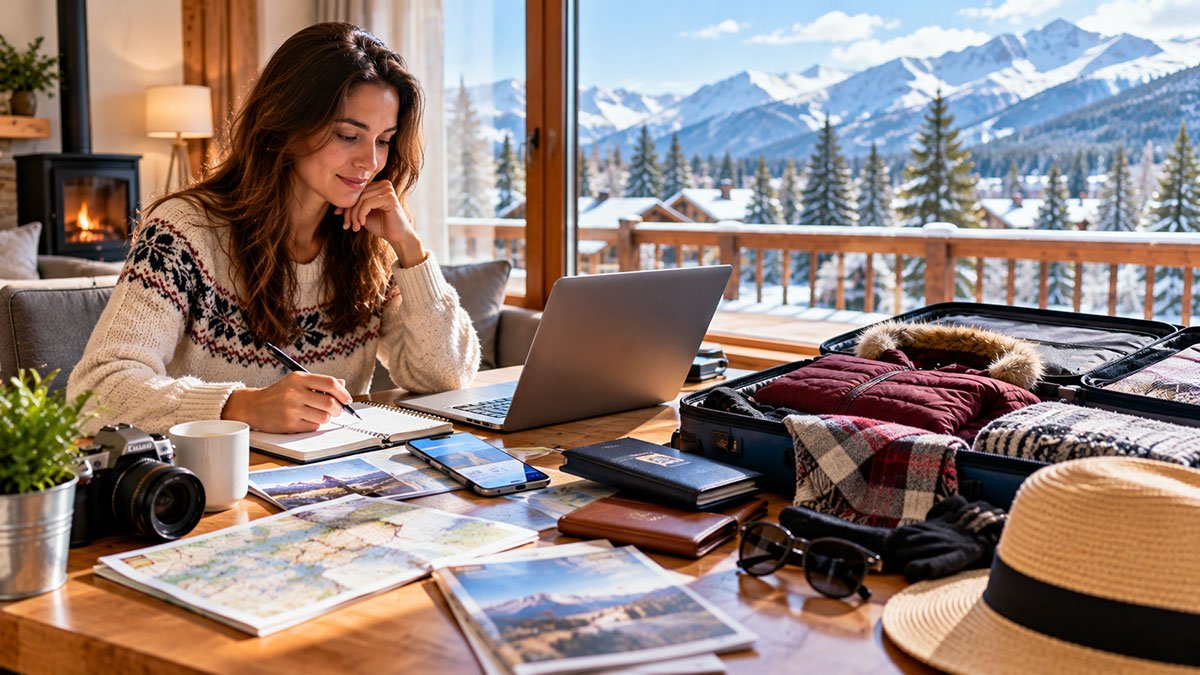
Plan your winter escape with thoughtful preparation, from choosing your destination to organising travel bookings and packing for the weather.
Winter Getaway Planning: 5 Smart Tips for Your Trip
Winter is an ideal time to take a break from your usual routine. You might prefer a sunny beach, a mountain retreat covered in snow, a city filled with seasonal celebrations or a quiet destination where you can relax.
Successful winter getaway planning starts with choosing the right experience and understanding what it will cost. Flights, accommodation and popular seasonal activities can be in high demand around school holidays, festivals and other peak travel periods. Booking thoughtfully can help you manage your budget and secure the arrangements that matter most.
The key is to balance preparation with flexibility. Plan your essential bookings early enough to have suitable options, compare prices carefully and leave some room for unexpected changes.
1. Decide What You Want From Your Winter Getaway
Before comparing destinations, decide what you want to experience. Your preferred holiday style will help narrow the options and prevent you from spending money on activities that do not interest you.
Escape to a Warm Destination
If you want a break from cold weather, consider a beach holiday, a tropical island, a coastal town or a destination known for outdoor dining and sightseeing.
Popular warm-weather destinations can become busy during winter holiday periods. Look beyond the best-known resorts and compare alternative towns or islands with suitable accommodation, transport and activities.
However, do not assume that a less-famous destination will automatically be cheaper or less crowded. Check local weather patterns, seasonal operating arrangements, accommodation availability and transport connections before making a decision.
Remember that seasons differ between hemispheres. A destination experiencing summer during your home country’s winter may offer a very different climate from somewhere in the Northern Hemisphere.
Embrace a Snowy Winter Holiday
If you enjoy cold weather, consider a mountain resort or a destination offering skiing, snowboarding, sledding, ice skating or snowshoeing.
A winter sports holiday requires more preparation than a conventional city break. Look into equipment rental, lift tickets, lessons, clothing, transport to the slopes and the cost of any necessary reservations.
If you prefer a slower pace, choose a destination with scenic walks, winter markets, spas or comfortable accommodation where you can relax between outings.
Plan Around a Seasonal Festival
Winter also brings major cultural events, holiday celebrations and festivals. New Orleans, for example, hosts Mardi Gras during the Carnival season, while other destinations organise winter markets, concerts and local celebrations.
These events can be excellent reasons to travel, but they may also affect accommodation prices, transport availability and crowd levels.
Check the organiser’s official calendar before booking. Dates, parade routes and event schedules can change, so confirm the arrangements for your intended visit.
2. Choose Your Destination and Set a Realistic Budget
Once you know what kind of getaway you want, compare destinations against your budget, travel time and preferred activities.
The cheapest flight or accommodation rate does not necessarily produce the cheapest holiday. A hotel far from the attractions may increase your transport expenses, while a low-cost flight with restrictive baggage rules may cost more after you add the extras you need.
Calculate the Full Cost of Your Trip
Prepare a budget before making non-refundable reservations. Include the main expenses as well as a contingency for unexpected costs.
| Expense | What to consider |
|---|---|
| Transport | Flights, trains, buses, fuel or airport transfers |
| Accommodation | Nightly rates, taxes, service fees and deposits |
| Meals | Groceries, restaurants, snacks and drinks |
| Activities | Attraction tickets, ski passes, equipment rental and guided tours |
| Local transport | Public transport, taxis, parking or a rental car |
| Travel insurance | Relevant medical, cancellation and interruption coverage |
| Personal spending | Shopping, souvenirs and optional experiences |
| Emergency reserve | Unexpected transport, weather disruption or accommodation changes |
For international trips, also account for passport or visa costs where applicable, currency conversion charges and any required travel documentation.
Compare Destinations, Not Just Prices
A useful comparison considers the whole experience. Look at flight duration, airport transfers, the location of accommodation, the activities included in a package and the flexibility of its cancellation conditions.
If two destinations offer similar experiences, the one with more convenient transport or included activities may deliver better value even when the headline price is slightly higher.
Choose a budget that leaves you enough room to enjoy the holiday without relying on uncertain discounts or cutting essential expenses.
3. Book Flights and Accommodation Strategically
Winter holiday demand varies by destination and date. Popular resorts and event cities may have limited availability during peak periods, so it helps to start comparing options once your travel dates are reasonably clear.
However, booking early does not guarantee the lowest price. Airlines and accommodation providers use different pricing systems, and fares can change with availability and demand.
Compare Flexible Travel Dates
If your schedule allows, compare departures and returns on several nearby dates. Check different departure times and suitable nearby airports where practical.
Very early-morning or late-night flights may sometimes offer lower fares, but they are not always cheaper or less crowded. Compare the complete journey, including baggage, seat selection, overnight accommodation if needed and transport to the airport.
For international flights, leave enough time for connections and check whether your itinerary involves changing airports or terminals.
Choose Accommodation for Convenience
Compare hotels, holiday rentals, apartments and resort properties according to your needs.
A property near a ski lift may be convenient for winter sports, while a centrally located city hotel may reduce your daily travel time. If you plan to explore restaurants and attractions on foot, proximity may be worth paying more for.
Before booking, check the property’s exact location, recent reviews, heating or cooling arrangements as relevant, cancellation terms, check-in conditions and mandatory fees. Never assume that a listing includes facilities that it does not explicitly confirm.
Check the Terms Before You Pay
Read the booking conditions carefully. Look at refund eligibility, cancellation deadlines, change fees and the rules for any advertised discount.
Use reputable booking providers and retain copies of confirmations and receipts. When booking accommodation directly, verify the property’s contact details through an independently trusted source.
For more travel organisation advice, see HolidayYP’s guide to taking the stress out of holiday planning.
4. Reserve Important Activities in Advance
Some winter experiences have limited capacity, particular operating dates or booking requirements. Reserving these activities early can help you organise the rest of your trip around them.
Prioritise Activities That Need a Reservation
Consider booking ahead when your itinerary includes:
- Ski lessons, equipment rental or other essential winter sports arrangements.
- Popular guided tours or timed-entry attractions.
- Major seasonal festivals and ticketed performances.
- Special dining experiences or restaurants with limited availability.
- Activities that require permits or advance registration.
Check the official attraction or event website for current prices, dates, operating hours and booking conditions.
Some destinations offer substantial choice without advance reservations, while others require careful planning. Research the activities that matter most to you rather than assuming everything will sell out.
Keep Some Flexibility in Your Itinerary
Booking every hour of the holiday can make the trip feel rushed. Leave room for spontaneous discoveries, relaxation and weather-related changes.
For outdoor activities, check the forecast and cancellation policy before committing to non-refundable bookings. Snow conditions can affect skiing, while storms and heavy rain can disrupt flights, road travel and excursions.
A balanced itinerary combines a few priority experiences with free time to enjoy the destination at your own pace.
5. Prepare for Seasonal Weather and Travel Disruptions
Weather can shape a winter holiday more than any other season. Before departure, check the conditions normally expected at your destination and monitor current forecasts as the trip approaches.
Pack for the Actual Conditions
For cold destinations, pack suitable layers, warm socks, gloves and footwear with adequate grip. Waterproof outerwear can be useful in wet or snowy conditions.
For a winter-sun destination, consider lightweight clothing, sun protection and any other items suitable for the expected climate.
The right packing list depends on your activities. Skiing, winter hiking and city sightseeing require different equipment, so check the needs of your planned excursions before leaving home.
Check Road and Transport Conditions
If you plan to drive in snowy areas, review local road conditions, winter driving requirements and vehicle equipment rules. Allow extra time for your journey and carry appropriate emergency supplies.
In the United States, the National Weather Service advises travellers to check forecasts and road conditions before winter journeys and to prepare their vehicles for possible winter weather.
For flights, keep an eye on airline notifications and make sure you understand the change or cancellation conditions attached to your booking.
Arrange Appropriate Travel Insurance
Review whether your insurance covers the activities you plan to undertake and the disruptions that matter to you.
For a winter sports trip, verify cover for skiing, snowboarding or other planned activities. For international travel, consider emergency medical treatment and evacuation cover alongside cancellation or interruption benefits.
Read the policy exclusions and coverage limits rather than assuming all weather-related disruption or activity-related injuries will qualify for a claim.
Keep Important Information Accessible
Save your booking confirmations, accommodation address, travel insurance details and emergency contacts on your phone. Keep essential information available offline when possible.
If travelling internationally, check passport validity, visa requirements and official travel advice for your destination and any transit countries. Review these details well before departure and again closer to travel.
